Wed 29 Jul 2026 ▪
5 min read
▪
by
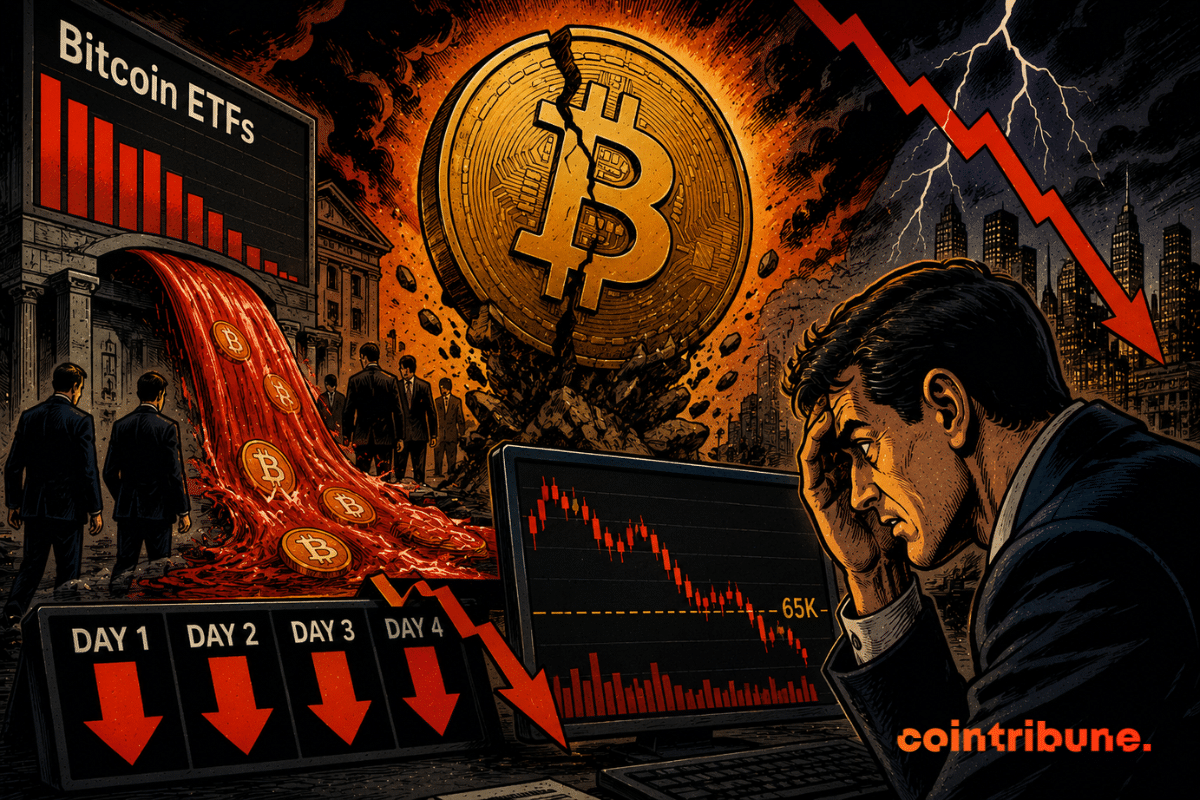
Bitcoin takes a hit, ETFs are bleeding, volumes are tanking. But Morgan Stanley isn't done yet. Is the crypto king losing its crown?
Bitcoin takes a hit, ETFs are bleeding, volumes are tanking. But Morgan Stanley isn't done yet. Is the crypto king losing its crown?

The market for derivatives linked to digital assets continues to evolve with a new initiative from Binance. The platform is now expanding its offering by launching options on gold and silver after the strong performance of its perpetual futures contracts on these metals. This new step meets sustained user demand and marks an evolution of its regulated product offering while maintaining integrated access to commodity markets from its ecosystem.
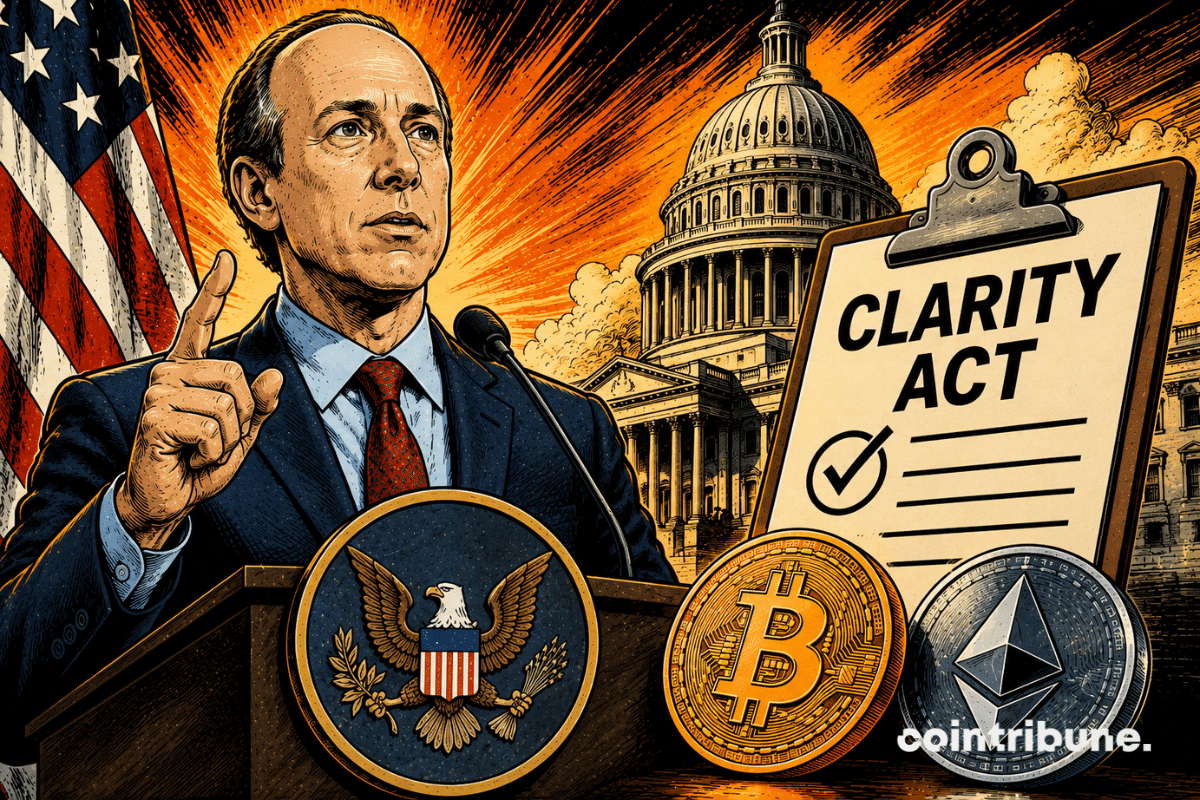
American crypto regulation has just taken a new step. On July 28, Paul Atkins, chairman of the SEC, publicly supported the CLARITY Act, a bill intended to finally define the rules of the crypto market in the United States. This stance strengthens the chances of adopting a highly anticipated text by investors, platforms, and issuers. Now in the hands of the Senate, the bill could offer the country its first comprehensive supervisory framework for these assets.
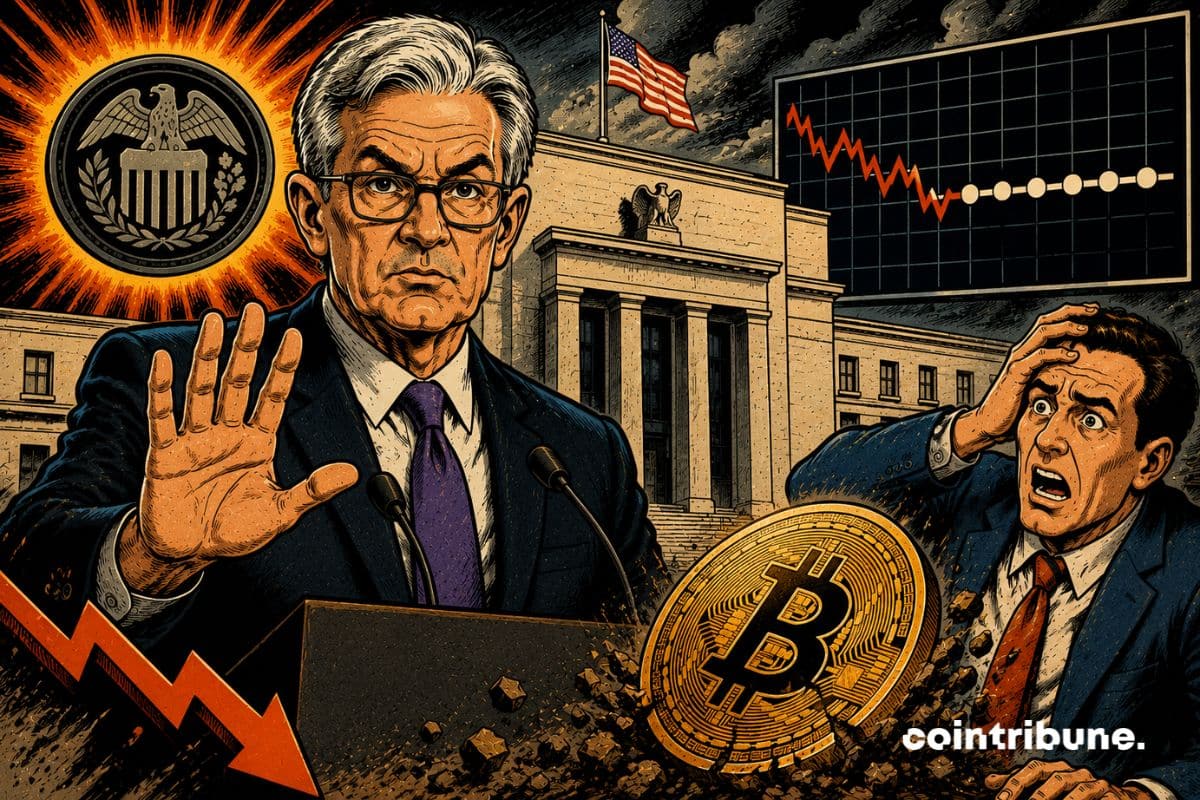
On July 29, 2026, the Fed froze its rates by keeping them unchanged between 3.50% and 3.75%. Between market relief and sharp criticism, find out why this decision could change everything for the crypto market.
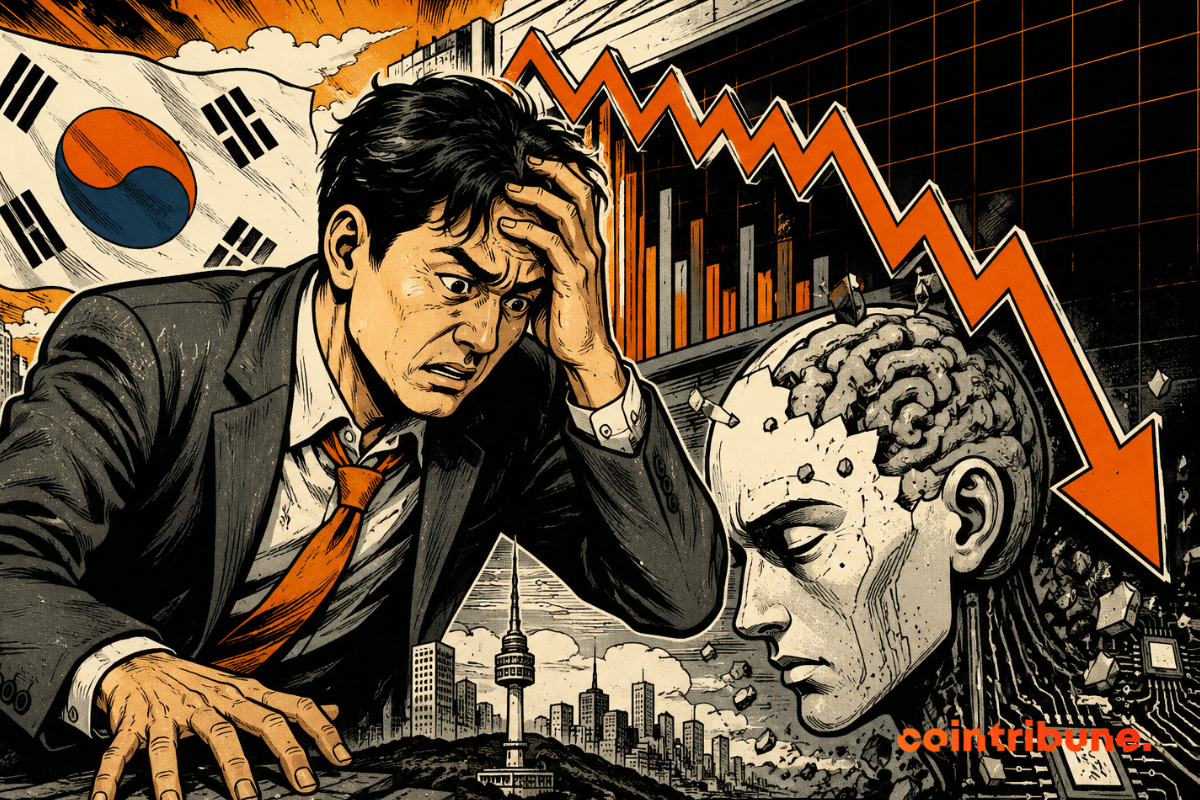
The South Korean market is going through a phase of high volatility that fuels questions about the valuations of technology companies. In just two sessions, the KOSPI experienced a historic decline, while tensions are also spreading to AI-related bond markets. This correction comes as investors had massively favored semiconductor and digital infrastructure stocks, considered the main growth drivers since the beginning of the year.
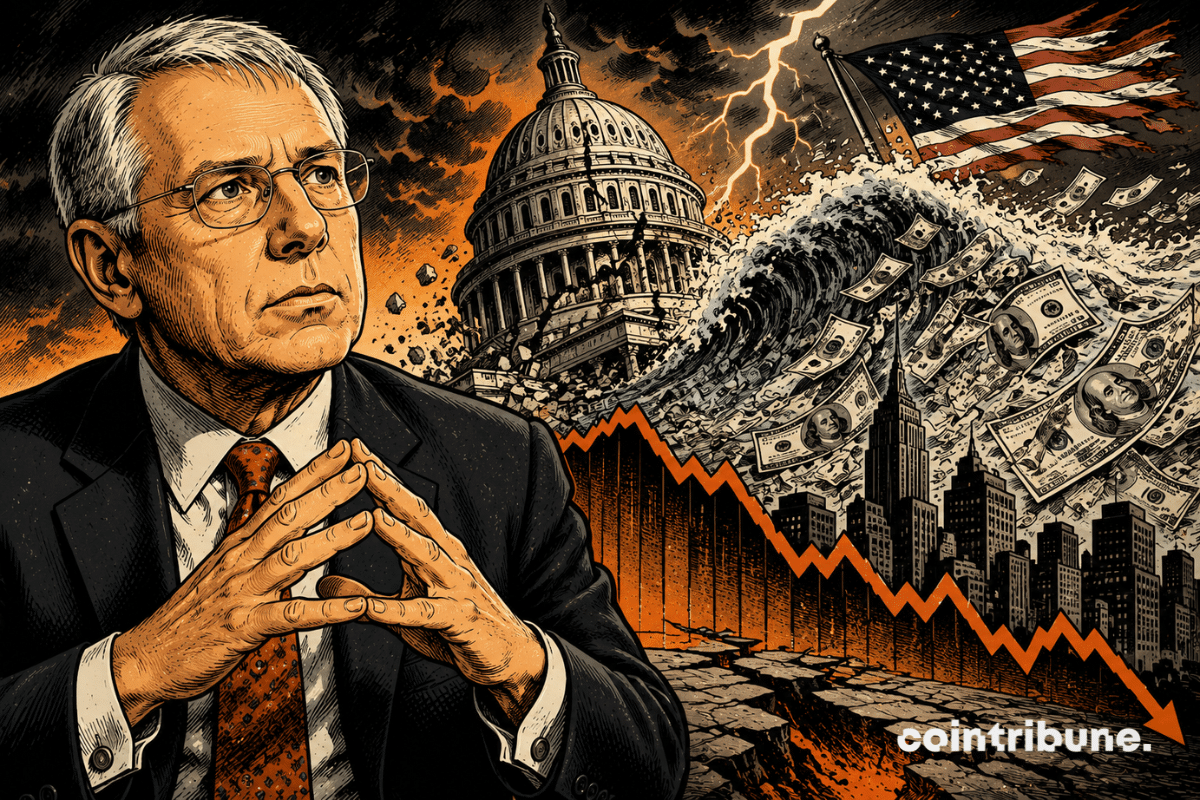
American debt is no longer just an economic indicator, but it is becoming a systemic risk. As the cost of its financing explodes, the Federal Reserve's room to maneuver shrinks and concerns grow about the solidity of the United States' economic model. Guest on the show "The David Lin Reportf", investor Doug Casey, author of "Crisis Investing", makes a straightforward assessment. The world's leading power is approaching a breaking point. This analysis also reignites the debate on the role of bitcoin and safe-haven assets in the face of monetary erosion.

Researchers in post-quantum cryptography unveiled on July 29 a zero-knowledge proof system capable of protecting Bitcoin wallets without changing existing addresses. Signed by AmericanFortress, this breakthrough comes as the threat of Q-Day becomes clearer. A viable solution for the ecosystem?
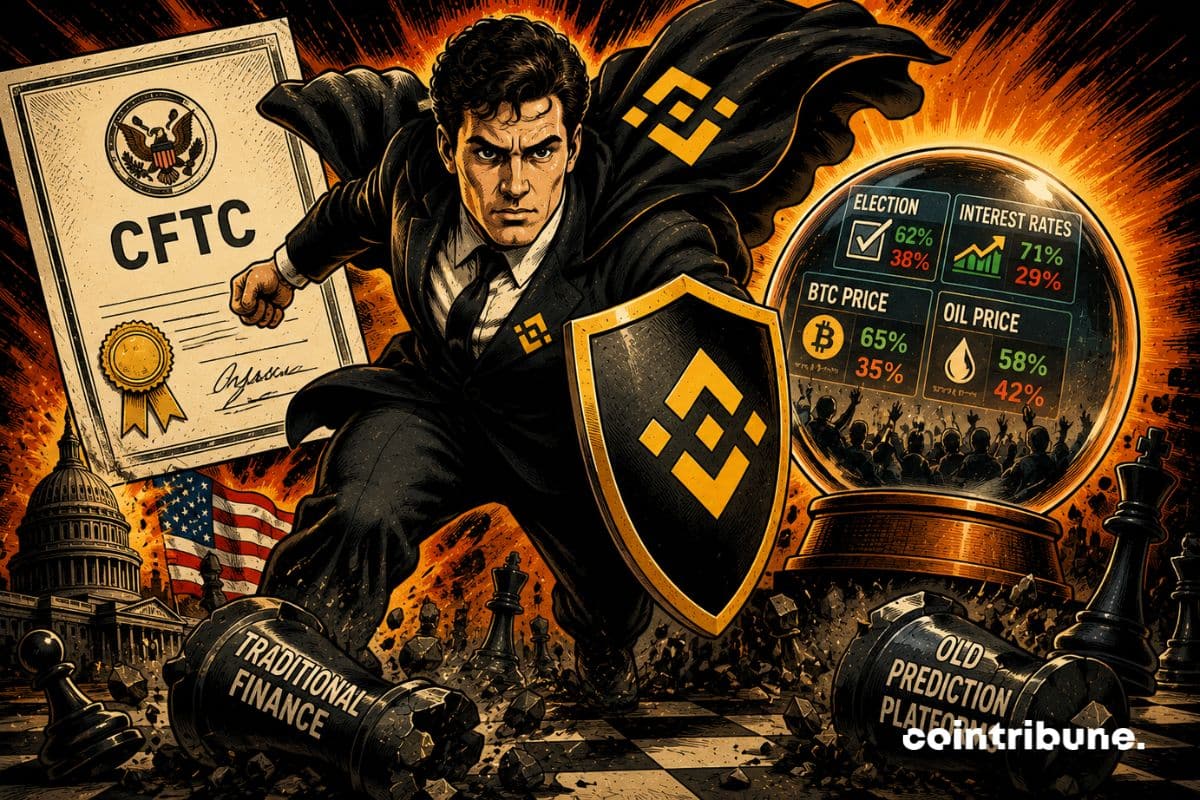
Binance.US is preparing a bold offensive on prediction markets. With a CFTC license in sight, BNB could explode... or collapse. All the keys to understand this risky strategy that could change everything for crypto.

For years, the crypto industry has thrived on fundraising and the multiplication of projects. This mechanism now seems to be coming to an end. Capital is now concentrated on a limited number of players, while the most fragile initiatives are gradually disappearing. This redistribution of investments marks a turning point for the Web3 ecosystem. On the social network X, Lorenzo Valente, associate researcher at ARK Invest, believes the sector has entered what he describes as "the largest consolidation phase" in its history.

Bitget ranked second for Ethereum order-book depth during the first half of 2026, according to CoinGlass. The result strengthens the exchange’s position among major derivatives platforms as traders increasingly prioritize liquidity, pricing stability and execution quality.