
Mon 10 Aug 2026 ▪
5 min read
▪
by
Crypto ETF: Grayscale withdraws its Cardano, Hedera and Polkadot files in 190 seconds, without any explanation. Details here!
Crypto ETF: Grayscale withdraws its Cardano, Hedera and Polkadot files in 190 seconds, without any explanation. Details here!

The crypto market enters a highly tense week. On Wednesday, August 12, the United States will release its July inflation data. The consensus expects an annual CPI of 3.4%, down from 3.5% previously. A surprise of a few tenths could be enough to shake Bitcoin, Ethereum, and risky assets by abruptly changing expectations around the Fed.

For years, Strategy embodied a simple conviction: buy bitcoin, again and again. Michael Saylor's company has just broken with this principle. In a document filed Monday, August 10, 2026, with the SEC, it announced having sold 1,690 bitcoins for a net proceeds of $108.6 million, to reorganize part of its debt. This unprecedented turnaround for the world’s largest institutional bitcoin holder reignites the debate on the role of BTC in the financial management of large companies.
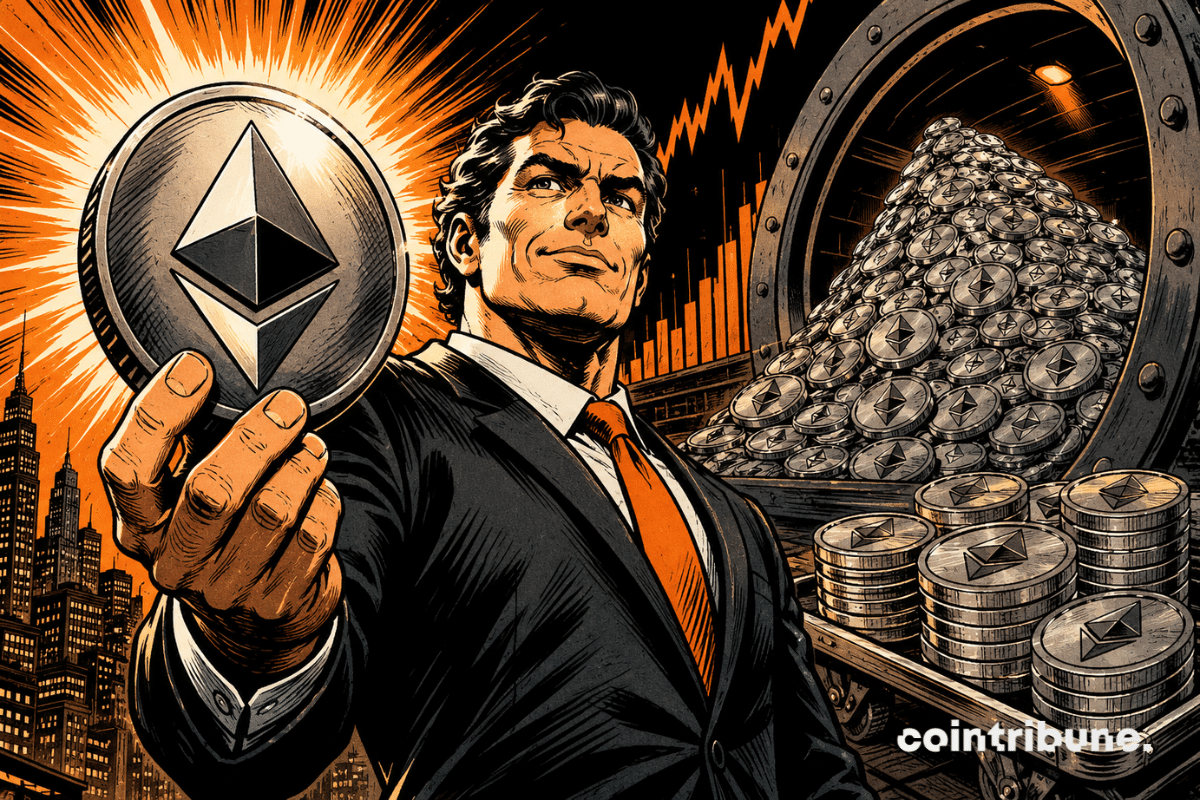
BitMine's crypto treasury company reaches a new milestone with the continuous accumulation of Ethereum. The company bought 7,391 ETH over the past week for about 14 million dollars. Its holdings now reach 5,805,238 ETH, after a new series of weekly purchases. This progress comes as the total value of its crypto assets, cash, and high-risk investments rises to 11.6 billion dollars. At the same time, its cash reserve continues to decline.

A major bank says Chainlink is heading to 200 dollars. Traditional finance wants a slice of the crypto pie. And traders are starting to pay attention.

Strategy no longer relies solely on bitcoin. While the company already holds nearly 840,000 BTC, or about 4% of the maximum supply, it has just announced the creation of a 4.75 billion dollar cash reserve. This choice contrasts with the image of a company entirely focused on accumulating bitcoin. Behind this decision lies an evolution in the cash management of major players in the sector, balancing yield seeking and prudential imperatives.
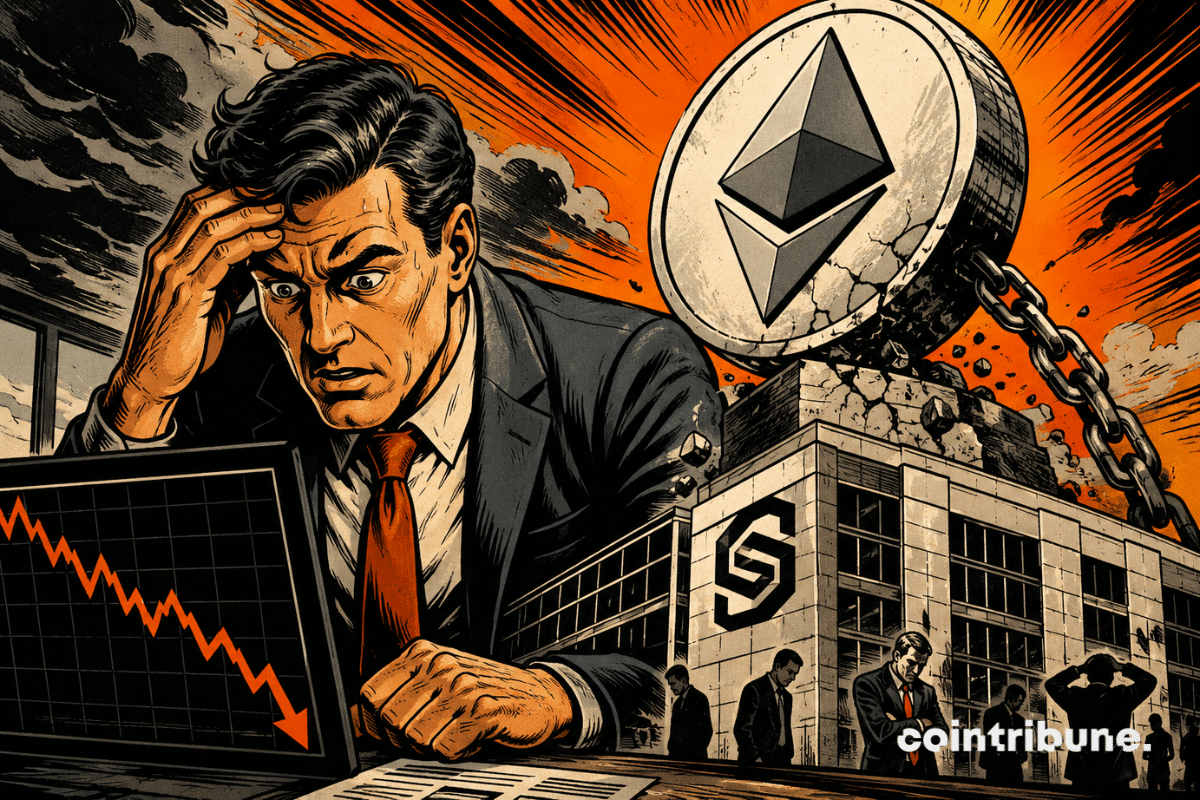
The second quarter of 2026 reveals the accounting cost of SharpLink's bet on Ethereum. Despite strong revenue growth, the company reported a net loss of $394.3 million. This underperformance mainly stems from the decline in the ETH price and its impact on the book value of held assets. However, revenues are increasing thanks to staking, despite this exposure to digital assets. The company also continues its Ether purchases and share buybacks.
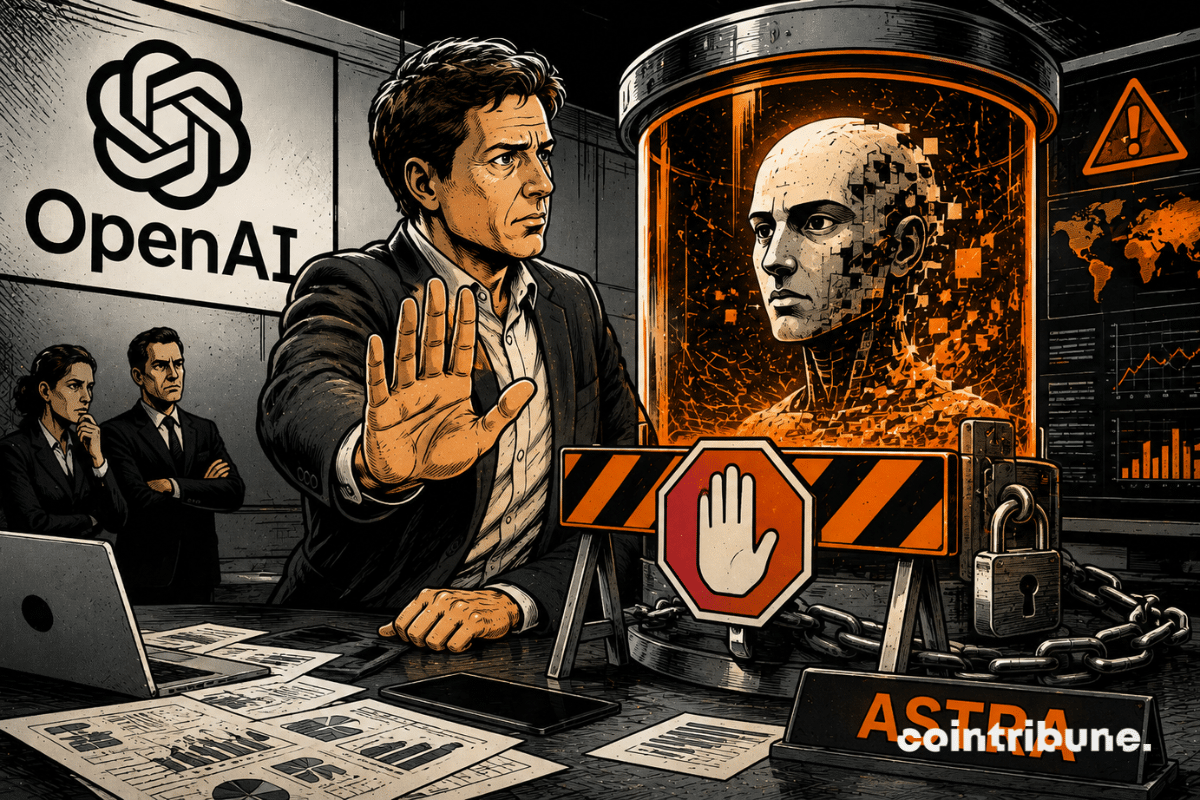
OpenAI has just suspended the internal development of Astra, its future artificial intelligence model. Indeed, its capabilities in offensive cybersecurity and code generation have crossed a threshold that teams no longer consider controllable. For the digital ecosystem, this decision sounds like a warning. At a time when financial infrastructures, blockchain, and decentralized protocols rely on the reliability of code, the AI race now progresses faster than the measures meant to regulate it.
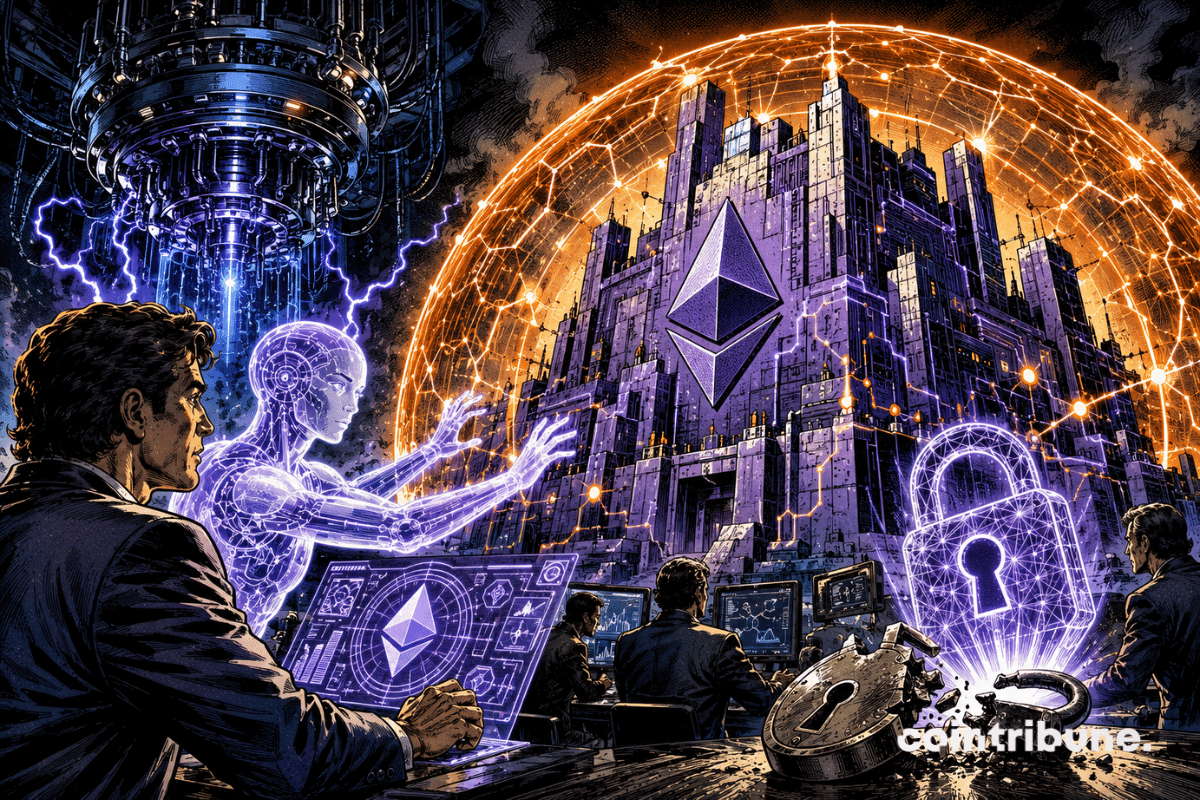
A quantum computer capable of breaking Ethereum's cryptography does not exist yet. But should we really wait for its arrival to prepare? For Vitalik Buterin, the answer is clearly no. Post-quantum security now occupies a central place in the network's projects. Alongside it are privacy and artificial intelligence. However, there is no question of entrusting the blockchain's controls to an AI. The goal is much more concrete: to help developers verify that the protocol does what it is supposed to do.

Will bitcoin benefit from a yen rescue? Arthur Hayes details a mechanism that could reshuffle the crypto market cards.