Enseignante et ingénieure IT, Lydie découvre le Bitcoin en 2022 et plonge dans l’univers des cryptomonnaies. Elle vulgarise des sujets complexes, décrypte les enjeux du Web3 et défend une vision d’un futur numérique ouvert, inclusif et décentralisé.
Fri 21 Aug 2026 ▪
4 min read
▪
by
Lydie M.
Binance now directly opens its infrastructure to AI agents. With Agent OS, tools like ChatGPT, Claude Code, Codex, or Cursor can access market data, monitor an account, and execute crypto trades. The user retains control over permissions and can revoke access at any time.
Thu 20 Aug 2026 ▪
4 min read
▪
by
Lydie M.
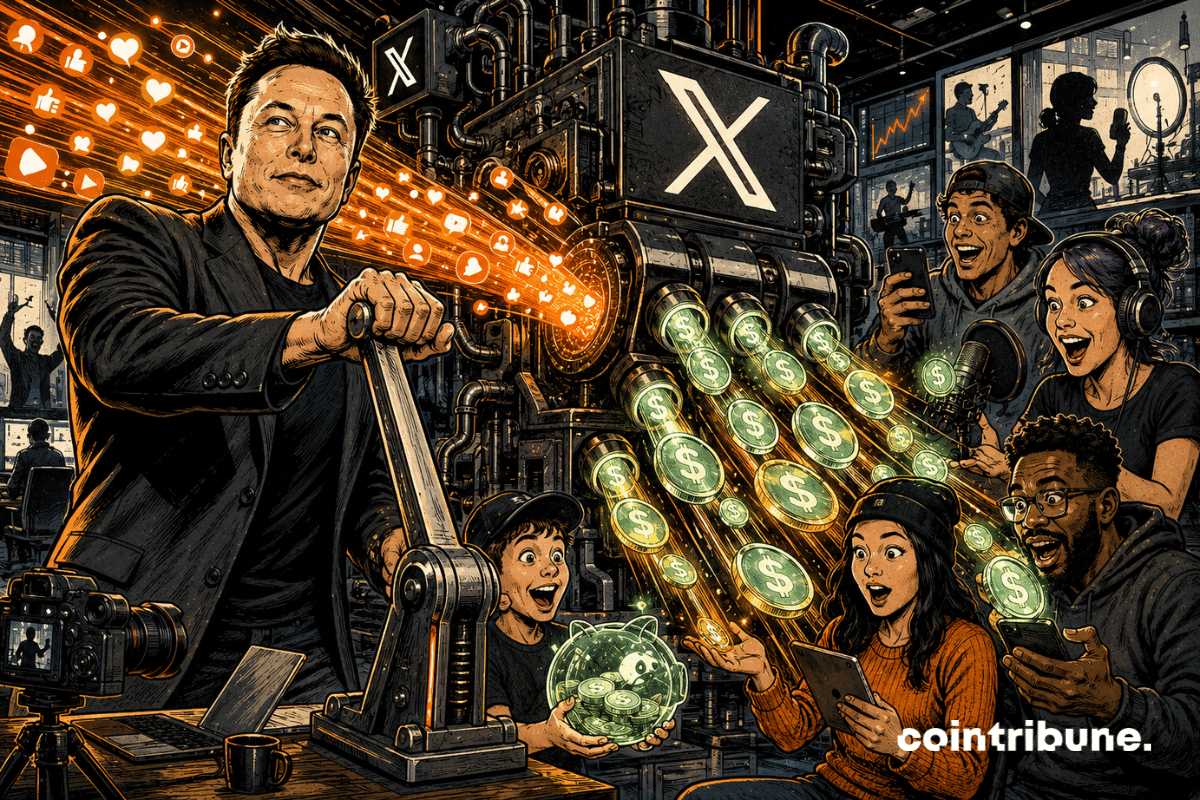
X is considering a new way to pay its creators. Elon Musk's platform is discussing the use of stablecoins, including Circle's USDC, to distribute the revenues generated by their content. No official launch yet. Discussions come as X abandons its old revenue sharing program to deploy a new one.
Thu 20 Aug 2026 ▪
5 min read
▪
by
Lydie M.
Bitcoin lost more than 50% between its October 2025 peak and its June low. However, BlackRock does not change its position. In a new report dedicated to BTC, the world's largest asset manager maintains an allocation of 1 to 2% in a traditional portfolio. For them, the drop mainly comes from leverage, institutional outflows, and sales from large holders. Not from a change in the Bitcoin case.
Wed 19 Aug 2026 ▪
4 min read
▪
by
Lydie M.
Donald Trump gives Canada a three-day reprieve. The 50% tariffs that were supposed to take effect on August 19 are suspended while Washington and Ottawa finalize a trade agreement. Trump says the essential points are settled. Mark Carney talks rather about significant progress with still work to do. For markets, including crypto, a new deadline has simply replaced the old one.
Tue 18 Aug 2026 ▪
4 min read
▪
by
Lydie M.
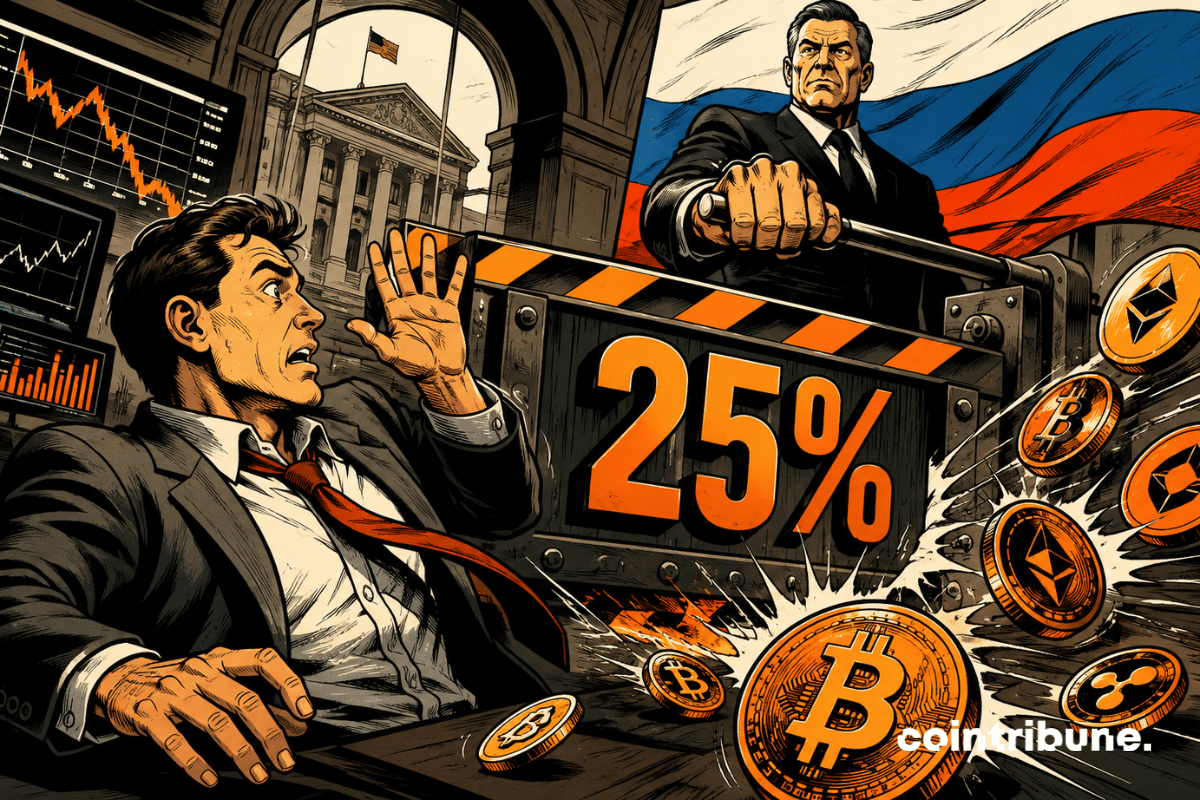
The Bank of Russia wants to limit the role of crypto in market professionals’ accounts. Its new draft regulation sets a 25% threshold for digital assets considered in the calculation of their equity. Brokers, managers, forex dealers, and crypto exchange platforms are concerned. Moscow thus allows crypto more, without giving it too much space in intermediaries’ balance sheets.
Mon 17 Aug 2026 ▪
4 min read
▪
by
Lydie M.
Binance reportedly handed over the personal data of Yuri Belenkiy to Russian authorities as well as his transaction history. This 49-year-old IT specialist had sent more than 700 dollars in crypto to fundraisers supporting Ukraine. He was arrested in September 2025 in Russia. He is now awaiting trial for financing terrorism.
Sun 16 Aug 2026 ▪
6 min read
▪
by
Lydie M.
Strategy thought it had won the battle in January. Seven months later, MSCI returns with a different method that could lead to the same result: the removal of the largest listed holder of bitcoin from several global indices. This time, the word "crypto" almost disappears from the framework. In its place, five financial ratios intended to identify companies whose value depends more on accumulated assets than on traditional operating activity. And in MSCI's simulation, Strategy falls directly into the net.
Sat 15 Aug 2026 ▪
4 min read
▪
by
Lydie M.
Nigel Farage has just regained his Clacton parliamentary seat with 63% of the votes. His return to Parliament also reignites an investigation suspended since his resignation in July. The British standards commissioner is interested in several million dollars in donations and benefits received from two men linked to crypto.
Fri 14 Aug 2026 ▪
4 min read
▪
by
Lydie M.
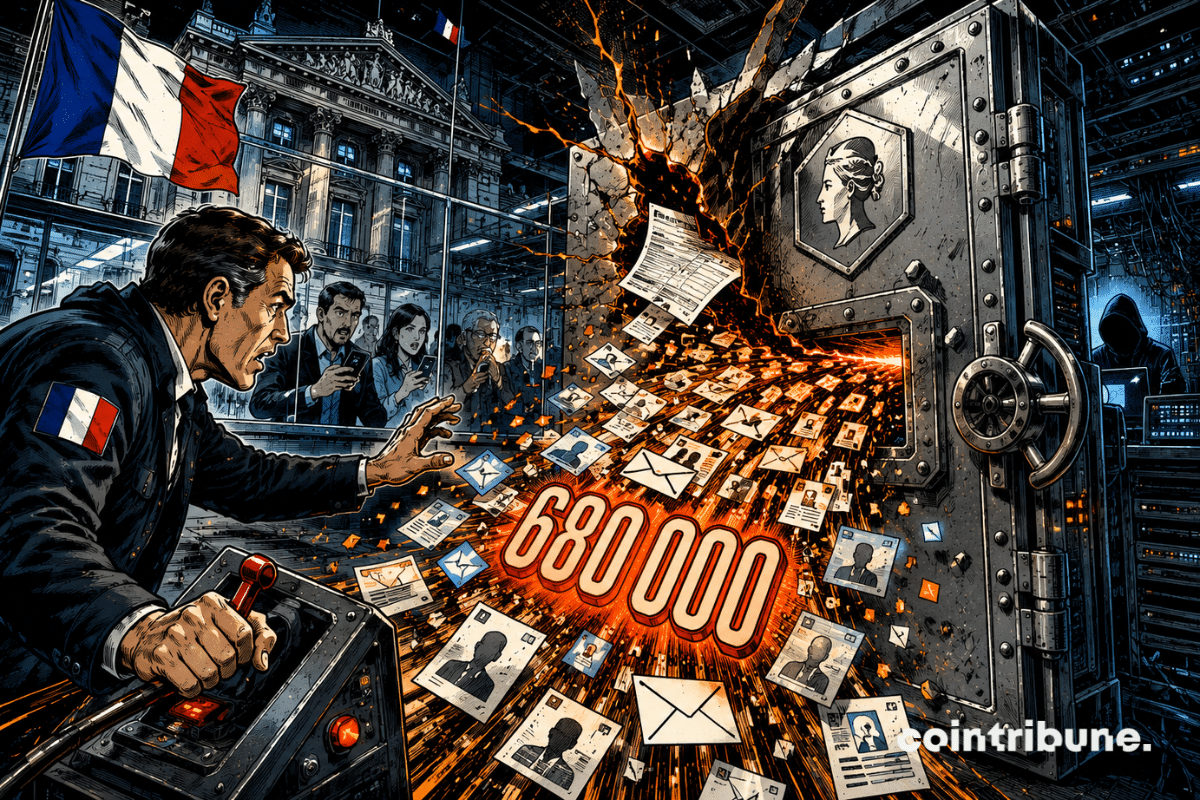
France faces a new leak of sensitive data. A hacker claims to have extracted information concerning nearly 678,000 taxpayers following fraudulent access to the DGFiP system. Bercy confirms the intrusion and data exfiltration, but not this number yet. Individuals and professionals are among the potential victims.
Thu 13 Aug 2026 ▪
5 min read
▪
by
Lydie M.
Binance has just taken second place in the tokenized stocks market by value. Launched on June 11, bStocks shows about 610.6 million dollars, compared to 601.2 million for Kraken's xStocks. It took less than two months to reverse the ranking. Ondo Finance remains ahead of the two platforms.
Wed 12 Aug 2026 ▪
5 min read
▪
by
Lydie M.
Harmony confirmed on August 12 a flaw that allowed the creation of 4 billion ONE without authorization. At current rates, this represents about 3.2 million dollars. The token lost 34% in 24 hours. The amount is not huge on the scale of crypto hacks. The problem is more serious: someone reportedly managed to directly increase the supply of ONE.
Tue 11 Aug 2026 ▪
5 min read
▪
by
Lydie M.
Riot Platforms has just changed dimension. The Bitcoin mining giant has signed a 9.1 billion dollar contract over twenty years to supply 191 megawatts to an artificial intelligence laboratory. According to Bloomberg, the client is Anthropic. The agreement especially confirms a rapid transformation of the mining sector, now sought after for its electricity as much as for its bitcoins.
Mon 10 Aug 2026 ▪
5 min read
▪
by
Lydie M.
The crypto market enters a highly tense week. On Wednesday, August 12, the United States will release its July inflation data. The consensus expects an annual CPI of 3.4%, down from 3.5% previously. A surprise of a few tenths could be enough to shake Bitcoin, Ethereum, and risky assets by abruptly changing expectations around the Fed.
Fri 07 Aug 2026 ▪
5 min read
▪
by
Lydie M.
BlackRock’s Bitcoin and Ethereum ETFs experienced a sharp reversal in Q2 2026. Their activity on the shares went from a net increase of $13.9 billion a year earlier to a decrease of $3.5 billion. An annual gap of $17.4 billion that mostly reveals the magnitude of the redemptions.
Thu 06 Aug 2026 ▪
4 min read
▪
by
Lydie M.
Hyperliquid faces a more demanding phase of its development. JPMorgan believes the decentralized platform could lose ground to regulated US offerings. At the same time, capital inflows into HYPE-related ETFs have significantly slowed down after their spectacular start.