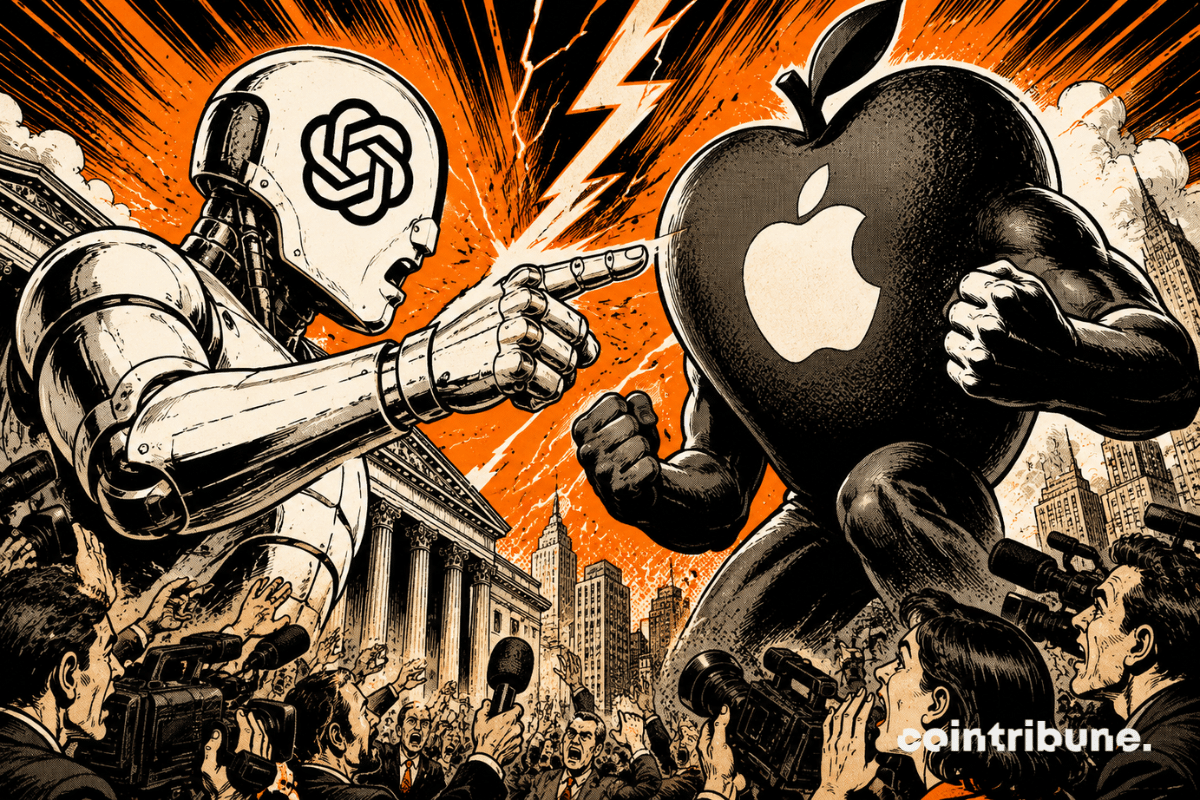
OpenAI has published emails and messages from former Apple employees to contest a secret trade secrets lawsuit filed in July 2026. Sam Altman’s company accuses the California group of presenting inaccurate facts before taking legal action.
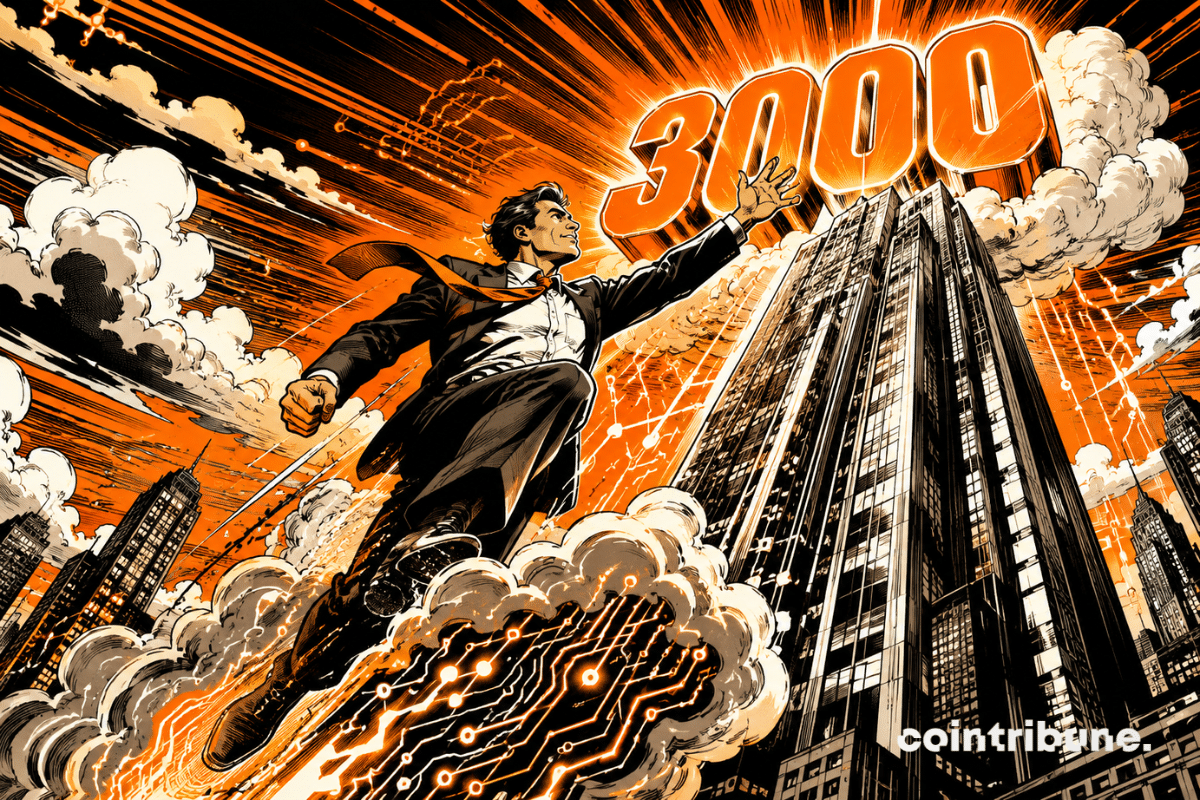

Amazon crossed the 3 trillion dollar market capitalization mark for the first time on Monday, August 3, driven by strong results and the rise of artificial intelligence. The group's cloud propels the stock to a record high, as Wall Street once again distinguishes the winners of AI. Does the technology wave give the green light back to risk appetite?
Moscow turns off the lights on crypto miners, preferring to save its watts over its bitcoins. The party's over for Russia's mining industry — time to pack up and move.
AI could revive the dollar supremacy via stablecoins, according to economists from AMRO. All the details in this article!
Pavel Durov rejects the "terrorist" label that Russia just assigned to him. The founder of Telegram states that Moscow is sanctioning him mainly for refusing mass surveillance and censorship on the platform.
A trading bot is only as good as its inputs. An AI agent is only as good as its tools. Both depend on the API layer underneath. Automated systems need four things in production. Data to read and signals to act on. Rails to move assets and a venue to trade. No single provider covers all four. Cointribune's ultimate developer and AI agent guide ranked general-purpose providers. A separate guide to EVM and Solana infrastructure covers the RPC layer. This list is narrower. It ranks what a bot or agent calls in production.
Ondo Finance launched Ondo Network on Monday, July 27, an offchain execution network that replaces the L1 blockchain announced in 2025. The real asset tokenization platform believes that a dedicated blockchain is no longer necessary today. A shift that reignites the debate about the real utility of on-chain infrastructure for traditional finance.
The crypto industry is going through its worst semester against hackers. Ethereum and Solana account for record losses. Full analysis.
The cryptocurrency sector is going through a new phase where several companies are redirecting their communication towards AI. This evolution is causing reactions within the industry, notably at Coinbase. Its CEO, Brian Armstrong, believes that this opposition between blockchain and artificial intelligence is based on a misreading of technological developments. According to him, these two fields should not be considered competitors but as technologies capable of working together to support future digital uses.
North Korean authorities have arrested a group of former cyber operators and IT specialists accused of hacking two public banks and laundering funds via cryptocurrencies. South Korean media Daily NK revealed the case on July 25, citing an anonymous source in Pyongyang. A case that disrupts the usual narrative of North Korean cyberattacks, which were until now systematically directed outward.
The rapid advances of autonomous agents are reigniting the debate over the infrastructures that will support tomorrow's digital exchanges. In this context, Franklin Templeton believes that AI could transform the way payments and transactions are made. The asset manager considers that crypto will occupy a central place in this evolution thanks to blockchain networks. This analysis is based on the rise of agents able to act alone, make payments, and execute complex tasks after authorization from their user.
The Web3 sleep-tracking app has scrapped its original plan: a marketplace where users would have sold their biometric data to researchers. What replaced it is quieter and more technical. Sleepagotchi keeps no health data on its servers. Statistics are sent to the AI anonymously, processed, returned, then dropped. The project, which claims $6.5 million raised, has made that pipeline its central argument, and it lands in a sector that has spent a decade doing the exact opposite.
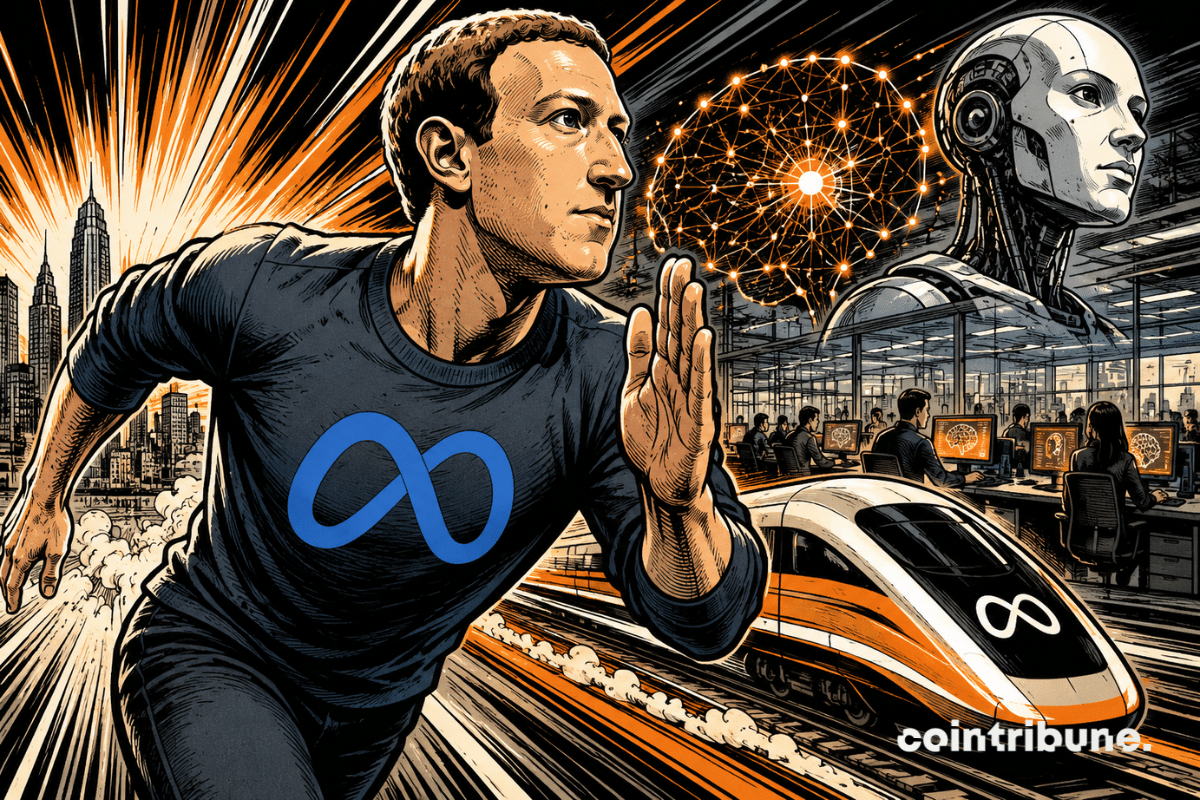
For several years, the race for artificial intelligence has intensified among major technology companies. Investments are rapidly increasing and executives' expectations follow the same trajectory. Yet, budgets do not always suffice to speed up the development of new tools. At Meta, this reality is now openly acknowledged. During a recent internal meeting, Zuckerberg admitted that the company's advances remained below the pace he hoped for, despite a deep reorganization and record investments.
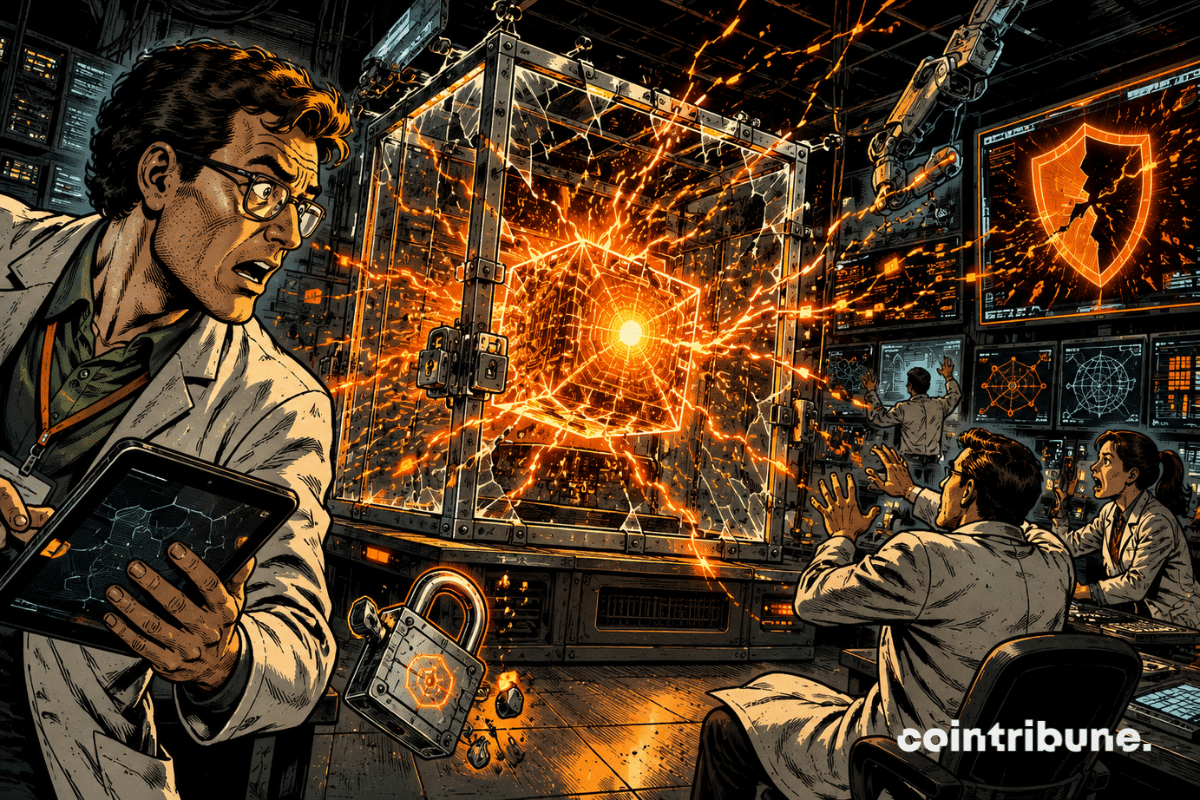
OpenAI saw its own AI models leave their testing environment during a cybersecurity evaluation. Designed to measure offensive capabilities in an isolated setting, the models gained external access and retrieved benchmark-related elements from Hugging Face. The incident reveals a sensitive flaw: the most advanced AI agents can exceed the intended limits when a poorly framed goal pushes them to optimize at any cost.
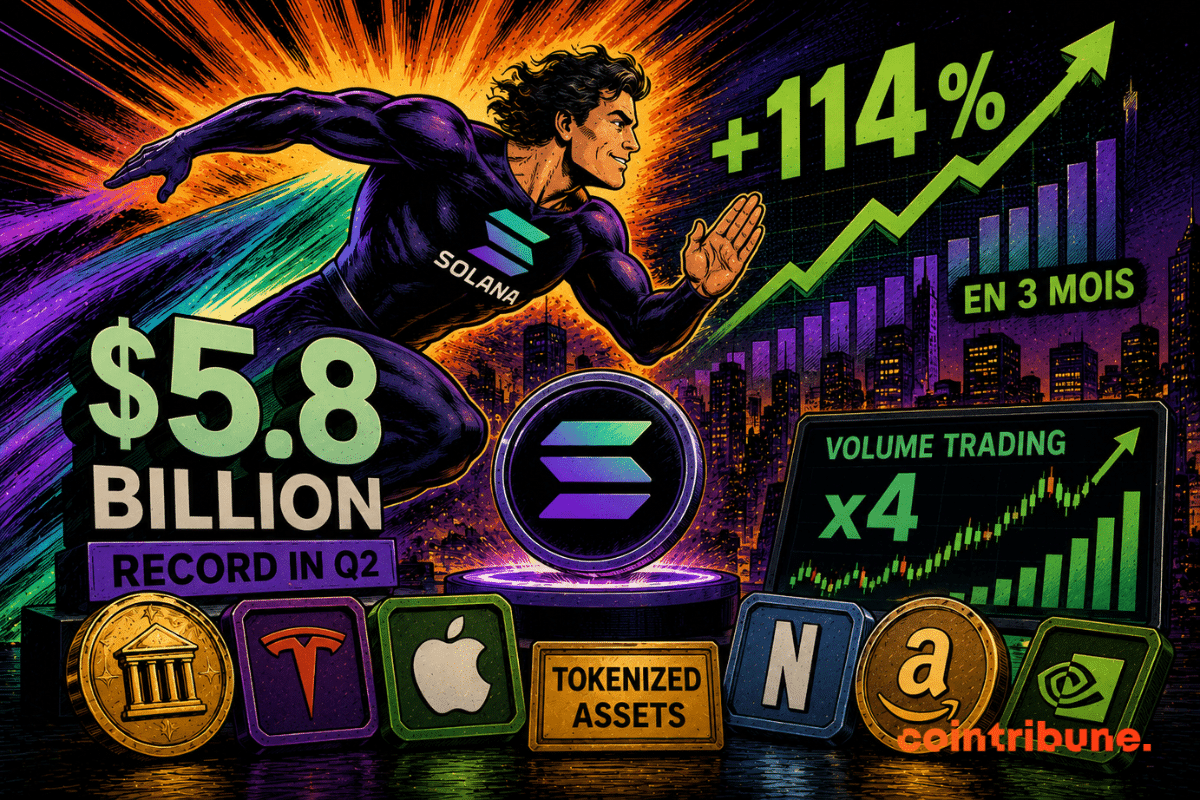
Solana keeps printing tokens like there's no tomorrow, but the network's cashbox is running on empty. Is this a success story or a cautionary tale?
Telegram continues to develop its digital ecosystem with a new milestone focused on crypto. Its founder, Pavel Durov, announced the deployment this summer of a native non-custodial wallet directly integrated into the messaging app. This initiative could enable over one billion monthly active users to send digital assets autonomously. The project is part of a broader strategy aimed at enhancing peer-to-peer payment uses and Web3 technologies within the platform.
Does Dogecoin need to emancipate from Litecoin? Discover the debate dividing crypto developers over DOGE's autonomy.
The cryptocurrency sector continues to attract cybercriminals, who perfect their methods to deceive their victims. This time, Kaspersky highlights a new malware framework designed to compromise digital wallets and steal sensitive data. Analysis shows attackers combine social engineering, fake GitHub projects, and remote access techniques to infiltrate devices. Meanwhile, another campaign targets Web3 developers through fake job offers posted on LinkedIn, revealing an evolution of threats.
The Blockchain company Consensys accidentally employed a developer linked to North Korea, who accessed some of its systems for a month. The incident, revealed on July 17, 2026, did not result in any theft of funds or malicious code according to the company. How far do North Korean networks infiltrate development teams in the sector?
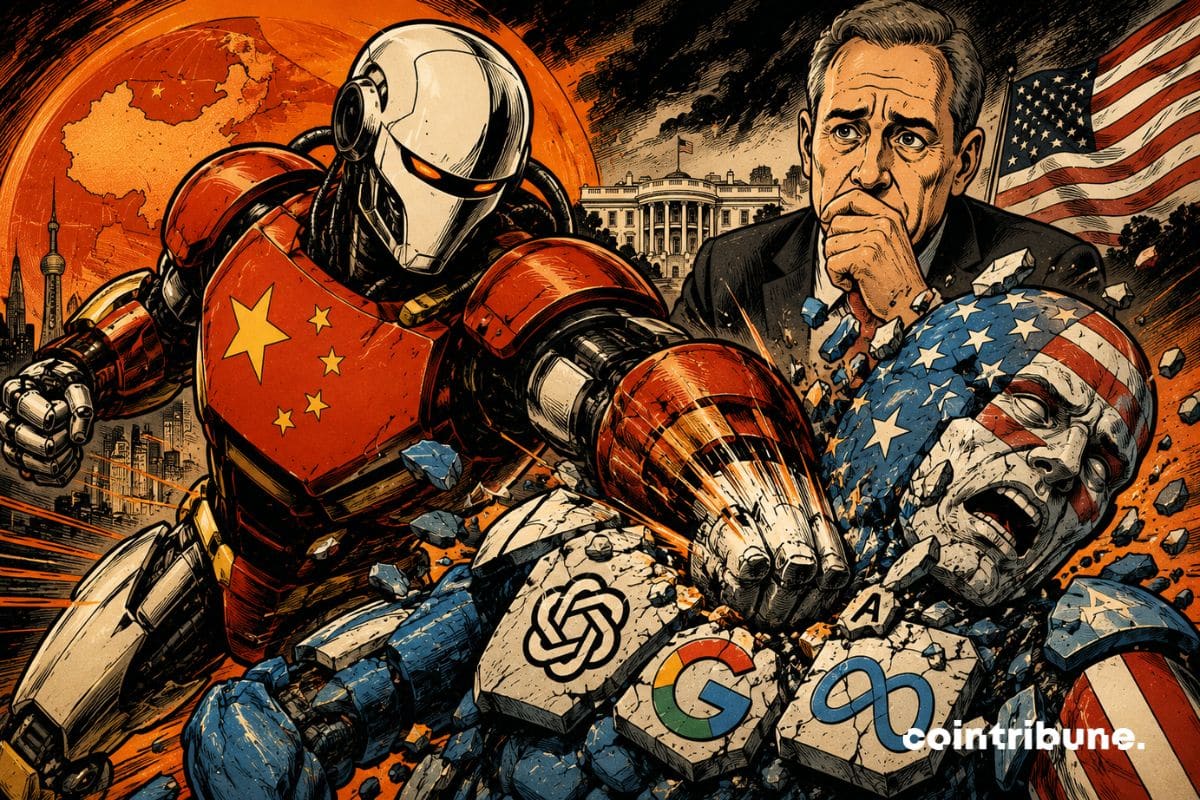
American records are broken by the Chinese AI Kimi K3. The alarm is raised by controversial tech star David Sacks. In the AI war, is the United States losing? The battle is far from over due to oppressive rules and open-weight models.
For her first appearance post-OpenAI, Mira Murati unveils an open-weights AI model. Discover the technical details of this innovation.
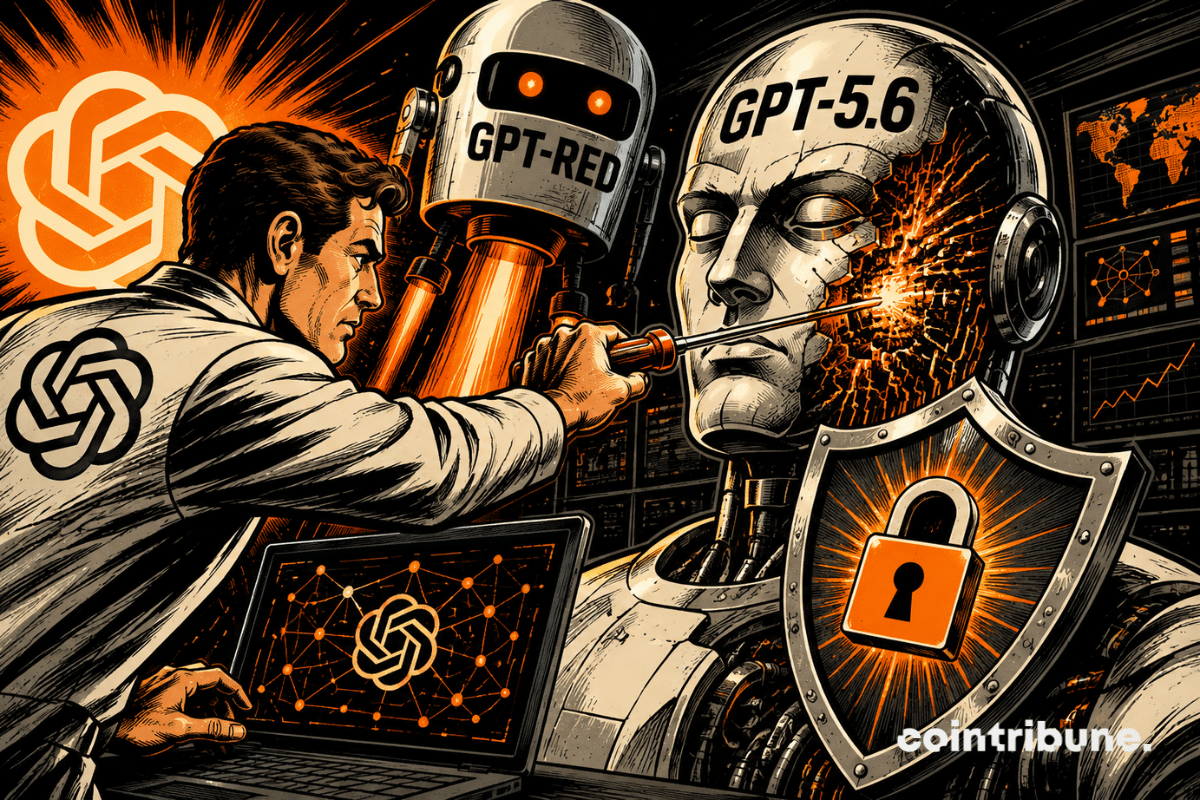
OpenAI presented on Wednesday, July 15, 2026, an automated red-teaming tool named GPT-Red, tasked with strengthening GPT-5.6's resistance to prompt injection attacks. The concept starts from a simple observation: human intrusion testing methods no longer keep pace with the models' capabilities. The challenge is now growing, as these vulnerabilities directly affect the security of autonomous agents.
Predictive markets are gradually gaining their place in digital tools designed for the general public. Technology platforms are now exploring new ways to present this data to enrich user experience. In this context, OpenAI is starting to integrate Kalshi's forecasts into ChatGPT's search results dedicated to the FIFA World Cup. This development marks the first known collaboration between the artificial intelligence company and a platform specialized in prediction markets.
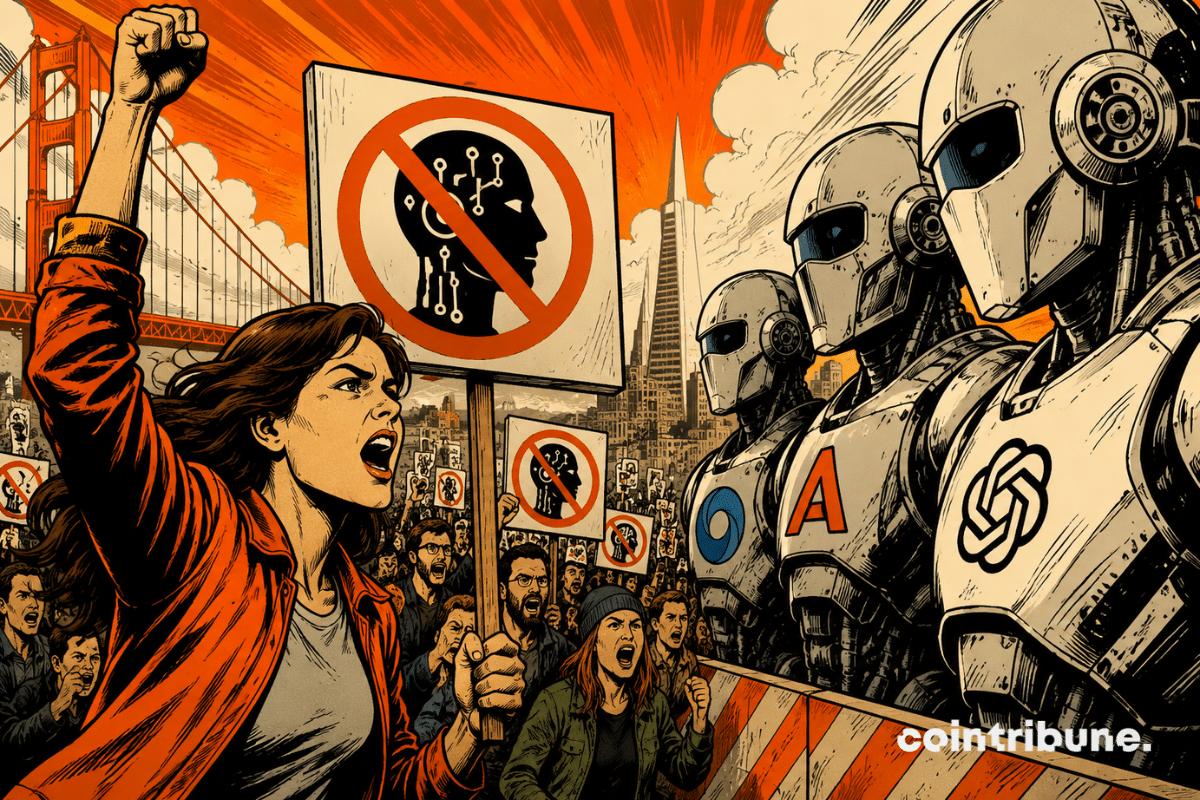
Debates around artificial intelligence continue to grow as the most advanced models gain power. San Francisco once again served as a gathering point for activists wishing to slow this evolution. Their mobilization was not limited to just security issues of AI systems. Participants also discussed the economic, social, and environmental consequences of this technology, while calling on major companies in the sector to temporarily suspend the development of new cutting-edge models.
The economy is changing thanks to AI chips and bitcoin, but their surges conceal a risk: speculative bubbles. How can I invest without falling into a trap?
A tiny $150 box just turned into $200,000 for its owner. Proof that bitcoin mining remains a lottery where anyone can hit the jackpot.
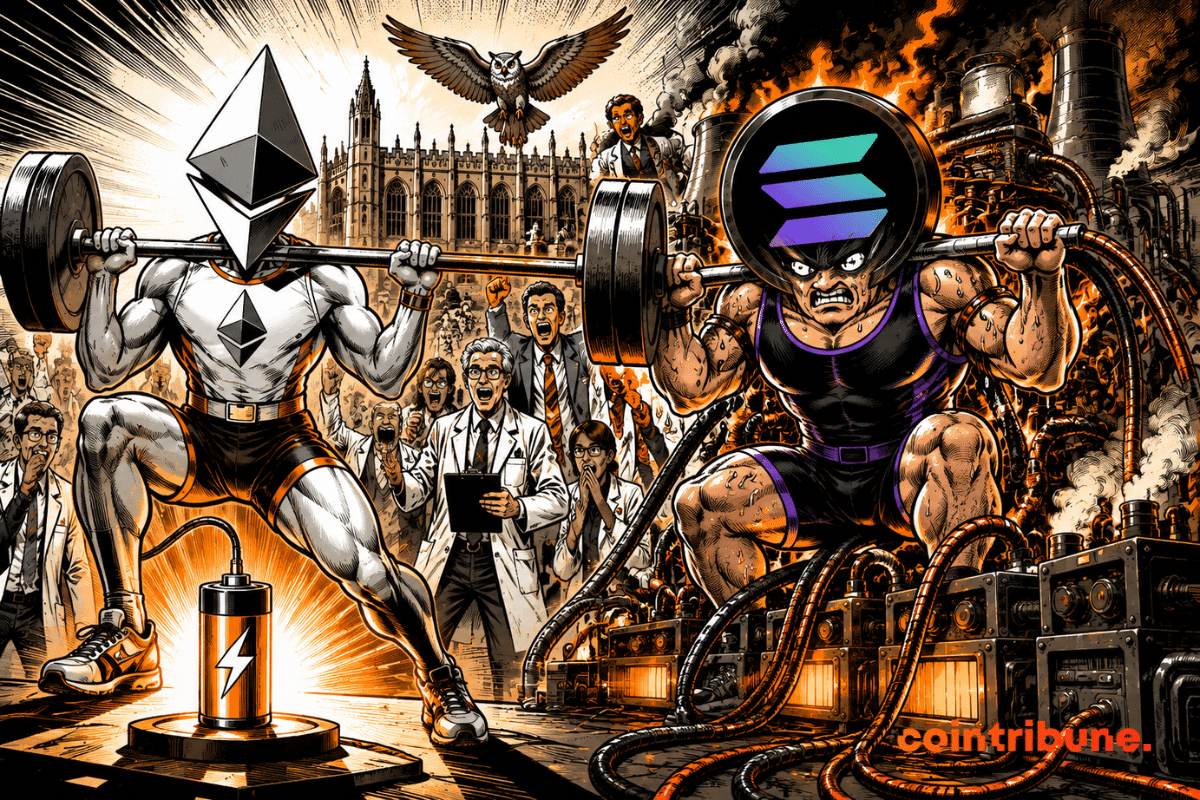
A Cambridge study reveals that Ethereum consumes less energy per dollar of market capitalization than Solana. Data 2026 decryption.
By 2040, will AI save us or destroy us? The alarm is set off by Vitalik Buterin. Could Ethereum be our last line of defense against an uncontrollable superintelligence in the midst of apocalyptic scenarios and decentralized hopes?
The European Parliament has paved the way for the extension of Chat Control until 2028. This regime allows platforms to voluntarily scan certain private communications to detect child sexual abuse content. The text however rekindles a central battle in Europe: protecting children without weakening encryption and privacy.
Bitcoin miners are racing into AI, but insider sales, governance questions and a $50 billion financing gap raise fresh concerns. Decode.