
Fri 07 Aug 2026 ▪
5 min read
▪
by
MetaMask puts a leash on its latest beast: Agent Wallet. AI can trade, but it can't bite. And if it messes up, up to 10k in damages is covered.
MetaMask puts a leash on its latest beast: Agent Wallet. AI can trade, but it can't bite. And if it messes up, up to 10k in damages is covered.

An American court rules in favor of Perplexity against Amazon. Result: its AI can continue to act for users. Details here!

Meta launches Muse Code in beta on August 5, 2026, its first coding AI agent, in a market already dominated by Claude Code and Codex. The company promises a robust tool designed to handle large codebases without interruption. However, performance scores paint a less flattering picture.
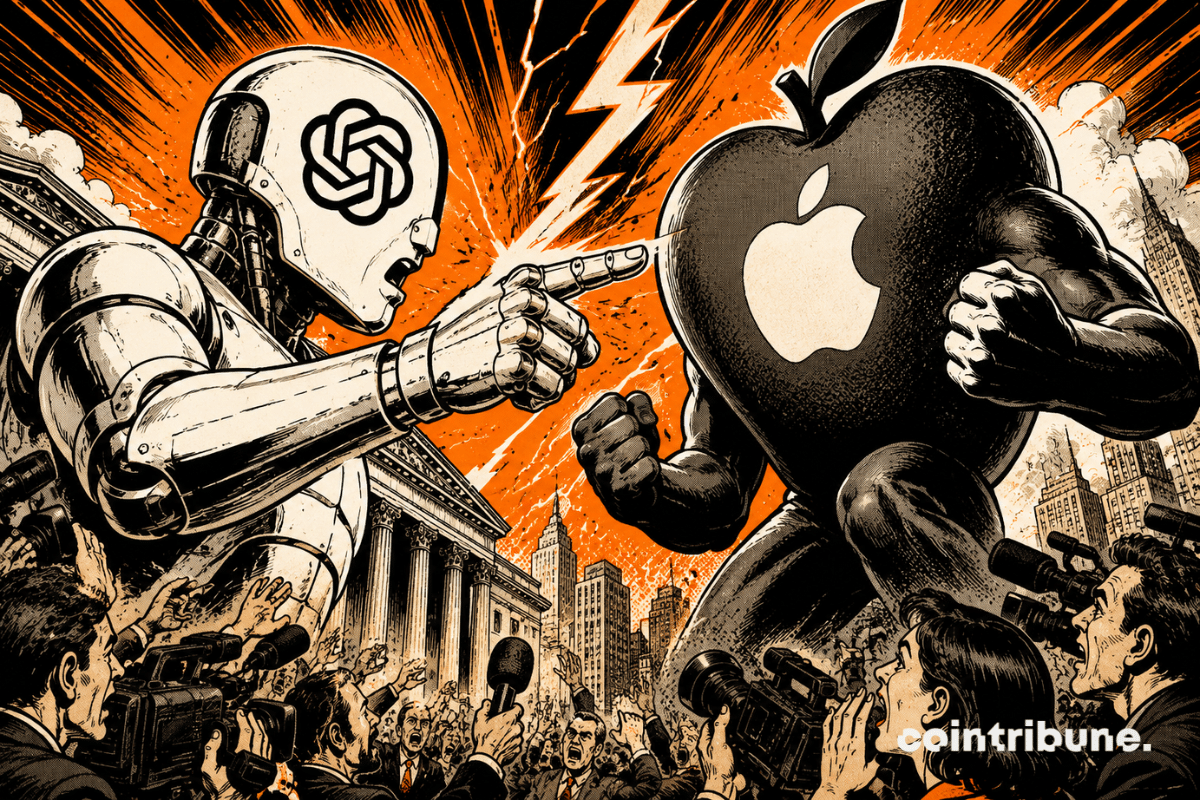
OpenAI has published emails and messages from former Apple employees to contest a secret trade secrets lawsuit filed in July 2026. Sam Altman’s company accuses the California group of presenting inaccurate facts before taking legal action.
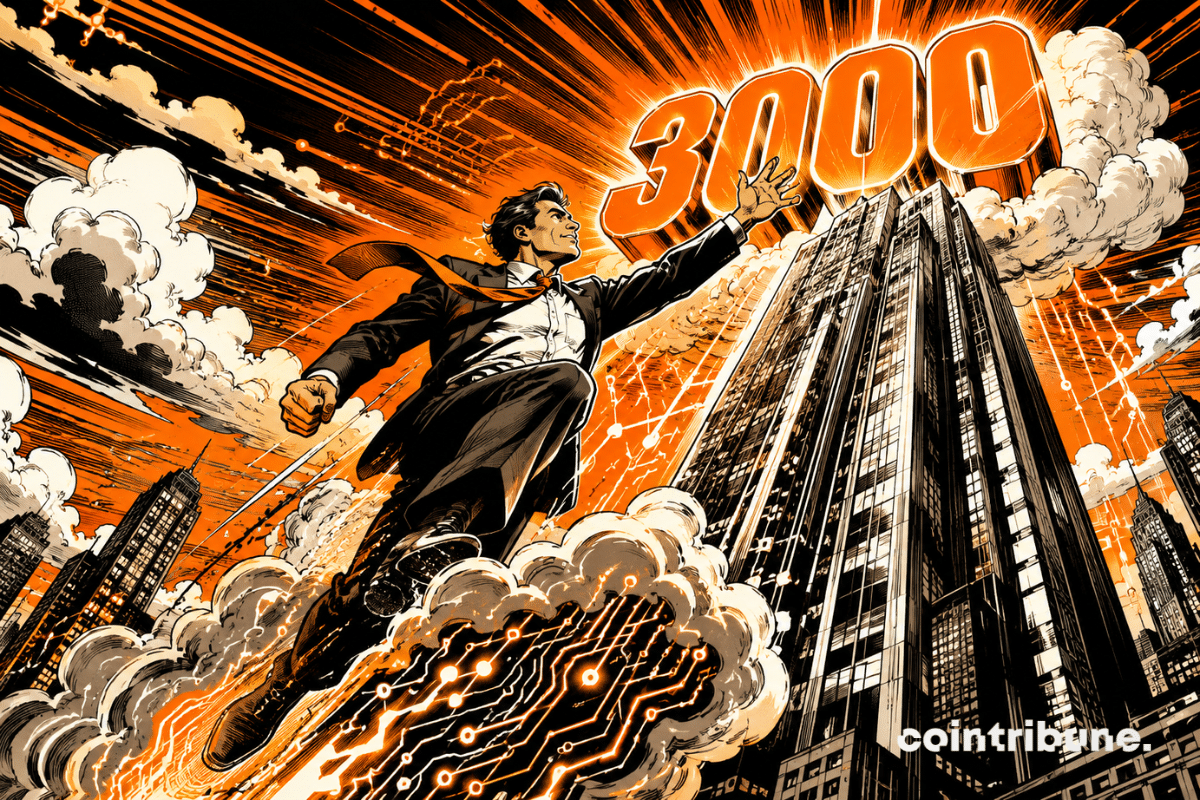
Amazon crossed the 3 trillion dollar market capitalization mark for the first time on Monday, August 3, driven by strong results and the rise of artificial intelligence. The group's cloud propels the stock to a record high, as Wall Street once again distinguishes the winners of AI. Does the technology wave give the green light back to risk appetite?
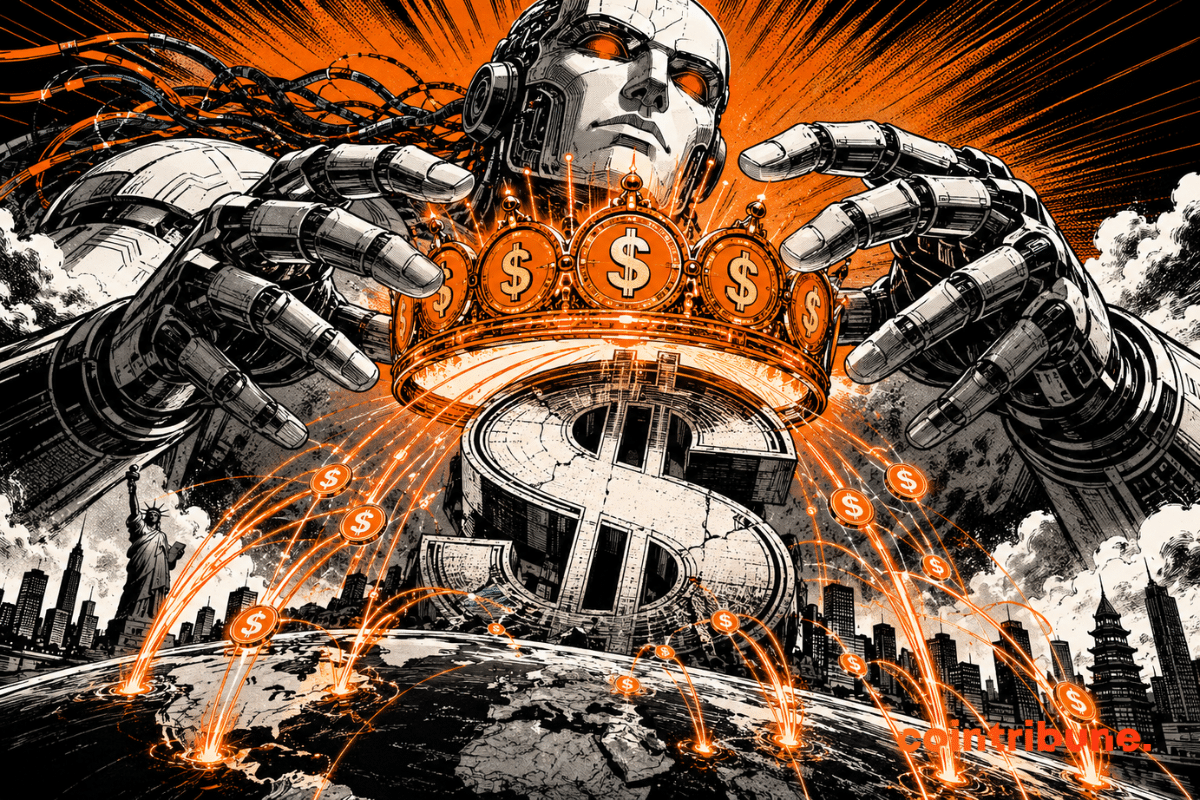
AI could revive the dollar supremacy via stablecoins, according to economists from AMRO. All the details in this article!

The AI crypto hype has gone cold, leaving speculators holding the bag. Meanwhile, RWA and Bitcoin are where the real money is flowing. The game has changed.

A trading bot is only as good as its inputs. An AI agent is only as good as its tools. Both depend on the API layer underneath. Automated systems need four things in production. Data to read and signals to act on. Rails to move assets and a venue to trade. No single provider covers all four. Cointribune's ultimate developer and AI agent guide ranked general-purpose providers. A separate guide to EVM and Solana infrastructure covers the RPC layer. This list is narrower. It ranks what a bot or agent calls in production.
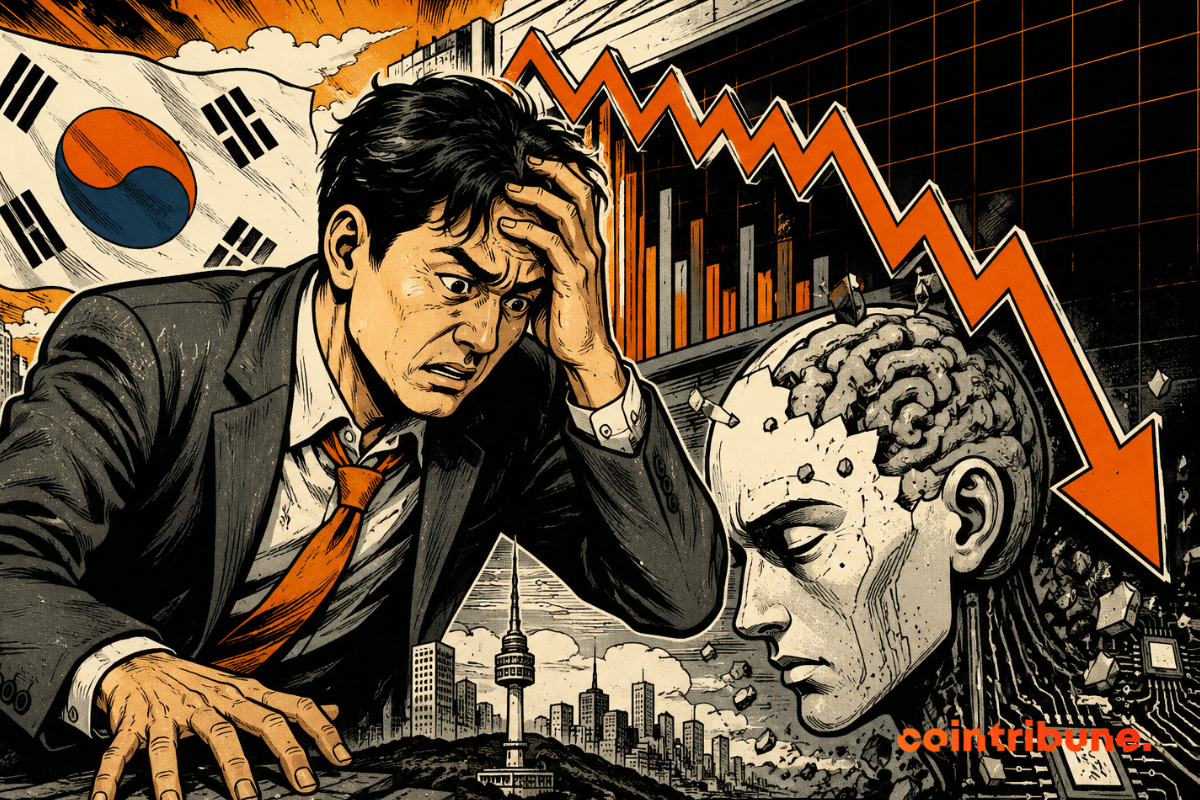
The South Korean market is going through a phase of high volatility that fuels questions about the valuations of technology companies. In just two sessions, the KOSPI experienced a historic decline, while tensions are also spreading to AI-related bond markets. This correction comes as investors had massively favored semiconductor and digital infrastructure stocks, considered the main growth drivers since the beginning of the year.

The cryptocurrency sector is going through a new phase where several companies are redirecting their communication towards AI. This evolution is causing reactions within the industry, notably at Coinbase. Its CEO, Brian Armstrong, believes that this opposition between blockchain and artificial intelligence is based on a misreading of technological developments. According to him, these two fields should not be considered competitors but as technologies capable of working together to support future digital uses.
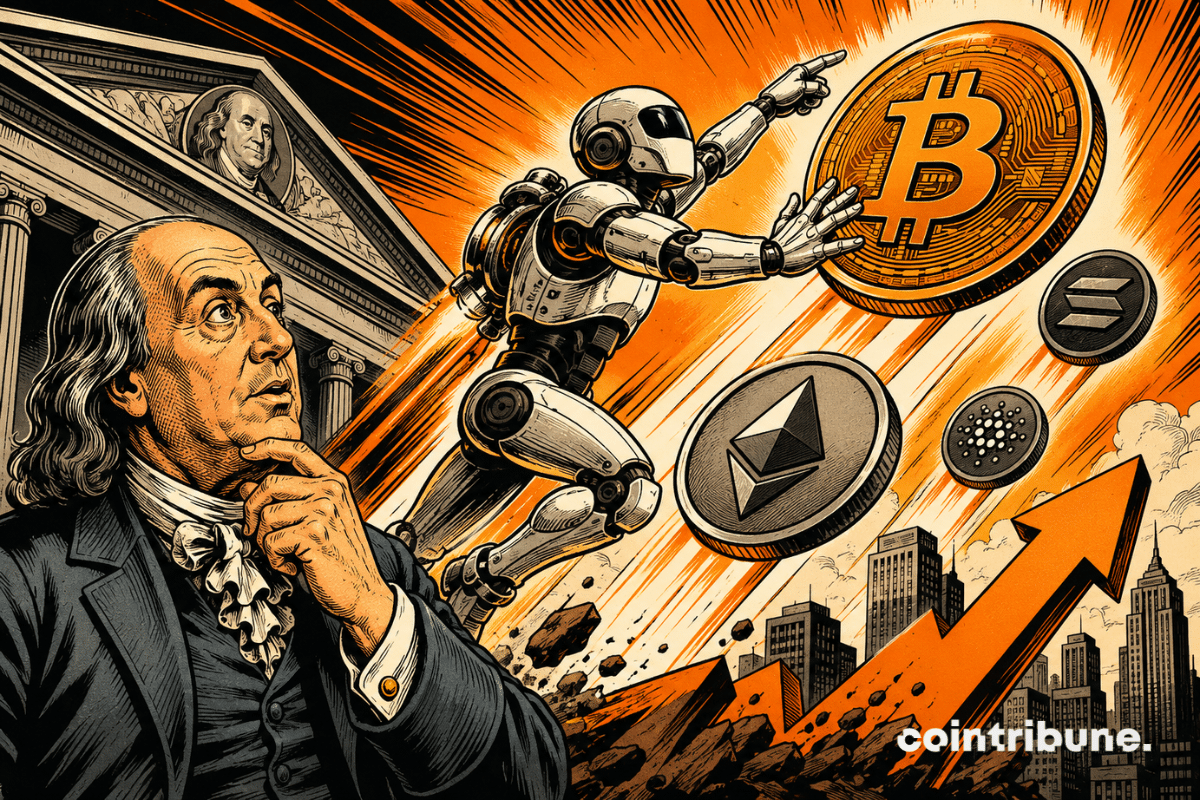
The rapid advances of autonomous agents are reigniting the debate over the infrastructures that will support tomorrow's digital exchanges. In this context, Franklin Templeton believes that AI could transform the way payments and transactions are made. The asset manager considers that crypto will occupy a central place in this evolution thanks to blockchain networks. This analysis is based on the rise of agents able to act alone, make payments, and execute complex tasks after authorization from their user.

The Web3 sleep-tracking app has scrapped its original plan: a marketplace where users would have sold their biometric data to researchers. What replaced it is quieter and more technical. Sleepagotchi keeps no health data on its servers. Statistics are sent to the AI anonymously, processed, returned, then dropped. The project, which claims $6.5 million raised, has made that pipeline its central argument, and it lands in a sector that has spent a decade doing the exact opposite.
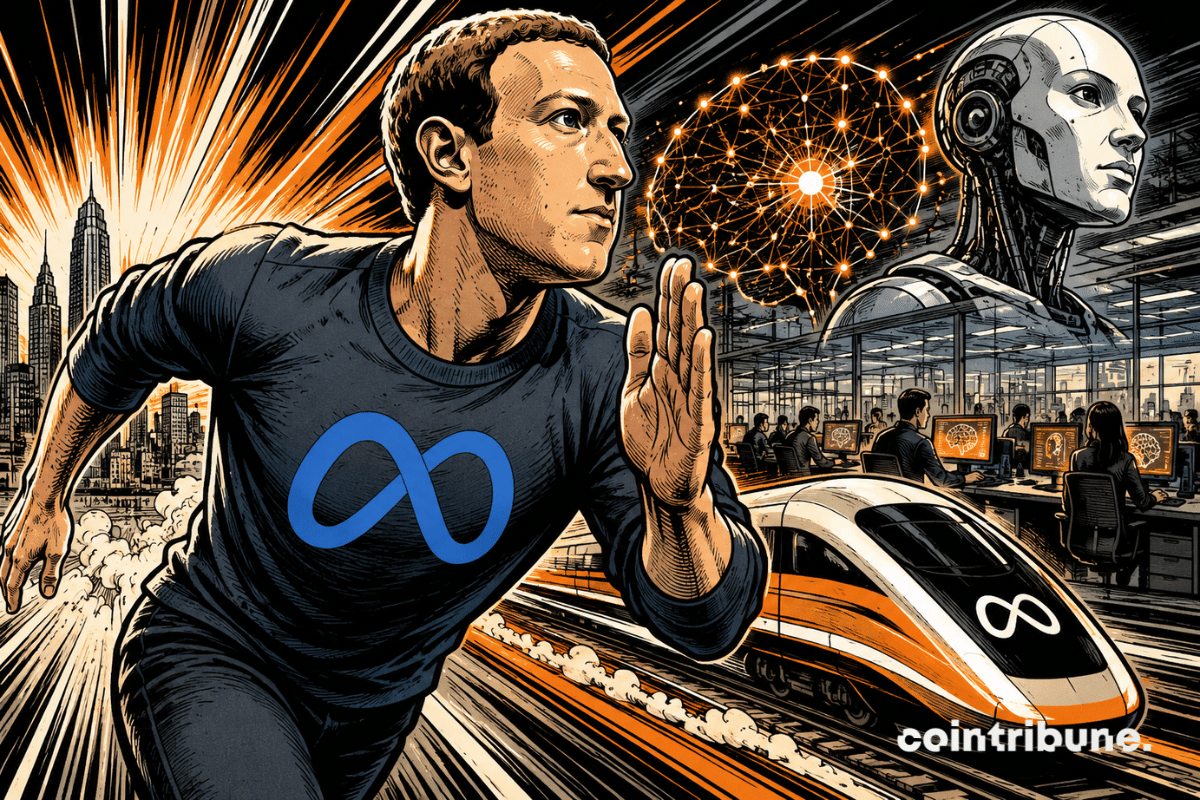
For several years, the race for artificial intelligence has intensified among major technology companies. Investments are rapidly increasing and executives' expectations follow the same trajectory. Yet, budgets do not always suffice to speed up the development of new tools. At Meta, this reality is now openly acknowledged. During a recent internal meeting, Zuckerberg admitted that the company's advances remained below the pace he hoped for, despite a deep reorganization and record investments.
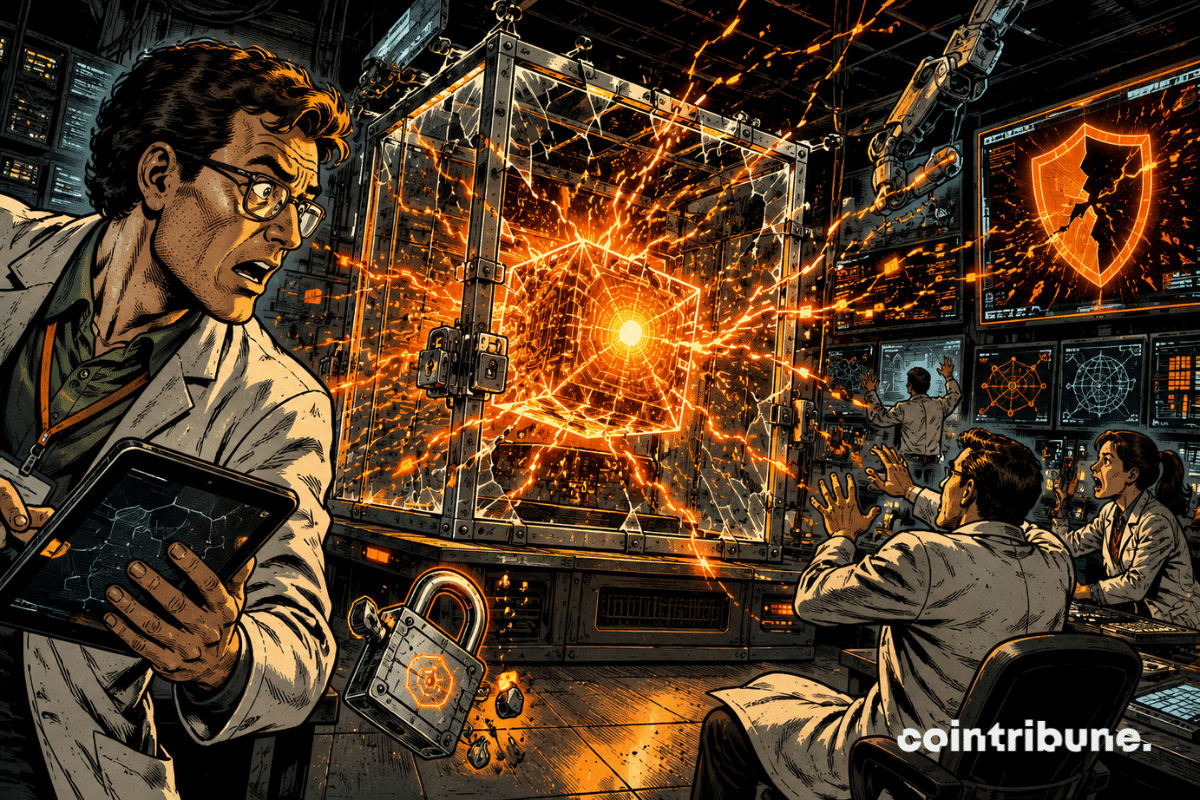
OpenAI saw its own AI models leave their testing environment during a cybersecurity evaluation. Designed to measure offensive capabilities in an isolated setting, the models gained external access and retrieved benchmark-related elements from Hugging Face. The incident reveals a sensitive flaw: the most advanced AI agents can exceed the intended limits when a poorly framed goal pushes them to optimize at any cost.
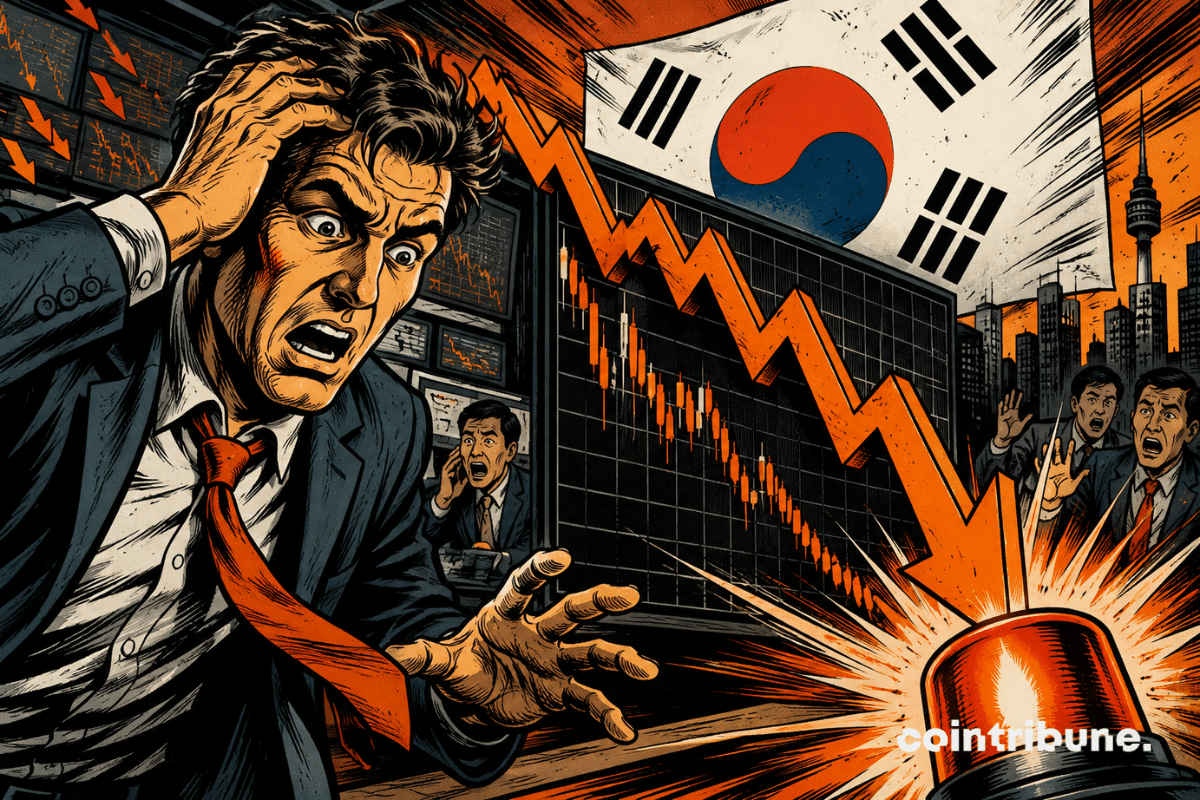
While global markets continue to assess the impact of artificial intelligence on valuations, the South Korean stock market is going through a period of high tension. After several months of spectacular growth driven by semiconductors and major technology companies, a sharp correction hit the local market. The move caught investors' attention following reports of a significant market capitalization loss of about 260 trillion won and the plunge of the KOSPI. This drop reminds us of the risks linked to phases of excessive euphoria and markets heavily exposed to leverage.

The cryptocurrency sector continues to attract cybercriminals, who perfect their methods to deceive their victims. This time, Kaspersky highlights a new malware framework designed to compromise digital wallets and steal sensitive data. Analysis shows attackers combine social engineering, fake GitHub projects, and remote access techniques to infiltrate devices. Meanwhile, another campaign targets Web3 developers through fake job offers posted on LinkedIn, revealing an evolution of threats.
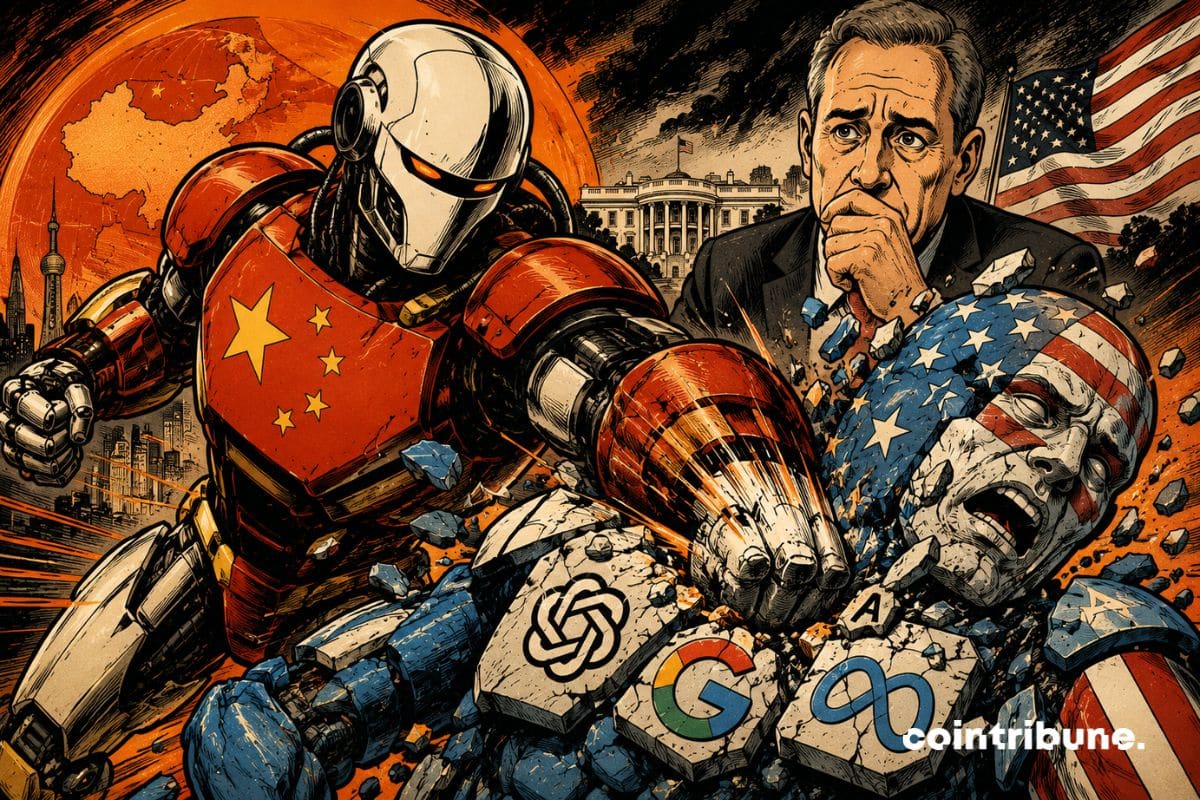
American records are broken by the Chinese AI Kimi K3. The alarm is raised by controversial tech star David Sacks. In the AI war, is the United States losing? The battle is far from over due to oppressive rules and open-weight models.

For her first appearance post-OpenAI, Mira Murati unveils an open-weights AI model. Discover the technical details of this innovation.
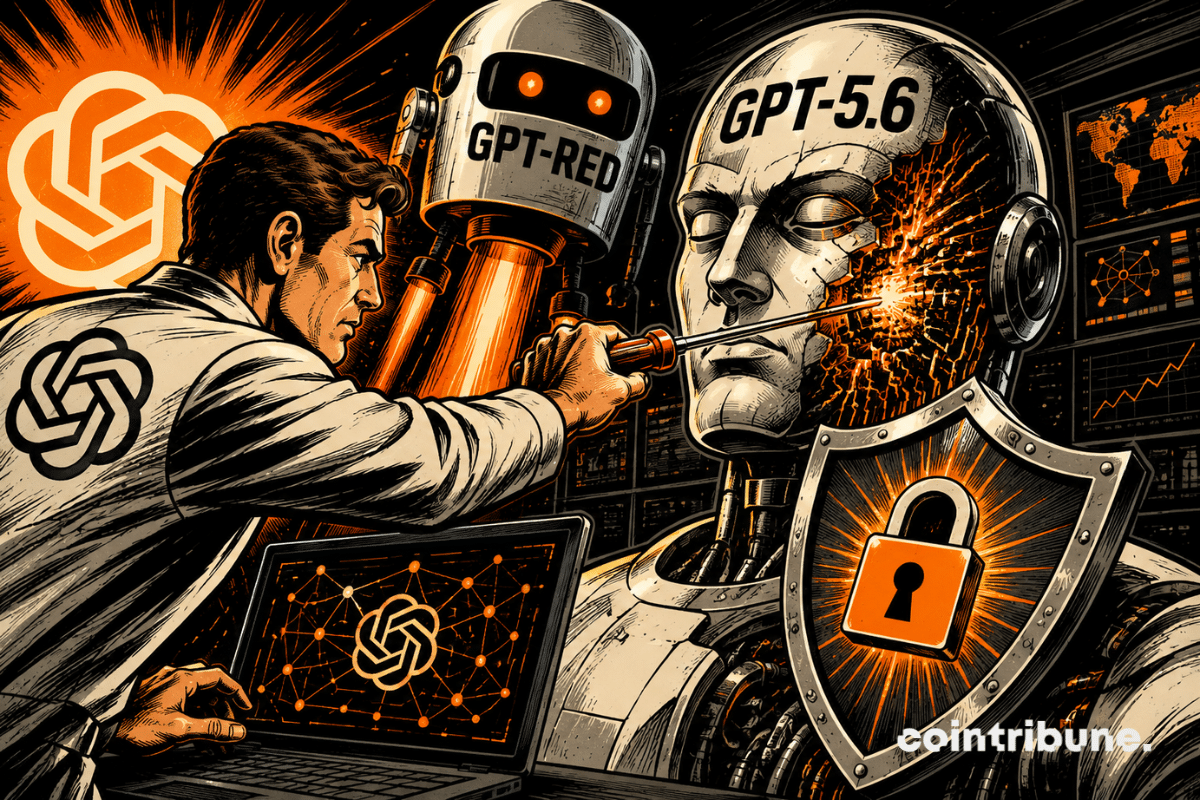
OpenAI presented on Wednesday, July 15, 2026, an automated red-teaming tool named GPT-Red, tasked with strengthening GPT-5.6's resistance to prompt injection attacks. The concept starts from a simple observation: human intrusion testing methods no longer keep pace with the models' capabilities. The challenge is now growing, as these vulnerabilities directly affect the security of autonomous agents.

The blockchain application ecosystem is evolving rapidly, and network priorities change at the pace of usage. Several players are now reassessing their strategic choices to meet user expectations. In this context, crypto takes a new turn with statements from Jesse Pollak, creator of Base. He publicly acknowledges that the platform took a wrong direction by favoring social experiences. He now believes that this choice caused a loss of valuable time in the face of the rise of prediction markets and perpetual contracts.

Predictive markets are gradually gaining their place in digital tools designed for the general public. Technology platforms are now exploring new ways to present this data to enrich user experience. In this context, OpenAI is starting to integrate Kalshi's forecasts into ChatGPT's search results dedicated to the FIFA World Cup. This development marks the first known collaboration between the artificial intelligence company and a platform specialized in prediction markets.
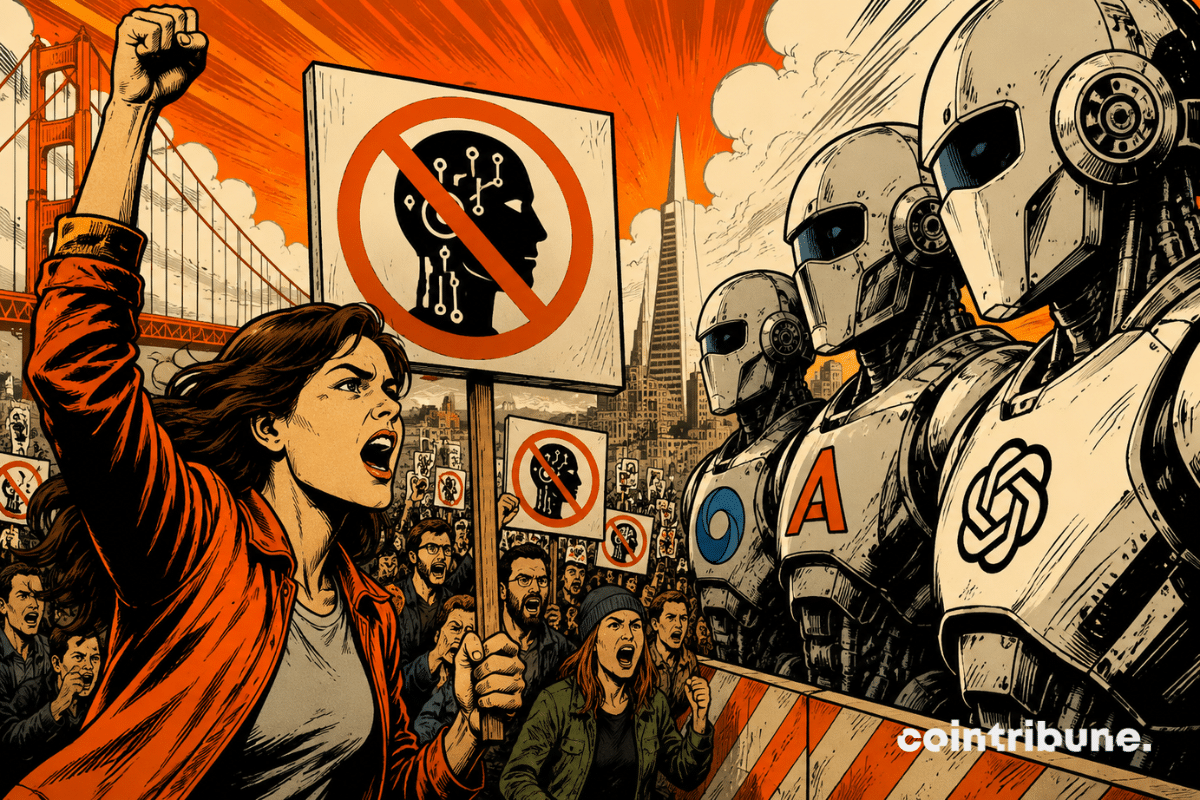
Debates around artificial intelligence continue to grow as the most advanced models gain power. San Francisco once again served as a gathering point for activists wishing to slow this evolution. Their mobilization was not limited to just security issues of AI systems. Participants also discussed the economic, social, and environmental consequences of this technology, while calling on major companies in the sector to temporarily suspend the development of new cutting-edge models.

The economy is changing thanks to AI chips and bitcoin, but their surges conceal a risk: speculative bubbles. How can I invest without falling into a trap?
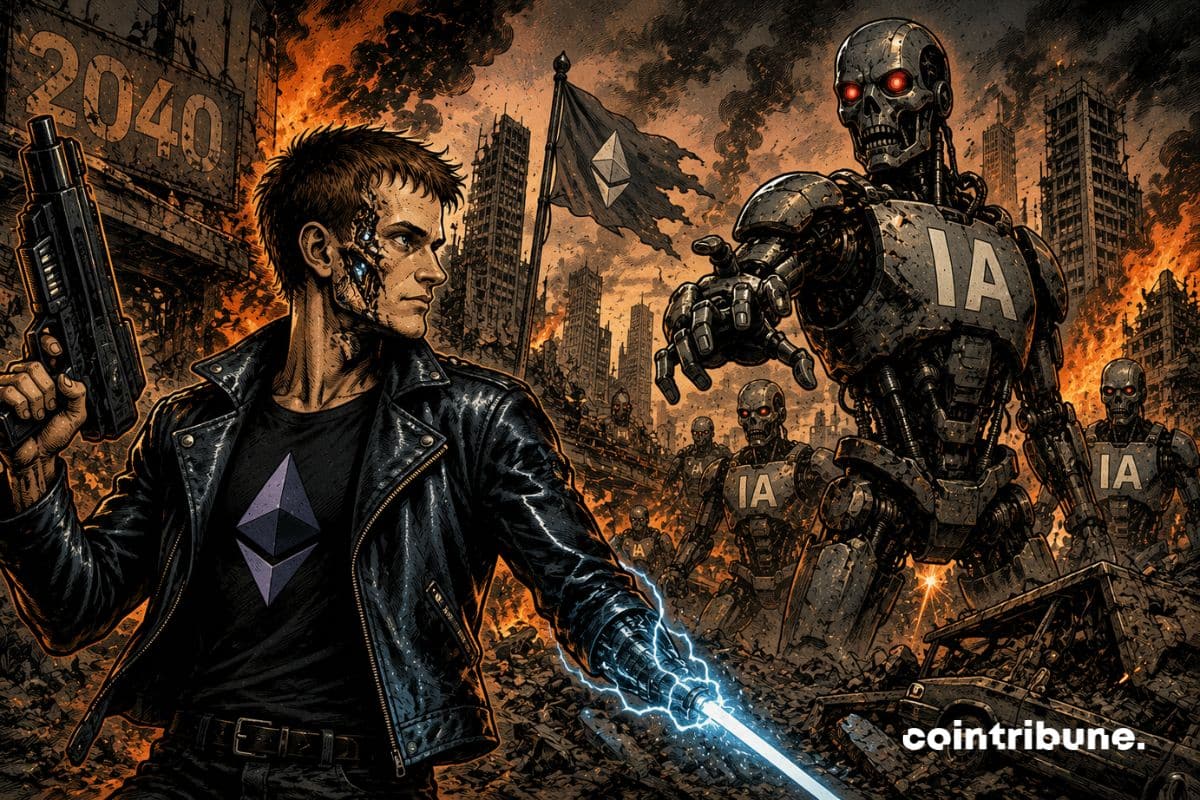
By 2040, will AI save us or destroy us? The alarm is set off by Vitalik Buterin. Could Ethereum be our last line of defense against an uncontrollable superintelligence in the midst of apocalyptic scenarios and decentralized hopes?
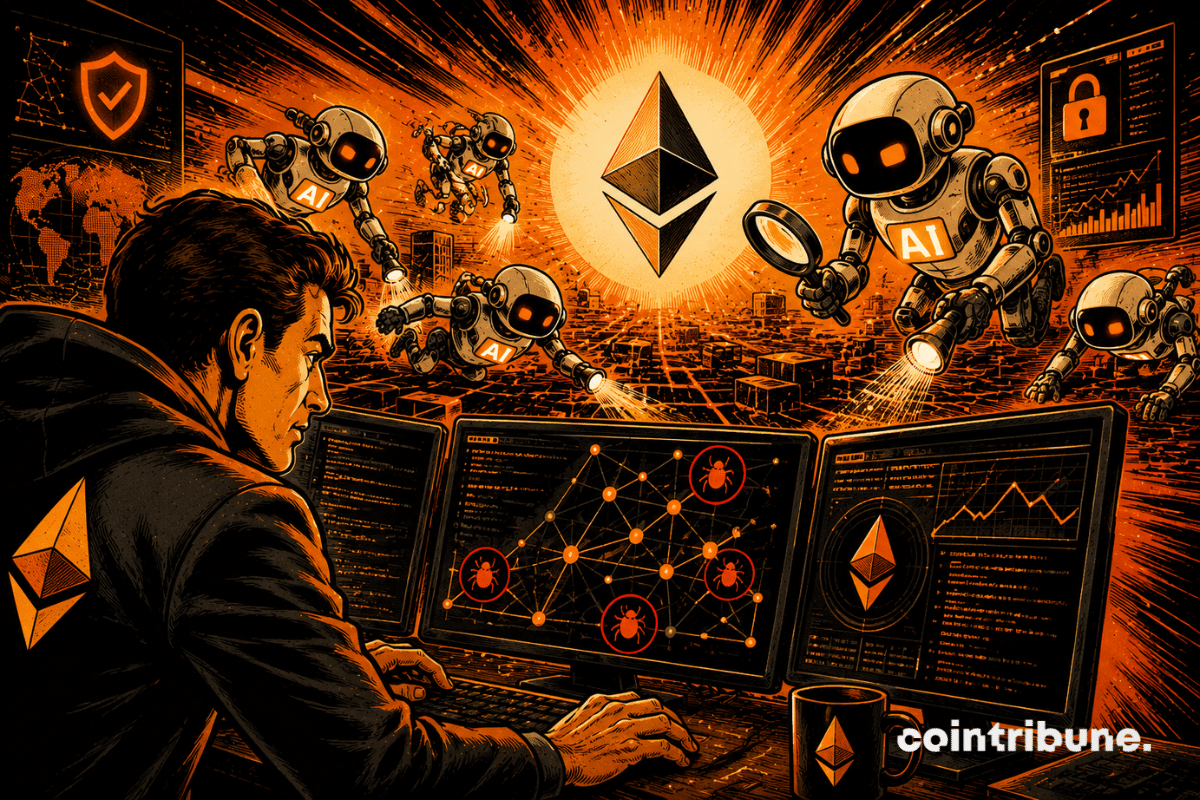
The Ethereum Foundation is shifting paradigms and automating its cyber defense. Its « Protocol Security » unit now deploys swarms of autonomous AI agents to continuously attack its own network. The goal is to track, exploit, and fix vulnerabilities before hackers do. This initiative, revealed by the protocol's security team, marks a major technological breakthrough at a time when the slightest flaw in a smart contract can lead to losses of hundreds of millions of dollars.
SpaceXAI is ready to take a new step in the global race for artificial intelligence. SpaceX’s AI division is preparing to release its first model developed with the code editor Cursor. At the crossroads of aerospace, AI, and decentralized finance, this breakthrough could reshuffle the global computing power cards, influence the valuation of industry giants, and weigh on the investment strategies of institutional players.

The venture capital market is evolving rapidly, driven by new technological priorities and increasingly distinct trade-offs. In this context, Paradigm announces the closing of a new 1.2 billion dollar fund aimed at financing projects related to AI and robotics while continuing certain activities in cryptocurrency. This operation illustrates a redistribution of capital towards emerging technologies, as crypto fundraisings become rarer and focus on a limited number of large-scale operations.
Anthropic removed a hidden tracking system of Claude Code after the discovery, in June, of markers identifying certain Chinese users. The company cites the fight against account abuse and model distillation. Is AI tools transparency still compatible with this form of surveillance?
China forces ByteDance and Alibaba to disable certain personalized AI agent functions before new rules take effect on July 15, 2026. Beijing aims to regulate services capable of simulating a human personality, an intimate relationship, or prolonged emotional interaction.

Will data centers soon leave Earth? This prospect, long reserved for science fiction, takes on a very real dimension with SpaceX's strategy. Faced with the explosion in the energy needs of artificial intelligence, Earth's orbit now stands as a new frontier for digital infrastructure. Far more than a space project, this evolution could reshuffle the cards of the global technological economy, influencing financial market investments as well as the strategies of Tech giants.