Thu 20 Nov 2025 ▪
5 min read
▪
by
BlackRock takes a staking cure for its Ethereum: a developing ETF that promises yield for large portfolios. Crypto, meanwhile, continues to trot towards Wall Street.
BlackRock takes a staking cure for its Ethereum: a developing ETF that promises yield for large portfolios. Crypto, meanwhile, continues to trot towards Wall Street.
While bitcoin falters, a company makes the opposite bet. Strategy, the largest corporate holder of BTC, continues to buy massively in the midst of turmoil, where others flee. Its radical strategy, often criticized, could nevertheless open the doors of the very selective S&P 500 as early as December. A possibility that, until recently, was still financial science fiction. This scenario, unthinkable a few years ago, crystallizes a major shift between institutional finance and cryptos.

Fragmentation across Ethereum’s Layer 2 networks has become a growing concern, pushing the Ethereum Foundation to propose a new direction. Scaling has delivered faster transactions and lower fees, but it has also complicated the user experience. Bridges, chain-specific wallets, and scattered liquidity continue to slow activity across the ecosystem. The proposed Ethereum Interop Layer (EIL) aims to bring these parts back together and restore a more unified experience.
Michael Saylor does not mince his words. In an interview given Tuesday to Fox Business, the executive chairman of Strategy dismissed concerns about Wall Street's impact on Bitcoin with a wave of the hand. For him, the arrival of traditional financial institutions did not weaken the digital asset. On the contrary, it would have stabilized it.
The Argentine parliament has just made a big move: in a damning report, it qualifies the promotion of the crypto $LIBRA by Javier Milei as an alleged scam, a scandal that cost investors 400 million dollars. Yet, his allies see it only as a political "buffoonery." Who is telling the truth?
The OCC has clarified that U.S. banks can hold and use cryptocurrency to cover blockchain network fees, offering clearer guidance for digital asset operations.

Mastercard and Polygon make crypto transfers easier by replacing long wallet addresses with short, verified usernames for safer, simpler transactions.
VanEck's Solana ETF has just entered the scene, and it's not just another product on the altcoin shelf. We are witnessing a real flood of crypto funds on the stock market, with Solana and soon Dogecoin at the forefront. Between slash fees, integrated staking, and a race against regulatory time, a new battle is playing out far from traditional exchange platforms.
In Brussels, while some regulate AI to the point of suffocation, Paris and Berlin advocate for breathing space. Bureaucrats panic, startups suffocate, and innovation awaits an emergency exit.
Behind the apparent rise of XRP, the technical signals turn red. While Ripple's crypto shows a sustained price, the on-chain data reveal a worrying fragility: a large share of recent investors are at a loss, exposing the market to potentially explosive selling pressure.
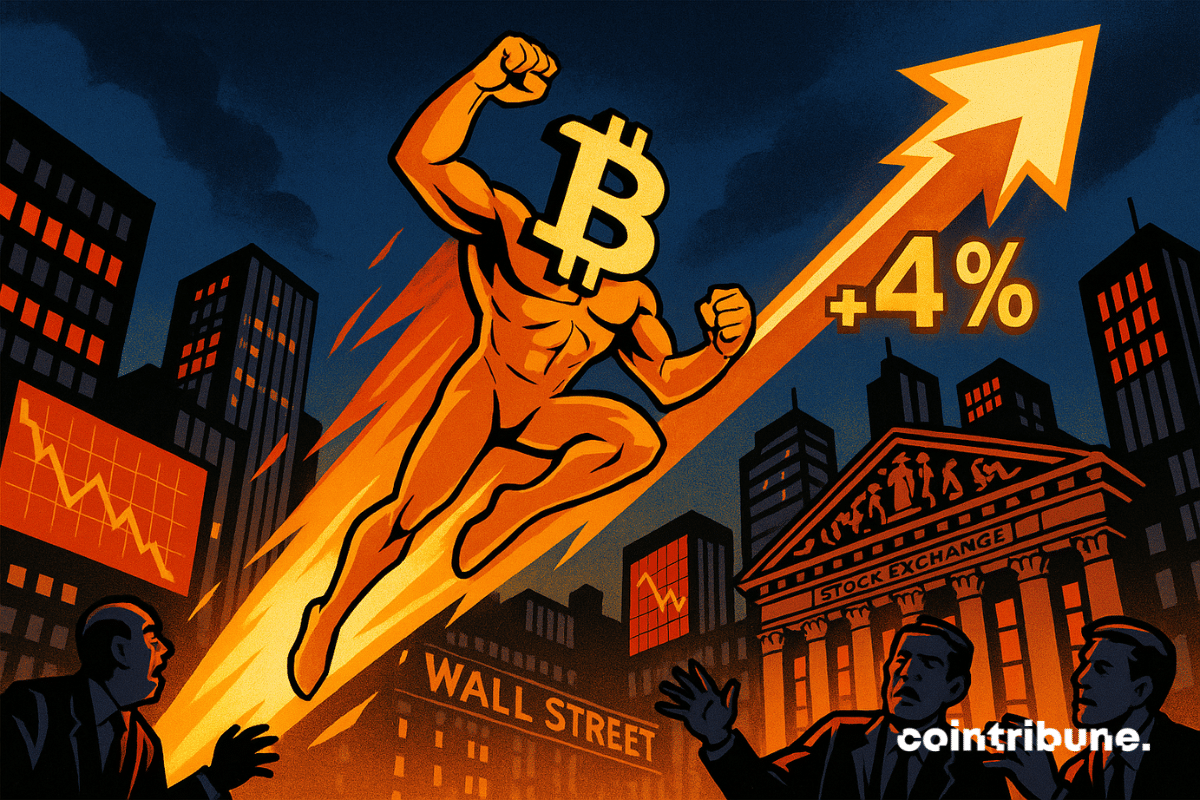
While traditional markets are wavering in anticipation of Nvidia's results, bitcoin surprises by rebounding 4% on Tuesday. In a tense atmosphere, the crypto escapes the declining US stock indices and intrigues investors. Is this surge a sign of a new bullish momentum or merely a speculative spike? The timing, on the eve of a key verdict on AI, makes this move all the more strategic.
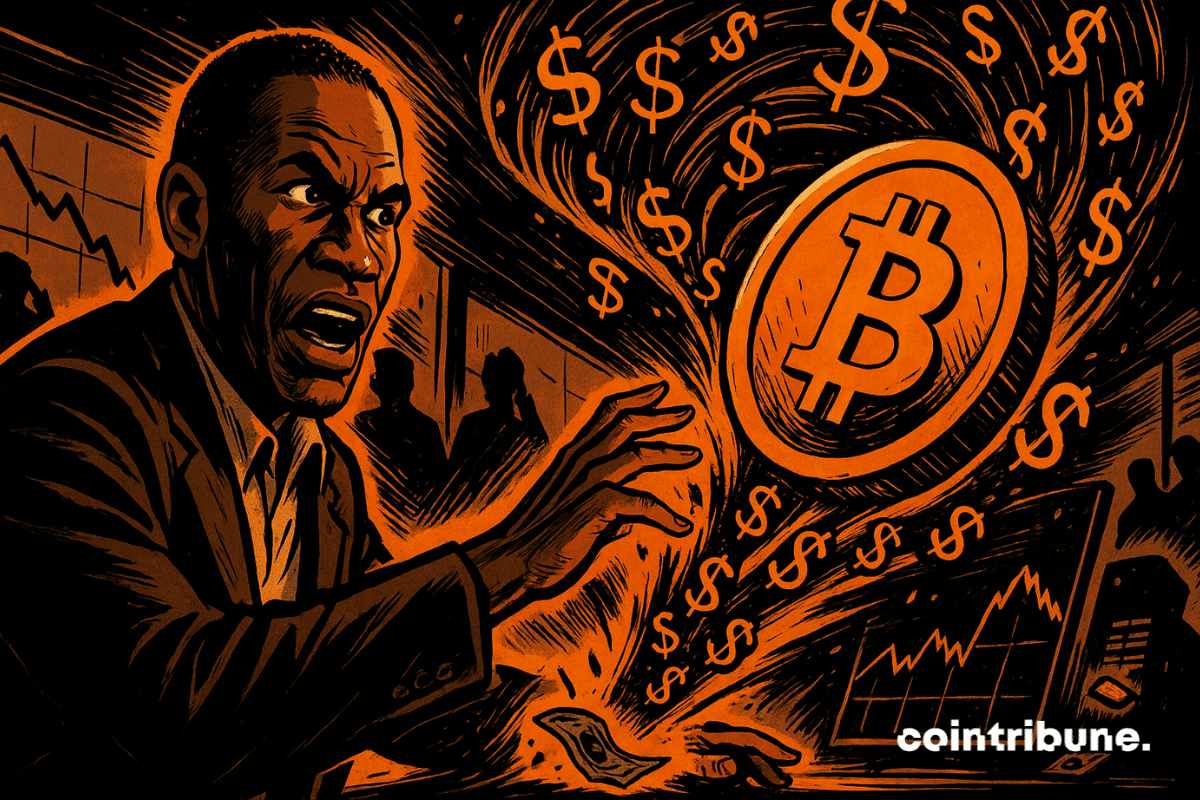
The crypto market is wobbling. Bitcoin lost more than 10% in a few days and struggles to regain momentum. Arthur Hayes, a prominent figure in the ecosystem, points to an unexpected culprit: the contraction of dollar liquidity. His thesis challenges conventional analyses and opens a debate on the real drivers of the market.
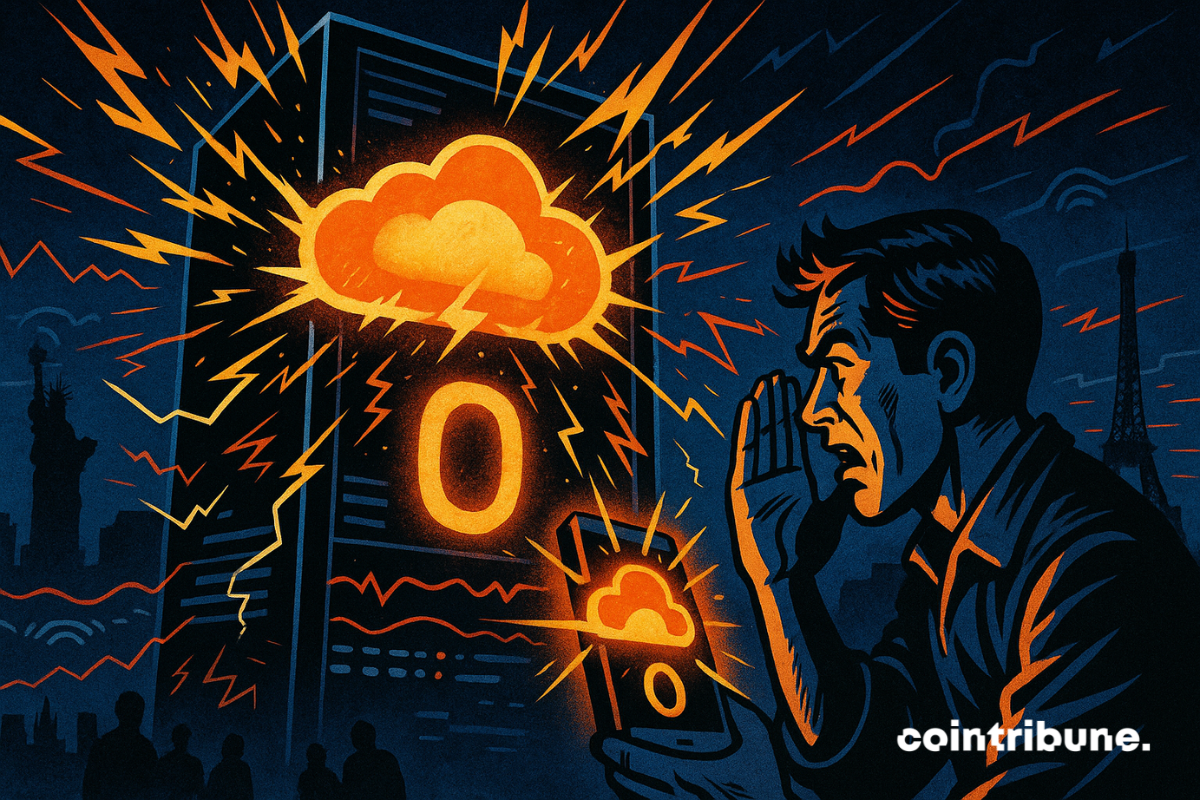
A major Cloudflare outage on Tuesday caused widespread disruptions across crypto platforms and several major websites. Service interruptions spread quickly as users struggled to load exchange portals, block explorers, and analytics tools. Early reports from affected firms indicated that Cloudflare error messages were appearing across front-end interfaces.
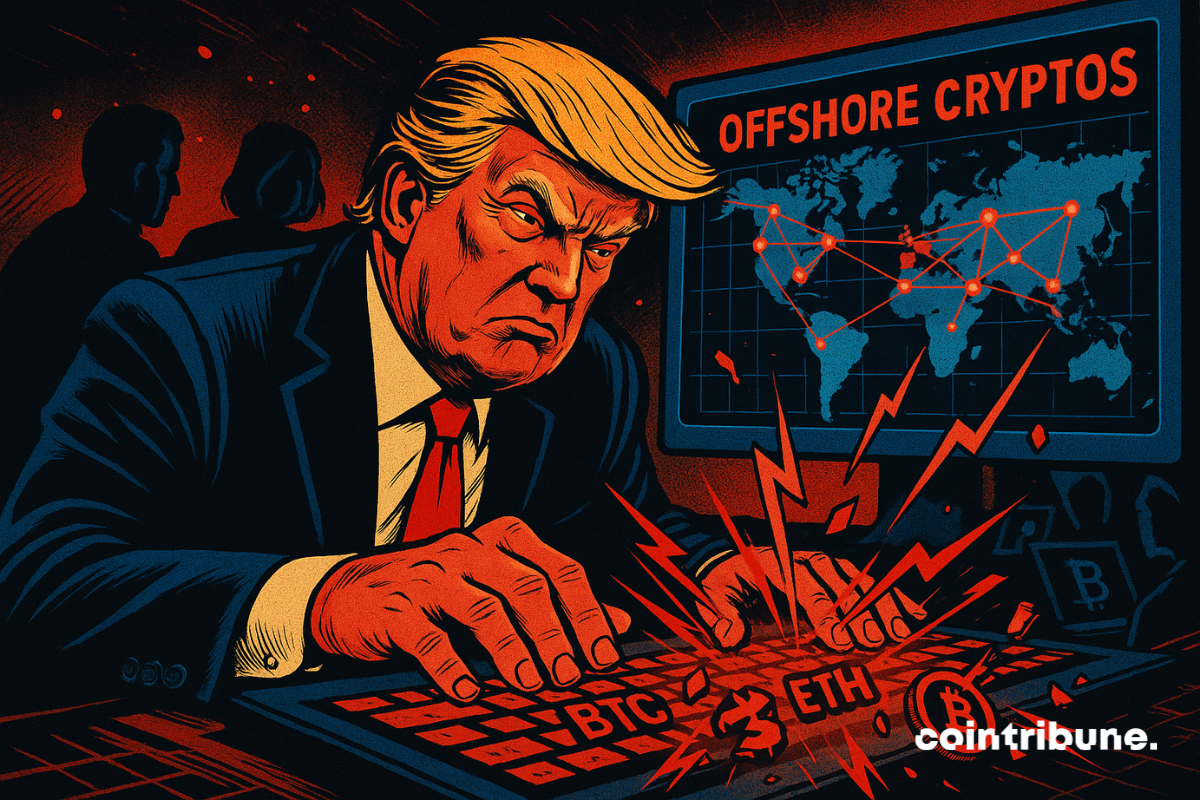
Trump tightens the screws: after flirting with crypto, he is now ready to unleash the IRS on digital havens... Soon audits on wallets hidden in the Bahamas?

Growing U.S. interest in tightening oversight of offshore digital assets is gaining traction in Washington. Momentum is building as a proposed rule allowing the IRS to access data on Americans’ foreign crypto accounts moves into White House review. Signaling a stronger push to align U.S. tax policy with global reporting standards, the step places cooperation with foreign regulators closer to reality.
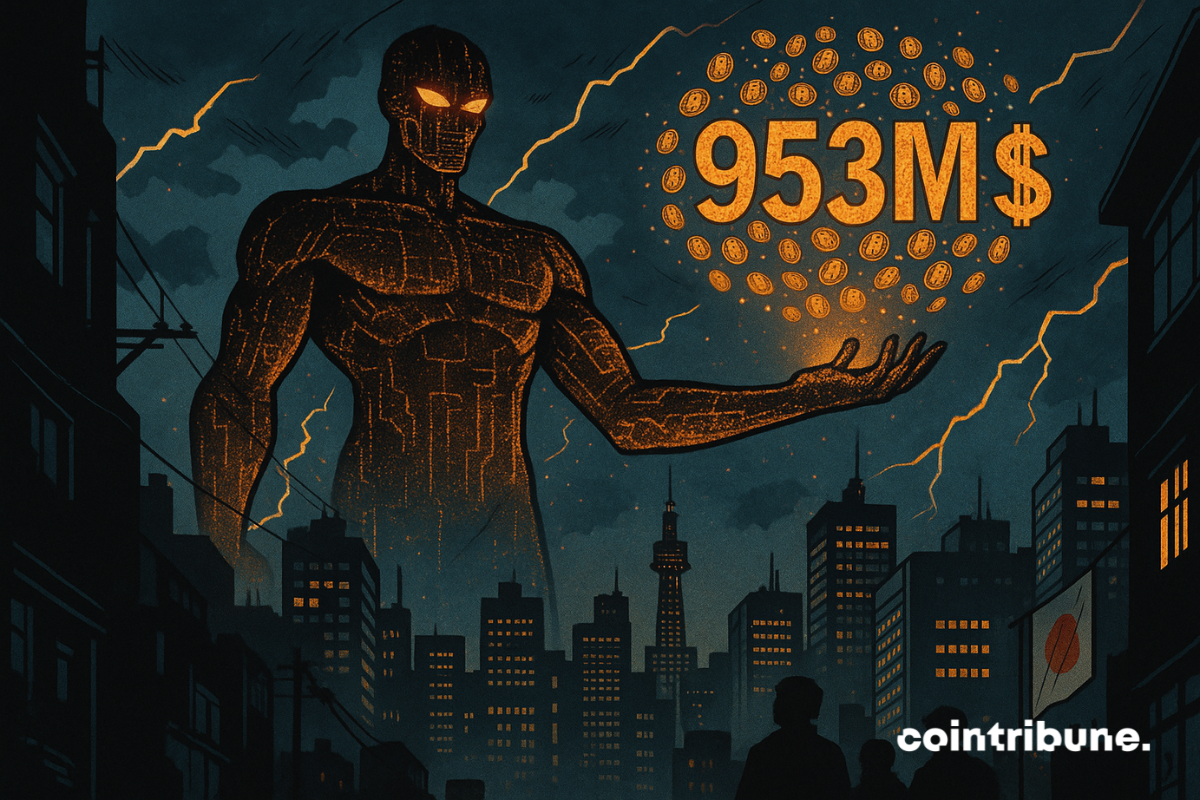
Nearly ten years after its spectacular collapse, Mt. Gox resurfaces. Indeed, the former Japanese bitcoin giant suddenly moved over 10,000 BTC, worth $953 million, after eight months of silence. This massive transfer rekindles fears of a large-scale liquidation. Worse still, creditors, already battered, will have to wait until 2026 to hope for reimbursement. Enough to revive tensions around the oldest scandal in crypto history.
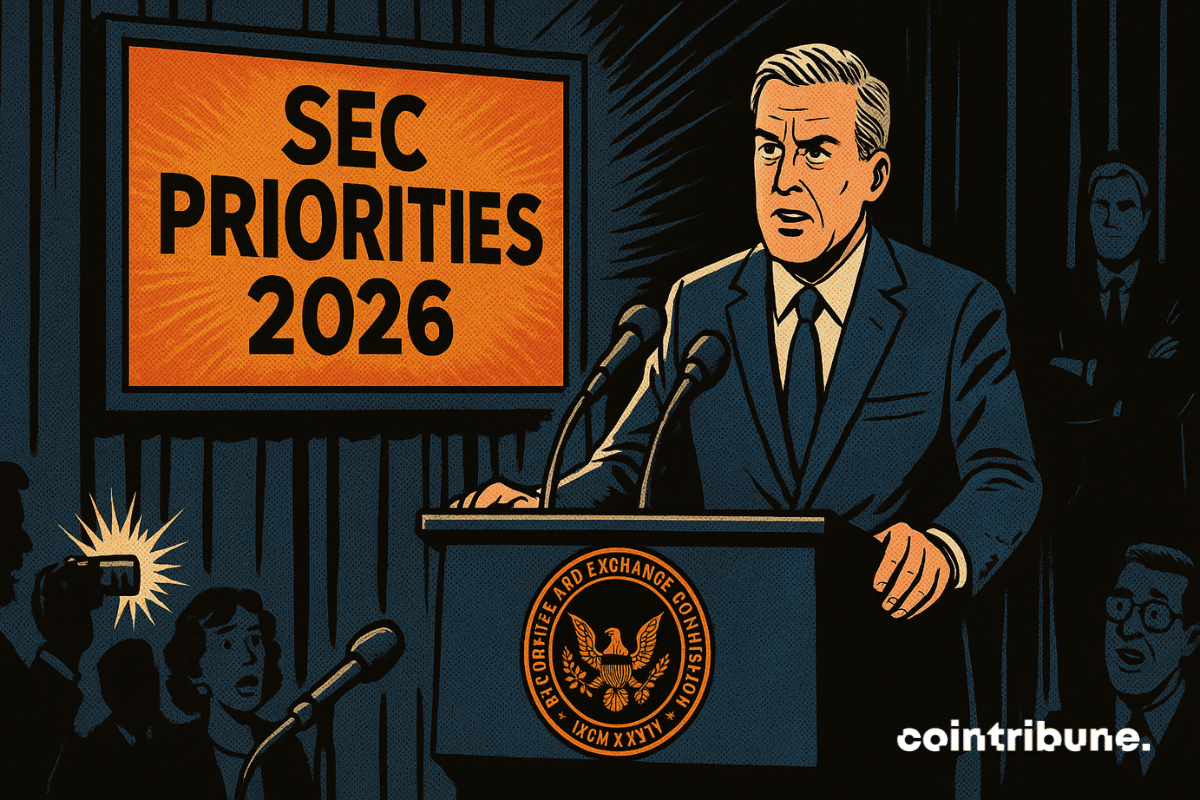
The SEC omits crypto from its 2026 priorities. Towards looser regulation and recognition of the sector? Full analysis here!

Global cryptocurrency markets are under heavy pressure after a sharp decline in Bitcoin's value damaged sentiment across the sector. Prices are now giving back most of the gains made earlier in the year, while smaller tokens are falling to multi-year lows. Investors are reassessing risk, trading volumes are shrinking, and several analysts warn that further declines remain possible.
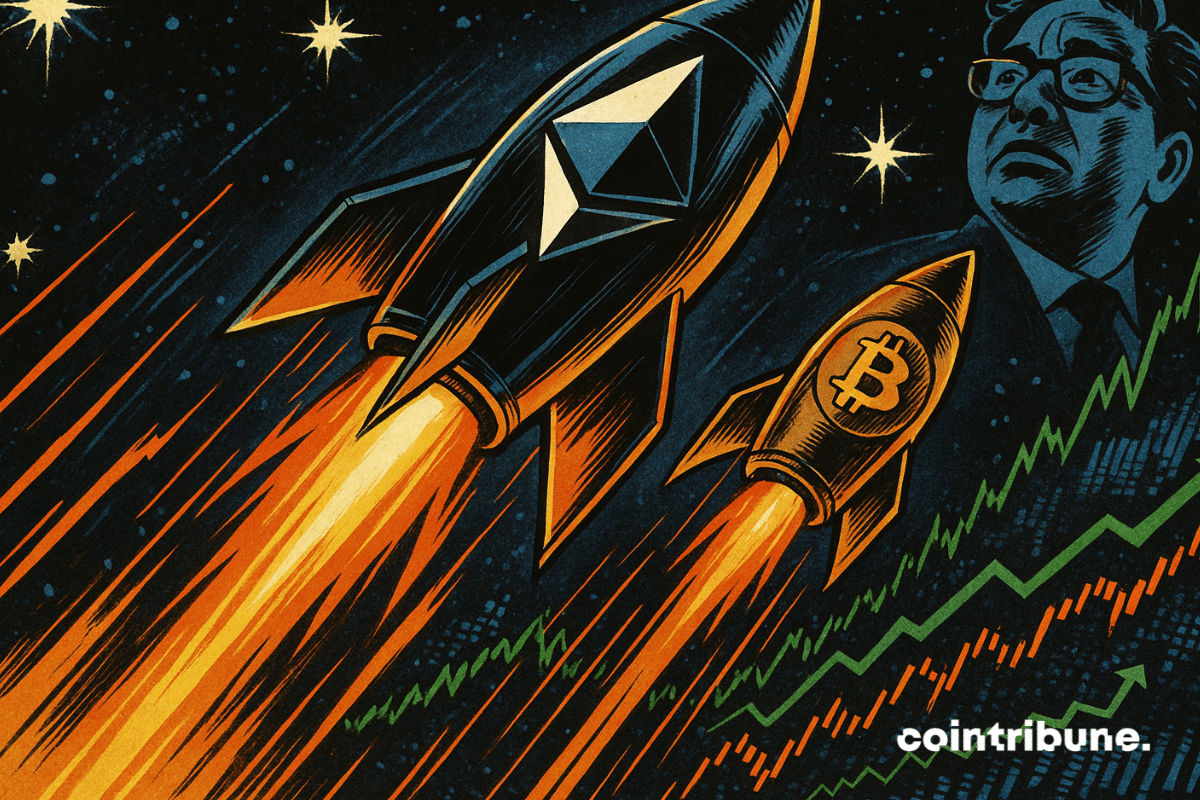
Tom Lee says Ethereum is entering the same supercycle that propelled Bitcoin’s historic surge, noting the move will require holding through market ups and downs.

A site fades away, a token collapses: DappRadar takes its bow, leaving its DAO stranded and the crypto market searching for a new GPS for its scattered data.
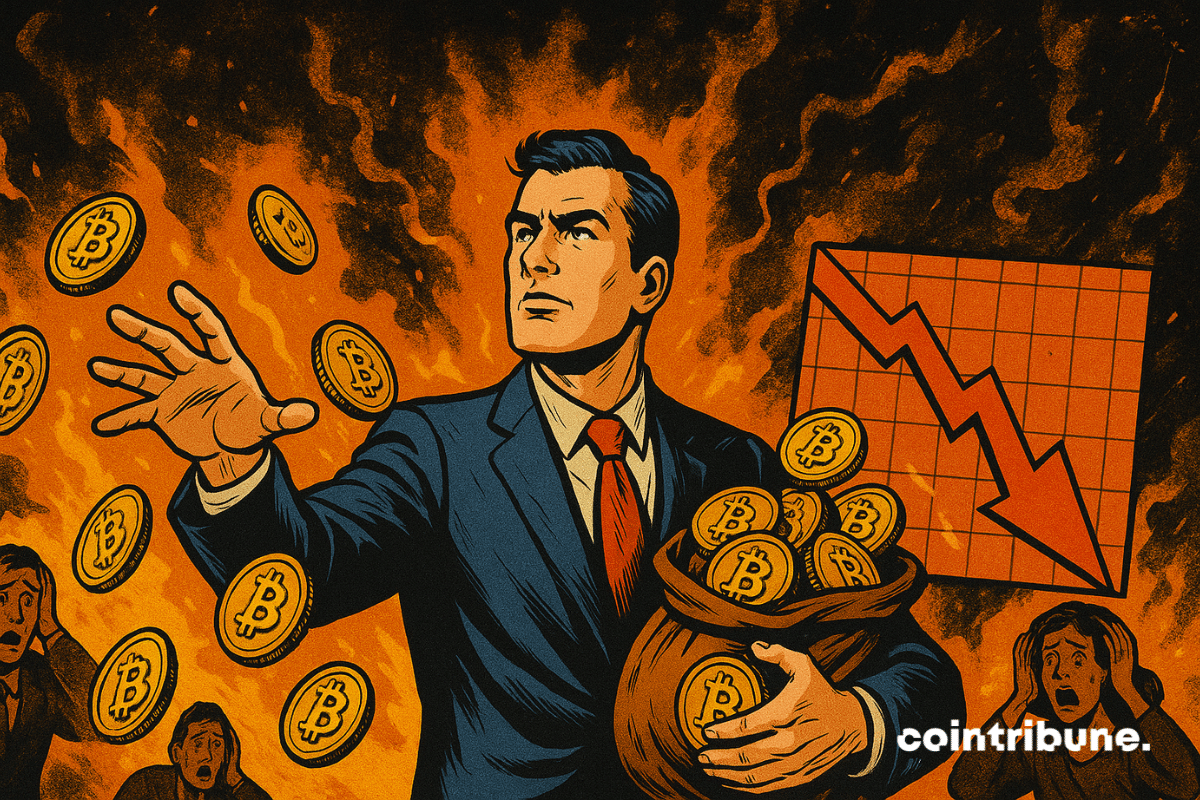
Strategy has just reached a new milestone in its bitcoin accumulation strategy. Michael Saylor's company acquired 8,178 BTC for 835 million dollars, marking a spectacular acceleration of its investments. This operation occurs in a context of high volatility, where the bitcoin price lost 11% in seven days.

While the shadow of the quantum computer looms over digital security, could bitcoin really waver? Faced with the hypothesis of a network made vulnerable by machines capable of breaking SHA 256, opinions diverge. Some anticipate an imminent threat, others temper their expectations. Among them, Adam Back, a figure of the cypherpunk movement and CEO of Blockstream, invites nuance. His reading, both technical and strategic, repositions the debate on concrete grounds, far from catastrophic scenarios, while posing the real questions about the future resilience of the protocol.
A wave of panic is blowing over crypto ETPs. In the space of one week, over $2 billion has been withdrawn from these financial products, marking their largest outflow since February. This is a strong signal for an institutional market plagued by doubt, amid economic uncertainties and monetary tensions. As traditional markets waver, investors are reassessing their exposure to cryptos. This situation could mark a turning point in the strategy of major holders.
A few days before Thanksgiving, Washington and Beijing are preparing to conclude a decisive agreement on rare earths, these vital materials for the technology industry, defense, and crypto mining. In a tense geopolitical climate, this compromise could defuse a crisis with heavy consequences for global supply chains. Faced with the threat of US customs sanctions and Chinese export restrictions, this agreement marks a strategic turning point, but nothing is decided yet.
Bitcoin, in slide mode, flirts with the precipice of the CME Gap while whales do their shopping. Bounce to come or final plunge? Suspense guaranteed.
Ethereum faces steady ETF outflows, with investors viewing it as riskier than Bitcoin, signaling caution in the market.
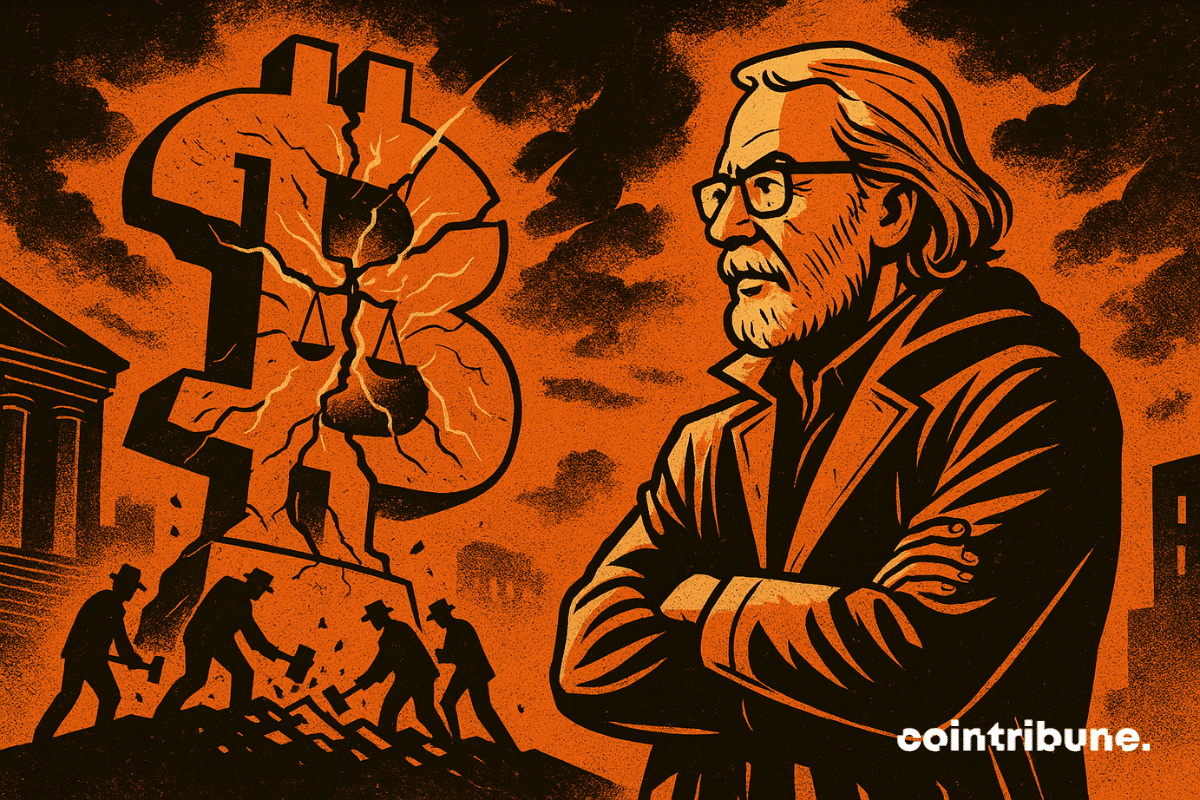
Bitcoin facing the law: Nick Szabo reveals a worrying vulnerability that even developers underestimate. Details here!

The Real-World Asset (RWA) tokenization market is experiencing exponential growth, rising from $85 million in 2020 to $24 billion in June 2025, a 308-fold increase in three years according to the latest reports from RedStone, Gauntlet, and RWA.xyz. In this context of radical transformation of financial markets, Stobox and REAL Finance have signed a Memorandum of Understanding (MoU) to explore new technical and commercial synergies between regulated tokenization platforms and emerging blockchain networks.

Artificial intelligence is reshaping how people experience and interact with the online world. Major platforms now face a surge of non-human traffic and synthetic content, pushing the internet into a stage where real users must question both what—and whom—they are interacting with. Researchers say this shift is eroding trust as machine-generated material spreads across spaces once dominated by people.
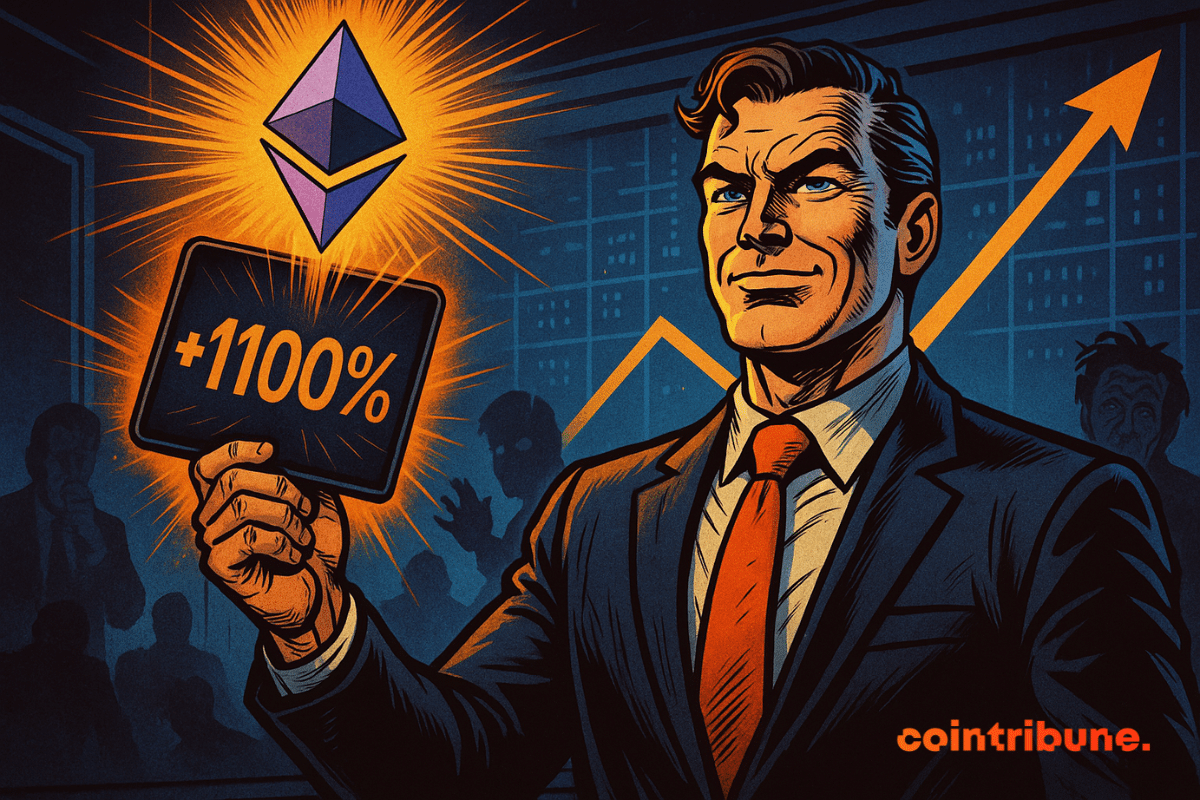
After BitMine, SharpLink plays the crypto rentier: a safe filled with Ethereum, dividends pouring... and a strategy that would make many central banks envious.