Sun 19 Jul 2026 ▪
6 min read
▪
by
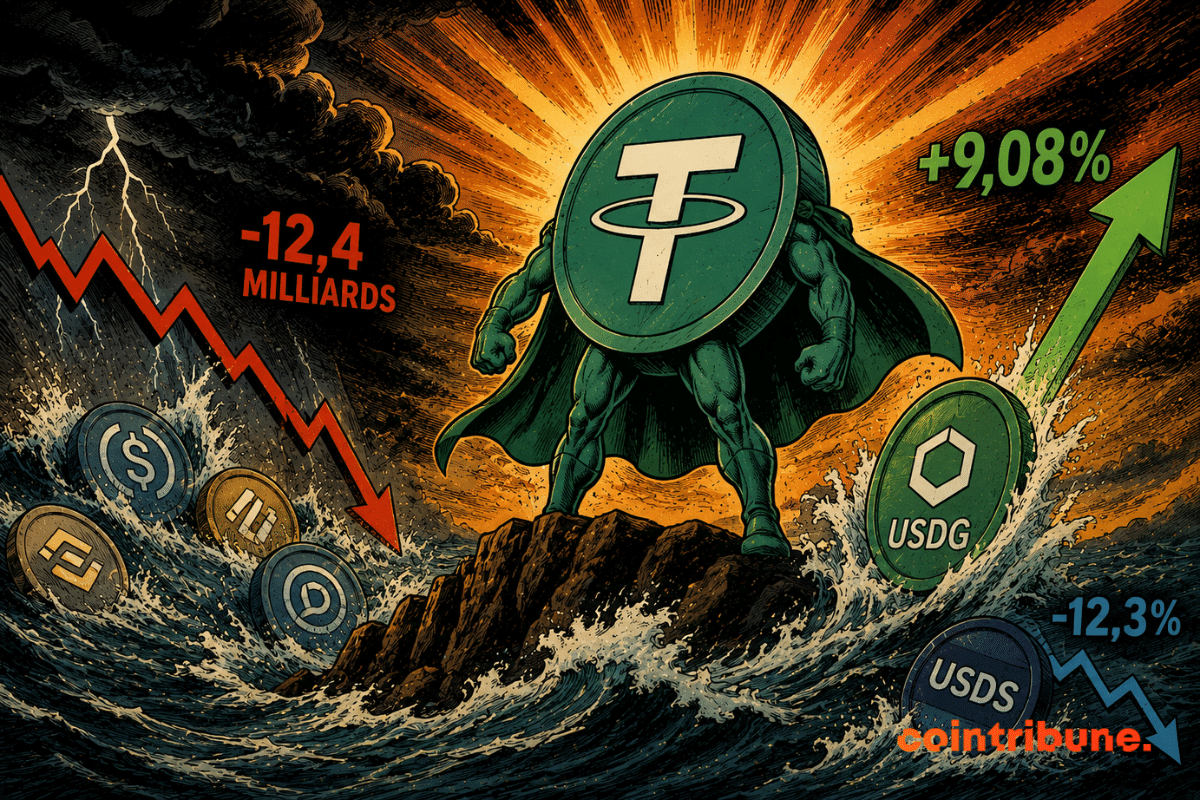
12 billion fled stablecoins. Tether doesn’t flinch, Sky Dollar crashes, Global Dollar explodes. Hyundai and Visa join the dance.
12 billion fled stablecoins. Tether doesn’t flinch, Sky Dollar crashes, Global Dollar explodes. Hyundai and Visa join the dance.

Michael Saylor rejects BIP 110, which he presents as a threat to Bitcoin neutrality. The proposal aims to limit for one year several transactions containing data unrelated to payment. For Saylor, the real danger is not spam. It is the idea that a usage disagreement could modify the consensus rules.

Tokenization is gradually establishing itself as one of the main axes of transformation in financial markets. After several years dedicated to experiments around blockchain, many institutions now seem to be preparing for a larger-scale deployment. A new survey conducted by Broadridge among 200 North American executives illustrates this evolution. The results show that financial players increasingly view tokenized assets as an element set to integrate into market infrastructures, rather than a mere innovation in the testing phase.

A few hours before the World Cup final played this Sunday at MetLife Stadium, another match is taking place far from the field. Prediction platforms have already recorded $5.57 billion in cumulative trading volumes, an unprecedented level that far exceeds the world of traditional sports betting. This rush to predictive markets illustrates the rise of a new ecosystem where decentralized finance, regulated event contracts, and football passion converge. Such a shift could redefine how the public anticipates major sporting events.
The XRP Ledger (XRPL) is about to reach a major technical milestone. A patch designed to evolve the management of its ledger is about to be activated, subject to final approval by network validators. While consensus seems largely achieved, a quieter reality draws attention. Many node operators have still not performed the required update. This gap reveals a often overlooked challenge of the blockchain ecosystem: the sustainability of a network depends as much on its governance as on the ability of its infrastructure to evolve without disruption.
For more than fifteen years, a question has continued to fuel discussions in the cryptocurrency ecosystem: what really happened with Bitcoin and its creator, Satoshi Nakamoto? While debates around the BIP-110 proposal still divide the community, Adam Back revisited this enigma during an exchange on X. The Blockstream CEO believes that no conclusion can be drawn about the fate of Satoshi Nakamoto, recalling that the circulating hypotheses rely solely on speculation.
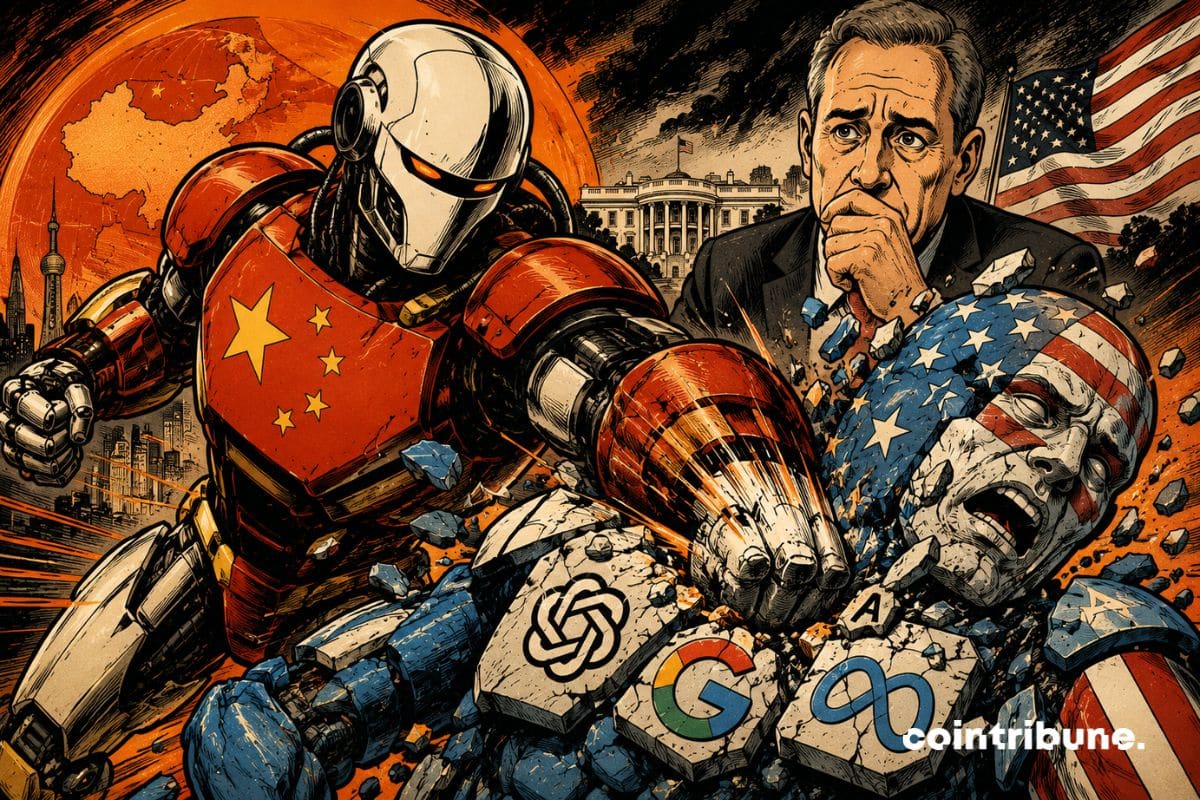
American records are broken by the Chinese AI Kimi K3. The alarm is raised by controversial tech star David Sacks. In the AI war, is the United States losing? The battle is far from over due to oppressive rules and open-weight models.

The ANJ moves from threats to action: the National Gambling Authority has ordered French internet service providers to block Polymarket, following a first warning in November 2024. It cites illegal gambling activities and risks of manipulation. The decision, announced on Friday, tightens the French framework around predictive markets.
Bitcoin seems frozen for several sessions. However, far from spot charts, institutional investors are increasing bets on the derivatives market. An unusual concentration of very short-term positions reveals that operators are preparing for an event likely to tip the market. Behind this turmoil, price levels that professionals watch before the next U.S. monetary deadlines already emerge.
Tether continues to strengthen its hold on the crypto market. As stablecoins establish themselves as a pillar of global payments and liquidity, the issuer of USDT claims a spectacular acceleration in its adoption. Its leader states that tens of millions of new users join the ecosystem of the market's leading stablecoin each quarter. This momentum now goes beyond the crypto framework and confirms Tether's growing role in the evolution of international finance.
Nearly four years after the collapse of the platform, the creditor repayment process continues to reach new milestones. FTX has confirmed the launch of a fifth wave of distributions, set to begin at the end of the month. This new operation represents about 900 million dollars and is part of the judicial recovery procedure initiated after the 2022 bankruptcy. Since the start of repayments in 2025, cumulative payments now approach 10 billion dollars in favor of creditors and other stakeholders.

Bitget has launched what it calls the industry’s first Cross-Asset Unified Account, allowing users to use 100 tokenized US stocks as margin inside a single capital pool. The move pushes Bitget further beyond a standard crypto exchange model. It also strengthens its strategy to connect crypto and traditional finance inside one trading environment.

Long supported by the enthusiasm of social networks and Elon Musk's statements, Dogecoin (DOGE) is going through a decisive phase. While the crypto market experiences a resurgence of volatility and investors reduce their exposure to the riskiest assets, the famous memecoin once again sees its model put to the test. Between loss of visibility, selling pressure, and waiting for a new catalyst, DOGE illustrates the limits of an asset whose value largely depends on the attention it manages to capture.
Senator Elizabeth Warren has asked Donald Trump to publish his crypto-related incomes before the legal deadline, following the revelation of 1.4 billion dollars in gains in 2025. The request comes just days before a crucial Senate vote on a market-structuring law. Will the democracy of regulation hold up against the White House's crypto empire?
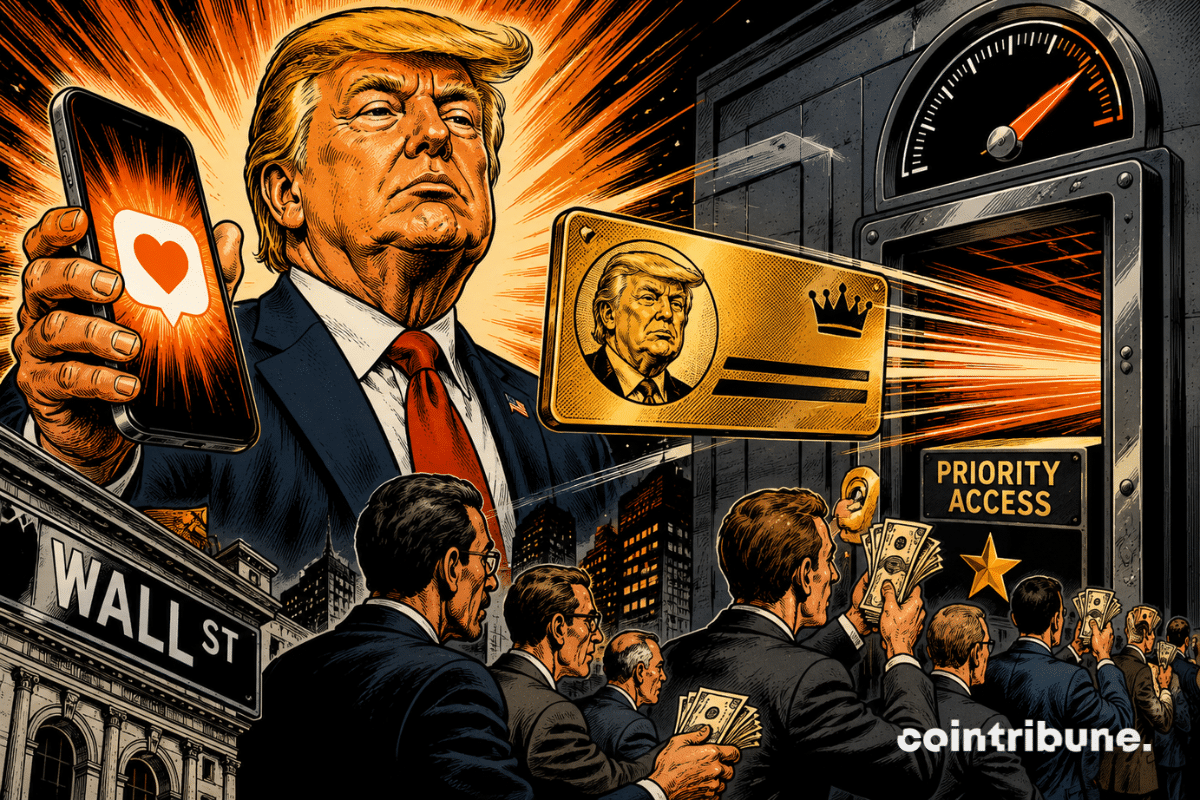
TMTG, the operator of Truth Social, announced on Thursday the launch of a paid API offering Wall Street firms very low latency access to the network's posts. This feed aimed at algorithmic trading funds comes as Donald Trump's posts regularly move the markets. How far will this monetization of presidential influence go?
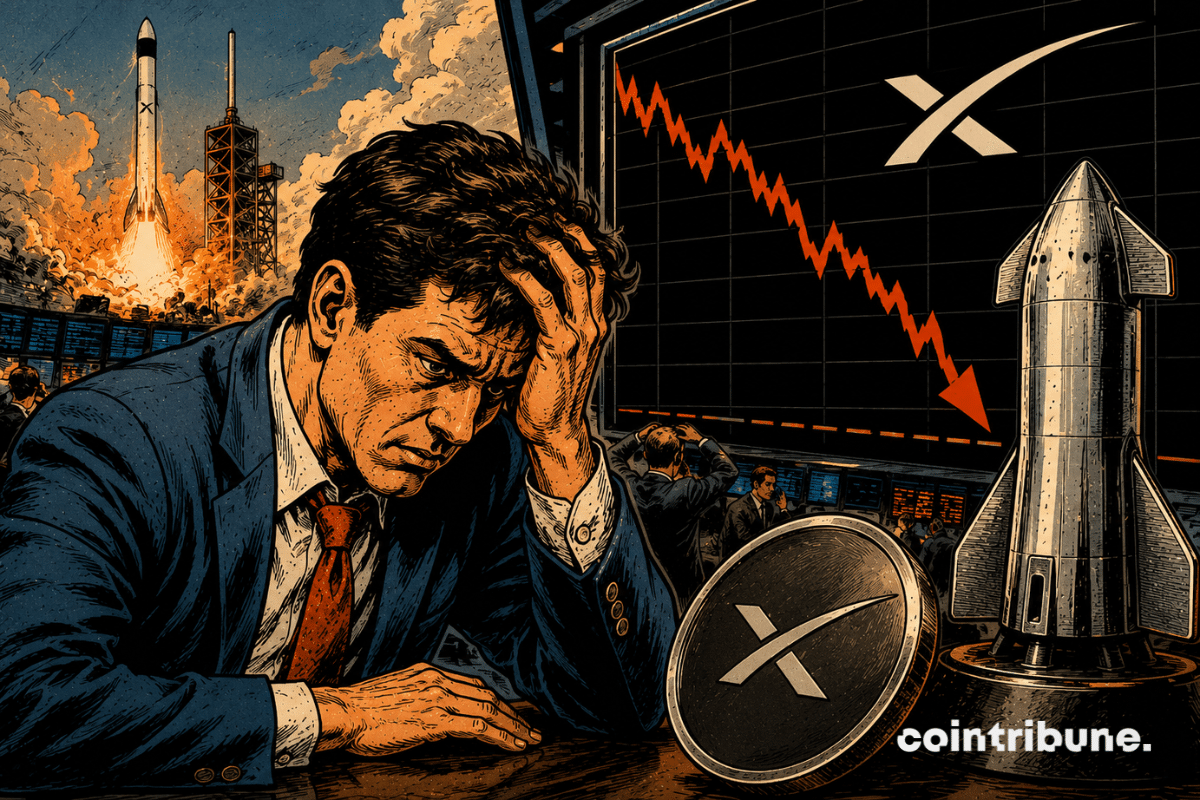
This Thursday, July 16, SpaceX, Elon Musk's aerospace company, suffered a major setback on the stock market, ending the euphoria surrounding its IPO. After igniting markets and attracting investors worldwide, its stock crossed a symbolic threshold that changes Wall Street's perspective. This break could mark a turning point for one of the most watched companies of the year.
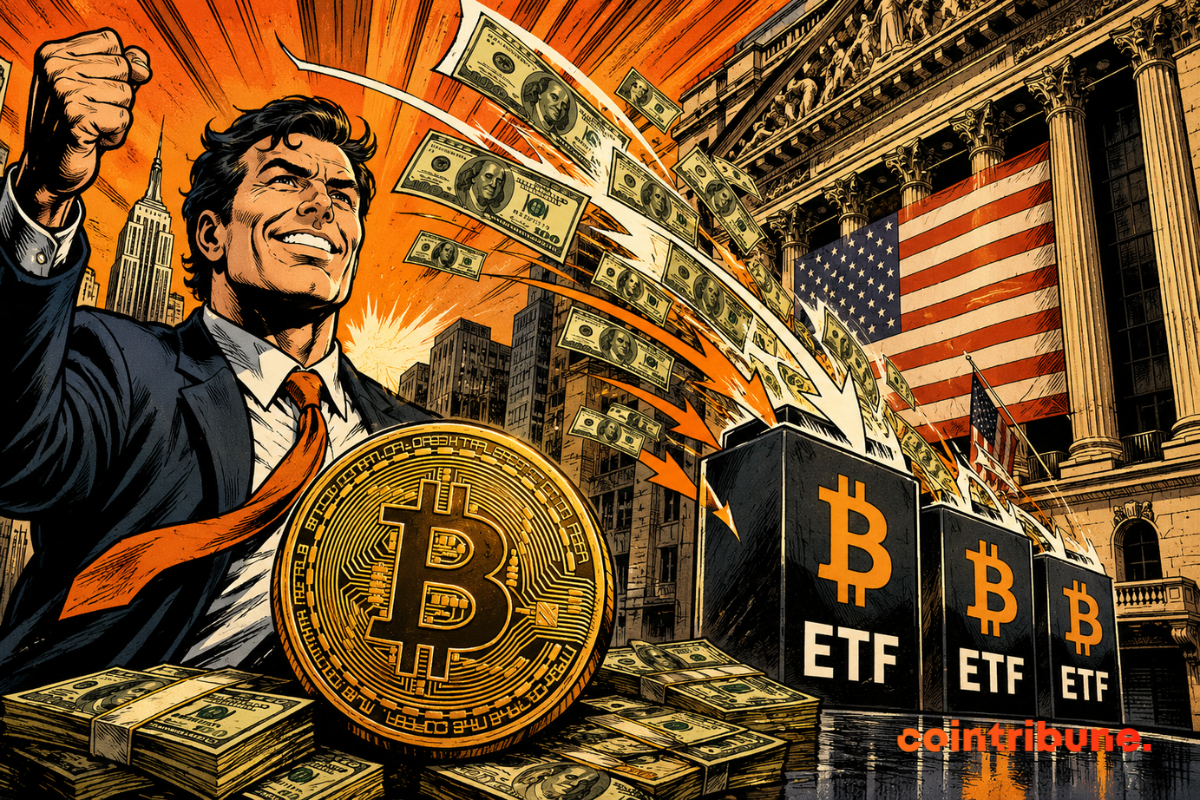
Exchange-traded funds backed by spot Bitcoin show a new sign of stability after several months marked by capital outflows. In the United States, investors recorded a third consecutive session of net inflows, confirming renewed interest in this category of products. This development comes as the market tries to regain better balance after a difficult start to the year. Meanwhile, data show a gradual improvement in flows, despite a context where price performance remains under pressure.

New layoffs and a daring change to payments are announced by Polygon. Is the POL cryptocurrency going to take off or is it in danger? Explore our analysis to learn about the risks associated with this potentially game-changing tactic.

France's 2-0 defeat against Spain on July 14, 2026, relieved the accounts of American bookmakers by resolving their last major liability. Meanwhile, prediction platforms recorded a record volume, without needing the correct forecast to win. Has the World Cup definitively validated the future of predictive markets against traditional betting?
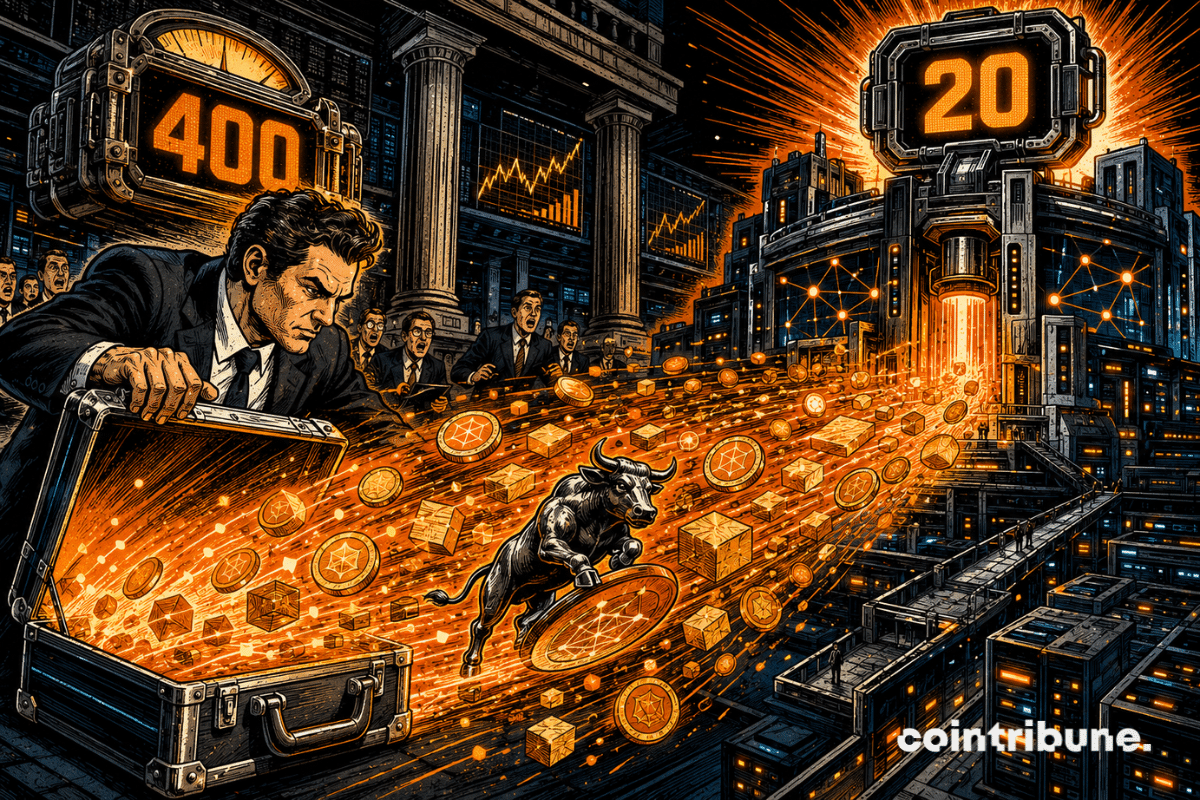
Crypto.com has just reached a major institutional milestone. Citadel Securities invests 400 million dollars in the exchange, now valued at 20 billion dollars. This operation confirms a clear shift in the crypto market: the big players on Wall Street no longer just observe. They buy a seat in the infrastructure.
The inexorable advance of cutting-edge quantum computing poses an existential threat to blockchain security, forcing the ecosystem to revise its cryptographic foundations. Preserving inactive Bitcoin wallets against machines capable of breaking private keys is a critical priority. On July 16, Project Eleven unveiled a post-quantum cryptographic proof proposal to address the "Q-Day" challenge. By replacing signature validation with lineage verification, this protocol offers an unexpected safety net.
For her first appearance post-OpenAI, Mira Murati unveils an open-weights AI model. Discover the technical details of this innovation.
The scenario of a bitcoin freed from its cycles thanks to the arrival of institutional investors is wavering. While the market was settling into almost unanimous confidence, NYDIG cools the ardor with an analysis that recalls an old rule: every phase of euphoria eventually calls for a correction. According to the investment company, quantitative models now reveal a marked decline in the price of the flagship crypto, reigniting the debate on the strength of the current bull cycle.
As debates around the use of the Bitcoin blockchain multiply, a new technical proposal reignites tensions within the community. Named BIP-110, this project aims to temporarily limit the inscription of non-financial data on the network to reduce what its promoters consider spam, notably the Ordinals, BRC-20, and Runes protocols. While some see it as a necessary evolution to preserve Bitcoin's efficiency, others believe it challenges the protocol's neutrality and its founding principles. Does BIP-110 represent an advance for Bitcoin or a risk for the network's future?

Are the largest XRP holders sending a signal that the market has not yet fully integrated? While cryptocurrencies are evolving in an environment of uncertainty, a closely monitored on-chain indicator by analysts has just dropped on Binance to its lowest level in two months. Behind this movement, there may be a strategic shift among whales, those investors capable of influencing trends. Imminent selling, simple redistribution, or preparation for a new cycle? The data opens several leads.

On July 1, 2026, the transition period under the MiCA regulation officially closed: any crypto platform serving European clients must now hold a proper CASP license, or stop operating. On paper, the regime promised a clear, fast pathway. In practice, even Binance, the world's largest exchange, found out otherwise. We take a closer look with Yuliya Barabash, founder and managing partner of SBSB Fintech Lawyers, who has advised on more than 150 licensing files worldwide.
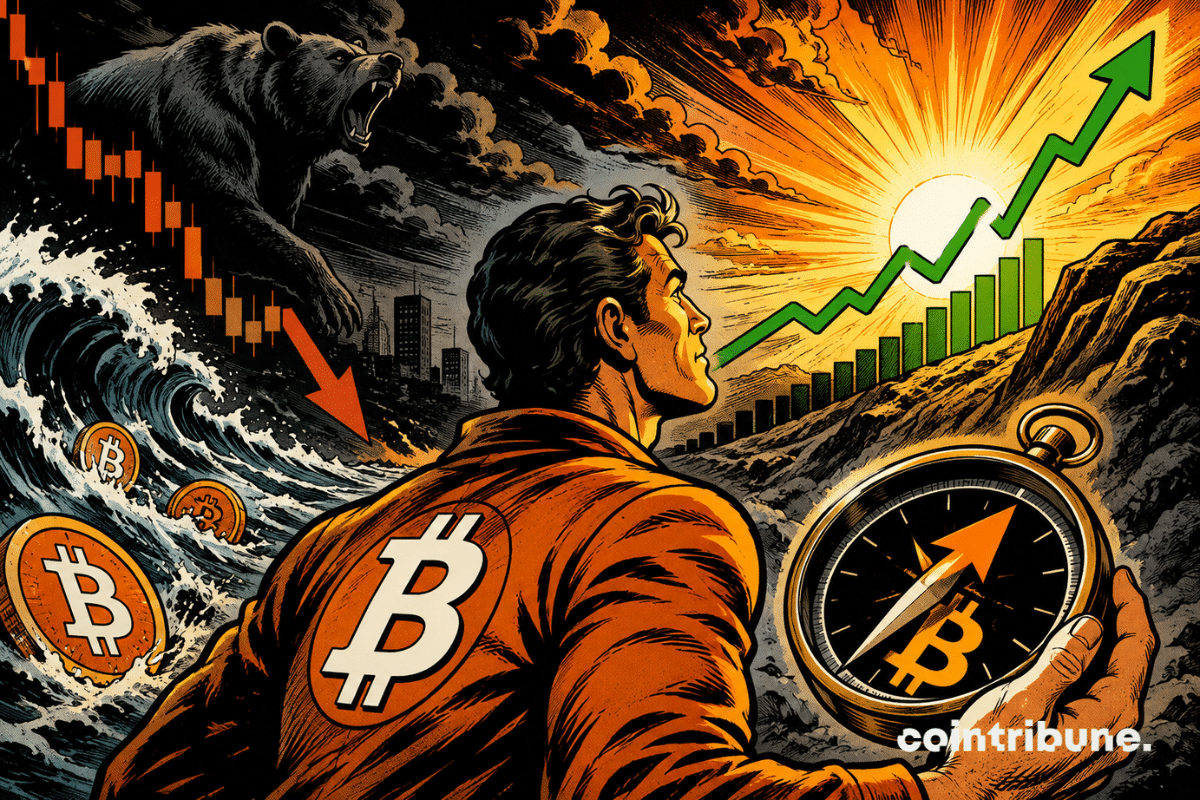
The cryptocurrency market continues to look for clues that can confirm the end of the recent phase of price weakness. Several on-chain data points are now attracting the attention of analysts, who are trying to identify the first signs of a lasting reversal. In this context, Bitcoin once again finds itself at the center of Glassnode's observations. An indicator followed by its research team shows that selling pressure from investors may begin to ease, even though several technical levels remain decisive.
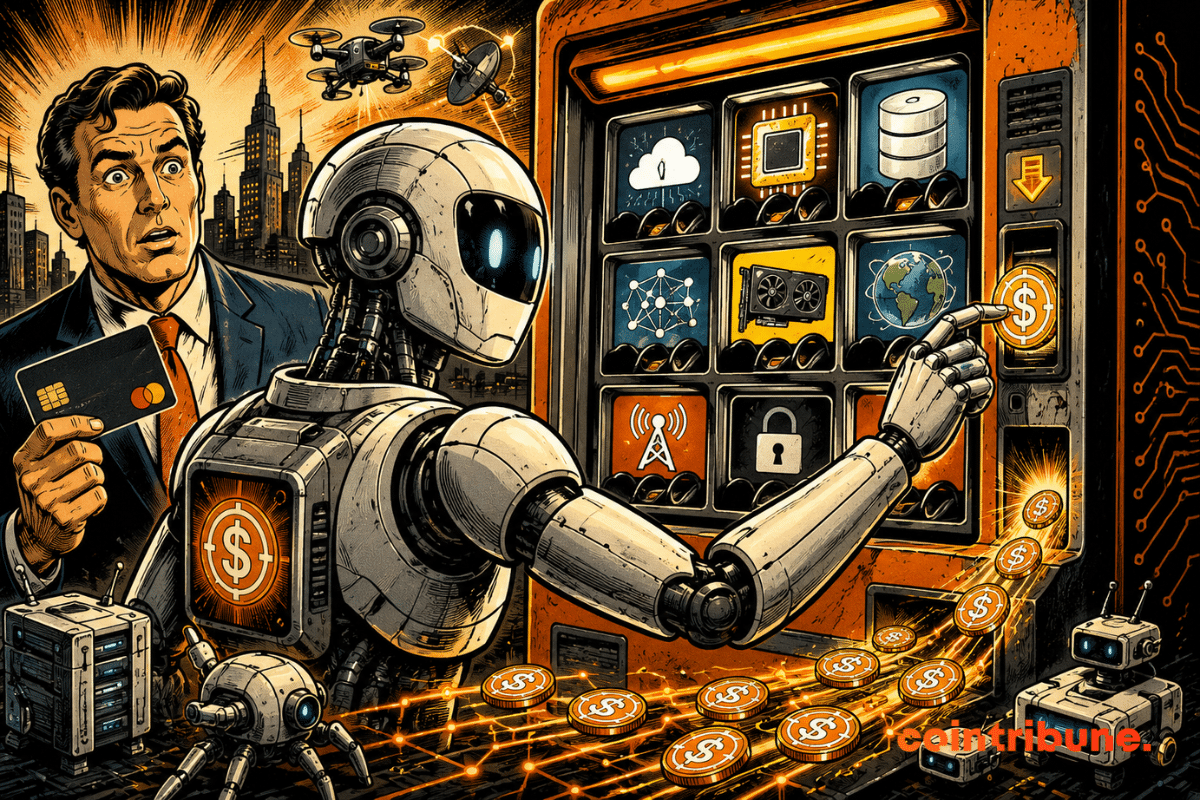
Cards or stablecoins? Visa answers: both, according to a report with Artemis on the future of AI-driven crypto payments.
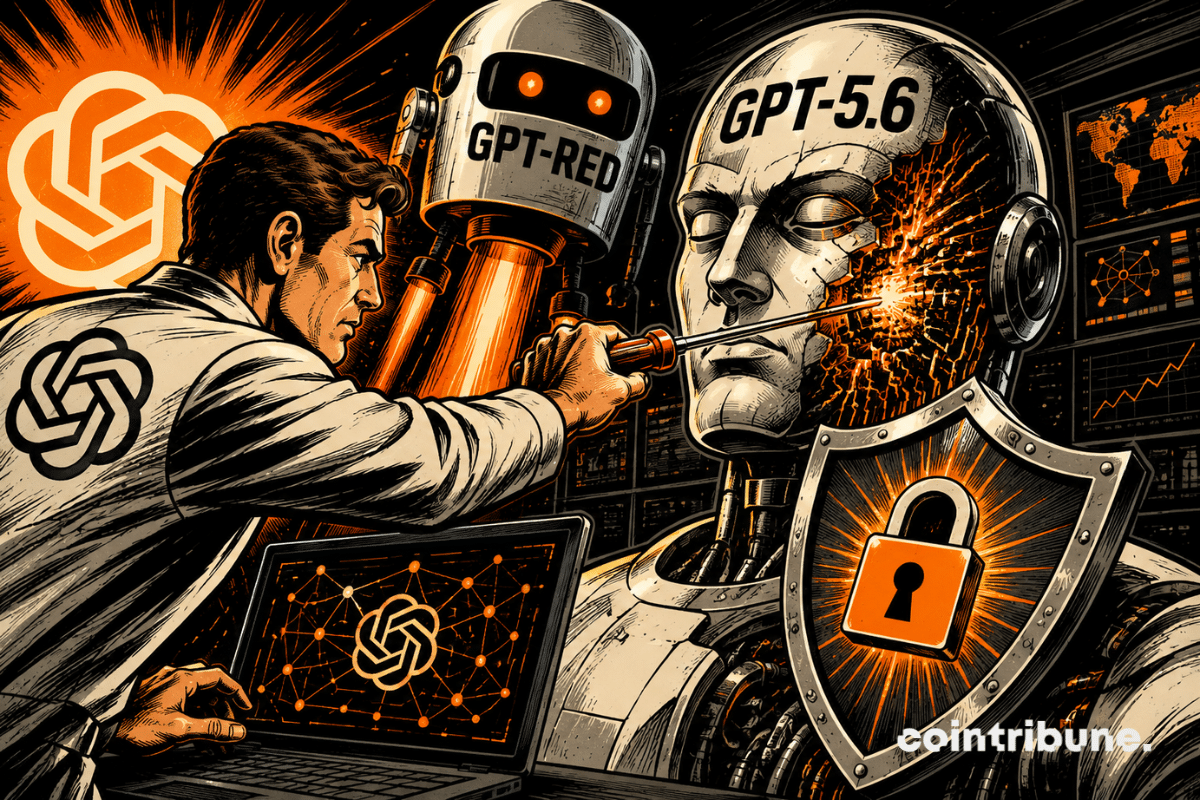
OpenAI presented on Wednesday, July 15, 2026, an automated red-teaming tool named GPT-Red, tasked with strengthening GPT-5.6's resistance to prompt injection attacks. The concept starts from a simple observation: human intrusion testing methods no longer keep pace with the models' capabilities. The challenge is now growing, as these vulnerabilities directly affect the security of autonomous agents.
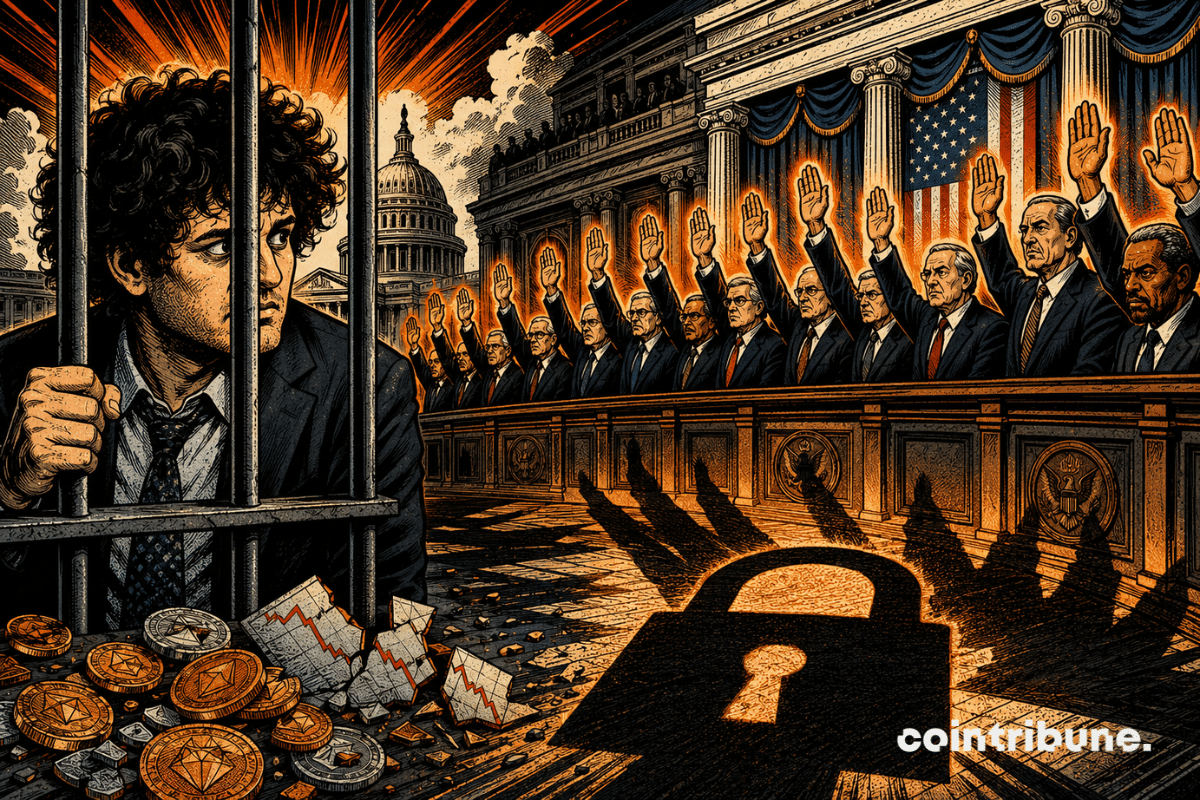
The US Senate has just sent a harsh message in the FTX case: Sam Bankman-Fried should not receive any presidential pardon. This resolution does not legally block the power of the president. But it further isolates the former king of crypto, already sentenced to 25 years in prison for one of the largest financial frauds in American history.