While Los Angeles suffocates under a blaze, The Giving Block kindles the flame of hope: quick, generous, and tax-efficient crypto donations. A modern miracle with a digital taste.
A few days before Donald Trump's inauguration, the outgoing American administration is tightening its sanctions against Russian oil, pushing Brent prices above $80. This new offensive directly targets two Russian giants in the sector and a fleet of nearly 200 ships.
In Los Angeles, the fires dance. Burned wallets, forgotten private keys, digital fortunes fade away, taking dreams and cryptos into the oblivion of an apocalyptic blaze.
Below $92,000, Bitcoin wavers, and the Fear & Greed index, like a nervous barometer, shifts from vertigo to apathy.
Initially, Bitcoin (BTC) mining was an activity practiced exclusively by a handful of insiders. However, over time, more and more people began to engage in it. As the phenomenon grew, mining farms started to emerge. In this article, we will explore what these platforms are, how they operate, and why they are interesting. We will also look at how they are powered, whether they are profitable, and what their future holds.
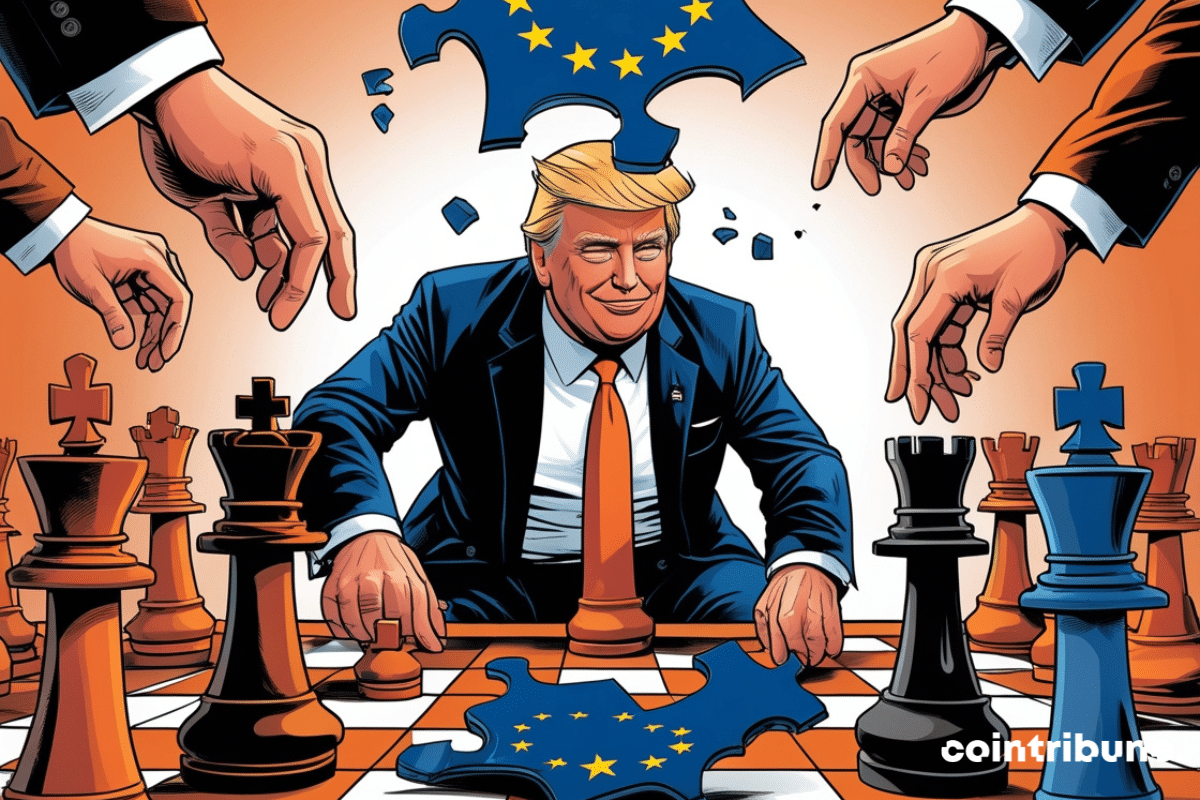
Bitcoin is Donald Trump's plan B if he fails to persuade the BRICS to stop their rebellion against the dollar.
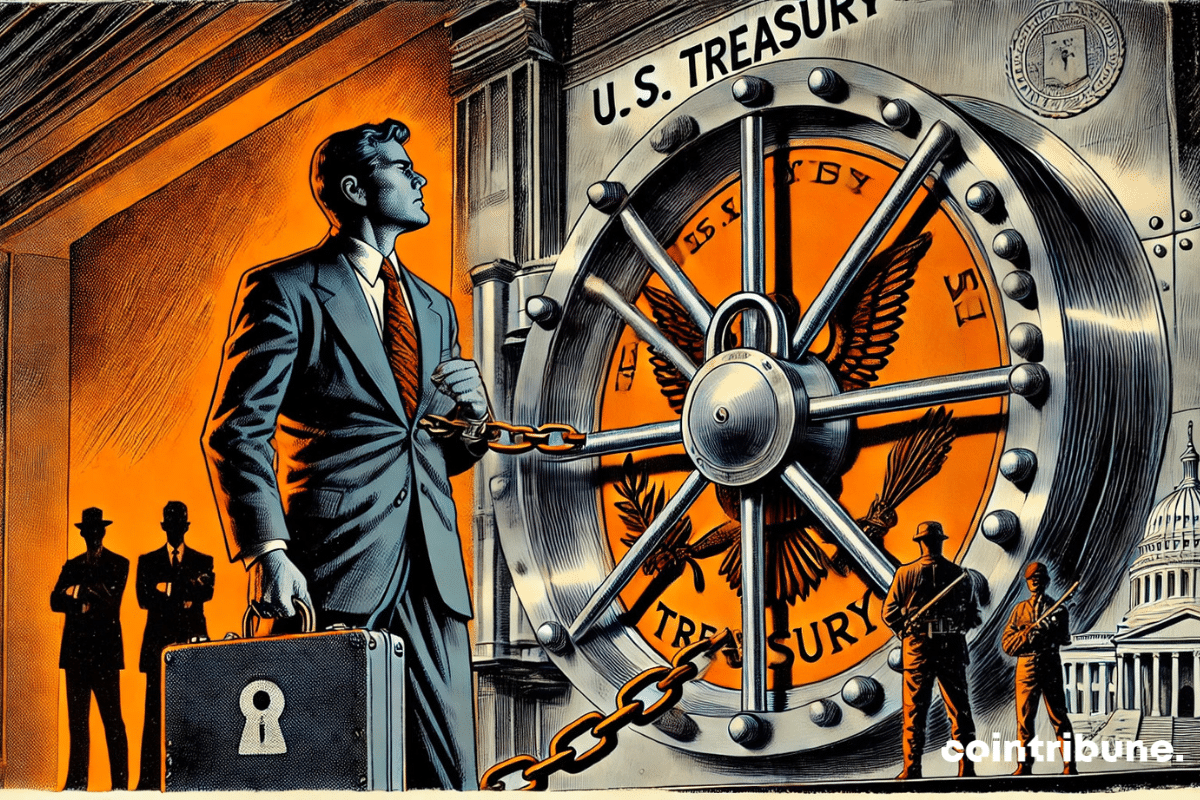
The digital world has become the new battleground for international powers, where each attack can have profound and lasting repercussions. Recently, a major cyberattack struck the systems of the U.S. Treasury, revealing the vulnerability of the technological infrastructures of a state renowned for its defensive capabilities. This incident occurs in the context of intense rivalry between the United States and China, as Washington accuses presumed hackers backed by Beijing of being behind the intrusion. For its part, China firmly rejects these accusations, labeling them as unfounded and denouncing a smear campaign orchestrated by U.S. authorities. More than just a mere digital incident, this case sheds light on the growing geopolitical tensions around cybersecurity and the difficulty of identifying those responsible in an increasingly interconnected world.
On Wall Street, the rumor is growing: 2049, Bitcoin soars, the debt collapses. A grand bet, a shaken America.
When a former footballer dons the jersey of innovation, and Trump orchestrates, the crypto-sphere stirs: a promise of growth or just a bluff?
Saylor dreams of a redeeming Bitcoin, freeing America from an abyssal chasm. Schiff, skeptical, waves the banner of imminent chaos. Who will win this dance of trillions?
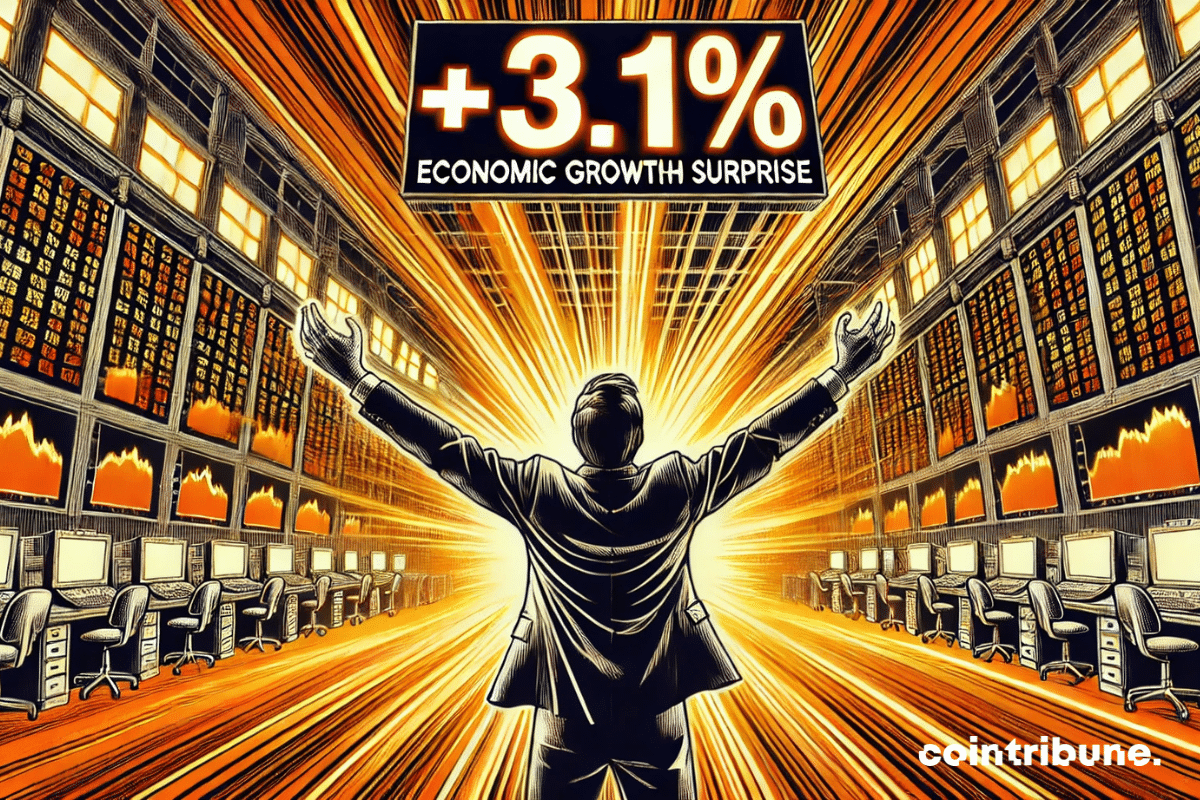
The United States surprises with economic performance well beyond expectations for the third quarter. According to data from the Department of Commerce, the gross domestic product (GDP) grew by 3.1%, compared to an initial estimate of 2.8%. This result exceeds observers' forecasts and reflects a dynamic economy, driven by strong consumer spending and an improvement in exports. While many regions of the world struggle to maintain their economic momentum, as evidenced by the limited growth forecast of 0.7% for the Eurozone in 2024, this progress indicates the resilience of the American economy in the face of global uncertainties. These figures also highlight the impact of recent monetary decisions by the Federal Reserve, which has fostered a conducive environment for growth through adjustments to interest rates.
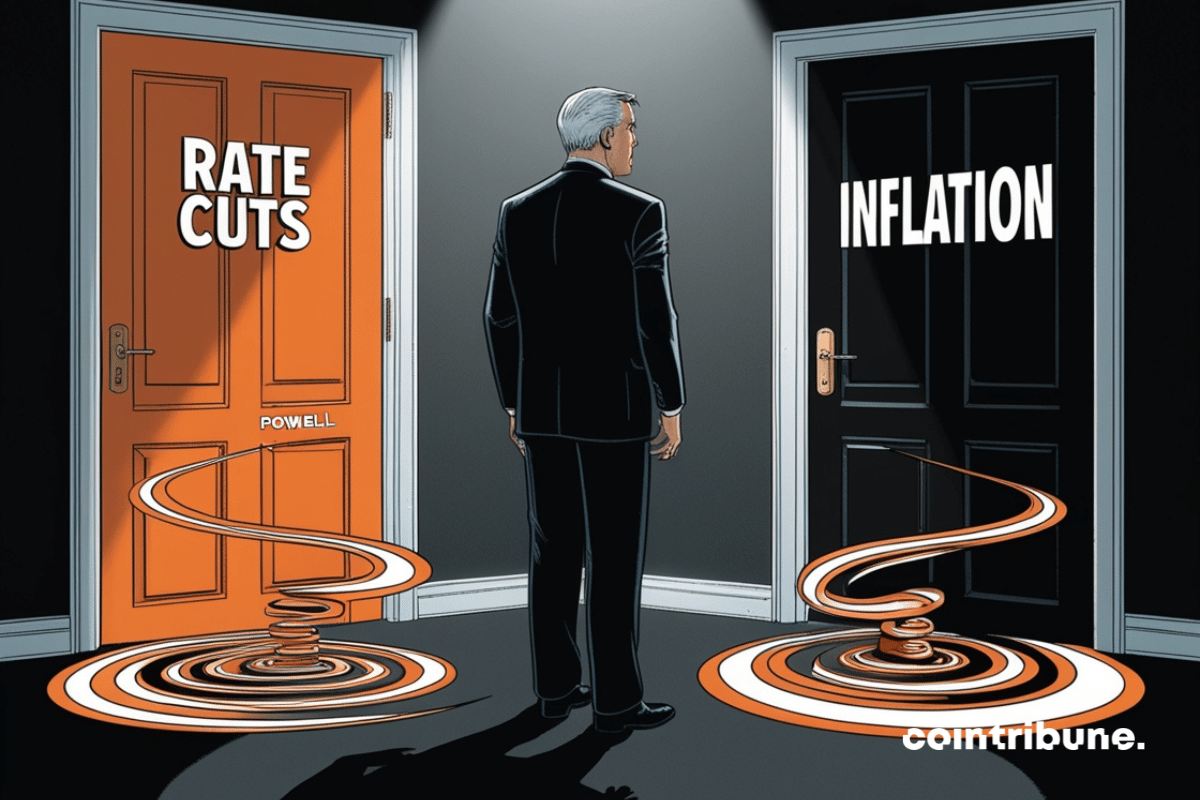
Amid whispers of inflation and hopes for growth, the Fed is reshaping its horizons. Powell, with caution in hand, challenges a nascent economic storm.
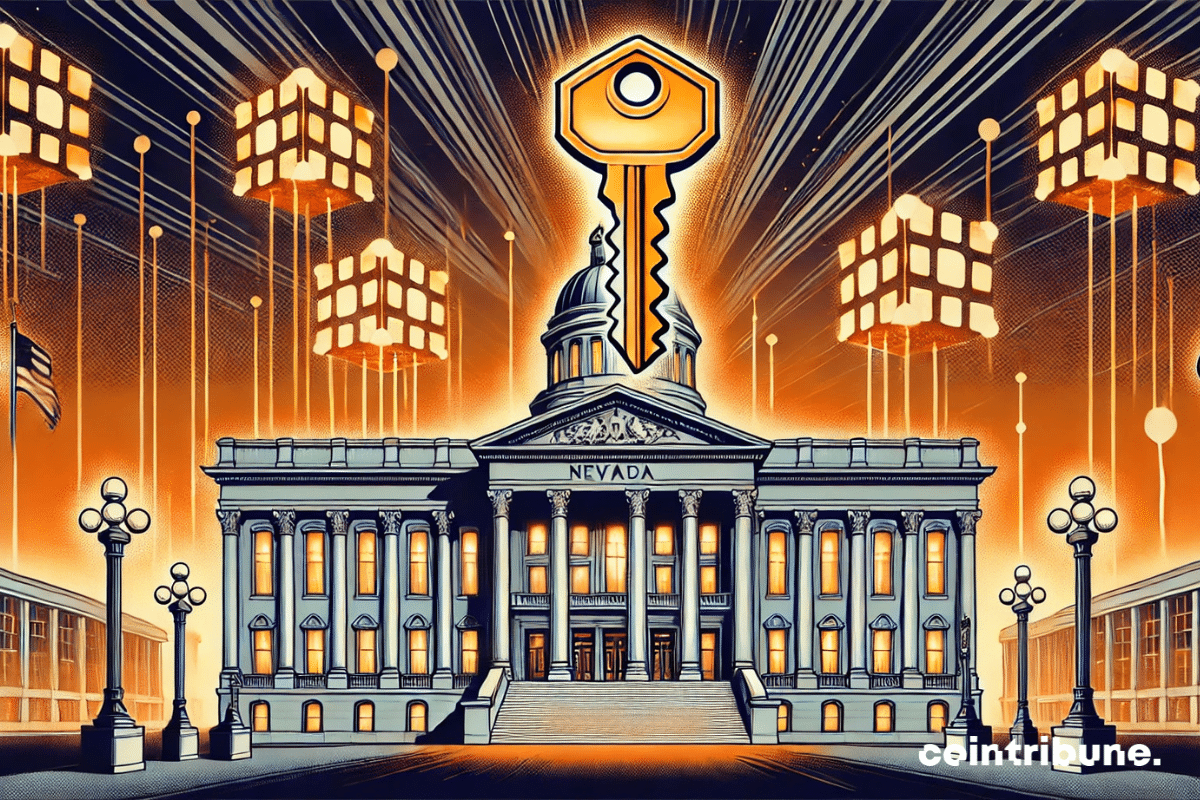
The American elections have always represented a global symbol of democracy and stability. However, in the digital age, they face unprecedented challenges, exacerbated by technological developments and threats to the integrity of electoral processes. Recently, Nevada has been at the center of a major controversy related to accusations of "fake voters" during the 2020 presidential election. Although these accusations were dismissed, they highlighted critical flaws in the electoral certification system. In the face of this crisis of confidence, the state of Nevada made a bold decision by choosing blockchain technology to ensure the security and transparency of its elections. This adoption, hailed as a major advancement, aims to anchor electoral certifications in an immutable ledger, making any attempt at falsification practically impossible.
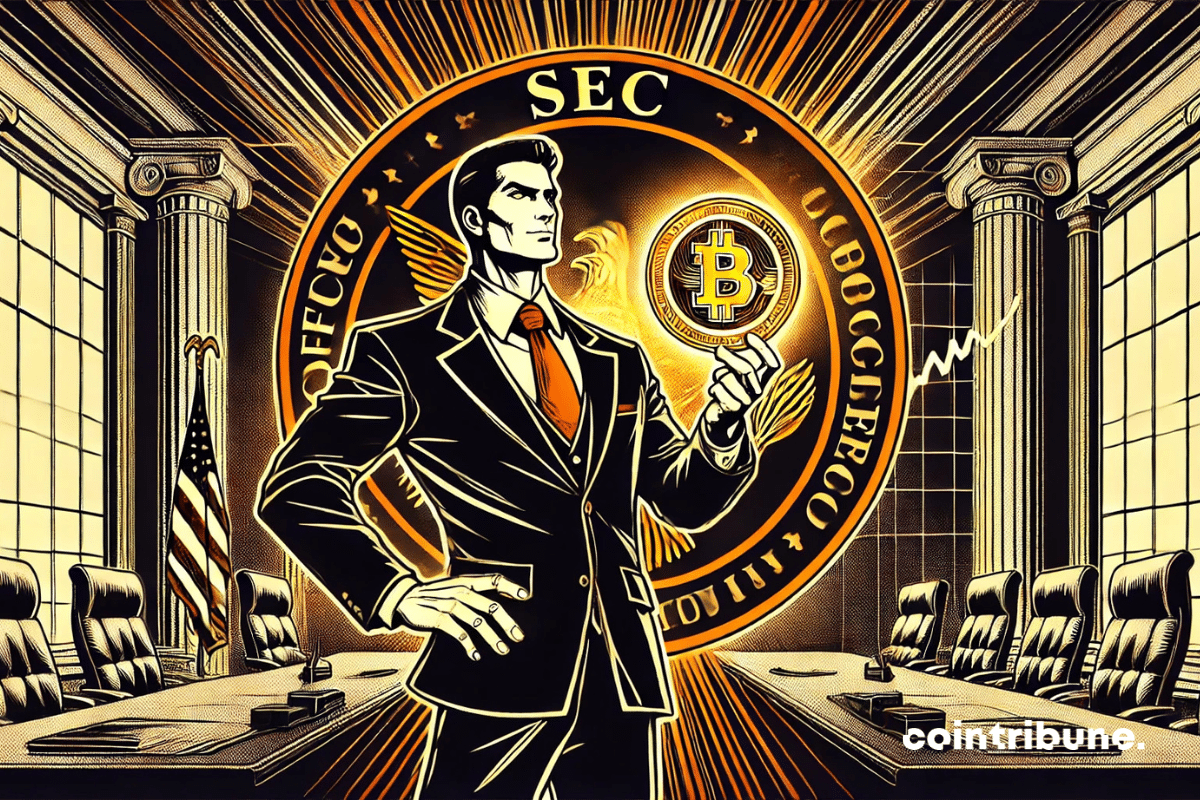
Paul Atkins' appointment as head of the Securities and Exchange Commission (SEC), announced by Donald Trump, could redefine the future of crypto regulation in the United States. This choice, far from being trivial, comes at a critical moment when the sector is facing increasing uncertainties and policies perceived as hostile. Under the previous administration, the SEC's management faced sharp criticism due to an approach deemed too restrictive towards these assets. With the selection of a candidate known for his pro-innovation stance and expertise in crypto, Trump appears to be sending a clear signal in favor of a change of course.
The creation of a strategic reserve of bitcoins is seen as the most significant monetary earthquake since the end of the Bretton Woods agreements in 1971. The Dilemma The American Senator Cynthia Lummis could lay the first stone of a renovation of the international monetary system.
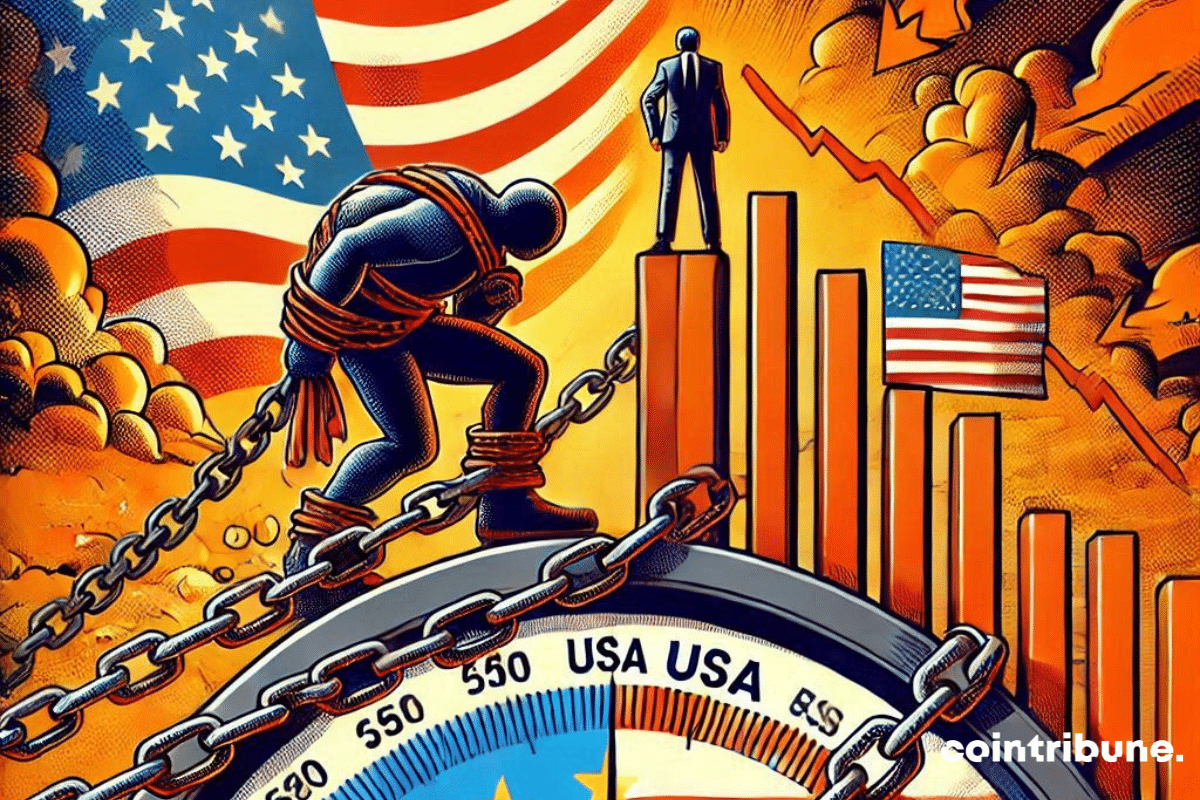
As the global economy attempts to stabilize after years of uncertainty, American public debt is drawing renewed attention. Indeed, with a level reaching 125% of GDP in 2024 and a growing budget deficit, this issue concerns international institutions, particularly the European Central Bank (ECB). Thus, recent statements from its Vice President, Luis de Guindos, emphasize the urgency of the situation and its potential repercussions on the eurozone.
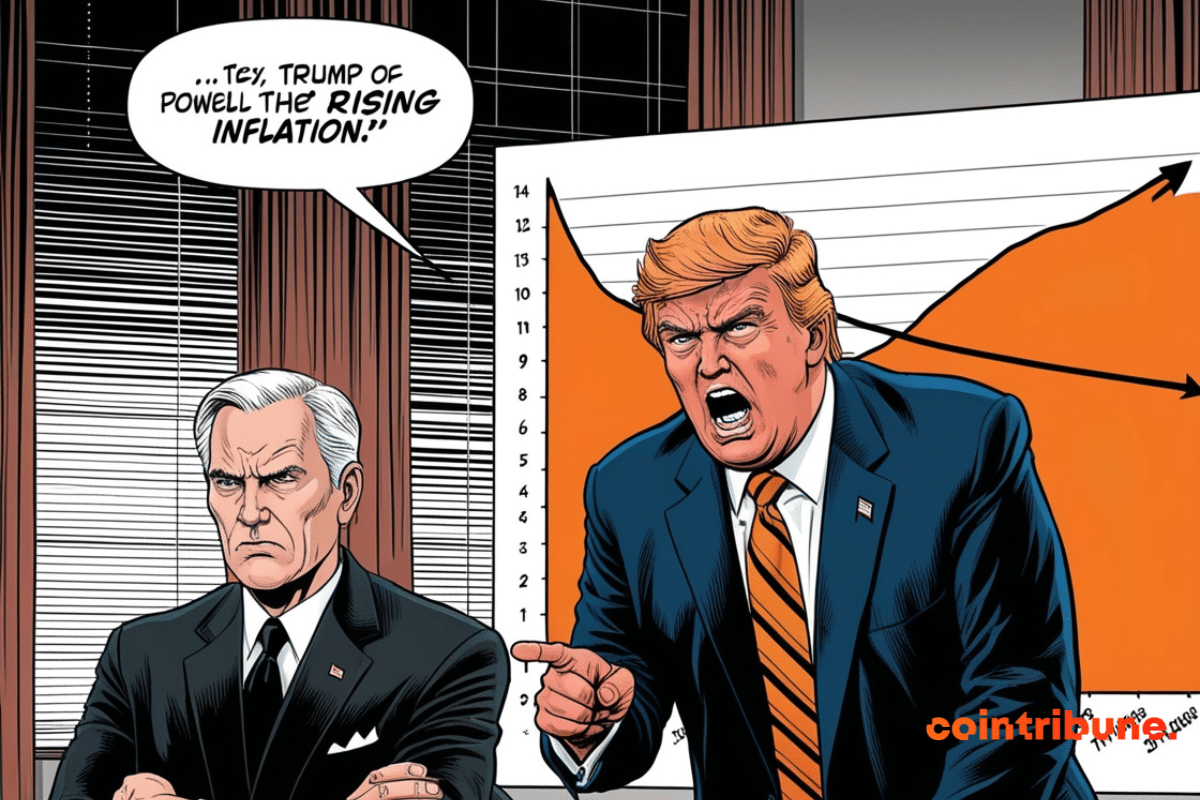
Trump wants to lead the Fed, but Powell, stoic as a Swiss banker, refuses to relinquish the reins. Guaranteed economic duel!
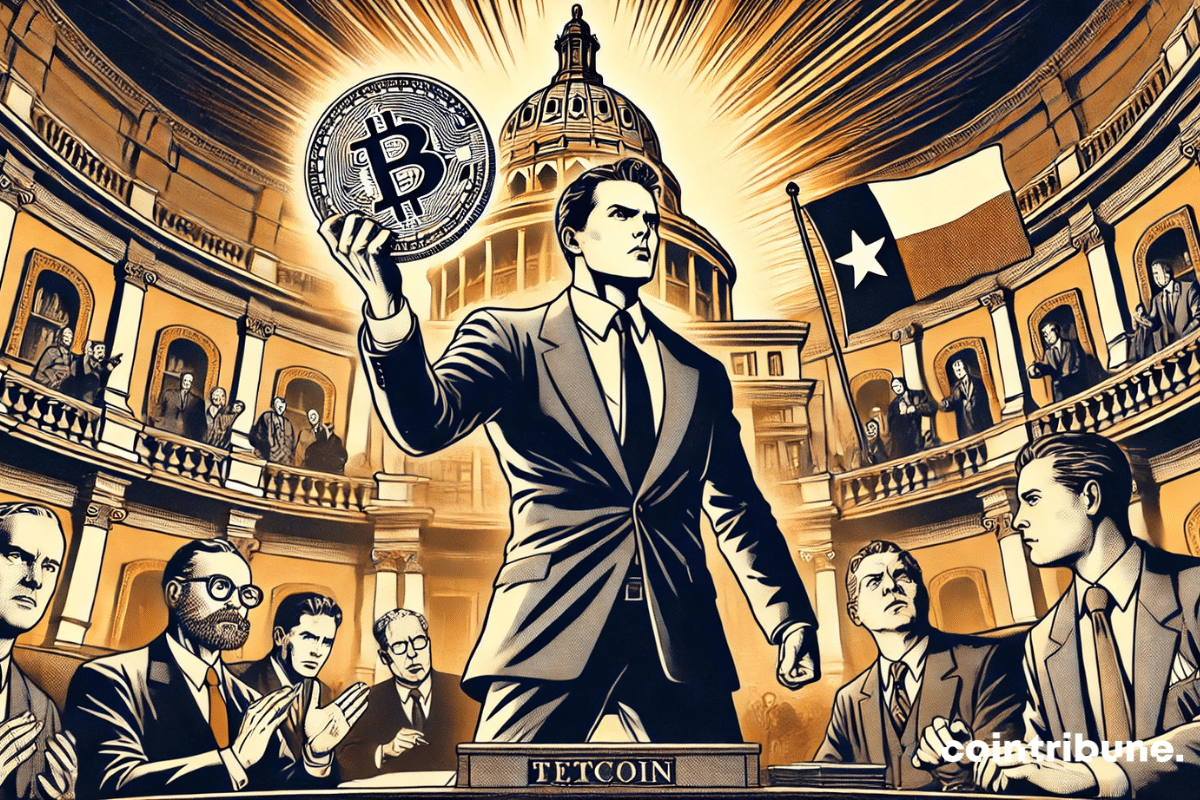
Pennsylvania wants BTC to counter inflation: when the dollar is shaky, the states bet on crypto. Risky?
U.S. inflation, which had shown signs of easing in recent months, is on the rise again, bringing the issue of the cost of living back to the forefront of national concerns. In October, the inflation rate reached 2.6%, up from 2.4% in September, marking a turnaround in the relentless fight to stabilize prices. This resurgence of inflation comes against a backdrop of fragile economic conditions, where every change in price indices is scrutinized for its potential impact on purchasing power, monetary policy, and the political landscape.
"Suspense among traders: American inflation, the new obsession of Wall Street! Europe is calm, but Siemens and Just Eat are having fun."
Elon Musk on the Chinese menu: China launches its Starship clone to occupy the Moon before the next pandemic!
"Big crisis, big doubts!" Musk already sees America in ruins... unless a bit of Bitcoin comes to solve everything!
Bank of America, one of the largest American banking institutions, finds itself in the spotlight in a potentially explosive case. Indeed, an $800 million loss looms for the bank, under the threat of a federal investigation related to accusations of non-reimbursement of customers who fell victim to fraud via the Zelle payment network. This case raises further questions about consumer protection practices in the American financial sector, as pressure intensifies on banks to ensure secure transactions and reimbursements in cases of fraud.
Nvidia in the Dow? It's tickling Wall Street! Yet, not so big after all in the kingdom of portfolios...
Trump at the helm and here comes Bitcoin sparking: BlackRock scoops up billions, everything is rolling for the ETF!
The Russian government has stepped into the bitcoin industry. This support is likely not unrelated to the ambition of bringing about a fairer international monetary system.
The relations between the two largest global economic powers, the United States and China, are once again at the heart of trade tensions. Barely elected, Donald Trump is reinforcing his intentions to pursue a no-holds-barred protectionist policy, seeking to impose record tariffs on Chinese imports. This approach echoes his first term, where heavy tariffs created a precedent in the Sino-American trade war. But this time, in a post-pandemic context where the global economy is still fragile, the repercussions could prove to be more significant. While Beijing advocates for dialogue, the world is bracing for a new phase of commercial confrontation with potentially global effects.
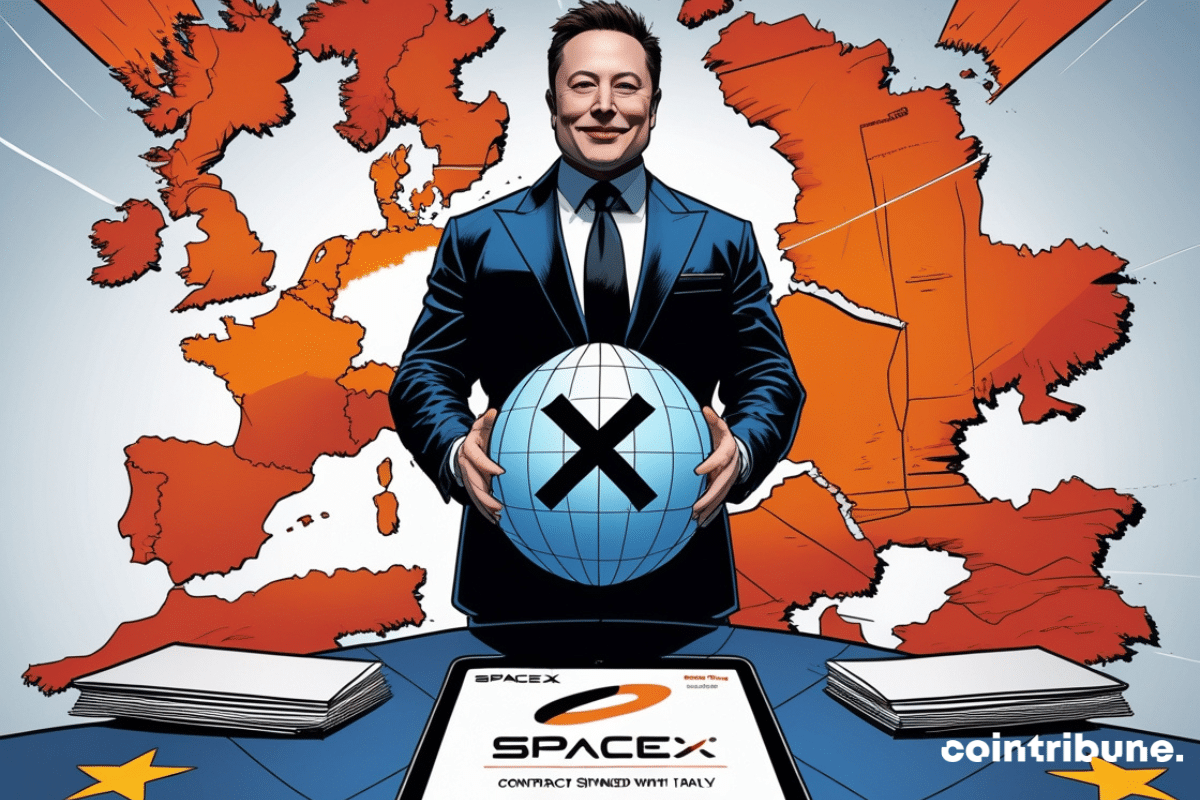
Trump elected, Musk rejoices: 20 billion in his pocket! A small part of his bet to "save" the American economy, of course.
Trump, Harris... They are competing for the electoral votes, while crypto is investing millions and joining the feast!
Trump or not, the Chinese are working to save the economic structure... with billions flowing without brakes!