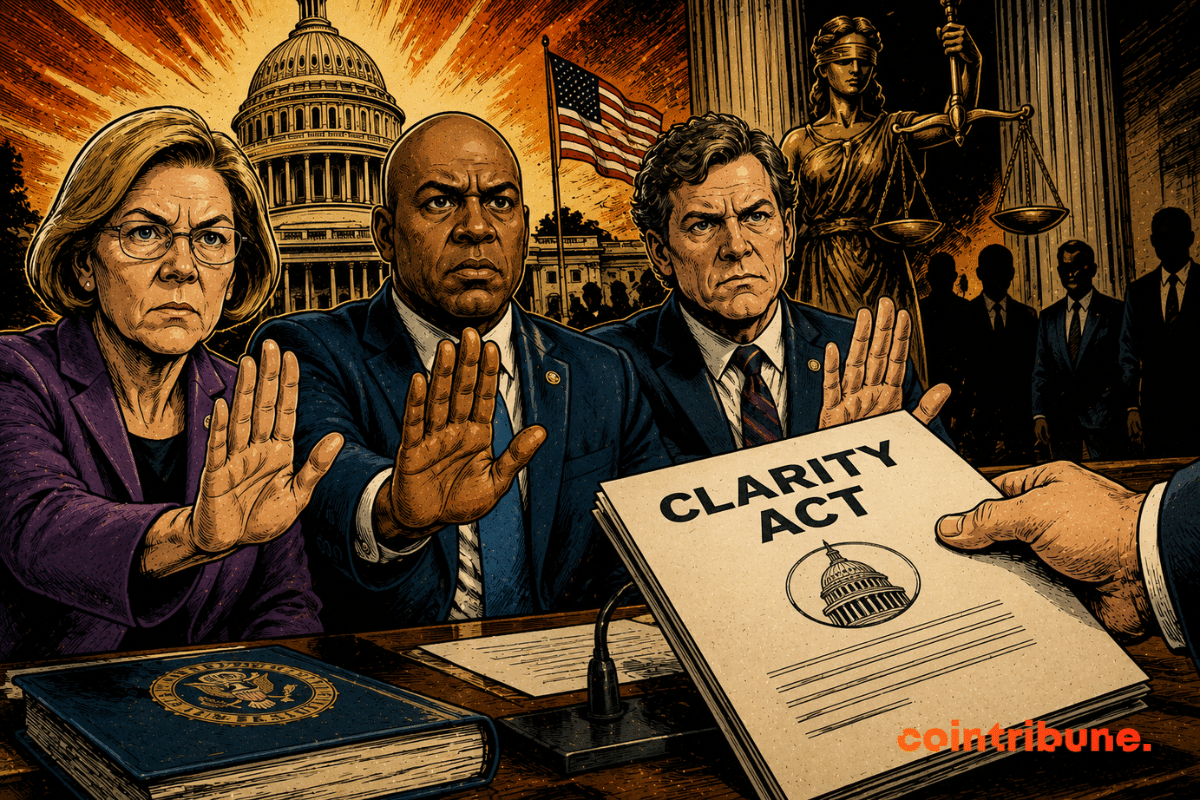
Three Democratic senators won't back the crypto bill without ethics safeguards against Trump's $1.4 billion windfall. They're calling him out.
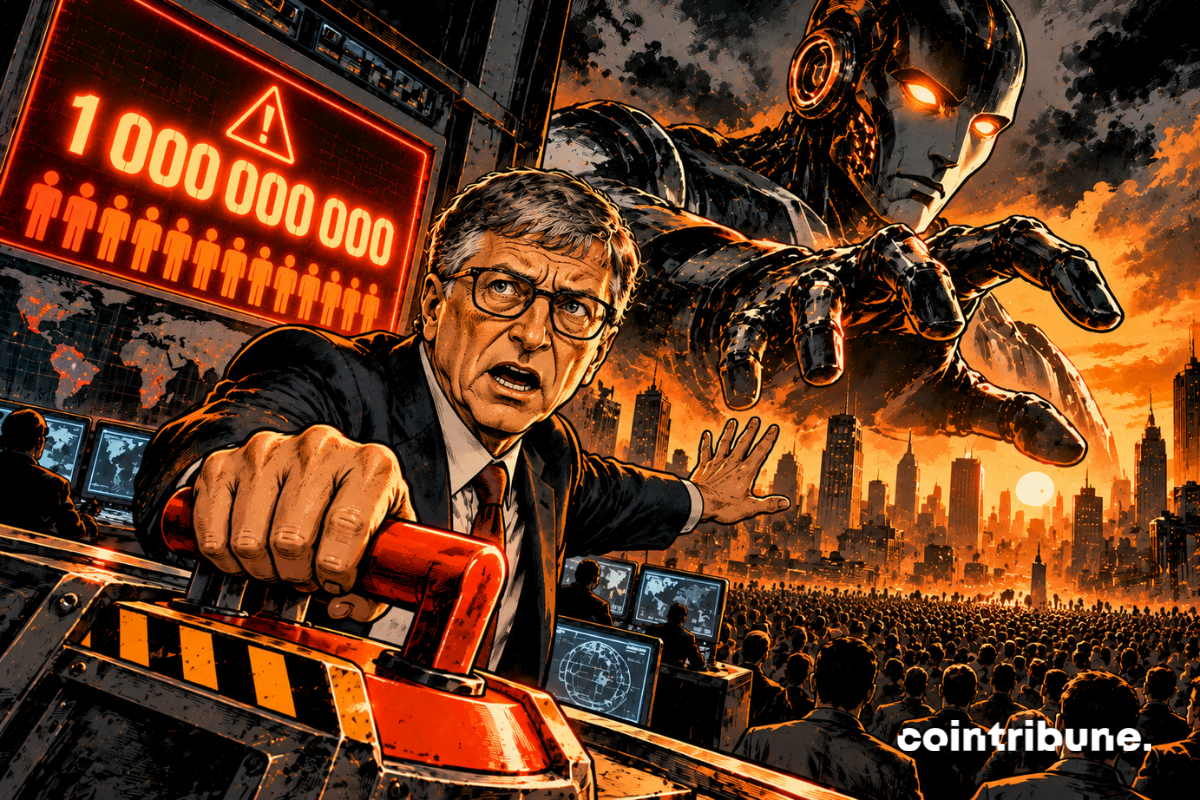
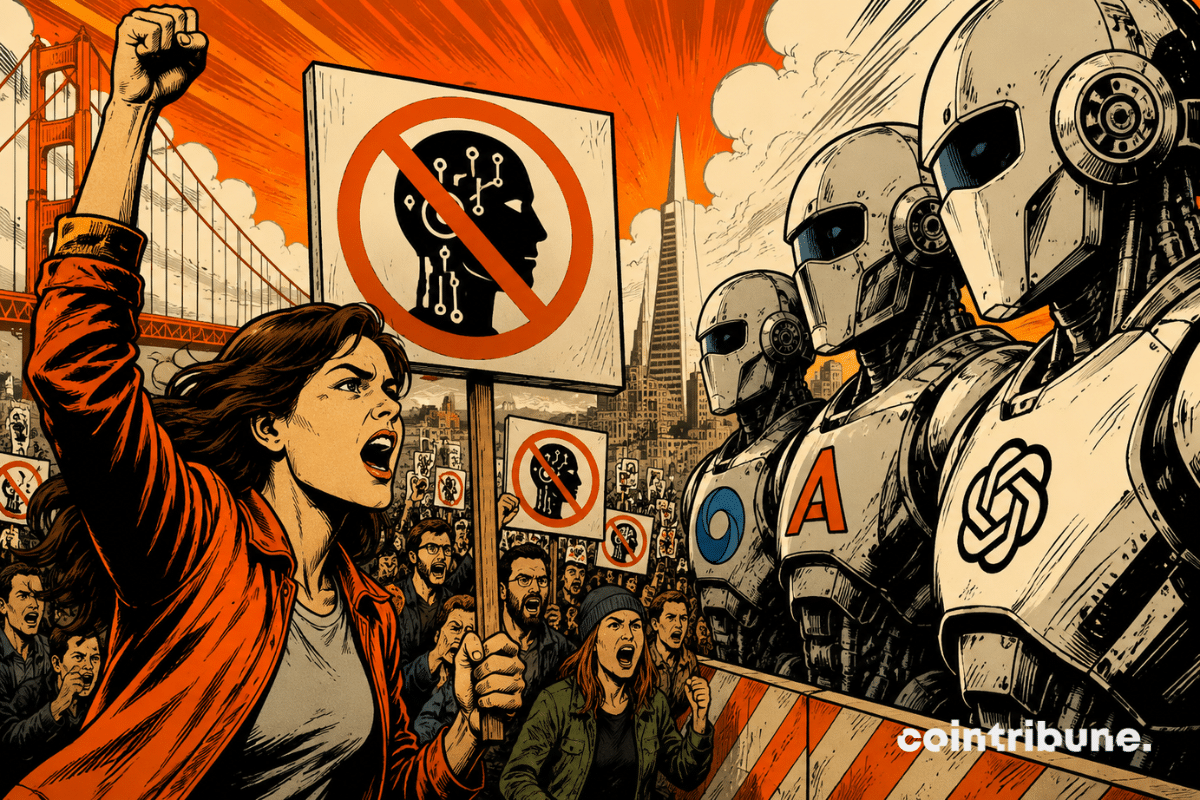
Debates around artificial intelligence continue to grow as the most advanced models gain power. San Francisco once again served as a gathering point for activists wishing to slow this evolution. Their mobilization was not limited to just security issues of AI systems. Participants also discussed the economic, social, and environmental consequences of this technology, while calling on major companies in the sector to temporarily suspend the development of new cutting-edge models.
The Ethereum network continues to evolve, but its geographical distribution remains a subject of monitoring for researchers. A new study from the Cambridge Center for Alternative Finance shows that a significant share of nodes operates in North America and Europe. This snapshot of the network highlights several technical and legal issues. It also reminds us that the location of infrastructures can influence the protocol's resilience. The updated data finally sheds new light on the network's energy consumption after the merge.
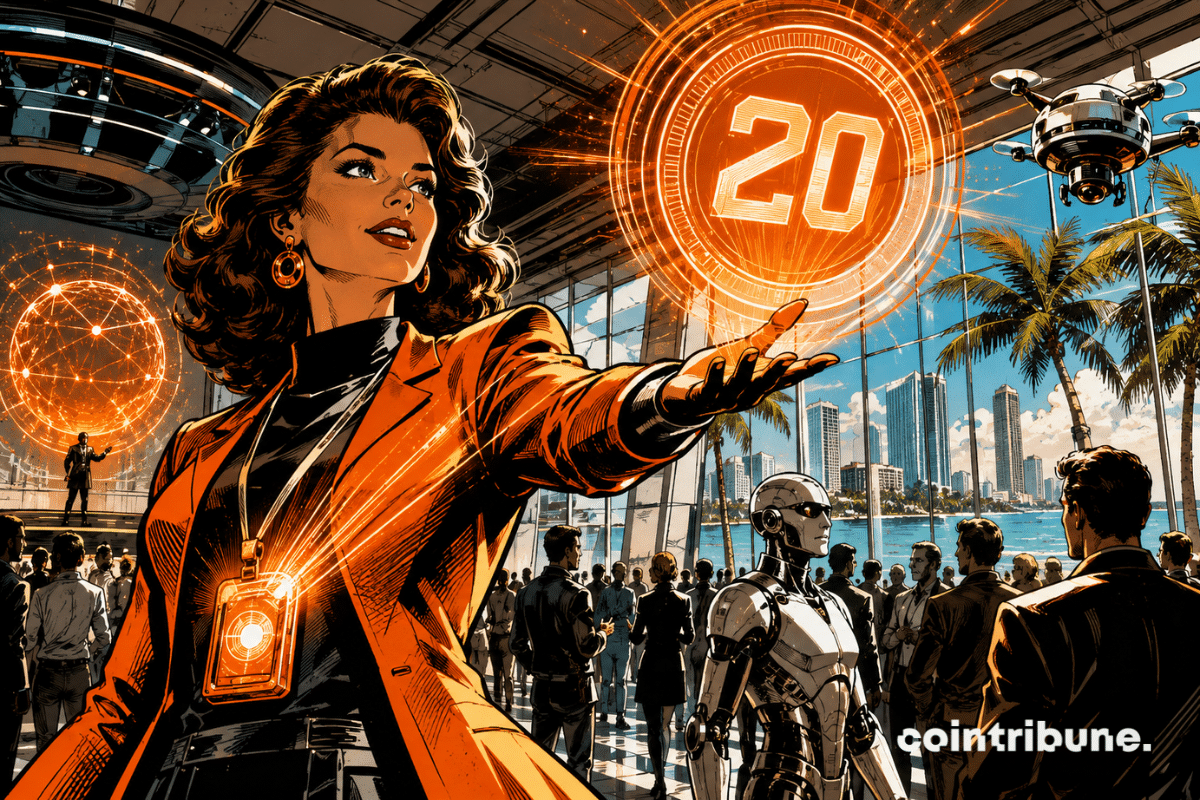
North America's biggest Web3 party is heading south. After its Toronto homecoming in July, the Blockchain Futurist Conference brings its festival-style energy to Miami on November 17-18, 2026, taking over the DAER Dayclub & Nightclub inside the iconic Hard Rock Guitar Hotel in Hollywood, Florida. Two days where blockchain meets beach-club vibes, with 250+ speakers, real robots on site, and the kind of networking that actually closes deals. And for the Cointribune community, there's a bonus that makes it an easy call: 20% off your pass with a dedicated code. Best grab it before prices climb.
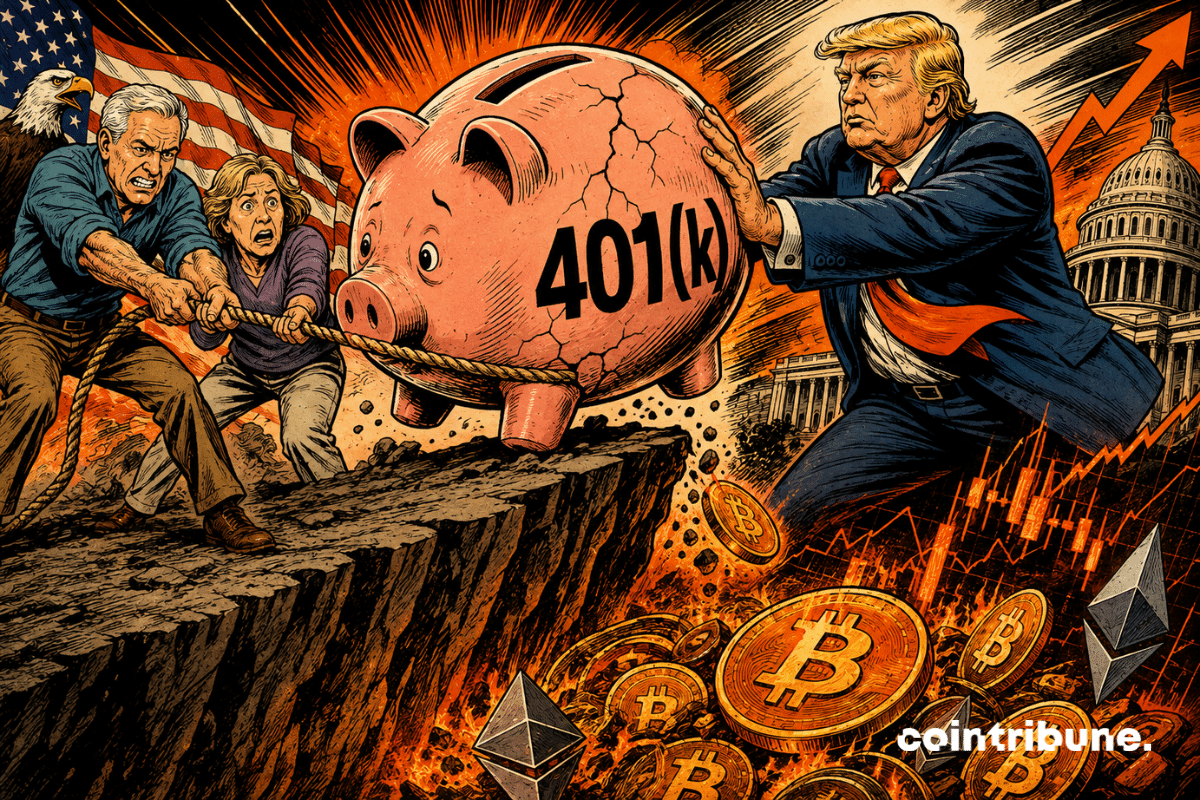
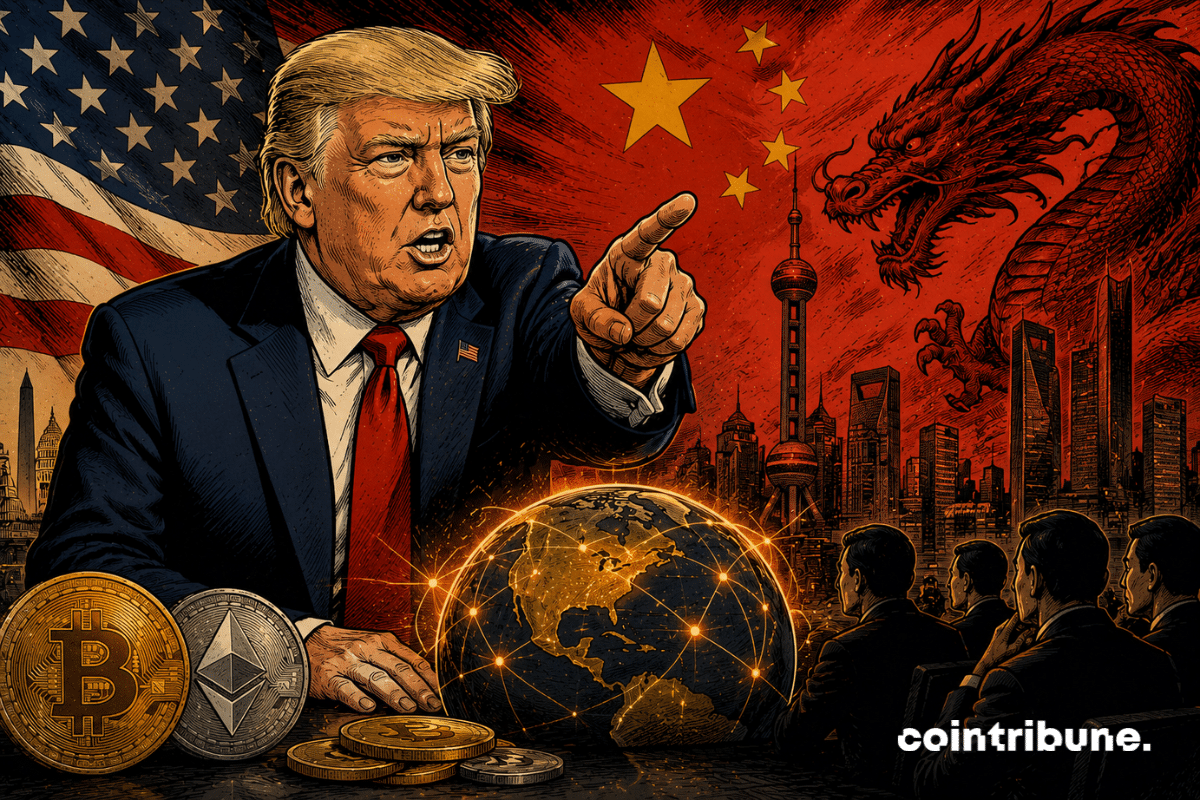
While Trump sells us the crypto cold war against the Chinese, his personal piggy bank soars, leaving his most loyal supporters in the lurch.
Anthropic turned Claude into a snitch to track down Chinese users. Alibaba fires back with a ban. The AI war invades the code, and developers are left holding the bag.
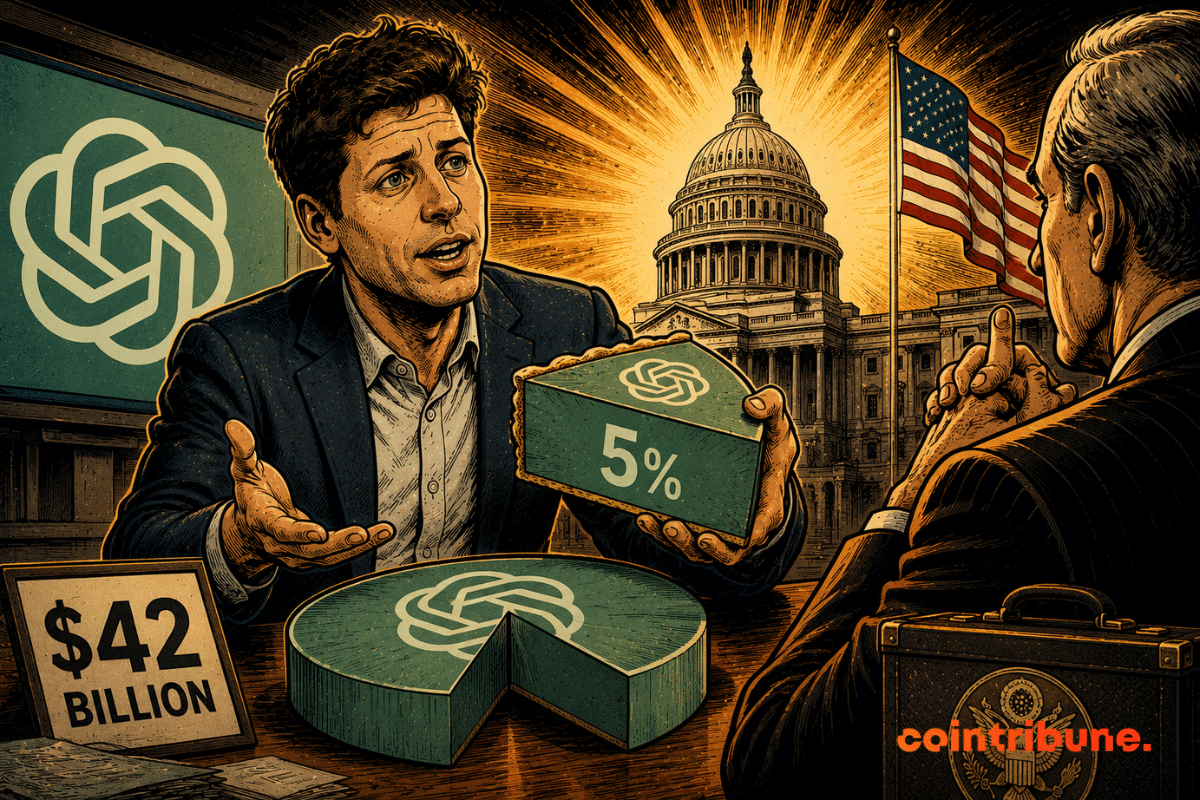
Sam Altman offers 5% of OpenAI to Uncle Sam, fearing the administration might crack down harder than expected. A lesson in sharing that smells like good old American compromise.
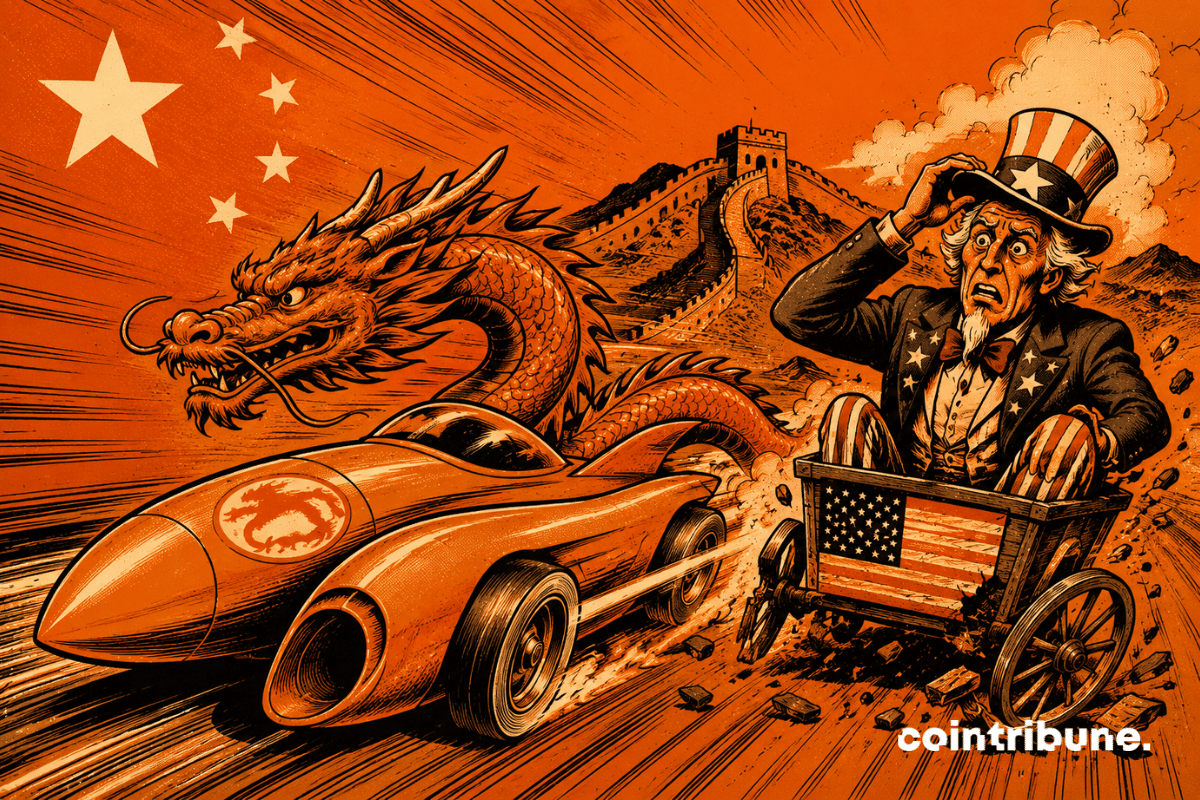
The militarization of cutting-edge language models is redefining the map of global technological power, turning computer code into a massive deterrent weapon. Artificial intelligence is now establishing itself as the heart of defense infrastructures. However, limited access to these technologies immediately causes deep geopolitical fractures. The recent restriction of foreign users by American industry leaders triggered an immediate industrial response in Asia. This regulatory decision, far from slowing the technological development of the countries concerned, served as a sovereign accelerator for Chinese laboratories.
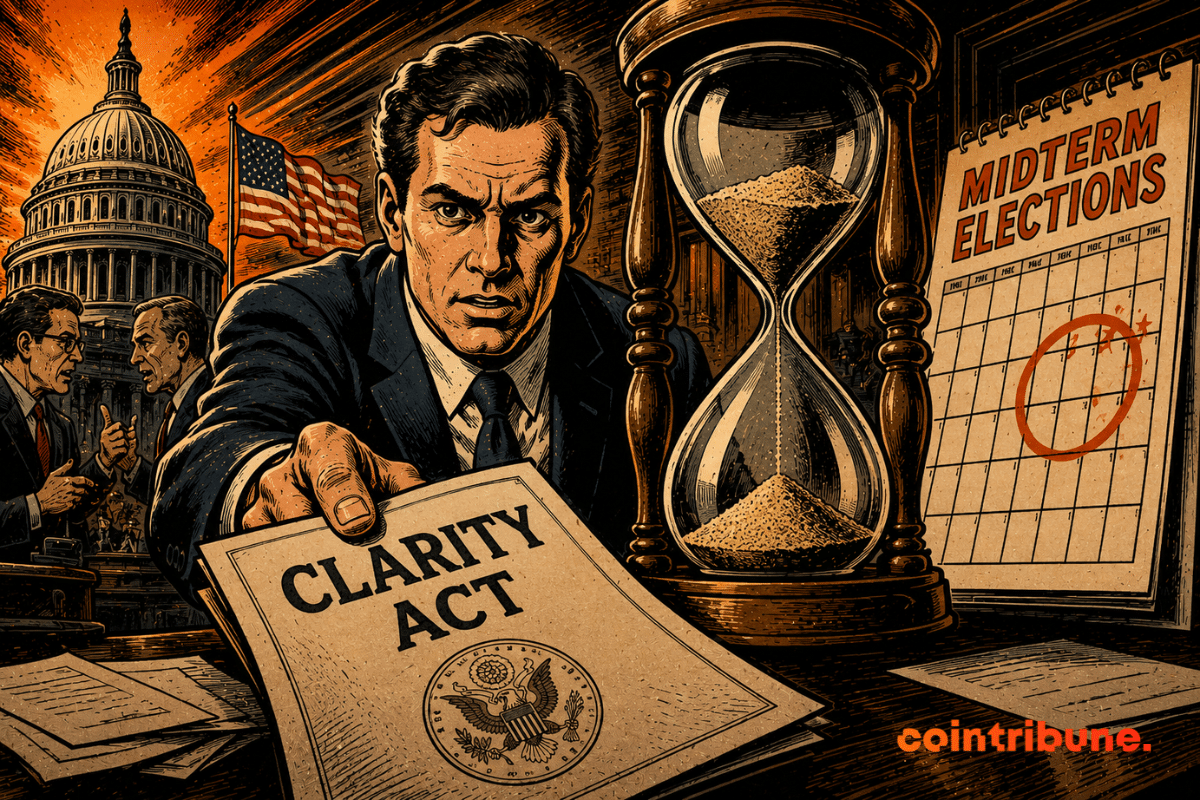
While JPMorgan and Coinbase bicker like old fishwives, 52 million Americans are waiting for clear and precise rules. Time is truly pressing, but politics still drags its feet far too long.
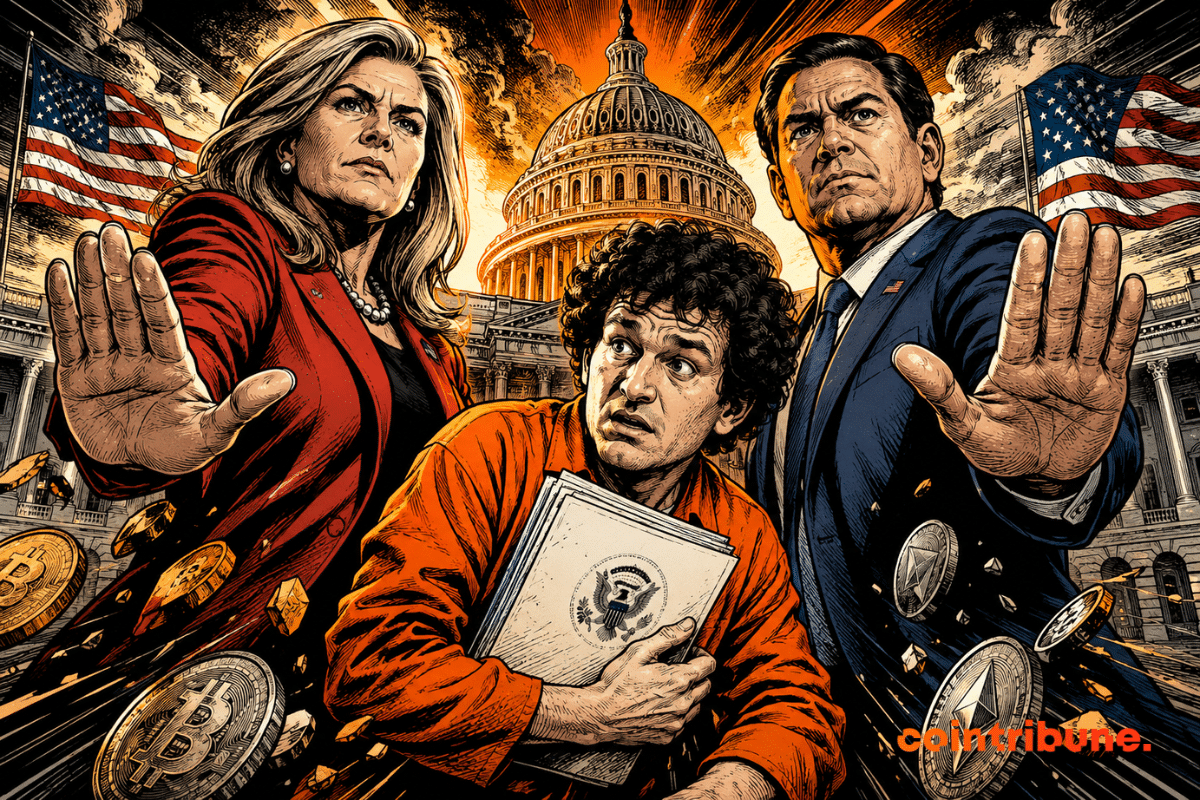
As Sam Bankman-Fried tries to obtain a presidential pardon, Republican and Democratic lawmakers step forward. The most explosive crypto case of the year could see a new twist.
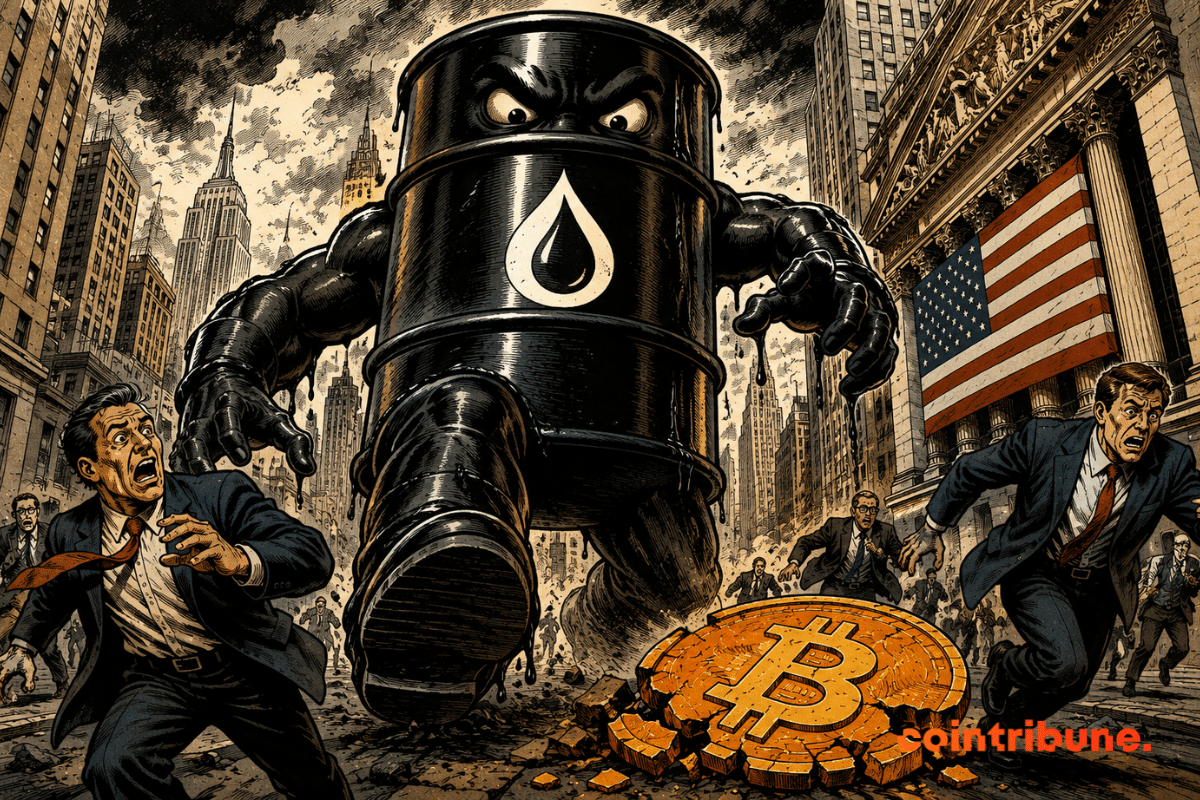
While Trump plays the tough guy, BlackRock senses trouble. Oil, inflation, bitcoin: the trilogy that can blow everything up.
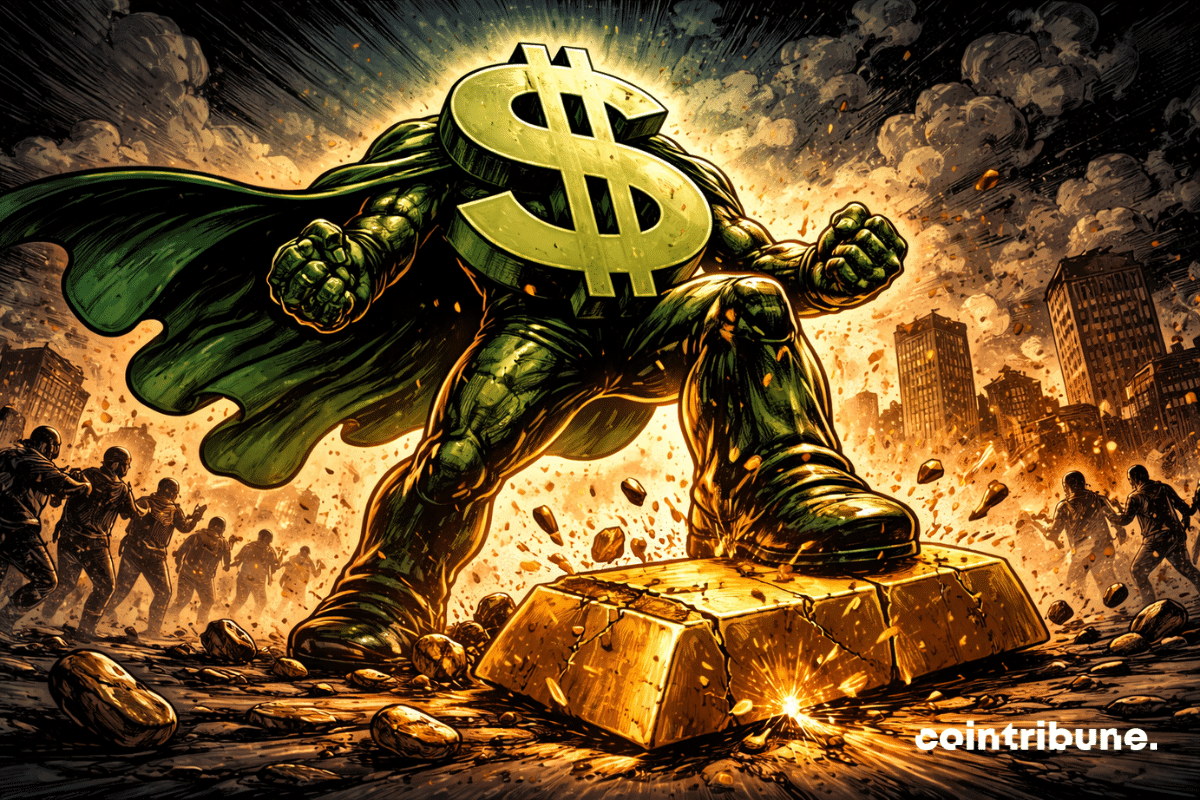
Gold was supposed to shine under the bombs, silver was supposed to play the bodyguard. Failed: the Fed comes out with its club, markets sell everything, and bitcoin also takes a hit.
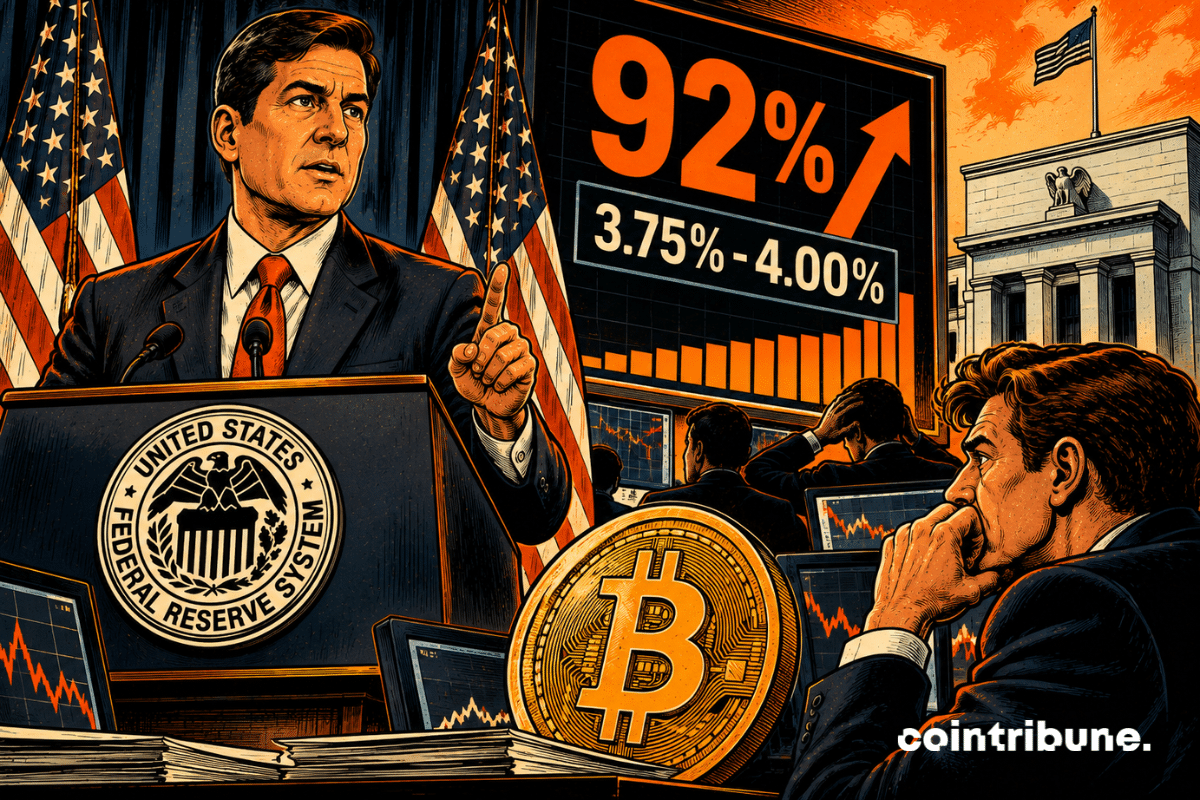
The American job market continues to defy predictions. While investors look for the slightest clue on the next trajectory of Federal Reserve rates, the May employment report reinforced the idea of an economy still solid. A reading shared by Beth Hammack, president of the Cleveland Fed, who judges the labor market to be overall balanced and estimates that the economy remains near full employment. Such statements could weigh on monetary expectations for the coming months.
While Brussels knits regulatory barbed wire, Washington quietly restarts the crypto machine. Behind senator smiles, Coinbase, banks, and lobbyists are already moving their pieces like in a nuclear chess game.
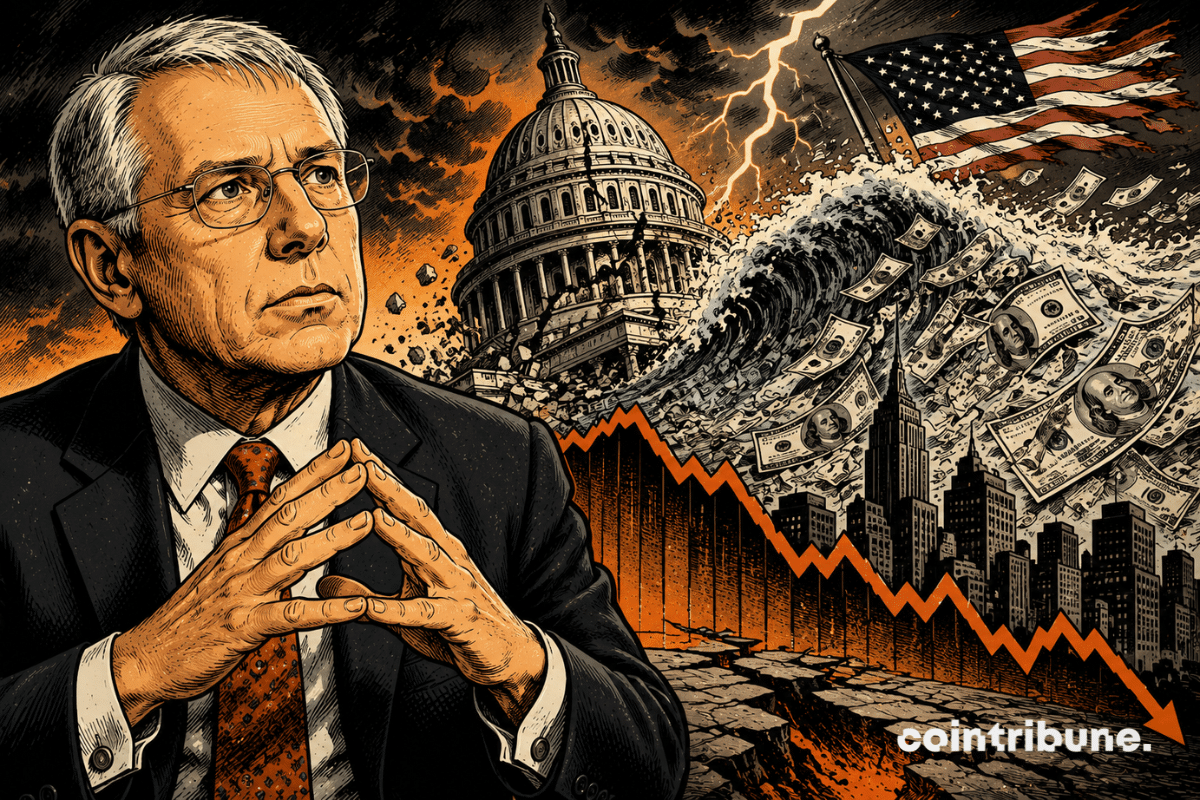
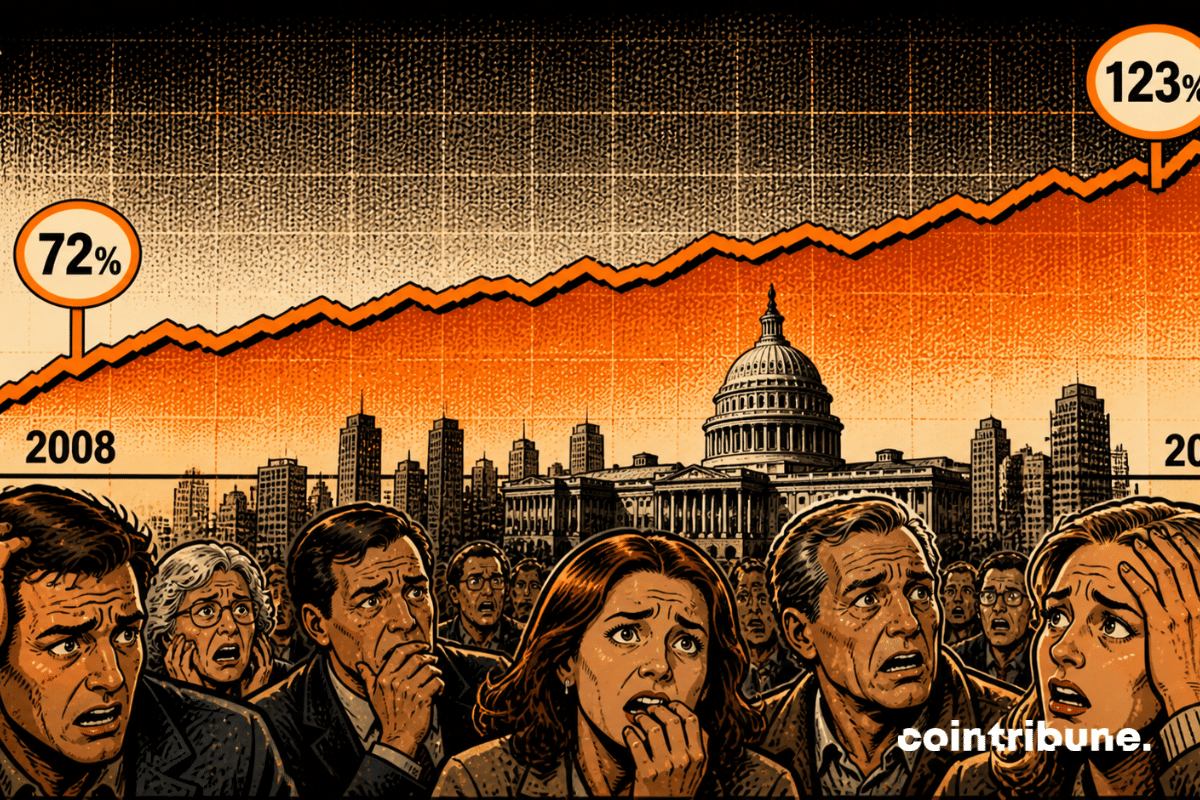
The United States has just crossed a historic threshold. Indeed, their debt now exceeds the size of their economy. This shift fits into a sustainable trajectory marked by repeated deficits and postponed budget decisions. Despite these imbalances, market confidence remains intact, revealing growing tension between the perceived strength of the world's leading power and the reality of its public finances.
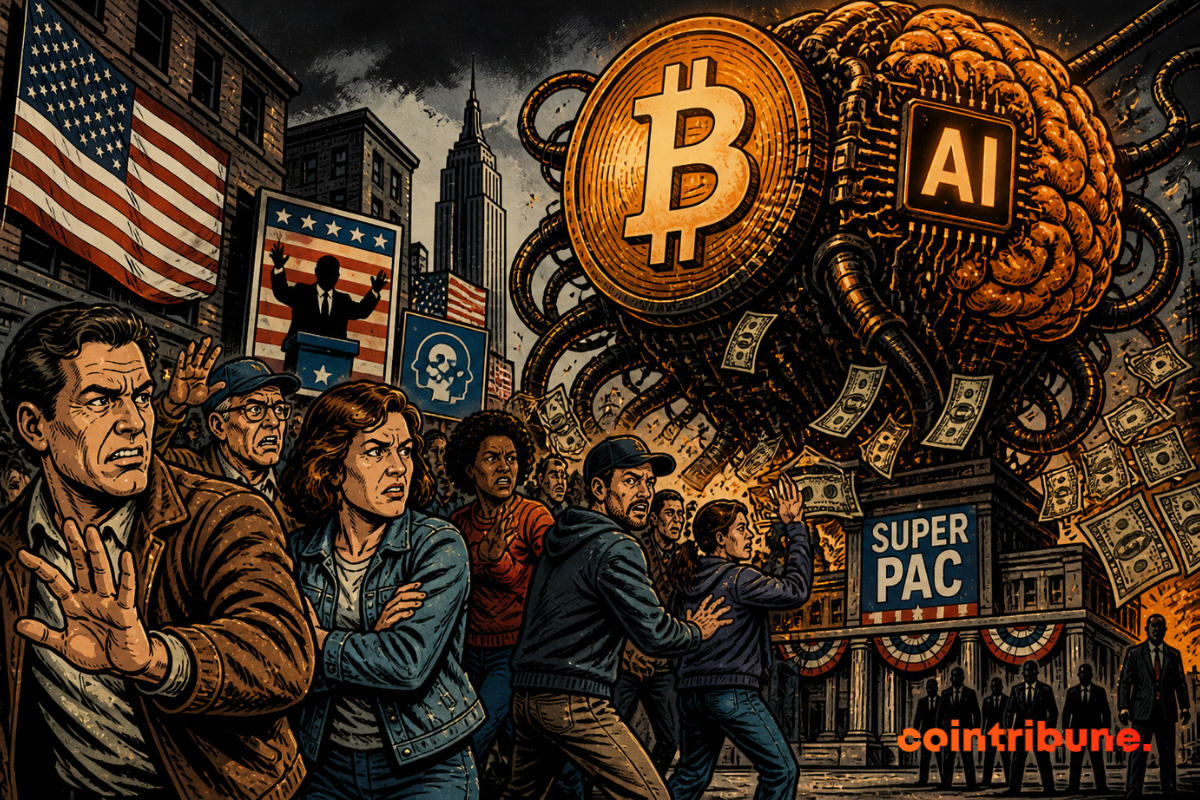
Crypto and AI flood Washington with cash, yet voters keep their distance. Money talks loudly, but trust whispers faintly, stuck somewhere between suspicion, fatigue, and a stubborn refusal to click “accept.”
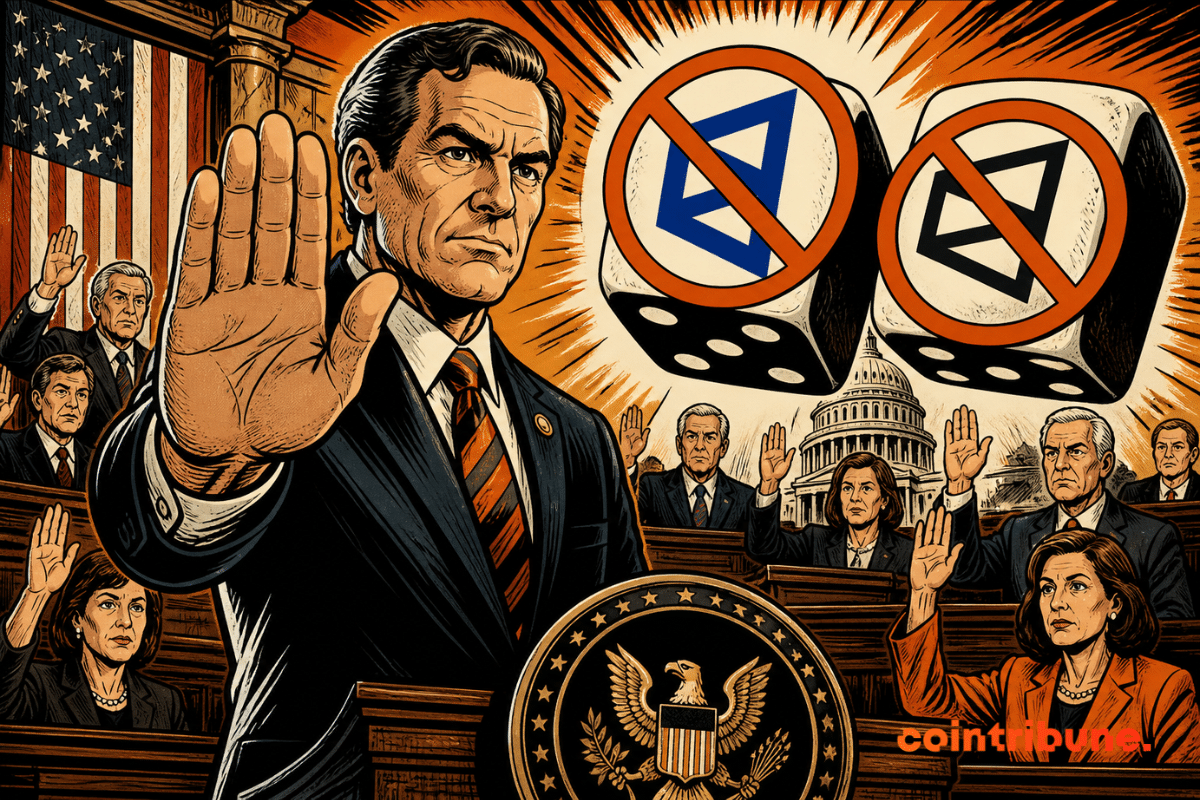
The U.S. Senate unanimously adopted a resolution banning senators, their staff, and chamber officials from betting on prediction markets, including Kalshi and Polymarket. The decision comes after the indictment of a U.S. soldier accused of using classified information linked to the operation targeting Nicolás Maduro to win more than $400,000 on Polymarket. Senate Resolution 708 took effect immediately and now changes the Senate’s internal rules.
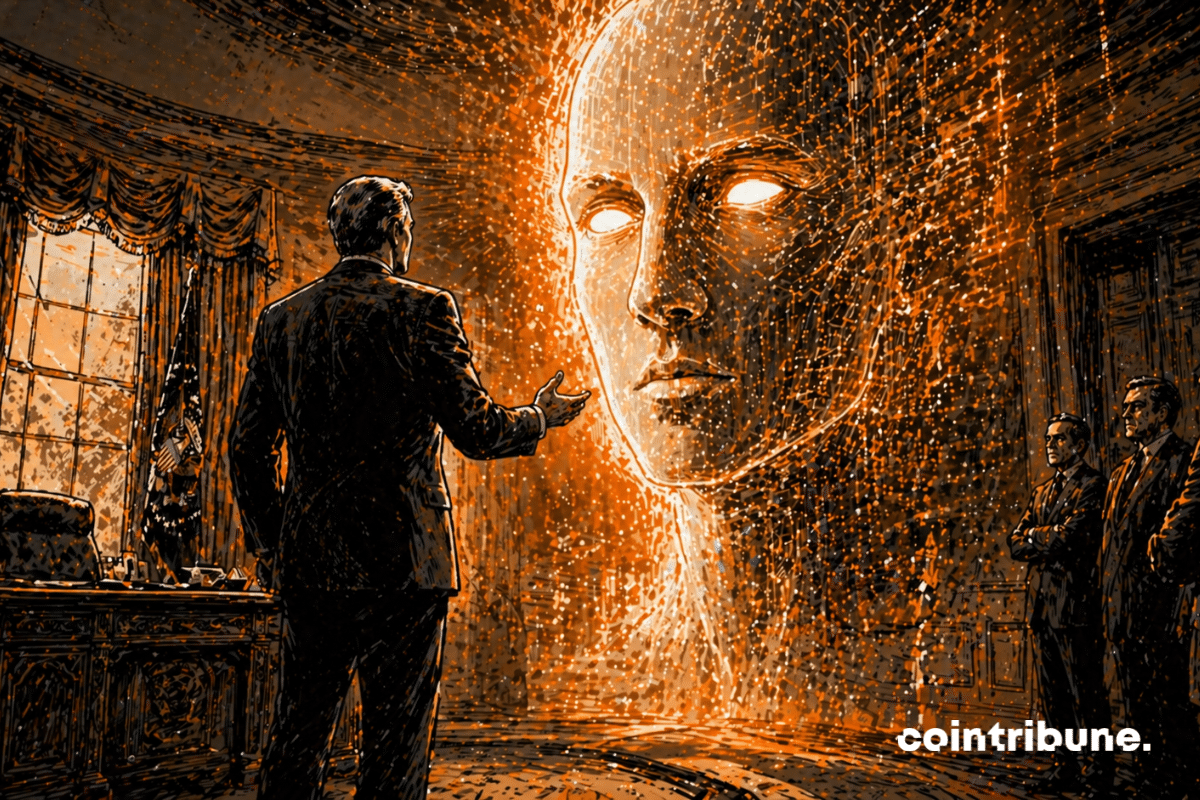
Can a technology deemed too risky become a strategic asset overnight? In Washington, the Anthropic case illustrates this shift. After being excluded from federal systems, the AI company is returning to the center of discussions, as its capabilities trigger as much interest as concern. Between military requirements, cybersecurity issues, and ethical limits claimed by its leaders, the US administration is now seeking a compromise path in a highly sensitive case.
While crypto looks for its tie to enter finance, scammers have already emptied the pockets. Eleven billion later, America discovers that the Wild West loves wallets.
The old king gold coughs at the worst moment: cannons, oil, dollar, everything is shaken up. While Schiff grinds his teeth, Wall Street looks elsewhere, with a mocking grin.
Crash among gold enthusiasts: in the midst of war, gold plummets like an old curtain, while bitcoin quietly smirks, as interest rates pull the strings behind the scenes.
Artificial intelligence has settled into the digital daily life of Americans at a breakneck speed. Work, research, content creation: its uses are multiplying and reshaping habits. However, this massive adoption does not equate to endorsement. A new survey reveals a striking gap between use and perception, as a majority of Americans continue to view AI with suspicion. This gap, at a time when regulators and tech giants are accelerating on the subject, reveals a lasting tension around this technological revolution.
Senators wanted housing. The anti-CBDC crowd shoved their crusade in. The Fed is muzzled. China is rejoicing. Crypto enthusiasts applaud. Nobody saw it coming.
Bitcoin is increasingly moving from private portfolios to public balance sheets. A new report from River indicates that governments are no longer passive observers of the market. Today, 23 countries hold BTC in some capacity, marking a meaningful expansion of state-level participation.
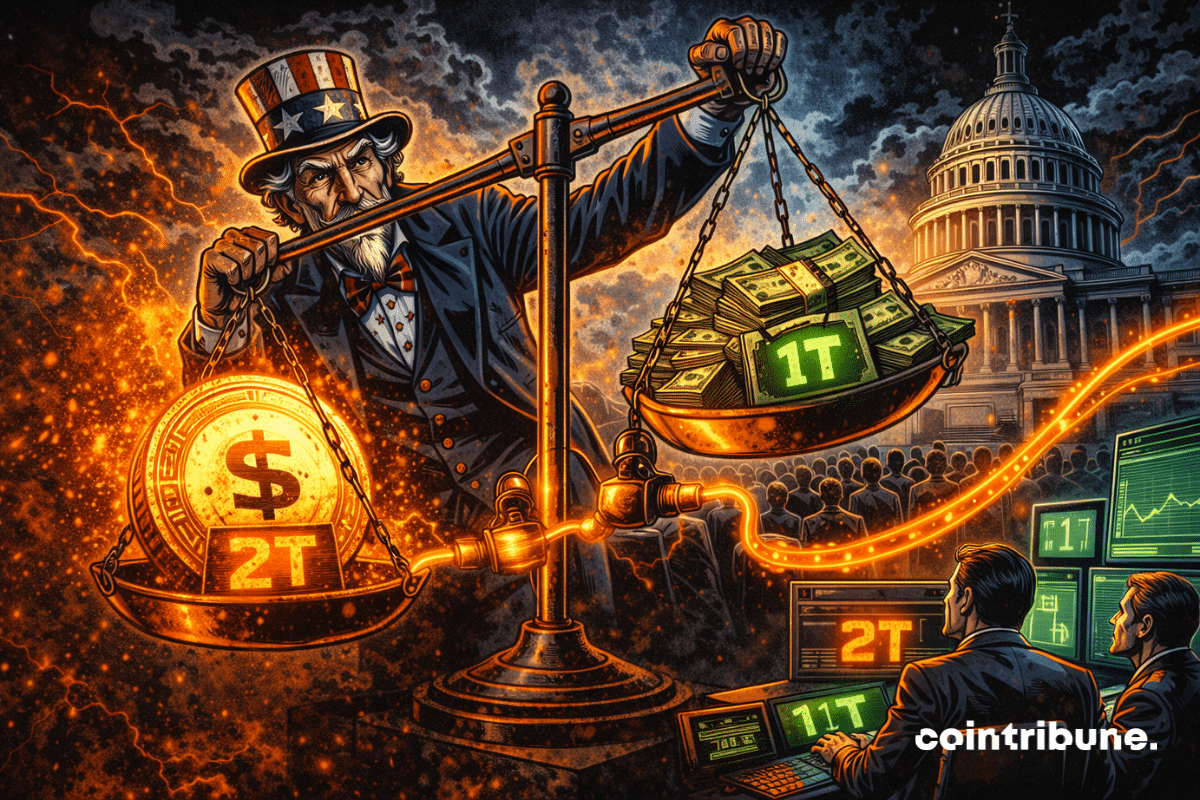
Stablecoins want to buy U.S. debt. 2 trillion in their sights. The Treasury panics, 30-year bonds suffer. Tether is rubbing its hands.
Friday the 13th, lucky day? Bitcoin flirts with its record driven by inflation. The Fed does not move. Truflation already knew. Atmosphere.
European companies developing tokenized securities are urging EU lawmakers to act quickly, warning that existing rules are stalling growth in regulated on-chain markets. Industry participants argue that prolonged delays could divert capital and trading activity to the United States, where tokenization is advancing under established market frameworks. These calls come ahead of a parliamentary debate on the future of Europe’s digital market infrastructure.
Gemini, the crypto exchange founded by the Winklevoss brothers, exits international markets, downsizes, and now bets on prediction markets, a booming sector, with a risky but strategic wager.
Washington on loop mode: crypto lobbies offer keys to local banks, but the Senate still hesitates. Towards an unlikely alliance to save the law? To be continued...
Billions unlocked in emergency: Congress attempts to revive the American economy. Discover the details in this article.