According to Cathie Wood, Bitcoin could be sparked by geopolitical and economic unrest. Is Bitcoin becoming the ultimate safe haven in the face of capital flight and ongoing inflation?
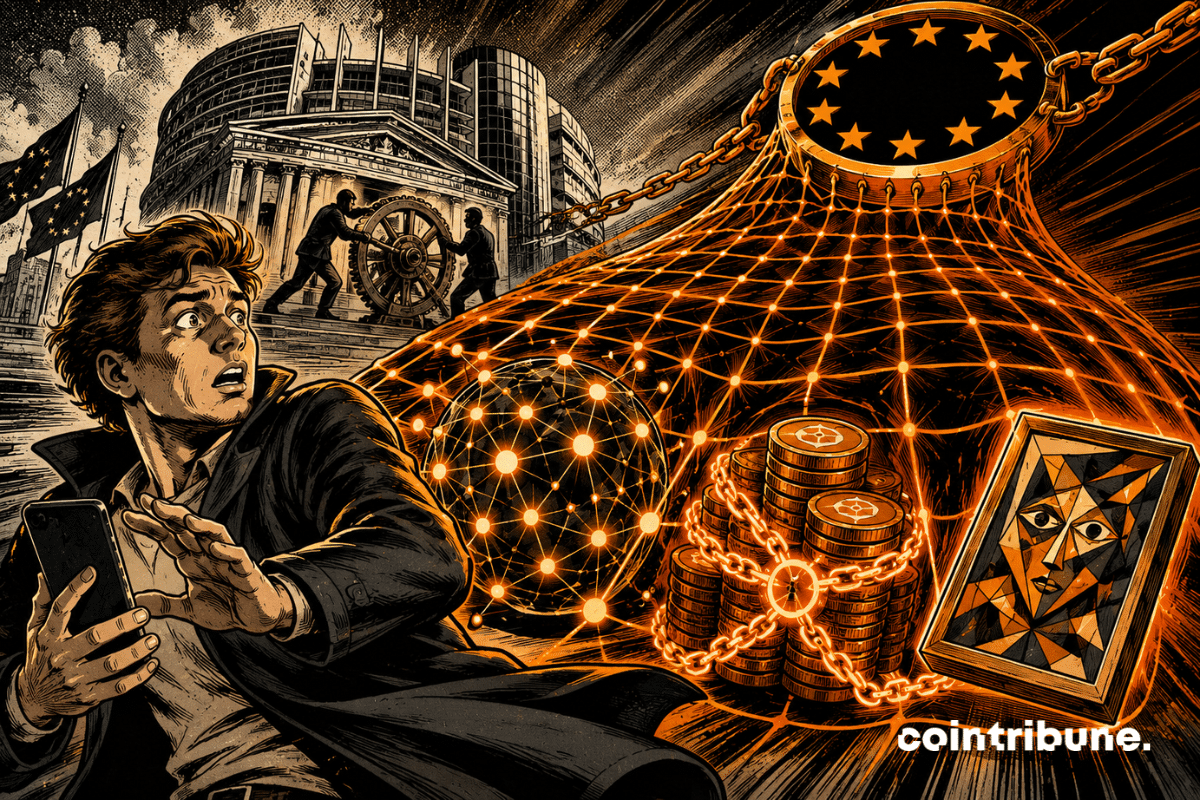
The European Union could expand its crypto framework to DeFi, staking, lending, and NFTs. MEPs are asking the Commission to assess activities still poorly covered by MiCA. The project creates no immediate obligation, but it already outlines the next step of European digital asset regulation.
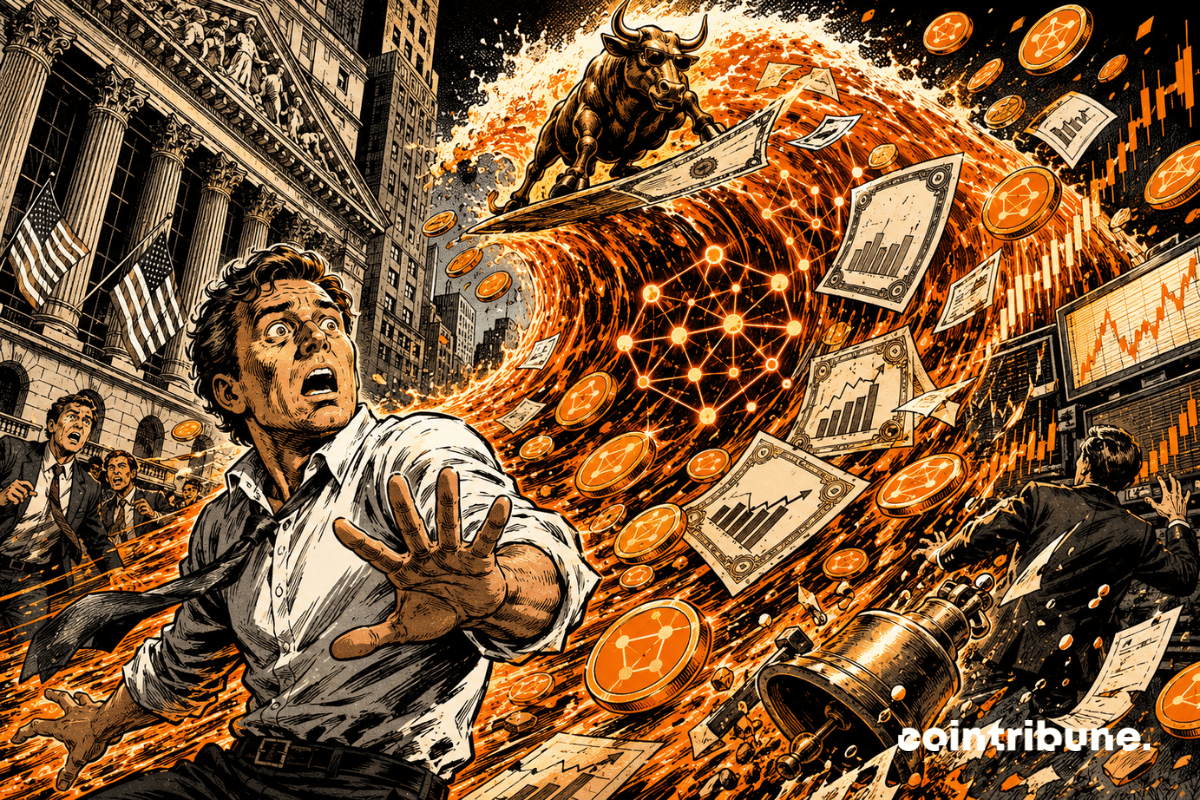
The crypto market has just crossed a milestone in stock tokenization. On June 24, decentralized spot exchange platforms processed over $565 million in tokenized securities. This daily record shows that traditional financial markets are beginning to find real liquidity on the blockchain.
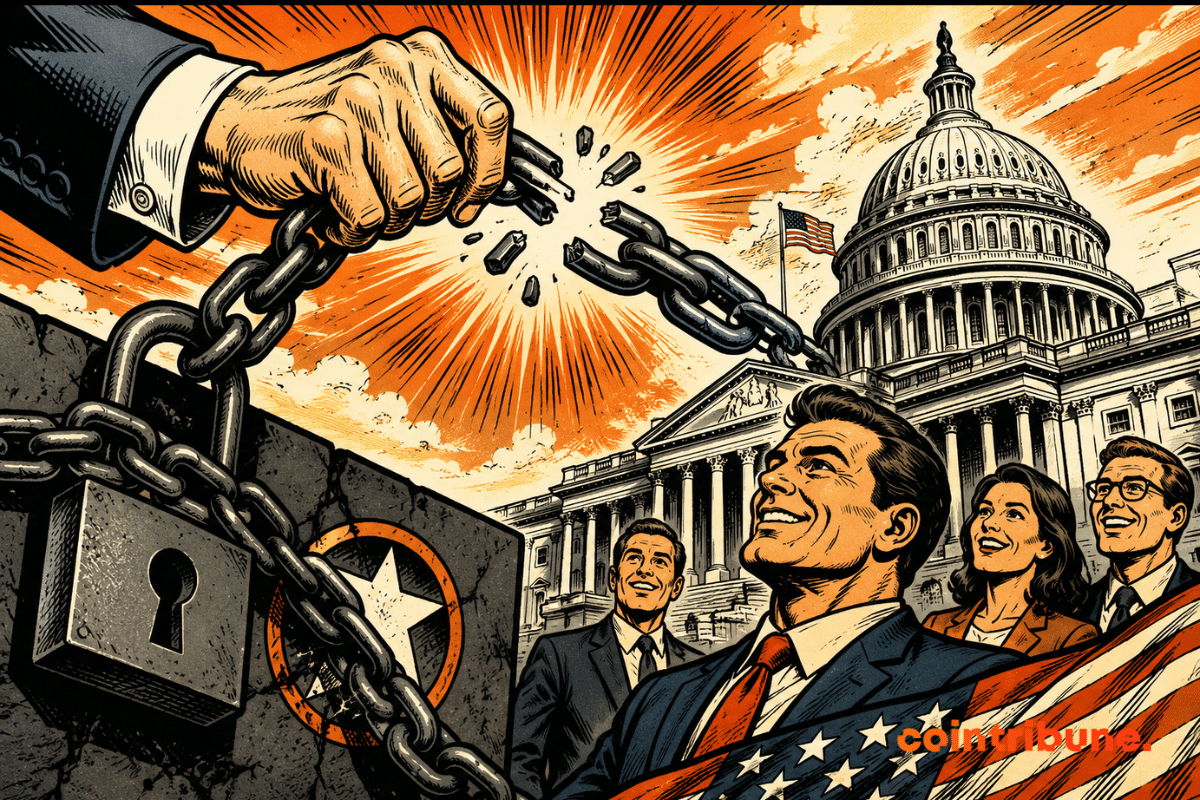
While JPMorgan and Coinbase bicker like old fishwives, 52 million Americans are waiting for clear and precise rules. Time is truly pressing, but politics still drags its feet far too long.
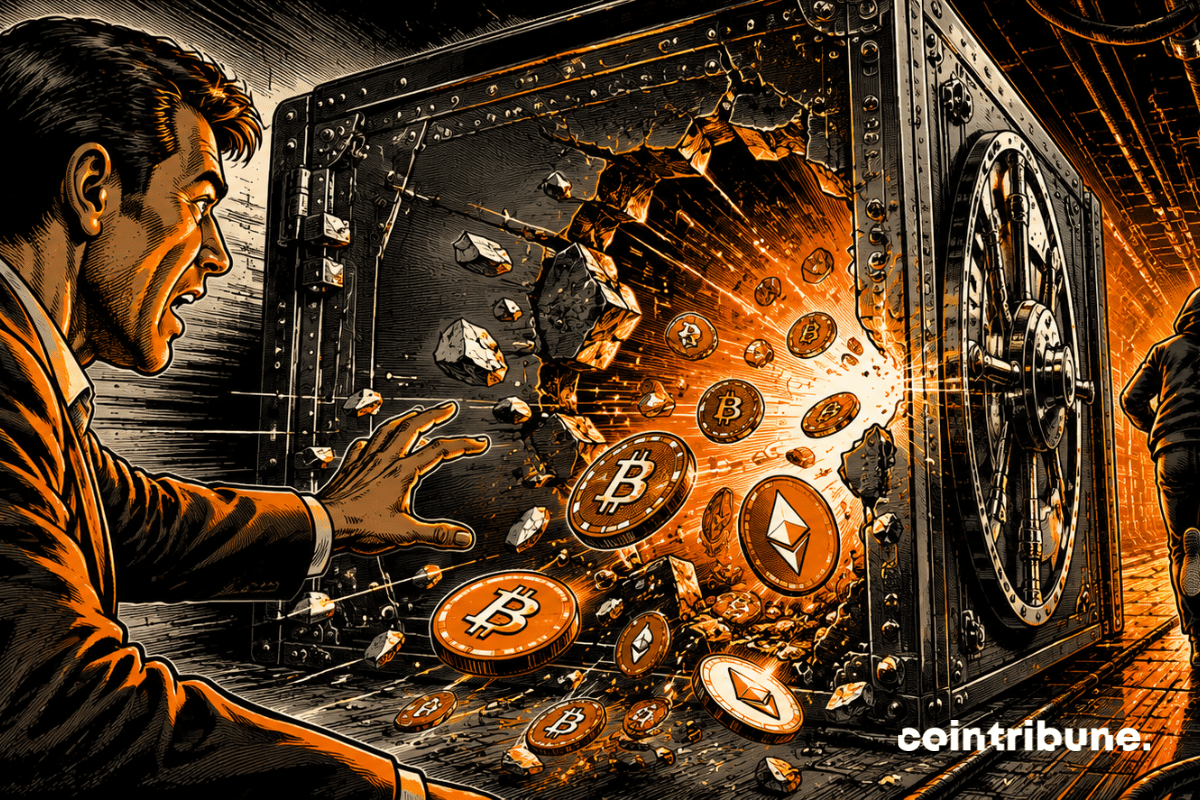
A compromised third-party provider allowed hackers to inject malicious code on Polymarket's interface, stealing about 3 million dollars from more than 11 users. The predictive markets platform controlled the incident and announced full reimbursement for the victims. In a sector under increasing scrutiny, the flaw raises questions about the security of front-end layers.
The crypto ecosystem is undergoing a deep structural transformation where yesterday's certainties give way to new macroeconomic realities. Thus, although the community has historically speculated on Ethereum surpassing bitcoin, institutional analysts now turn to a scenario completely ignored by retail investors. The recent evolution of volumes and market capitalizations calls into question the established hierarchy, prompting experts to rethink the position of stablecoins relative to traditional cryptos.
The evolution of global stock indices is often used as a barometer to measure the impact of technological and industrial waves that are redefining our century. Less than a month after a historic IPO, the aerospace company SpaceX will take a new decisive step on July 7, at market open, by joining the Nasdaq-100 index. This decision represents a major change for the valuation of Elon Musk's firm and for all capital flows on an international scale, marking the rapid convergence between major industrial powers and the automation mechanisms of passive investments.
After several weeks of tensions around the control of advanced artificial intelligence models, the American administration has changed its position towards Anthropic. The US government now allows certain organizations to use Claude Mythos 5, while other access remains limited. This decision comes in a context where Washington seeks to strengthen oversight of sensitive technologies. The measure mainly concerns selected American partners and marks a new step in managing innovative AI tools.
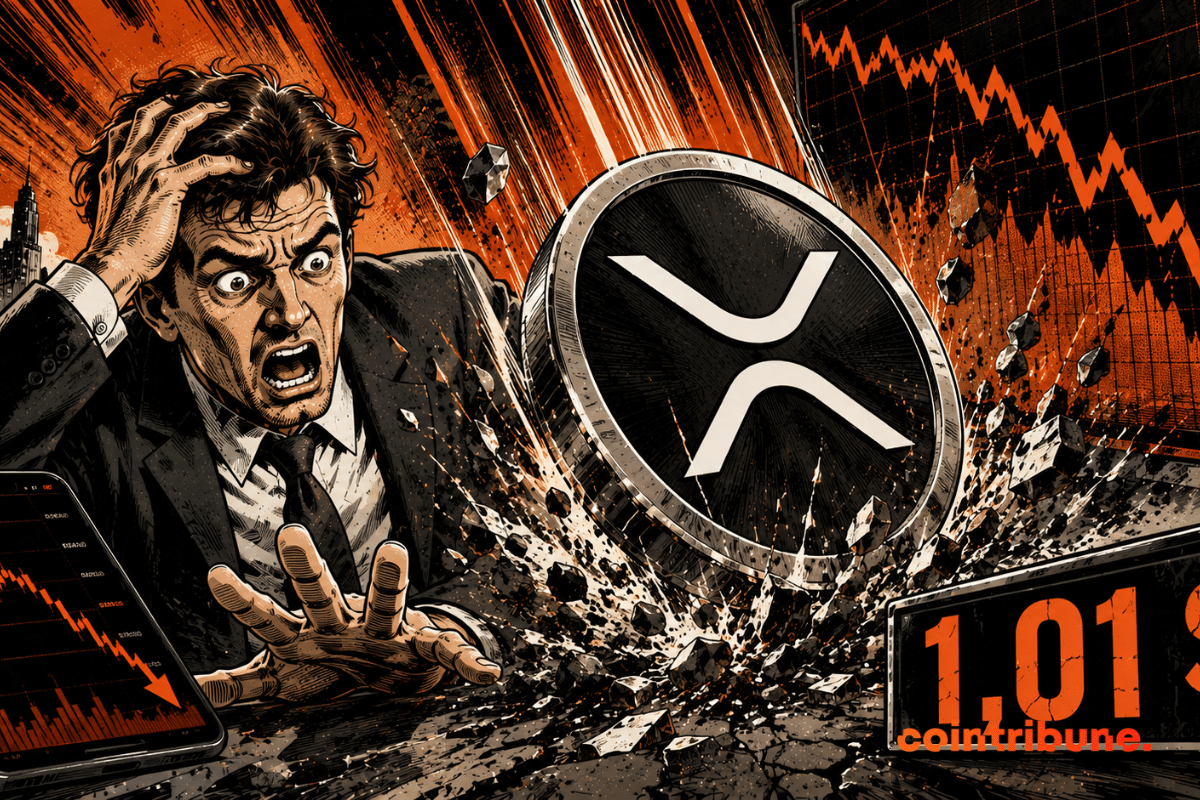
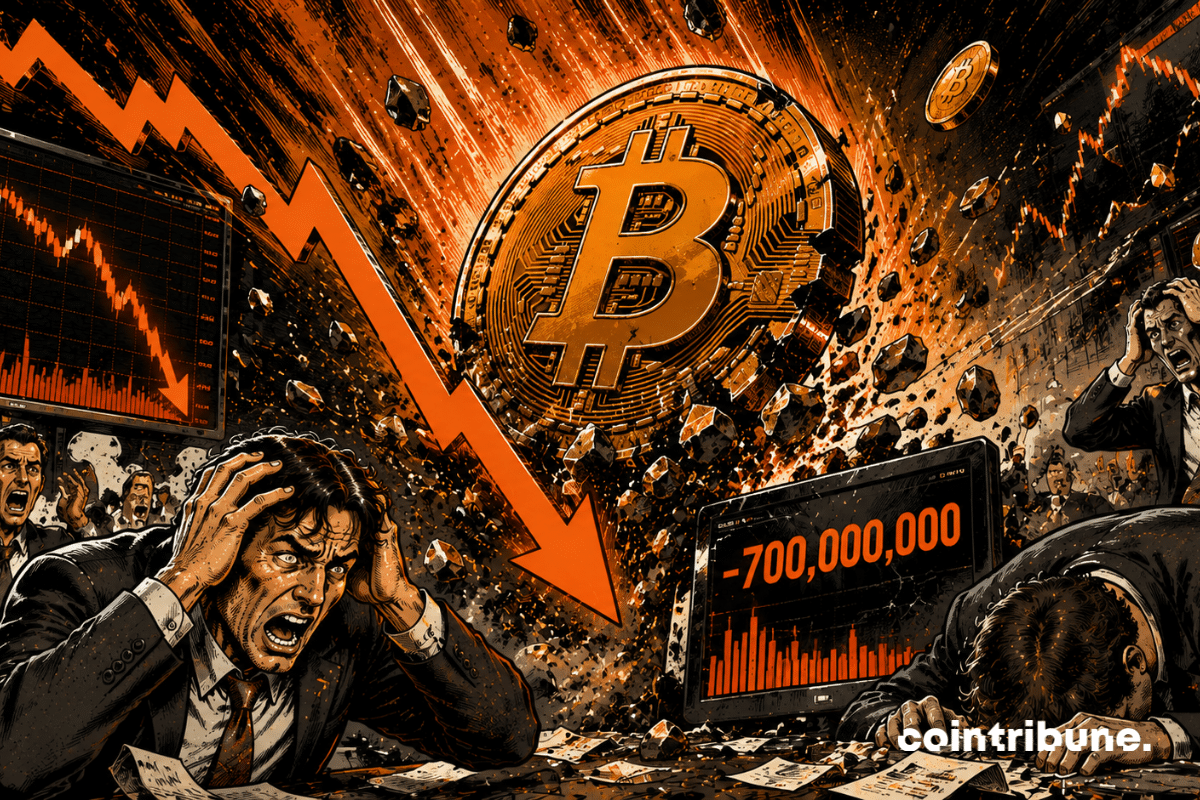
The crypto market is going through a phase of strong turbulence, once again illustrating the intrinsic volatility that characterizes this asset class. A systemic correction triggered by the main cryptos is leading investors to rebalance competitive power relations and historical valuation levels. This dynamic shows that the apparent resilience of institutional infrastructures does not always guarantee the price stability of the underlying tokens on secondary markets. With XRP, the native currency of the Ripple protocol, we have a perfect example of this contemporary sectoral fracture. The company is multiplying technical initiatives, but the stock is critically underperforming compared to other major capitalizations in the sector.
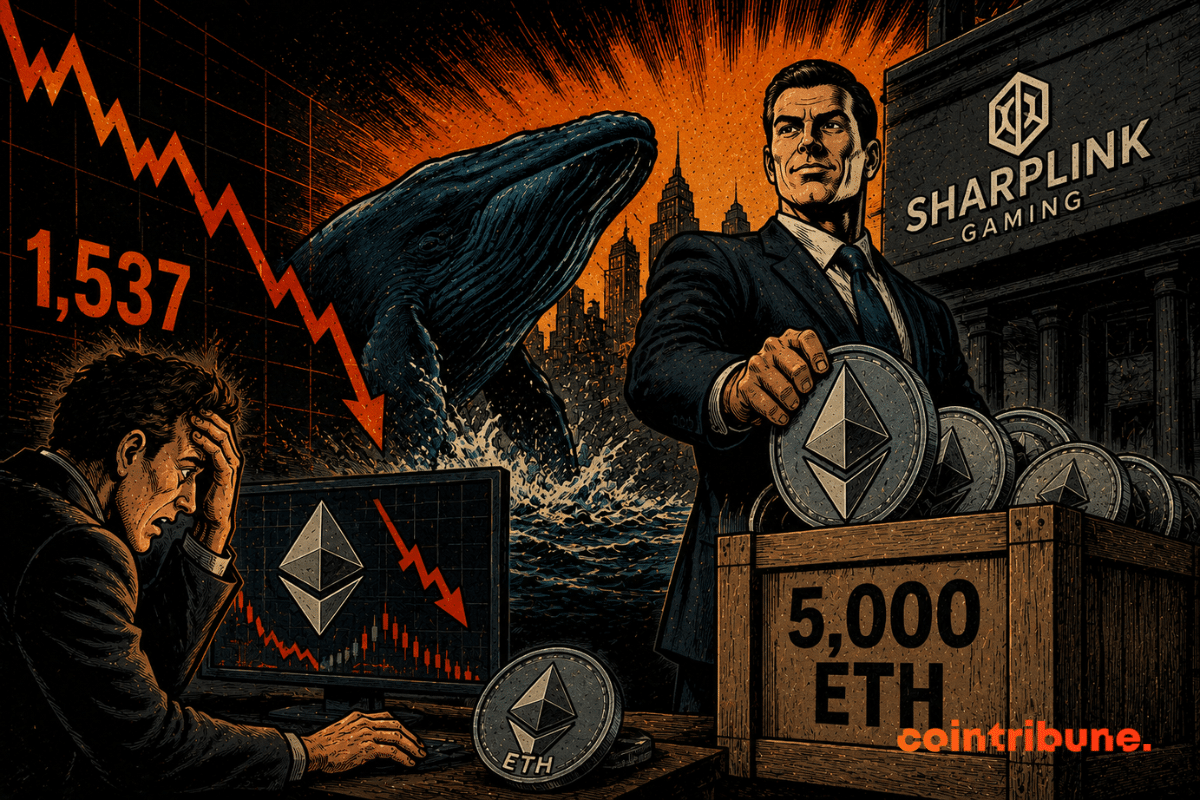
Sharplink pounces on ETH at rock bottom with $1.7 billion in paper losses. Whales buy, analysts choke, and the promised crypto spring is still nowhere to be seen.
Bitcoin touched $58,000 this week, its lowest level since October 2024, wiping out 52% of its all-time high of $126,000. Strategy, Michael Saylor's company, faces over $13 billion in unrealized losses on its 847,363 BTC. Saylor is not changing course. But how long can this model hold?
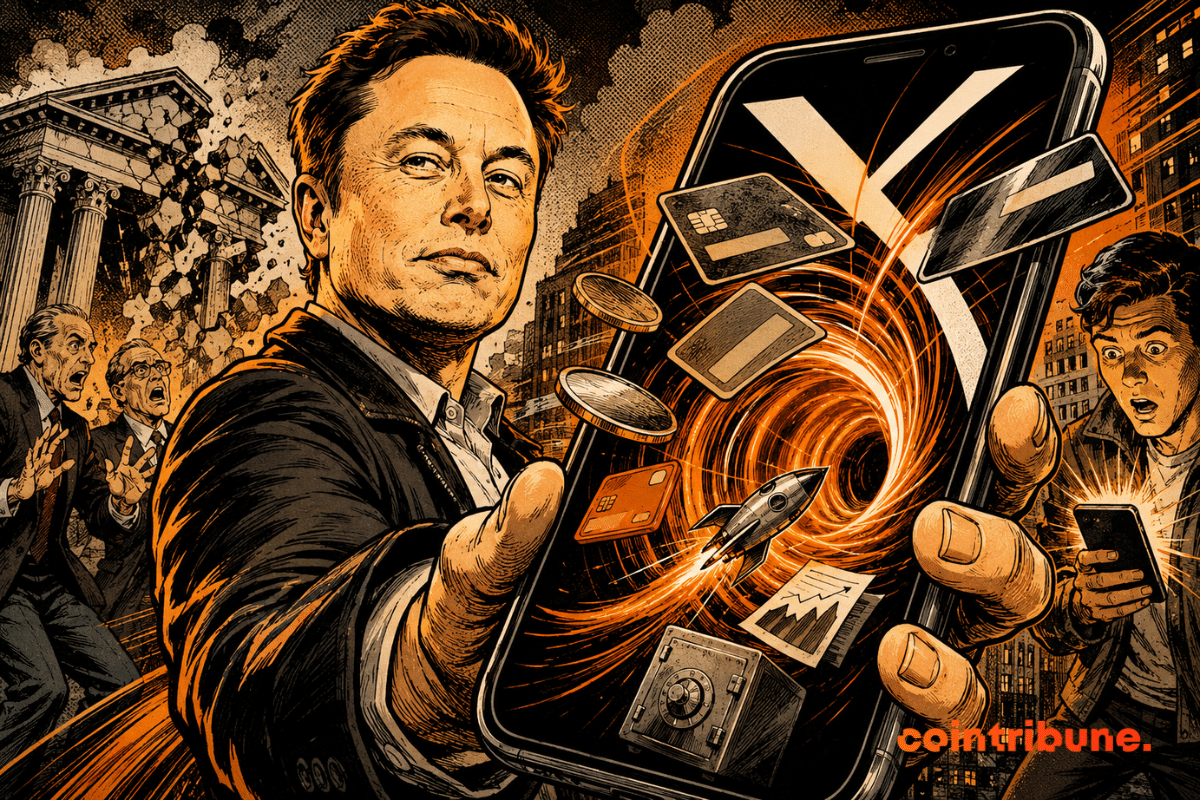
X Money begins its rollout to some Premium+ subscribers with a spectacular promise: to protect deposits up to 10 million dollars through a bank sweep program. Elon Musk's financial service also offers an announced annual yield of 6%, a Visa card, and transfers between users. An offensive that further brings X closer to its ambition of becoming a universal application.
Bitget is making it easier for investors to move existing U.S. stock holdings into its multi-asset ecosystem. Through the new Stock Transfer Fast-Track Plan, eligible users can transfer equities from participating brokers to Bitget Stock+ without first selling their positions, while receiving up to 10,000 USDT in transfer-fee reimbursements.
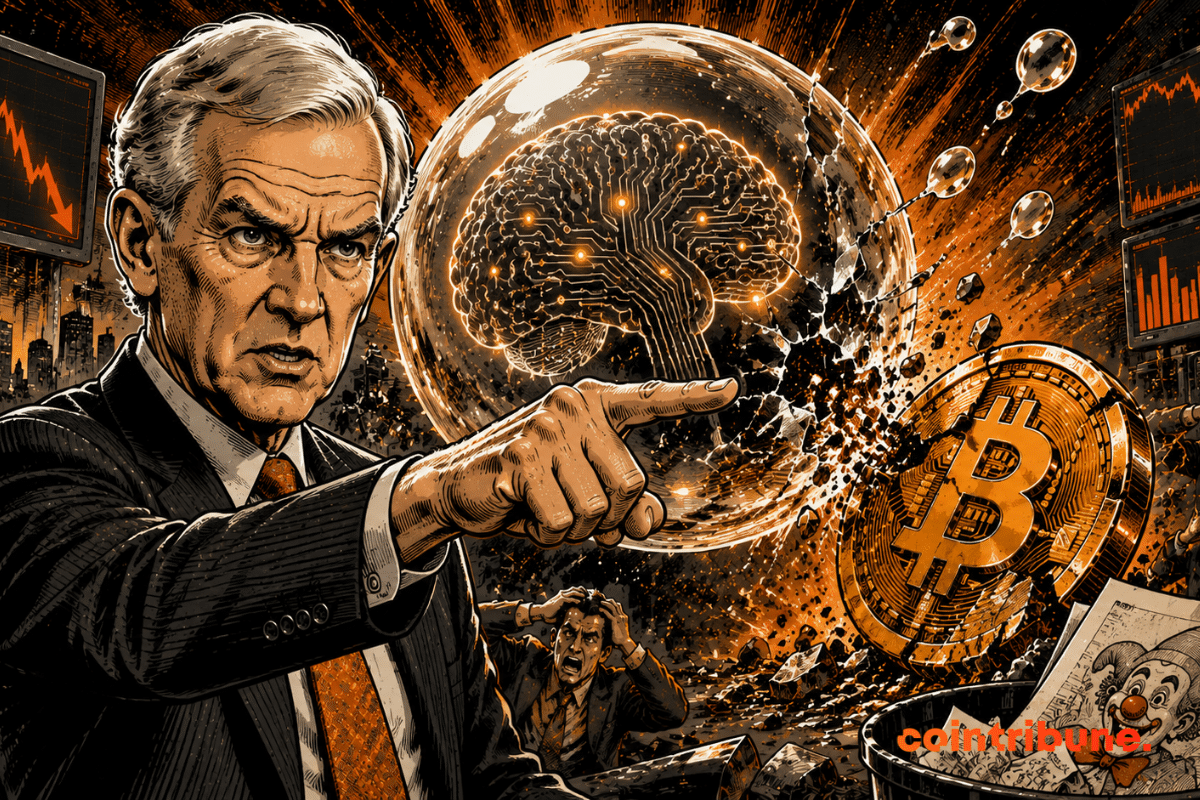
Global financial markets are undergoing an unprecedented transformation, where technological euphoria revives the specters of past systemic crises. In this period of extreme tension, the analysis of economic cycles by historical figures of traditional finance provides an essential framework for anticipating capital allocations. Jeremy Grantham, famous billionaire and co-founder of the institutional management firm GMO, has just issued a blunt diagnosis of the current state of technological valuations linked to AI and cryptos. In a lengthy interview with Steven Bartlett for the YouTube series "The Diary of a CEO", Grantham delivered alarmist macroeconomic forecasts, specifying that his statements represent his sole responsibility and not that of his management company, which manages 85 billion dollars in assets.

The Coinbase Base network experienced a temporary technical interruption while preparing for the arrival of a major new upgrade. On Thursday, a defective block disrupted the operation of the main network and stopped the production of new blocks for about two hours. The incident occurred at the same time as the deployment of Beryl, an update planned by the technical team. Coinbase quickly identified the cause of the problem and gradually restored the network sequencing.
The crypto market has just experienced one of the most violent corrections of the year, reminding investors of the reality of the inherent volatility of cryptos. Indeed, the first half was supposed to be a consolidation period, but a series of sharp declines swept away traders' certainties, causing a collapse in global valuations. This situation presents itself as a decisive moment for the ecosystem, as it is not limited to a technical price adjustment, but represents a transformation of the capital flow dynamics on a macroeconomic scale. To be able to anticipate market developments, it is now essential to understand the underlying mechanisms of this correction.
After Anthropic, it is OpenAI that yields: the AI model GPT-5.6 subjected to a federal approval process before any release.
An unprecedented phenomenon was discovered during the 2026 World Cup. Prior to this competition, 60% of Polymarket bettors had never used crypto. How did millions of spectators become new blockchain enthusiasts during a sporting event? Explore this subtle but significant revolution.
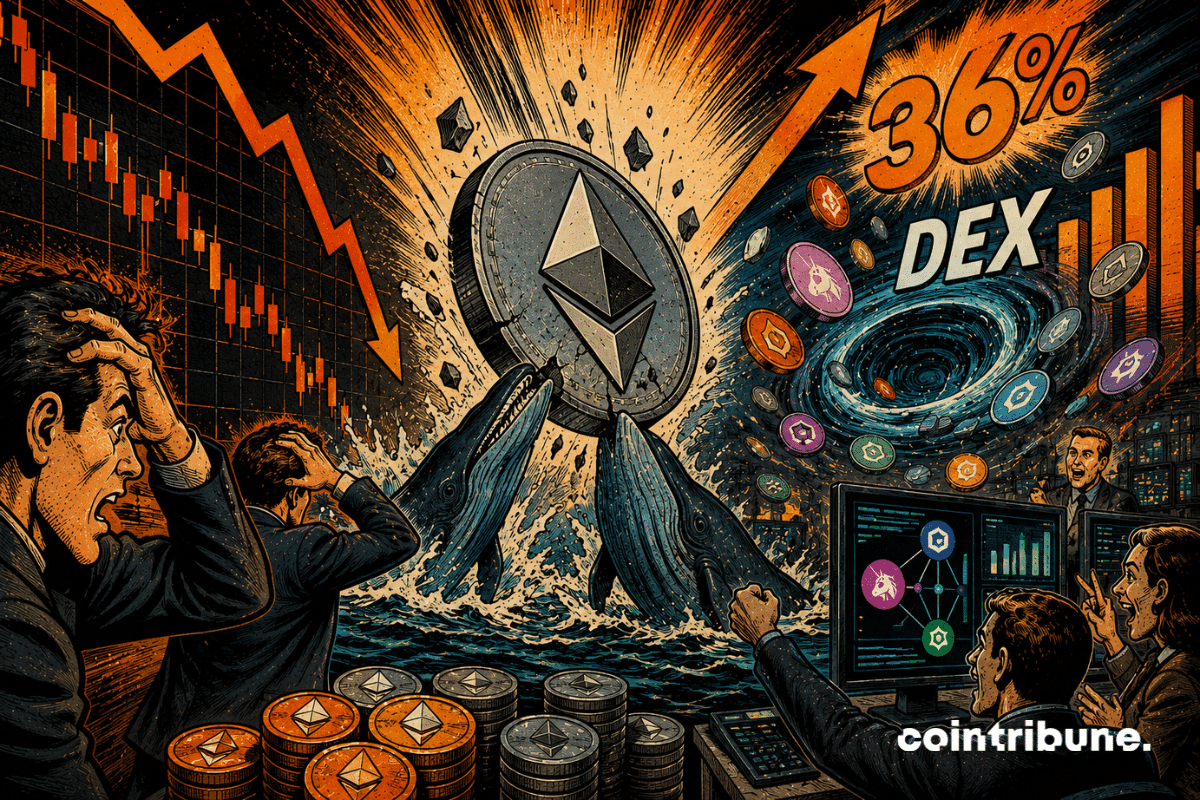
Ethereum is taking a serious tumble, but its network runs like a perfect Swiss watch. Whales are buying, traders are crying, and crypto keeps calmly moving forward. What a beautiful financial contradiction.
The history of financial markets often unfolds through the psychological crises of its most exposed players, and the crypto sector has just provided a spectacular illustration. The abrupt reversal of a seasoned investor from the Silicon Valley elite exposes the fragility of technological certainties in the face of the brutal economic cycles of the blockchain. As the market goes through a period of severe turbulence, this radical decision echoes the latent doubts of a part of the tech community.
Volatility is strongly returning to cryptocurrencies as a wave of selling hits digital assets. In this tense context, the official Dogecoin account chose humor to comment on the situation. The post shared on X follows a significant series of liquidations that affected the crypto market. This light message contrasts with the current pressure on investors, facing an extended period of decline and uncertainties about the future evolution of the sector.
Bitcoin trades around 61,000 dollars this Thursday, after rebounding from 59,000 dollars on Wednesday. The imminent release of the US PCE index could retest this floor. Will the support hold against potentially higher than expected inflation data?
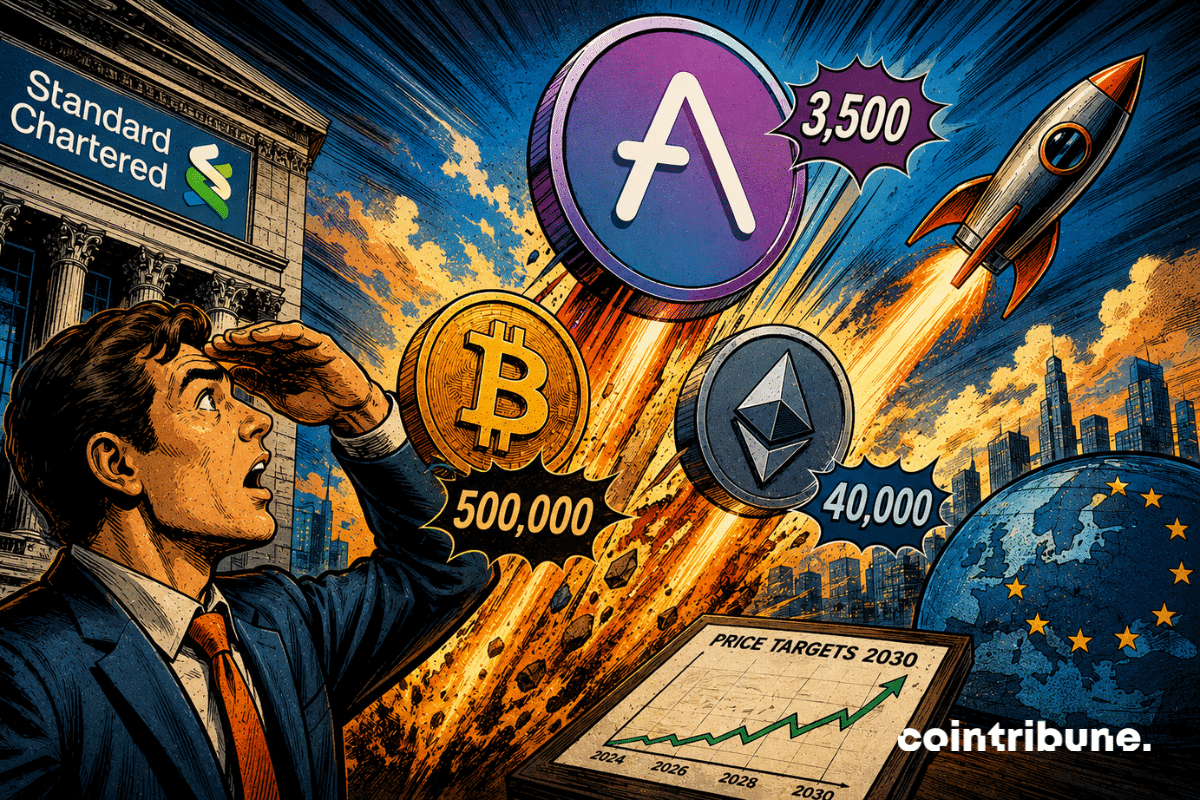
Standard Chartered sees AAVE reaching $3,500 by the end of 2030. This scenario would place the token nearly 50 times above its $70 level observed at the time of the report's publication. The bank is counting on the return of Aave, the rise of DeFi, and the arrival of traditional assets on the blockchain.
Bitget has upgraded its CFD Copy Trading system with personalized tools that give followers more control over position size, losses and overall exposure. The update moves Bitget beyond simple trade replication by allowing each user to follow experienced traders without automatically accepting the same level of risk.
The predictive market platform Kalshi is negotiating a valuation of $40 billion. Everything you need to know about this historic fundraising.
For several weeks, on-chain data has drawn attention to an unusual phenomenon in the crypto market. Long-term holders retain a growing share of available units, limiting movements on platforms. This situation revives questions about a possible Bitcoin supply crisis, while sales by patient investors remain low. A recent study shows that long-term wallets now control a record majority of the circulating supply. These data reinforce concerns about market liquidity and future behaviors.
As the major regulatory deadlines approach, the global crypto ecosystem is undergoing an unprecedented restructuring phase that redefines the balance of power among industry giants. The countdown is now underway for the definitive application of the crypto market regulation (MiCA) in the European Union on July 1, 2026. This historic law aims to harmonize the industry across the Old Continent, forcing exchange platforms to choose between strict compliance or simple exclusion from a strategic market of over 450 million consumers. Just days from this legislative deadline, the two American and international figures of trading are separated by a spectacular rift.
It is often the liquidity of major trading platforms that decides the fate of cryptocurrencies, and the concentration of volumes on Binance makes it the essential barometer of the market's major trends. While investors were looking for any sign of scarcity to justify a price increase, the latest fundamental data have just cooled hopes of an immediate rally.
DeFi TVL has lost 39% since January 2026. Crypto market correction, 121 hacks and capital flight: full analysis.
Binance has officially withdrawn its MiCA license application submitted to the Greek financial regulator, the HCMC, a week after Reuters mentioned a probable rejection. The platform now announces its intention to obtain authorization in another European Union member state, without specifying the name.