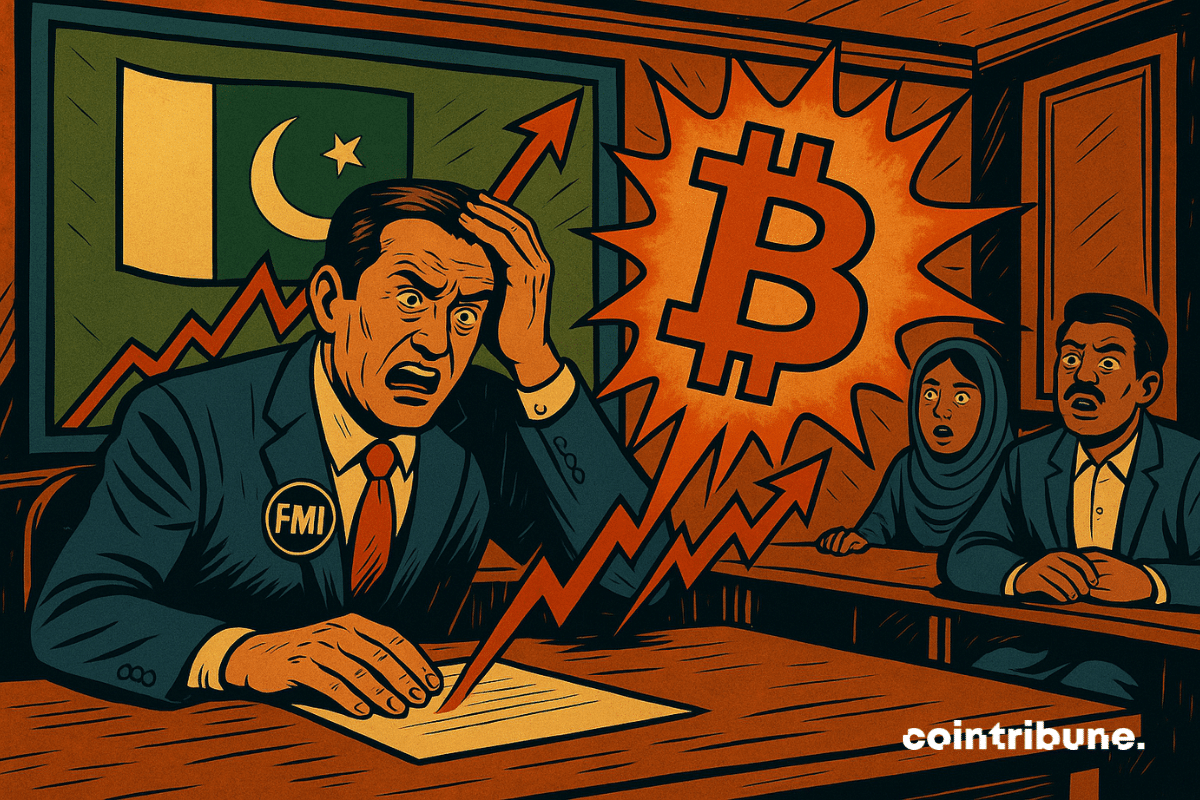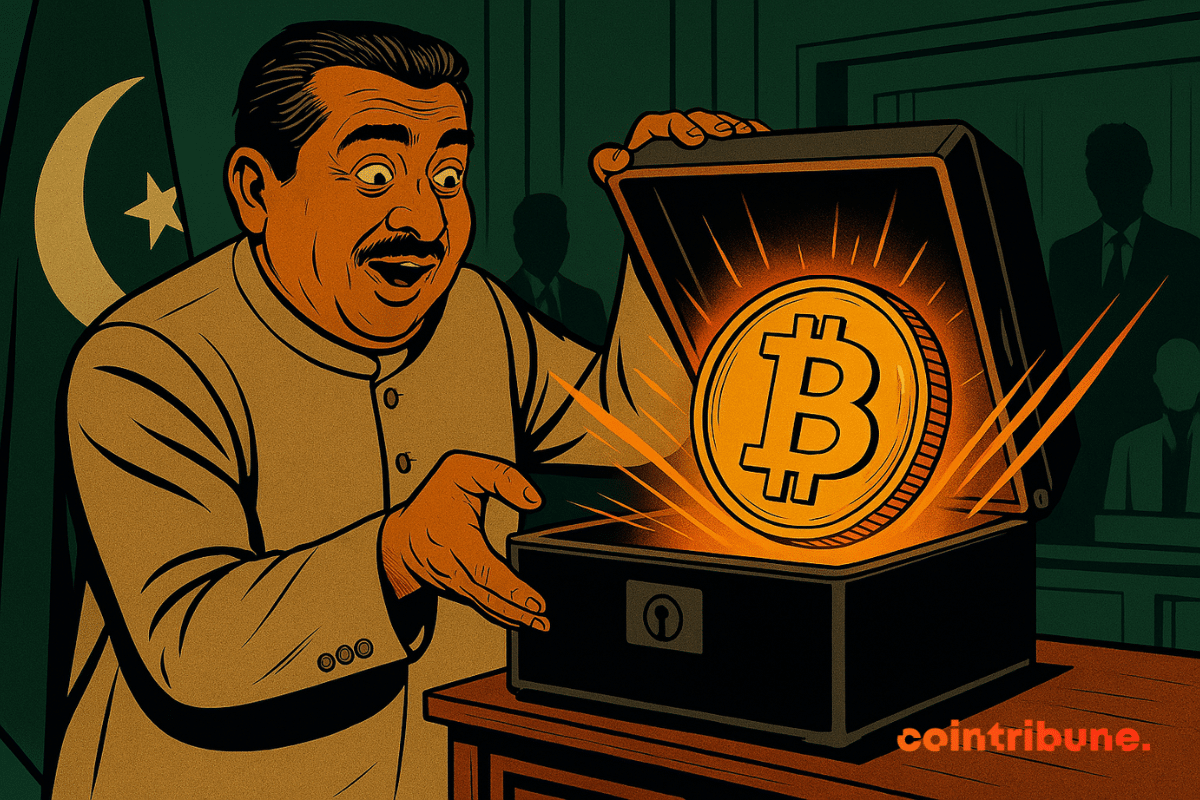
The Pakistani government is seriously considering the possibility of using its electricity surplus for Bitcoin mining and hosting AI centers. This strategy aims to convert an energy surplus into a national economic lever.
The famous video game franchise Fortnite has just integrated a replica of a Bitcoin mining farm into its latest update. This provocative reference has propelled the game-inspired memecoin "Dill Bits" to over 200%. A crypto nod that resonates beyond the virtual.
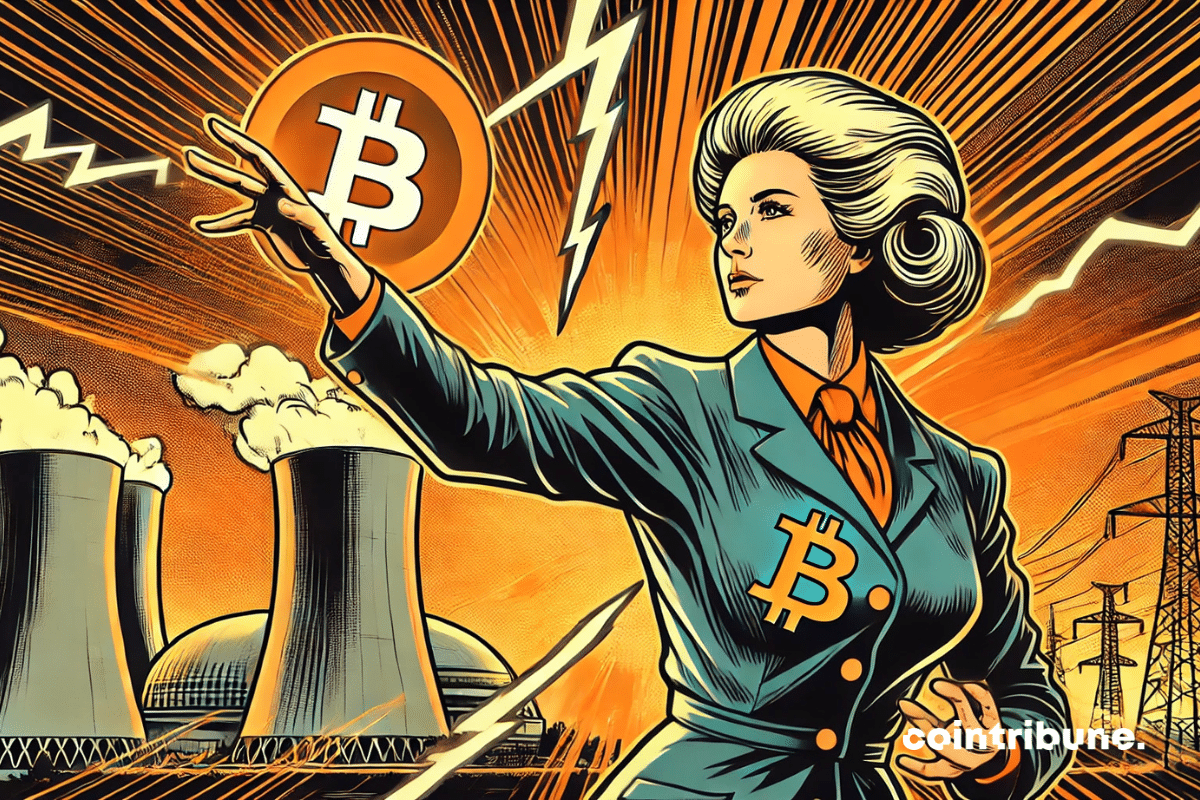
What if France became a hub of innovation for Bitcoin? While the debates on cryptocurrency often oscillate between fascination and distrust, Clara Chappaz, the delegated minister for Digital Affairs, opens an unprecedented door: exploiting French nuclear power to mine Bitcoin. A bold proposal, blending economic pragmatism and energy sovereignty. During…
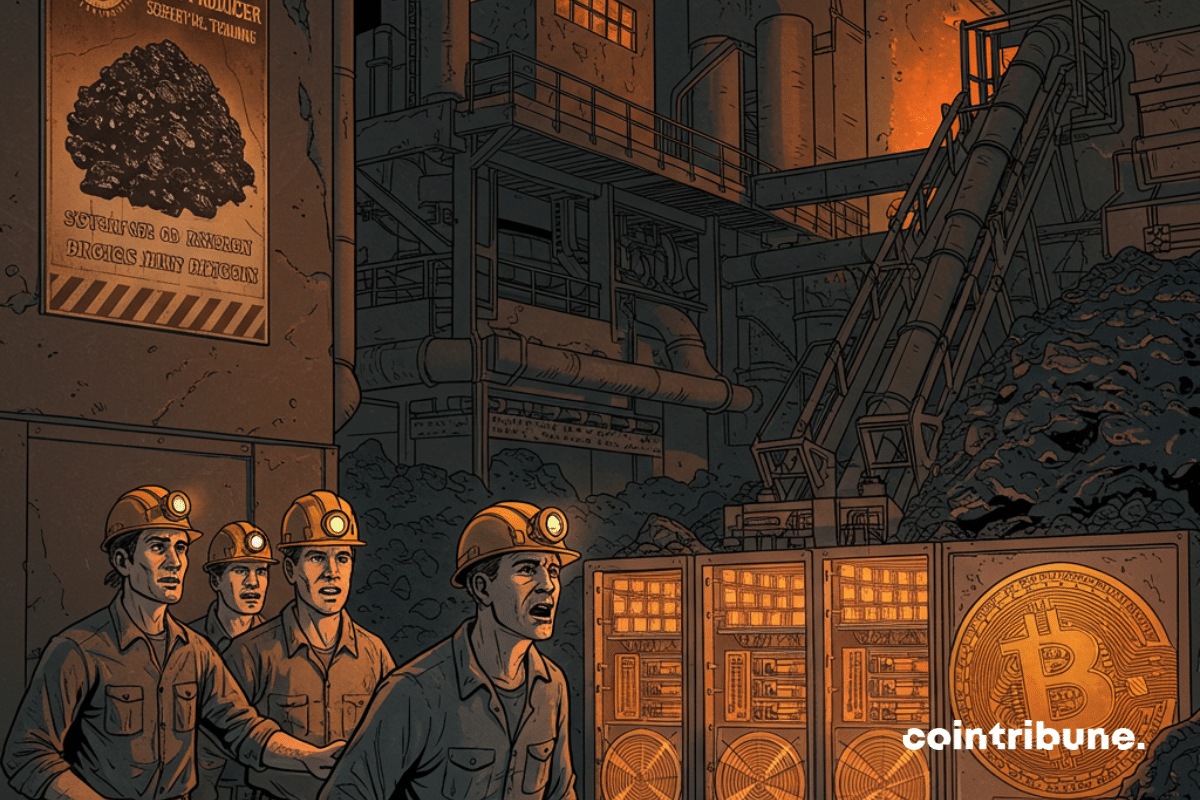
Bitcoin miners can finally breathe: their revenues stabilize at 3.6 billion dollars, despite the Bitcoin halving in April 2024. But behind this apparent calm, a storm is brewing. Rising costs, dependence on Bitmain, pressure on fees... Will the model hold up much longer, or is it headed straight for disaster?
Bitcoin mining has never been a walk in the park, but lately, it has become downright arduous. The sector has to juggle a delicate equation: a hashprice that remains stagnant, increasing difficulty, and transaction fees melting away like snow in the sun. The result? Several miners will soon have to hang up their hats…
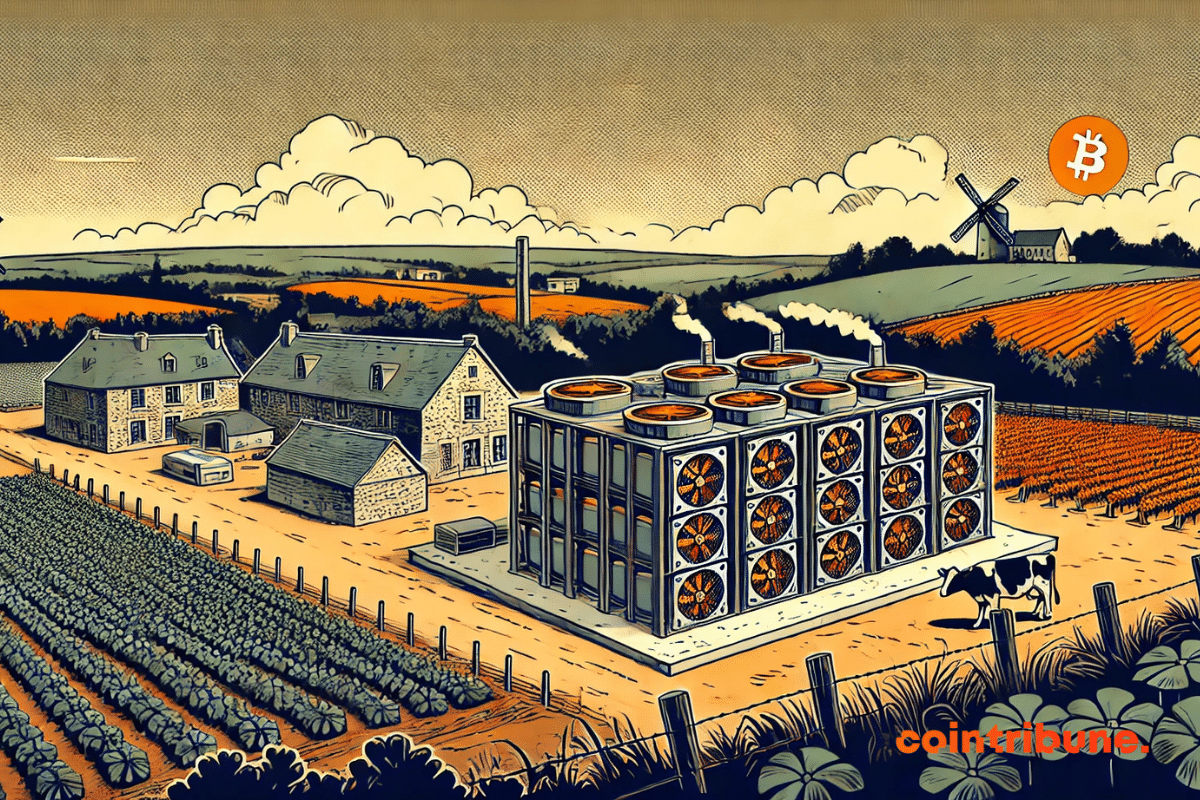
Normandy could soon host the first bitcoin mining farm in France, financed by the Sultanate of Oman. This unique project, at the intersection of energy, technological, and geopolitical issues, crystallizes French ambitions in the digital economy. At a time when energy sovereignty is becoming central, this initiative raises questions about the role that France wants to play in the global crypto ecosystem.
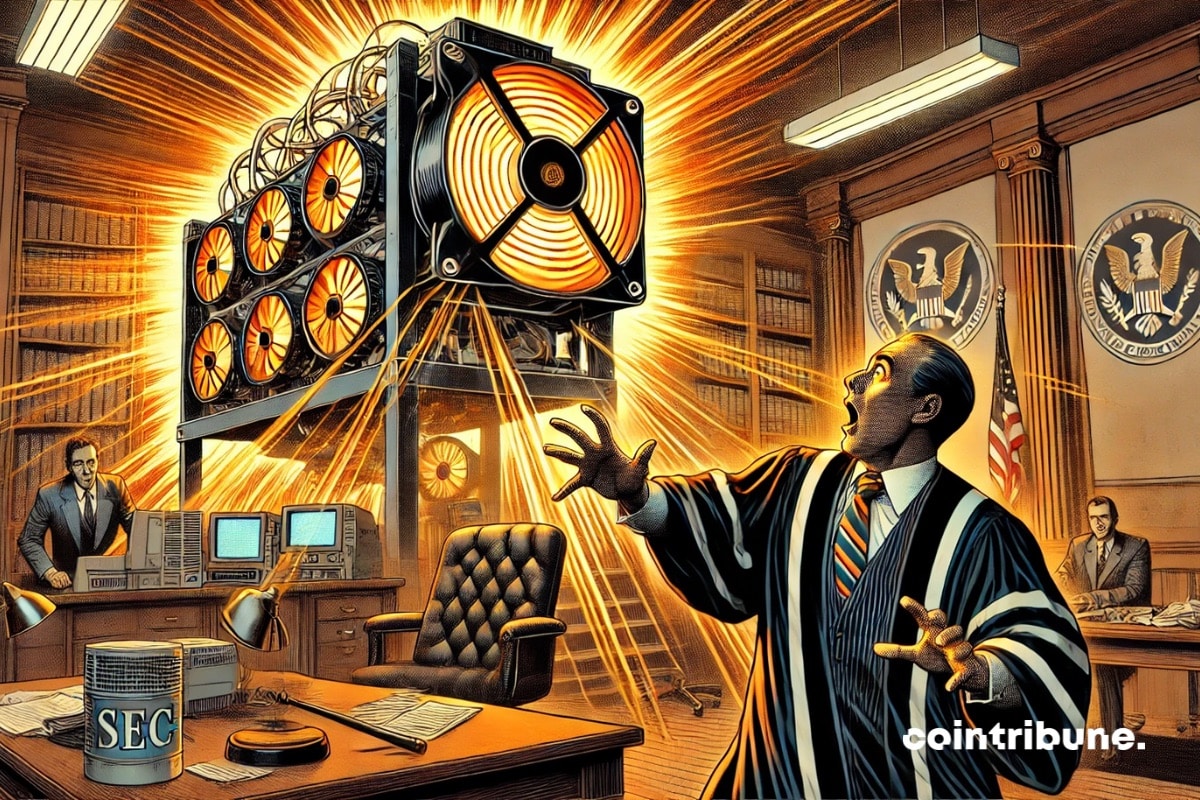
Ah, the SEC... that watchdog of the crypto markets that sometimes gives us cold sweats. But this time, it has decided to put away its whistle and offer us a little breath of fresh air. On March 20, 2025, in an (almost) historic statement, the Securities and Exchange Commission clarified a point that many miners were waiting for like the thaw of spring: NO, mining in Proof-of-Work (PoW) does not constitute an offer of securities!
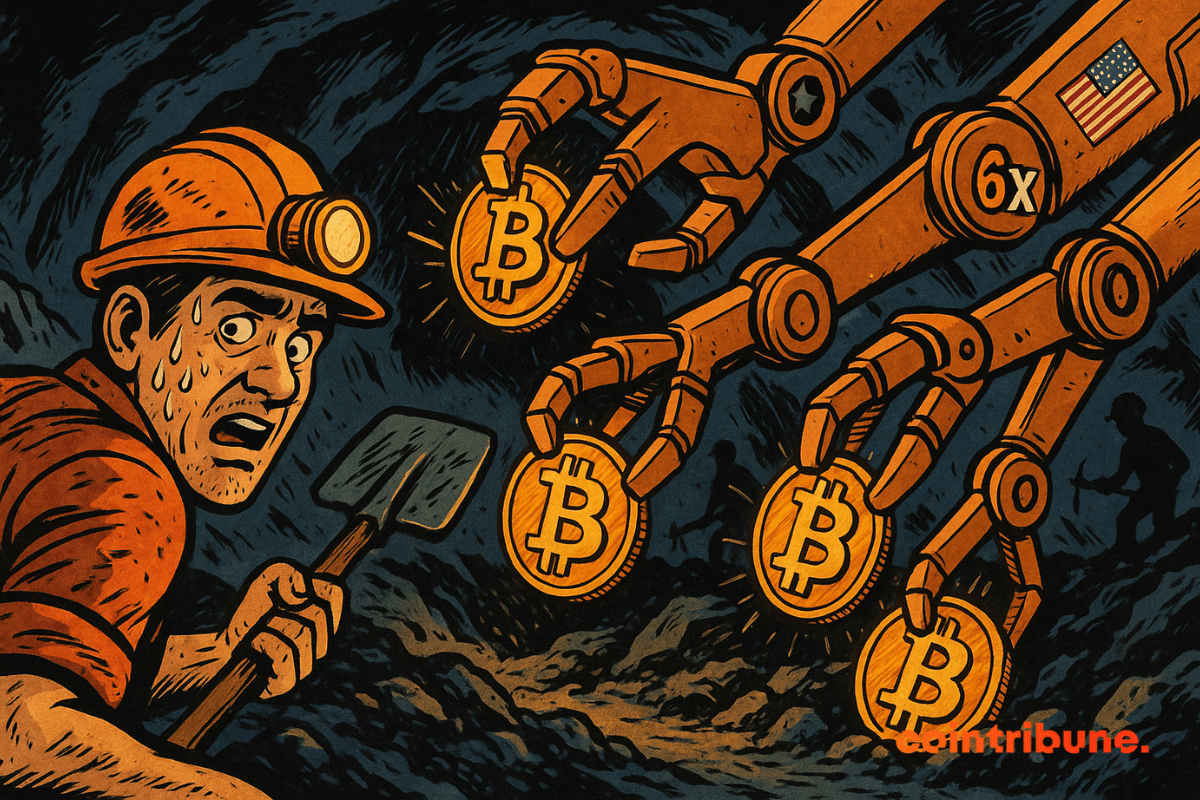
A tiny device challenging the monsters of Bitcoin mining, a chance worthy of a miracle, and there is a solitary miner pocketing $260,000 under the astonished gaze of the industry.
Nuclear energy and cryptocurrencies: an unlikely marriage? Marine Le Pen, a significant figure in the French political landscape, has shaken things up by linking these two worlds. During a visit to the Flamanville EPR, she outlined a vision where surplus nuclear electricity would power Bitcoin mining.
Bitcoin has just experienced an unexpected hiccup: its mining difficulty has decreased for the first time in four months. A fragile breath in an ecosystem accustomed to constant escalation. However, behind this seemingly technical number lies a much more tumultuous story. Amid site closures, rapid updates, and survival strategies, the mining sector is navigating a silent storm. What if this decline were a symptom of a deeper transformation?
The Bitcoin network continues to surprise. While analysts expected a slowdown in hashrate after the April 2024 halving, the computing power mobilized by mining companies has just reached a historic record of 833 exahashes per second (EH/s), an increase of 9% in just a few days. This surge in power is explained by the massive investments made by mining companies, which anticipated the reduction in block rewards by strengthening their infrastructure. However, a surprising contrast emerges: despite a price hovering around 100,000 dollars, transaction fees are at historically low levels, which undermines the profitability of mining companies and raises questions about the economic balance of the network.
The intense cold wave in the United States has caused the first negative adjustment in Bitcoin mining difficulty since September 2024, according to mining company Luxor. In January, a powerful explosion in the Arctic dropped temperatures in the USA, increasing the demand for electricity and driving up energy prices. This situation forced many BTC miners to slow down their operations, resulting in a decrease in mining difficulty.
After Texas, Russia is also turning to the Bitcoin industry to balance its electrical grid and reduce costs. When will France wake up? And Germany?
At $105,000 per Bitcoin, miners are singing in the rain of exahashes. Fierce competition, stellar margins: it’s a dance of numbers and electricity.
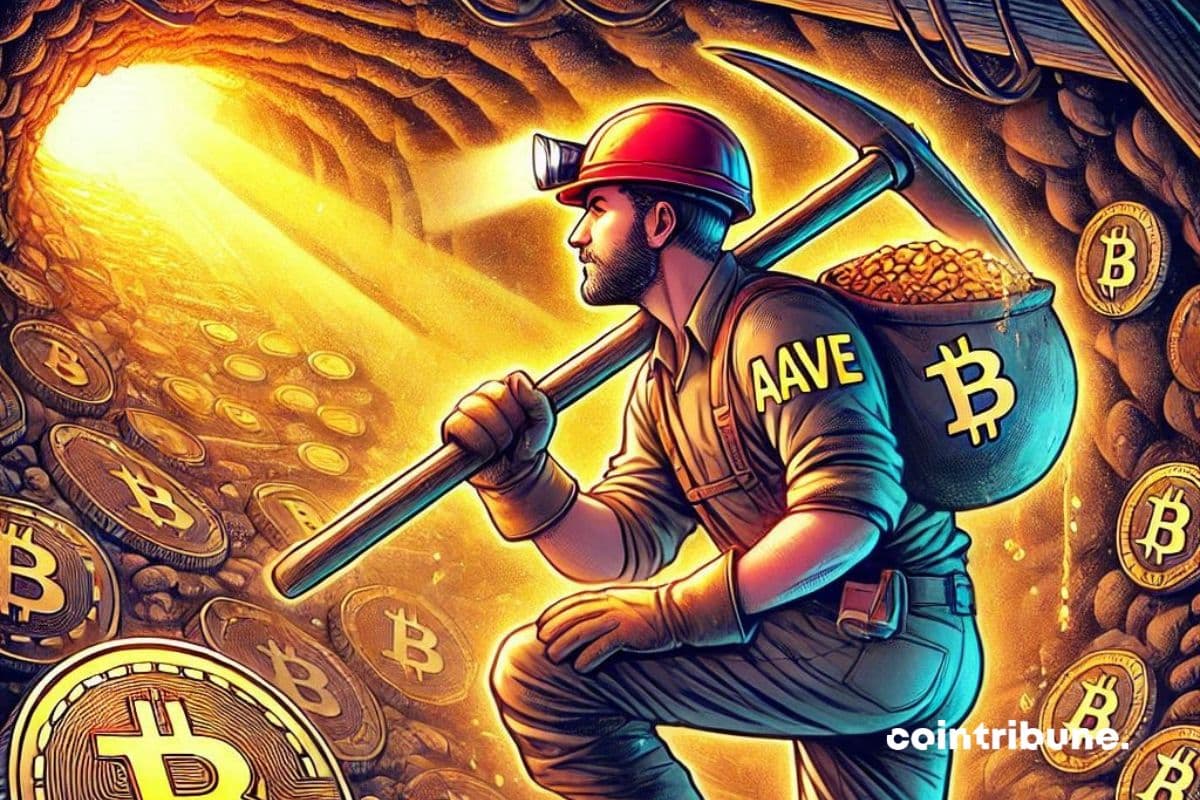
The Aave community is exploring new avenues to increase its revenue by considering Bitcoin mining. However, discussions on the Aave governance forum reveal some skepticism among token holders.
Like a cut breath, Bitcoin hesitates below $100,000. Fewer sales, more waiting: where is it going?
The Bitcoin network has just reached a historic milestone, achieving a record hashrate of 1,000 exahashes per second (EH/s) on January 3, 2025. This symbolic threshold represents an unprecedented acceleration of computing power mobilized to secure the blockchain, as the mining sector undergoes a phase of strategic expansion. Over the span of a year, the network's hashing capacity has doubled, increasing from 510 EH/s in January 2024 to this unprecedented level, illustrating the scale of investments in the industry.
How to know how much you can earn from BTC mining? Discover the answer in this comprehensive guide to bitcoin mining. Before knowing how much bitcoin mining can yield, one must first understand how this activity works.
Are you interested in bitcoin (BTC) mining but don't know how to get started? Mining can be an effective way to earn cryptocurrency income, provided you have the right hardware. GPUs, or graphics cards, are powerful processors designed to quickly handle complex calculations. Faster than CPUs, they can extract larger amounts of bitcoins. By the end of this article, you will have all the knowledge you need to start mining bitcoins with your graphics card!
Mining involves using powerful computers to solve complex problems and validate transactions on the blockchain. Among the equipment used to mine Bitcoin, ASICs are certainly the most widespread in the industry. Discover everything you need to know to get started with ASIC mining!
Are you interested in mining Bitcoin (BTC) and hesitating to start with a processor (CPU)? Know that it is entirely possible to mine Bitcoin using the processing power of your computer. In fact, it is an easy way to get started in cryptocurrency mining, as you do not need expensive hardware or special knowledge. In this article, we will guide you through your first steps in CPU mining.
Have you ever heard of FPGA? It is a type of hardware used for mining cryptocurrency, whose popularity continues to grow. This article covers all the necessary steps to mine Bitcoin (BTC) with this device. But before diving into the heart of the matter, let’s start by defining the concept and what the advantages and disadvantages of this practice are.
Are you looking for the best software to mine Bitcoin (BTC)? If so, you're in luck! In this article, we will give you an overview of some of the most popular software for Bitcoin mining. We will explain the different features of each solution and discuss the advantages and disadvantages to help you decide which one is best suited to your needs.
The Stratum mining protocol is an essential component of the Bitcoin (BTC) network. It allows mining software to connect efficiently and securely to the blockchain, optimizing the mining process. Developed in 2012, Stratum has since become the most popular protocol used for mining bitcoins. In this post, we will explore the definition of this technology and the reasons why it is so important for Satoshi Nakamoto's network.
Bitcoin is a popular cryptocurrency that facilitates secure and decentralized exchanges. Each transfer of bitcoins from one user to another is a mathematically verified operation to ensure the reliability of exchanges. Let's see how these calculations take place in the network and how they contribute to the bitcoin mining process.
The hash rate or hashing rate in French is a measure that indicates the mining power of a computer per second. It is closely monitored by blockchain professionals because it allows for measuring the speed of Bitcoin mining. In summary, it is a data point used to evaluate the number of crypto-assets that can be mined with a given hardware. How is this rate measured? How does it vary? And what is its importance for miners and investors?
Bitcoin mining is the process by which new units of bitcoins (BTC) are created. It is an effective method if you want to acquire Bitcoin. But before you dive into this activity, you may be wondering how long it takes to generate BTC. In this article, we will explore this question in depth. You will discover, among other things, how difficulty, hash rate, and other parameters influence this metric.
Bitcoin is a digital currency that has quickly gained popularity in recent years. One of the key components of Bitcoin is the hash value, which is a unique identifier associated with each transaction and each Bitcoin block. In this article, we will explore what a hash value is and why it is so important for the Bitcoin blockchain.
The hashprice is a very important metric for crypto miners. It is particularly useful when it comes to determining the profitability of their operations. Therefore, if you are interested in Bitcoin (BTC) mining, or if you are simply a cryptocurrency enthusiast, you will probably want to learn more about it. This article explains in detail what hash price is and why it is so relevant in the crypto industry.
Initially, Bitcoin (BTC) mining was an activity practiced exclusively by a handful of insiders. However, over time, more and more people began to engage in it. As the phenomenon grew, mining farms started to emerge. In this article, we will explore what these platforms are, how they operate, and why they are interesting. We will also look at how they are powered, whether they are profitable, and what their future holds.