Tue 15 Sep 2026 ▪
6 min read
▪
by
BitMine strengthens its Ethereum reserve with 27,180 ETH. Does this new crypto purchase change the game for ETH? Complete analysis.
BitMine strengthens its Ethereum reserve with 27,180 ETH. Does this new crypto purchase change the game for ETH? Complete analysis.

According to Tom Lee, bitcoin quietly disrupts crypto portfolios: 2% initially, versus more than 80% today. Analysis.
Shiba Inu crosses a new threshold in the crypto ecosystem. SHIB is now associated with around 1.84 million addresses on Ethereum and Shibarium, according to a ShibWallet snapshot shared by Mazrael, a long-standing community member. Ethereum alone concentrates about 1.689 million holder addresses. This total broadens the measure of SHIB adoption, even if it does not correspond to 1.84 million different people.

Zcash mining currently yields much more per unit of electricity than Bitcoin mining. At the beginning of September, an Antminer Z15 Pro generated about 708 dollars in gross revenue per megawatt-hour consumed, compared to 179 dollars for an Antminer S23 Pro dedicated to BTC. The ratio therefore approaches 4 to 1. This figure does not correspond to net profit: electricity, hosting, maintenance, and depreciation still need to be paid. But it is enough to explain why new miners are now looking much more closely at Zcash.

Polymarket and Kalshi in ESMA's sights: can the prediction market survive European tightening? Comprehensive analysis.
Ethereum: crypto reserves on exchanges collapse to a multi-year low. Will the shortage trigger a price explosion?
Postponed to mid-October, Anthropic's IPO could become the biggest test in history for AI valuations. The details!
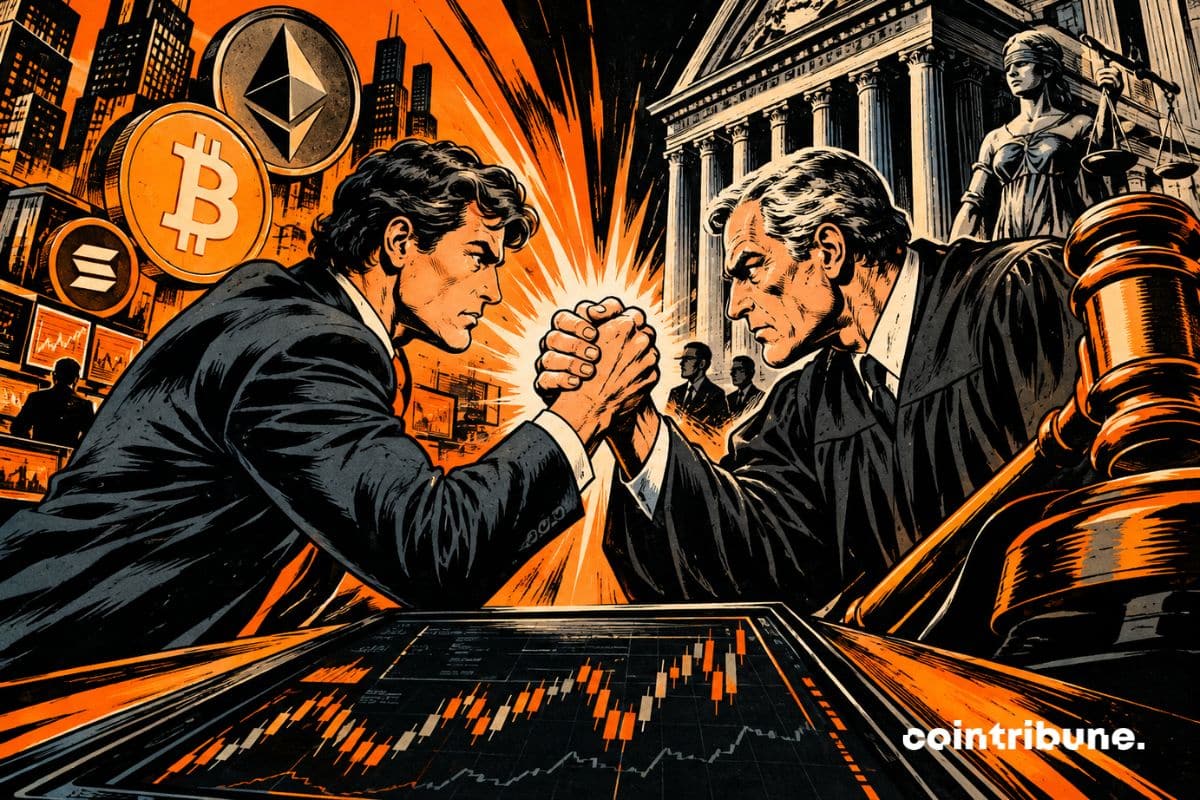
Kalshi's US traffic soared by 1,520% in one year, driven by sports betting which accounts for 83% of its volume. At the same time, the platform launches leveraged crypto perpetuals on BTC, ETH, BNB and 14 other assets, while its regulatory status is being decided before the Supreme Court.
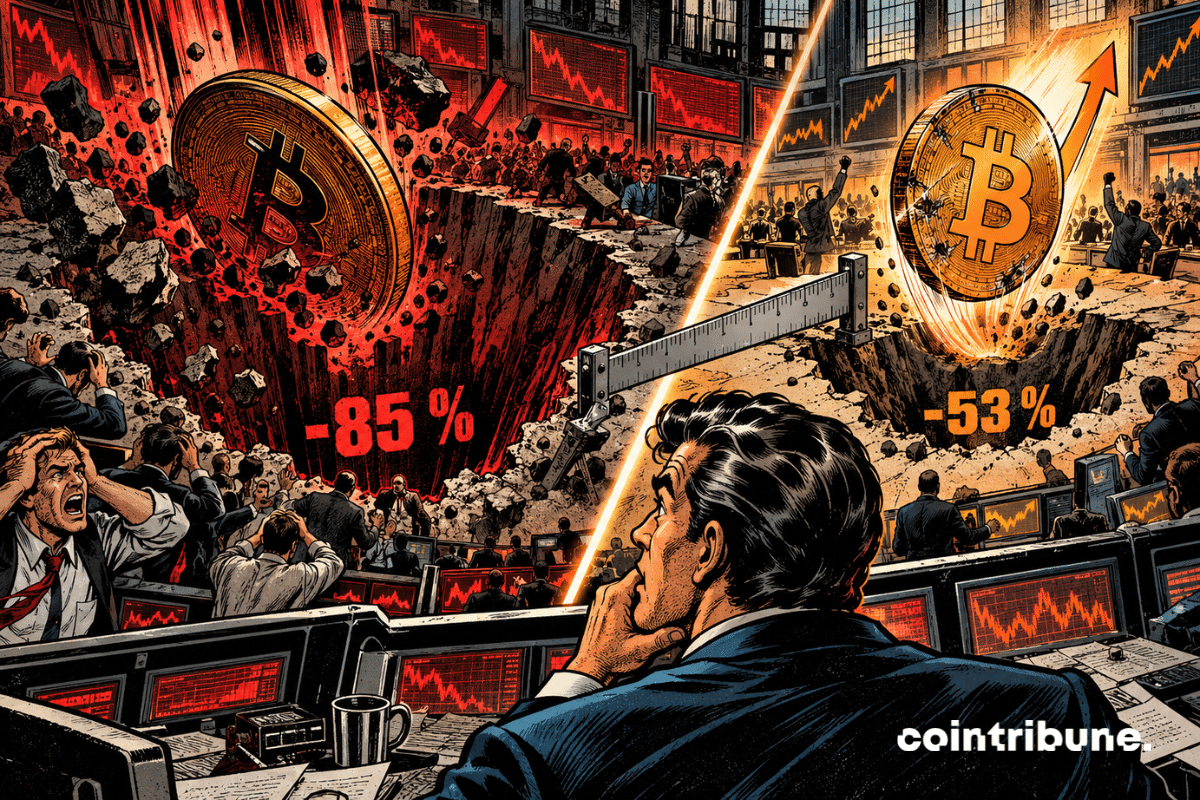
The major bitcoin corrections are losing magnitude. They have gone from about 85% in the early cycles to 84%, then 77%, and nearly 53% in the current cycle. Data compiled by Galaxy Research show this progressive compression, even though the 2025-2026 cycle bottom is not yet definitively confirmed.
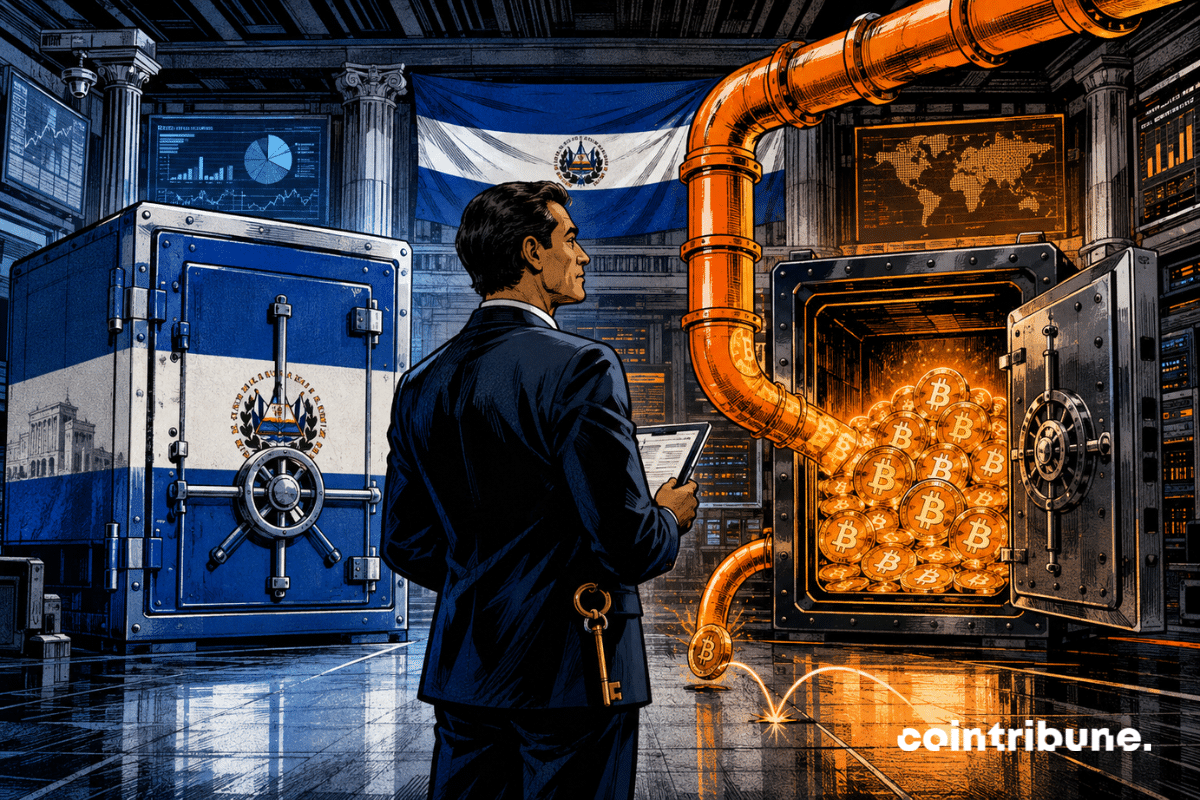
El Salvador continues to show an increasing Bitcoin reserve. However, the State allegedly did not use public money to buy the BTC added since June 2025. The IMF states it received documents showing this increase comes from private donations. The official reserve now reaches about 7,764 bitcoins.

Strategy sold 6,916 bitcoins at an average price of about 62,200 dollars between late June and mid-August. A few weeks later, the company bought back 4,603 at 80,318 dollars each. An operation that looks like a classic "sell low, buy high." Its CEO Phong Le does not regret anything: the Bitcoin price was not the priority. The balance sheet needed to be strengthened first.
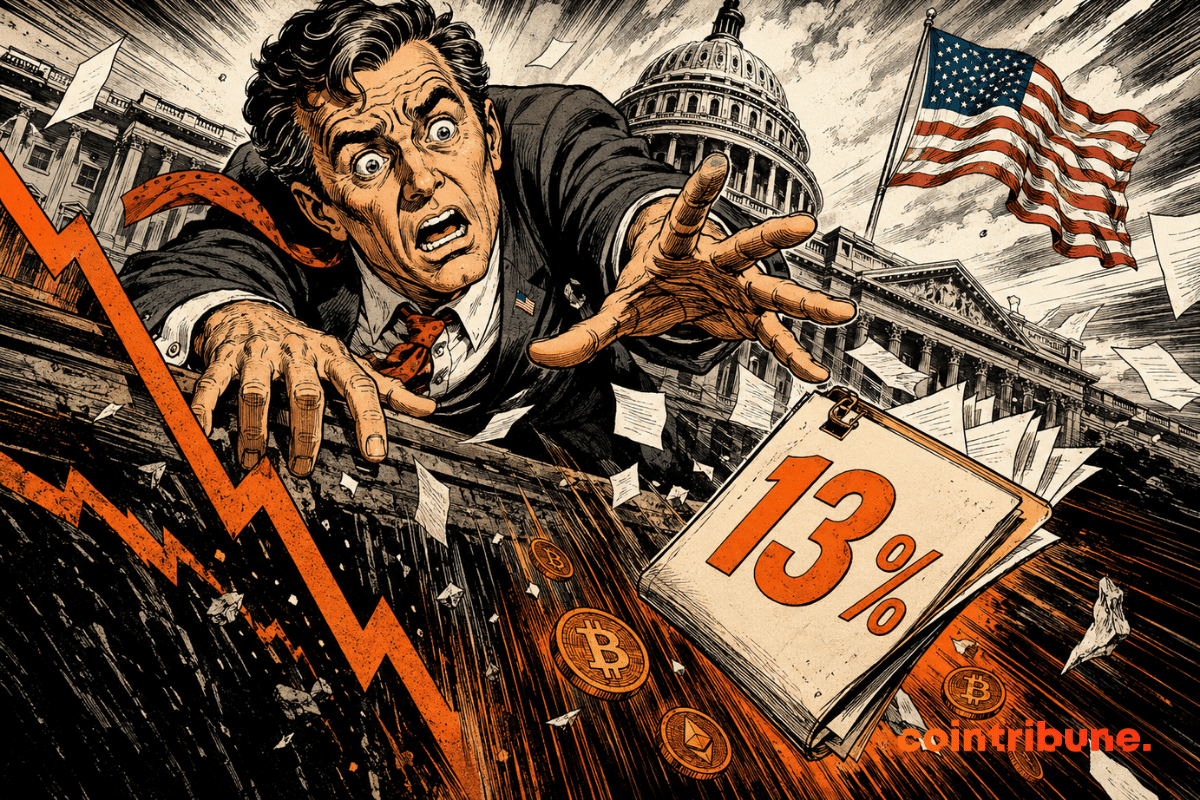
A crypto vote is imminent in the Senate, but the CLARITY Act falls to a 13% chance. Is the market already anticipating failure? Analysis.
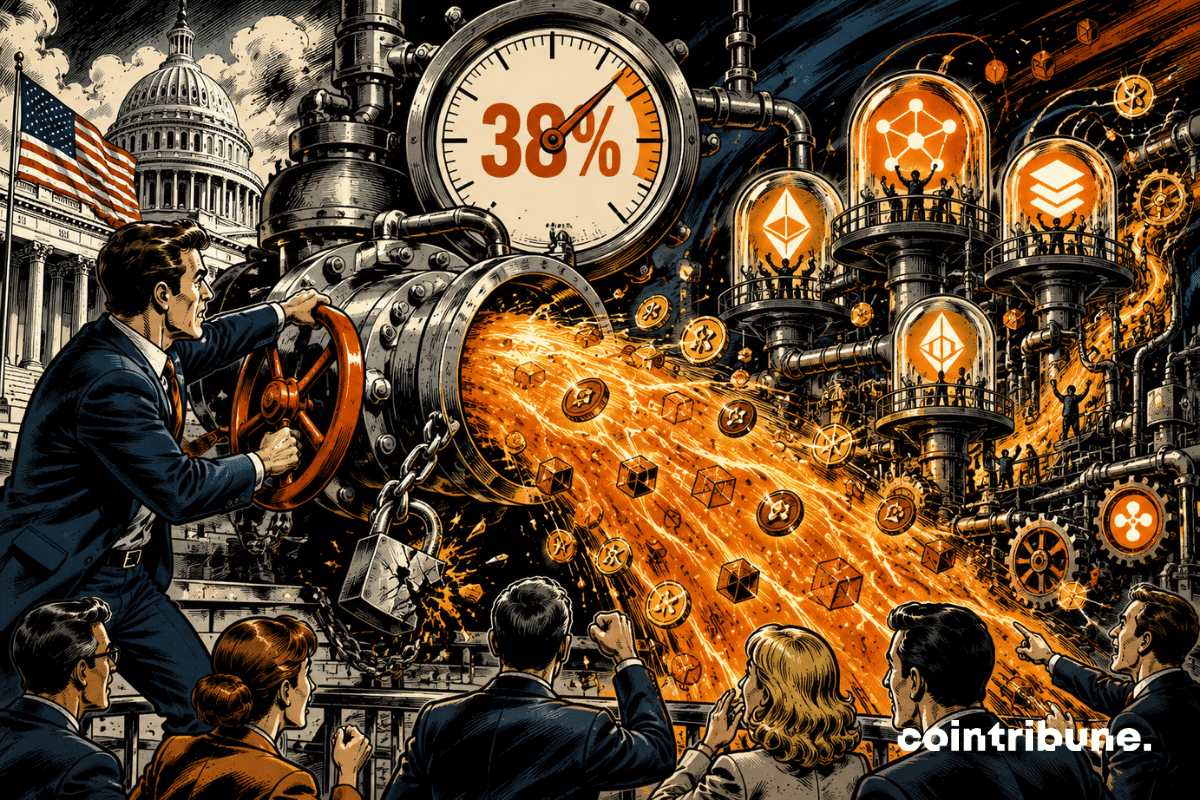
DeFi is rapidly recovering. The SoSoValue crypto index $DEFI.ssi has gained nearly 38% since August 17, rising from 0.3616 to around 0.498 after peaking at 0.511. The rebound of Bitcoin and Ethereum helped. But investors are also eyeing Washington: the new rules being considered in the United States could allow DeFi protocols to better redistribute their revenues to their tokens.

Polygon has finally explained what its Austin and Kyoto hard forks were hiding. The two updates fixed several security vulnerabilities kept private during their deployment. Some could slow down the network, crash nodes, or force validators to perform very costly computational work. Polygon claims no exploitation was observed on the mainnet.
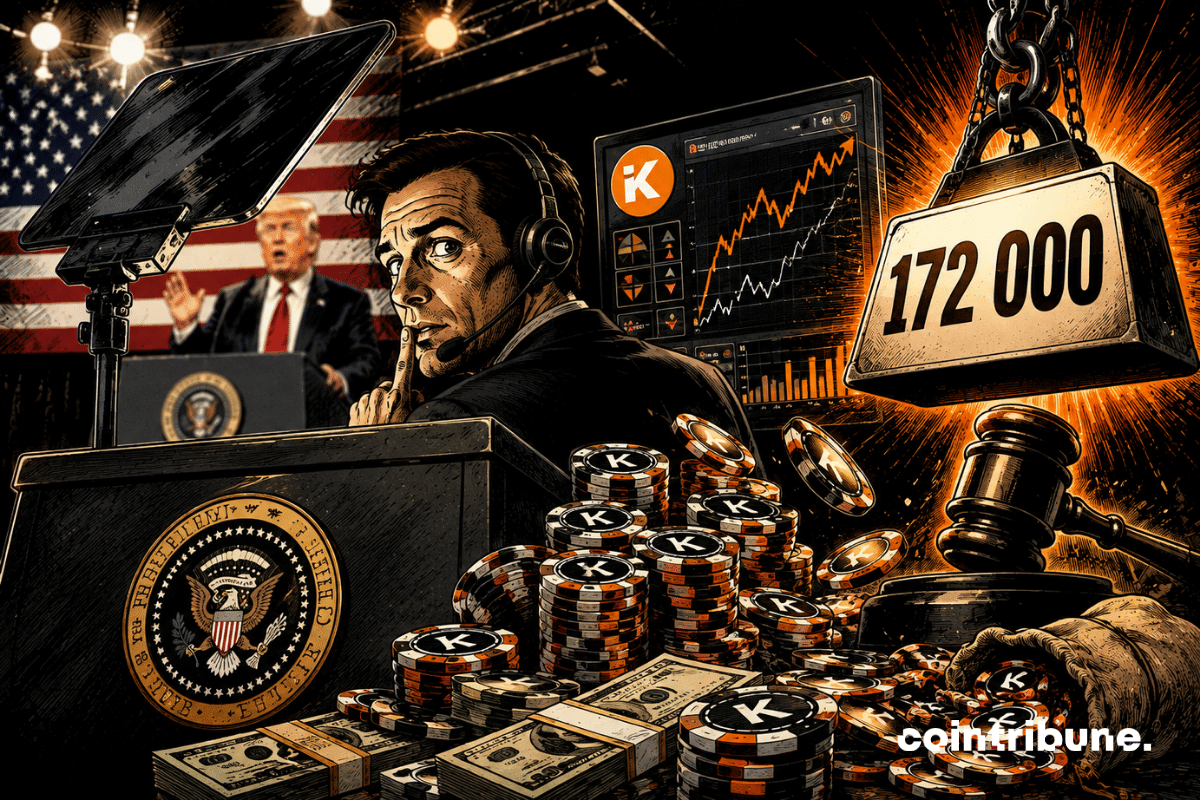
The Commodity Futures Trading Commission (CFTC) has sanctioned Gabriel Perez, former teleprompter operator at the White House. He will have to pay 172,539.02 dollars after using non-public information to trade on the predictive markets platform Kalshi, notably on contracts related to Donald Trump's interventions.

Twelve years after his death, Hal Finney remains an inseparable part of Bitcoin's history. The cryptographer received the very first BTC transaction sent by Satoshi Nakamoto on January 12, 2009. Ten bitcoins to test a network that practically had no value yet. Today, those 10 BTC would be worth more than 800,000 dollars. And another question still refuses to disappear: Did Finney really know Satoshi's identity?
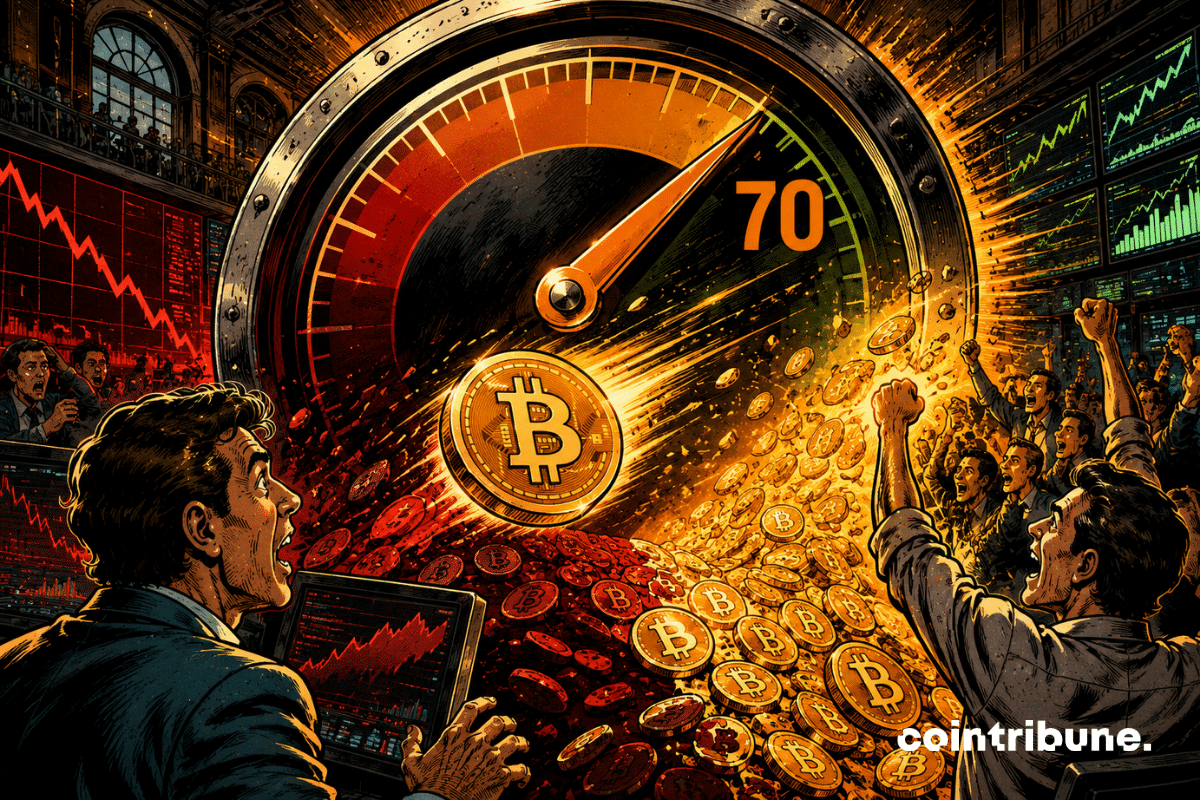
Bitcoin has just returned a clear majority of its supply to profit. After rising from about 62,000 dollars to almost 80,000 in one week, 69% of the circulating BTC now show a value higher than their on-chain reference level. The rebound has therefore repaired part of the losses. Not all: about 617 billion dollars of capital are still underwater.
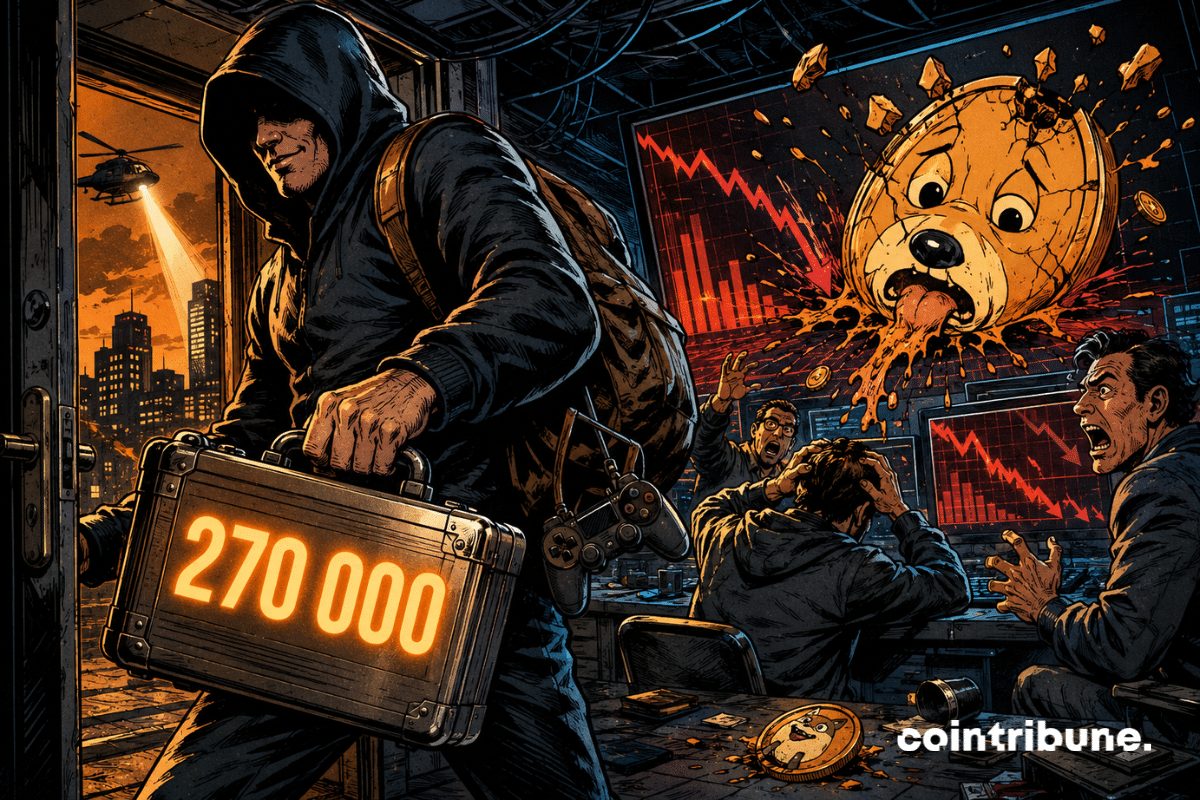
The memecoin launched by the author of the GTA 6 leaks has just lost 46% in 24 hours. CYBERLEEK had reached 25 million dollars in market cap thanks to nine days of unreleased game videos. Its creator finally sold 15.4 million tokens and recovered several hundred thousand dollars. A few hours later, Rockstar was to officially present new footage of GTA 6.
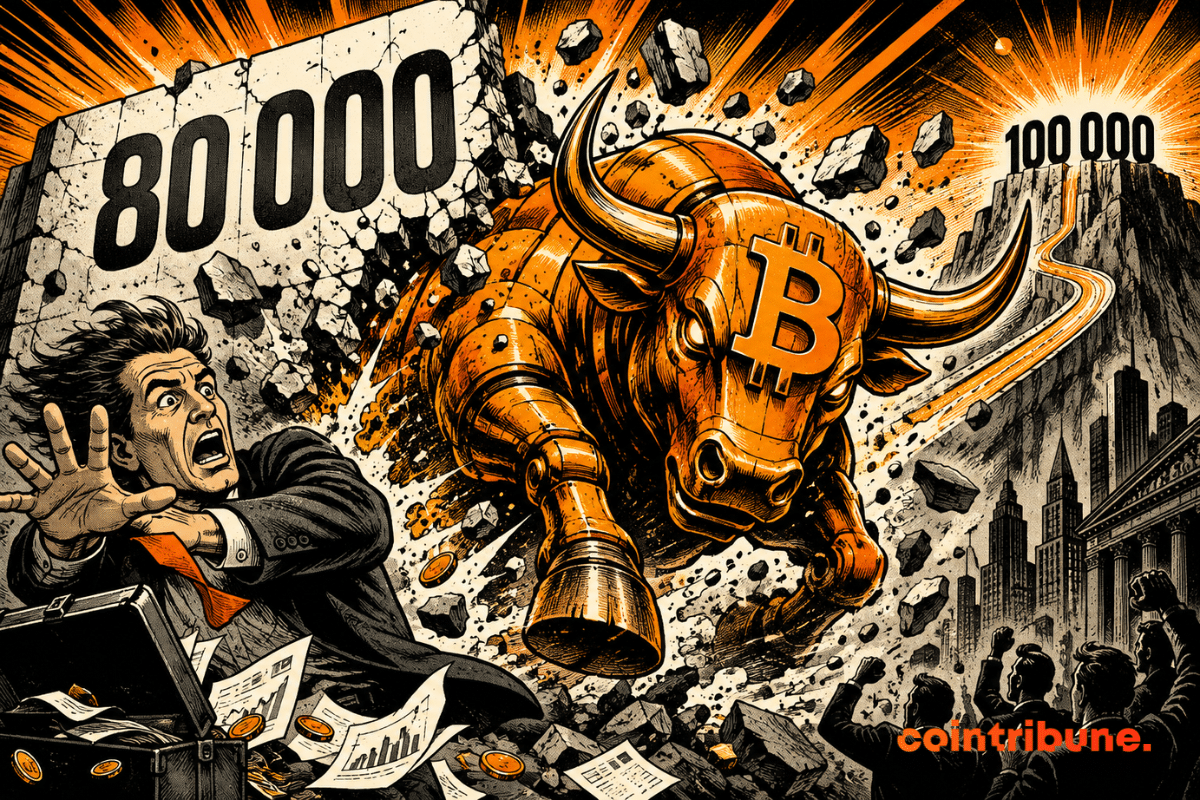
Bitcoin surpasses $80,000, its highest level since mid-May. Complete breakdown and analysis of scenarios to watch.
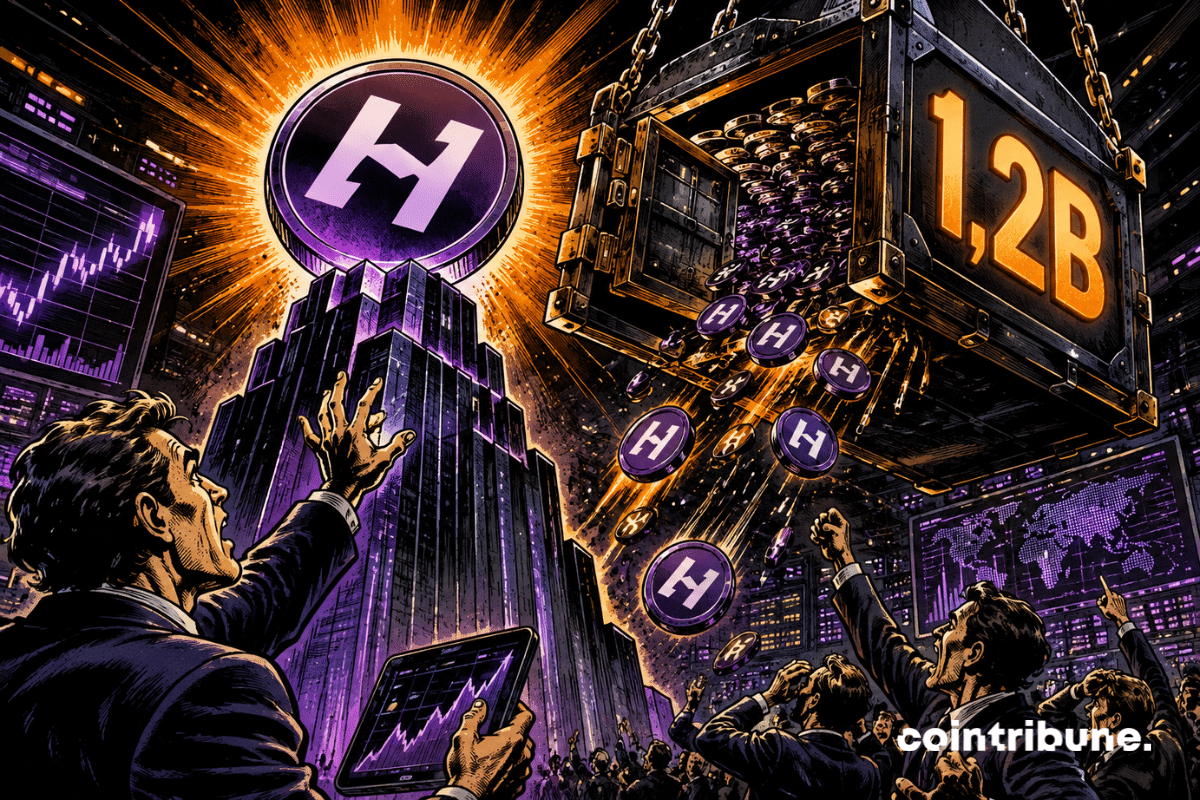
HYPE has just set a new record at $83.27. The Hyperliquid token then retreated around $77.50, with a capitalization close to 19.5 billion. However, the schedule arrives at a delicate moment. On August 29, an additional 14.17 million HYPE must become available. Current value: about 1.2 billion dollars.

Bitcoin has just seen a new parallel chain appear. eCash launched its Alpha phase on August 23 at block 963,648. Not yet real ECX for BTC holders: the units currently produced are used for testing. The final hard fork is still scheduled around October 31, at block 973,728. Until then, several technical questions remain open.
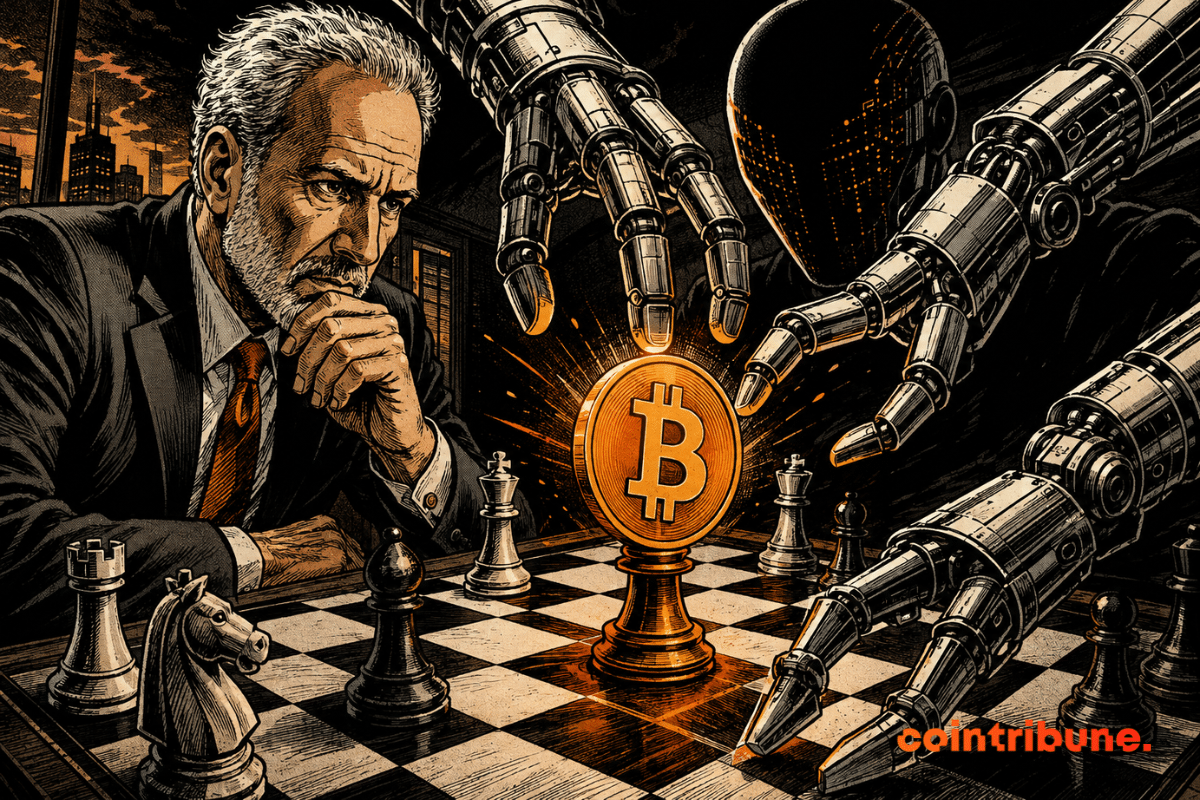
Peter Schiff believes that artificial intelligence threatens bitcoin by capturing capital, electricity, and data centers.
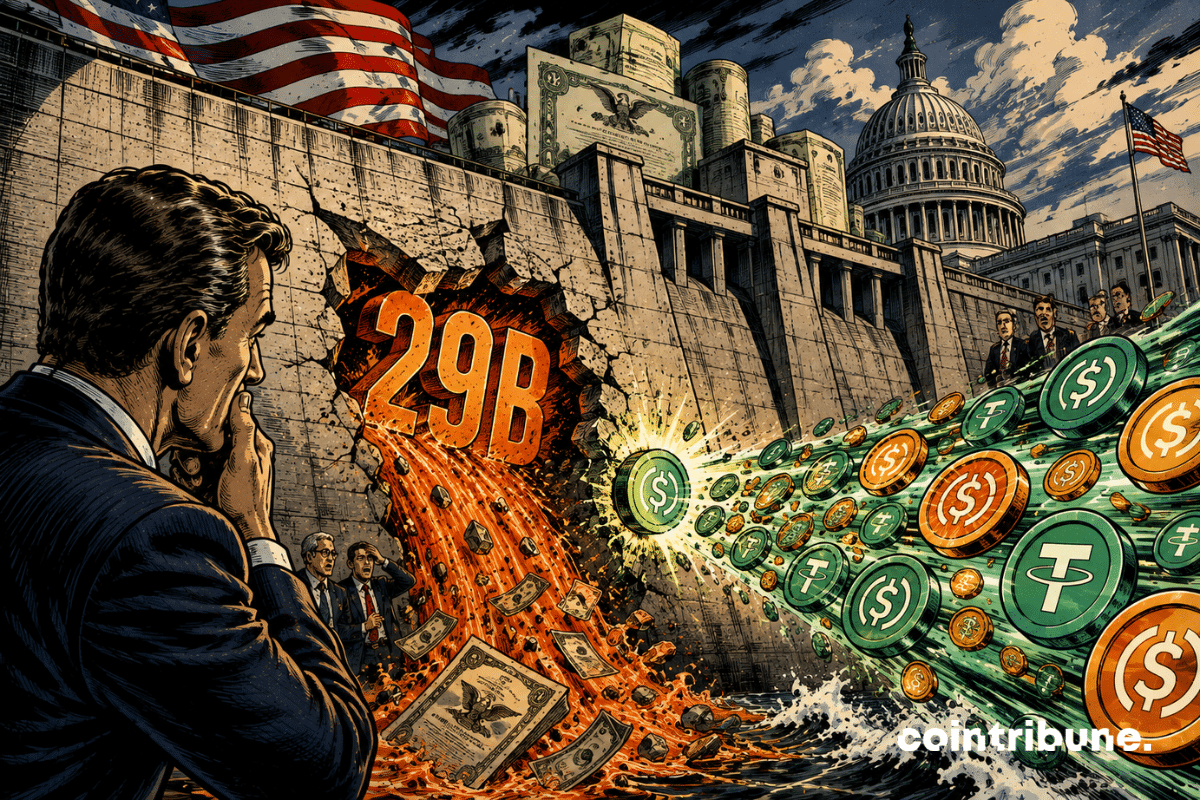
Foreign investors sold $29 billion in short-term US Treasury bills in June. Yet they did not flee the United States: $181.4 billion moved towards US equities in the same month. For Washington, the shift matters. Stablecoins could provide a new regular demand for T-bills as some foreign investors reduce their positions.
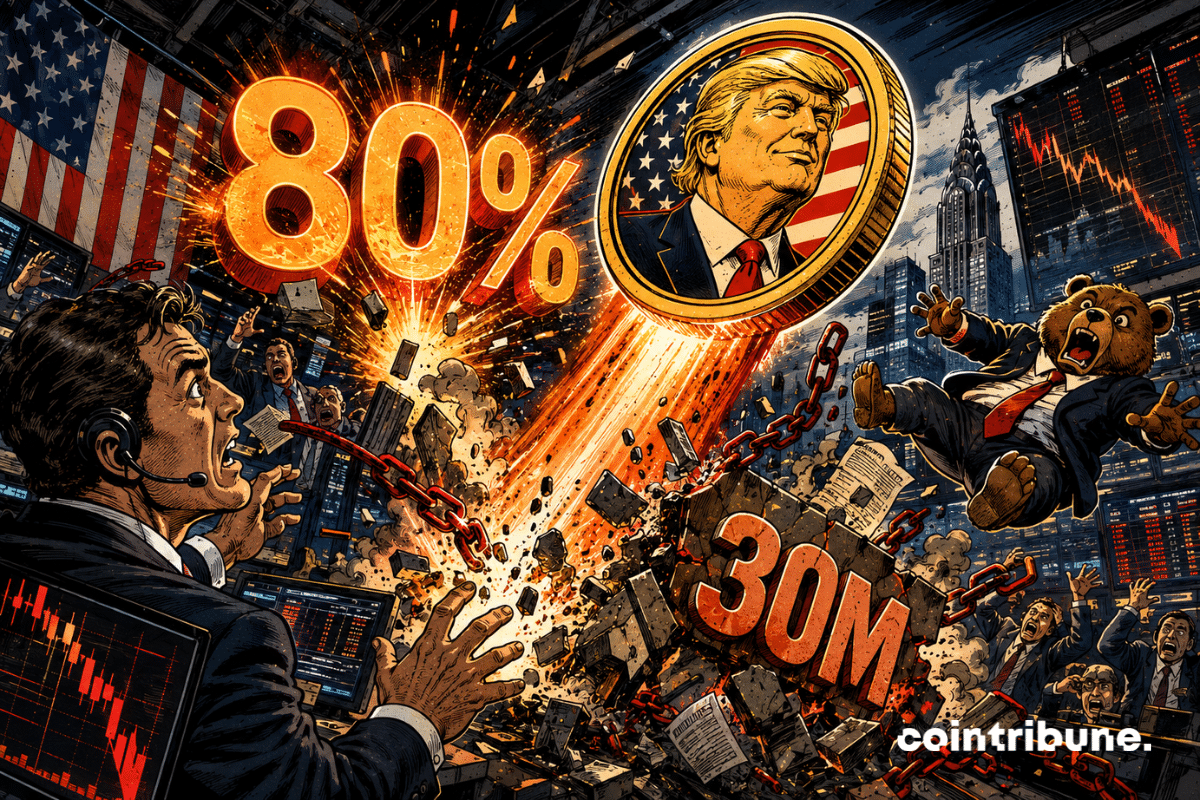
Donald Trump's memecoin has just gained more than 80% in a few hours. TRUMP crossed the $3 mark before settling around $2.94. The move caught short sellers off guard: over $30 million worth of positions were liquidated within 24 hours. A rumor about a new crypto project from the Trump family was enough to start the momentum.
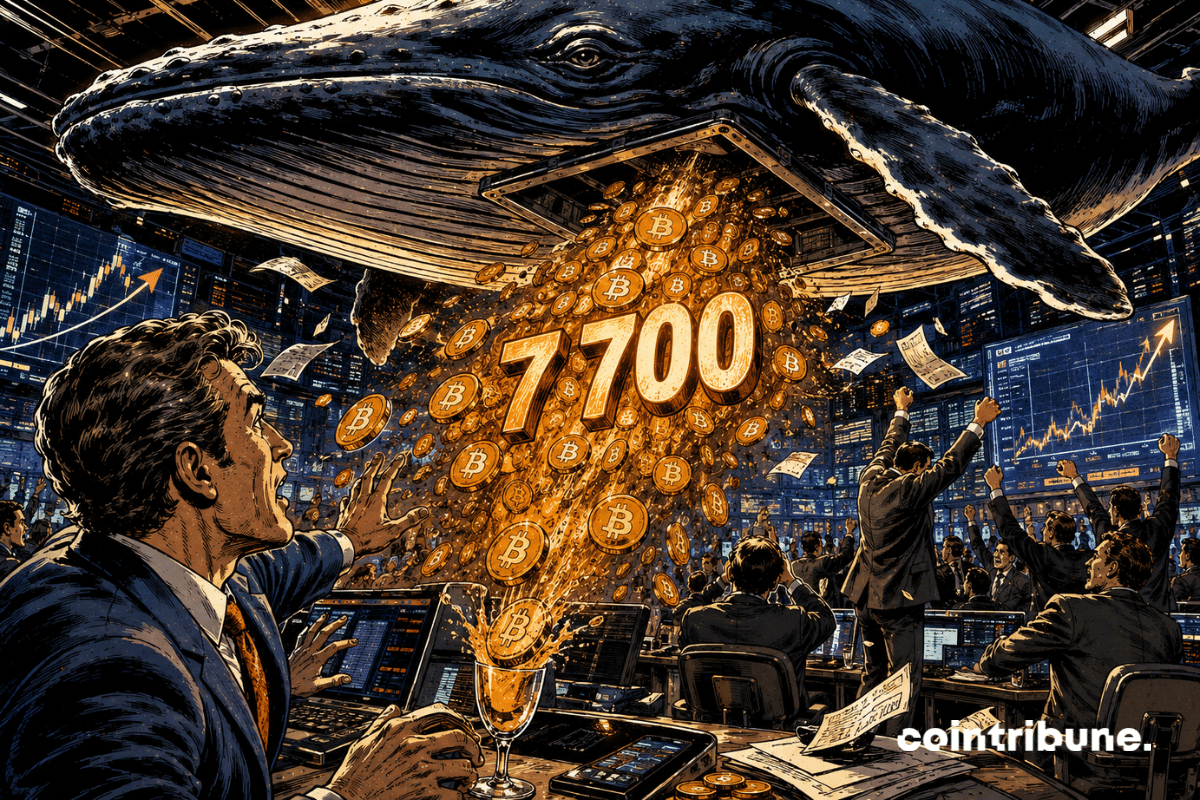
An unknown Bitcoin whale takes advantage of BTC's return to $80,000 to lighten its positions. In three days, this address reportedly sold 7,700 BTC for about $576.6 million. The last operation alone involved 2,700 bitcoins, nearly $212 million. However, the market keeps rising.
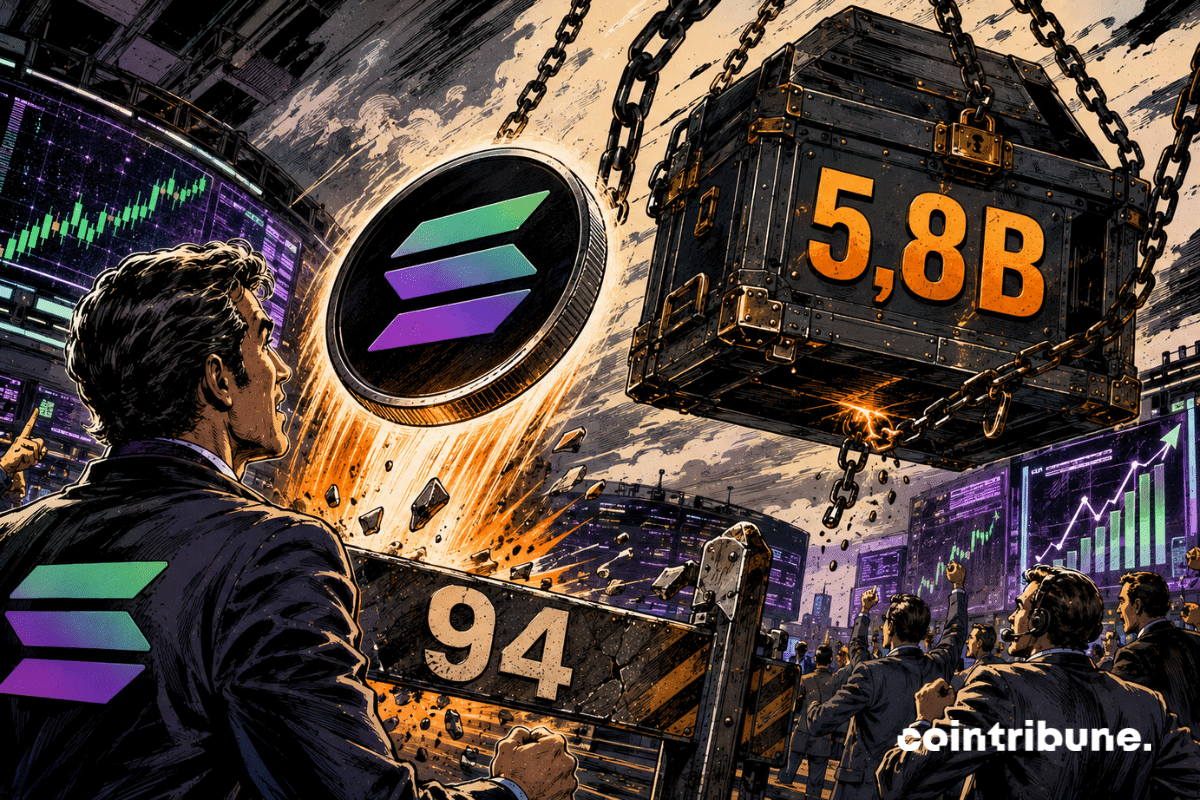
Solana has just risen back above $94 after briefly surpassing $100 on Friday. The SOL crypto even touched $102 before pulling back. The movement is impressive, but a good part of the activity comes from derivatives products. The open interest now reaches $5.81 billion. Many positions thus remain open.
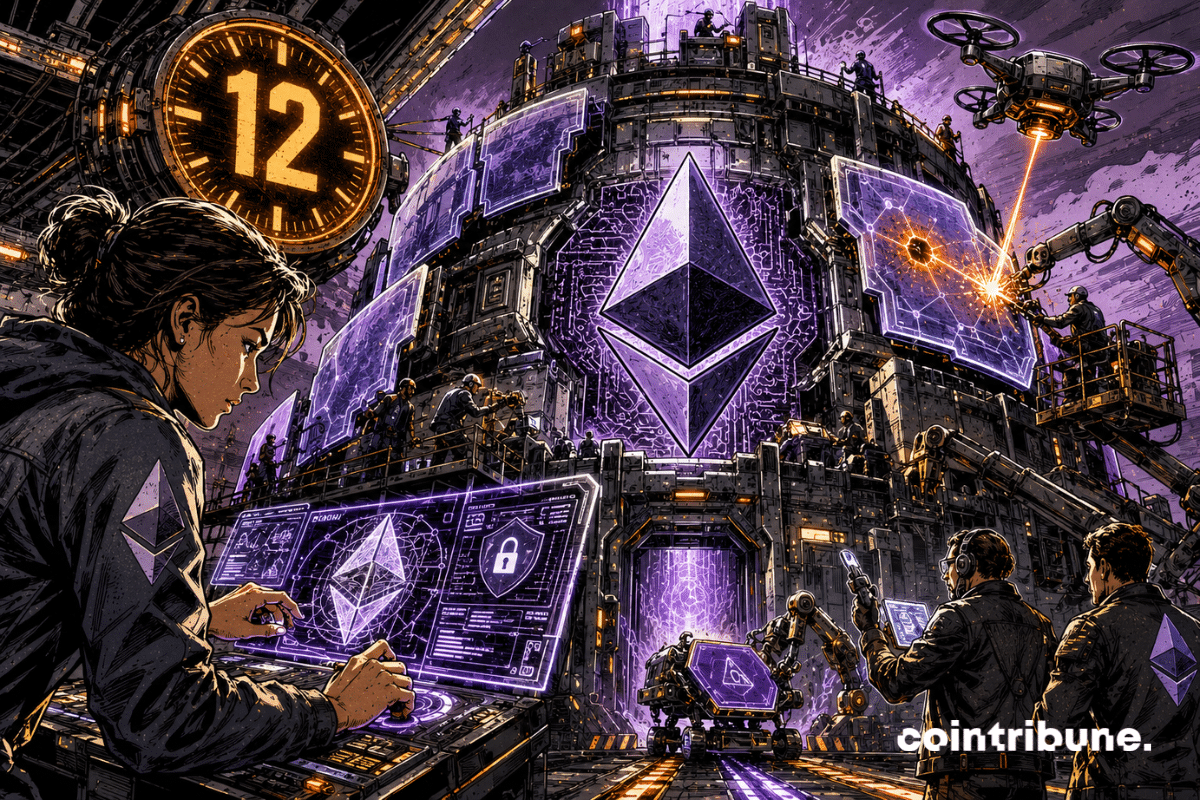
Ethereum has already won the speed battle on zkEVMs. The security one remains open. A research contest supported by the Ethereum Foundation still shows a gap of 52.14 bits between the currently proven results on a cryptographic component. The network targets a demonstrable security of 128 bits for its zkEVMs by early December. No changes threaten the current consensus for now.

Binance now directly opens its infrastructure to AI agents. With Agent OS, tools like ChatGPT, Claude Code, Codex, or Cursor can access market data, monitor an account, and execute crypto trades. The user retains control over permissions and can revoke access at any time.

Alibaba regains a pace it hadn’t known for about three years. The Chinese group reports 268.95 billion yuan in revenue for its first fiscal quarter, nearly 40 billion dollars and a 9% increase year-on-year. Cloud accelerates by 45%. AI-related products notably record a twelfth consecutive quarter of triple-digit growth.
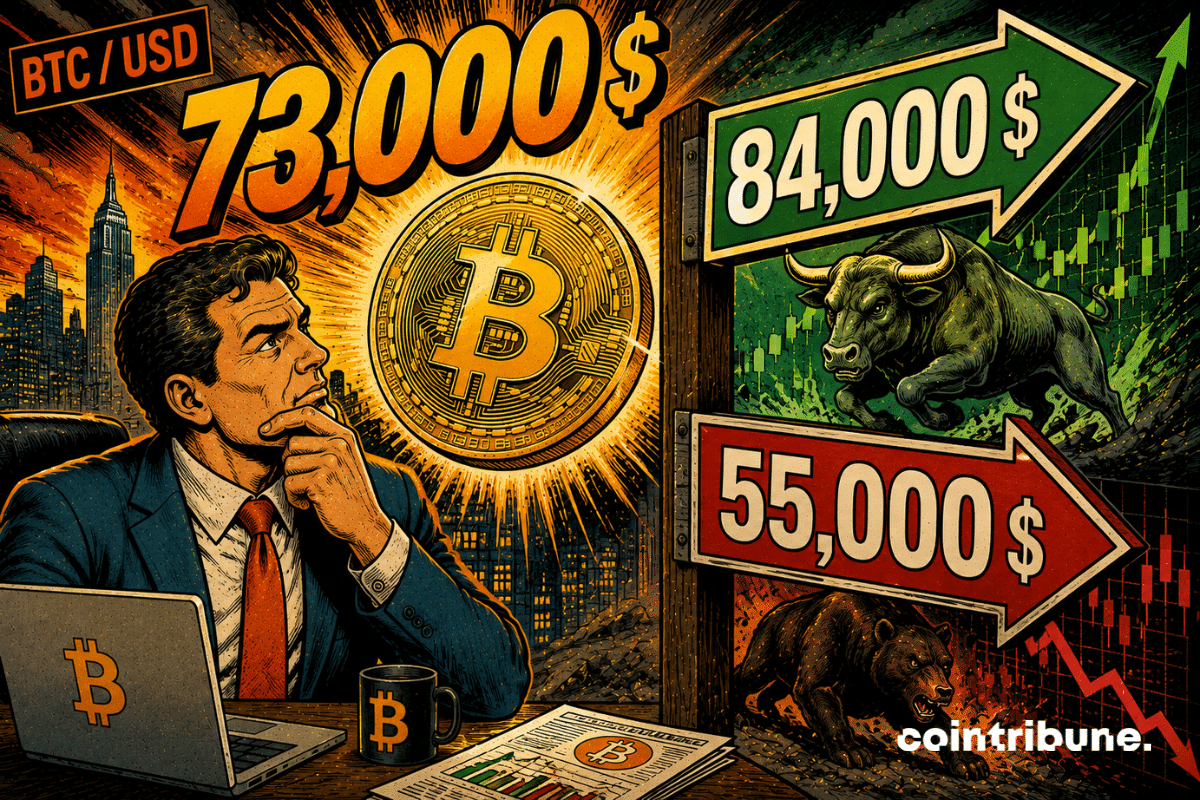
Bitcoin has just recorded its strongest bullish surge in five months, but prediction markets still refuse to declare victory. After an 8.7% jump on Wednesday, BTC climbed up to $71,556 on Thursday, gaining 3.26% on the day and reaching levels lost since June 1st. Behind this spectacular awakening, a paradox emerges: Myriad shifts towards optimism, while Polymarket and Kalshi remain cautious about long-term deadlines. Between short position buybacks and decisive resistance at $70,284, the rally still has to prove it can become a real trend.