
Thu 29 Jan 2026 ▪
5 min read
▪
by
While the Fed is buying time, the dollar is nosediving. And while Trump congratulates himself, bitcoin is smiling. The global economy, much less so...
While the Fed is buying time, the dollar is nosediving. And while Trump congratulates himself, bitcoin is smiling. The global economy, much less so...
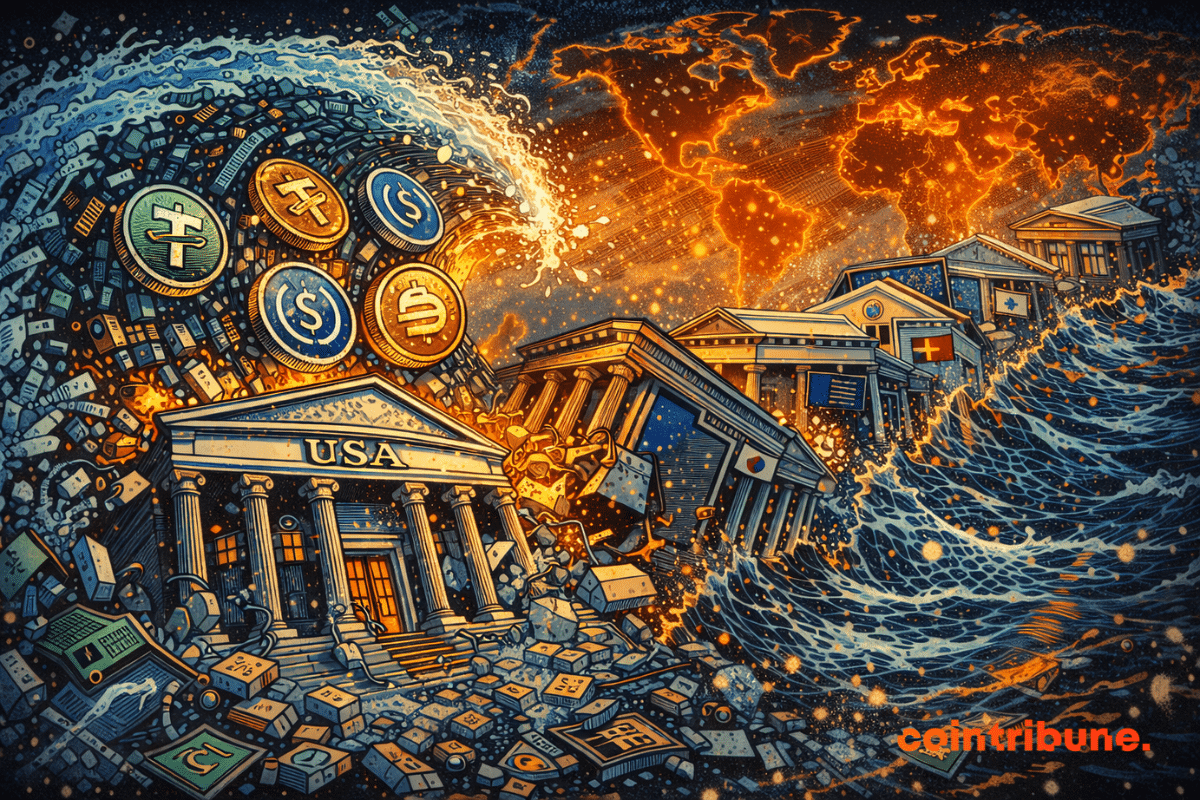
When crypto shakes Wall Street: Standard Chartered fears that stablecoins siphon off bank deposits. Subdued panic in glass towers and bankers' cafes.

Patrick Witt confirmed that Bitcoin seized from the Samourai Wallet case will remain in the U.S. Strategic Reserve, dispelling rumors of a government sell-off.

Gold and silver closed 2025 at record highs, and that rally has accelerated into early 2026. A combination of strong demand, constrained supply, and rising political uncertainty is driving investors toward precious metals. New concerns about central bank independence have further intensified buying pressure.
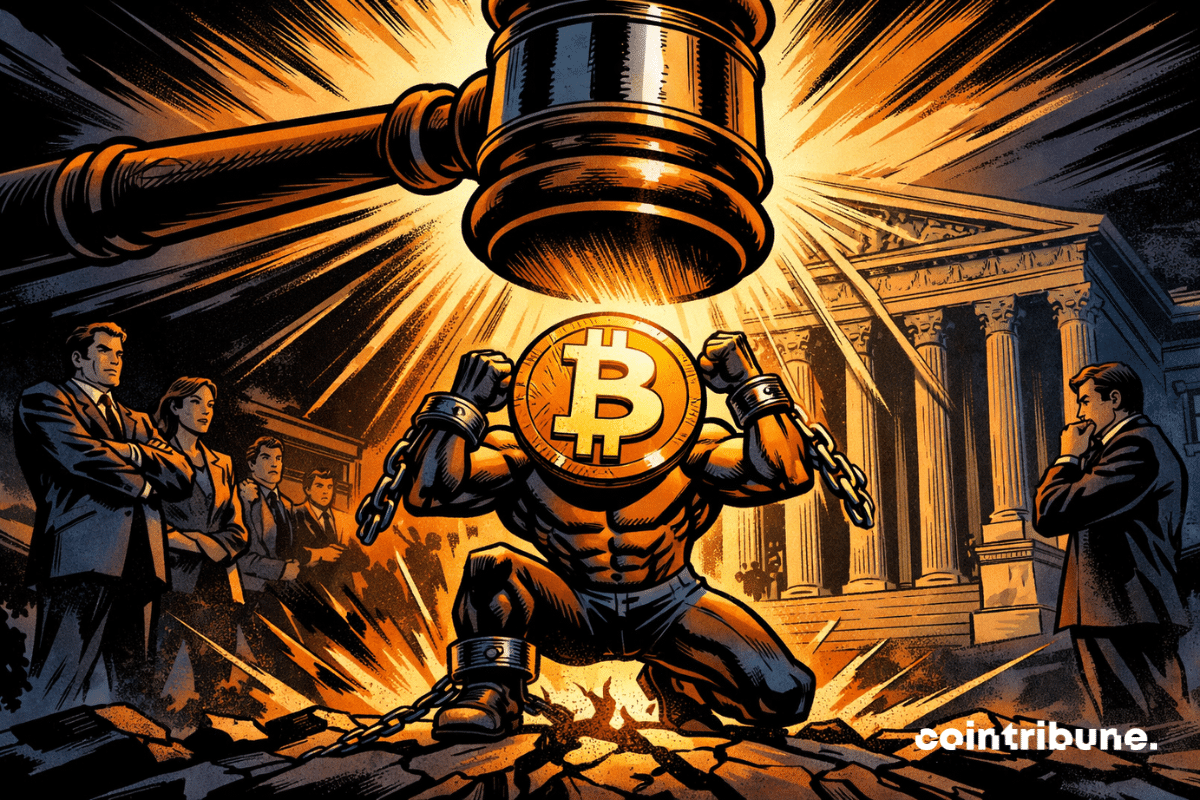
While the US Supreme Court plays the role of economic arbitrator, Bitcoin itself meditates at $90,000, like a tired crypto king waiting for a judge to revive its digital crown.
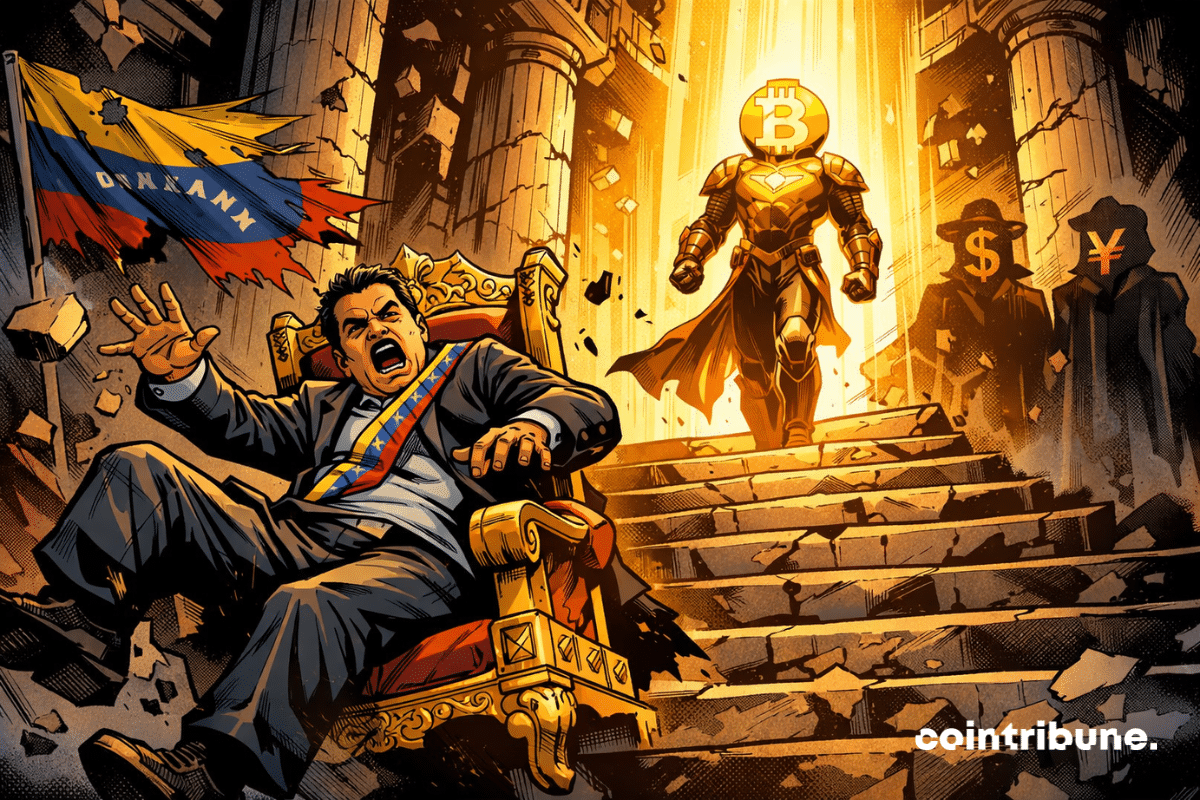
The dollar pulls the strings, Maduro falls, Kiyosaki philosophizes... and bitcoin rises! Simple coincidence? Not sure, but it's worth a little tour behind the scenes of oil.
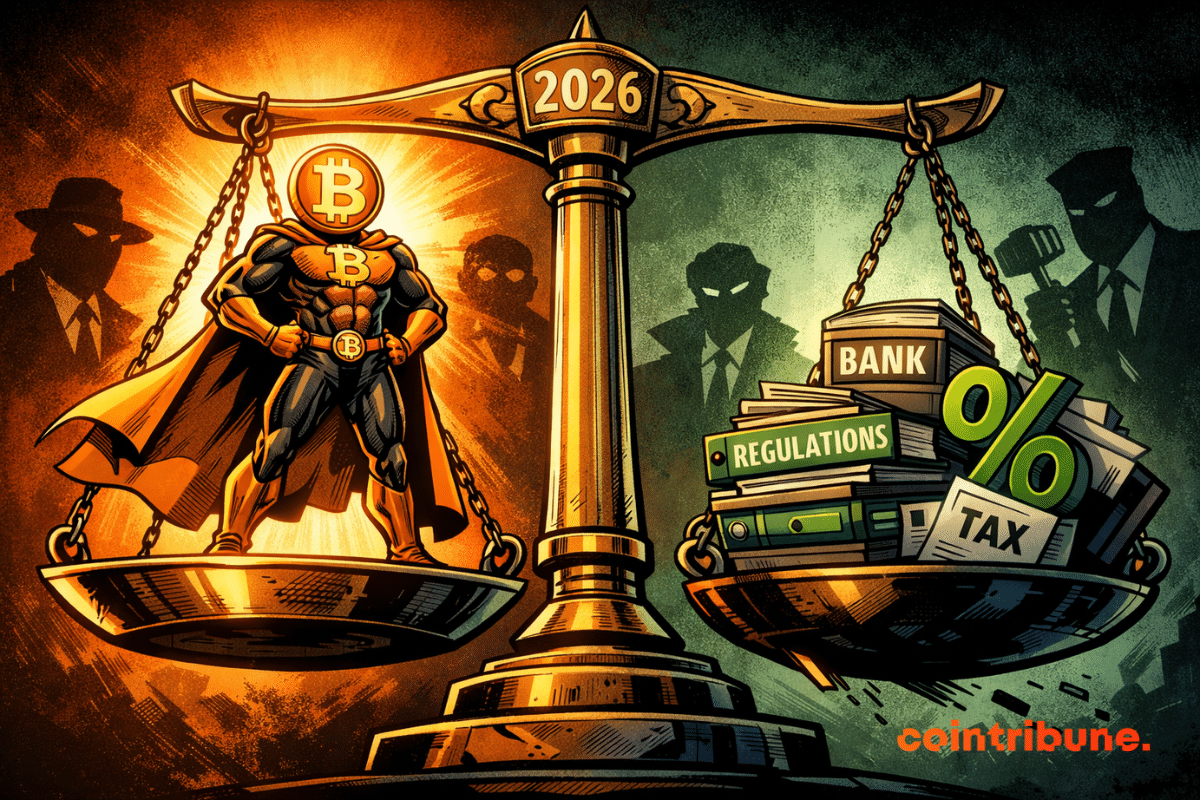
Is bitcoin climbing? Or plunging? Between juicy injections, cautious politicians and Harvard funds, 2026 promises a well-spiced crypto saga... with guaranteed suspense on the regulation front!
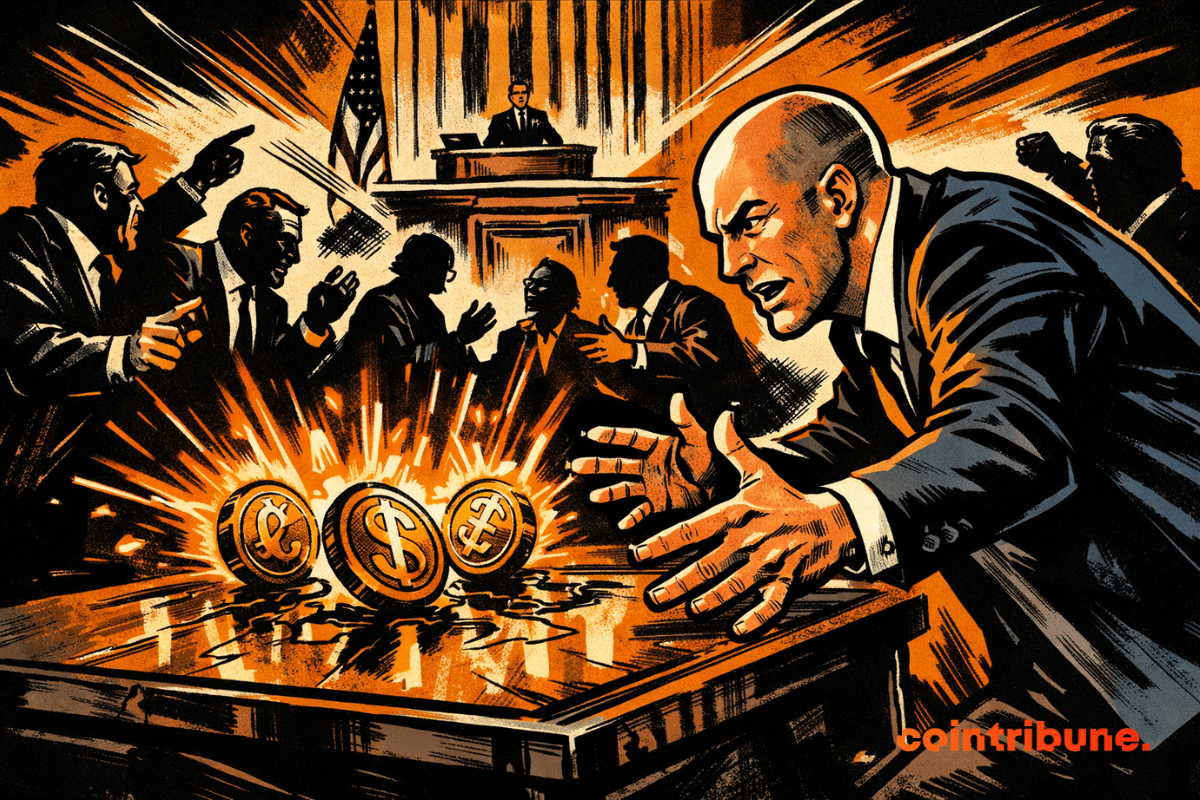
Coinbase CEO Brian Armstrong has warned US lawmakers against reopening the recently passed GENIUS Act, arguing that changes could reduce competition in the stablecoin market. He accused major banks of pushing Congress to weaken the law to protect their own interests. The comments come as debate grows over how stablecoins should be regulated in the United States.
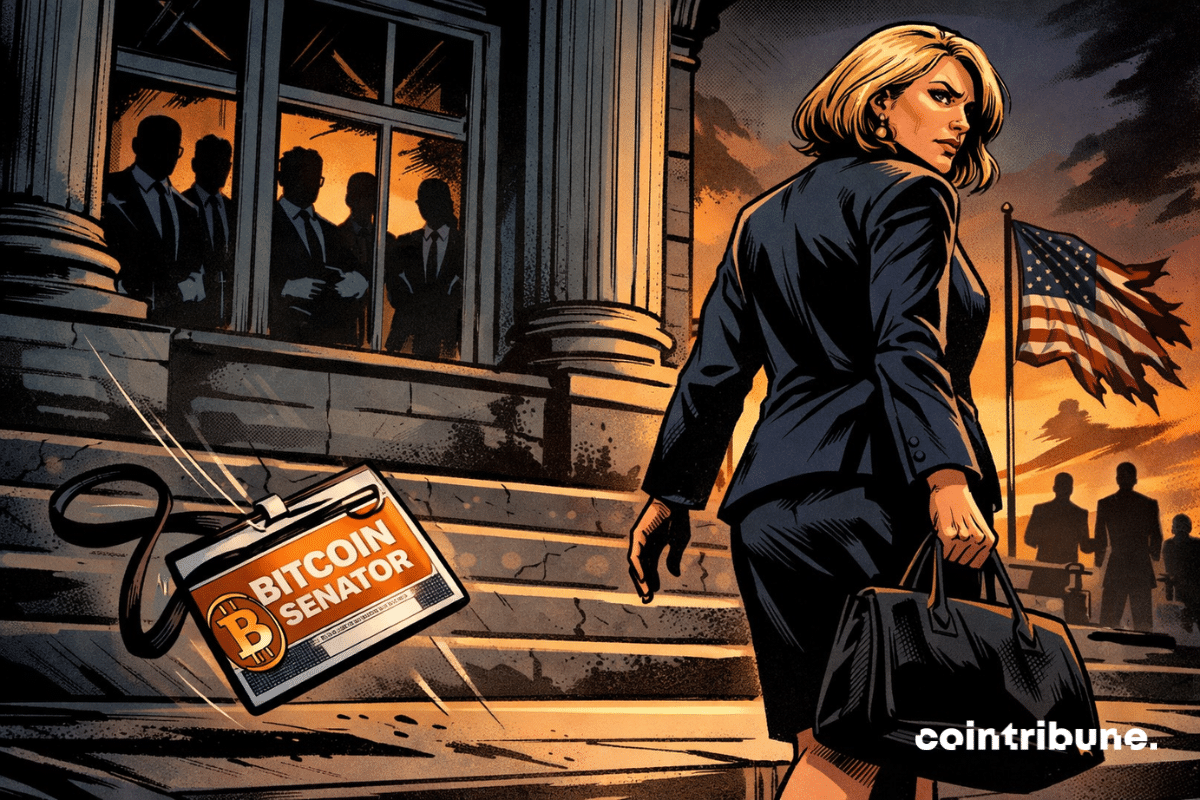
The Bitcoin Queen hangs up. Exhausted but clear-headed, Lummis leaves a void. Regulators, traders, and crypto lobbyists wonder: who will now whisper in the ears of senators?
While markets watch every macroeconomic signal to anticipate Fed movements, a major indicator just defied forecasts. The United States trade deficit fell by nearly 24% in one month. In a global context of high tension, between renegotiated tariff agreements and disrupted supply chains, this unexpected decline raises strategic issues. It could also influence capital flows, reshape economic balances, and strengthen interest in decentralized assets like bitcoin.

Growing U.S. interest in tightening oversight of offshore digital assets is gaining traction in Washington. Momentum is building as a proposed rule allowing the IRS to access data on Americans’ foreign crypto accounts moves into White House review. Signaling a stronger push to align U.S. tax policy with global reporting standards, the step places cooperation with foreign regulators closer to reality.
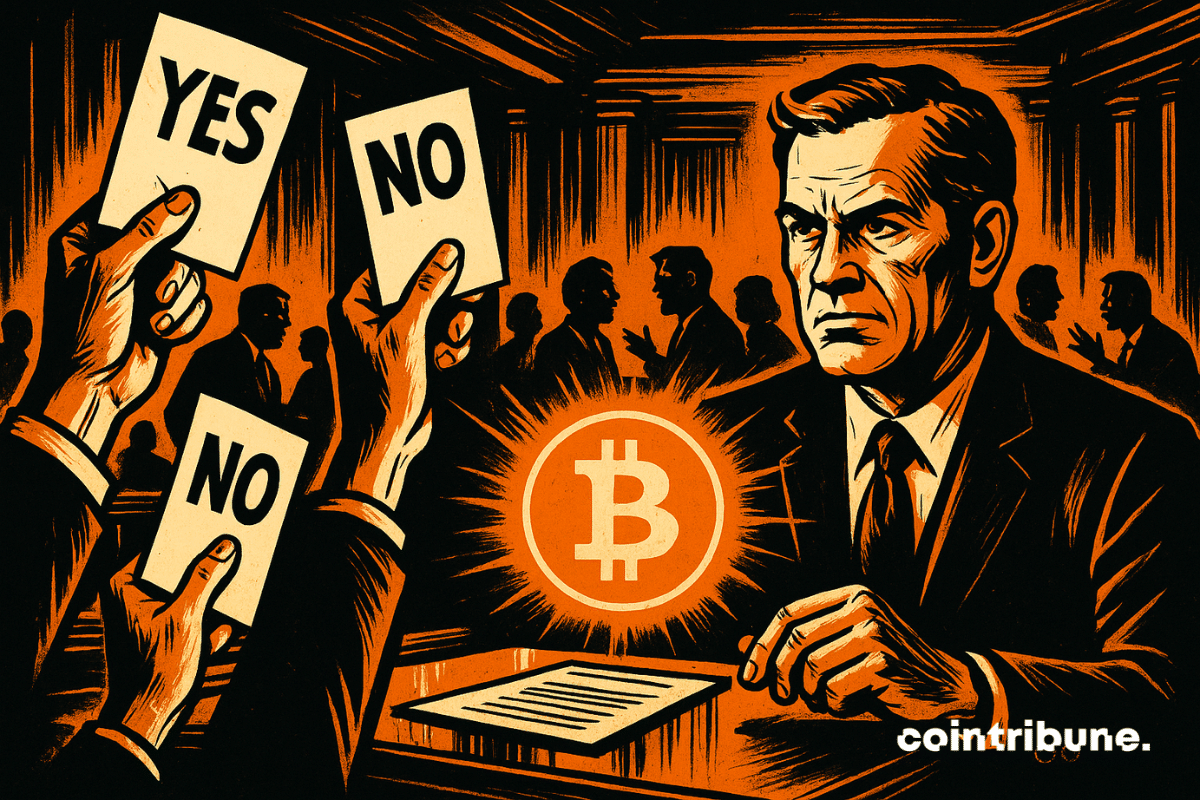
The United States government shutdown is nearing its fourth week, putting pressure on lawmakers to resolve the funding impasse while also addressing key issues in the digital assets sector. As the Senate prepares for another vote to reopen the government, Democratic senators are moving forward with plans to meet crypto executives to discuss the stalled market structure bill.
After one of the steepest selloffs in crypto history, digital assets have begun to recover. A renewed wave of buying has lifted both memecoins and major tokens, driven by easing tensions between the U.S. and China and a rebound in overall market sentiment.

Bitcoin collapses, Trump threatens, Beijing counterattacks, and cryptos suffer: meanwhile, Dogecoin still seeks a way out of the crisis. Should we laugh or buy?
When Washington hastily drafts a law, AI becomes a matter of state, crypto miners suffer, and exporters bite their nails. All this, just to stay first.
On the brink of a total shutdown, Washington shakes global markets. This Monday, September 29, the budget deadlock in the US Congress revives the specter of a shutdown as early as Wednesday, plunging investors and institutions into uncertainty. In an already uncertain climate, marked by central bank hesitations and the fragility of US indicators, this political stalemate raises fears of a major loss of visibility. Investors are repositioning urgently, between a flight to safe havens and anticipation of macroeconomic turbulence.

While some governments are struggling, Singapore and Dubai are fueling crypto. What if the finance of tomorrow came from... paradise islands obsessed with wallets?
The PCE inflation figures for the month of August, published this Friday, September 27, confirm apparent stability, with progress as expected. A key indicator for the Federal Reserve, the PCE remains above the target, while American consumption continues to surprise with its strength. In a context of monetary tension, these data maintain uncertainty about the future trajectory of interest rates.

Despite leading global crypto transactions, the majority of U.S. investors remain largely uninvolved, with just 14% holding digital assets.
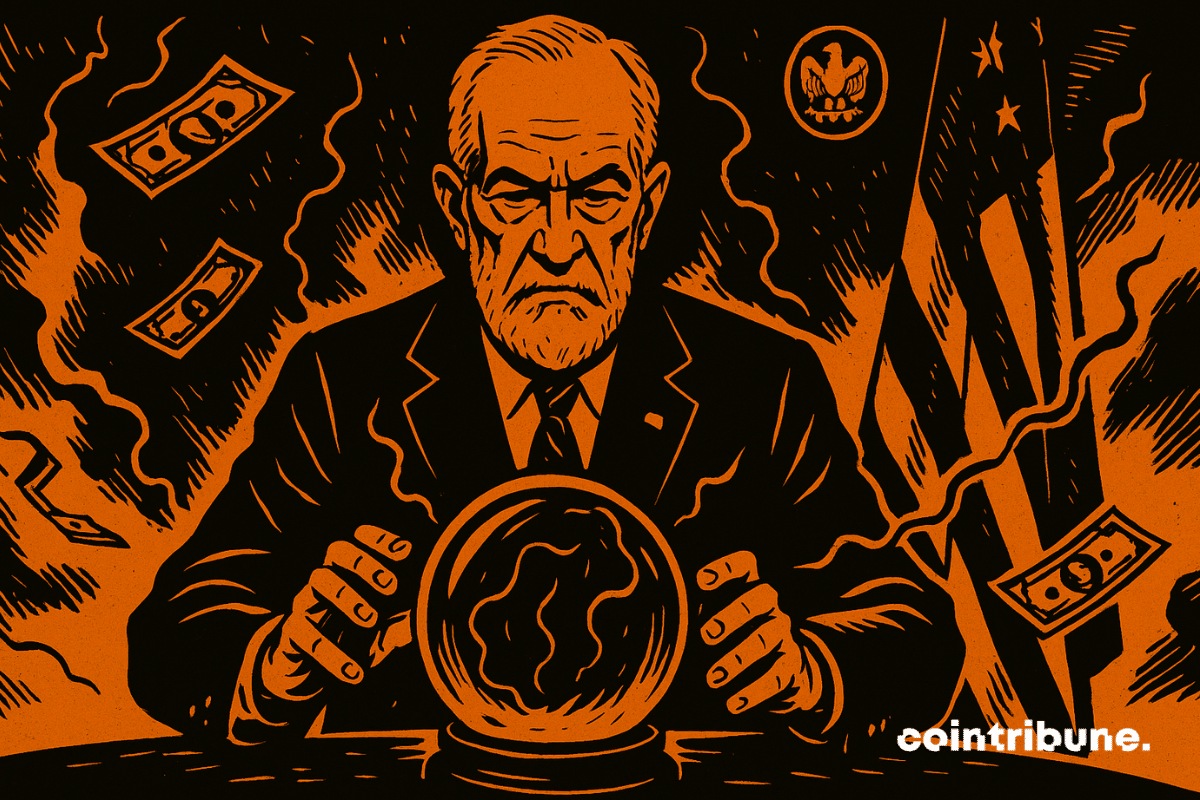
The Federal Reserve has made its decision, but without certainty. According to Jerome Powell, no interest rate adjustment will be without consequences. While several central banks have started a cycle of rate cuts, the Fed chairman warns of a strategic deadlock. In a context where inflation remains resilient and employment wavers, every decision becomes risky. A strong signal sent to the markets closely watching every word from the Fed as a decisive monetary turning point approaches.

On Monday, the U.S. and U.K. launched a new joint task force to improve cross-border capital flows into the crypto sector. The special alliance, aimed at strengthening ties between the two nations’ digital asset industries, will include regulators from both countries.

Promised for 2026, the digital euro is already causing waves: Lagarde sees sovereignty, Navarrete calls it a useless gadget, and banks fear a digital bank run.
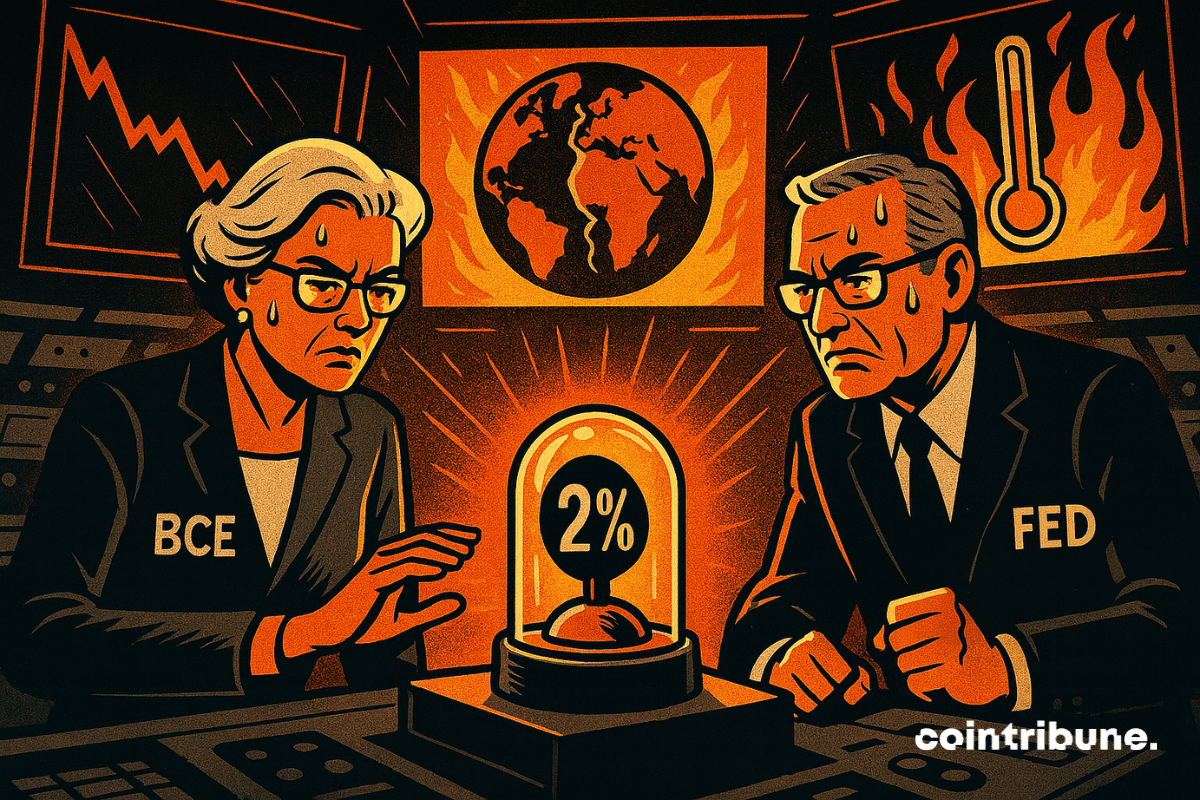
The ECB freezes its rates, the FED is preparing to cut them... What if, in this monetary ping-pong, it was ultimately the real economy that served as the lost ball?
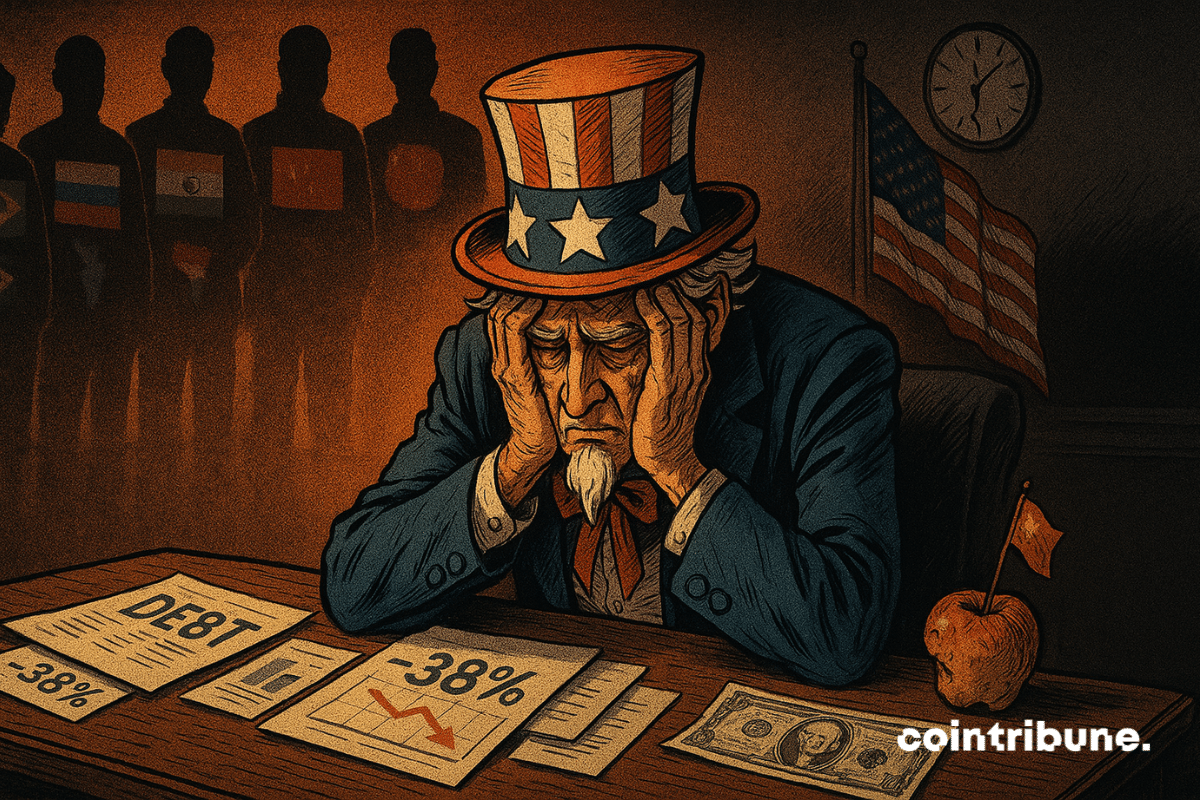
As economic tensions intensify between major powers, a dissenting voice challenges the dominant narrative in Washington. According to Boris Kopeikin, chief economist at the Stolypin Institute, the US trade deficit with China is not the result of a BRICS strategy, but rather a structural weakening of the American economy. This interpretation reignites the debate on the root causes of American imbalances in a world undergoing major reconfiguration.
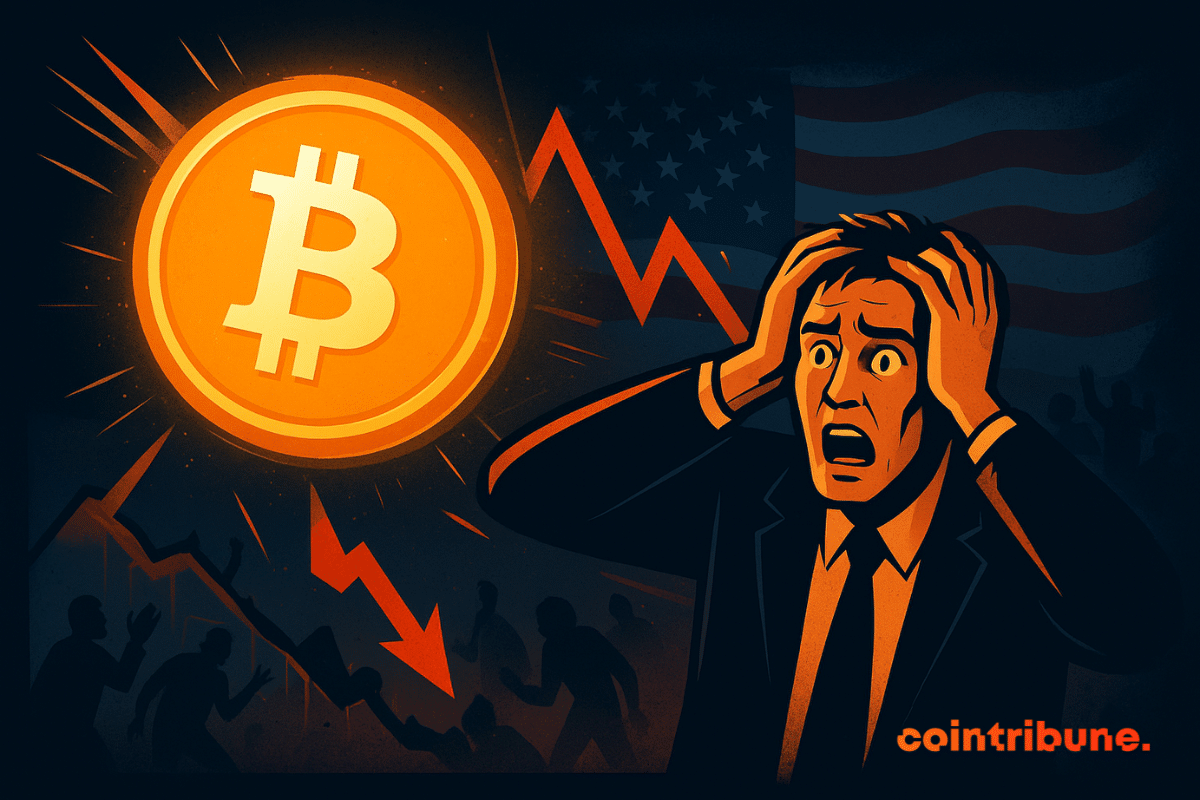
Reports from the U.S. labor market sent shockwaves through the financial markets, prompting risk assets like Bitcoin to experience sharp price swings. With job data for August coming in lower than expected, predictable alarms erupted regarding a looming recession, which could drive fresh appetite towards risk assets.
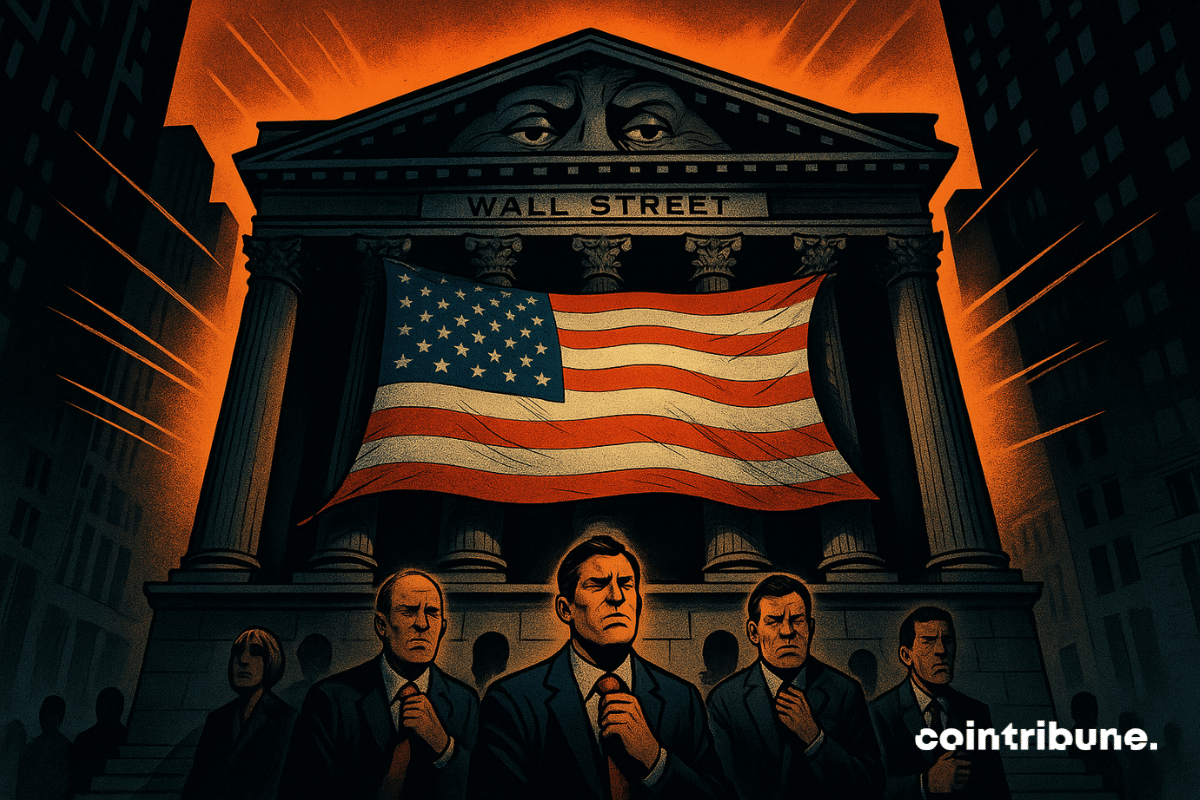
In the United States, the employment report expected this Friday, September 5, could seal the fate of interest rates. Markets, fueled by hopes of monetary easing, are watching for the slightest sign of weakness. However, the equation remains fragile: a slowdown sufficient to justify a rate cut, without reigniting fears of a sharp economic downturn.
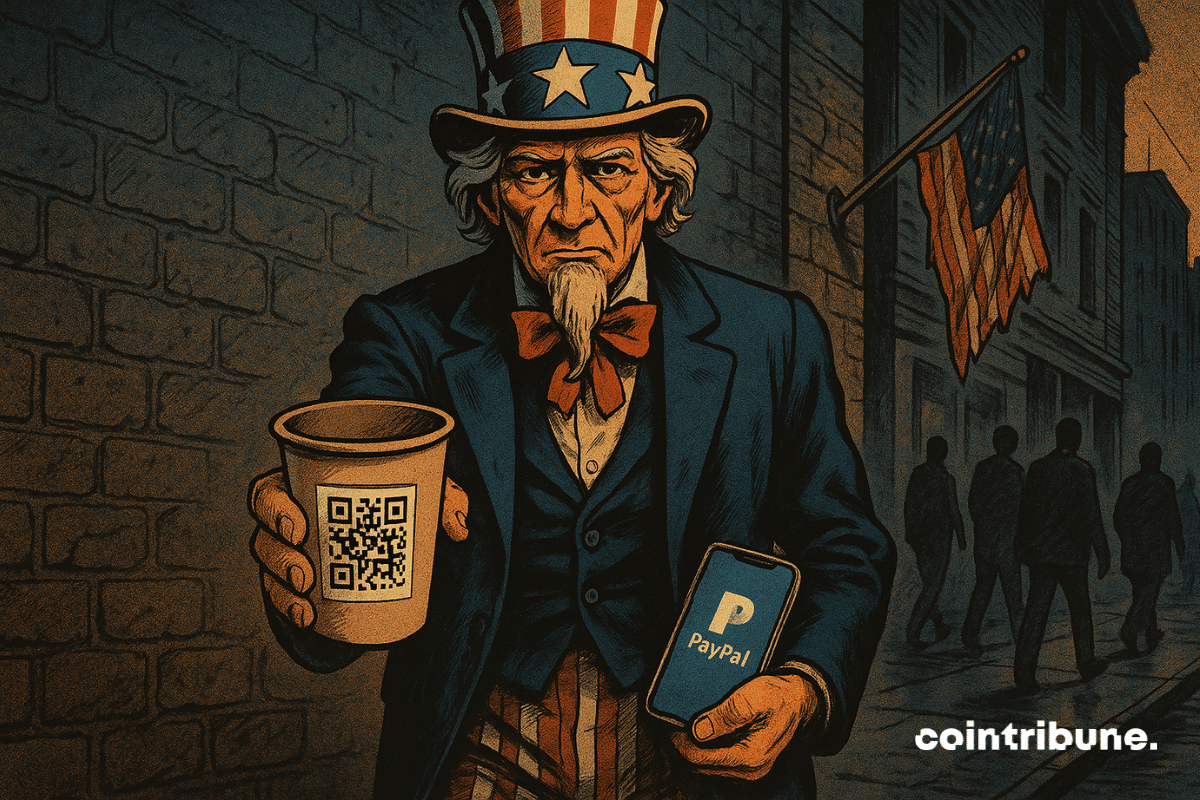
Pay the national debt with a simple click on Venmo and PayPal: an absurd idea? Not for the U.S. Treasury, which is now allowing citizens to voluntarily contribute to the $36.7 trillion federal debt via PayPal and Venmo. Integrated into the Pay.gov platform, this unexpected measure combines consumer technology and macroeconomic management in a gesture that is symbolically significant but heavy with meaning.

Donald Trump's announcement of 10% tariffs on BRICS countries reignites a strategic debate: are the United States risking, in their bid to defend their leadership, to accelerate de-dollarization? Behind this commercial offensive lies a deeper rift, where emerging powers seek to break away from the dominance of the greenback. As geo-economic tensions intensify, the question arises: is Washington not hastening the questioning of the monetary order it strives to preserve?
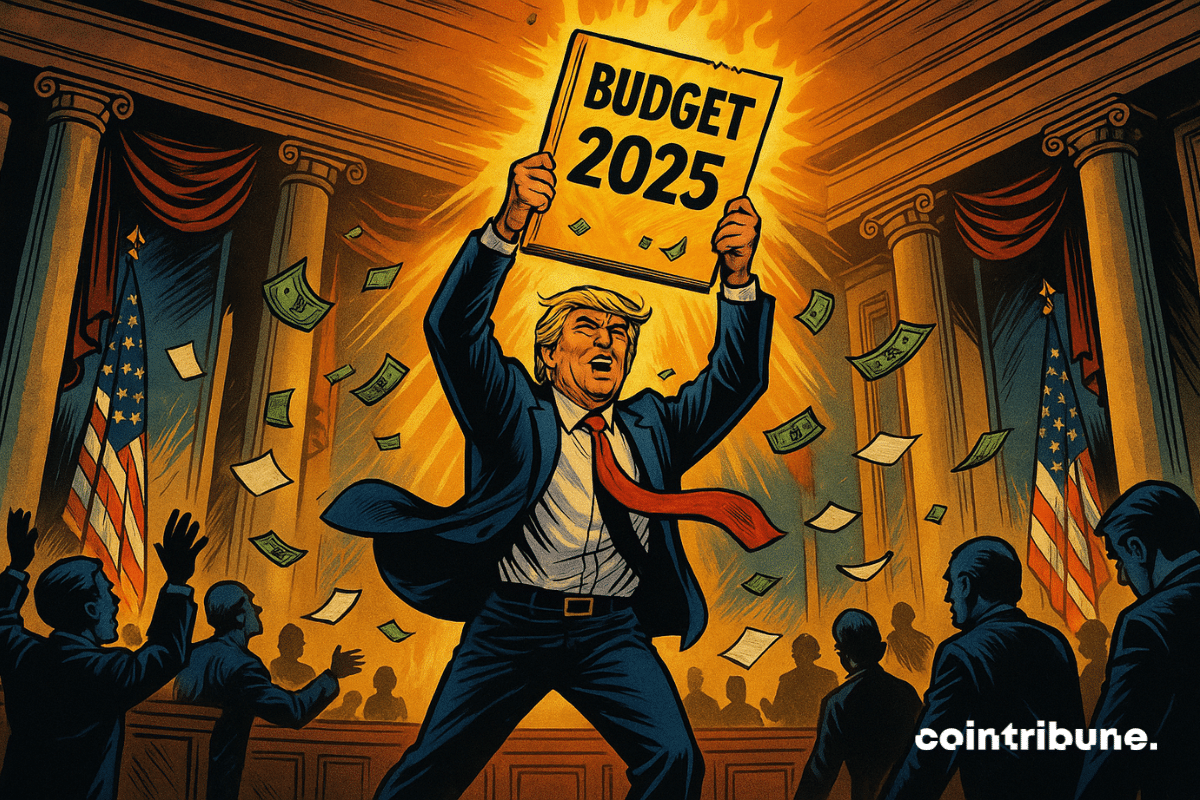
On the eve of July 4th, the U.S. Congress passed one of the most radical budget texts of the modern era. Championed by Donald Trump, this law reshapes America's economic priorities with massive tax cuts, social spending reductions, and a sharply rising debt. The vote, secured despite Republican fractures, marks a strategic turning point in the post-Biden era. More than just a budget, it is a political declaration that reshuffles the cards of power and reignites ideological tensions in Washington.
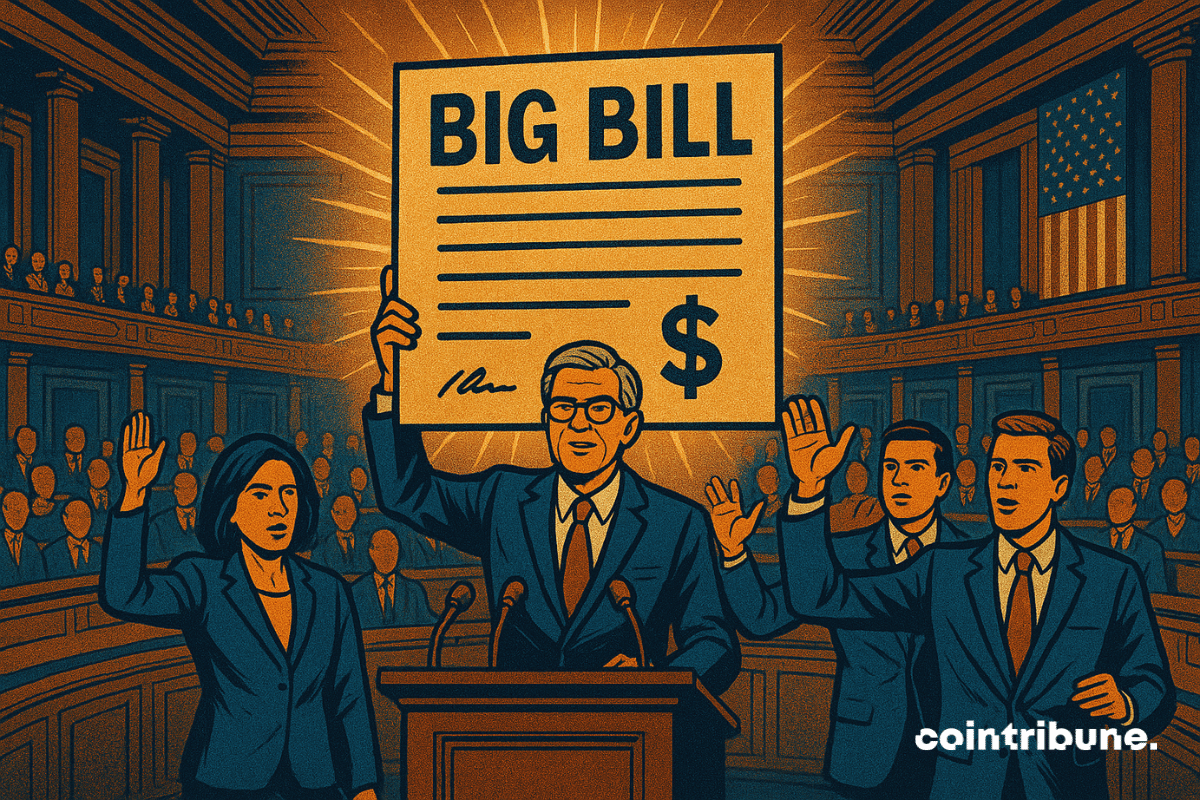
On June 17, the U.S. Senate passed the GENIUS Act, short for Guiding and Establishing National Innovation for U.S. Stablecoins Act, by a 68-30 bipartisan vote. If passed by the House and signed by the President, the bill would introduce the first comprehensive federal framework for regulating stablecoins in the United States.