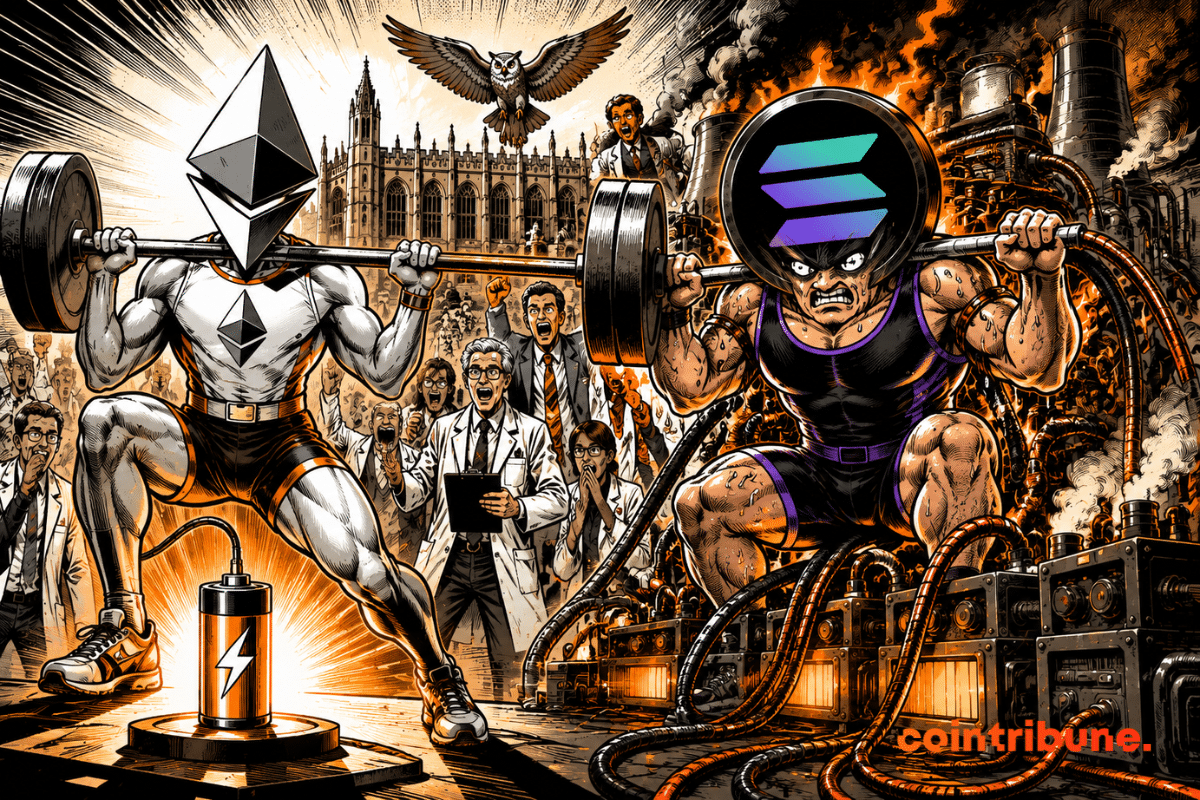
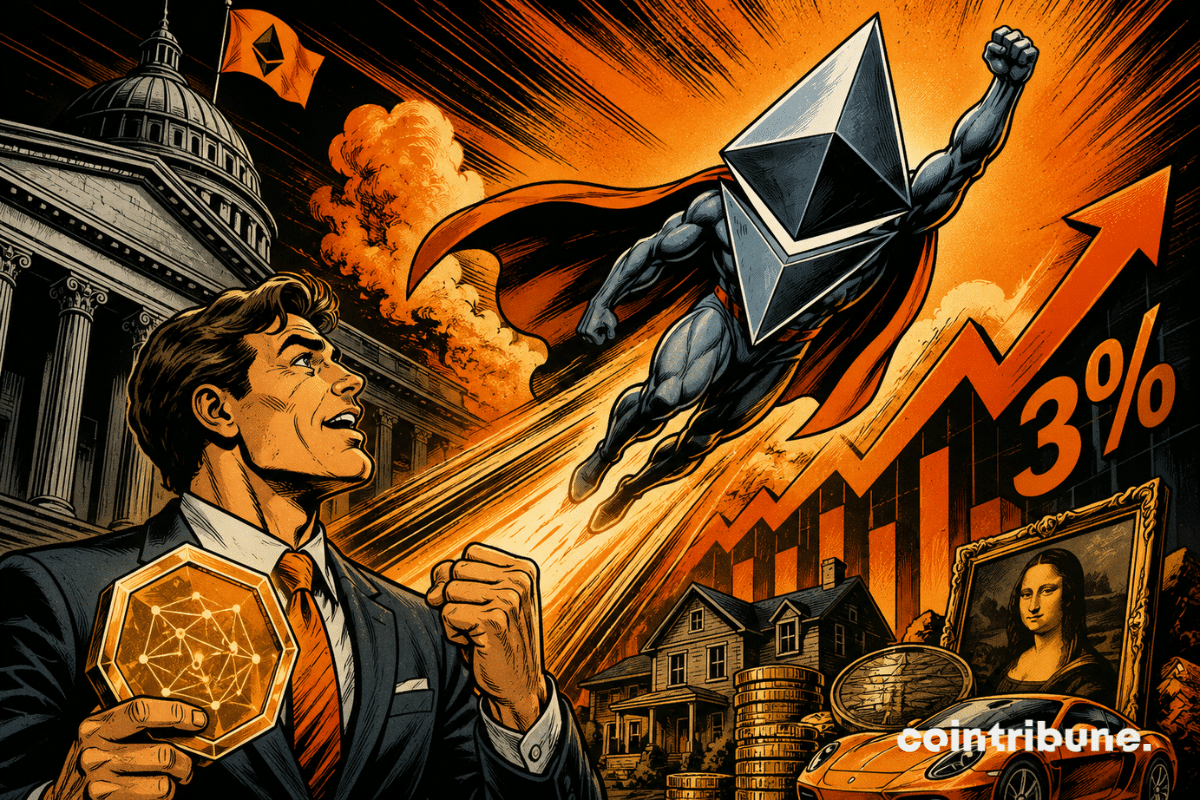
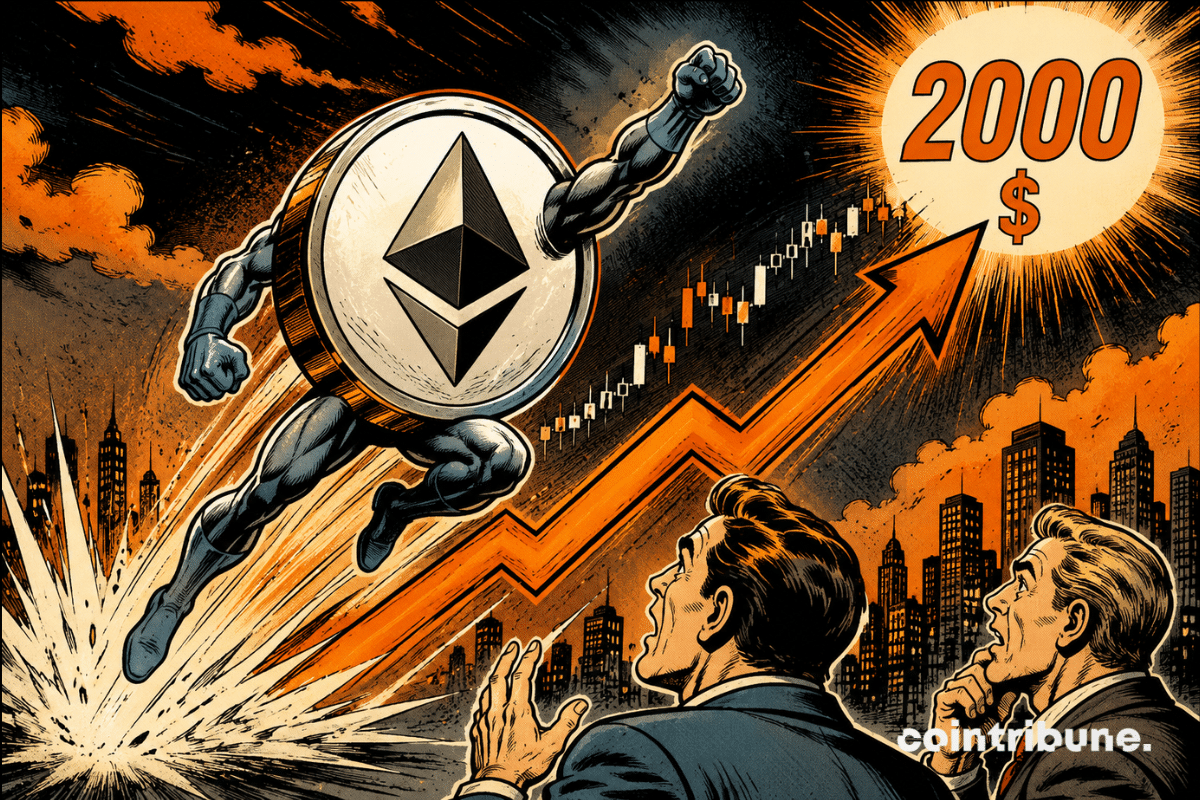
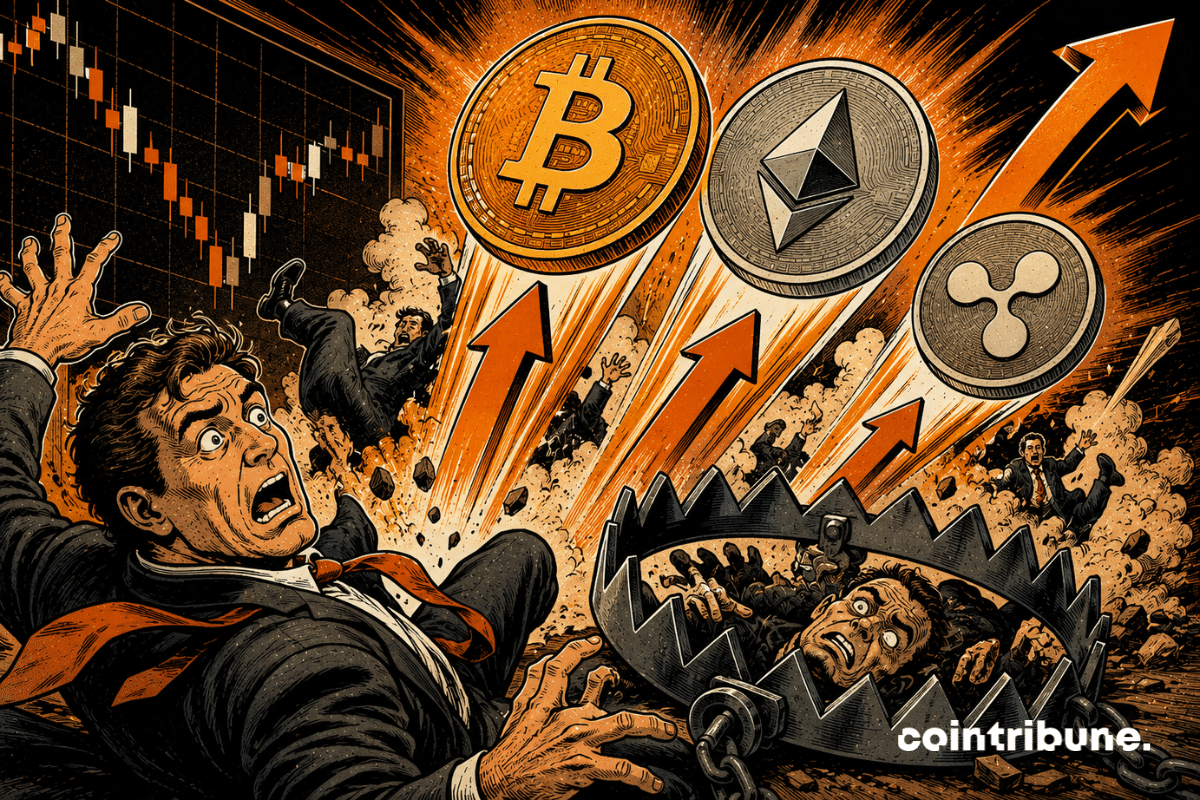
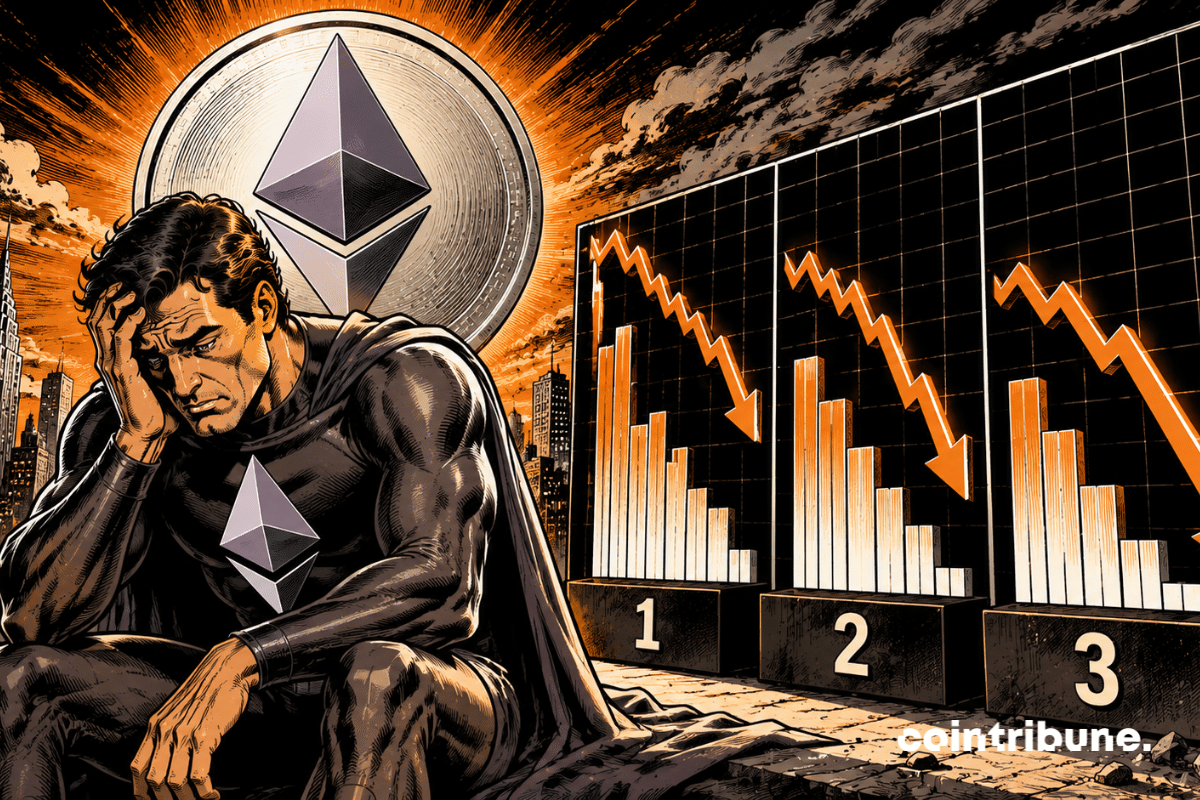
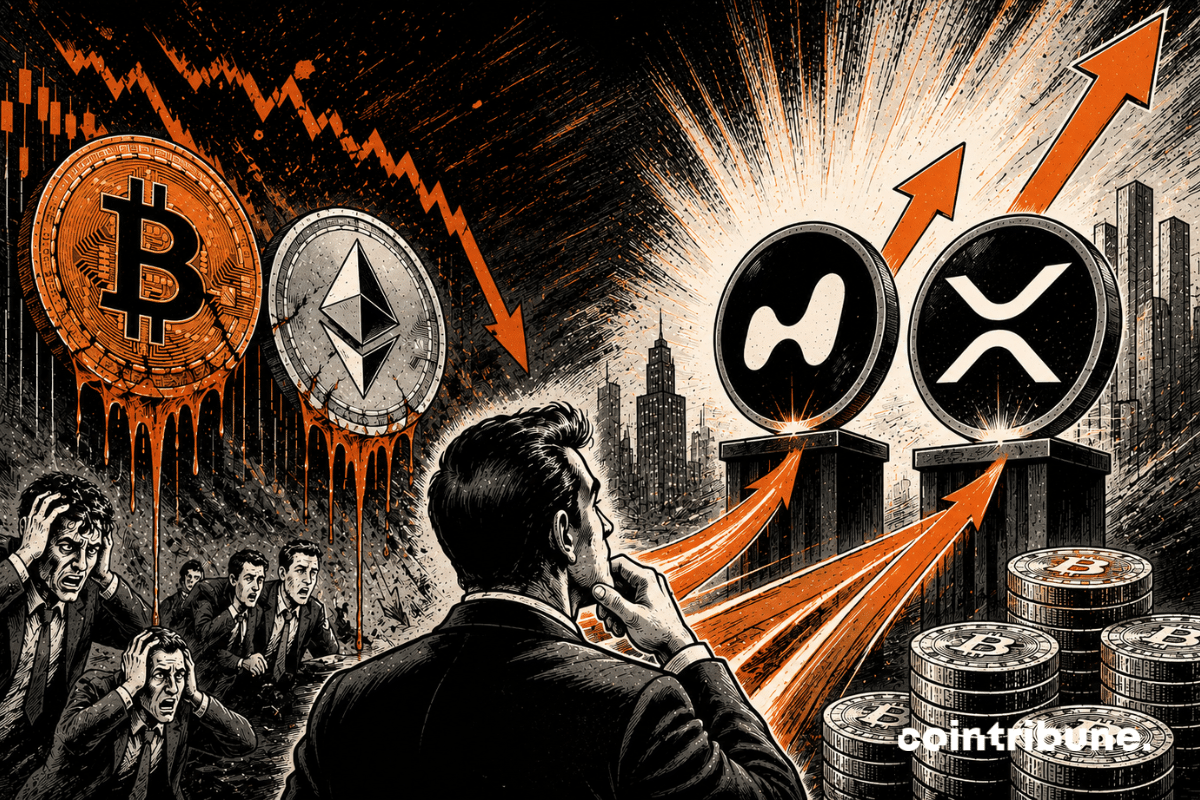
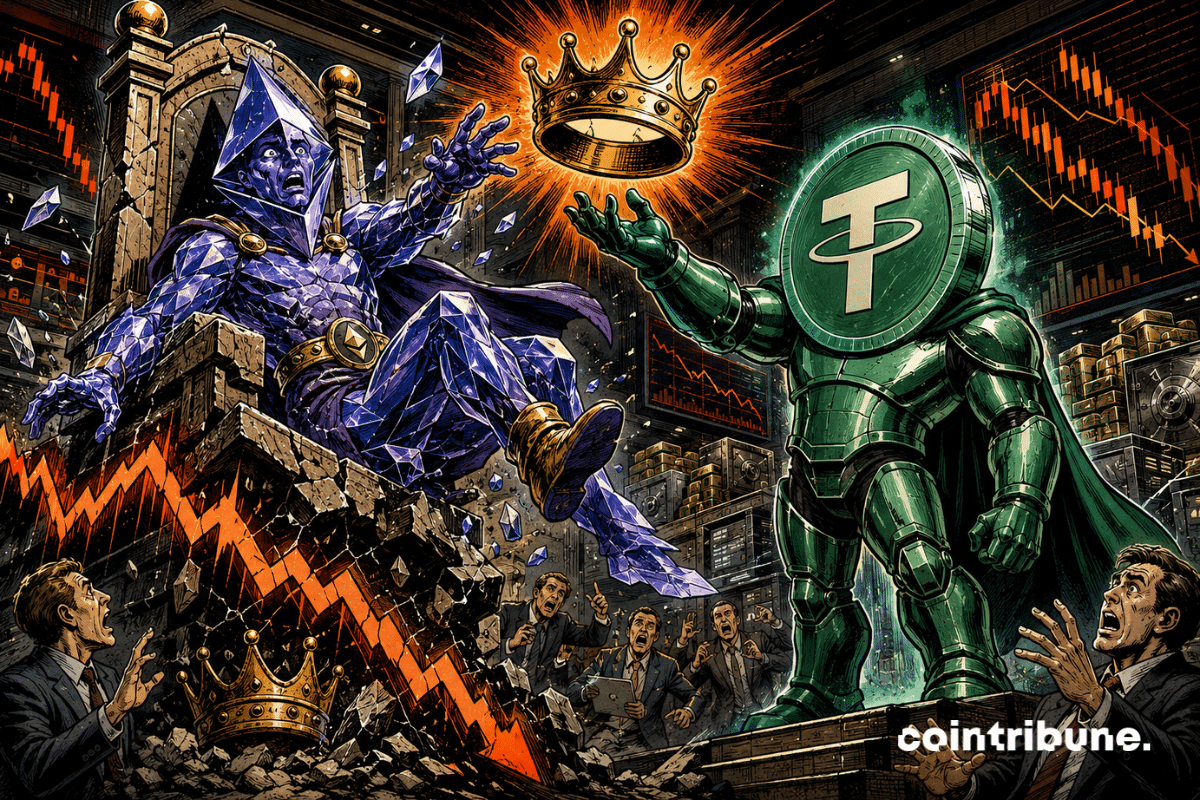
Ethereum just hit an unexpected record! The volume of aggressive buyers reaches its highest level in 3 years. Yet, the price of ETH barely holds above $2,100. Experts foresee a risk of a 19% drop…
The SEC throws in the towel. No more witch hunts. Mining, staking, airdrops breathe freely. Only "digital securities" remain in its sights. Wall Street applauds, the old guard cries scandal.
The crypto market often shifts without warning, and Ethereum provides a new demonstration of this. After a period of massive liquidations, a signal from Binance now captures the attention of the most seasoned traders. Behind this movement, one question arises: is a new liquidity cycle taking shape? Between leverage recovery and renewed activity, recent data outline a potential turning point for the market's second largest capitalization.
Robert Kiyosaki revives the scenario of a major crash with a prediction that is already shaking the crypto market. The author of "Rich Dad, Poor Dad" sees bitcoin reaching 750,000 dollars and Ethereum 95,000 dollars one year after a global financial crisis. Beyond the announcement effect, his statement raises a decisive question: what would alternative assets be worth if distrust towards the financial system suddenly worsened?
Tom Lee buys all the Ethereum he can, stakes, pockets 180 million per year, buys more, and also invests in OpenAI. The whales have doubled down.
The largest American bank reaches a decisive milestone. JPMorgan Chase now allows its institutional clients to pledge bitcoin and Ethereum to obtain loans. A decision that, seemingly technical, sends a strong signal to the entire global financial sector.
The Ethereum Foundation has just monetized a small part of its reserve. The operation remains limited in volume, but it says a lot about the Foundation's new financial discipline and the rise of crypto treasury companies.
The most used DeFi protocol in the world is going through an unprecedented turbulence zone. The deployment of Aave V4 on Ethereum, presented as a major breakthrough for the crypto ecosystem, has instead opened deep fractures within its own organization. Between dramatic departures, catastrophic transaction and governance war, Aave is currently playing one of the most delicate parts of its history.
The interest of institutional investors in cryptos continues to grow, but not all assets enjoy the same enthusiasm. As crypto ETFs multiply, the strategies of traditional finance giants offer valuable insight into market priorities. BlackRock, the world’s largest asset manager, has just provided a clear answer: for the vast majority of investors, two assets dominate flows. According to the company, most demand for crypto ETFs is now concentrated on bitcoin and Ethereum, while other cryptos remain largely behind.
On-chain data suggests a possible bullish move for Ethereum. Investor accumulation analysis reveals a low resistance area that could pave the way to 2,800 dollars if certain technical levels are breached. This setup is based on the purchase price distribution of ETH holders. Yet, derivative markets send a more cautious signal. Between accumulation momentum and trader hesitation, Ethereum is entering a decisive phase of its market cycle.
Address poisoning attacks on Ethereum have already caused losses exceeding 80 million dollars. CZ, the head of Binance, accuses Etherscan of not protecting crypto users enough. Who is responsible? Discover the solutions to avoid becoming the next victim.
BlackRock’s Ethereum staking ETF records an impressive trading volume of 15.5 million dollars on its first day on Nasdaq. Why is this launch a game-changer for investors? Discover the secrets of this rapid success and its implications for the crypto market.
A crypto trader just lost nearly $50M on Aave after a bot error. This spectacular liquidation shakes the DeFi ecosystem.
BlackRock has just launched an Ethereum ETF with staking on Nasdaq, a first that allows investors to generate passive income while benefiting from the rise of ETH. With reduced fees and simplified access, this product could well redefine crypto investment in 2026.
Sharplink loses $734 million in 2025 but massively accumulates ETH. Madness or genius? Discover why this bold strategy could redefine crypto investing in 2026, and what it means for your portfolio.
Optimism cuts more than one-fifth of its jobs. The crypto market immediately reacts to this announcement. All the details here!
Address poisons have stolen 500 million. Trust Wallet responds with an anti-copy-paste shield. Finally some good news.
Vitalik Buterin pushes a simple idea in appearance, but heavy with consequences for crypto: making Ether staking almost as easy to start as software. Behind this ambition, there is a clear objective. To bring more institutional players into staking without reinforcing the technical concentration of the network.
American spot Bitcoin ETFs posted a strong recovery on Monday with $167 million in net inflows. Meanwhile, Ether, XRP, and Solana funds saw a third consecutive day of outflows. A gap is widening, revealing much about institutional investors’ mindset.
BitMine is clearly accelerating on Ethereum (ETH). The company has added 60,976 ETH to its reserves, bringing its total stock to about 4.5 million ETH. This move confirms a simple strategy: to bet stronger on Ethereum crypto just as the market tries to exit a weakness phase.
The co-founder of Ethereum had never expressed things with such frankness before. In a message that immediately sparked a reaction from the crypto community, Vitalik Buterin publicly acknowledges the limitations of his own creation. Behind this unexpected mea culpa lies a vision much more strategic than it seems.
Ether reserves on trading platforms have just reached a multi-year low. In a few weeks, millions of ETH have left centralized exchanges, reducing the supply immediately available for trading. This movement occurs while the price hovers around 2,000 dollars, in a market searching for direction. Such a contraction of reserves changes the balance between liquidity, selling pressure, and accumulation dynamics.
Tokenized real assets on Ethereum now exceed 15 billion dollars, largely driven by the rise of tokenized gold. Behind this figure, a deeper movement is visible. Crypto no longer just "creates tokens." It begins to package traditional assets in a 24/7 usable, transferable, and divisible format. And Ethereum establishes itself as the main track.
After five consecutive weeks of massive outflows, crypto investment products have made a spectacular reversal. More than one billion dollars flowed in a single week, restoring hope to a pressured market. Does this rebound mark a real change of direction or is it just a temporary lull?
Tom Lee's ether treasury company is not slowing down. Bitmine Immersion Technologies has just announced a massive purchase of ether, consolidating its position among the largest institutional holders of the world's second largest crypto. A strategy that raises questions and comes at a time when Ethereum is showing signs of awakening.
Centralized crypto markets are under sustained pressure amid ongoing spot trading contraction. For five consecutive months, volumes across major exchanges have declined, signaling weaker participation and a clear reduction in speculative appetite. A large liquidation event in October accelerated this slowdown, impacting both spot and derivatives markets. Although January saw a brief rebound, overall activity remains far below prior cycle highs.
After a historic low, Ethereum holders show a marked return of confidence. Could this rebound in retention after 4 years of decline signal a new era for ETH?
Ethereum is undertaking a historic transformation to face the quantum era. By rethinking its consensus, signatures, and wallet security, the network aims to guarantee complete protection of digital assets for decades to come.
Ether is going through a lean period. After a plunge of more than 31% in one month, the second largest crypto in the world seems doomed to stall. And according to a leading analyst, this lull could last.
Millions still lack basic financial tools. Ethereum’s global reach offers a different path. Could a blockchain network meaningfully support people that the traditional system overlooks? Rising on-chain activity and stronger utility across the Ethereums Ecosystem suggest that the conversation is shifting.