After the release of US inflation data, crypto liquidations reached 562 million dollars. Bitcoin dropped to 76651 dollars, while long positions bore most of the losses.
Over the past week, about 5.23 million BTC have been held by bitcoin whales. Their waiting precedes many decisions capable of moving the price out of its range between 77500 and 80000 dollars.
Kevin Warsh believes that artificial intelligence is likely to permanently change the growth potential of the United States. In his first speech at Jackson Hole as Federal Reserve chairman, he described the current period as a "turning point in history." However, he admits that the Fed still does not know when productivity gains will appear, how employment will progress, and which companies will capture the created value. These questions therefore do not yet influence rate decisions.
The release of US inflation data on August 12 did not provide markets with the much-expected positive signal. Indeed, there is a slowdown in price increases, not forgetting the Fed's reservations about the economic trajectory. Bitcoin investors hesitate to adopt an aggressive accumulation policy. The crypto market thus remains dependent on upcoming economic data and, above all, on how the Federal Reserve chooses to interpret them.
Financial markets are hitting record highs, gold regains its safe haven status, but bitcoin remains stuck below $65,000. This inertia contrasts with the euphoria seen in traditional assets and fuels investors' questions. Indeed, the return of stagflation fears in the United States, persistent tensions in the Middle East, and a more uncertain macroeconomic environment blur the benchmarks. Why does the leading crypto remain aside while other markets advance? This divergence could signal a turning point for the market.
The constant interaction between traditional macroeconomics and the crypto market has just passed a new decisive milestone on an international scale. While the US Federal Reserve (Fed) has maintained a strict monetary policy for months, the release of the latest economic indicators has shaken all investors' certainties. On Tuesday, July 14, at the opening of the Wall Street session, the price of the leading crypto recorded an upward impulse, once again crossing the major psychological resistance of $64,000. This responsiveness reveals the persistent dependence of assets on US macroeconomic data, particularly inflation trends.
Kiyosaki has been predicting the end of the financial world for fifty years, but this time he says it's the real one. His miracle cure? Gold, silver, oil, and bitcoin.
The price of bitcoin climbs nearly 7% in a week, driven by inflation expectations in the United States. All the figures here.
Markets did not wait long to react. Faced with weaker US economic indicators, investors immediately strengthened their positions on gold, reigniting the rise of the precious metal. Behind this movement is a major shift in perspective: expectations around the Federal Reserve’s upcoming decisions are evolving, weakening the dollar and reshuffling the deck for all financial assets. From precious metals to cryptos, this new reading of the American economic landscape could redefine investors’ strategies in the weeks ahead.
This Wednesday, June 17, a macroeconomic turning point occurred, symbolized by the capitulation of gold which lost more than 40 dollars an ounce, and by the drop of bitcoin below the threshold of 65,500 dollars. This reaction follows the Fed's forecasts, whose restrictive tone surprised investors who hoped for easing.
Financial markets beat to the rhythm of an indicator whose slightest variation can upset investors' forecasts. While many observers were betting on a continued decline in US inflation in 2026, the latest data published in the United States leads to think the opposite. The return of a significant price increase calls into question several economic scenarios that still seemed credible a few weeks ago.
While Trump plays the tough guy, BlackRock senses trouble. Oil, inflation, bitcoin: the trilogy that can blow everything up.
The American job market continues to defy predictions. While investors look for the slightest clue on the next trajectory of Federal Reserve rates, the May employment report reinforced the idea of an economy still solid. A reading shared by Beth Hammack, president of the Cleveland Fed, who judges the labor market to be overall balanced and estimates that the economy remains near full employment. Such statements could weigh on monetary expectations for the coming months.
The US Federal Reserve opens a new chapter at a time when markets doubt the trajectory of rates and the strength of the dollar. Kevin Warsh has officially taken the helm of the Fed after unanimous support from the FOMC, a nomination already scrutinized far beyond Wall Street. The former central bank governor has indeed distinguished himself with rare statements on bitcoin, which he considers an asset capable of becoming "a durable store of value, like gold."
American inflation accelerates again. In April, the price increase reached 3.8% year-on-year, its highest level in three years. The surge in energy costs, fueled by tensions around Iran and disruptions in the Strait of Hormuz, is beginning to weigh on the American economy. This rise now complicates the outlook for Federal Reserve rate cuts and revives tensions in the financial markets.
Powell keeps rates frozen, markets sweat, and crypto slides quietly. Oil rises, inflation bites, and the Fed watches calmly while investors wonder who really controls the game now.
Bitcoin reaches 73,000 dollars amid a mixed macroeconomic context. The latest US inflation data signal a moderate price increase but mask a historic surge in energy costs. This gap fuels an uncertain market reading, between apparent stability and underlying tensions.
Bitcoin falls back below 66,000 dollars, driven by a shock from energy markets. The rise in oil revives inflationary tensions and reshuffles the cards of monetary expectations. This movement recalls a now well-established reality: cryptos evolve in close correlation with macroeconomic dynamics. In this context, investors adjust their exposure to a more uncertain environment.
Warsh likes Bitcoin, hates high rates, and frequents Stanford. Senators, meanwhile, like investigations and blockades. Trump is keeping his fingers crossed.
Bitcoin is going through a moment of truth. As American inflation slows significantly, the main argument supporting its legitimacy, that of a hedge against monetary erosion, falters. The latest consumer price figures reshuffle the cards and force investors to reconsider their exposure to BTC. Between macroeconomic improvement, persistent volatility, and strategic questions, bitcoin's value proposition enters a phase of redefinition.
The lady who manages billions says: AI will break everything, prices will collapse. Central bankers are in the dark. Her solution? Bitcoin, obviously.
Friday the 13th, lucky day? Bitcoin flirts with its record driven by inflation. The Fed does not move. Truflation already knew. Atmosphere.
The official figures of American inflation are directly opposed to those of alternative indicators. While the Fed is cautious about a possible monetary pivot, independent data suggest that real inflation would already be well below the 2% mark. This discrepancy raises doubts about the relevance of the tools used by the authorities and could disrupt market expectations, especially in the crypto ecosystem, where every macroeconomic signal is closely scrutinized.
Stablecoin adoption is rising across Africa as individuals and businesses search for faster cross-border payments and protection from rising prices. Speaking at the World Economic Forum in Davos, economist Vera Songwe said stablecoins are filling gaps left by costly remittance systems and weak local currencies. Growing usage is also drawing closer attention from regulators across the continent.
Crash or simple pause? Bitcoin drops while gold rises. The refuge asset duel intensifies. Details here!
If we start looking at the price of bitcoin from the perspective of "adjustment," aren't we simply recreating the same system? Aren't we, by thinking in terms of seasonal adjustments, becoming the new central bankers?
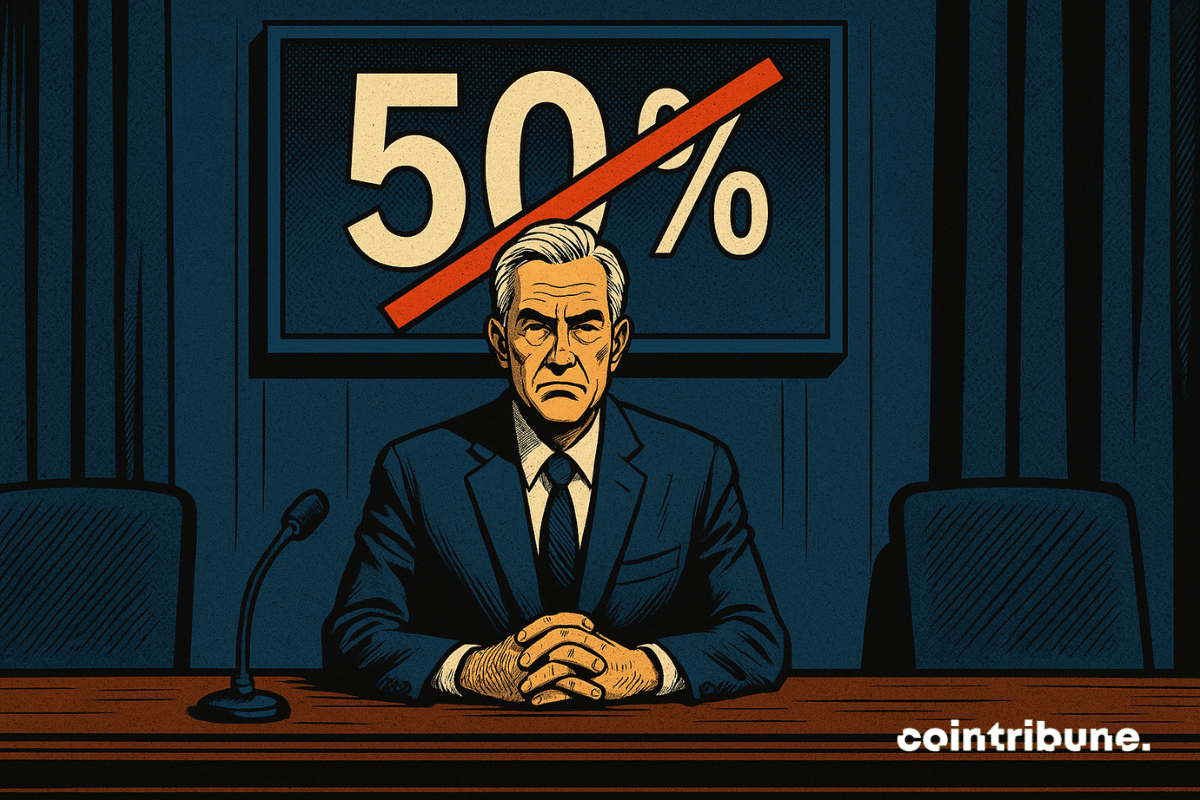
Markets hate unpredictability. Yet, within a few days, their certainties collapsed. The probability of a rate cut by the Fed in December, previously the majority view, is now below 50%. This abrupt change of direction has revived tensions across all asset classes. In the crypto ecosystem, already severely tested by a corrective phase, this resurgence of uncertainty acts as a catalyst for volatility.
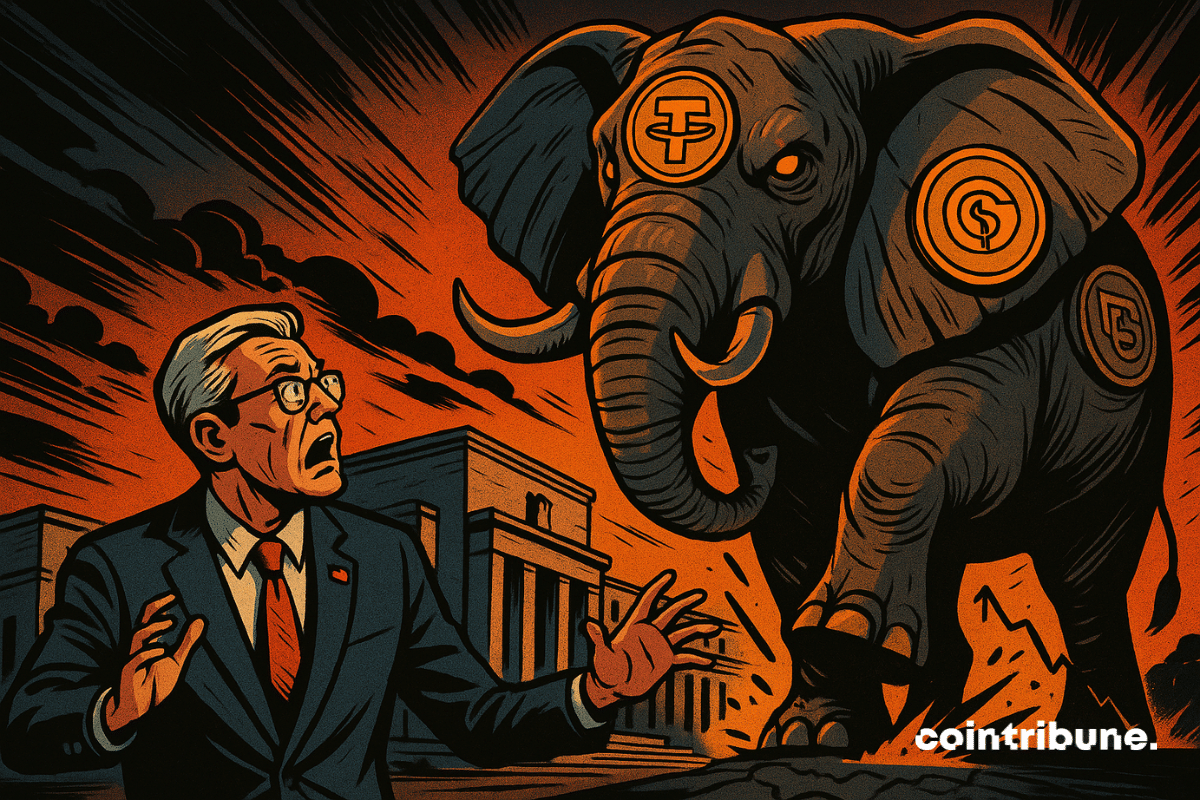
When crypto plays central banker, the Fed sweats under its suit. Stablecoins, hidden treasures, and plummeting rates: guess who really runs the world?
A prolonged U.S. government shutdown has created a rare information void just as financial markets seek clarity. Investors are awaiting the Federal Reserve’s next rate decision with limited insight, while lawmakers continue advancing cryptocurrency legislation despite widespread staffing delays.
A drop in inflation figures, and here come the traders again. Bitcoin rejoices, ETPs swell. Who said the crypto market lived only on rumors?