
Fri 24 Jul 2026 ▪
6 min read
▪
by
Gold rebounds after a 26% drop. Fund managers consider it undervalued for the first time since March 2023. Complete analysis.
Gold rebounds after a 26% drop. Fund managers consider it undervalued for the first time since March 2023. Complete analysis.

Bitget has moved into the top tier of TradFi-linked crypto trading after generating nearly $70 billion in TradFi perpetual volume in Q2 2026. The TokenInsight report shows a clear shift: tokenized stocks, commodities and real-world assets are no longer side experiments for exchanges. They are becoming a serious battleground for liquidity, market share and product depth.

Bitcoin: The supply held by long-term investors has just reached a record of 16.64 million BTC. Full analysis!

US spot Bitcoin ETFs have just attracted about $930 million over six consecutive sessions. This streak, the longest since April, signals a cautious return of institutional capital towards BTC. The market remains fragile, but selling pressure is easing as Bitcoin tries to hold above $65,000.

Bitget is strengthening its developer infrastructure through a new Siebly.io SDK integration. The collaboration gives algorithmic traders faster access to Bitget’s spot, futures, copy trading and market data systems. It also supports the exchange’s wider Universal Exchange strategy, where trading tools must work across more assets, more accounts and more execution styles.

The World Cup final delivered its verdict on the field. On prediction markets, it marked the end of a speculative frenzy worth several billion dollars. After Spain's victory over Argentina (1-0), the combined open interest of Kalshi and Polymarket fell by nearly 20% from its peak of about 2 billion dollars reached in early July. This sharp decline reveals the dependence of prediction platforms on major media events and reignites the debate about their ability to maintain user engagement outside global events.
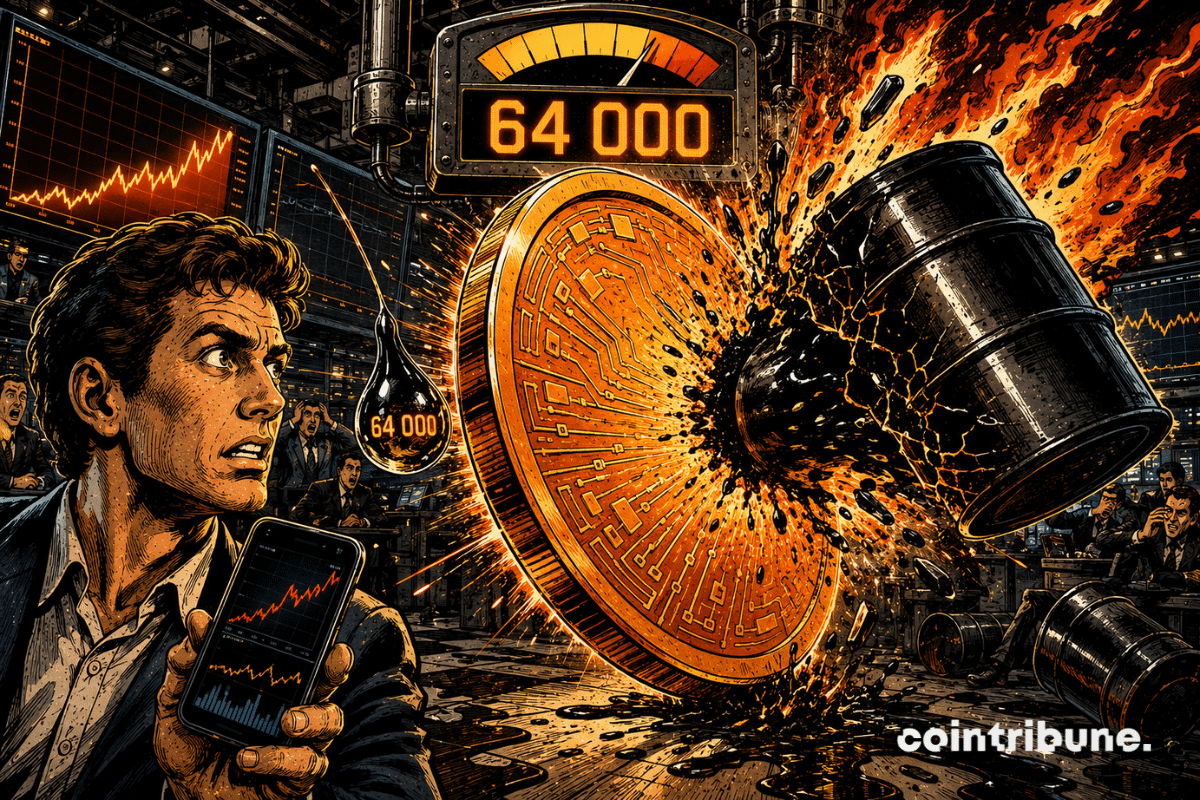
Bitcoin remains close to $64,000 despite a strong surge in oil and a more tense market climate. Brent jumped with the military escalation between Washington and Tehran, reigniting inflation fears. Yet, BTC does not falter. This resistance is intriguing, as it comes when risky assets also absorb the backlash of the Kimi AI shock.

Does Dogecoin need to emancipate from Litecoin? Discover the debate dividing crypto developers over DOGE's autonomy.

Michael Saylor rejects BIP 110, which he presents as a threat to Bitcoin neutrality. The proposal aims to limit for one year several transactions containing data unrelated to payment. For Saylor, the real danger is not spam. It is the idea that a usage disagreement could modify the consensus rules.

A few hours before the World Cup final played this Sunday at MetLife Stadium, another match is taking place far from the field. Prediction platforms have already recorded $5.57 billion in cumulative trading volumes, an unprecedented level that far exceeds the world of traditional sports betting. This rush to predictive markets illustrates the rise of a new ecosystem where decentralized finance, regulated event contracts, and football passion converge. Such a shift could redefine how the public anticipates major sporting events.

The ANJ moves from threats to action: the National Gambling Authority has ordered French internet service providers to block Polymarket, following a first warning in November 2024. It cites illegal gambling activities and risks of manipulation. The decision, announced on Friday, tightens the French framework around predictive markets.

France's 2-0 defeat against Spain on July 14, 2026, relieved the accounts of American bookmakers by resolving their last major liability. Meanwhile, prediction platforms recorded a record volume, without needing the correct forecast to win. Has the World Cup definitively validated the future of predictive markets against traditional betting?

Tokenization has just reached a major milestone on Wall Street. More than 30 financial players participated in the DTCC test, which moved securities held in its central depository to blockchain networks. This is no longer a showcase demonstration. It is a market trial, involving banks, exchanges, asset managers, and crypto infrastructures.

Decentralized prediction markets are experiencing a meteoric rise, to the point of becoming true barometers of market expectations. However, this growth hides a major flaw. A university study reveals that sophisticated actors manage to manipulate certain very short-term contracts to influence the price of the leading crypto. These findings highlight the limits of a booming sector, even as prediction platforms attract the attention of regulators and establish themselves as a new battleground between financial innovation and state oversight.

Bitcoin has been trading cheaper in the United States than in the rest of the global market for 50 consecutive days. This rare signal comes from the Coinbase Bitcoin Premium Index, which remained negative until July 7–8. Behind this subtle gap, a reality is confirmed: American demand for BTC shows signs of fatigue.
Bitcoin is trading around $62,000 before the release of the U.S. June Consumer Price Index. The market is holding its breath, as any surprise in inflation can shift expectations on the Fed. After several CPI shocks in 2026, BTC is at a new crossroads.
Are retail investors shunning crypto? Key data reveal a critical drop in activity on social networks. All details here!

Bitcoin sees its dominance challenged by Ethereum on a closely watched indicator: the ETH/BTC ratio. Rising to 0.02858 BTC, Ethereum breaks a resistance of several weeks. For Tom Lee, this movement may signal a return of altcoins. But the signal remains fragile, as bitcoin still holds the psychological advantage in the market.

A legal case in New York threatens to create an explosive precedent for bitcoin. Noah Doe claims to be able to claim 39,069 dormant addresses, valued at around 293 billion dollars, under abandoned property laws. The Bitcoin Policy Institute wants to block this interpretation before it undermines the very idea of onchain ownership.

Ki Young Ju asks bitcoin holders to hold on for a few more months. The founder of CryptoQuant believes that bullish signals could ease the market, even if the cycle remains fragile. For him, the expected rebound looks more like a breath in a bear market than an immediate return of the bull run.

Bitcoin miners are racing into AI, but insider sales, governance questions and a $50 billion financing gap raise fresh concerns. Decode.

SWIFT launches its blockchain registry with 17 major banks to test cross-border payments in tokenized deposits. This pilot marks a strong step for institutional crypto, as it brings classic banking rails closer to digital infrastructures capable of operating 24/7.
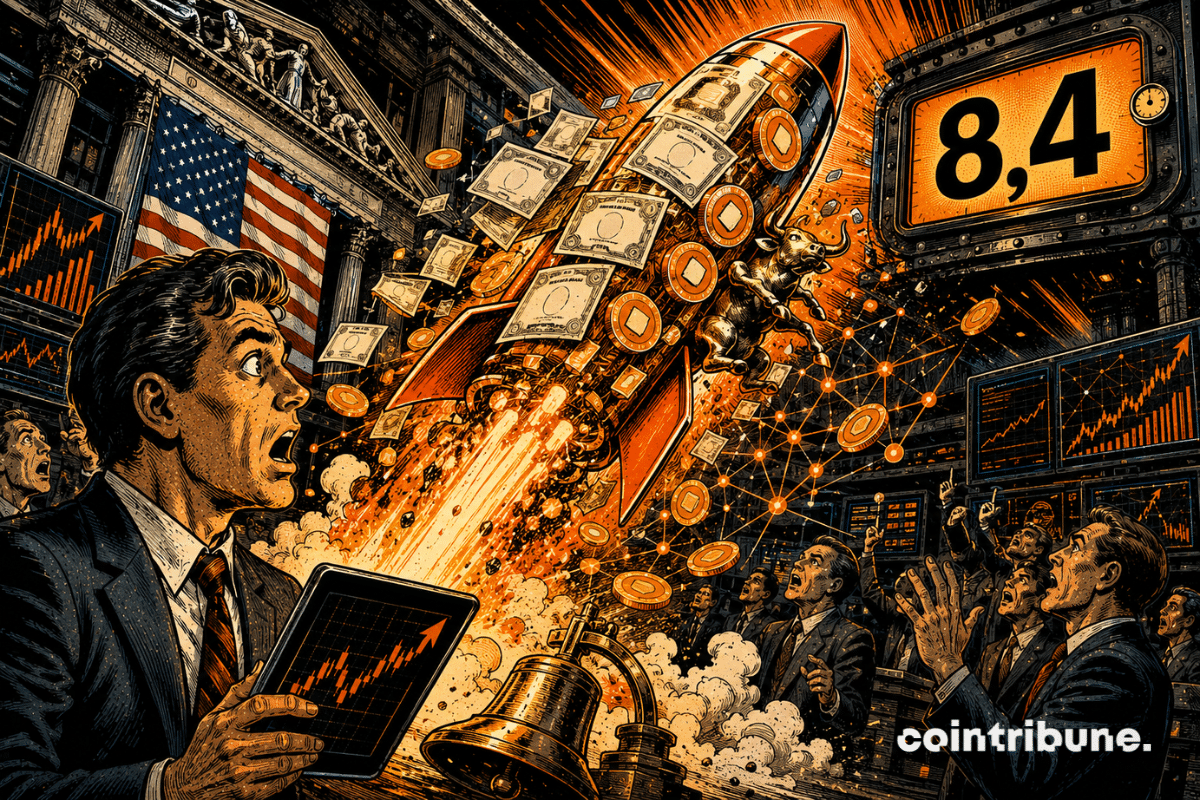
Tokenized stocks are changing scale. In one month, transfers jumped by 105% to reach 8.41 billion dollars. The distributed market value also rises to 2.16 billion dollars. It is no longer just a crypto experiment: Wall Street and blockchain platforms are already competing for the same ground.
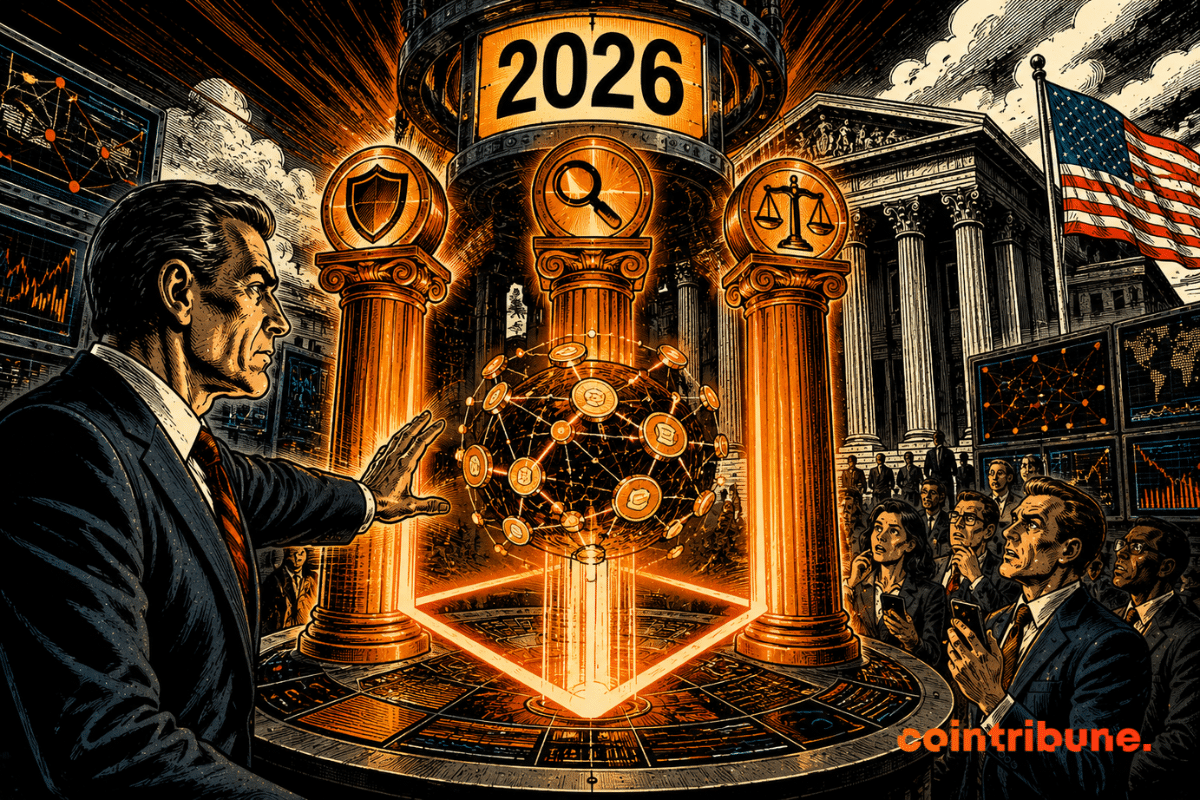
The SEC places crypto regulation, IPOs, and private markets at the heart of its 2026 agenda. Its chairman Paul Atkins wants to clarify the custody of digital assets, regulate tokenized securities, and facilitate capital raising. The message is clear: Washington wants to modernize its markets without abandoning investor protection.
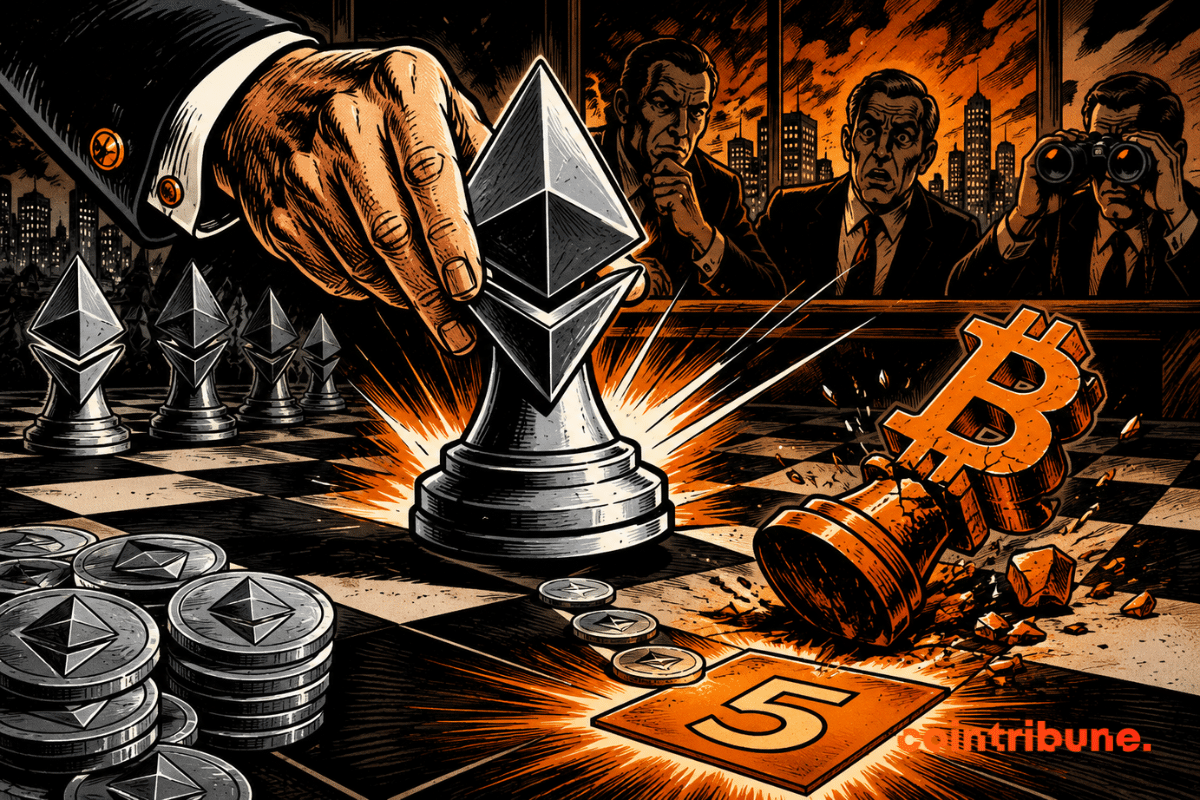
With a new purchase of $74M, BitMine strengthens its Ethereum treasury. Comprehensive analysis of a major institutional strategy.

The price of bitcoin climbs nearly 7% in a week, driven by inflation expectations in the United States. All the figures here.
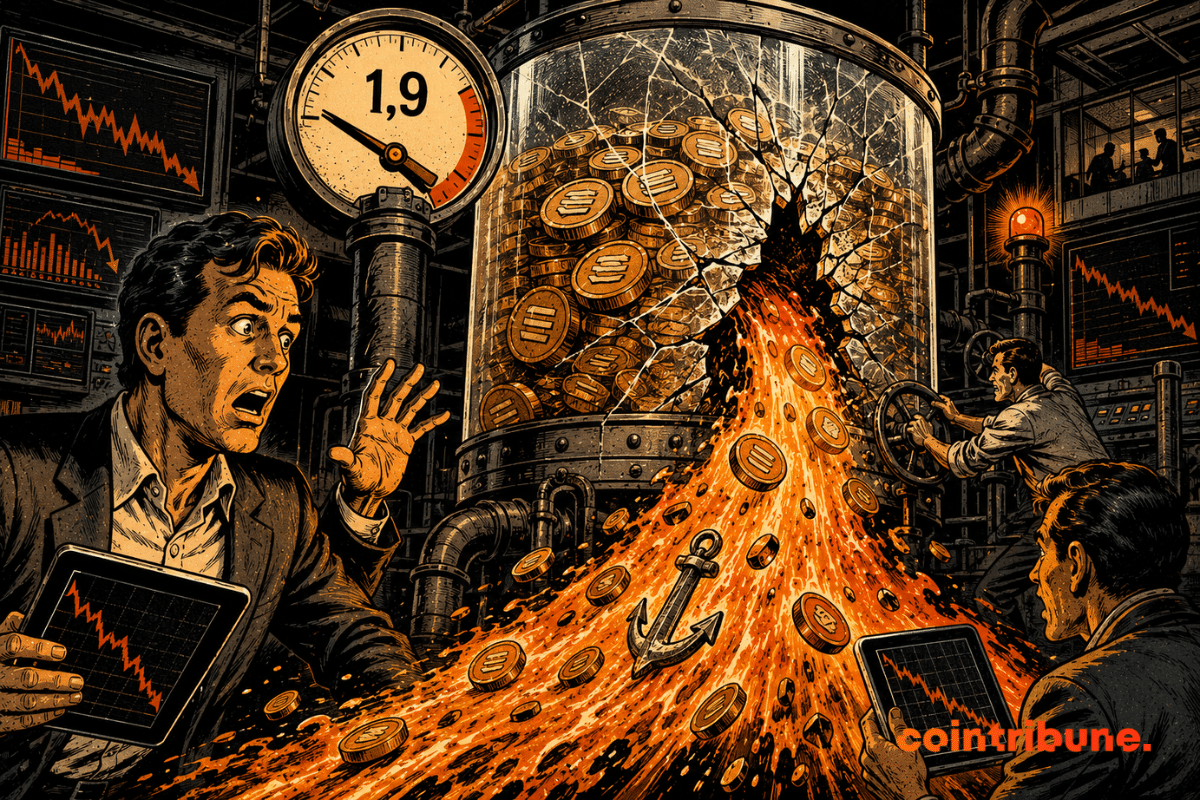
The stablecoin market lost 1.9 billion dollars in one week, despite a capitalization still exceeding 311 billion. The decline remains limited in percentage, but it shows that the liquidity available in crypto is contracting slightly. Tether weighs the most in this drop, while Sky Dollar records the sharpest fall among the major stablecoins.

The crypto SHIB shows a change of tone after several difficult weeks. Activity on exchanges jumped more than 37%, while net outflows exceed inflows. This signal suggests a return of demand, but the market is still waiting for a real technical confirmation.
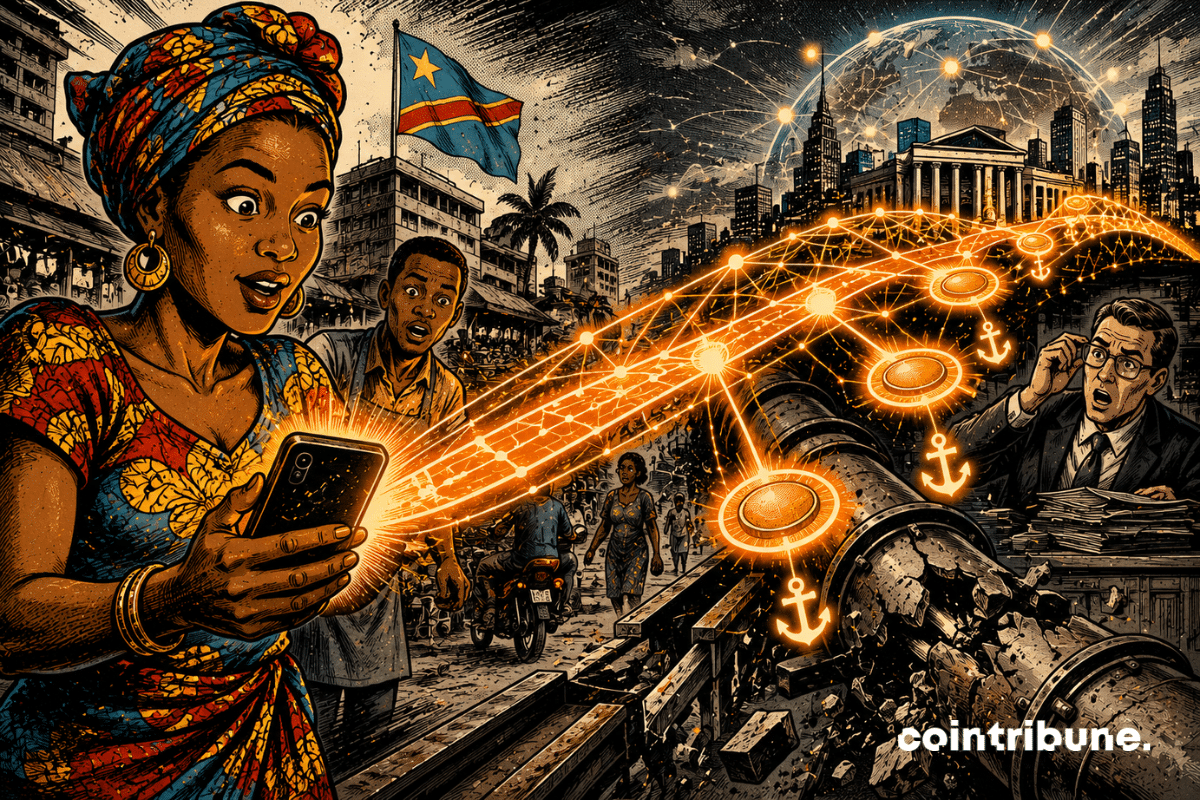
Visa, M-Pesa and Onafriq test stablecoins in DRC to settle cross-border mobile transactions. The project aims to make transfers faster, cheaper and smoother, without necessarily changing the visible user experience. Payments continue to go through mobile money, but settlement is done in the background thanks to digital dollars.

Bitget is placing tokenization, artificial intelligence and broader market access at the center of its strategy for the rest of 2026. In her mid-year address, CEO Gracy Chen described a platform moving beyond the traditional crypto exchange model. Bitget now wants to connect stocks, gold, CFDs and digital assets within one financial environment.