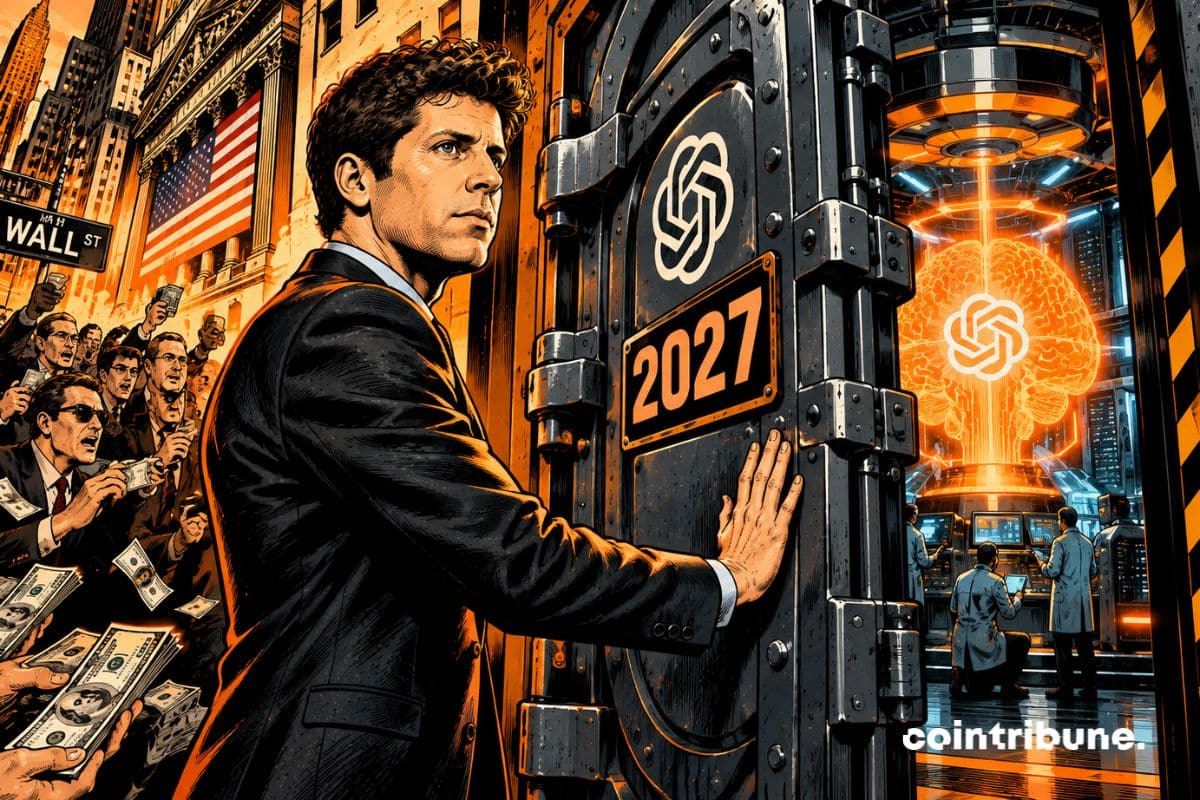
OpenAI will not go public in 2026. Sam Altman confirms it, security reasons oblige. But behind this virtuous discourse, Trump's ex-IA and crypto Czar, David Sacks, smells a cartel disguised as virtue. Meanwhile, the AI crypto market does not pause.

The XRP community can't seem to catch a break. After a fake Brad Garlinghouse Instagram account made headlines, a new wave of AI-powered scams has now struck during the XRP Las Vegas conference. This time, fraudsters sharpened their tactics? and went straight after attendees on the ground.
Can a technology deemed too risky become a strategic asset overnight? In Washington, the Anthropic case illustrates this shift. After being excluded from federal systems, the AI company is returning to the center of discussions, as its capabilities trigger as much interest as concern. Between military requirements, cybersecurity issues, and ethical limits claimed by its leaders, the US administration is now seeking a compromise path in a highly sensitive case.
The rapid expansion of blockchain-based derivatives infrastructure has reshaped the digital asset trading landscape. The perpetual DEX sector continues to grow as traders increasingly shift toward decentralized derivatives solutions. In 2025, Perp DEXs generated over $6.7 trillion in annual trading volume, highlighting the rise of on-chain derivatives. Perpetual futures have become a key instrument for leverage, hedging, and continuous exposure. Within this environment, StandX reached the global top 10 perp DEX despite operating with only two trading pairs, illustrating the strength of a focused market structure.
Liquidity has become a central element of modern cryptocurrency trading. As digital asset markets expand and derivatives trading continues to grow, traders increasingly evaluate exchanges based on the depth of their order books and the efficiency of their trading infrastructure. In this evolving environment, platforms are experimenting with new approaches designed to concentrate liquidity and support active markets. StandX is among the Perp DEXs exploring this direction, focusing on building a trading environment centered around deep BTC liquidity and efficient on-chain orderbook architecture.
Derivatives markets now serve as the backbone of the cryptocurrency industry, shaping how you interact with digital assets on a global scale. As trading volumes surge, the underlying infrastructure must evolve to handle continuous price discovery and complex execution. Consequently, this environment has bridged the gap between centralized exchange (CEX) expertise—particularly from platforms like Binance Futures—and decentralized finance (DeFi). Within this transition, StandX emerges as a prime example, translating the high-performance environments of centralized platforms into a permissionless, decentralized exchange (DEX) ecosystem.
Gold and silver have long been core pillars of global finance, offering reliable tools for hedging risk and diversifying portfolios. However, traditional market infrastructure has historically limited access through fixed trading hours and rigid settlement systems. In contrast, crypto markets introduced continuous liquidity, fast execution, and global accessibility. As a result, traders increasingly seek unified environments to access both asset classes. To address this shift, StandX integrates precious metals into its perpetual trading solutions, allowing users to trade gold and silver 24/7 with built-in yield on margin, reinforcing a more efficient and modern trading experience.
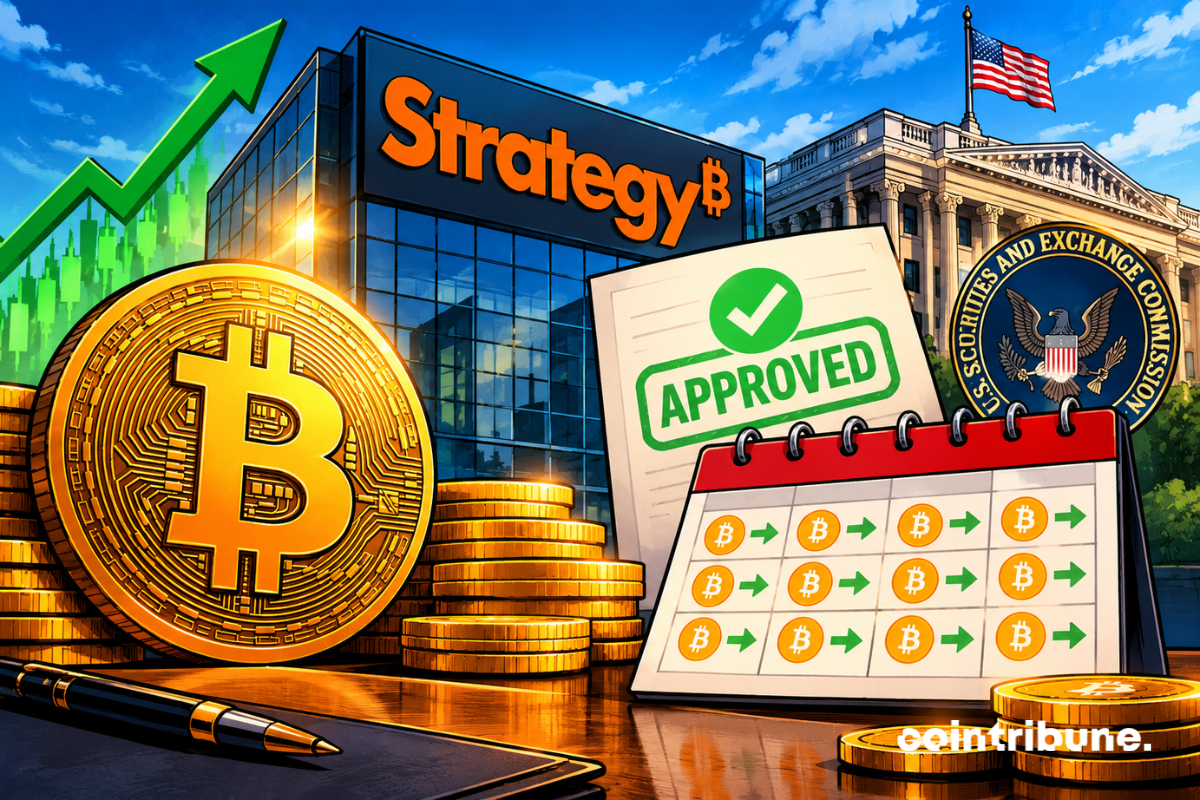
Strategy takes a new step in its bitcoin-related financing strategy. On October 28, shareholders approved a modification enabling the daily calculation of dividends for four categories of preferred shares. This decision notably prepares for the launch of the new STRC payment schedule, expected as early as November. However, several formalities remain necessary before its implementation. The arrangement could change the pace of income paid to investors without increasing the company’s total regular obligations.
Every crypto product sits on a blockchain API. A wallet that shows a balance calls one. A trading bot calls two or three. An AI agent that answers "what is in this wallet" calls one through MCP. Four layers do that work. Node providers expose raw chain state over RPC. Indexers turn raw logs into queryable tables. Data APIs return priced, decoded, ready-to-render values. Swap rails move assets between chains and venues. Most production stacks combine at least two of the four.
The Senate approved an agreement allowing the automatic exchange of information about cryptos held with foreign providers. This text does not create any new tax, but it mainly gives the tax authority the means to compare taxpayers' declarations with data received each year from its counterparts.
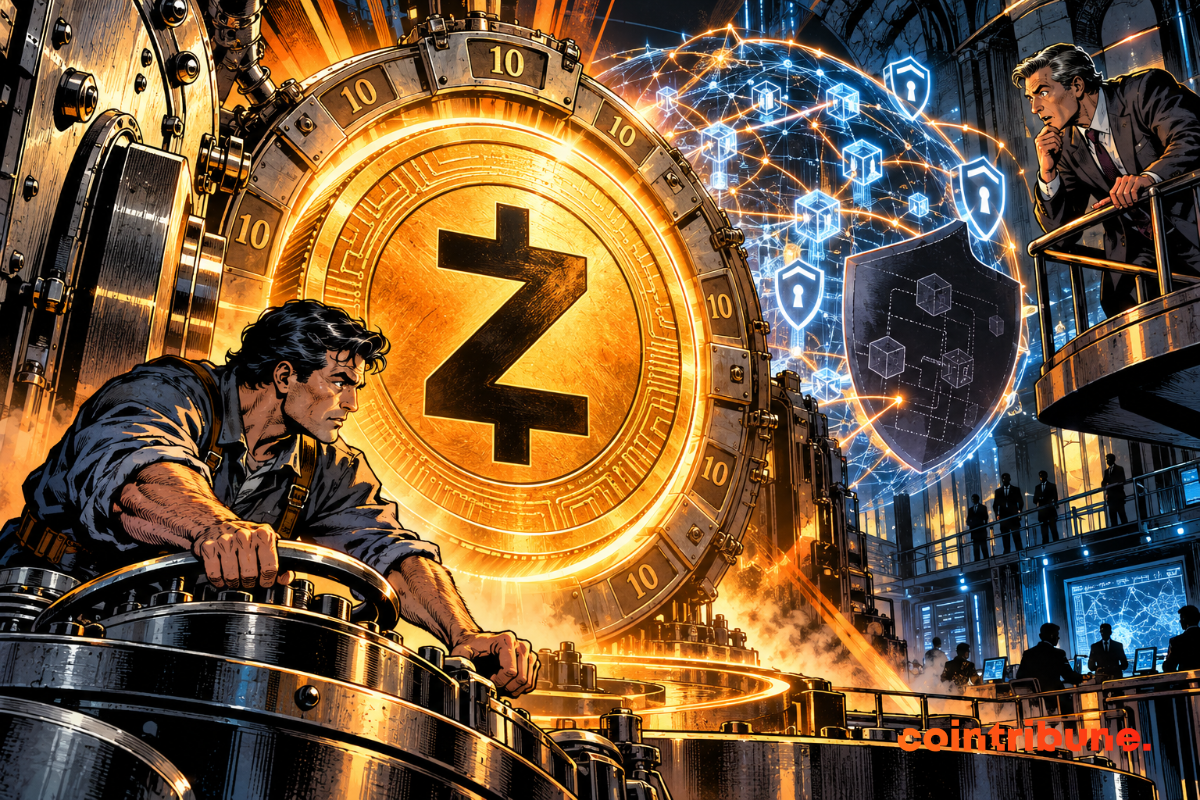
Zcash celebrates its tenth anniversary on October 28, 2026 with an uncommon funding model in crypto. Unlike Bitcoin, the network allocates 20% of block rewards to the development of its ecosystem. A strategy praised by Grayscale, which sees it as one of the reasons for its longevity. However, this mechanism is now debated: a historic developer proposes to remove part of this funding, considering the current reserves more than sufficient.
Discover Cristiano Ronaldo's new NFT collection on Binance, despite the legal challenges he is facing.