



Press release
Sat 20 Jun 2026 ▪
4 min read
Mutsamudu, Comoros, June 20, 2026 — MEXC, a pioneer in 0-fee digital asset trading, reported that daily trading volume for SPCX futures peaked at over 800 million USDT. Following SpaceX’s IPO, SPCX futures trading has continued to surge, with average daily trading volume in the three…

Tue 09 Jun 2026 ▪
5 min read
First MiFID licensed platform to offer European retail traders 24/7 exposure, via futures, to US stocks, commodities and the largest* global indices, alongside cryptos, on a single account
Thu 28 May 2026 ▪
4 min read
After nearly four years of research and development, Silent Protocol celebrates its first anniversary on Ethereum mainnet by opening the protocol to new users and raising transactional limits—delivering on its promise of composable, universal privacy.

Wed 06 May 2026 ▪
2 min read
MILAN, ITALY – ETHMilan, Italy’s largest international conference dedicated to Web3, returns for its fourth edition on May 21–22, 2026, at the Museo Nazionale della Scienza e della Tecnologia Leonardo da Vinci, one of Milan’s most prestigious and historically significant venues. Two full days, bringing together…

Fri 01 May 2026 ▪
5 min read
950 organic holders, $3.6M market cap, zero paid marketing. Launching alongside a Summer 2026 World Tour spanning 13 countries and a 12-week Pacha Ibiza residency. Starting with BLOND:ISH, built for every artist
Wed 29 Apr 2026 ▪
4 min read
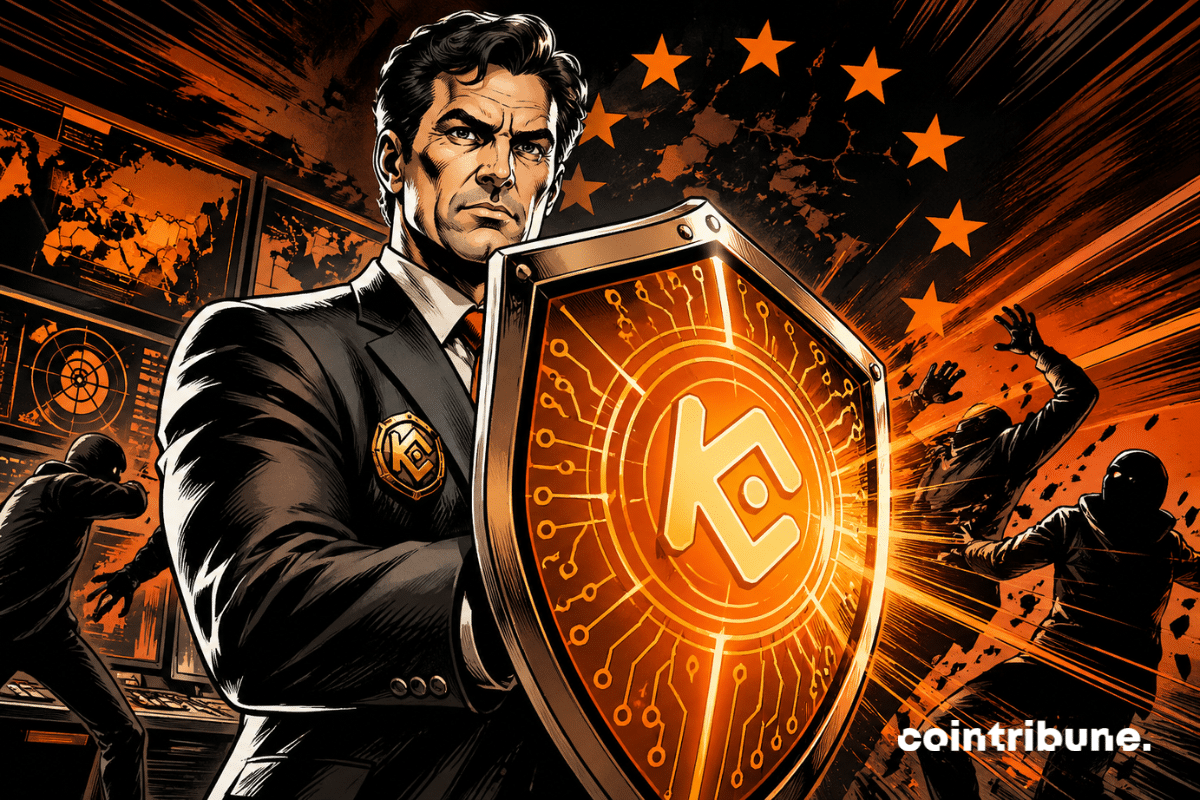
VIENNA, Austria April, 2026 – KuCoin EU, the MiCAR-licensed digital asset platform headquartered in Vienna, today announced a significant strengthening of its anti-money laundering (AML) and compliance capabilities with the appointment of C. Kleinhans as Anti-Money Laundering Officer (AMLO), alongside the expansion of its broader AML function.

Wed 15 Apr 2026 ▪
6 min read
Valletta, Malta ‒ April 15, 2026 ‒ OKX, one of the world leaders in fintech and crypto trading, today announces the launch of X-Perps: MiFID regulated crypto derivatives, with a five-year maturity, offering leverage up to 10x to retail and institutional traders in Europe.

Mon 13 Apr 2026 ▪
5 min read
PARIS, April 13, 2026 - Laurent Nuñez, Minister of the Interior, Anne Le Hénanff, Minister Delegate for Artificial Intelligence and Digital Affairs, Jean-Didier Berger, Minister Delegate to the Minister of the Interior, and Clara Chappaz, Ambassador for Digital and Artificial Intelligence, will speak at Paris Blockchain Week 2026, which will also welcome around twenty Members of the National Assembly.
Wed 01 Apr 2026 ▪
6 min read
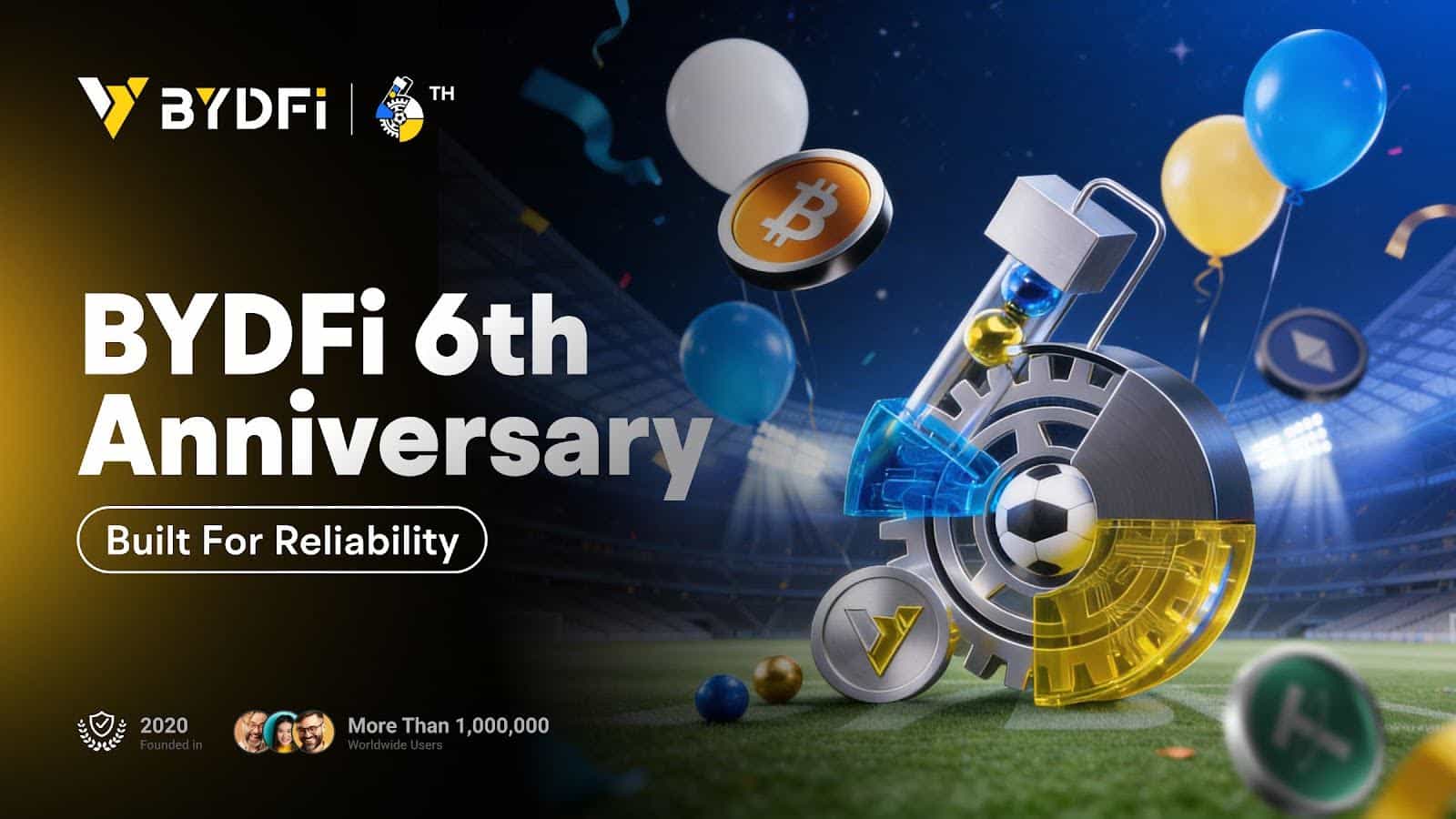
VICTORIA, Seychelles, March 31, 2026 - Global crypto trading platform BYDFi will mark its 6th anniversary with a month-long celebration beginning on April 1, 2026, highlighting BYDFi’s evolution into an all-in-one crypto trading platform built on a CEX + DEX dual-engine model. Over the past six years, BYDFi has continued to strengthen product infrastructure, user safeguards, and market access, shaping a platform built for reliability.

Wed 25 Mar 2026 ▪
9 min read
As tokenized real-world assets move toward a multi-trillion-dollar market, REAL Finance is building a Layer 1 blockchain designed specifically for regulated financial products, institutional validators, and investor protection.
Sun 21 Jun 2026 ▪
4 min read
▪
by
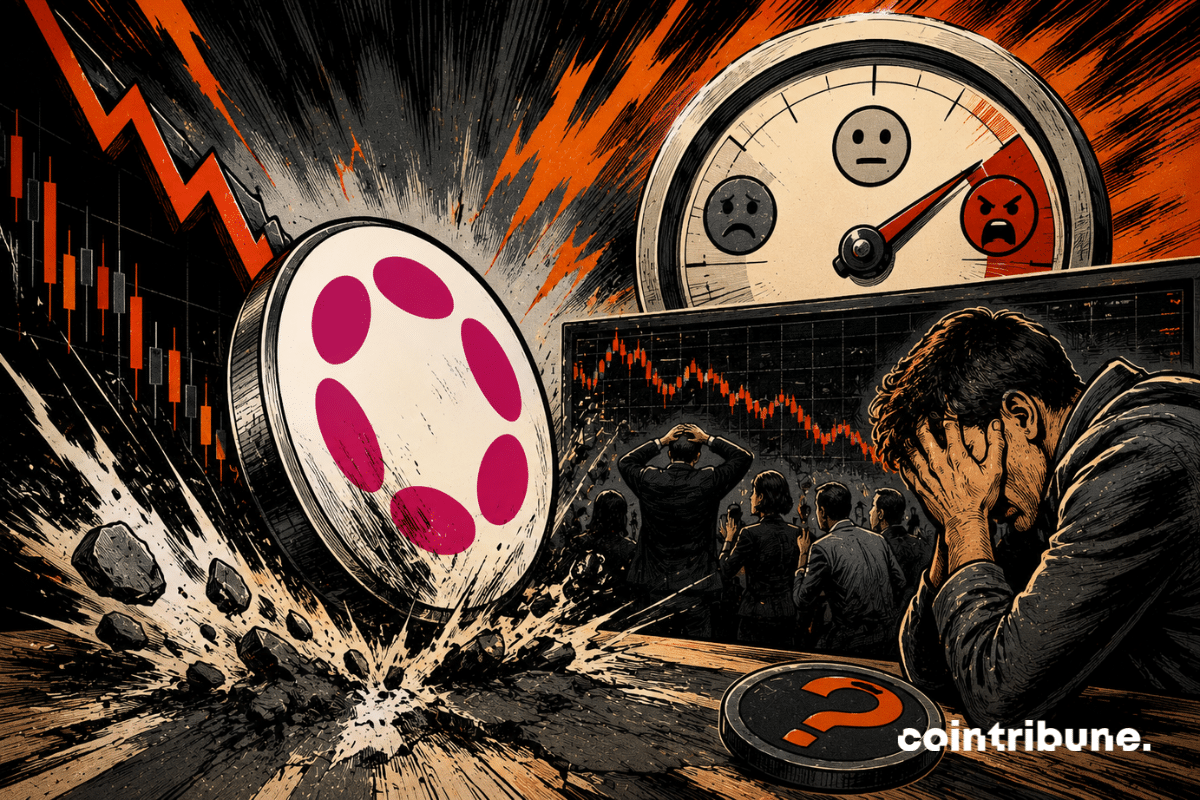
Polkadot fell from grace like a rotten old board. Down 98 %, investors mourn their precious timber. The crypto woodworking shop is in deep mourning today.

Sun 21 Jun 2026 ▪
6 min read
▪
by
The balance of a decentralized protocol is ensured by an invisible, yet absolute synchronization between the alignment of its validation infrastructures and the financial structure of its asset on the markets. Pi Network is precisely going through one of those pivotal phases where technological imperatives clash with the speculative dynamics of its community. The native PI token, although showing some technical resilience by bouncing on a critical chart support after a particularly difficult start of the month, sees its founding team issue an urgent alert reminding of the underlying operational fragility of the project.

Sun 21 Jun 2026 ▪
4 min read
▪
by
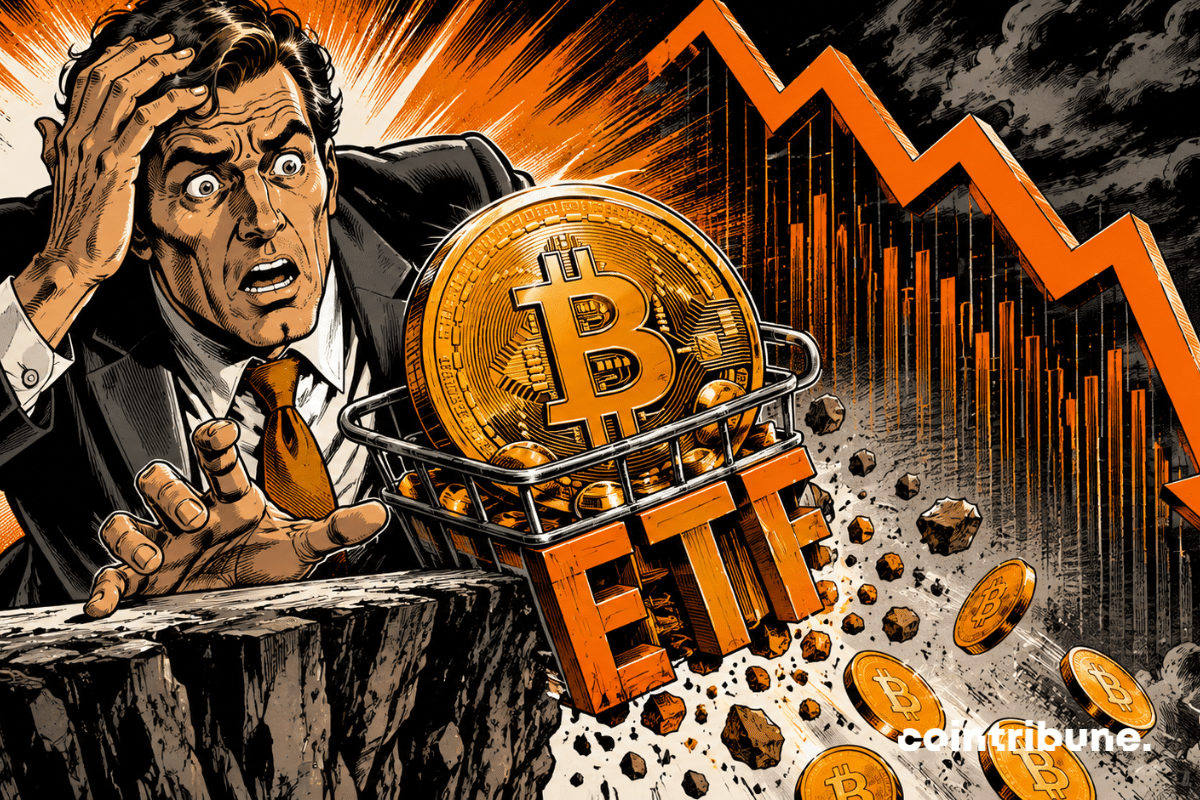
The unimaginable was accomplished by BlackRock's Bitcoin ETF (IBIT): drawing Bitcoiners to Wall Street without arousing suspicion. How did the financial behemoth pull off this brilliant move, combining clever strategy with discreet conversion? You'll be surprised by the response.
Sun 21 Jun 2026 ▪
5 min read
▪
by
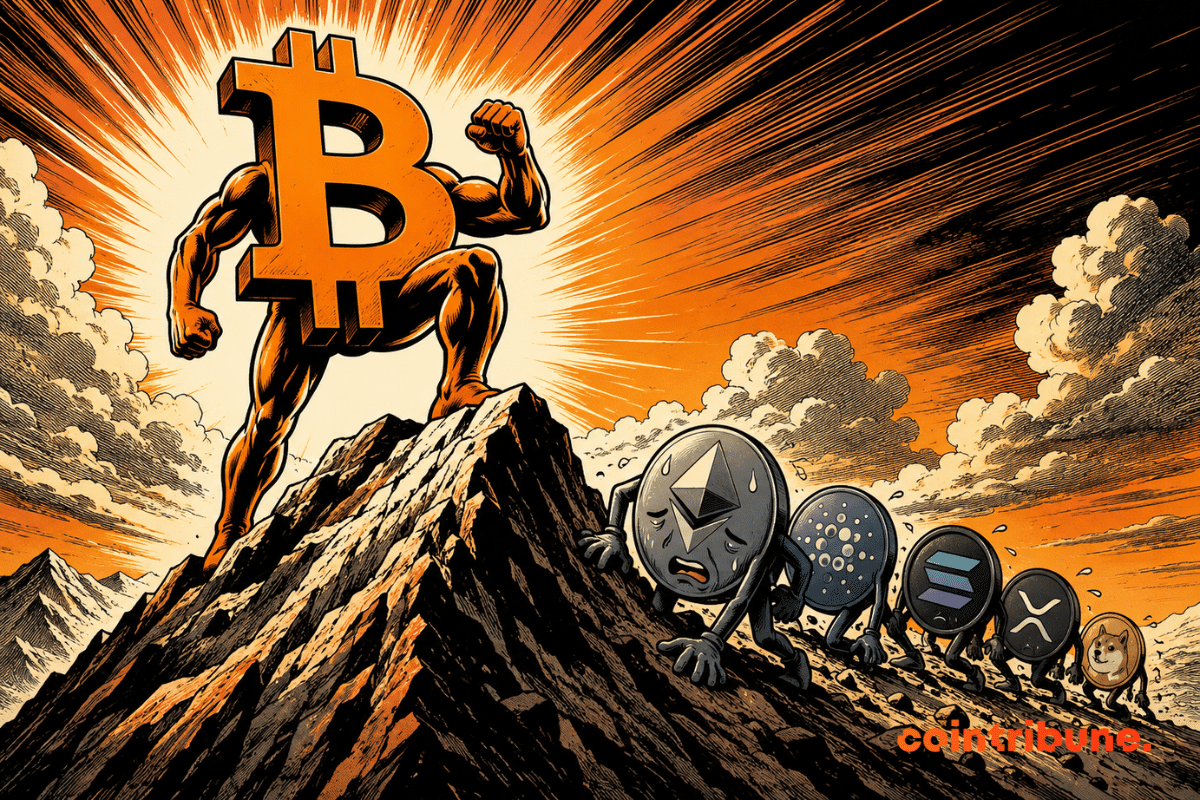
The cryptocurrency market is going through a different phase than previous cycles. While Bitcoin strengthens its dominant position, altcoins struggle to regain the momentum observed during past upswings. This development shows a shift in capital allocation, with investors more focused on major assets and projects capable of demonstrating real utility.
Sat 20 Jun 2026 ▪
5 min read
▪
by
The dynamism inherent in decentralized networks sometimes manages to overcome graphical hazards to reveal the real power of conviction within a community. While the global crypto market is going through a phase of uncertainty related to persistent macroeconomic pressures, the Shiba Inu (SHIB) protocol has just crossed a historic milestone. Token allocation mechanisms in decentralized finance often serve as a powerful leading indicator, and a thorough examination of distributed ledgers reveals a growing divergence between the attraction of unique users and short-term price performance.

Sat 20 Jun 2026 ▪
5 min read
▪
by
Paris is about to become the world capital of artificial intelligence for two days. The RAISE Summit opens its doors on July 8 and 9, 2026 at the Carrousel du Louvre, with the stated ambition of turning AI promises into concrete applications for businesses. Founders, investors, researchers and public decision-makers are expected in large numbers, in a format designed for scaling up rather than theoretical speeches. Cointribune partners with the event and offers its community an exclusive discount code to attend this must-see event in the crypto, Web3 and AI ecosystem.

Sat 20 Jun 2026 ▪
3 min read
▪
by
The Ironwood hard fork of Zcash is approaching, and Keystone does not want to miss the start. The hardware wallet maker announces compatible firmware from the first day of the network switchover, after the recent fix of a flaw in the Orchard pool. ZEC holders in self-custody now have a clear roadmap.
Sat 20 Jun 2026 ▪
7 min read
▪
by
The crypto market is going through a period marked by strong attention to prices, but certain sectors continue to evolve. Solana is gradually gaining ground in the tokenization of assets and digital stocks. Its network is attracting more activities linked to real-world assets, a sector that could play an important role in the next phase of blockchain adoption.

Sat 20 Jun 2026 ▪
6 min read
▪
by
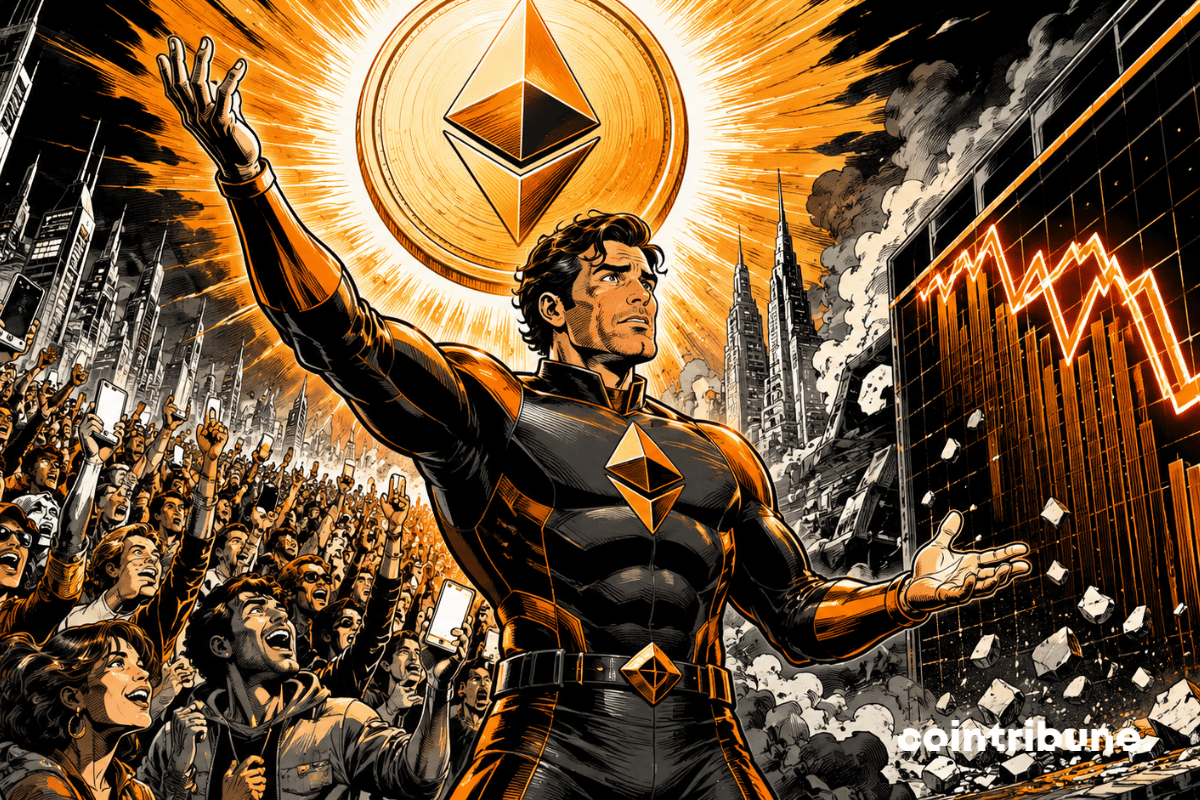
The Ethereum network is currently in a zone of strong turbulence, which is pushing its richest investors, commonly called "the whales," into an almost unprecedented digital lethargy. This mass exodus causes acute concern, as the volume and regularity of movements of these giants of decentralized finance usually serve as a compass for fund managers and traders to anticipate major market trends. It is essential to understand the exact nature of this drying up of on-chain flows in order to determine whether it is a calm before a bearish storm or a phase of strategic accumulation.

Sat 20 Jun 2026 ▪
3 min read
▪
by
Americans lost 11 billion dollars to crypto scams in 2025. The FBI raises the alarm about phony investments and hacked wallets. Why is the market having trouble protecting itself? Explore the inquiry that is upending digital finance.
Sat 20 Jun 2026 ▪
6 min read
▪
by
The financial architecture of cryptos will undergo its biggest technical review of the year, redefining the balance of power between buyers and sellers. As Friday, June 26 approaches, the crypto derivatives market freezes in the face of an unprecedented concentration of over-the-counter and regulated contracts reaching their expiration. This situation is crucial because it coincides with a 14% correction in the flagship crypto’s price over the past month, worsening the vulnerability of institutional and retail operators.
Sat 20 Jun 2026 ▪
5 min read
▪
by
▪
Trading
Schwab, the finance colossus, is launching into stock betting. After crypto, here come the predictions. Wall Street stirs, regulators frown. The hunt is on.

Fri 19 Jun 2026 ▪
5 min read
▪
by
The relentless countdown to alignment with European regulations has just passed a critical phase that could redefine the map of exchange platforms within the European Union. Although the overall transition period of the crypto market regulation (MiCA) definitively ends on July 1, 2026, Binance's European infrastructure is wobbling on its foundations after major revelations about its license application in Greece.

Fri 19 Jun 2026 ▪
5 min read
▪
by
The Bitcoin network shows signs of strong activity despite a moderate price evolution. A significant rise in small transactions related to data inscriptions pushes the blockchain to new levels of usage. This dynamic renews questions around a possible congestion of the Bitcoin network, as users increasingly compete for available space in blocks.
Fri 19 Jun 2026 ▪
5 min read
▪
by
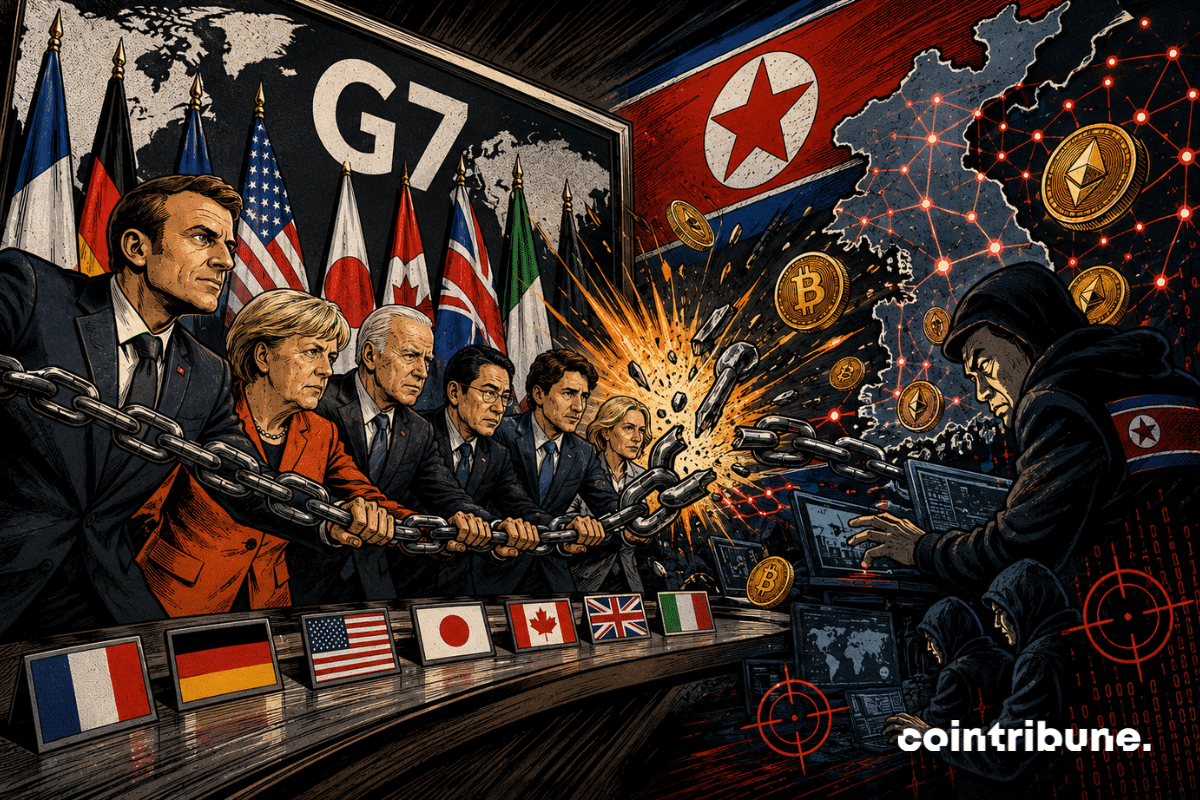
The G7 wants to strengthen the international response against crypto thefts attributed to North Korea. Meeting in Évian, its leaders placed this cyber threat among their major security concerns, after several massive attacks hit decentralized finance in 2026.

Fri 19 Jun 2026 ▪
4 min read
▪
by
Malta wants to regulate DAOs and certain decentralized finance protocols in the MiCA era. The regulator mainly seeks to distinguish genuine decentralized crypto projects from organizations that retain human control behind their smart contracts.
Fri 19 Jun 2026 ▪
3 min read
▪
by
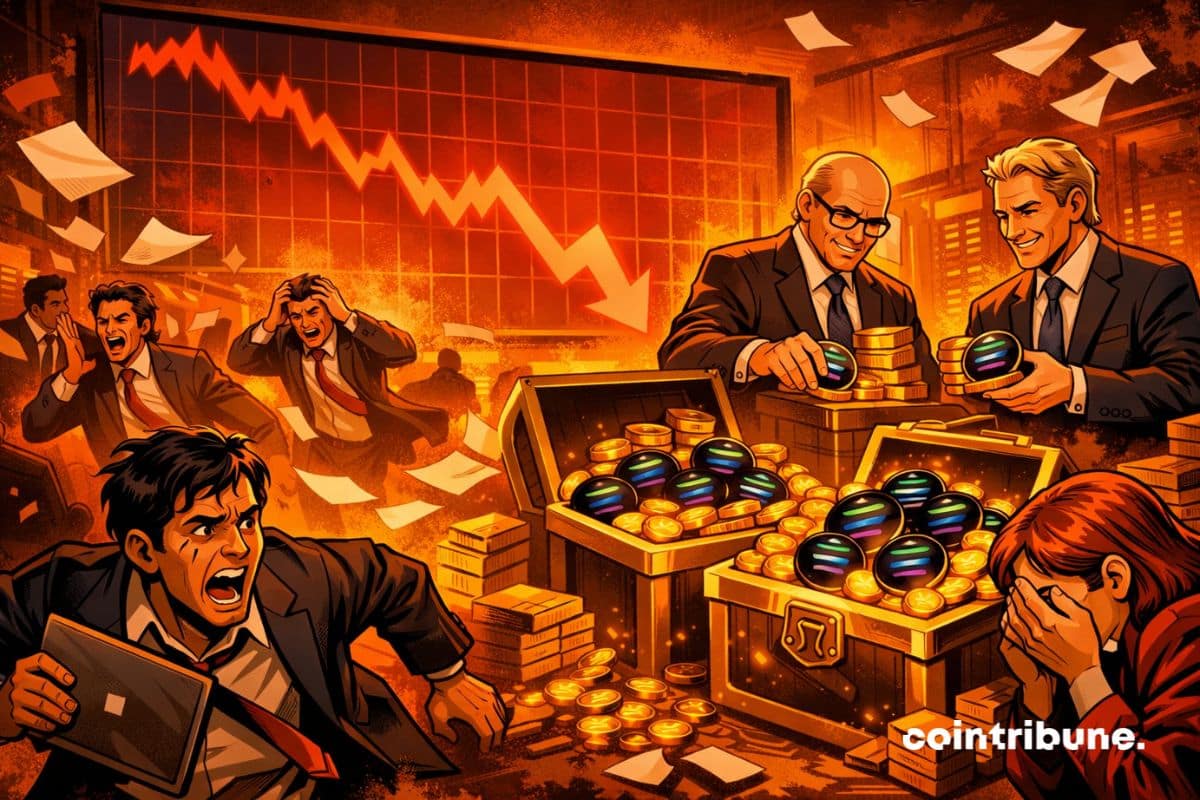
Solana defies logic: institutions build up while its price collapses. Why? Tokenized RWA, growing ETFs, and unclear technical trends make SOL an intriguing crypto paradox.
Fri 19 Jun 2026 ▪
6 min read
▪
by
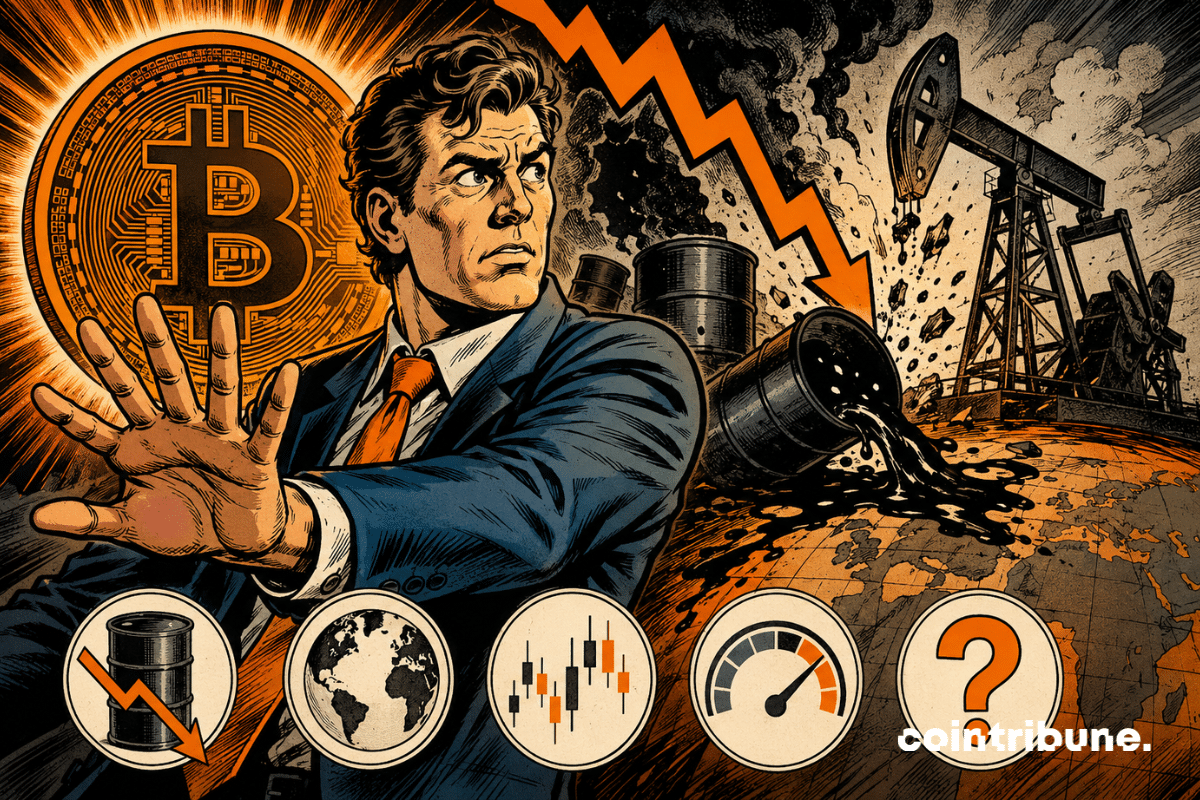
Global financial markets hate geopolitical uncertainty, but they react with crucial speed as soon as a glimmer of stability appears on the horizon. With Donald Trump's signing of a key agreement reopening the Strait of Hormuz, we are witnessing one of those decisive moments that can transform the global map of capital movements. The conflict triggered on February 28 by the US-Israeli offensive, which had frozen the real economy and plunged investors into rigorous wait-and-see, was followed by this highly strategic agreement between the United States and Iran.

Fri 19 Jun 2026 ▪
3 min read
▪
by
The digital asset sector faces a new alert after an incident affecting Aztec Network. The network suffered a second hacking within a week, this time via its private routing bridge. The attack resulted in the theft of several digital assets worth over 2 million dollars. This event raises questions about the security of infrastructures used in the crypto ecosystem and the protocols' ability to protect users' funds.
Fri 19 Jun 2026 ▪
4 min read
▪
by
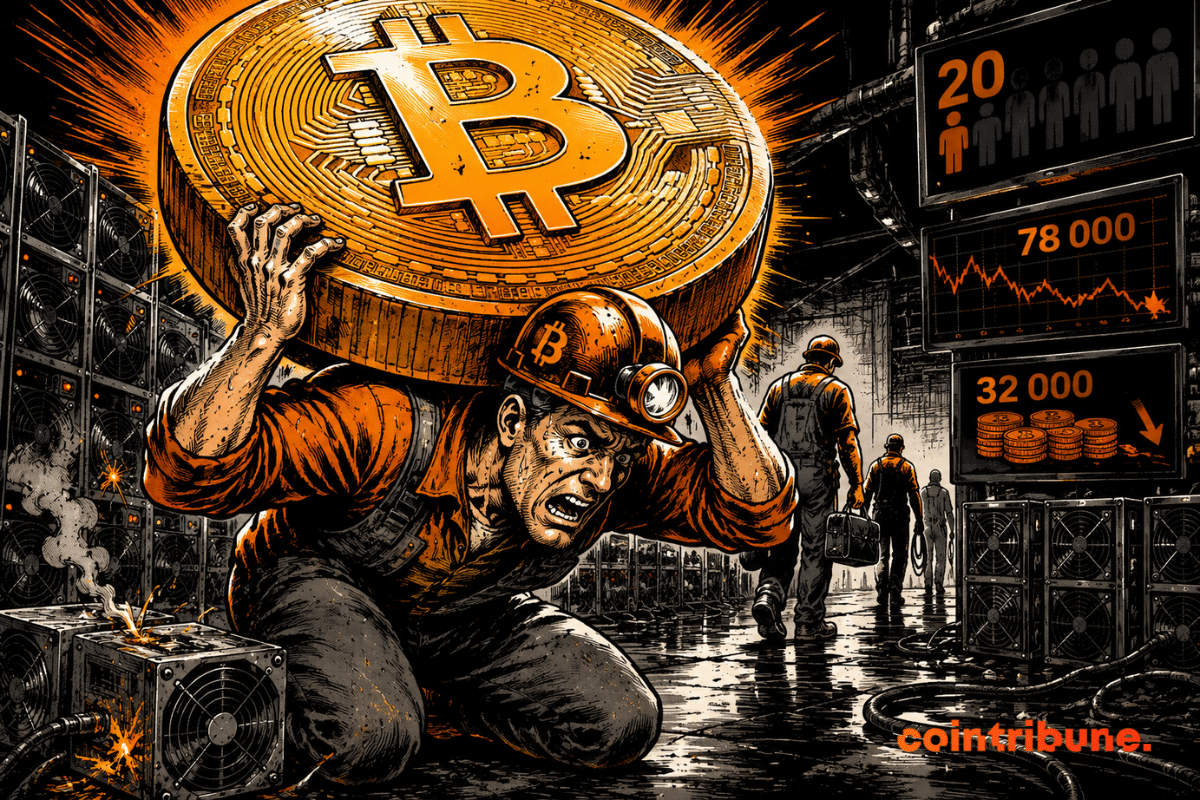
Alert on the Bitcoin network! According to a JPMorgan report, 20% of miners are currently operating at a loss. With an average production cost estimated at $78,000 and a pressured price, has capitulation started? Here is an update.

Fri 19 Jun 2026 ▪
3 min read
▪
by
Strategy's preferred stock STRC hit $88.51 on Wednesday, its lowest level since the listing, before closing at $89. This 11% discount to the par value of $100 comes with a higher volume of put options than call options on contracts expiring June 18. Will Michael Saylor's main bitcoin financing vehicle withstand market pressure?
Fri 19 Jun 2026 ▪
5 min read
▪
by
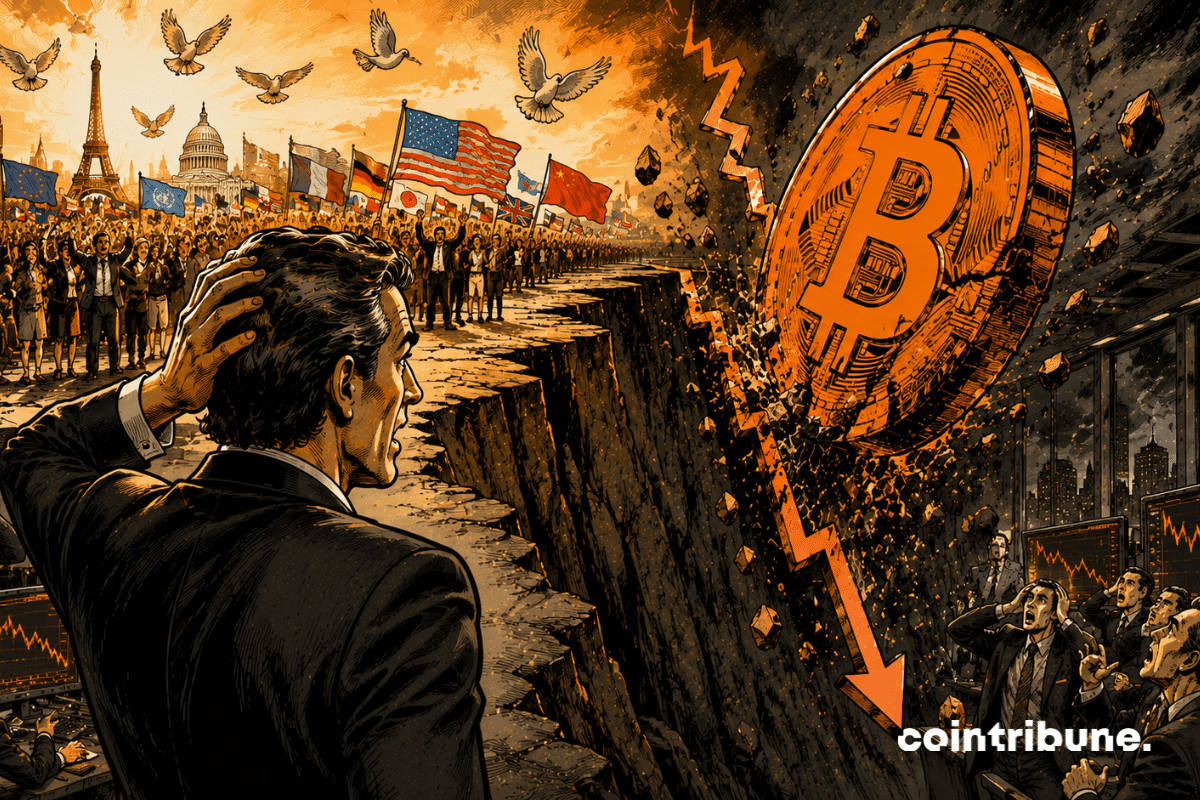
The volatility of cryptos and their close links with global geopolitical events have just written a new and surprising chapter for digital finance investors. While a major diplomatic breakthrough foretold a wave of widespread optimism, the crypto market reacted quite asymmetrically, surprising all operators. This dynamic reveals the complexity of risk transfer mechanisms, an important subject that is now redefining institutional and private fund allocation strategies at the international level.

Thu 18 Jun 2026 ▪
7 min read
▪
by
The arrest of four men in Marseille revives concerns about violence related to digital assets. According to information provided by the police, the case reportedly began with an attempted crypto theft before taking a more serious turn with a hostage situation. This episode occurs in a context marked by the increase of attacks targeting cryptocurrency holders in France.

Thu 18 Jun 2026 ▪
6 min read
▪
by
The National Cybersecurity Agency of France (ANSSI) has just laid the foundations for a mandatory transition to post-quantum cryptography, cementing a threat that many still thought was distant. This decision is crucial because it represents the tipping point between theoretical research and legal obligation, requiring critical infrastructures and the crypto industry to hasten their own technological transformation.

Thu 18 Jun 2026 ▪
5 min read
▪
by
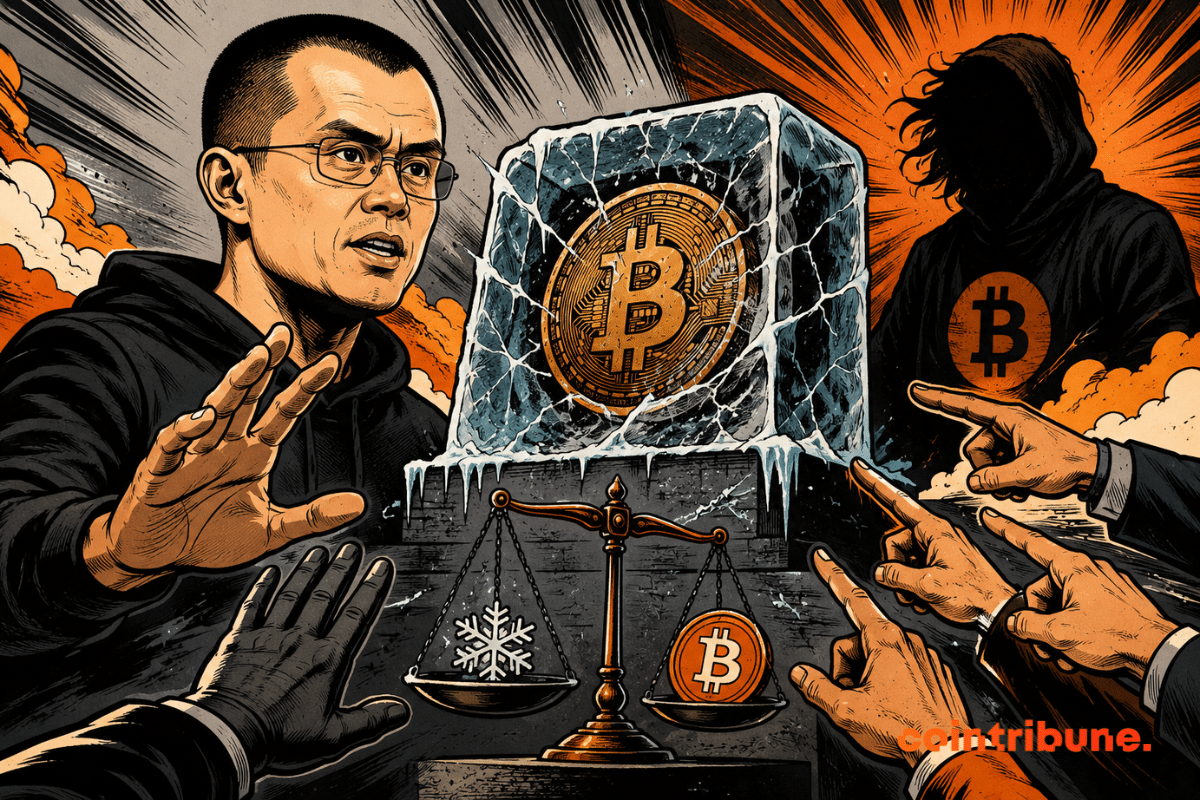
Changpeng Zhao wants to push states to tokenize their shares to make them accessible to investors worldwide. The founder of Binance envisions a market where national stablecoins, stock securities, and crypto liquidity would circulate on the same infrastructures. But regulation could slow down this ambition.
The leader in blockchain news, CoinTribune is an independent media outlet, not linked to any blockchain or crypto asset based project or advising, audit, fund management entity. We strive for the highest objective journalistic standards in French, English and Spanish focusing on alternative investments such as blockchain projects and crypto assets.
Request my coaching
Recherche
Subscribe to newsletter
Contact us