Russia's Duma approves a revolutionary crypto law. This text has the potential to alter the economic landscape by facilitating foreign trade and enforcing strict regulations. Does it, however, conceal a plan to get around sanctions?
The White House has approved an ethics component of the CLARITY Act and sent the text to Republican senators, removing the last major obstacle before a floor vote. Donald Trump personally gave his approval, rekindling hopes of adoption before the Senate's summer recess.
The debate around the digital assets market intensifies once again in the US Senate. While legislators continue discussions on the CLARITY Act, negotiations remain marked by several sensitive points, including investor protection and ethical issues. Behind this text, considered one of the most important legislative projects for the cryptocurrency industry, Democrats and Republicans are still trying to find common ground. The latest closed-door exchanges nevertheless illustrate divergences that could still influence its adoption.
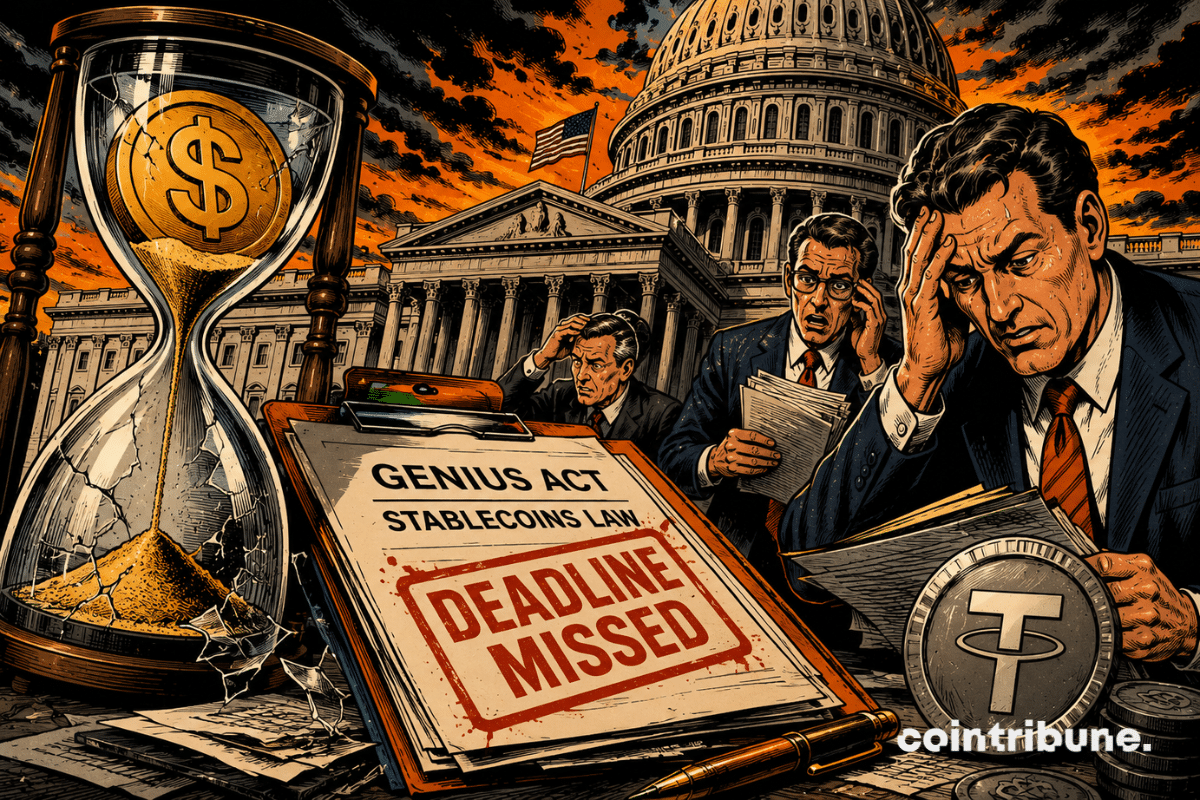
U.S. federal agencies have not adopted the implementing rules of the GENIUS Act before the one-year deadline, settling for ten text proposals. This delay, which occurred on July 18, 2026, leaves stablecoin issuers awaiting final frameworks. Will the window for regulatory clarity finally close?
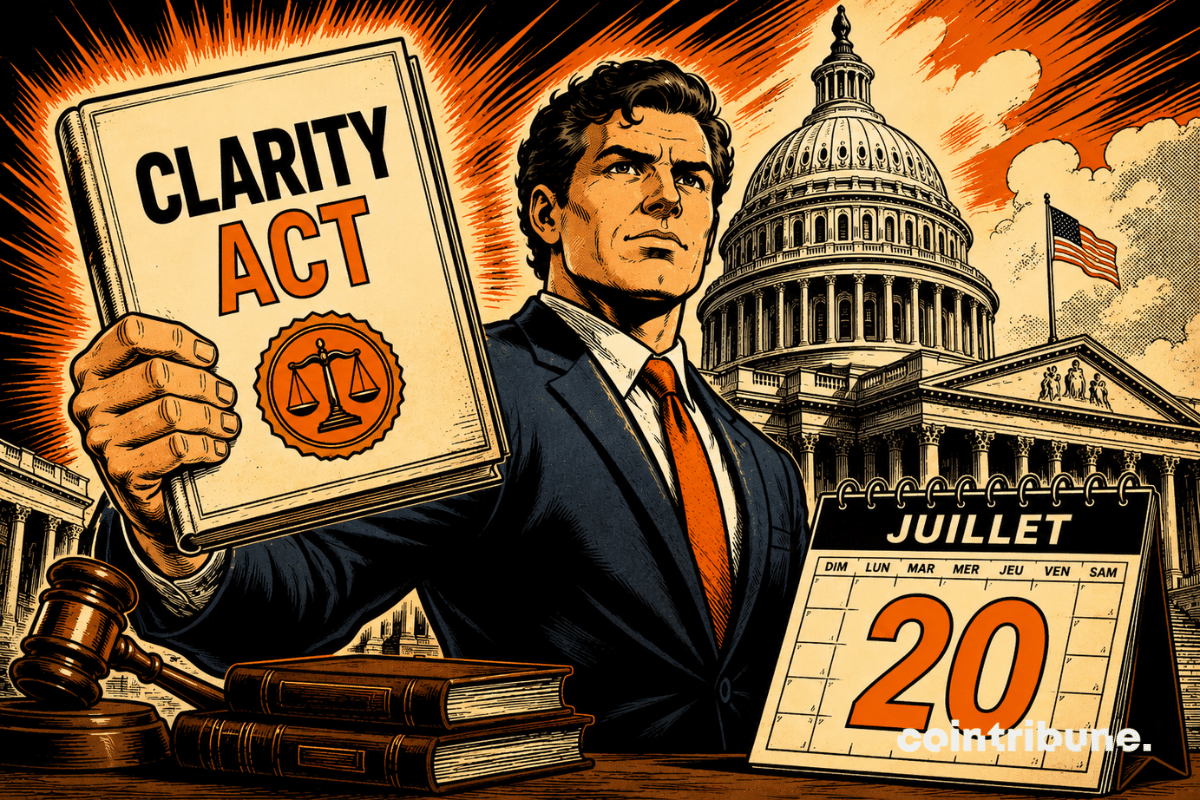
The US Senate could unveil a merged version of the CLARITY Act as early as the week of July 13, with a vote scheduled for July 20. The text, enriched by over 70 pages compared to previous versions, still needs to overcome the hurdle of 60 required votes. Will unresolved ethical issues be enough to derail this tight schedule?
The application of the new European tax rules on cryptocurrencies is already causing disputes in France. The non-custodial exchange platform Bull Bitcoin has initiated proceedings before the Council of State to request the annulment of the French decree implementing the DAC8 directive. The company believes that this reporting system could expose users to surveillance and security risks. According to it, the consequences would far exceed the tax framework and could affect nearly 135 million Bitcoin holders in Europe.
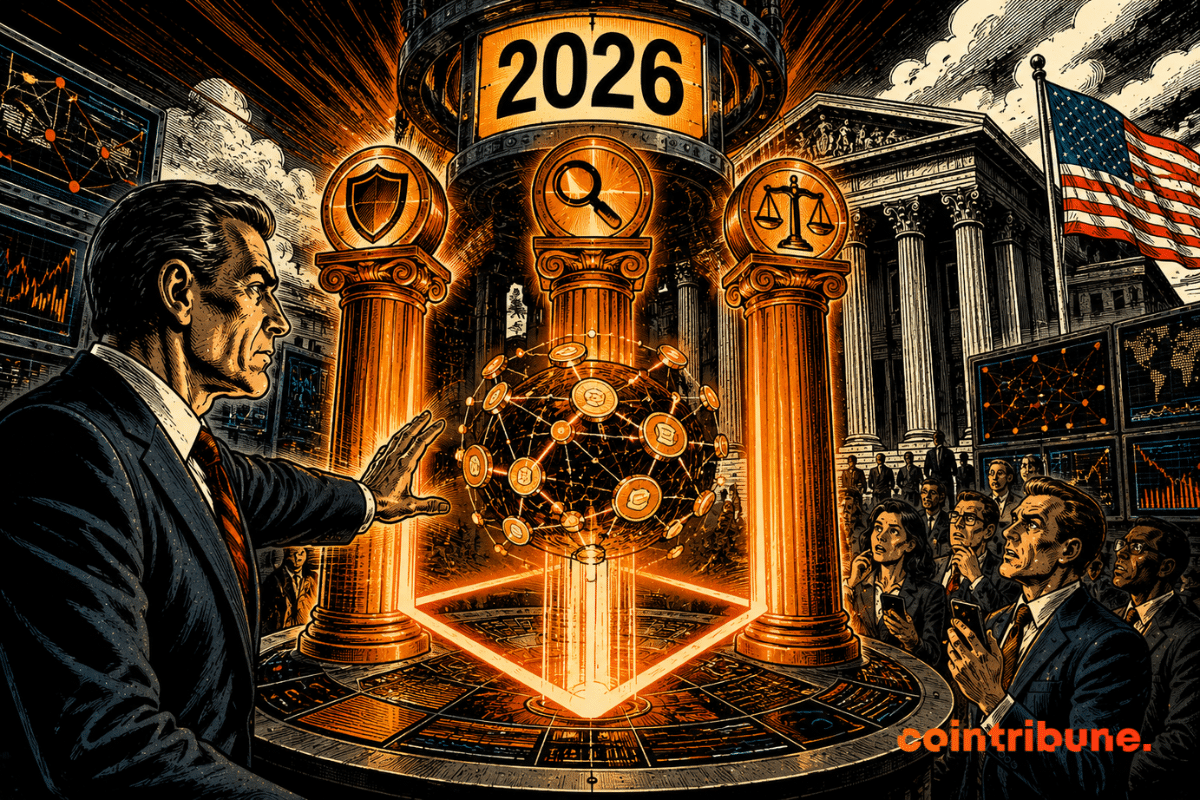
The SEC places crypto regulation, IPOs, and private markets at the heart of its 2026 agenda. Its chairman Paul Atkins wants to clarify the custody of digital assets, regulate tokenized securities, and facilitate capital raising. The message is clear: Washington wants to modernize its markets without abandoning investor protection.
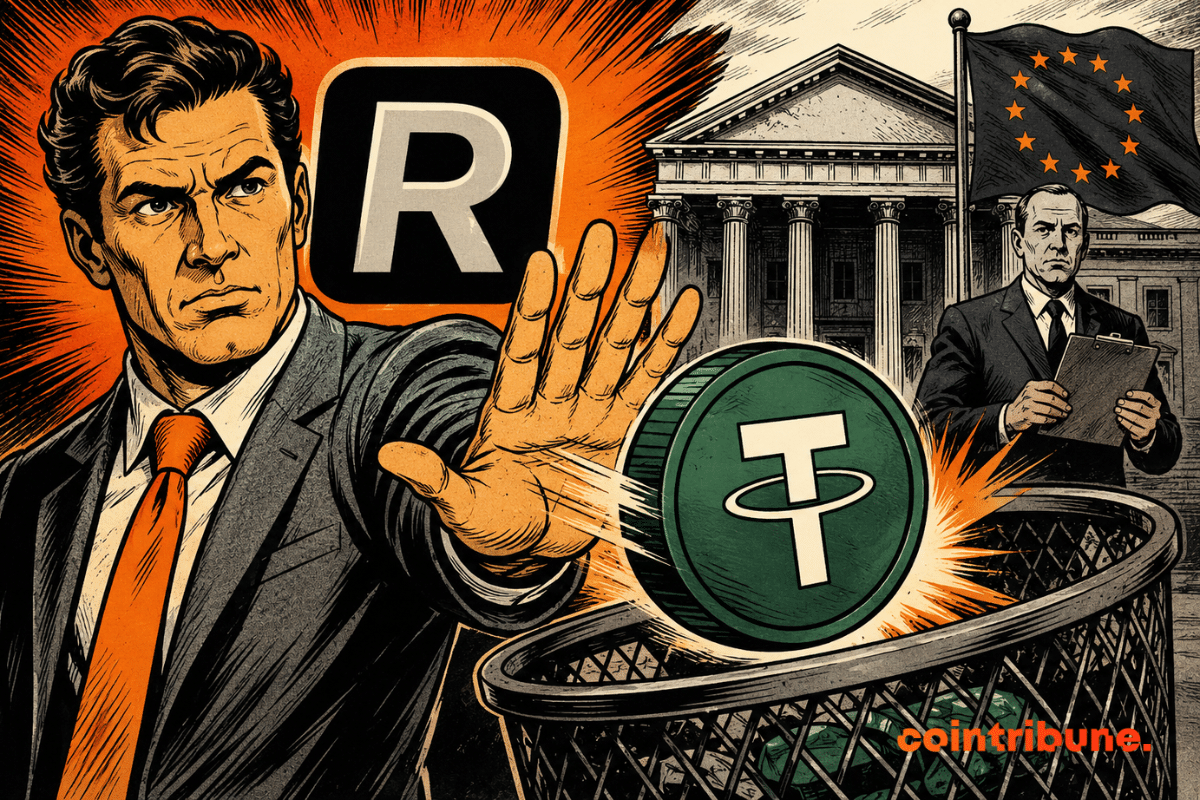
The cryptocurrency market continues to adapt to the new regulatory requirements that are gradually being implemented. In this context, Revolut informed some of its customers that it would remove USDT from its offering during the summer of 2026. This decision comes with a precise schedule that outlines several steps before the permanent removal of the stablecoin. It also illustrates how financial service platforms are gradually adjusting their cryptoasset offerings in response to the evolving regulatory framework.
280 crypto companies have been approved under MiCA, marking a regulatory shift in Europe. However, is this regulation truly effective in combating USDT and player exodus?
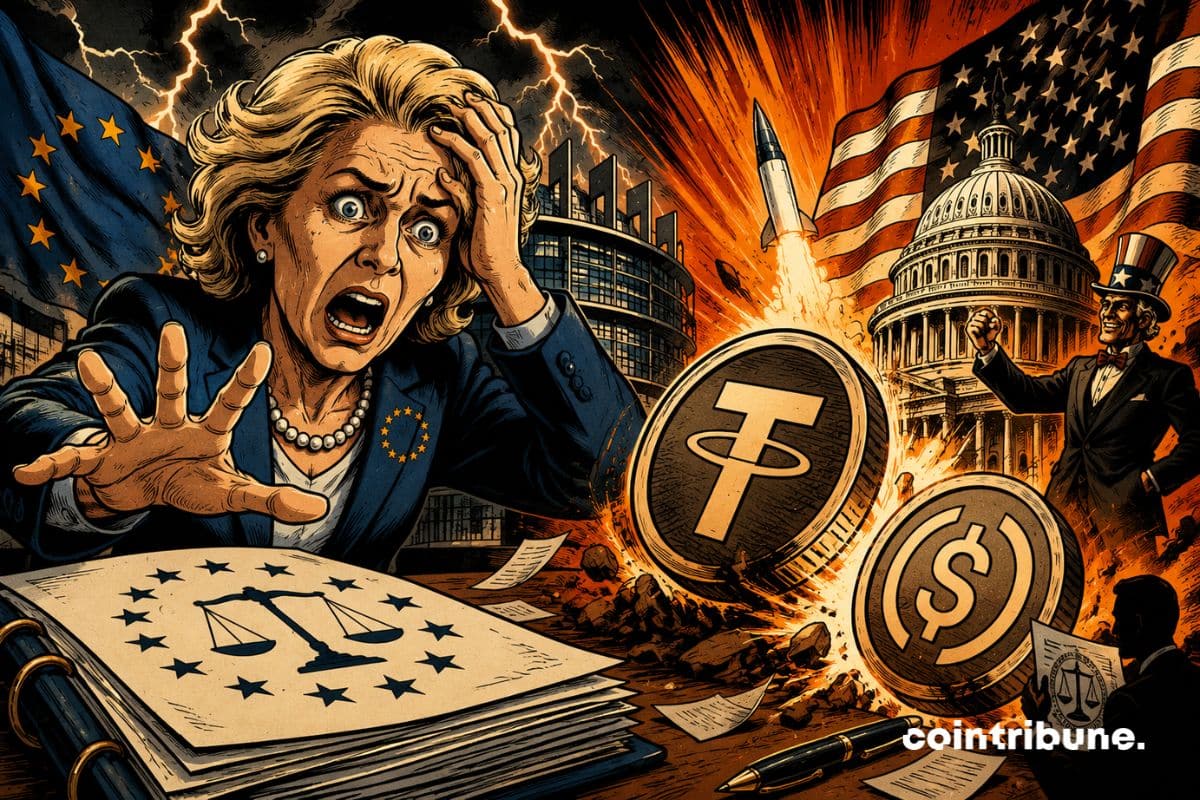
The fight over stablecoins is resuming in Europe. In light of the US GENIUS law and the migration of cryptocurrency platforms, Brussels is reviewing MiCA. Who will prevail in this conflict? For investors and the digital economy, the stakes are very high.
The US legislative calendar once again puts the Crypto sector in the spotlight. While the Senate will not resume its work until July 13, several companies and organizations in the sector are asking for a quick vote on the CLARITY Act before the August summer break. This mobilization comes after several months of parliamentary work and in a context where regulatory uncertainty remains at the heart of the concerns of digital asset players. The coming days could thus weigh on the future of the US federal framework.
Despite the market downturn, Metaplanet increases its Bitcoin purchases, reaching 43,000 BTC. Why is this Japanese business placing all of its bets on Bitcoin? Learn the ins and outs of a tactic that has the power to either completely transform the world or cause it to fall apart.
Why does BitMine keep buying Ethereum while Strategy stops buying Bitcoin? Tom Lee demonstrates his unwavering confidence with an additional $43 million investment. An exciting and daring tactic.
Ripple grabs its Luxembourg golden ticket to conquer all of Europe. The dual license makes rivals jealous, but XRP remains stubbornly glum. Regulation can have truly surprising effects.
The relentless countdown to alignment with European regulations has just passed a critical phase that could redefine the map of exchange platforms within the European Union. Although the overall transition period of the crypto market regulation (MiCA) definitively ends on July 1, 2026, Binance's European infrastructure is wobbling on its foundations after major revelations about its license application in Greece.
The regulatory future of Binance in Europe raises new questions after the publication of a Reuters article mentioning a possible rejection of its authorization request. According to this information, the platform might not obtain its MiCA license before the deadline set by the European Union. Faced with this situation, the company quickly reacted by contesting these statements and reaffirming its intention to continue its procedures with the competent authorities.
In the European Union, the regulatory balance of the crypto industry is challenged by a major situation that could disrupt the hierarchy of exchange platforms on the continent. The compliance of major platforms with the new unified crypto market standard (MiCA), less than a year before the crucial 2026 deadline, triggers unprecedented tensions between exchanges and national regulators. Indeed, European harmonization imposes extremely strict licensing criteria, making each local decision a geopolitical and financial arbitration at the scale of the bloc of twenty-seven.
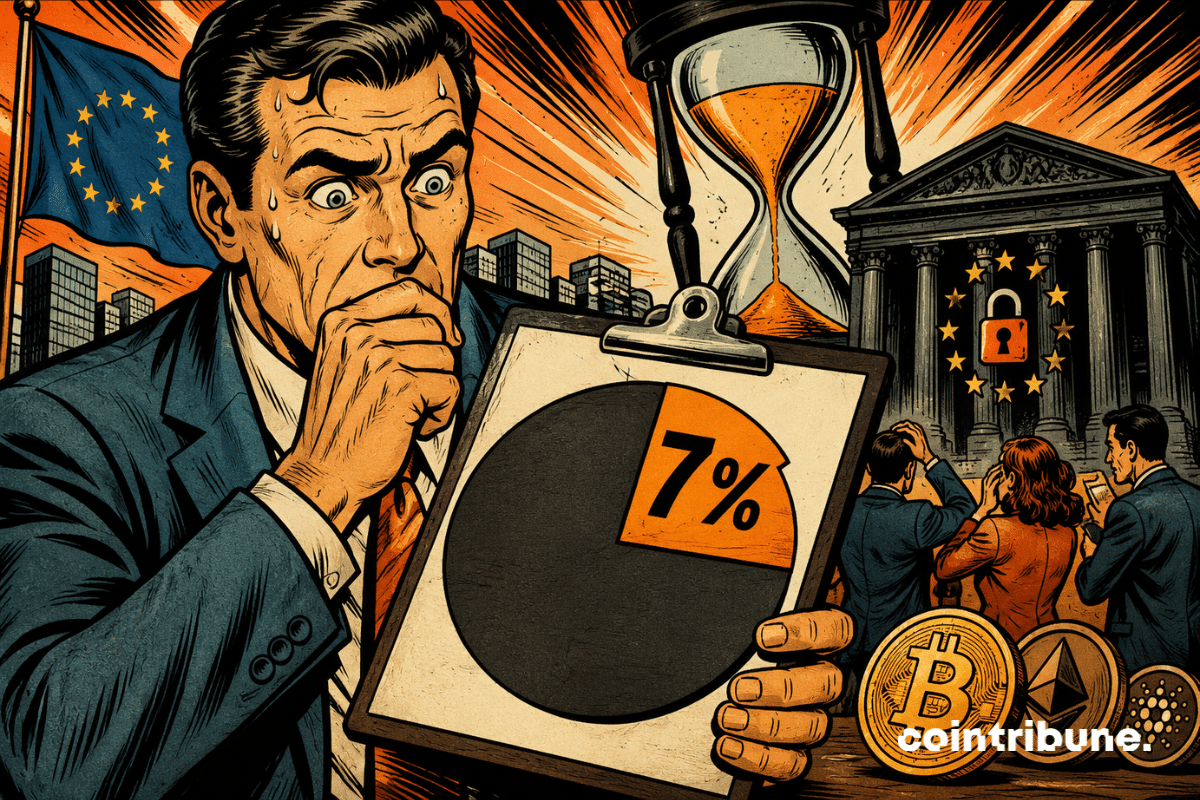
Less than a month before the July 1st deadline, the European digital assets market is entering a decisive phase. Around 210 companies currently hold a MiCA license, compared to 2,747 VASP registrations recorded in 2024. This drop signals a shift for crypto in Europe, with a narrower, more regulated sector facing much heavier requirements.
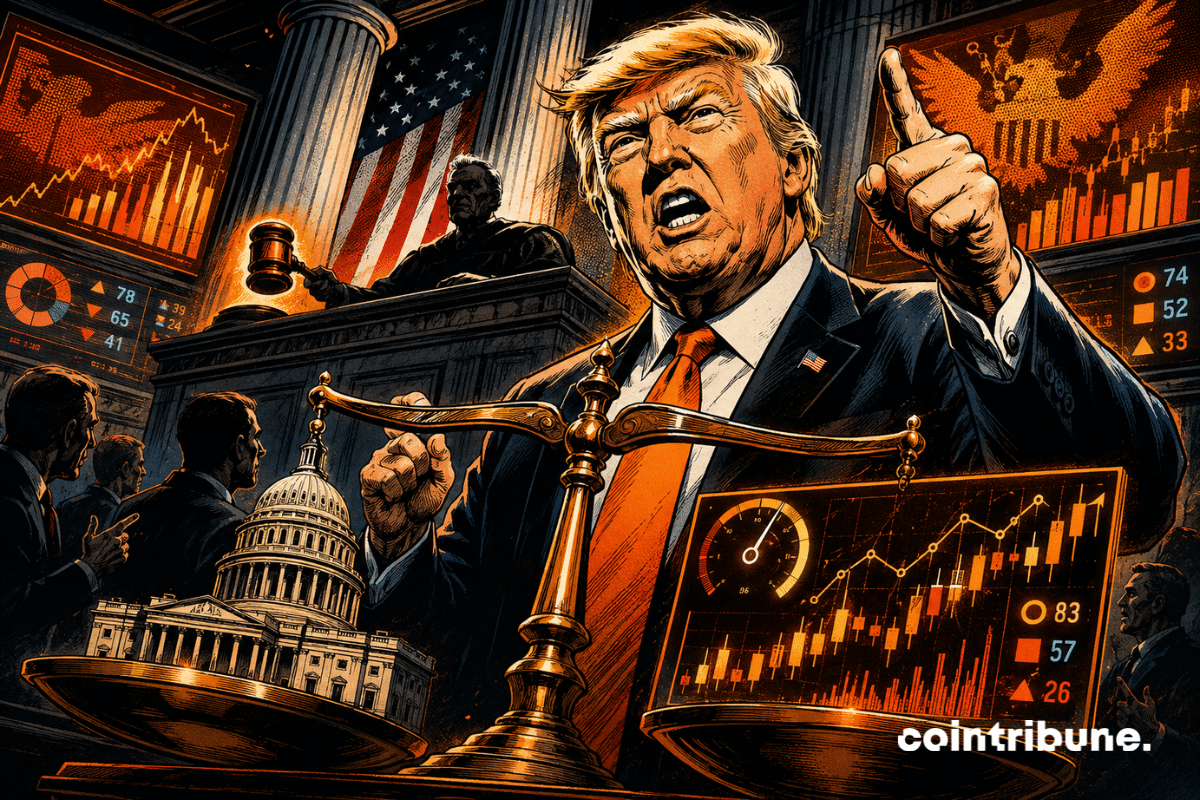
The White House opens a new regulatory phase around prediction markets. Donald Trump clearly supports the CFTC, while several American states want to keep their control power over these sensitive contracts.
It's no longer a project, it's official: Tether is partnering directly with the government of Georgia to launch GELT, a state crypto stablecoin backed by the Lari. Failure or stroke of genius? Details here!
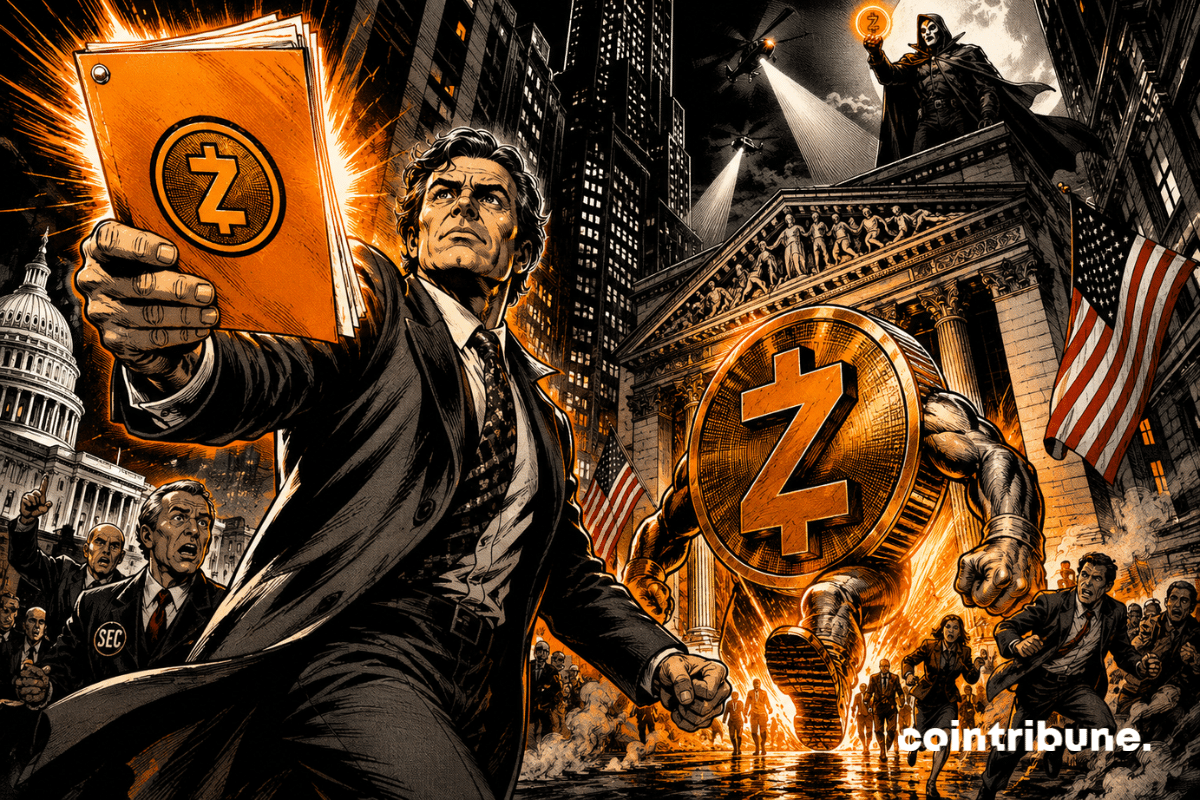
Earthquake alert on the crypto market! Grayscale has just filed the very first application for a spot Zcash (ZEC) ETF in the United States. Towards an explosion of privacy coins?
Why is Bitmine, the largest buyer of ETH, suddenly slowing down its purchases after a record accumulation? Between the 5% target and market strategy, this reversal could change everything for Ethereum.
China has multiplied strong signals over the past 24 hours. It is continuing to toughen its economic and technological policy while strengthening its control over crypto. Beijing further regulates American capital and accelerates its autonomy in artificial intelligence. Meanwhile, Washington's sanctions against Chinese energy companies add additional pressure. Between finance, technology, and energy, the balance of power between Beijing and Washington takes on a new dimension.
Crypto news - Senator Lummis warns: the CLARITY Act must be voted now or wait until 2030. Full analysis in this article!
An unexpected purge shakes the crypto ecosystem: YouTube removes dozens of crypto channels without warning. Details here!
Moody’s has just made history by rating bonds secured by Bitcoin. A world first that could revolutionize finance. Discover how this alliance between crypto and traditional institutions opens new opportunities, while raising major challenges.
Bitcoin is the great absentee from the Basel III revision, and Pierre Rochard sounds the alarm. Without clear rules, American banks risk finding themselves in a costly gray area... Regulatory uncertainty with explosive consequences!
The Trump family claims over $1 billion in crypto profits, but Democrats denounce favoritism and security risks. Between Kraken, Bitmain, and World Liberty Financial, the case reveals an explosive collision between digital finance and political power.
Appointed to revolutionize crypto and AI in the United States, David Sacks leaves his post after 130 days without fulfilling his promises. Between a blocked CLARITY Act, a free-falling Bitcoin, and harsh criticism, his mandate leaves a bitter taste.
Canada has made a major move in the crypto world. In one single decision, 23 companies lost their license, marking a radical turning point in financial regulation. Why this historic measure?