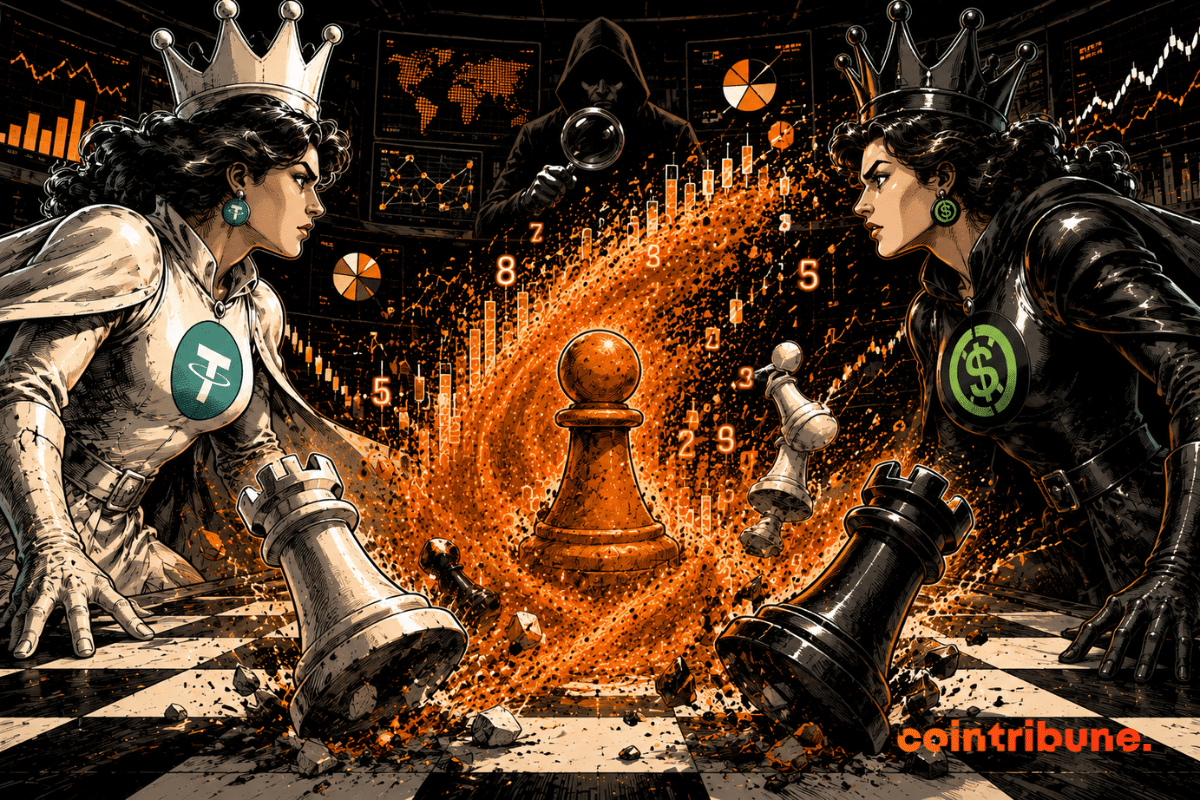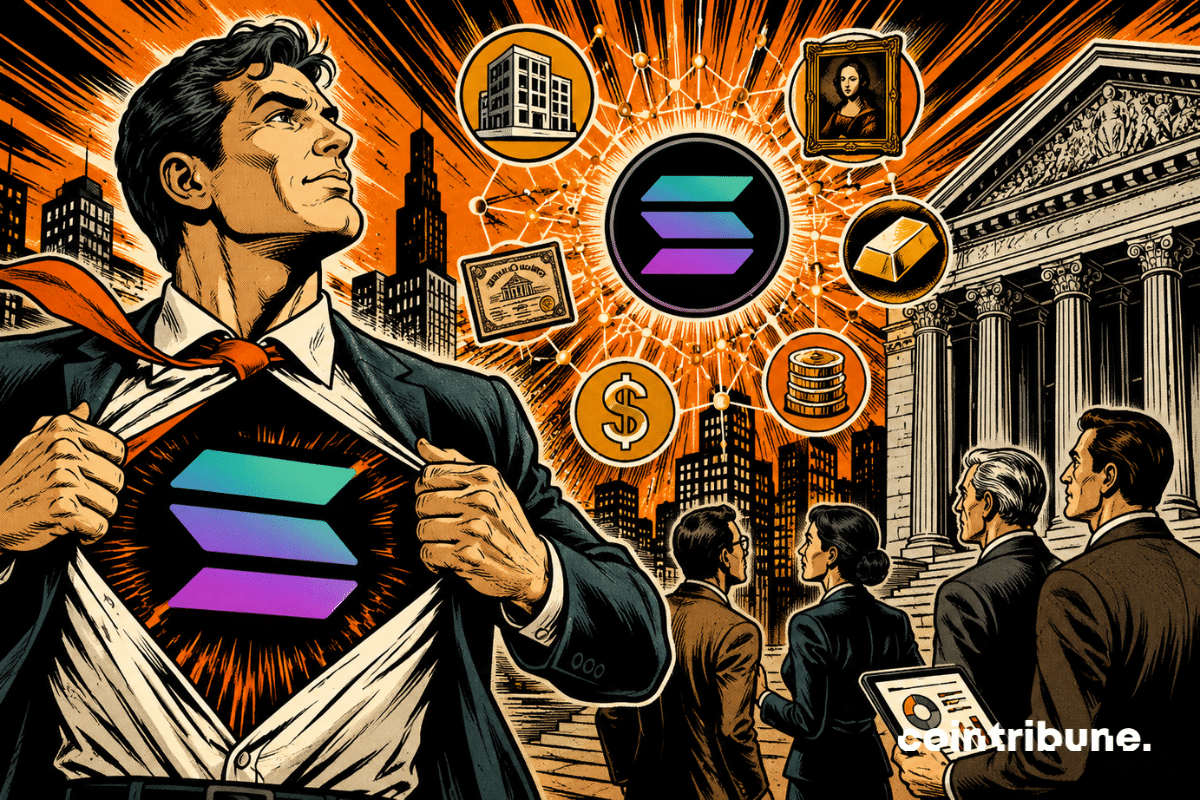
At Tether, the stablecoin is no longer enough: bitcoin, gold, and now wallets are being stacked. At this pace, the vault almost starts to see itself as a State.
Crypto news - Senator Lummis warns: the CLARITY Act must be voted now or wait until 2030. Full analysis in this article!
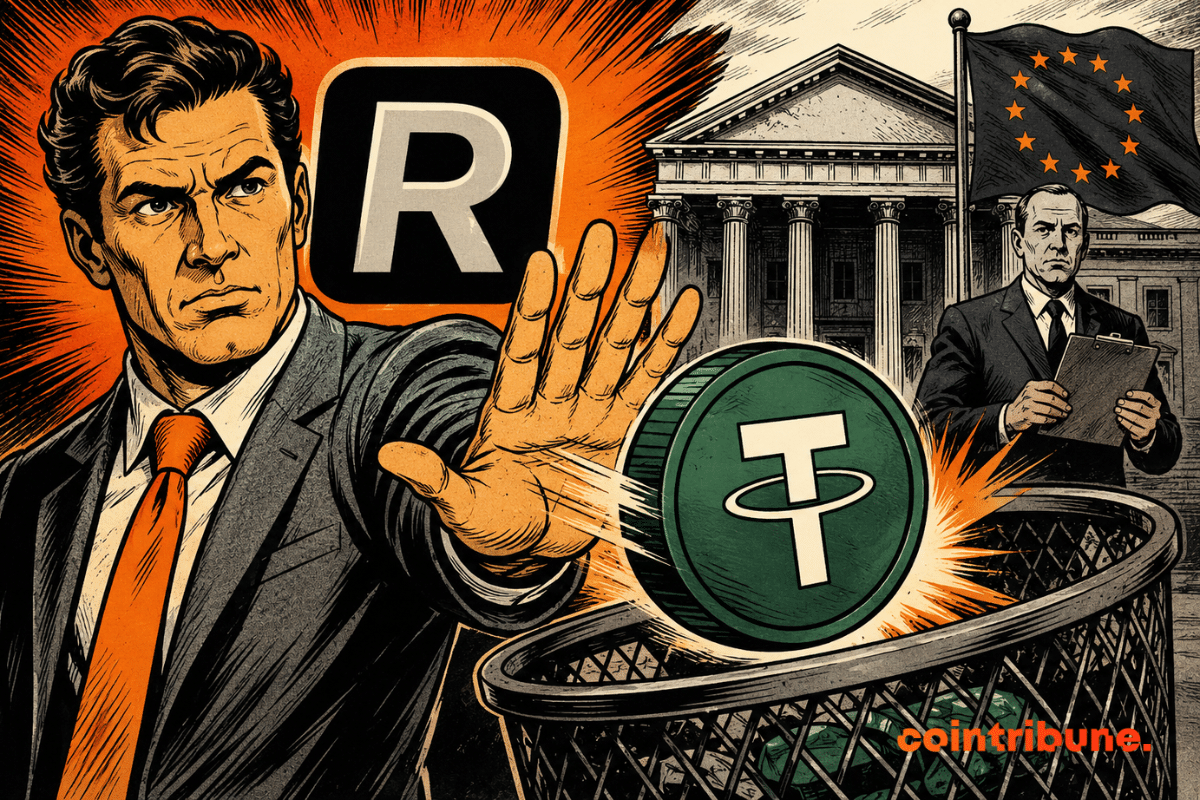
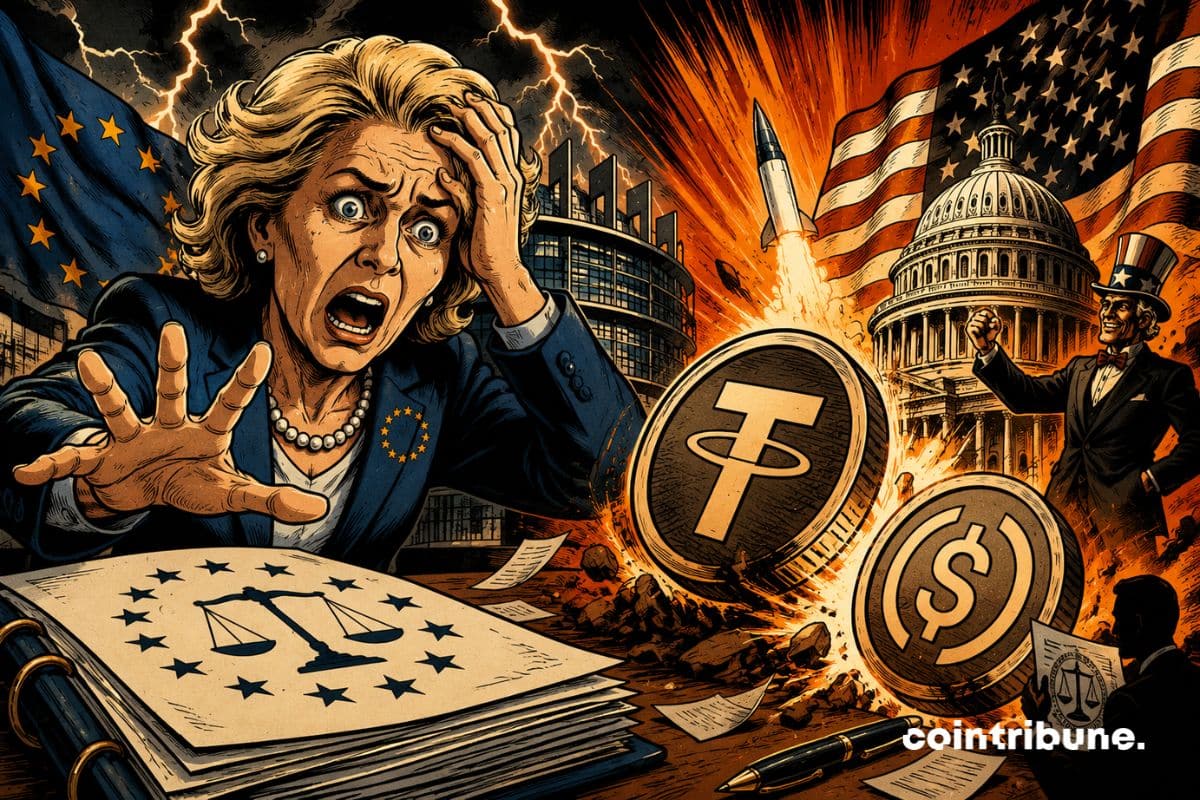
98% of stablecoins depend on the dollar, a threat to Europe. The Bank of France demands urgent tightening of MiCA rules. Why this decision? What risks for investors and markets? Analysis of the issues and proposed solutions.
Tether, the issuer of the world's largest stablecoin, is playing a risky card. The company is trying to close a historic fundraising at a valuation of 500 billion dollars, but time is running out. Investors have two weeks to commit. After this period, the project could be purely and simply postponed.
While crypto coughs and retail pulls out its marbles, stablecoins swell driven by bots, boosted by yield, while tokenized dollar changes masters.
In Hong Kong, stablecoins could come under the direct influence of major banks. HSBC and Standard Chartered are preparing to play a central role in a system strictly regulated by the authorities. Behind this development, a dual ambition is taking shape: to regain control of a key crypto market and to impose a regulated model against past excesses. Hong Kong is advancing its pieces in a global battle where traditional finance and blockchain now converge.
Stablecoins are advancing rapidly in Washington. The Federal Reserve, however, refuses to sign a blank check. Michael Barr, member of the Fed's Board of Governors, warns against too light regulation of assets that could, in a crisis, threaten the stability of the entire financial system.
Coinbase puts pressure back on Washington. The platform opposes once again the compromise on stablecoins, blocking the progress of a key text in the US Senate. On the surface, the debate concerns a technical detail: yield. In reality, it is a strategic battle between banks, exchanges, and political power, the outcome of which will reshape the digital dollar economy.
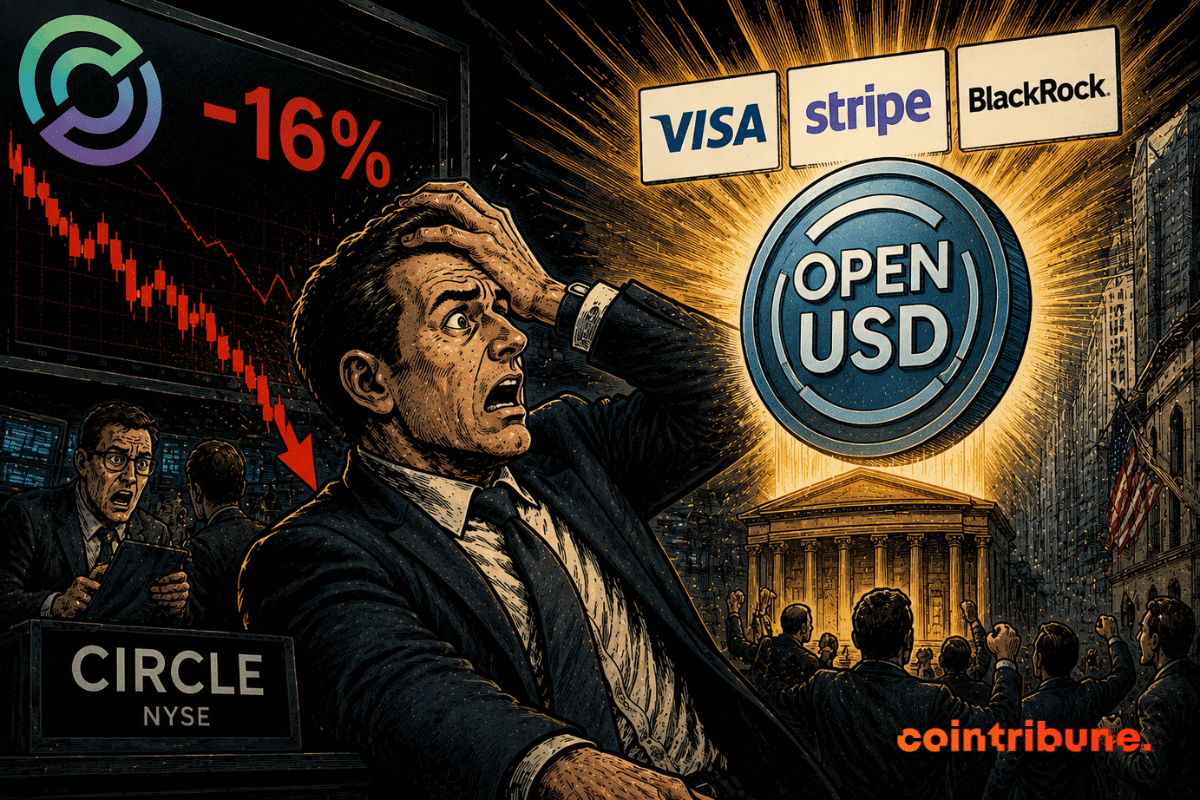
Despite a 22% drop on the stock market after tensions related to the CLARITY Act, Circle remains supported by the growth of the stablecoin market and the increasing institutional adoption of USDC in payments.
Tether is playing big. Long criticized for its opacity, the issuer of the USDT stablecoin finally announces a full audit of its reserves by a Big Four firm, a highly anticipated first by the market. Such progress could reshuffle the cards of trust around the world's largest stablecoin. However, the company refuses to reveal the identity of the firm in charge of this mission, casting doubt at the very moment it claims to want to increase its transparency.
Imagine an instant, secure payment system compliant with the strictest standards. Deloitte and Stablecorp team up to make QCAD the reference stablecoin in Canada. An innovation that could well redefine financial transactions as early as 2026.
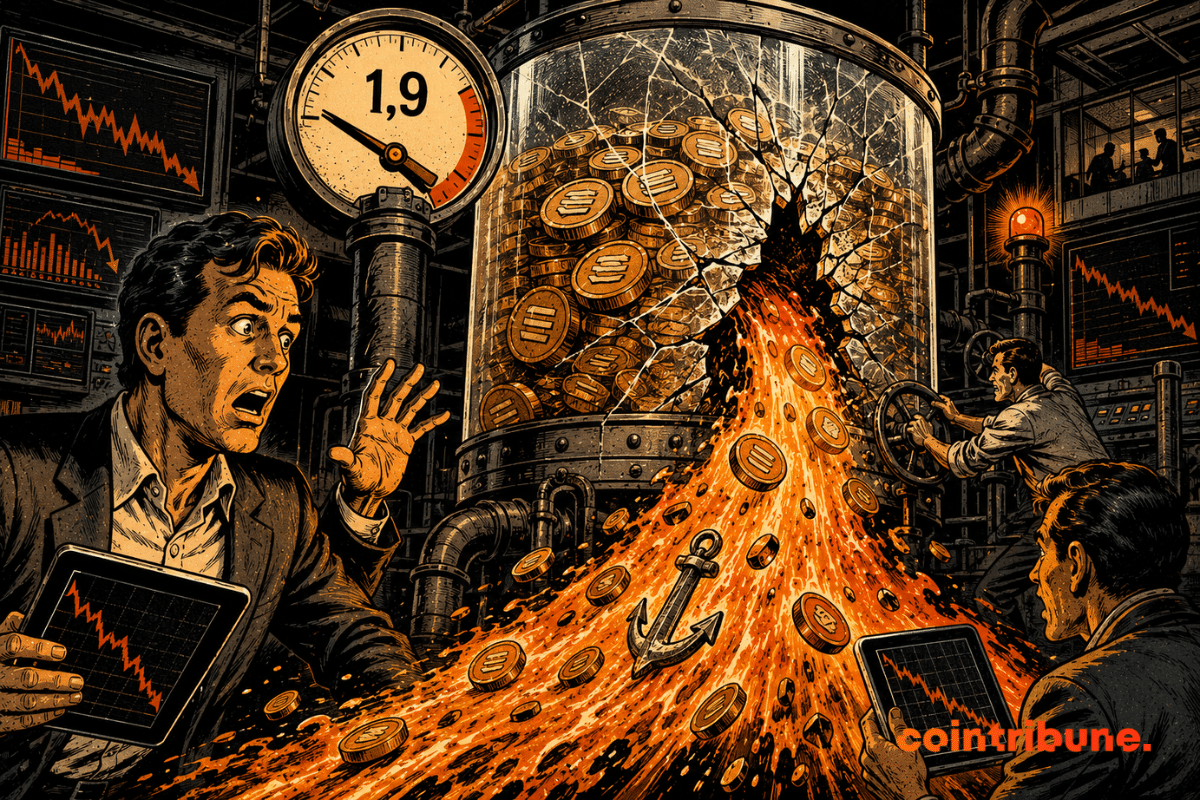
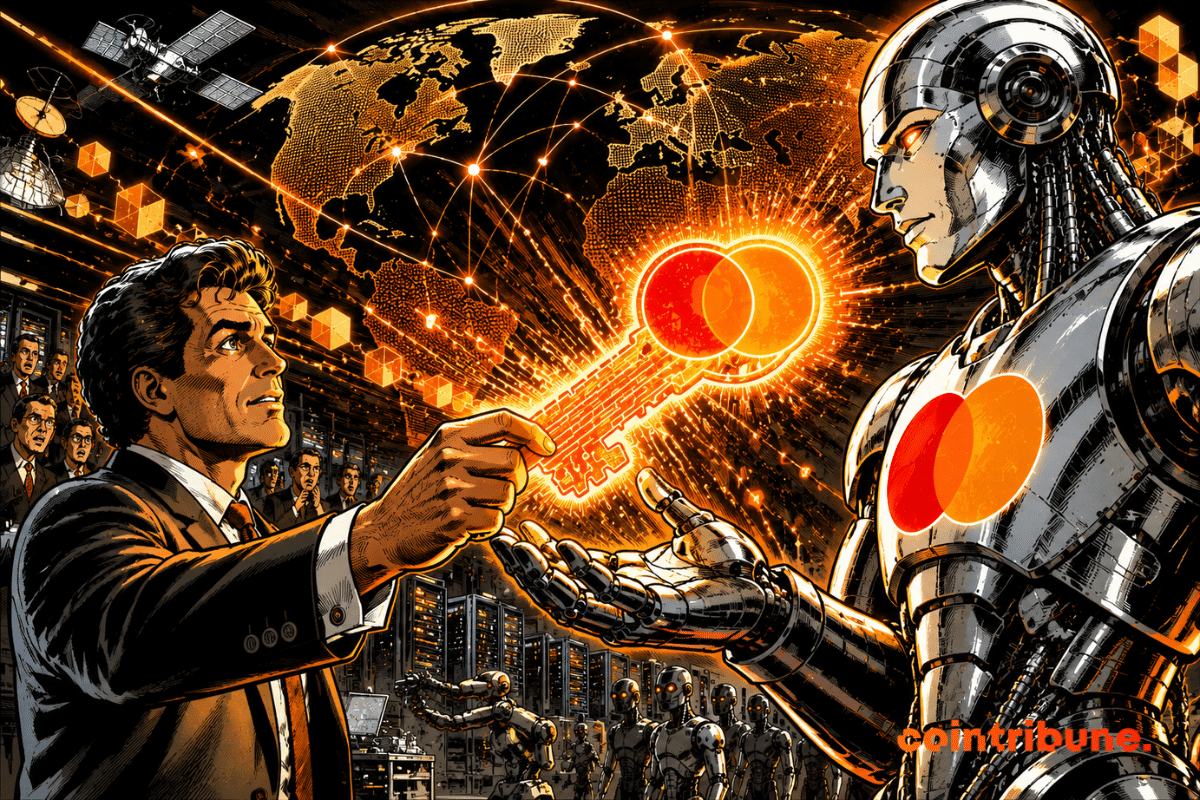
Mastercard no longer just watches the wave of stablecoins. The group now wants to position itself at the heart of this new financial plumbing. With the announced acquisition of BVNK for an amount that could reach 1.8 billion dollars, the payment giant sends a simple message: the battle for crypto payments will not only be played on tokens but on the infrastructure that connects traditional money and blockchain.
PayPal's stablecoin finally leaves its American stronghold. The company has just announced its deployment in 70 countries, an expansion that confirms its global ambition. Facing the giants Tether and Circle, the battle for cross-border transfers is officially launched.
A billionaire who earned 30% annually without ever losing announces the death of banks. Stablecoins will devour everything. Even the dollar trembles on its century-old foundations.
The duel between the two largest stablecoins in the market has just taken an unexpected turn. According to a report from investment bank Mizuho, Circle's USDC has surpassed Tether's USDT in adjusted volume since the start of the year, a key indicator for measuring the actual usage of these currencies. This shift does not yet challenge Tether's dominance in capitalization, but it reveals an evolution in how these assets are used. The stablecoin market is now divided between financial power and actual usage.
American senators are afraid of the digital dollar. Too much control, not enough privacy. So they killed it in the egg. Stablecoins, on the other hand, are invited to the party. Clever.
Tether has restarted the engine. The issuer of the market's first stablecoin created 1 billion dollars in USDT on Tron, a move that brings the crypto liquidity issue back to the center of the game at a time when geopolitical tensions are already shaking global markets.
XRP plunges by 62% but Ripple offers a 50 billion dollar stock buyback. Employees refused to sell at 40, they will get 25% more. Smart bosses.
Florida has just taken a major step by legally regulating stablecoins, becoming the first US state to integrate them into its financial system. Discover how the "Senate Bill 314" could transform the crypto future in the United States.
Stablecoins are transforming digital philanthropy. More and more charitable organizations are accepting these assets to attract major donors and secure their funding. Result : significantly higher average donations and millions already raised thanks to blockchain.
Political storm around crypto in the United States. Trump urges Congress while banks try to impose their rules.
Centralized crypto markets are under sustained pressure amid ongoing spot trading contraction. For five consecutive months, volumes across major exchanges have declined, signaling weaker participation and a clear reduction in speculative appetite. A large liquidation event in October accelerated this slowdown, impacting both spot and derivatives markets. Although January saw a brief rebound, overall activity remains far below prior cycle highs.
World Liberty Financial is moving to consolidate governance power by introducing a six-month staking requirement for voting rights. A newly proposed framework would require holders of unlocked WLFI tokens to stake them for at least 180 days before gaining access to protocol governance. The initiative introduces capital-tiered participation levels tied to large staking commitments and USD1-related incentives.
World Liberty Financial (WLFI), a crypto venture backed by the Trump family, has unveiled a governance proposal that would require long-term staking to unlock voting rights while deepening incentives around its stablecoin, USD1. The initiative is designed to concentrate decision-making power among committed participants and expand USD1’s role within the ecosystem.
Can crypto become a tool for geopolitical reconstruction? Indeed, the "Board of Peace" created by Donald Trump is studying the hypothesis of a dollar-backed stablecoin to support efforts in Gaza. In a territory where the banking system is largely destroyed and financial flows remain unstable, this approach places cryptos at the heart of an unprecedented debate mixing finance, regulation, and international influence.
Stablecoins want to buy U.S. debt. 2 trillion in their sights. The Treasury panics, 30-year bonds suffer. Tether is rubbing its hands.
While the cryptocurrency market undergoes a phase of decline marked by strong risk aversion, Tether's USDT shows an opposite dynamic. The stablecoin records record adoption, driven by practical uses such as savings, payments, and cross-border transfers, confirming its central role in crypto ecosystem liquidity and stability.
Stablecoins reach $141 billion of illicit activities in 2025. A record that reignites the debate on global crypto regulation!
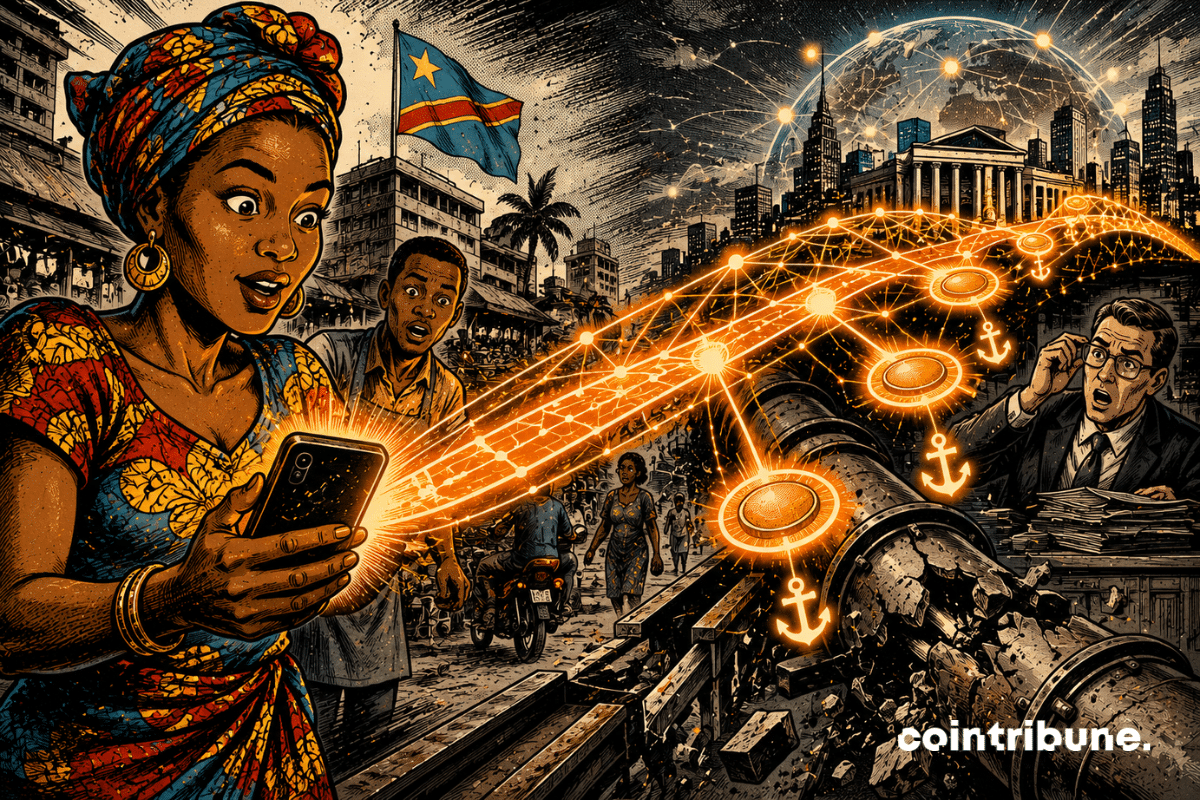
Paying employees in USDT, making purchases without going through a traditional bank… What seemed exclusively reserved for DeFi a few years ago is becoming a measurable reality. A global BVNK report, published in early 2026, paints a striking portrait of stablecoin adoption accelerating far beyond crypto circles.
Crypto use within human trafficking networks is rising, according to new data from Chainalysis. Yet the firm argues that blockchain’s open ledger may also expose those same networks to investigators. A recent report shows a sharp increase in crypto flows tied to suspected trafficking operations, many of which operate across Southeast Asia. Analysts believe transaction visibility could give law enforcement a tactical edge.