Fri 08 May 2026 ▪
3 min read
▪
by
Kalshi has just raised $1 billion and doubled its valuation in barely five months. Everyone wants a share of the prediction market.
Kalshi has just raised $1 billion and doubled its valuation in barely five months. Everyone wants a share of the prediction market.
While some crypto market undertakers were already preparing the blockchain coffin, Polygon unleashes the "turbo low-latency" mode. Visa now watches the engine heat behind the glass, even though the POL token still limps like an old worn-out cyberpunk taxi after a night under neon lights.

While the crypto market focuses its attention on bitcoin and ETFs, XRP quietly begins to attract technical analysts again. For several months, Ripple's token has been evolving in a historical support zone already observed before its previous rallies. This setup now fuels a bold scenario: a potential surge towards 12 dollars. In a climate dominated by doubt and skepticism, some traders believe the market might be underestimating XRP.

Kraken disrupts the rules of crypto trading. The platform has just launched in Europe a new category of futures contracts called Kraken TradFi Futures, allowing leveraged trading of stock indices, commodities, and forex pairs. An initiative that concretely brings the crypto and traditional finance worlds closer within a single interface. For Kraken Pro users, the experience expands considerably: in addition to the crypto perpetual contracts already available, derivative products modeled on traditional markets are now accessible within a regulated European framework.
Aave is approaching its full recovery after the devastating Kelp DAO attack. The lending protocol has just liquidated the hacker's last positions, unlocking considerable value. But the road to regained trust remains fraught with challenges.

BNY strengthens its pivot towards Bitcoin and Ethereum with an institutional custody project in Abu Dhabi. The signal is clear. Crypto no longer advances only through markets. It also advances through banking channels.

The prop trading sector has just endured one of the most brutal consolidations in its recent history. Between 2023 and 2024, more than 70 platforms shut down or were forced to cease operations under regulatory pressure, among them My Forex Funds, shut down by the CFTC in 2023, and The Funded Trader, liquidated the following year. Against this backdrop of widespread collapse, a handful of players not only survived but accelerated. Forex Capital3 is one of them, and its next bet is both logical and ambitious: integrating blockchain where traditional finance has shown its limits.

Solana regains its place in crypto discussions again. Indeed, on social media, optimism around SOL reaches heights that the market had not seen for several months. However, behind this speculative euphoria, on-chain data paints a much less flattering picture. While investors bet on a possible token rebound, the real network activity continues to slow down. This contrast is beginning to worry analysts specializing in blockchain metrics.
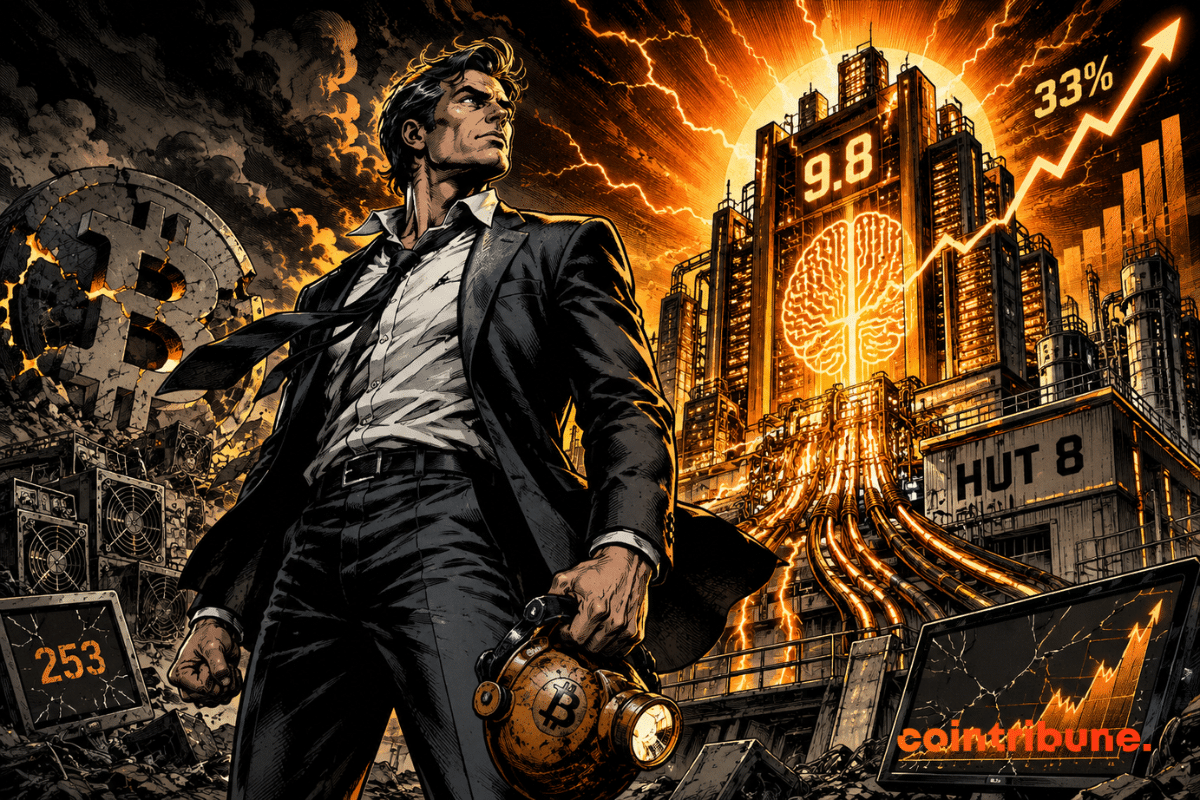
Hut 8 reports a net loss of $253 million in Q1 2026, but its stock jumps by +33% thanks to an AI infrastructure contract. Details here!

For months, Elon Musk publicly attacked Anthropic. Today, however, the billionaire opens the doors of one of the most powerful supercomputers on the market to them. Behind this surprise agreement between SpaceXAI and the company behind Claude lies a reality that has become central in the AI war: dominance no longer depends only on models, but especially on access to GPUs, energy, and infrastructures capable of powering the next generation of artificial intelligences.

Bitget reaches a new milestone on CFDs. The platform claims to have achieved $8 billion in daily volume, compared to $6 billion in March. This acceleration mainly comes from a rekindled hot asset: gold.
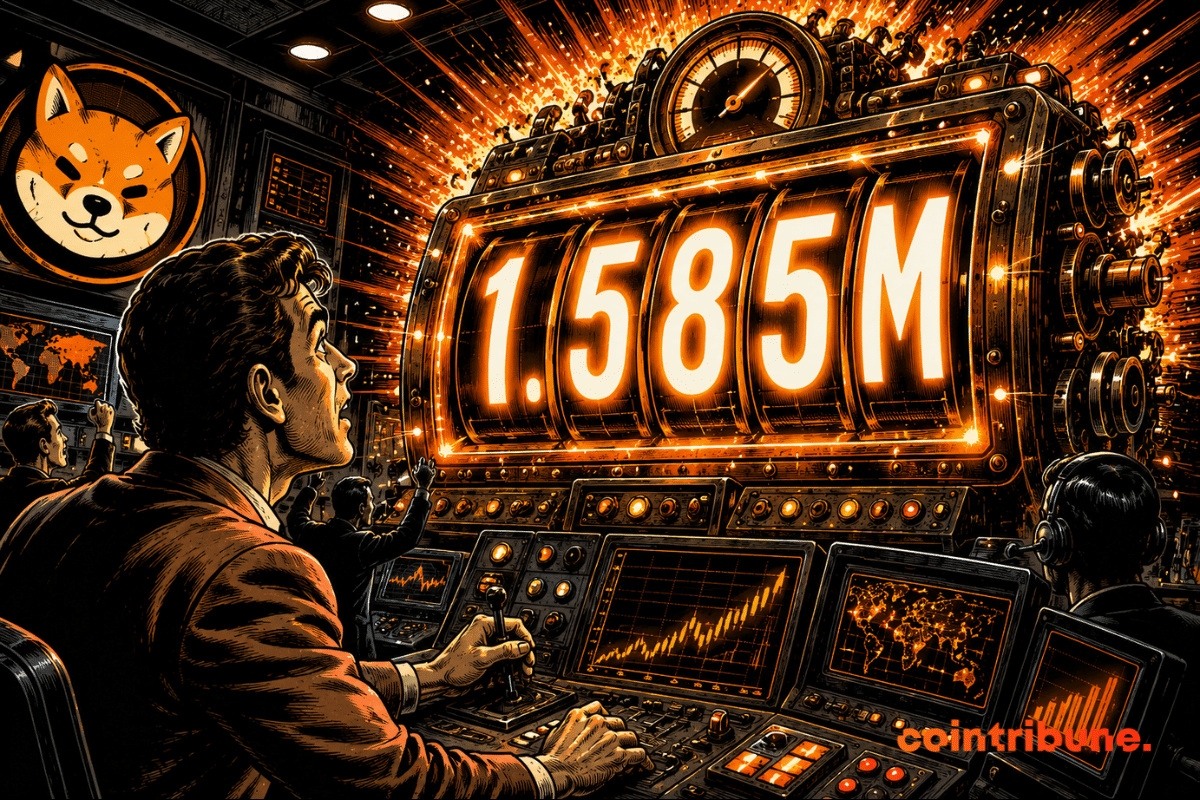
The crypto market regains activity, and Shiba Inu benefits from this renewed interest. According to data released by its team, SHIB has just reached a new record number of holders, with a total of 1.585 million wallets, in a context of rising prices and movements towards private wallets. The memecoin thus shows a more visible accumulation phase, while investors reduce their immediate presence on exchange platforms.
While bitcoin quietly sucks in crypto liquidity, altcoins wait like tired extras behind the curtain. Yet, some Binance volumes are discreetly starting to flash dangerously again.

Crypto markets have just delivered a new episode of extreme volatility, with Zcash at the epicenter. In a few hours, the token jumped 30%, triggering tens of millions of dollars in liquidations and massively trapping short sellers. This sharp movement goes beyond a simple technical imbalance. It fits into a context where privacy-focused cryptos are regaining ground and influencing market dynamics again.

Long presented as an unwavering holder of Bitcoin, Strategy Inc. has just reached a historic milestone. Michael Saylor's company now plans to sell part of its BTC strategically, not out of necessity, but to gain a colossal tax advantage.

The crypto market emerges from a long phase of distrust. After more than three months dominated by fear, investor sentiment is evolving while bitcoin is trying to stabilize at a key level. This return to balance remains fragile. Between improved sentiment and conflicting signals on liquidity, the market is entering a pivotal phase.
AI agents enter a new phase: they can now pay for digital services themselves. With Pay.sh, Solana and Google Cloud want to make stablecoins a native payment layer for the artificial intelligence economy.
Strategy, a pillar of institutional bitcoin adoption, has just announced a loss of 12.54 billion dollars in the first quarter of this year. Behind this unprecedented number lies an unyielding mechanism: every BTC fluctuation now directly impacts its accounts. This publication reveals a total dependence on the crypto market, where even the slightest correction immediately reflects in financial results. Such a situation raises questions about the limits of a model fully backed by bitcoin.

Bitget is turning Bitcoin Pizza Day into a recruitment signal for Web3 talent. The exchange is using one of crypto’s most famous stories to connect young builders with real companies.

A new Bitcoin fork project reignites tensions within the ecosystem. Led by developer Paul Sztorc. The initiative named "eCash" does not just propose a basic parallel chain: it introduces technical and economic choices that directly affect fundamental principles of the network, notably the management of UTXOs and the controversial use of Satoshi Nakamoto’s historical holdings. Between promises of innovation and fears of misuse, the debate intensifies around the project.
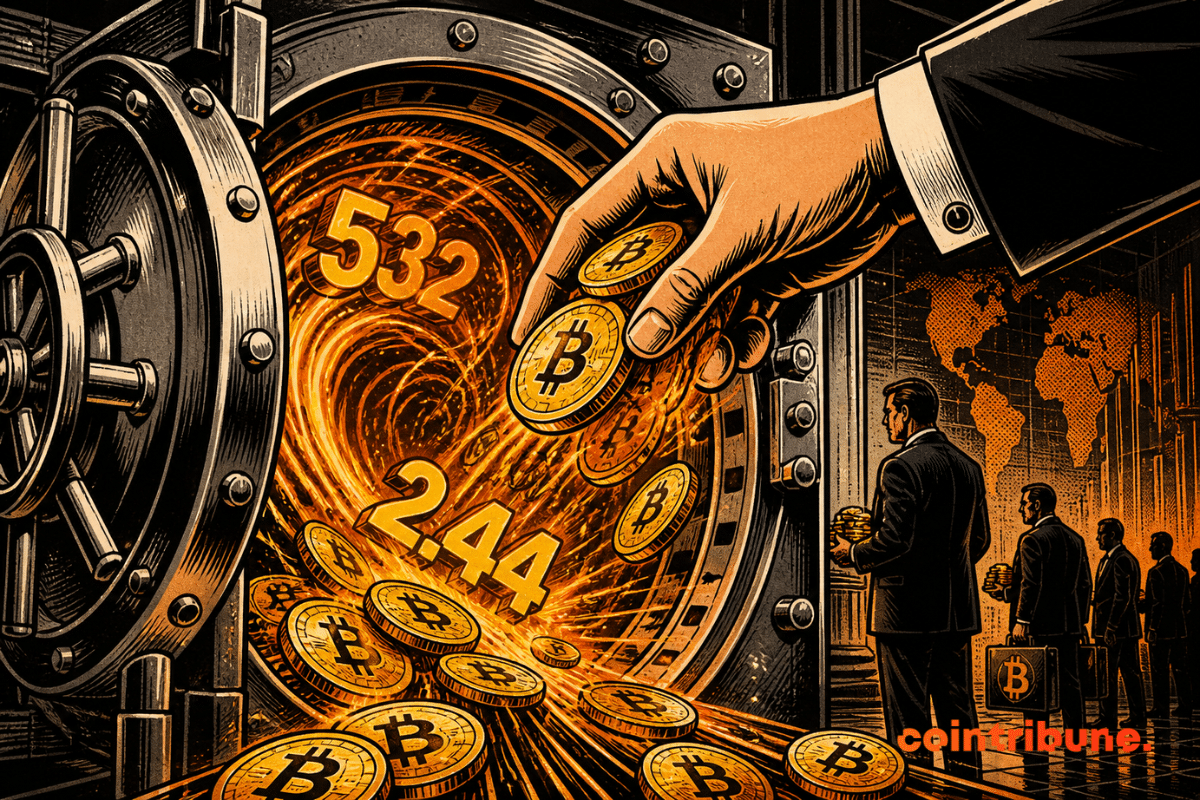
Bitcoin ETFs recorded $532M in net inflows in a single day and $2.44B in April. Institutions are accumulating. Analysis.
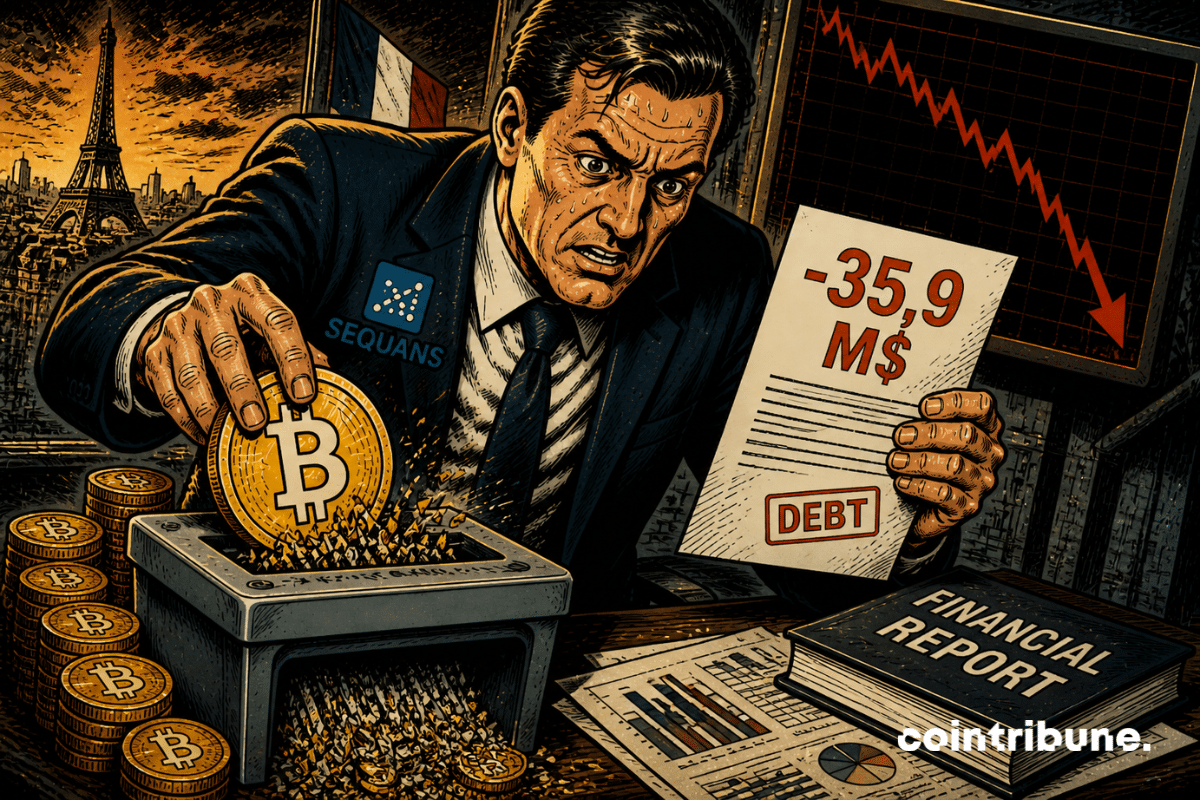
Sequans Communications liquidates half of its Bitcoin to cope with a drop in revenue, growing losses, and significant debt, questioning its long-term crypto strategy.

Pavel Durov's announcement renews attention around TON. According to the founder of Telegram, the messaging platform will take a more direct role in the network. In the wake of this, Toncoin surged significantly, while several details remain unclear about the TON Foundation, network validation, and the future technical organization.
Bitcoin returns to the brink of a decisive threshold. Nearing $82,000, the market slows down and caution signals emerge. Several analysts mention a risk of rejection in a context where macro-economic factors regain weight. This level now focuses attention, between attempts to continue the rise and possible reversal.
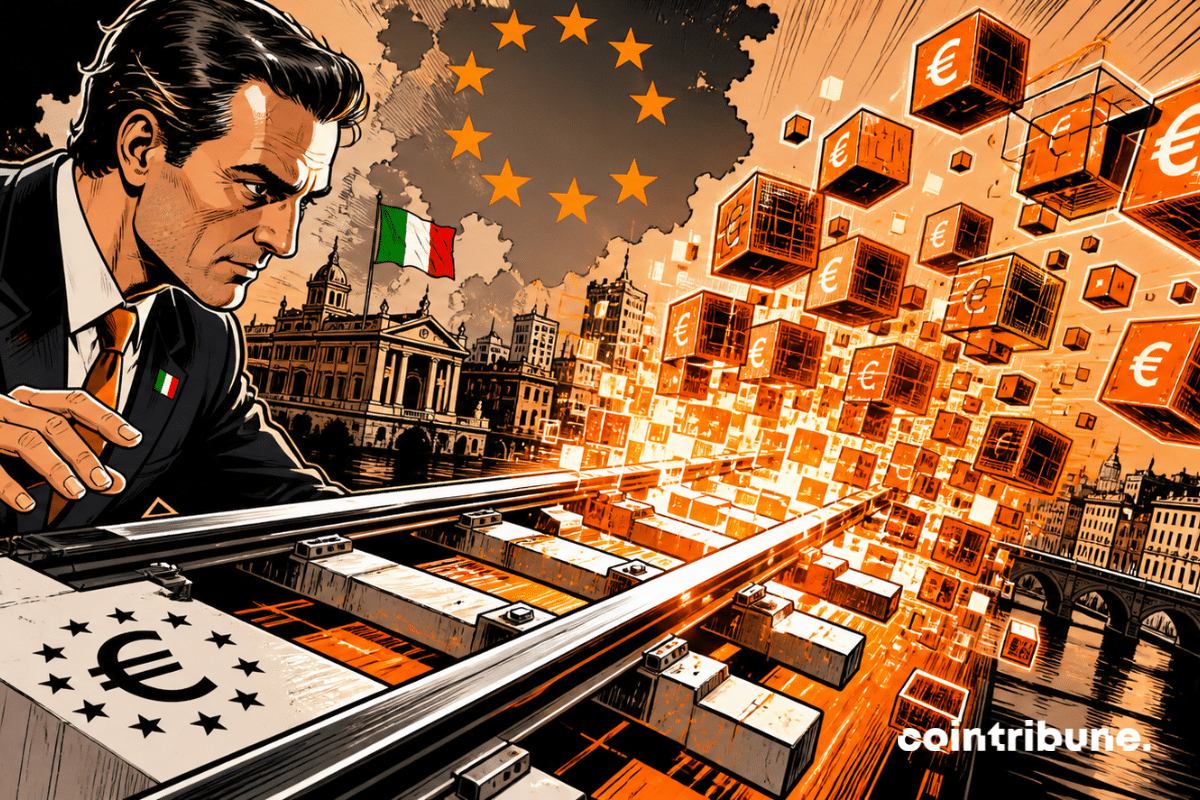
Europe could soon deeply rethink its payment infrastructure. The Bank of Italy has just sent a strong signal in favor of a tokenized version of the SEPA system. An initiative that could redefine the role of the euro in an increasingly digital financial world.

Only 2% of young Americans rate the American economy as "excellent." The figure is tiny, but it tells a larger divide: for a large part of 18-34 year olds, the promised growth does not show in bills, gasoline, or the grocery basket. According to Generation Lab, 52% of respondents describe the situation as bad and 29% as catastrophic.
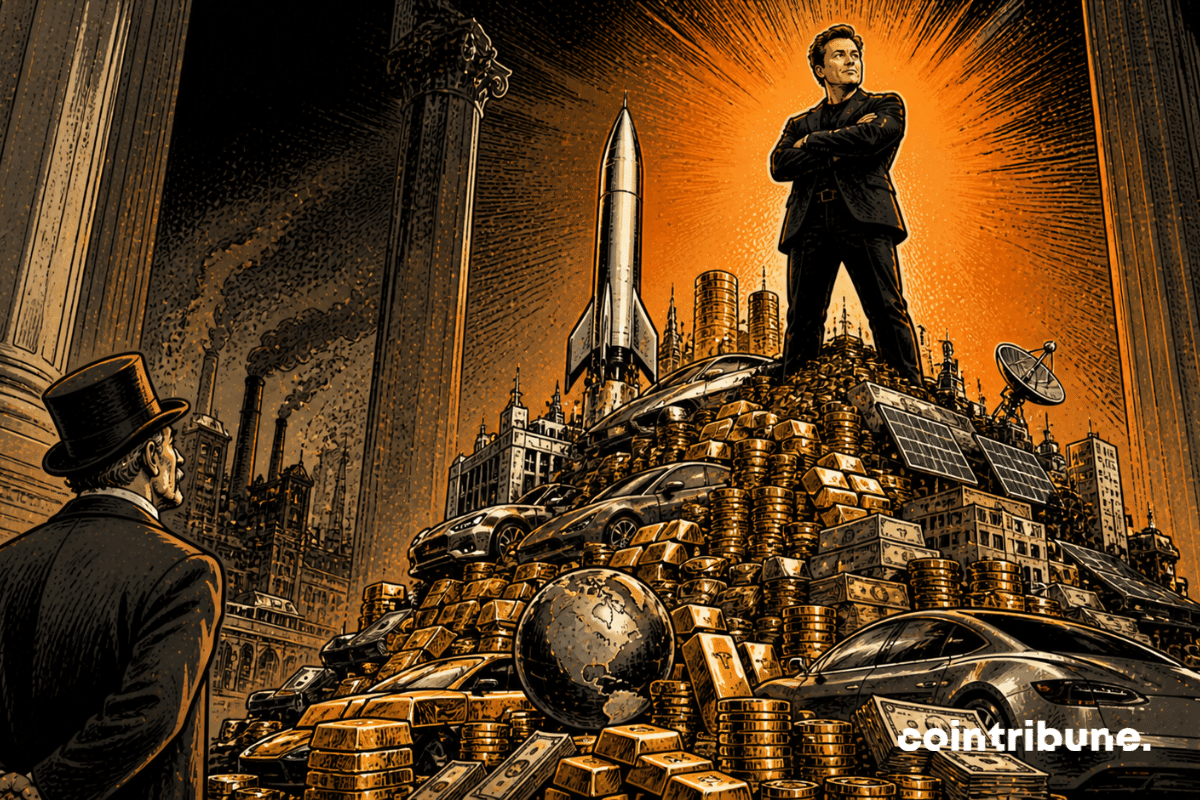
Wealth records rarely change scale. Elon Musk has just crossed an unprecedented milestone, with a fortune estimated at over $800 billion, a level no individual had reached since John D. Rockefeller in 1913. This rapid growth goes beyond a personal achievement, but it illustrates an unprecedented concentration of capital in the era of tech giants. Between historical rupture and excessive ambitions, this new threshold questions the ongoing economic dynamics and their global implications.

World Liberty Financial and Justin Sun turn their conflict over the WLFI token into an open legal battle. The case goes beyond a simple disagreement between investors. It concerns reputation, governance, and trust in highly politicized crypto projects.

Western Union accelerates in digital payments. The group announced USDPT, a US dollar stablecoin based on the Solana blockchain and issued by Anchorage Digital Bank NA. This initiative aims to integrate a regulated digital dollar into an already well-established global network. Through this project, Western Union seeks to improve international settlements while relying on a large-scale existing infrastructure.
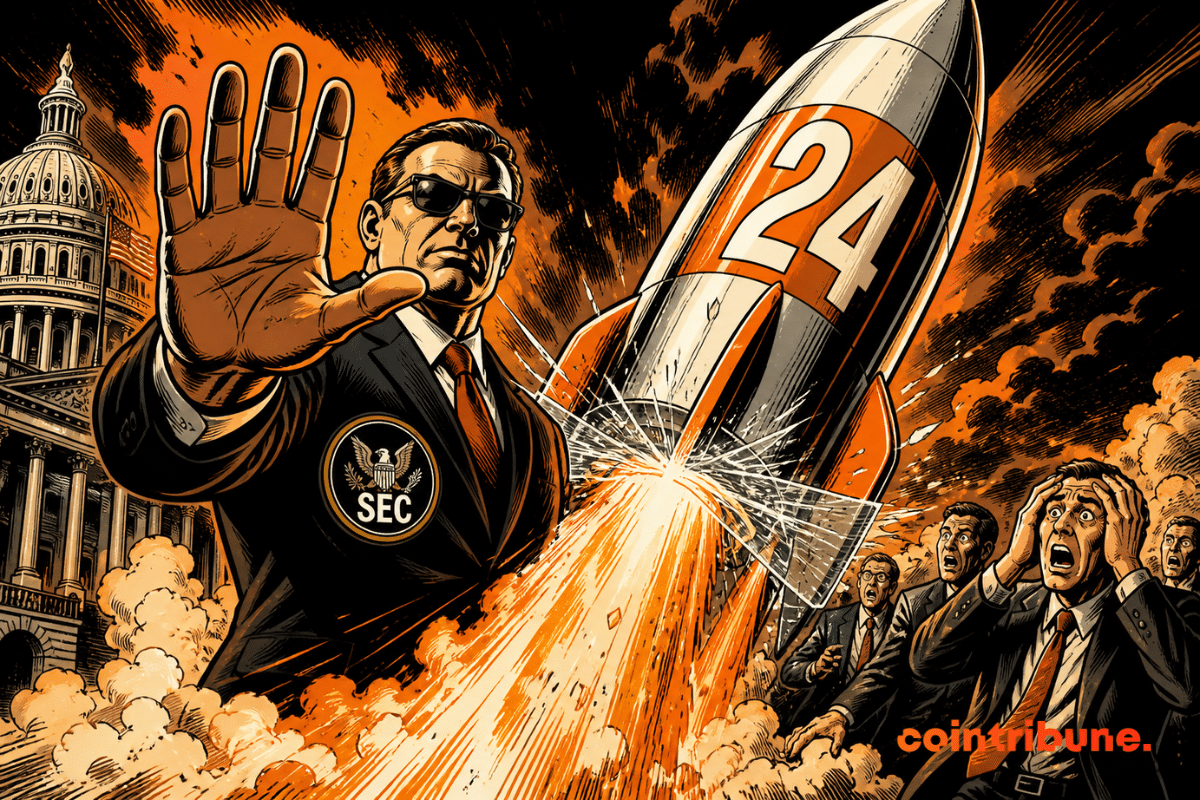
The SEC has abruptly stopped the launch of 24 ETFs related to prediction markets. These revolutionary funds were expected this week. What is really happening?