Tue 23 Jun 2026 ▪
4 min read
▪
by
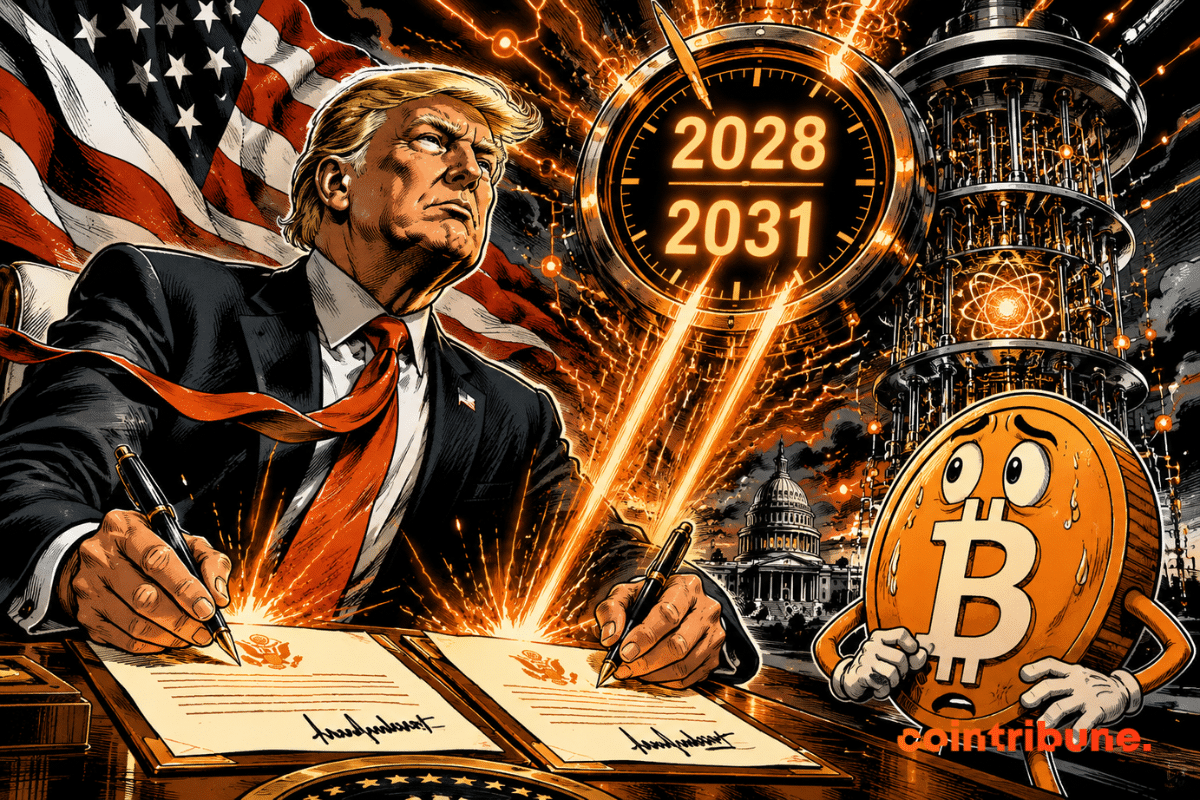
Donald Trump signs two decrees to accelerate quantum computing in the United States. What this means for the crypto universe.
Donald Trump signs two decrees to accelerate quantum computing in the United States. What this means for the crypto universe.
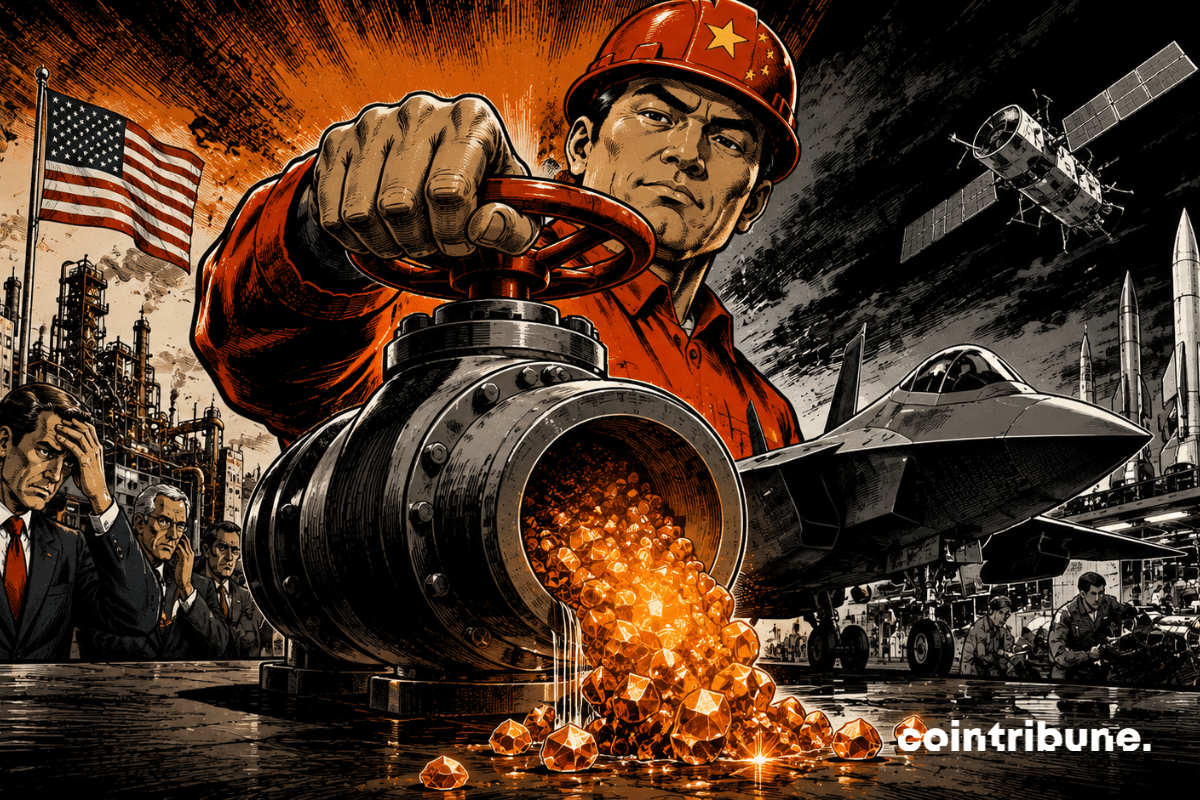
The growing entanglement of national security, technological supply chains and financial sovereignty is profoundly changing global macroeconomic balances. Financial markets and the crypto ecosystem were beginning to observe signs of institutional stabilization when a major diplomatic rupture just occurred. On Monday, June 22, China officially ended the trade truce by announcing massive sanctions against dozens of American companies linked to the strategic sectors of defense and rare earths. Beijing's offensive revives economic hostilities with Washington and threatens to strangle high-tech industries that depend on these essential raw materials for advanced infrastructures.

Strategy continues buying bitcoin despite the fragility of its main financing tool. Michael Saylor's company invested about 35 million dollars in 520 additional BTC, bringing its reserves to 847,362 bitcoins. A modest purchase at its scale, but meaningful as the STRC continues to lose ground.

The funding of blockchain networks remains a major challenge for decentralized projects. Ethereum is currently facing a new governance proposal that could change validator participation. The mechanism presented aims to redirect part of staking rewards toward ecosystem funding, particularly tools, research, and infrastructures necessary for network development.
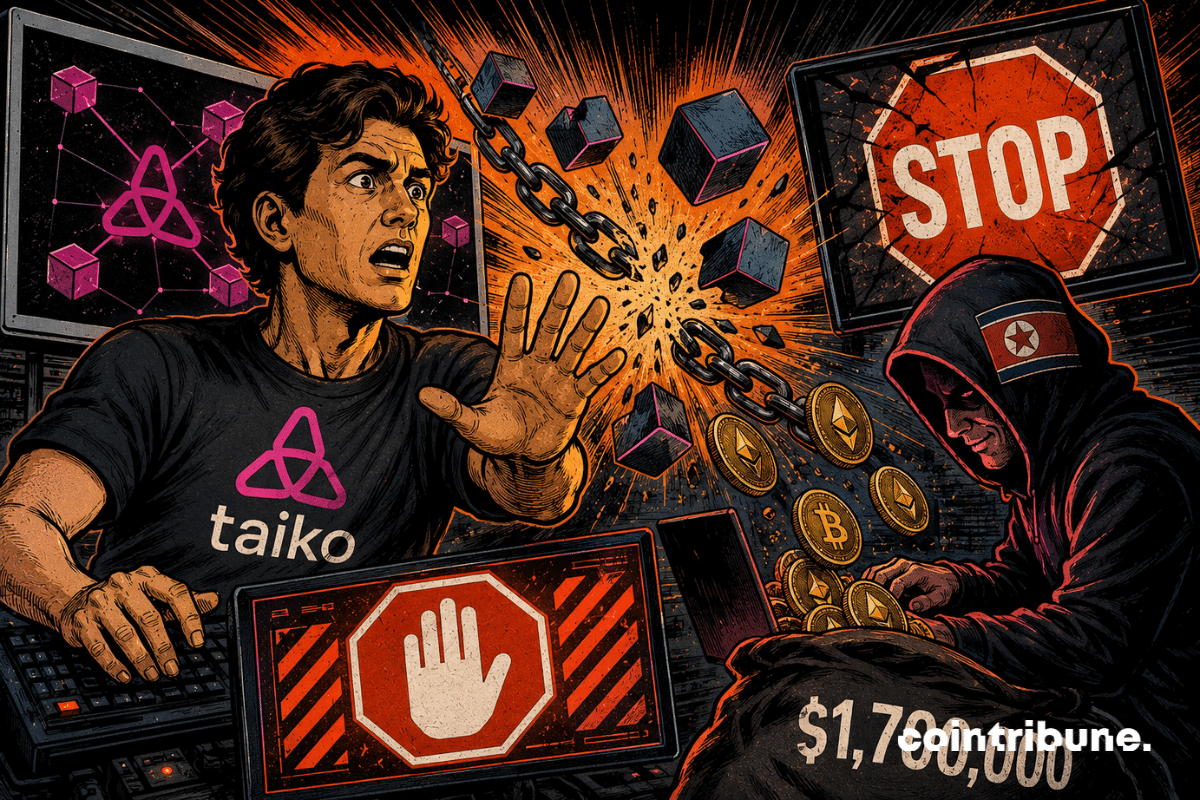
The crypto Taiko is undergoing a major crisis after a hack causing approximately 1.7 million dollars in losses. The Ethereum layer 2 network has halted its block production and asks users to withdraw their funds from all its crypto bridges.
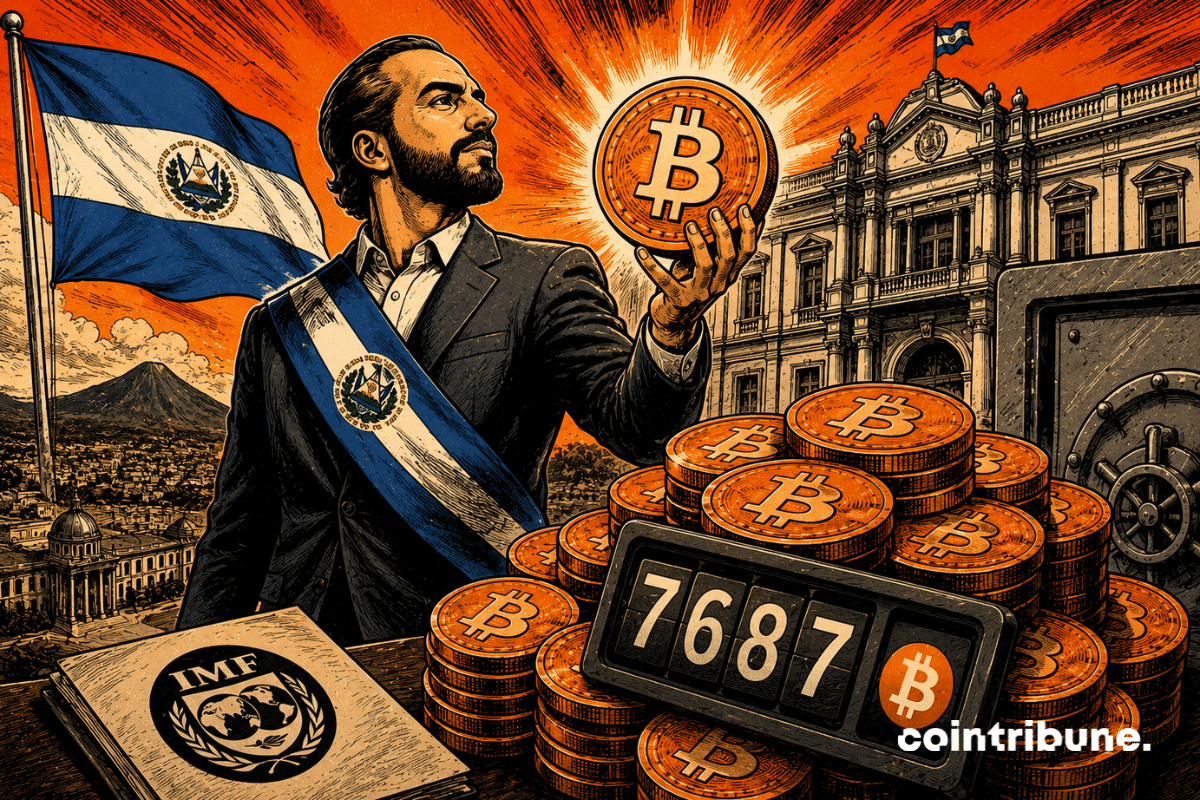
El Salvador buys bitcoin like there's no tomorrow despite the IMF's stern warnings. 7,687 coins already in the vault. Creditors grind their teeth, but Bukele just laughs it off.
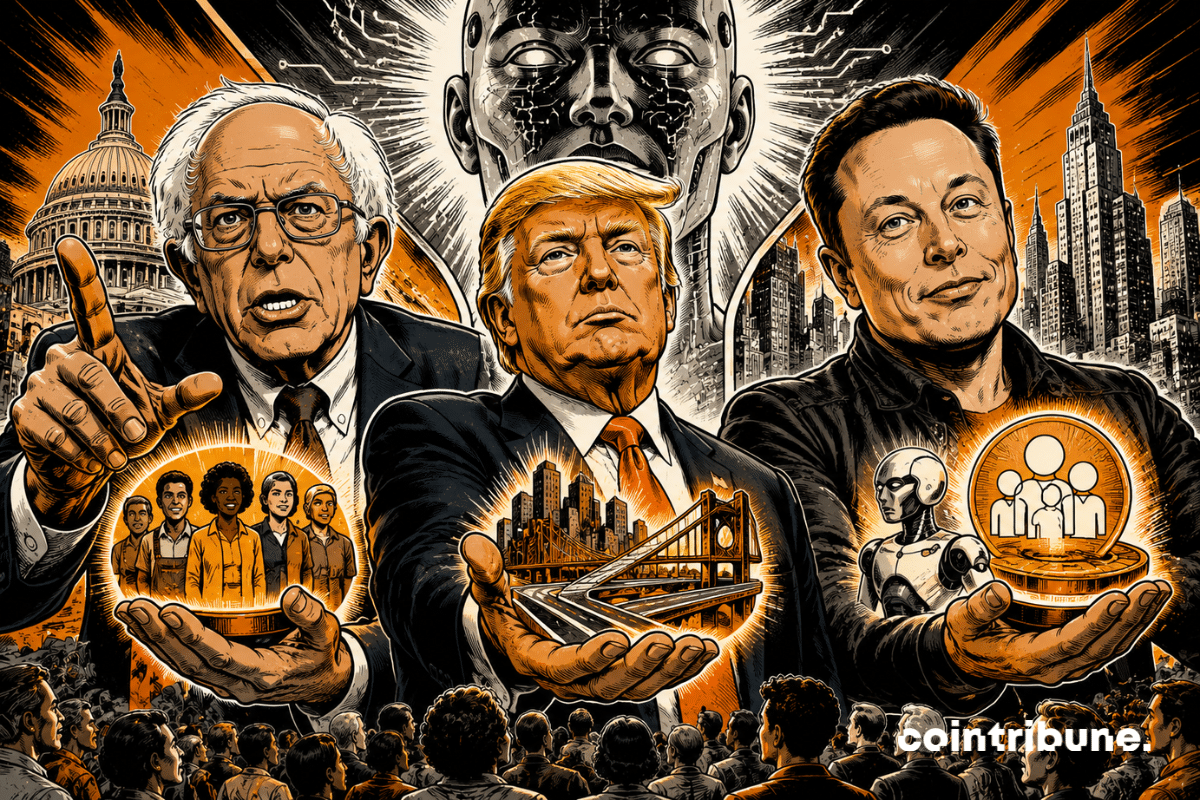
The advent of artificial intelligence is reconfiguring production structures but also shaking the very foundations of Western monetary and fiscal policies. With the rise of global automation, a major ideological divide now emerges between supporters of state centralization of technological infrastructures and advocates of a liberalized private capitalism. Today this dynamic is at the heart of global macroeconomic debates, with governments and major industry leaders seeking to anticipate tomorrow's employment imbalances.
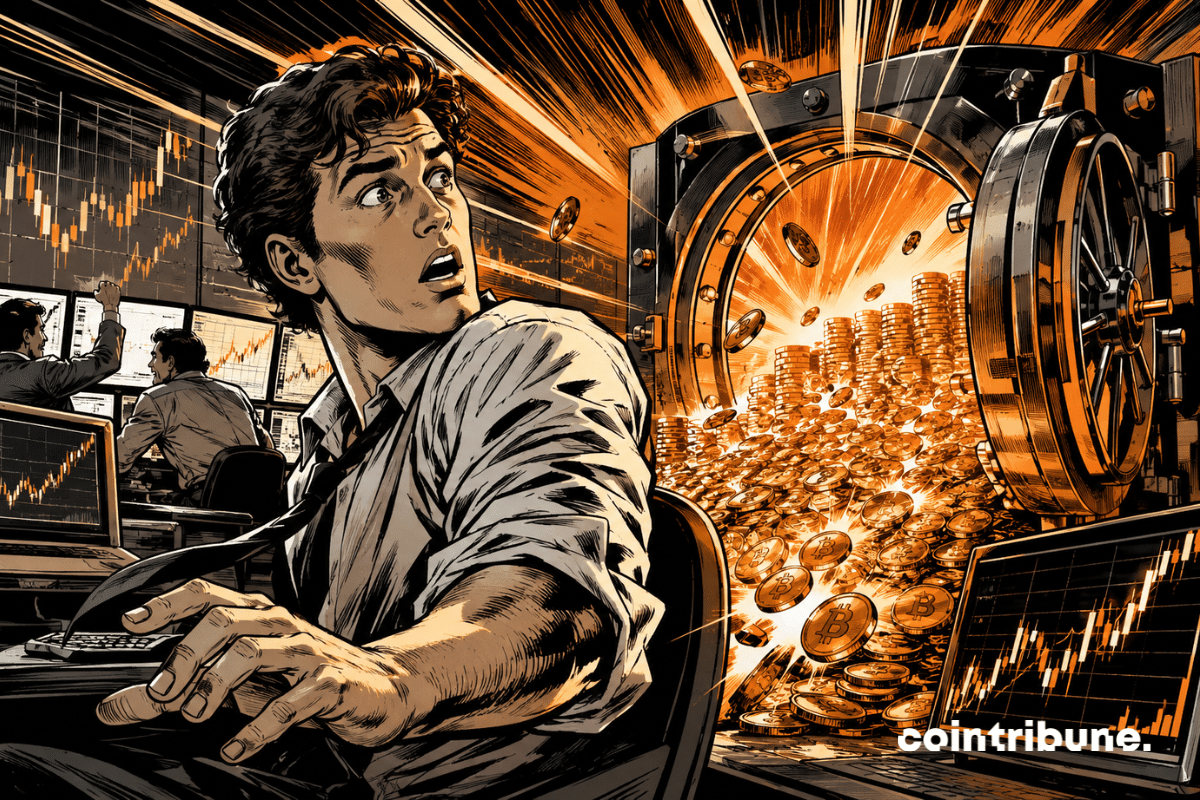
Kraken has just launched Kraken Prop, a crypto prop trading program directly integrated into Kraken Pro. The principle: traders who pass an evaluation gain access to a funded account that can reach $200,000 of Kraken’s capital, and keep up to 90% of eligible profits. Their only…

Artificial intelligence is no longer limited to algorithms and software interfaces: it is now embodied in machines capable of acting on the physical world. This is the whole challenge of the MACHINA Summit, a new event organized in Paris on July 7, 2026, ahead of the RAISE Summit. Designed as a summit dedicated to robotics and autonomy, the event aims to document the shift of AI from software to physical systems. Cointribune is partnering with this first edition and offers its community an exclusive discount code to attend.
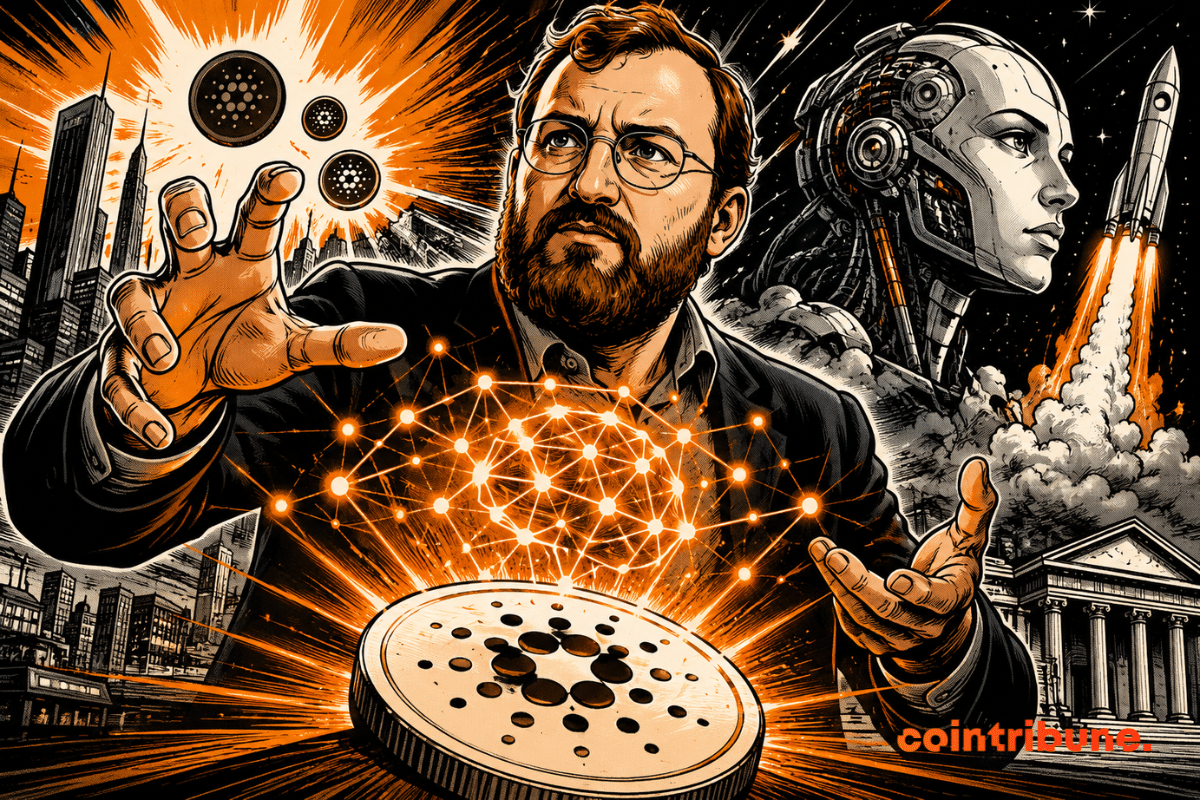
The evolution of blockchain pushes crypto projects to revisit their development strategies. In this context, Cardano accelerates its orientation towards new technologies. Charles Hoskinson now advocates the integration of AI as a central element to improve communication, automation, and network scalability.
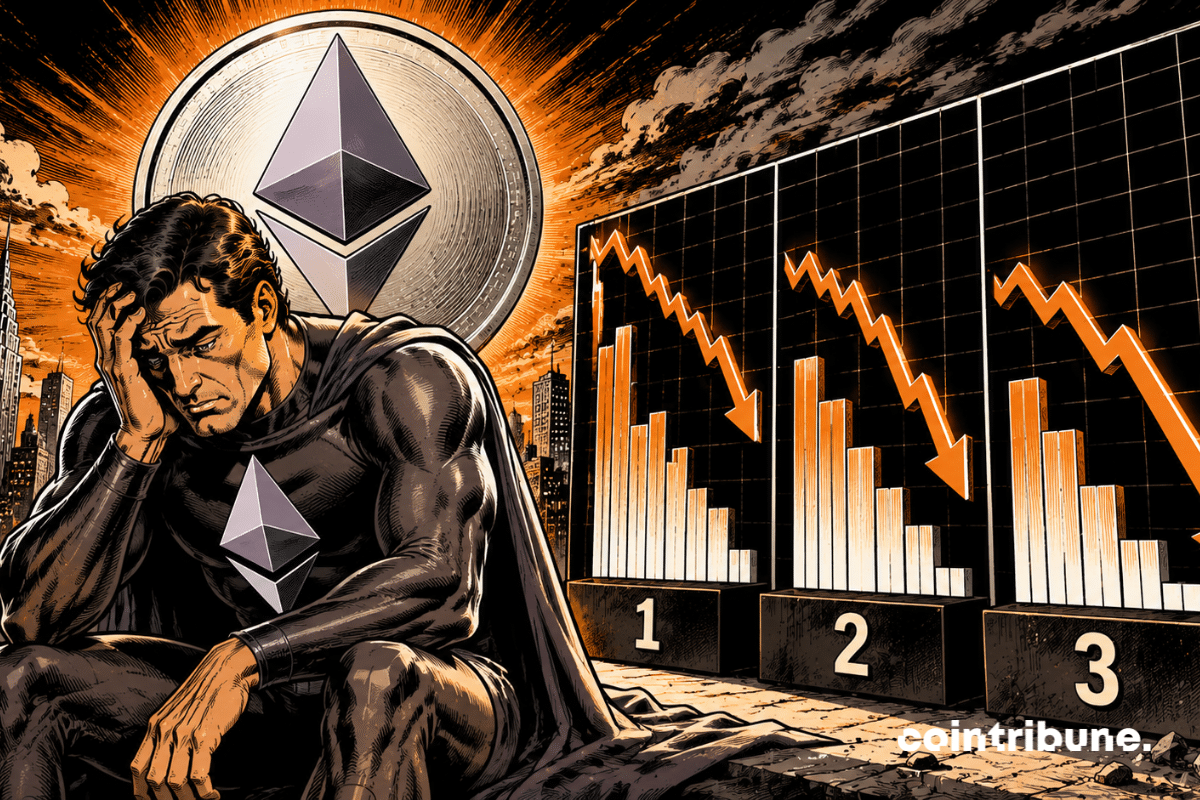
The crypto market is shaken by strong macroeconomic turbulence, but a technical anomaly is currently attracting all the attention of fund managers and decentralized finance investors. Ethereum, the world's second largest crypto by valuation, is about to cross a historic threshold that the ecosystem could well have done without. While its price hovers around the 1,714 $ mark, the accumulated downward pressure threatens to break well-established market dynamics.

Michael Saylor does not seem ready to slow down. As the STRC goes through a turbulent zone, the Strategy boss hints that a new massive bitcoin purchase could be imminent. The market is holding its breath.
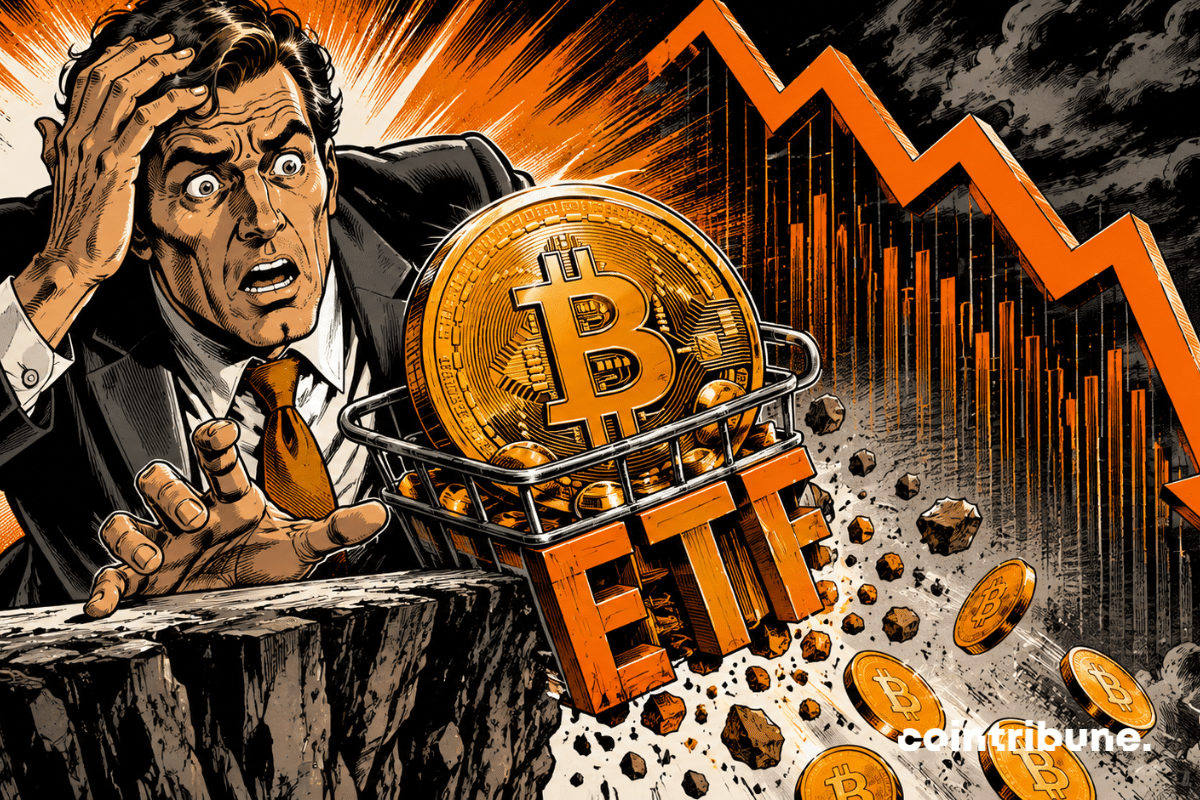
At Wall Street, the era of massive crypto rise within institutions is undergoing its first real regulatory and financial scrutiny. After several months of continuous euphoria, the most followed investment vehicles in traditional finance are facing a historic halt, reversing short-term balances in the crypto market. The US spot Bitcoin ETFs, once rally drivers, are now fully experiencing the arbitrage of much more cautious institutional players. This downward trend marks a major break, both due to the astronomical amounts withdrawn and the speed at which market sentiment has reversed.

Beyond the field, the 2026 World Cup is shining. Is FIFA making a deal with the devil or signing the birth certificate of crypto in sports with Kraken as a sponsor, fan tokens on fire, and anti-scalping NFTs?

A Japanese corporate pension fund covering around 1,200 SMEs plans to allocate 1% of its assets to cryptos during fiscal year 2026, according to Nikkei. This move remains modest in volume but comes as Tokyo accelerates its legislative framework for digital assets. A breaking signal or just a diversification test?

The debate surrounding the network's historic funds comes back to the forefront after a statement from Changpeng Zhao. The founder of Binance mentioned the possibility of blocking some of Satoshi Nakamoto's bitcoins due to risks related to quantum computing. CZ, however, presented this idea as a question intended for the community, not as a personal initiative.
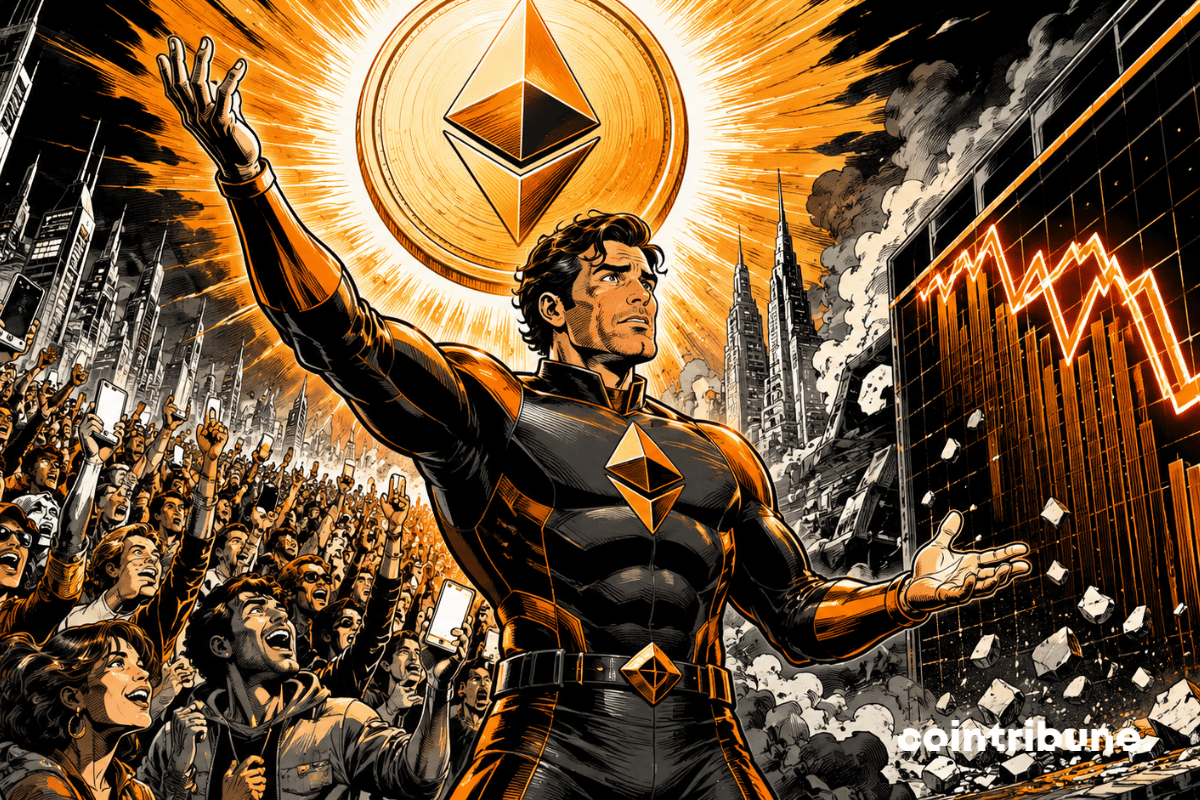
The evolution of a large decentralized infrastructure often relies on a subtle trade-off between its technical performance and its capture of financial value. The case of Ethereum in the first quarter of this year perfectly illustrates this dynamic, revealing an unprecedented decoupling between the concrete adoption of its network and the economic performance of its native token, ETH. Blockchain activity is breaking historical records, while revenue generated from transaction fees and the overall valuation of the protocol experience a severe correction.
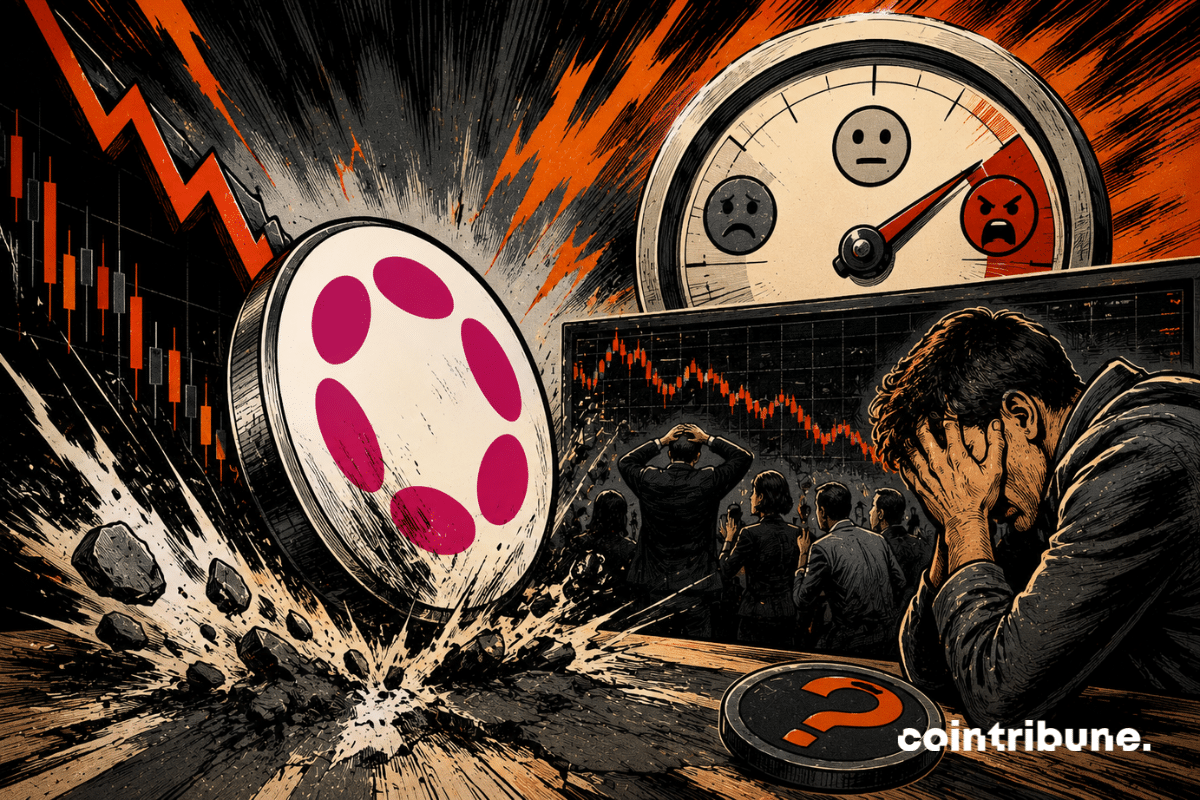
Polkadot fell from grace like a rotten old board. Down 98 %, investors mourn their precious timber. The crypto woodworking shop is in deep mourning today.
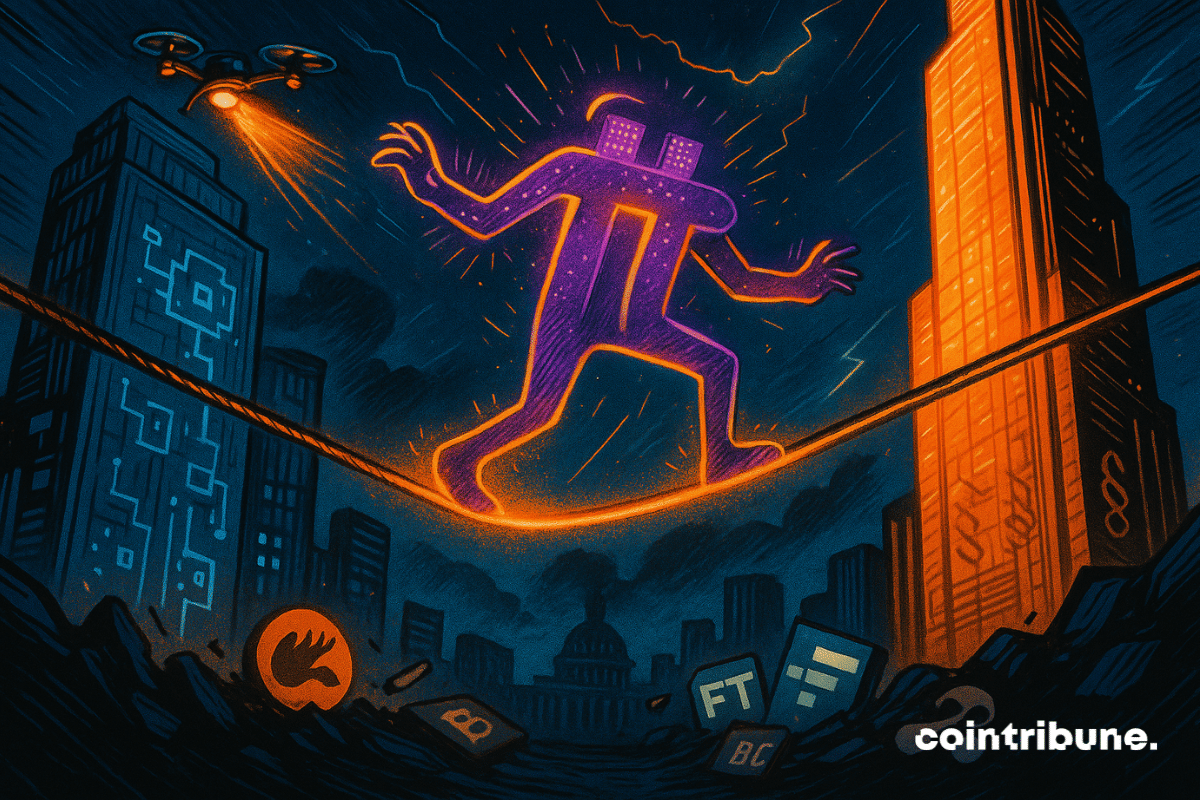
The balance of a decentralized protocol is ensured by an invisible, yet absolute synchronization between the alignment of its validation infrastructures and the financial structure of its asset on the markets. Pi Network is precisely going through one of those pivotal phases where technological imperatives clash with the speculative dynamics of its community. The native PI token, although showing some technical resilience by bouncing on a critical chart support after a particularly difficult start of the month, sees its founding team issue an urgent alert reminding of the underlying operational fragility of the project.

The unimaginable was accomplished by BlackRock's Bitcoin ETF (IBIT): drawing Bitcoiners to Wall Street without arousing suspicion. How did the financial behemoth pull off this brilliant move, combining clever strategy with discreet conversion? You'll be surprised by the response.
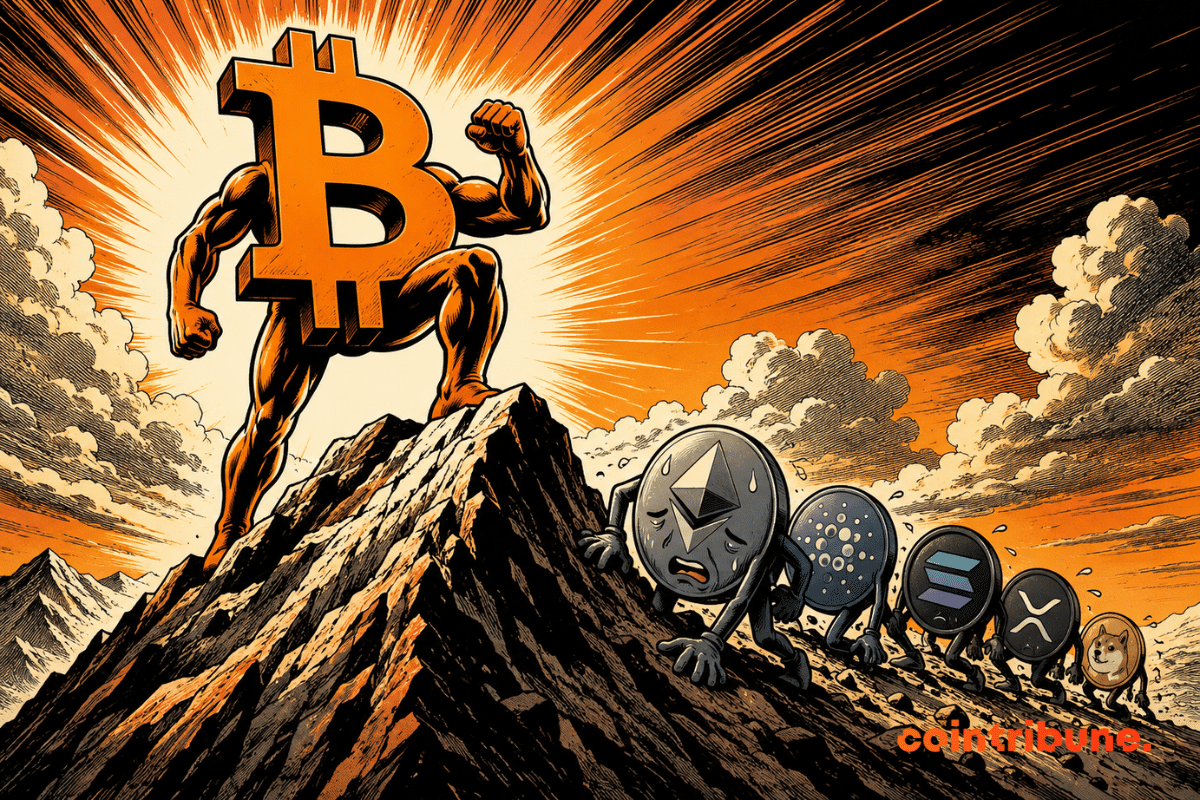
The cryptocurrency market is going through a different phase than previous cycles. While Bitcoin strengthens its dominant position, altcoins struggle to regain the momentum observed during past upswings. This development shows a shift in capital allocation, with investors more focused on major assets and projects capable of demonstrating real utility.
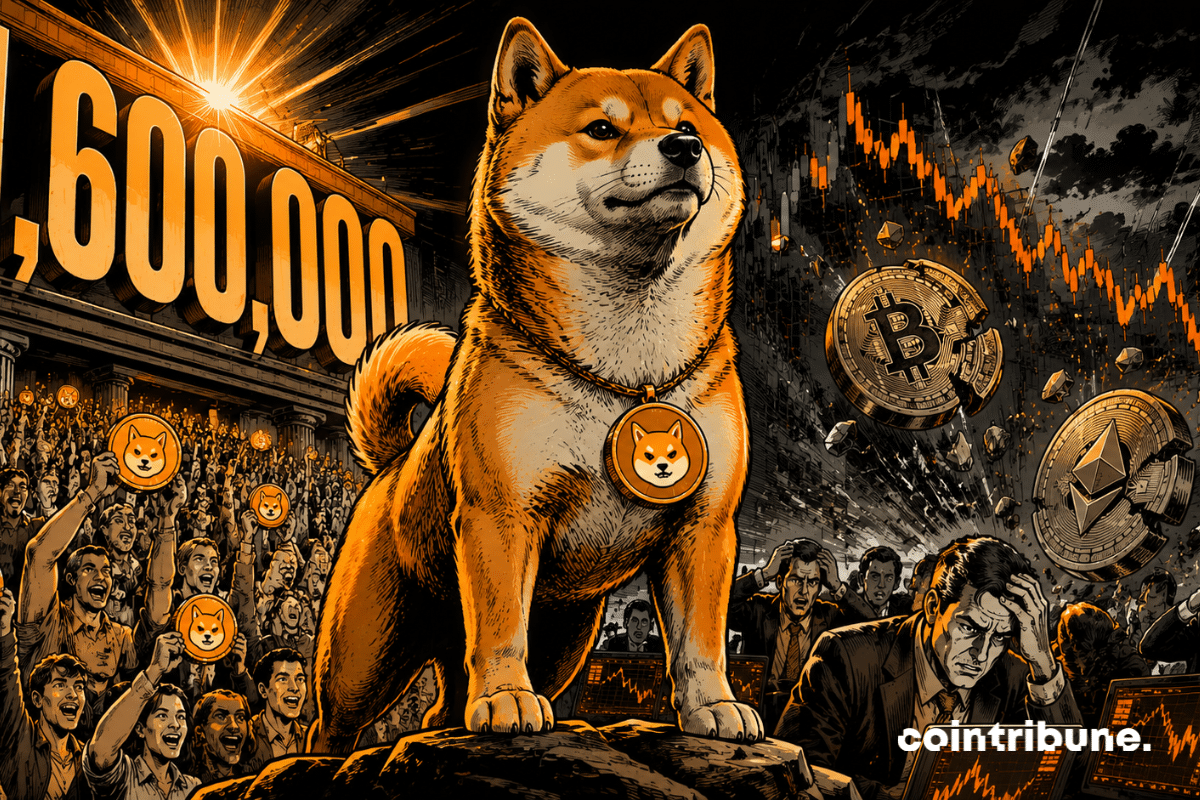
The dynamism inherent in decentralized networks sometimes manages to overcome graphical hazards to reveal the real power of conviction within a community. While the global crypto market is going through a phase of uncertainty related to persistent macroeconomic pressures, the Shiba Inu (SHIB) protocol has just crossed a historic milestone. Token allocation mechanisms in decentralized finance often serve as a powerful leading indicator, and a thorough examination of distributed ledgers reveals a growing divergence between the attraction of unique users and short-term price performance.

Paris is about to become the world capital of artificial intelligence for two days. The RAISE Summit opens its doors on July 8 and 9, 2026 at the Carrousel du Louvre, with the stated ambition of turning AI promises into concrete applications for businesses. Founders, investors, researchers and public decision-makers are expected in large numbers, in a format designed for scaling up rather than theoretical speeches. Cointribune partners with the event and offers its community an exclusive discount code to attend this must-see event in the crypto, Web3 and AI ecosystem.

The Ironwood hard fork of Zcash is approaching, and Keystone does not want to miss the start. The hardware wallet maker announces compatible firmware from the first day of the network switchover, after the recent fix of a flaw in the Orchard pool. ZEC holders in self-custody now have a clear roadmap.
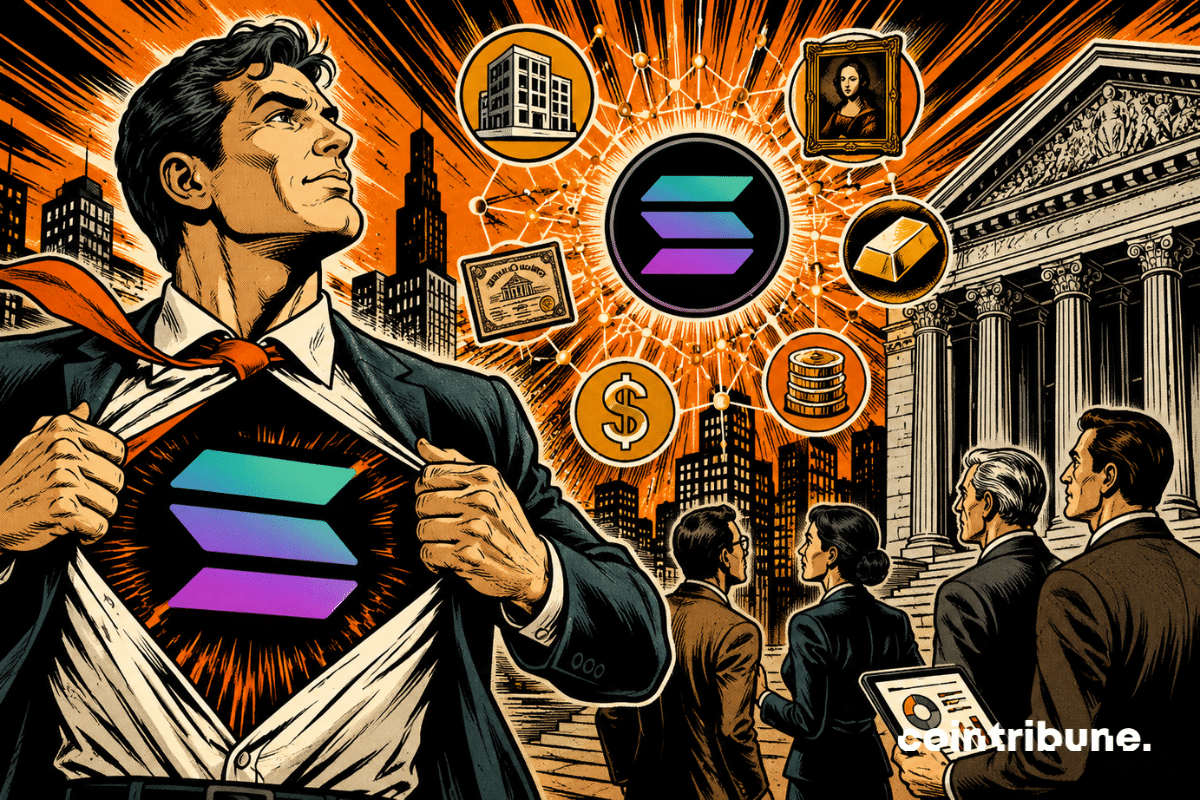
The crypto market is going through a period marked by strong attention to prices, but certain sectors continue to evolve. Solana is gradually gaining ground in the tokenization of assets and digital stocks. Its network is attracting more activities linked to real-world assets, a sector that could play an important role in the next phase of blockchain adoption.

The Ethereum network is currently in a zone of strong turbulence, which is pushing its richest investors, commonly called "the whales," into an almost unprecedented digital lethargy. This mass exodus causes acute concern, as the volume and regularity of movements of these giants of decentralized finance usually serve as a compass for fund managers and traders to anticipate major market trends. It is essential to understand the exact nature of this drying up of on-chain flows in order to determine whether it is a calm before a bearish storm or a phase of strategic accumulation.

Americans lost 11 billion dollars to crypto scams in 2025. The FBI raises the alarm about phony investments and hacked wallets. Why is the market having trouble protecting itself? Explore the inquiry that is upending digital finance.
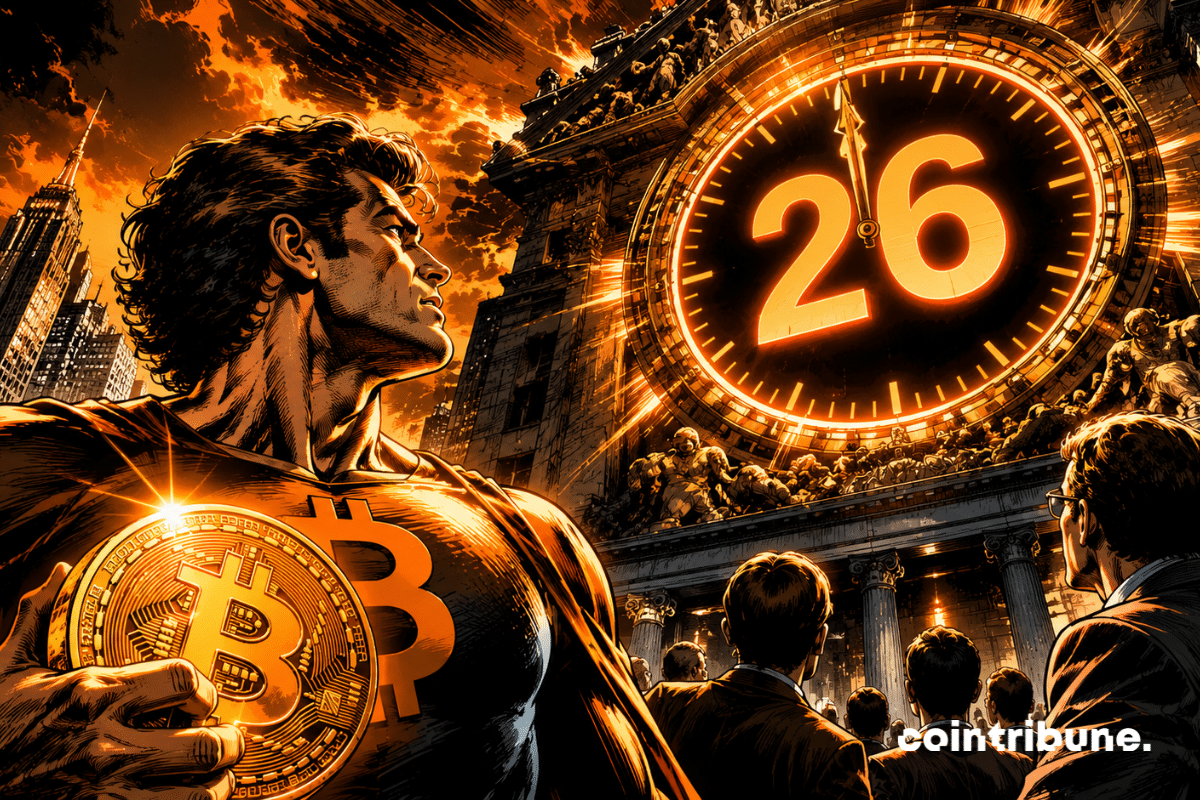
The financial architecture of cryptos will undergo its biggest technical review of the year, redefining the balance of power between buyers and sellers. As Friday, June 26 approaches, the crypto derivatives market freezes in the face of an unprecedented concentration of over-the-counter and regulated contracts reaching their expiration. This situation is crucial because it coincides with a 14% correction in the flagship crypto’s price over the past month, worsening the vulnerability of institutional and retail operators.
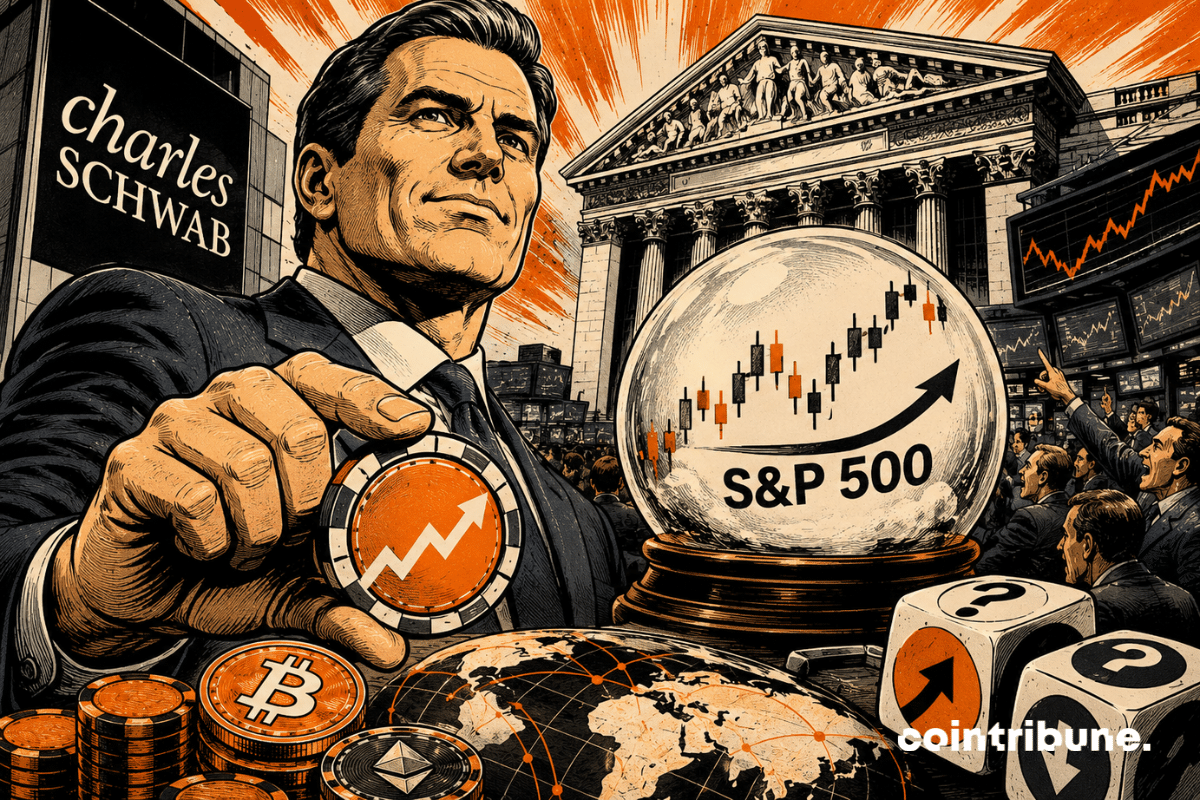
Schwab, the finance colossus, is launching into stock betting. After crypto, here come the predictions. Wall Street stirs, regulators frown. The hunt is on.

The relentless countdown to alignment with European regulations has just passed a critical phase that could redefine the map of exchange platforms within the European Union. Although the overall transition period of the crypto market regulation (MiCA) definitively ends on July 1, 2026, Binance's European infrastructure is wobbling on its foundations after major revelations about its license application in Greece.