Polymarket and Kalshi launch crypto perpetual futures with 10x leverage. Everything you need to know about this revolution here.
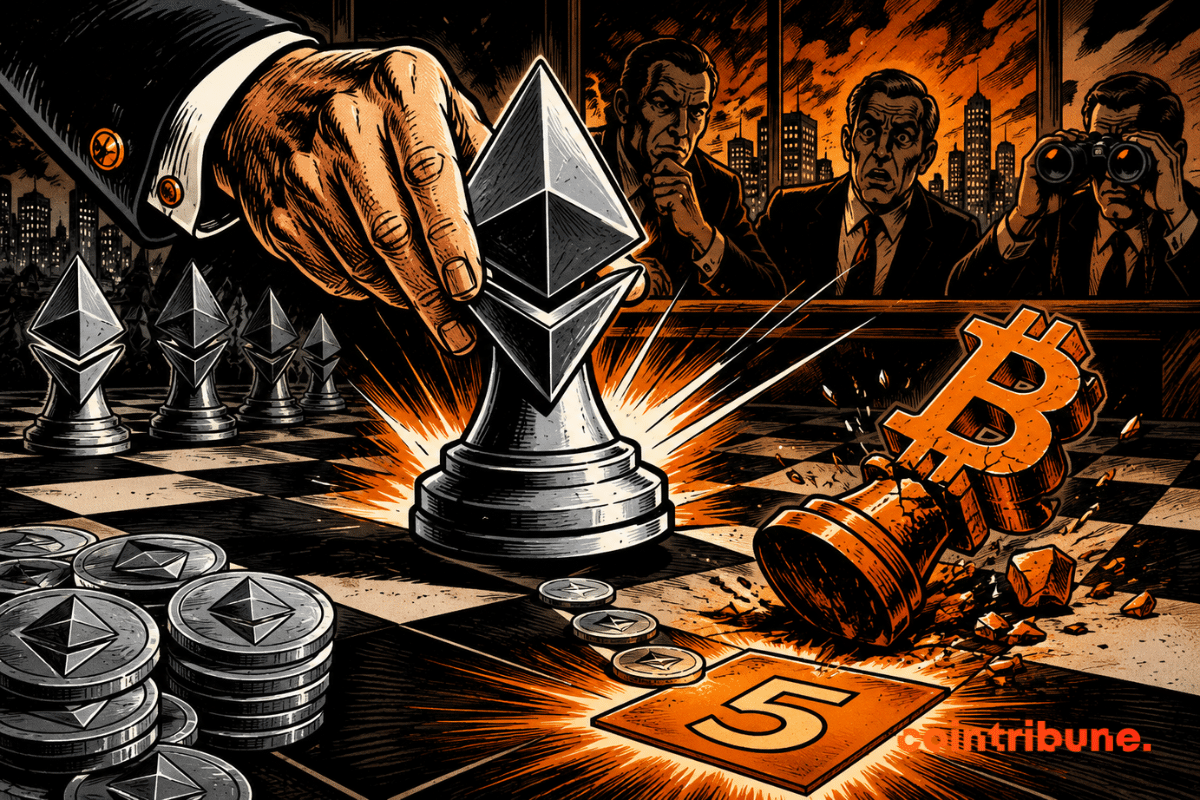
Ethereum has just shown its clearest buy signal on derivative markets since the 2022 bear market. For the crypto market, this is not yet a confirmed reversal. But it is a change of tone that deserves to be taken seriously. For months, Ethereum moved forward with an invisible brake. Even when the price tried to recover, sellers still dominated derivatives. This imbalance is finally beginning to crack, and this is exactly what puts ETH back at the center of the crypto game.
Polymarket is negotiating a new $400 million fundraising based on a valuation of about $15 billion. The prediction market is no longer just a corner of crypto; it is now a field that Wall Street is watching very closely.
Crypto news: Strategy has $1.76B. A record bitcoin purchase seems imminent. Full analysis in this article.
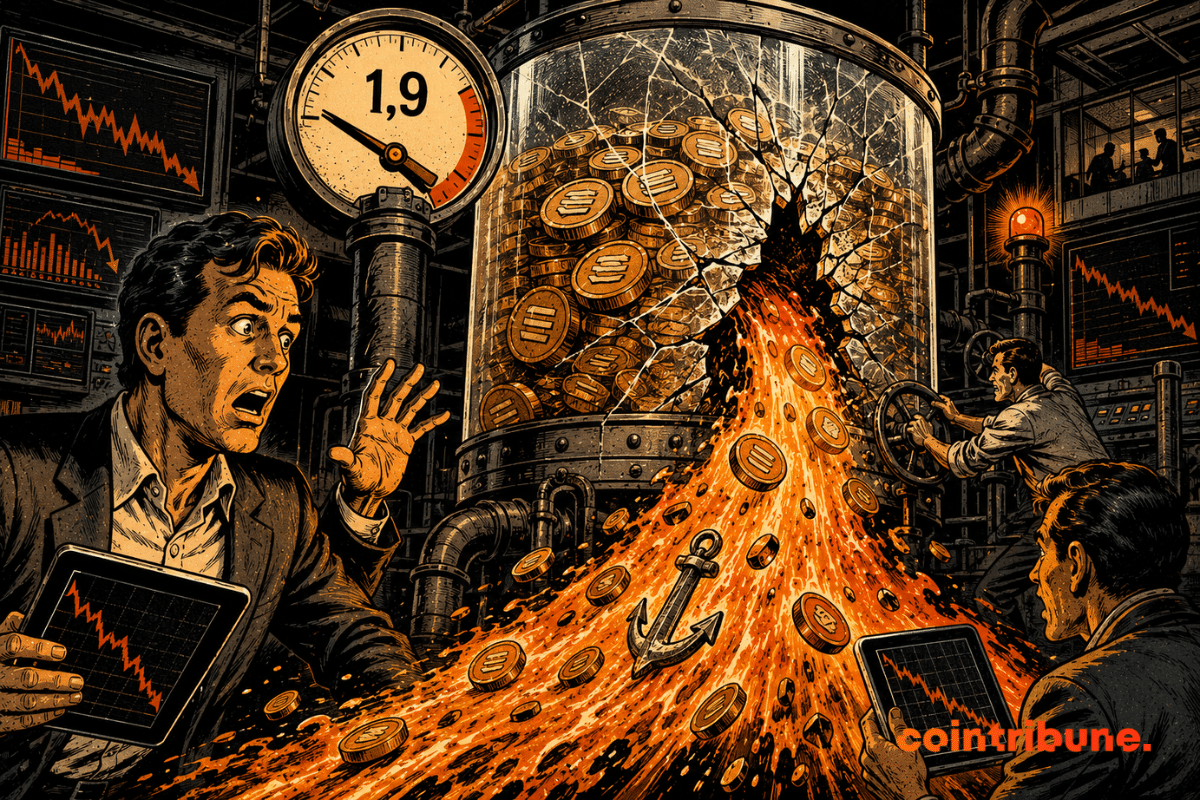
Aave lost more than 6 billion dollars of deposits after the Kelp hack, and this is exactly what the crypto market is sanctioning today. The protocol was not hacked directly. But it faces a risk it did not create, which is enough to trigger a brutal capital flight and a drop in the AAVE token. According to CoinDesk and DefiLlama, Aave's total value locked dropped from about 26.4 billion to less than 20 billion, while the token fell around 16%.
Prediction markets are no longer a marginal topic in finance. Charles Schwab and Citadel Securities are now following this segment, each with its own perspective. The former is studying a selective offering, away from bets deemed too speculative. The latter is mainly observing liquidity before going further. In the background, the rise of Kalshi and Polymarket is already accompanied by increasing regulatory pressure, while the sector is still seeking its balance in the United States today.
The X case has reached a new level. What initially was a French investigation into Elon Musk's platform has now taken the form of a political showdown between Paris and Washington. The submitted text already highlights this rising tension around X.
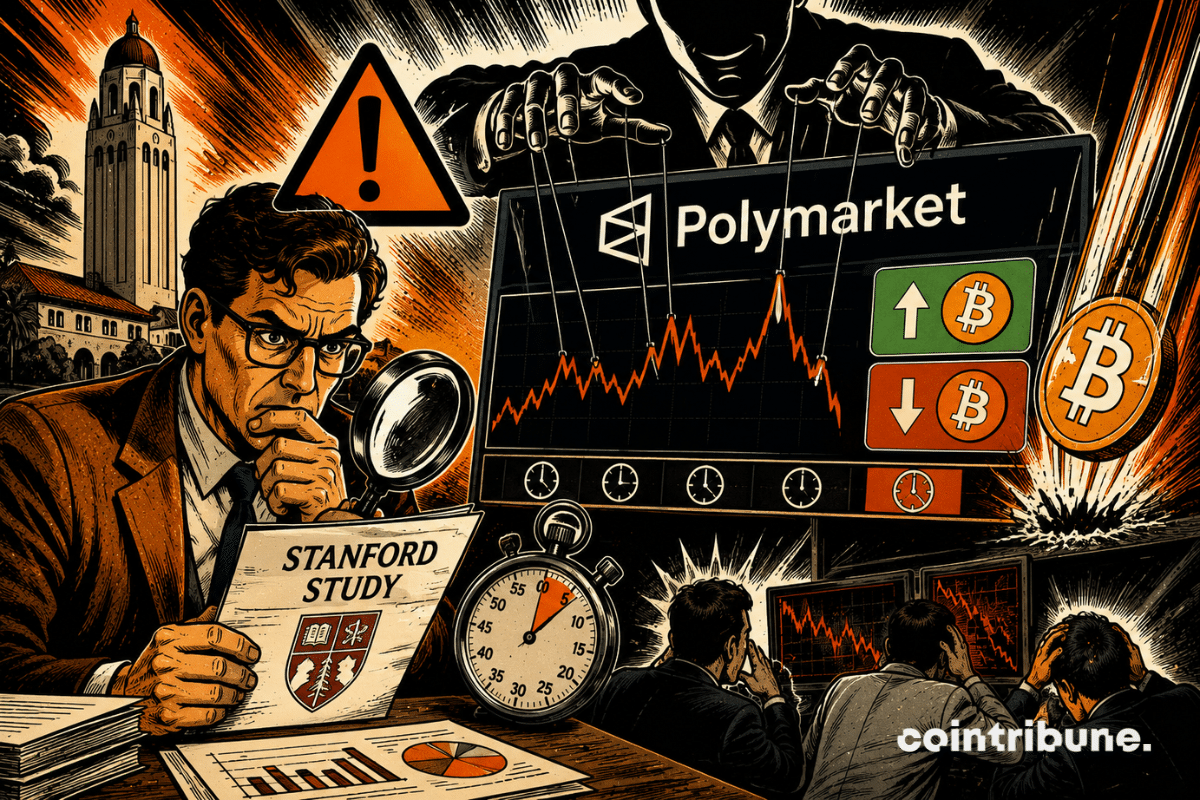
Prediction markets sell a simple promise. Bet on the future, read the crowd, win thanks to better intuition than others. But the latest data on Polymarket tells a much less flattering story, at the very moment Kalshi and the entire sector are attracting more political and institutional attention.
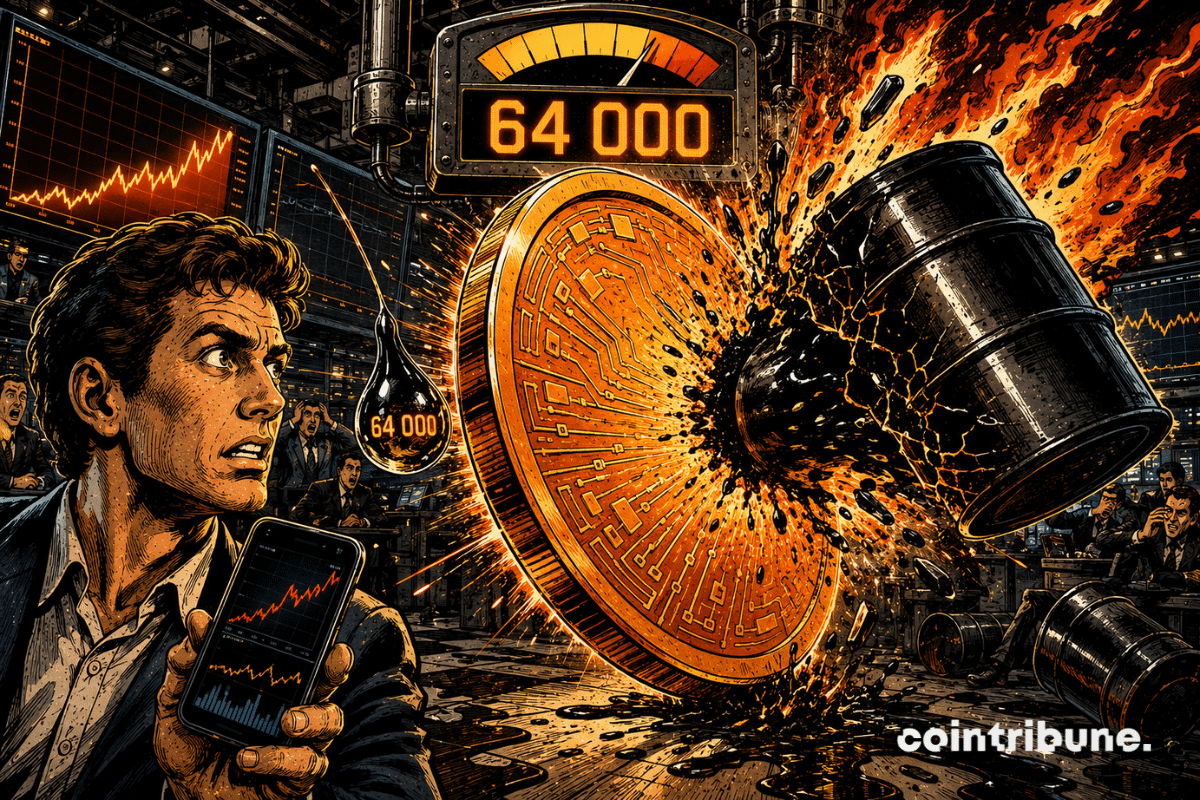
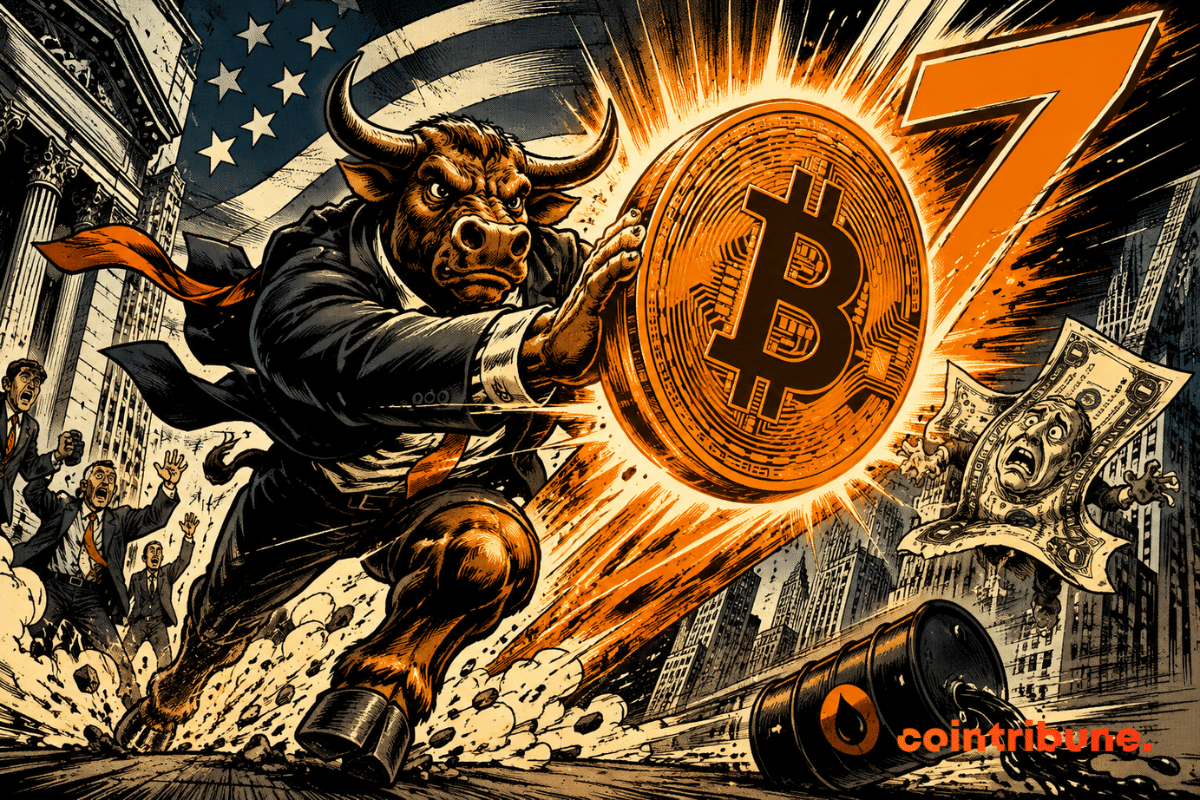
An Iranian announcement was enough to move two markets at once. On one side, oil fell sharply. On the other, bitcoin gained altitude, passing above 76,000 dollars with an intraday peak around 78,000 dollars on Friday.
The threat is no longer theoretical. The Ethereum Foundation claims to have helped identify about 100 IT workers linked to North Korea in 53 crypto projects in just six months, through its ETH Rangers program. This figure is striking because it shows that infiltration is no longer limited to spectacular hacks. It also involves hired profiles, integrated, then left as close as possible to sensitive accesses.
France is preparing a security crackdown in response to kidnappings related to crypto. The issue is no longer just financial. It is becoming police, political, and almost industrial.
The American stock market regains a conquering mood. The S&P 500 has crossed a new high above 7,000 points, driven by the sudden return of risk appetite and Tesla's surge.
Pakistan now allows its banks to open accounts for licensed crypto companies. It's a sharp turn after eight years of blockage. The State Bank of Pakistan does not legalize a digital Wild West. It rather opens a narrow, monitored, but decisive door.
The Bank of Japan has just offered indirect support to Bitcoin. By cooling expectations of a rate hike at the end of April, it reduces one of the major risks weighing on the crypto market. The signal is discreet, but its effect is powerful: the yen remains weak, financing stays cheap, and risky assets breathe easier.
Nikita Bier rekindles speculation around X Money. By mentioning a product capable of "fixing" the difficult year for crypto, the former product manager of X mainly reopened an old question: Can X become a real gateway to digital assets?
Michael Saylor puts one billion dollars back into bitcoin. Strategy bought 13,927 BTC between April 6 and 12, 2026, bringing its total reserve to 780,897 BTC. Despite volatility and latent losses, the accumulation machine is still running.
Hungary could become a more breathable ground for crypto after Viktor Orbán's fall. This political shift goes beyond Budapest: it also affects how the European MiCA rules will be applied, or overinterpreted, in a member state.
The story no longer looks like a simple speculative fall. It now takes the form of a political problem. As tokens associated with Donald Trump sink, the criticism changes tone. It is no longer just about losses for crypto investors. It is about access, influence, and conflict of interest. The fall of Trump-linked crypto projects now goes beyond market correction. The memecoin TRUMP hit an all-time low of 2.73 dollars and remains crushed by more than 96% compared to its peak of 73.43 dollars. Meanwhile, WLFI set a new floor around 0.077 dollar on April 11 and remains sharply down from its 2025 peak.
The United States transferred seized bitcoins to a Coinbase Prime address. The important point is not the amount, modest in market terms. The real signal is that Washington is increasingly treating confiscated bitcoin as an asset to be organized, stored, and integrated into a broader public strategy.
Japan is clearly shifting gears. By approving, on April 10, 2026, a reform that brings crypto assets into the realm of financial instruments, Tokyo no longer treats crypto as a mere extension of digital payments. The country now chooses a logic of market, oversight, and investor protection.
Crypto trading is changing dimension. Binance introduces prediction markets directly into its wallet, opening the way to a new form of speculation based on the outcome of real events. Accessible from its application, this feature allows users to buy and sell probabilities in a few clicks, without going through external interfaces. By integrating these on-chain mechanisms in a centralized environment, the exchange redefines uses and accelerates the convergence between finance, information, and blockchain.
Bitcoin has just reached a new milestone on Wall Street. With MSBT, Morgan Stanley places bitcoin at the heart of traditional wealth management finance, no longer only in the realm of already convinced investors. The signal goes beyond a simple product launch. It shows that the battle is now about access, fees, and distribution.
Zcash recorded one of the most violent moves of the day, but this jump of more than 20% to 30% looks more like a speculative surge under tension than a clean and sustainable reversal. The context helps, of course. The announcement of a two-week ceasefire between the United States and Iran triggered a broad relief rally on risk markets, with oil falling and a sharp return of risk appetite.
The battle for crypto treasuries is no longer just about Bitcoin. Bitmine now pushes its advantage on Ethereum to a rarely seen level, with a new wave of purchases that strengthens both its market weight and its bullish narrative around ETH
The most anticipated crypto vote in the US Congress is approaching: the Senate Banking Committee targeted for April 2026. Details here!
AI is no longer worrying only because of its errors. Anthropic explains today that one of its models was able to lie, cheat, and even attempt blackmail in internal simulations, whenever it was under pressure or threatened with being replaced. This finding changes the debate. It no longer focuses only on the power of models, but on their behavior when they have a clear goal, room for action, and sensitive information.
The crypto market no longer just anticipates prices, as it now speculates on war. On Polymarket, the probability of a US military intervention against Iran reaches 63%, a level that is as striking as it is worrying. Behind this figure, millions of dollars invested reflect a brutal reading of geopolitical tensions. This rise in bets raises a central question: do these markets reveal an imminent reality… or do they themselves amplify the risk they claim to measure?
Strategy did not buy any bitcoin between March 23 and 29. But Saylor's signal return on X changes everything. Analysis here!
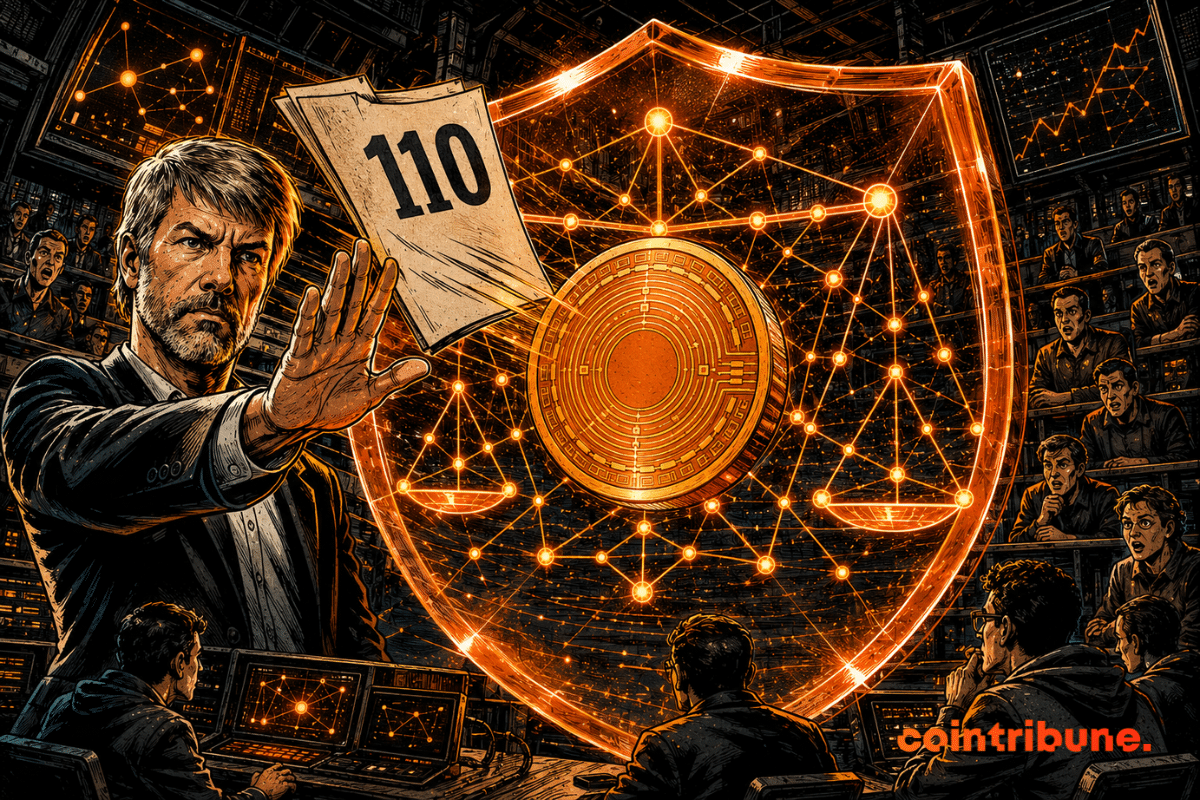
Bitcoin is going through a rare moment of tension. The debate around BIP 110 is not only about a technical update. It concerns the very definition of bitcoin, its neutrality, and the limit of what the network should accept.
A prediction market on the fate of an American pilot missing in Iran is causing scandal. Polymarket removes it under pressure, while the United States prepares a law to ban these controversial bets. Between innovation and ethics, where to draw the line?