Wed 19 Aug 2026 ▪
7 min read
▪
by
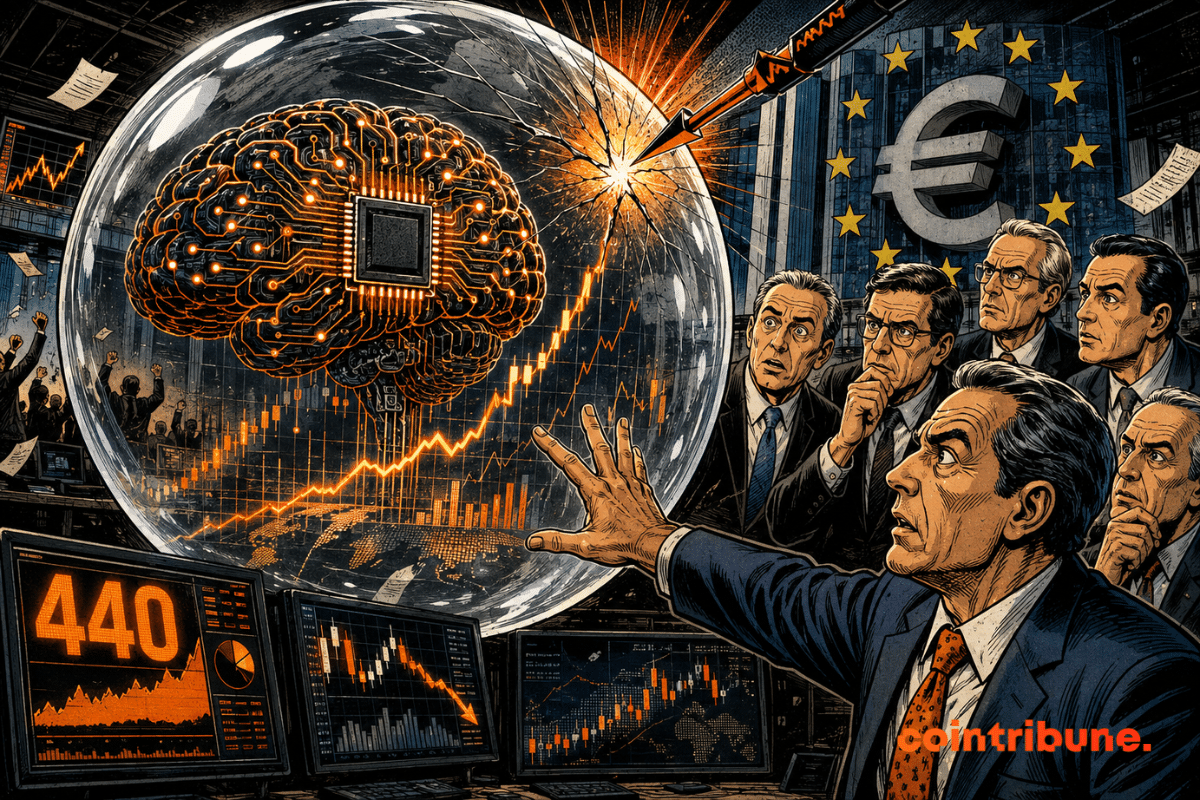
The ECB warns of a stock market correction related to AI. A focus on the €440 billion of European exposure and the risks for the crypto market.
The ECB warns of a stock market correction related to AI. A focus on the €440 billion of European exposure and the risks for the crypto market.
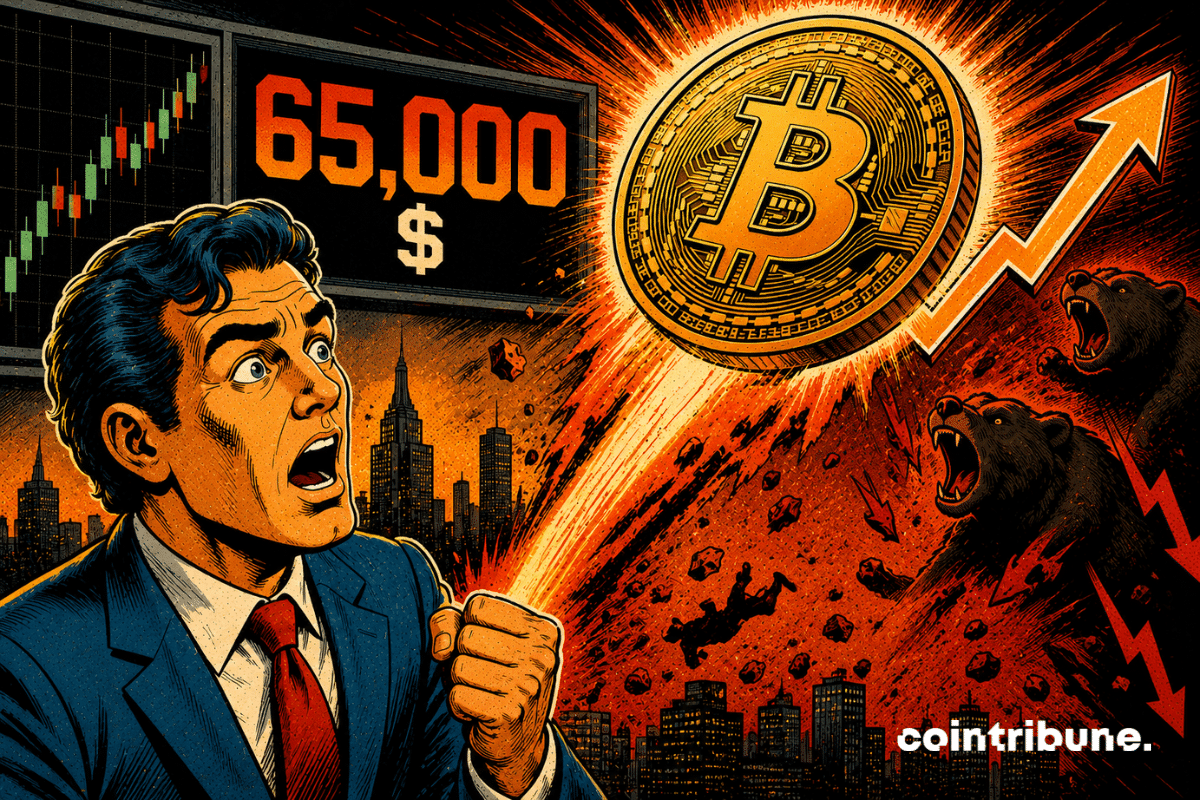
Bitcoin abruptly jumped this Tuesday, August 18, to the $65,000 mark. This movement caught short sellers off guard, heavily exposed in derivative markets. The rise now faces a concentration of sell orders likely to slow down BTC. Meanwhile, on-chain data shows long-term accumulation, notably on the side of institutional players. Two opposing dynamics could influence Bitcoin's next trajectory.
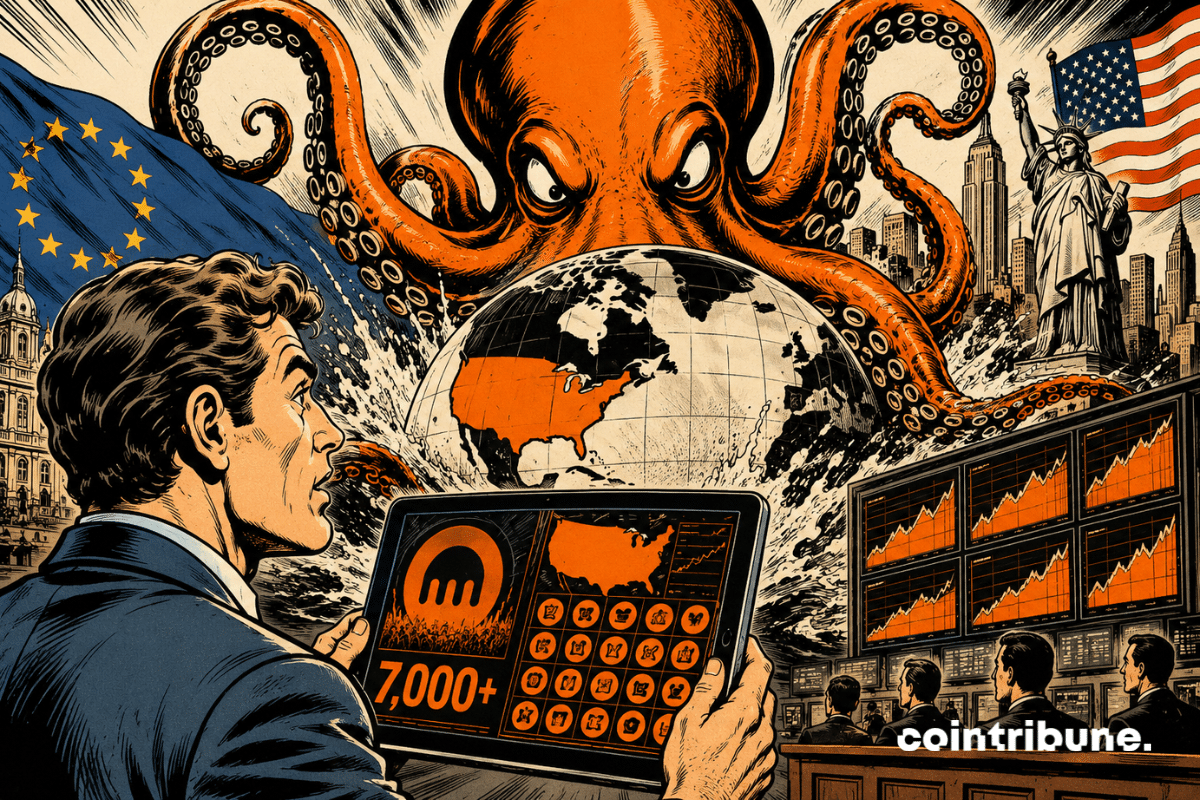
Access to the US markets is expanding for investors in the European Economic Area. On August 18, Kraken announced the opening of more than 7,000 US-listed stocks to its eligible clients. The offer also includes more than 700 stocks and more than 600 crypto-assets in a single regulated account. This development is part of its MiFID approval. It brings together traditional stocks, tokenized securities, and digital assets while maintaining their distinct regulatory frameworks for the concerned European investors.
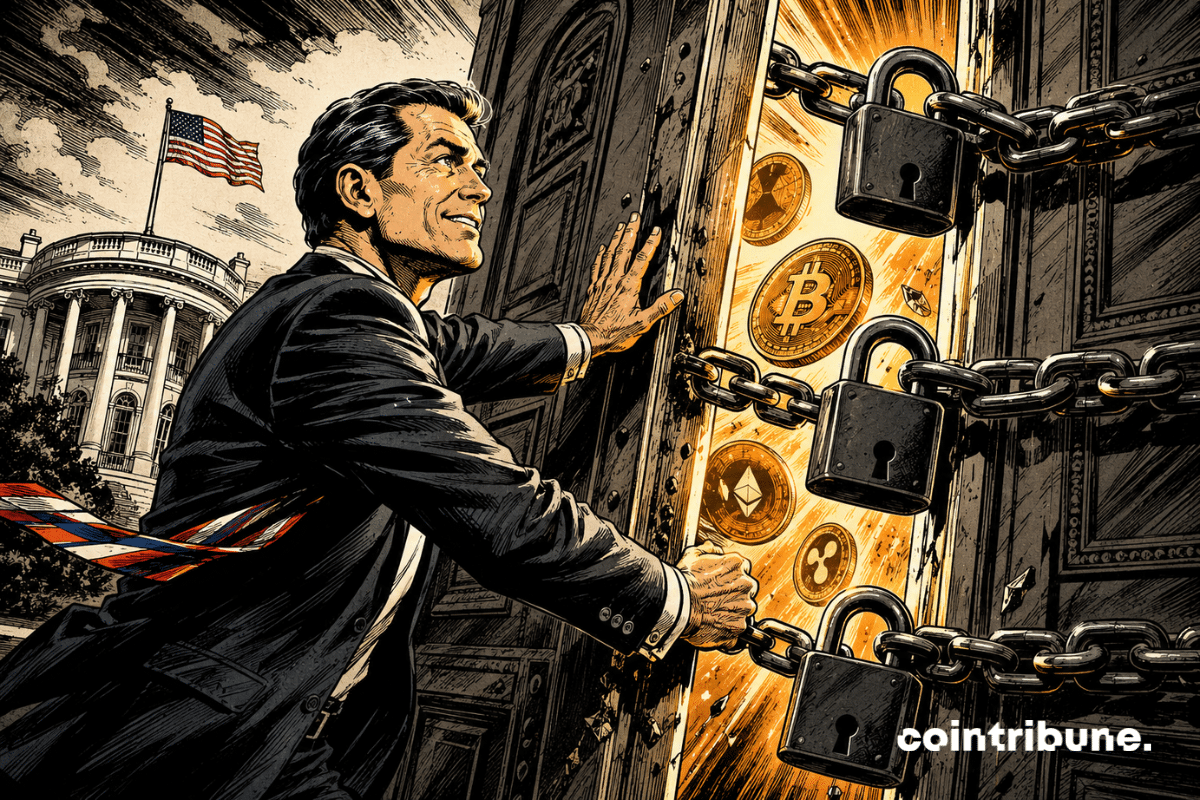
The Clarity Act is still not dead. Patrick Witt, the White House crypto advisor, even says he is "optimistic" ahead of the next vote scheduled in the Senate on September 15. The text exceeds 600 pages and aims to give the United States a federal framework for the crypto market. However, an old issue complicates the discussions again: the rewards paid on stablecoins.

The hacking of the Directorate General of Public Finances pushes the French State to review its cybersecurity strategy. Faced with vulnerabilities affecting administrations and exposing sensitive data, the executive wants to deeply strengthen its digital audits. A response worthy of a threat that now goes beyond public systems alone. The stolen information can feed social engineering campaigns and directly target citizens, including crypto holders. Behind this shift lies a major question: that of French digital sovereignty.

TikTok is exploring a new financial feature that could change the usage of its messaging. According to Bloomberg, code discovered in the current version of the iPhone app in the United States reveals a system for peer-to-peer money transfers. The system would allow sending and receiving payments through direct messages. For now, the platform is not testing this feature. A spokesperson clarifies that the project is still in its early stages, with no public timeline announced for its potential public launch in the US.
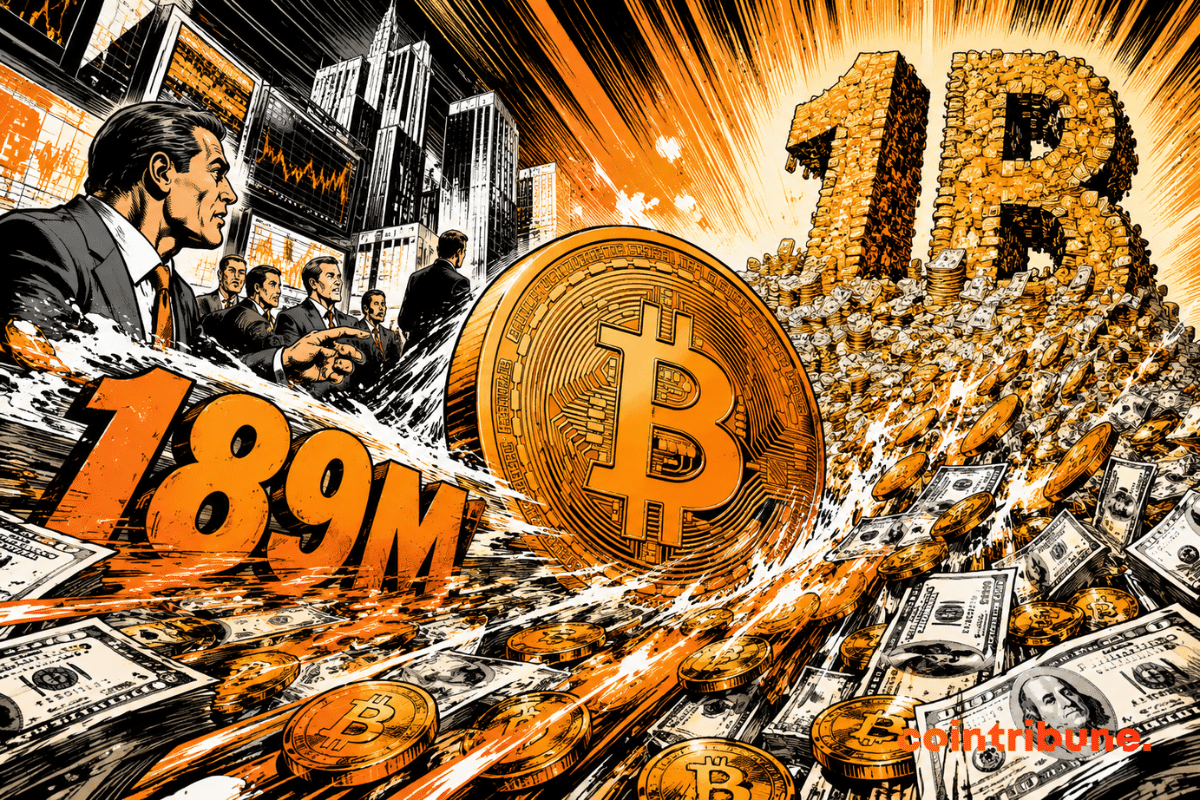
US spot Bitcoin ETFs recorded 189.3 million dollars of inflows on Tuesday, August 18, 2026. After 297.6 million the day before, the cumulative monthly total now approaches one billion dollars according to SoSoValue. A notable rebound, although a large portion of the capital continues to flow towards BlackRock's IBIT.
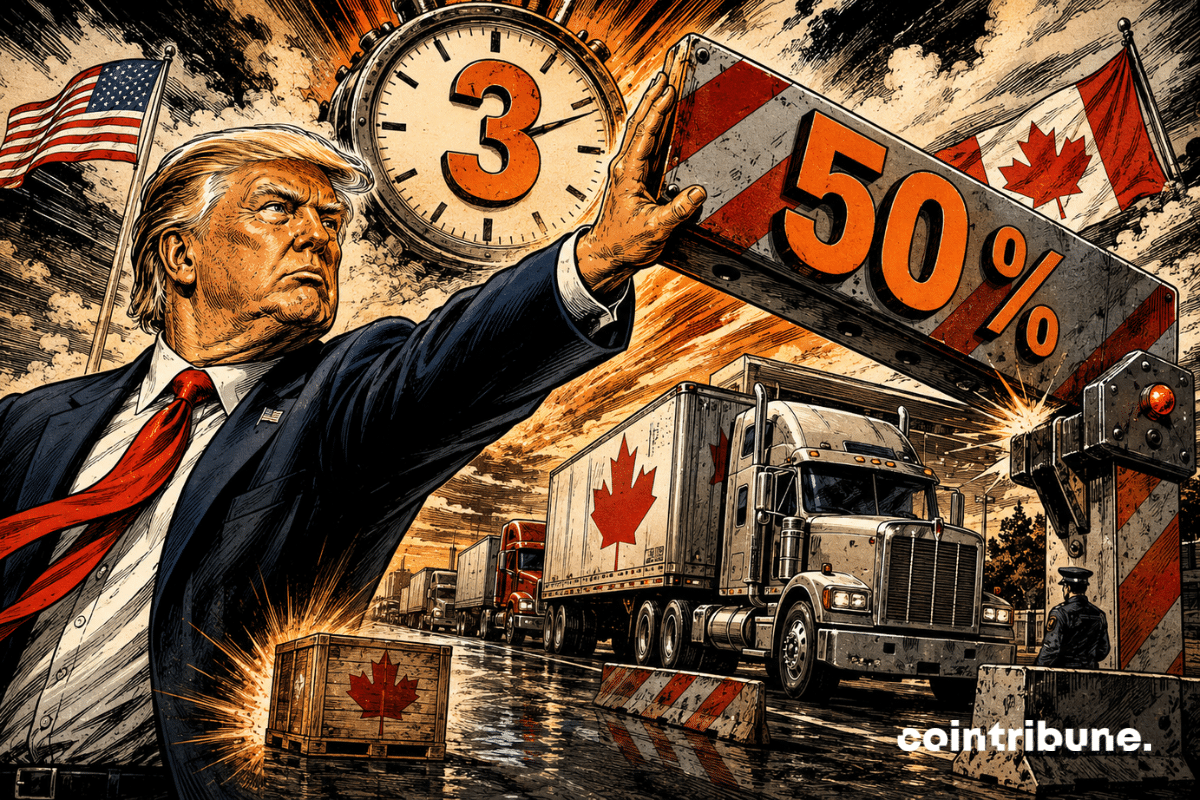
Donald Trump gives Canada a three-day reprieve. The 50% tariffs that were supposed to take effect on August 19 are suspended while Washington and Ottawa finalize a trade agreement. Trump says the essential points are settled. Mark Carney talks rather about significant progress with still work to do. For markets, including crypto, a new deadline has simply replaced the old one.
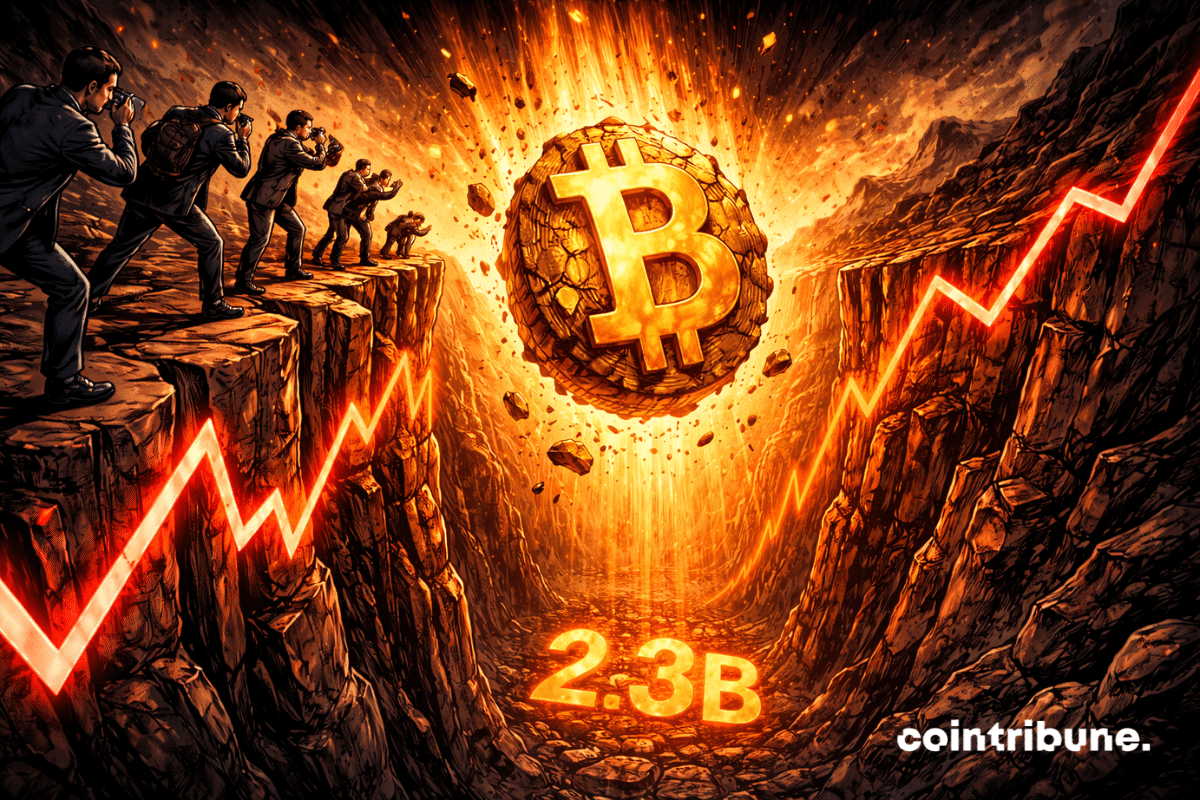
While bitcoin struggles to find a clear direction, VanEck attempts to date the end of the correction. The asset manager relies on on-chain data and market structure to measure the extent of the purge, especially among long-term holders. Its analysis mainly outlines a scenario for what follows. An accumulation phase whose duration could provide valuable clues about the next market reversal. How far do these models really allow anticipating the bitcoin awakening?

Gold had its best year since 1979 in 2025, with dozens of successive records. Early 2026, it surpassed 5,500 dollars per ounce before falling sharply in spring. This wide fluctuation sums up the question investors ask themselves: should you still buy gold now, and especially how? Between physical bullion, ETFs, mining stocks, and tokenized gold, entry points have never been so numerous or so unequal.