


Press release
Wed 15 Apr 2026 ▪
6 min read
Valletta, Malta ‒ April 15, 2026 ‒ OKX, one of the world leaders in fintech and crypto trading, today announces the launch of X-Perps: MiFID regulated crypto derivatives, with a five-year maturity, offering leverage up to 10x to retail and institutional traders in Europe.

Mon 13 Apr 2026 ▪
5 min read
PARIS, April 13, 2026 - Laurent Nuñez, Minister of the Interior, Anne Le Hénanff, Minister Delegate for Artificial Intelligence and Digital Affairs, Jean-Didier Berger, Minister Delegate to the Minister of the Interior, and Clara Chappaz, Ambassador for Digital and Artificial Intelligence, will speak at Paris Blockchain Week 2026, which will also welcome around twenty Members of the National Assembly.
Wed 01 Apr 2026 ▪
6 min read
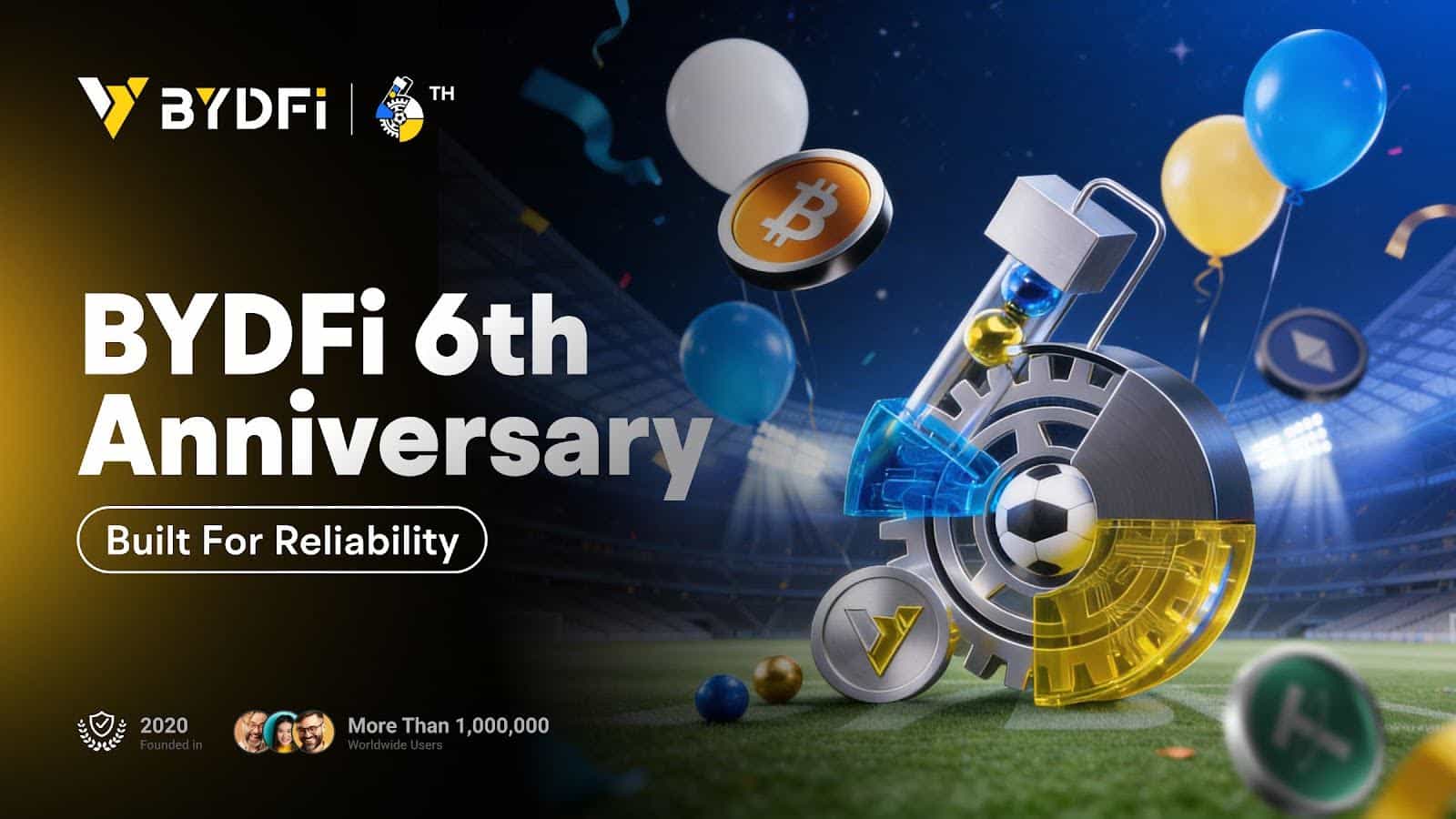
VICTORIA, Seychelles, March 31, 2026 - Global crypto trading platform BYDFi will mark its 6th anniversary with a month-long celebration beginning on April 1, 2026, highlighting BYDFi’s evolution into an all-in-one crypto trading platform built on a CEX + DEX dual-engine model. Over the past six years, BYDFi has continued to strengthen product infrastructure, user safeguards, and market access, shaping a platform built for reliability.

Wed 25 Mar 2026 ▪
9 min read
As tokenized real-world assets move toward a multi-trillion-dollar market, REAL Finance is building a Layer 1 blockchain designed specifically for regulated financial products, institutional validators, and investor protection.

Mon 16 Mar 2026 ▪
3 min read
Paris, March 143, 2026 – Following the announcement that Token 2049 Dubai will not take place as planned, many companies across the digital asset sector are now reconsidering their plans for the spring conference season.

Fri 13 Mar 2026 ▪
4 min read
VICTORIA, Seychelles, March 12, 2026 — BYDFi announced the integration of its perpetual futures market data into TradingView, allowing traders to access real-time prices and crypto market signals directly within TradingView charts. This integration promotes more efficient workflows…

Fri 13 Feb 2026 ▪
10 min read
Consensus Hong Kong 2026, held from February 10–12 at the Hong Kong Convention and Exhibition Centre, wrapped its second edition after three days of high-impact programming that attracted 11,000 registered attendees representing over 122 countries and regions.

Wed 04 Feb 2026 ▪
4 min read
For years, blockchain conferences have been dominated by crypto-native narratives. Protocols talking to protocols, builders talking to builders. Paris Blockchain Week 2026 takes a different approach.

Thu 22 Jan 2026 ▪
3 min read
Crypto portfolio management platform adds real-time position monitoring for three major perpetual trading protocols
Tue 20 Jan 2026 ▪
10 min read
The crypto market faced a sharp correction in the final quarter of 2025, with total market capitalization plunging -23.7% to finish at $3.0 trillion. This marked a -10.4% Year-on-Year decline, crypto’s first annual downturn since 2022. While the quarter saw a brief all-time high of $4.4 trillion, a historic $19 billion liquidation event in October, sent prices slumping. Despite the price retreat, volatility pushed average daily trading volumes to a yearly high of $161.8 billion, while the stablecoin sector climbed +48.9% annually to hit a record $311.0 billion.

12h05 ▪
4 min read
▪
by
Iran introduces bitcoin into its oil-related mechanisms. Under the effect of international sanctions, the country explores this asset as a strategic lever for its energy transactions. This direction marks a significant evolution, even if, in fact, flows still largely rely on other digital instruments, notably stablecoins. Between political display and operational constraints, a hybrid strategy is emerging.
10h05 ▪
4 min read
▪
by
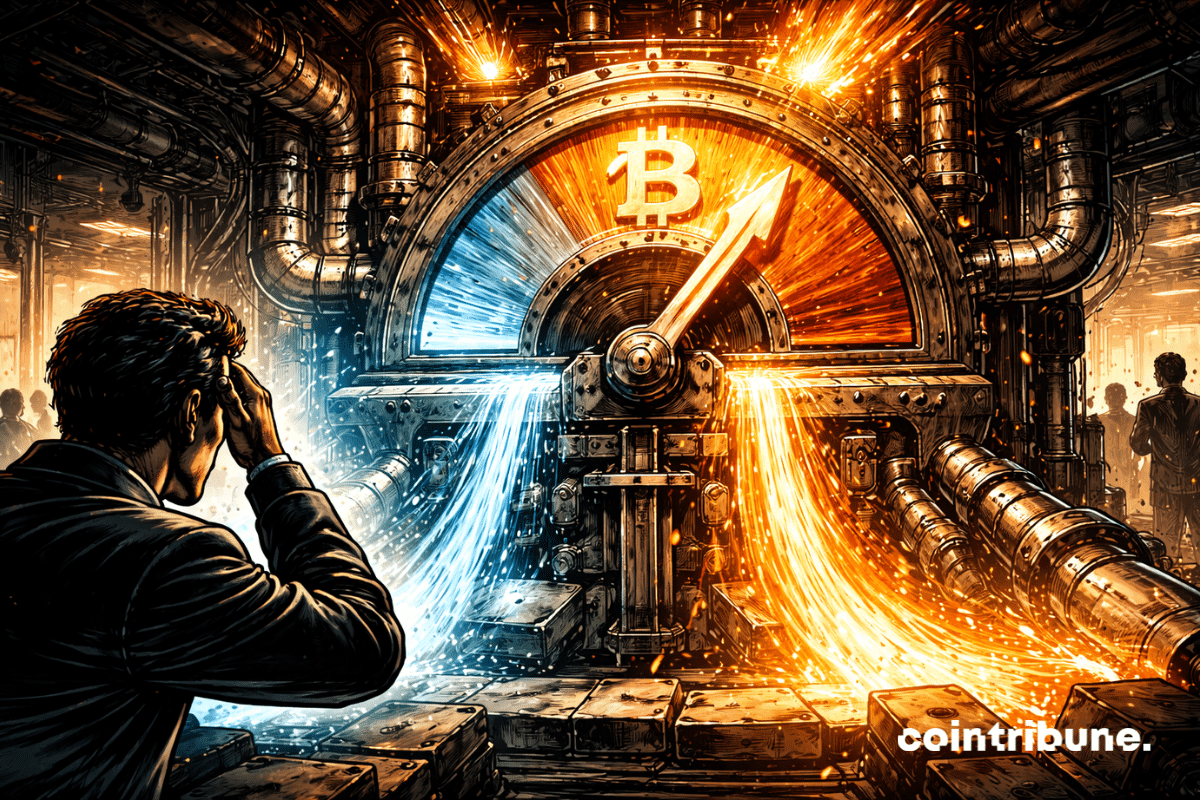
The Bitcoin network sends an ambiguous signal. While mining difficulty has just dropped, suggesting a respite for companies in the sector, indicators already point to an imminent rebound. Behind this technical adjustment lies a brutal reality: a weakened sector facing growing economic constraints. Between algorithmic mechanics and profitability tensions, the mining industry is going through a pivotal phase whose implications could soon be felt.
9h15 ▪
3 min read
▪
by
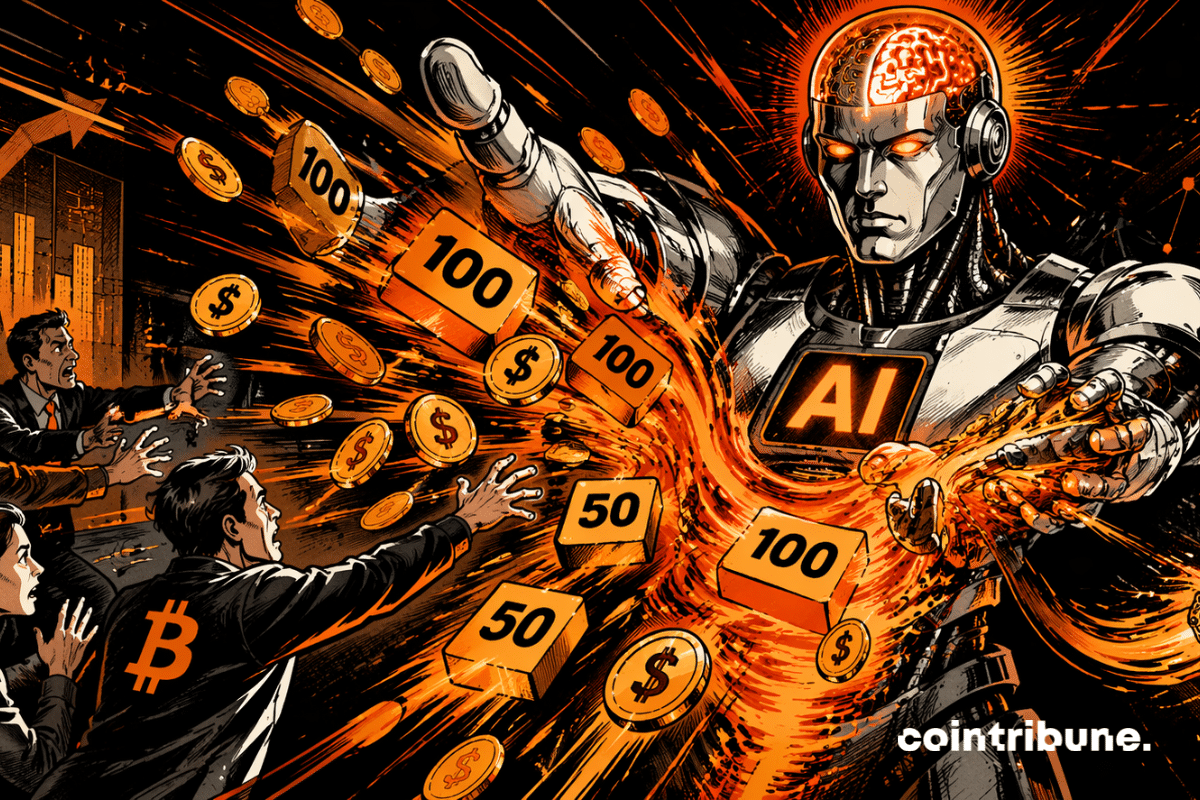
Artificial intelligence no longer merely coexists with cryptos, it redefines their very foundations. In 2025, 40 cents of every dollar invested in venture capital in the crypto sector landed in companies combining AI and digital assets. One year earlier, this ratio was only 18 cents. The shift is brutal. And it is accelerating.
8h35 ▪
4 min read
▪
by
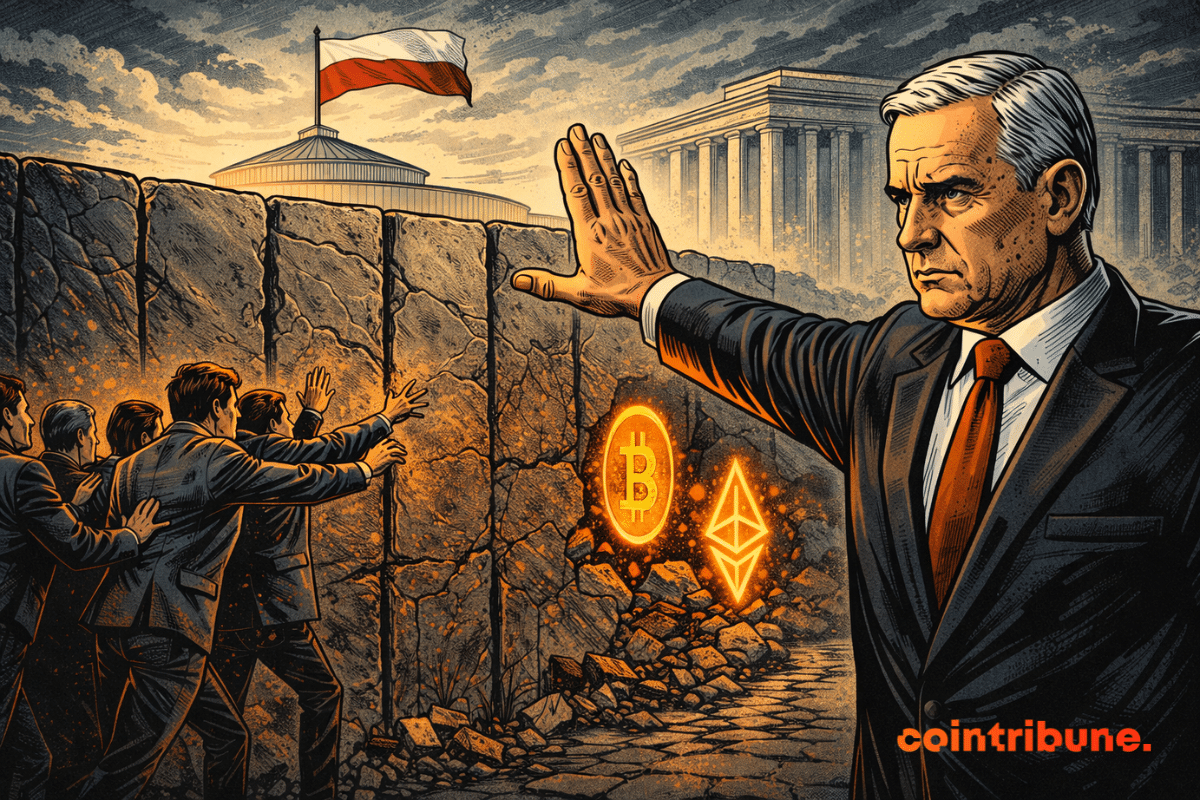
In Warsaw, crypto is no longer only about wallets but about drawn knives. The president blocks, Tusk fumes, Zonda stirs, and MiCA waits outside in the rain.
Sat 18 Apr 2026 ▪
3 min read
▪
by
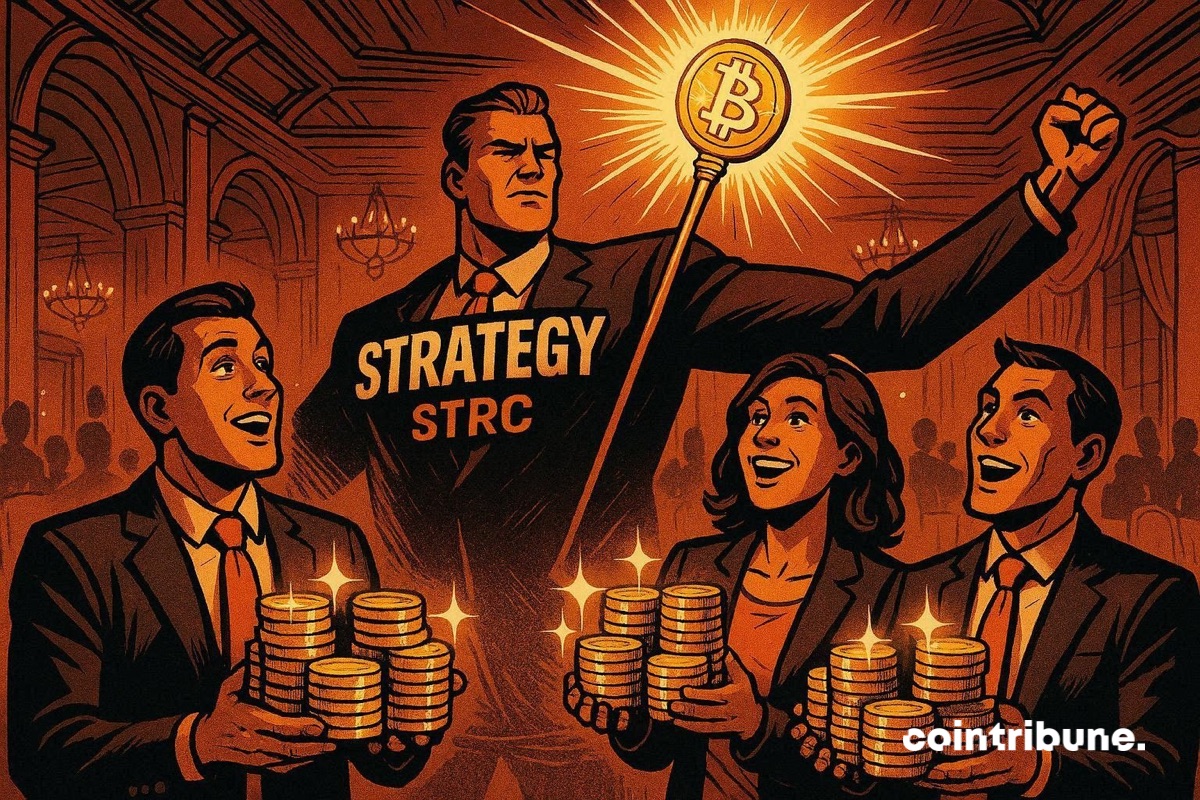
What if your dividend came twice a month instead of once? Strategy proposes to do this with its STRC stock, combining 11.5% yield and enhanced liquidity. A move that could change the game for crypto investors and boost its bitcoin accumulation.
Sat 18 Apr 2026 ▪
3 min read
▪
by
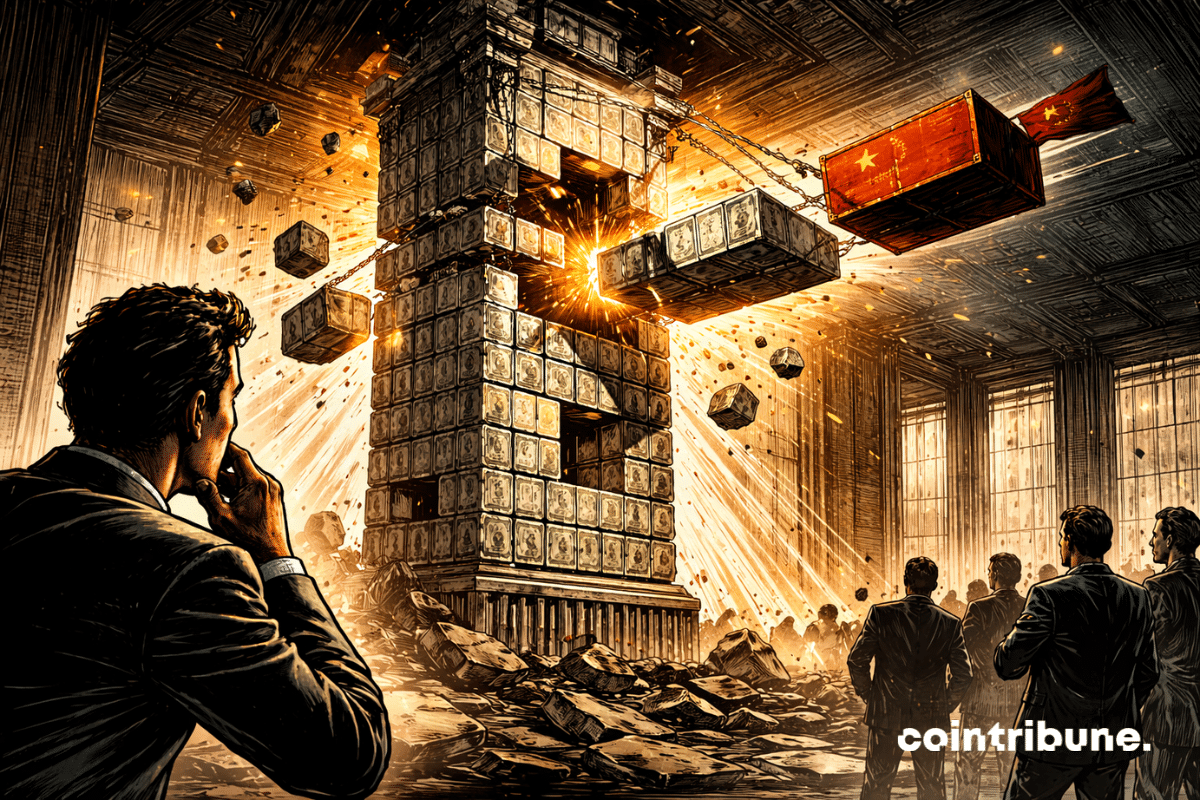
A massive sale of U.S. debt attributed to China draws market attention. The amount mentioned, 910 billion yuan, and its timing raise questions. Thus, this information fuels tensions around global financial balances and revives concerns about risky assets.
Sat 18 Apr 2026 ▪
3 min read
▪
by
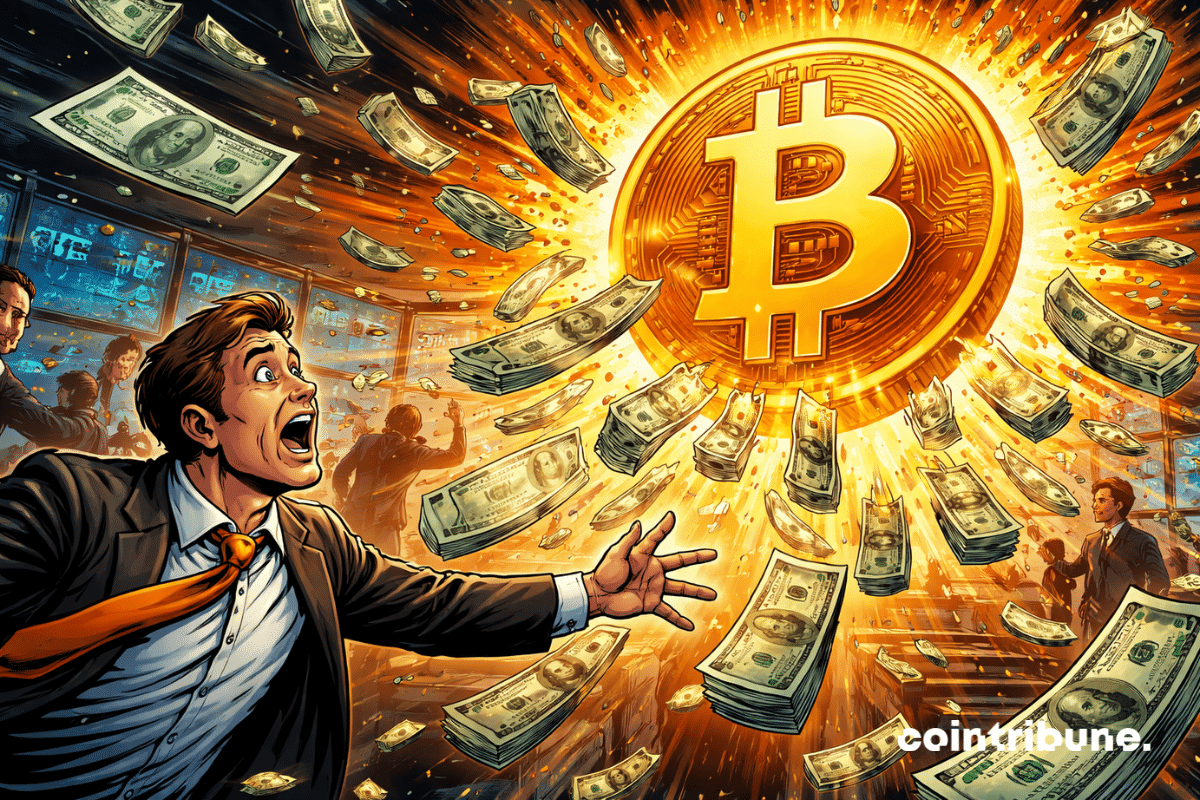
Spot Bitcoin ETFs have just recorded their best week in over three months. In just a few days, nearly one billion dollars flowed into these funds. A signal hard to ignore: investors are regaining a taste for risk.

Sat 18 Apr 2026 ▪
5 min read
▪
by
The company World presented a major update of World ID during an event in San Francisco. World's announcement comes with new partnerships with platforms like Tinder, Zoom, and other digital players. In a context marked by the rise of bots, deepfakes, and artificial intelligence, the project strengthens its vision of large-scale proof of humanity. Thus, World accelerates the deployment of its digital identity infrastructure among users and businesses.
Sat 18 Apr 2026 ▪
3 min read
▪
by
Bitcoin finally breaks through a resistance monitored for months. This breakout ends a bearish sequence established since October and places the market at a technical turning point. In an uncertain macroeconomic environment, this movement revives expectations without dispelling doubts. It remains to be seen whether this break marks a real change in momentum or just a rebound.

Sat 18 Apr 2026 ▪
4 min read
▪
by
Prediction markets sell a simple promise. Bet on the future, read the crowd, win thanks to better intuition than others. But the latest data on Polymarket tells a much less flattering story, at the very moment Kalshi and the entire sector are attracting more political and institutional attention.
Sat 18 Apr 2026 ▪
4 min read
▪
by
Russia toughens its tone against crypto market players operating outside any legal framework. Moscow has just submitted a bill to parliament that provides for heavy criminal penalties for any unauthorized cryptocurrency service. A regulatory crackdown that is part of a broader strategy to take back control of a sector that is currently out of the state’s control.
Sat 18 Apr 2026 ▪
4 min read
▪
by
XRP-backed ETFs have just recorded their strongest weekly inflow since mid-January. In a few days, flows accelerated significantly, accompanied by a price rebound. This return of institutional capital puts XRP back under scrutiny. It remains to be seen whether this movement reflects a simple temporary resurgence of interest or the start of a lasting dynamic.

Sat 18 Apr 2026 ▪
5 min read
▪
by
Brussels unveils its gadget to protect children, then an expert almost whistles it apart. Durov smirks, tech coughs, and Europe still swears it is watching.
Fri 17 Apr 2026 ▪
3 min read
▪
by
The great powers reveal themselves in crises, and BRICS may have just missed their moment. While the war involving Iran could have marked a turning point, the bloc remained silent, unable to display a common position. This silence raises questions about its real credibility in face of its global ambitions. Behind the image of a counter-power to the West, this sequence mainly exposes deep divisions and structural weaknesses that rhetoric is no longer enough to mask.

Fri 17 Apr 2026 ▪
6 min read
▪
by
As digital uses evolve, a question arises at Paris Blockchain Week 2026: how to simplify value exchanges in a world where banking systems and blockchain infrastructures coexist? OZAPAY provides a concrete answer with a hybrid super app that aims to streamline payments, regardless of the system used. Between traditional finance and crypto, users still face unnecessary complexity: multiplicity of tools, fragmented experiences, dependence on intermediaries. This is precisely the area the Parisian fintech has chosen to invest in.
Fri 17 Apr 2026 ▪
4 min read
▪
by
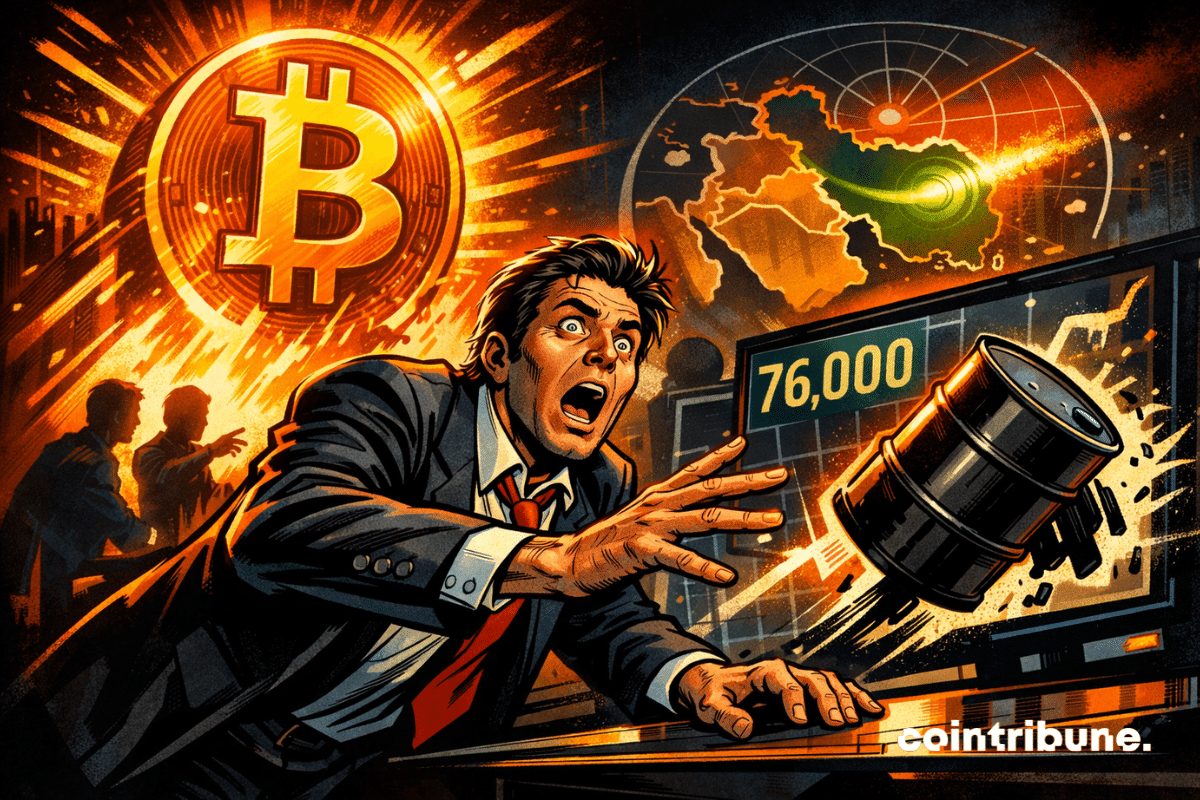
An Iranian announcement was enough to move two markets at once. On one side, oil fell sharply. On the other, bitcoin gained altitude, passing above 76,000 dollars with an intraday peak around 78,000 dollars on Friday.
Fri 17 Apr 2026 ▪
4 min read
▪
by
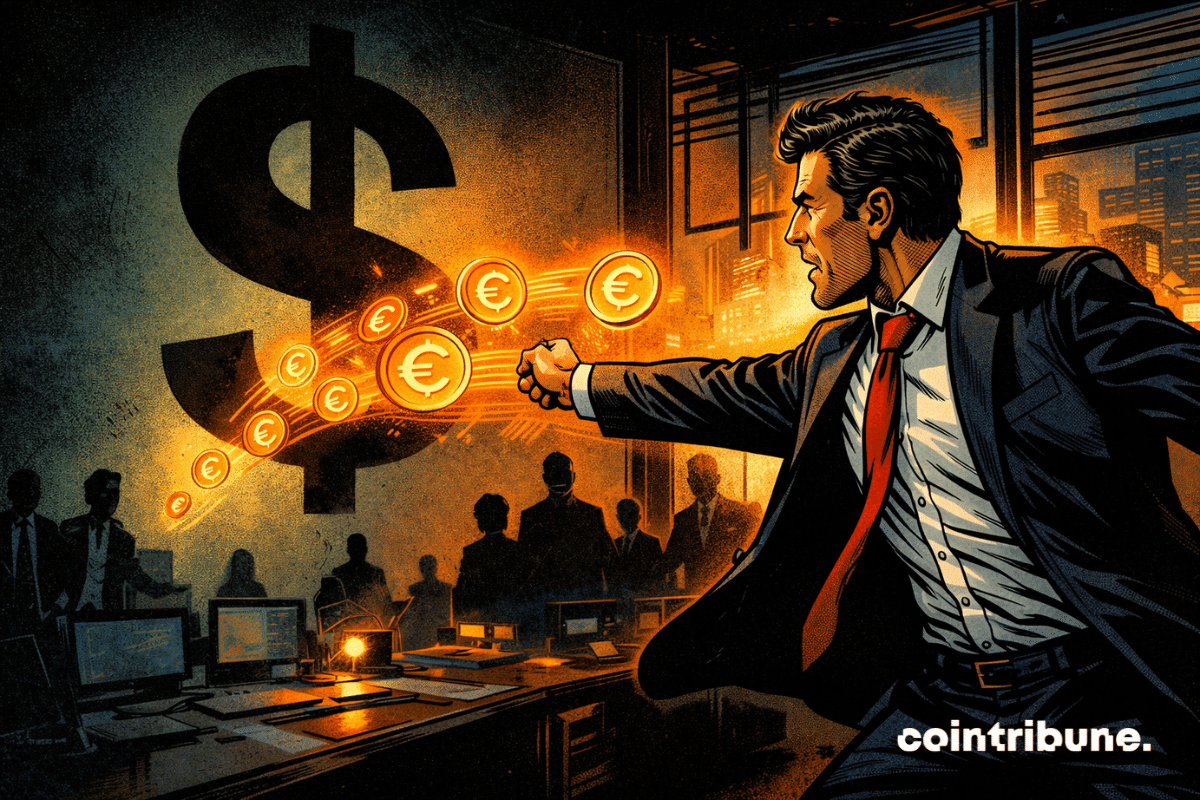
Europe no longer wants to watch the stablecoin market from the sidelines. In Paris, French Finance Minister Roland Lescure clearly pushed for more stablecoins pegged to the euro, with a simple idea behind this signal: to reduce the continent's dependence on payment infrastructures dominated by the dollar and non-European actors.
Fri 17 Apr 2026 ▪
4 min read
▪
by
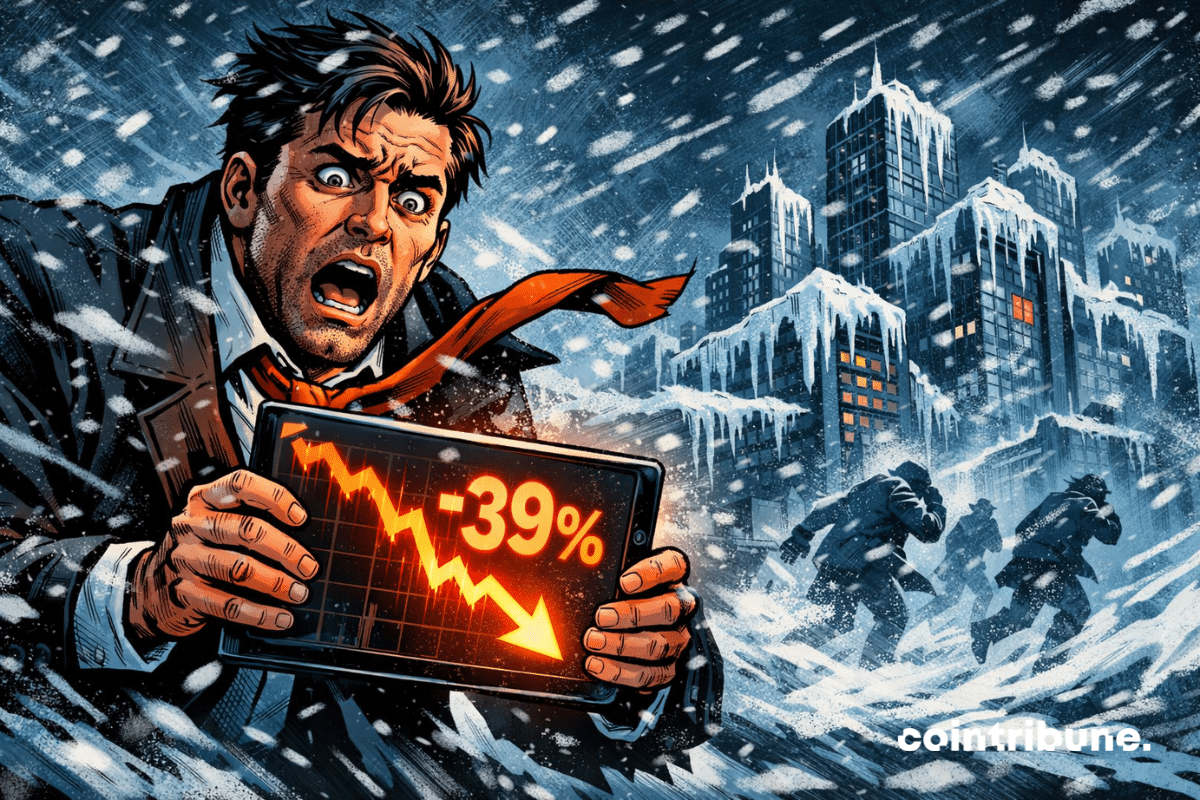
The crypto market is going through a zone of severe turbulence. In the first quarter of 2026, trading volumes on centralized platforms plummeted by 39%, confirming what many feared: a well-established crypto winter. And the signals for the second quarter are hardly reassuring.
Fri 17 Apr 2026 ▪
4 min read
▪
by
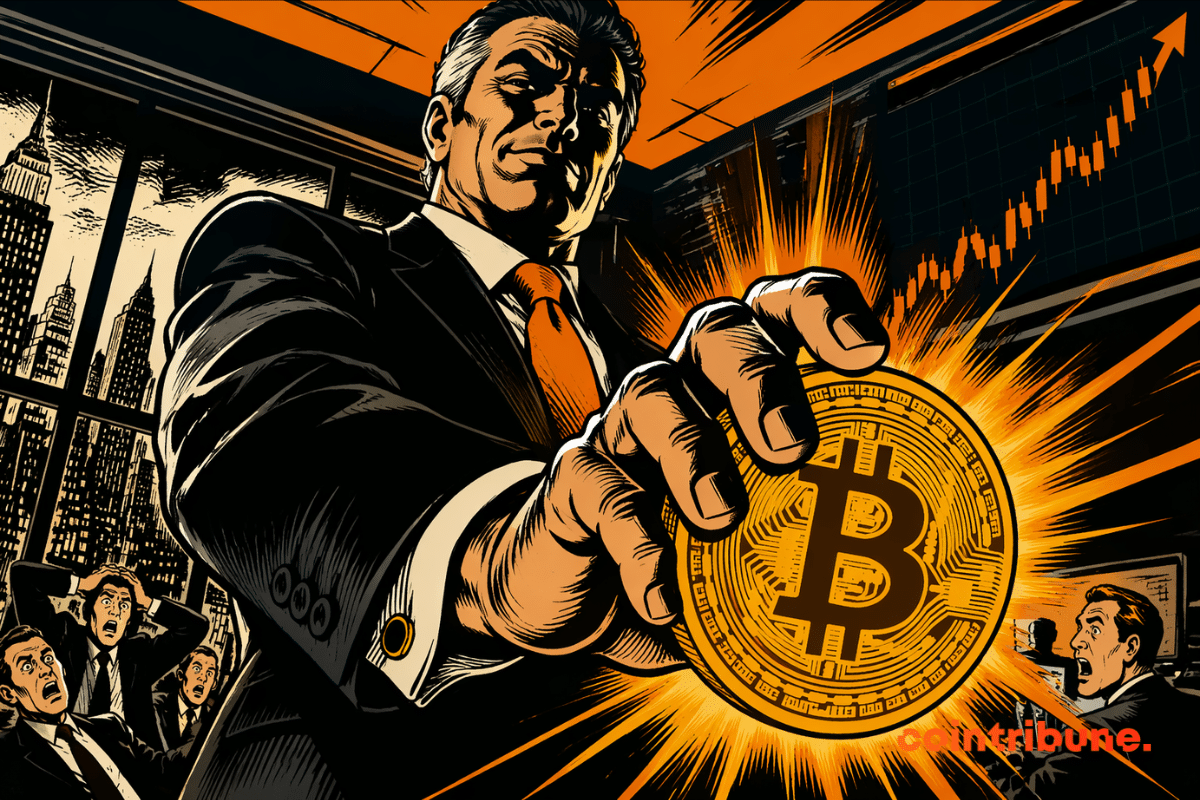
BlackRock restarts bitcoin accumulation with over 500 million dollars bought in 48 hours, confirming the return of institutional investors and reinforcing the hypothesis of a new bullish cycle in the crypto market.
Fri 17 Apr 2026 ▪
3 min read
▪
by
Geopolitical tensions are already reshaping global financial circuits. In this unstable context, bitcoin could change dimension. According to Bitwise, BTC would no longer be just a reserve asset comparable to gold, but a monetary tool used in strategic exchanges between states. A shift fueled by concrete cases and valuation projections that revive a radical hypothesis: a bitcoin capable of exceeding one million dollars.
Fri 17 Apr 2026 ▪
4 min read
▪
by
A statement from Beijing revives the debate about the origin of bitcoin. Educator Jiang Xueqin proposes a sensitive hypothesis: the first crypto could be linked to American intelligence agencies. This stance questions both the genesis of the protocol and the interests it might serve. In response to this theory, the crypto ecosystem presents technical arguments, reviving a subject as old as it is controversial.
Fri 17 Apr 2026 ▪
4 min read
▪
by
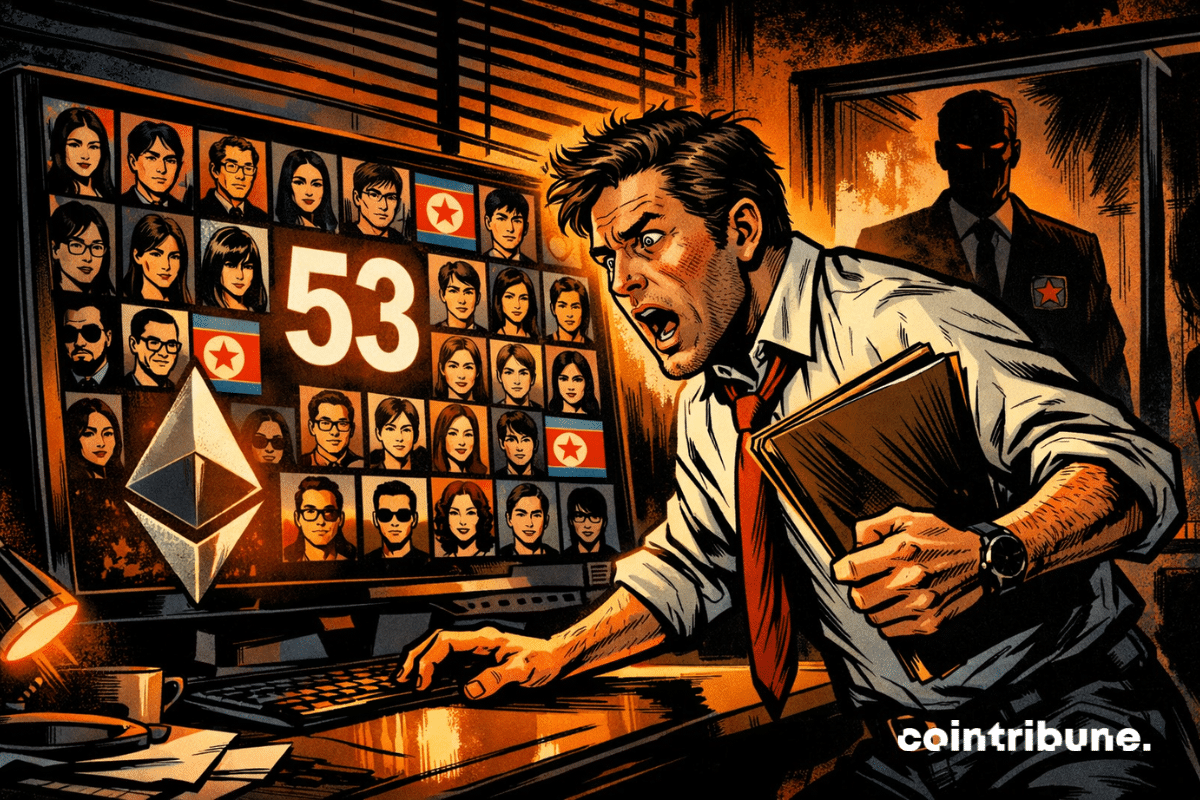
The threat is no longer theoretical. The Ethereum Foundation claims to have helped identify about 100 IT workers linked to North Korea in 53 crypto projects in just six months, through its ETH Rangers program. This figure is striking because it shows that infiltration is no longer limited to spectacular hacks. It also involves hired profiles, integrated, then left as close as possible to sensitive accesses.
Fri 17 Apr 2026 ▪
4 min read
▪
by
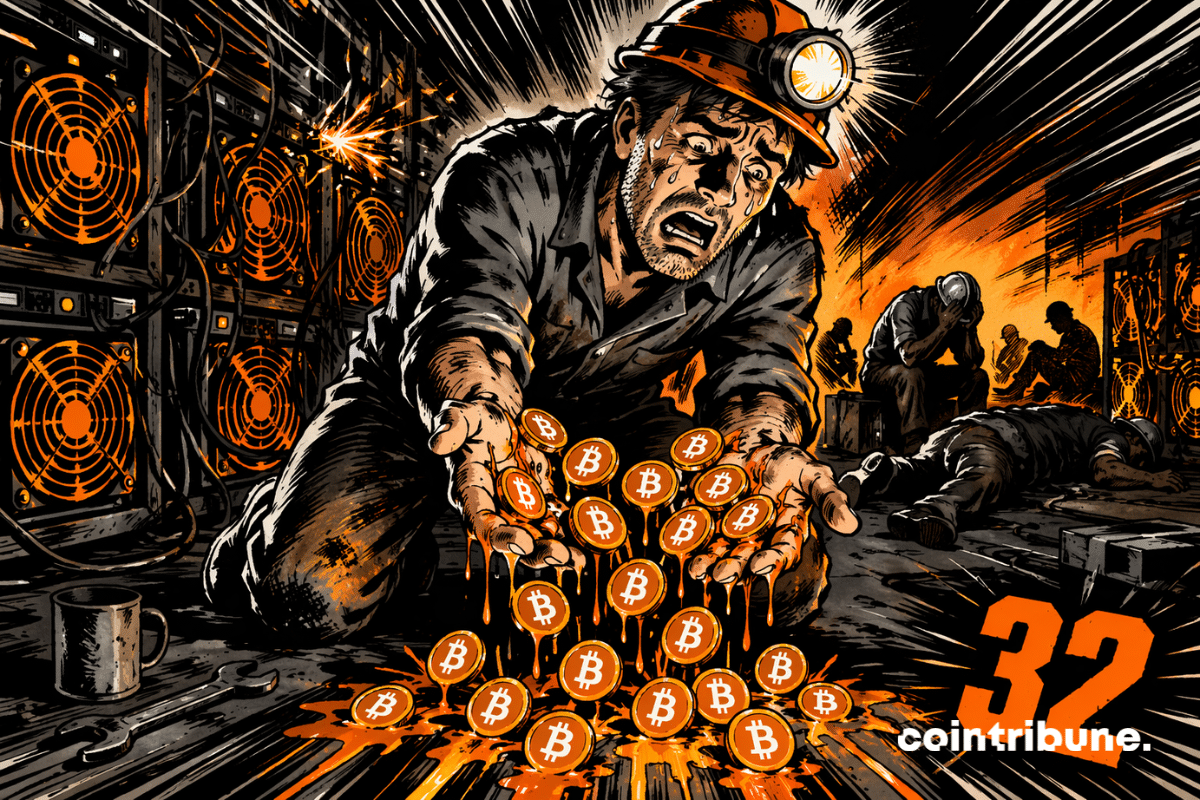
Bitcoin under pressure: the most vulnerable miners are massively liquidating their reserves. A worrying dynamic for the crypto market.
Fri 17 Apr 2026 ▪
5 min read
▪
by
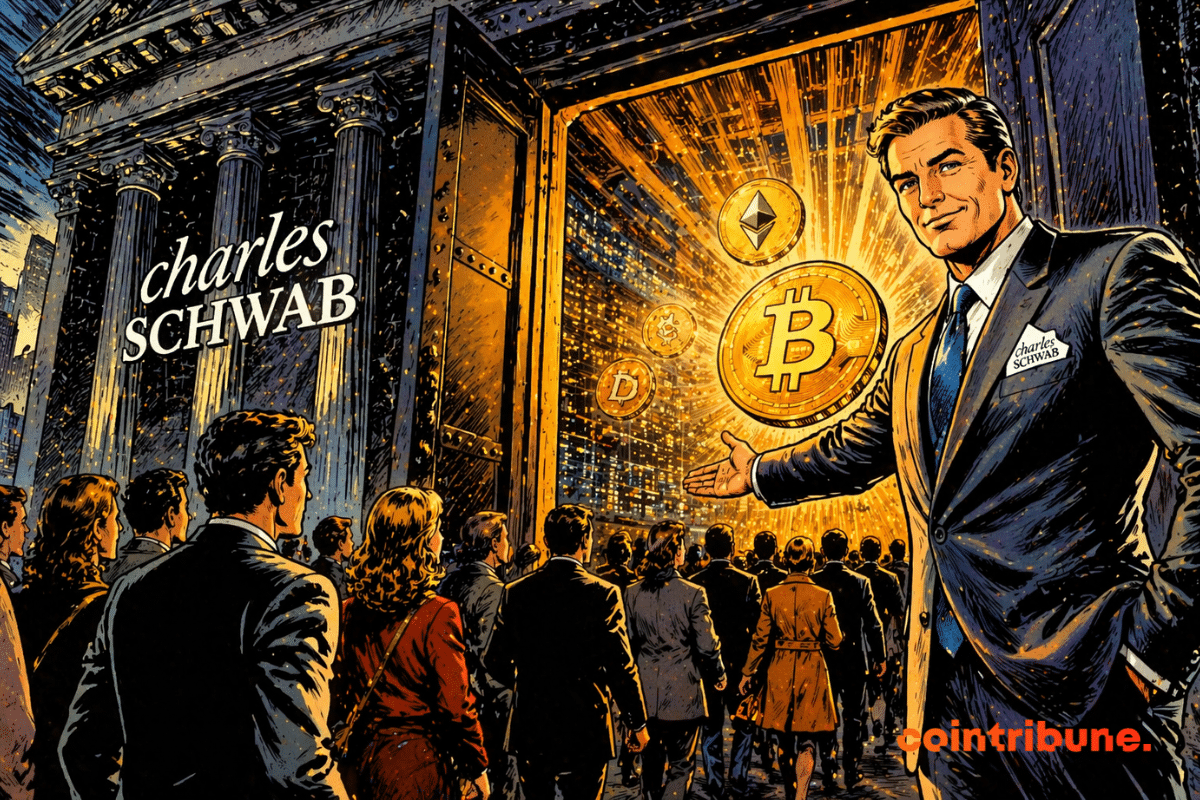
Wall Street had long sniffed crypto like a dubious cheese. Here comes Schwab finally laying the table, visible fees, and inviting 39 million clients to the well-mannered feast.
Thu 16 Apr 2026 ▪
3 min read
▪
by
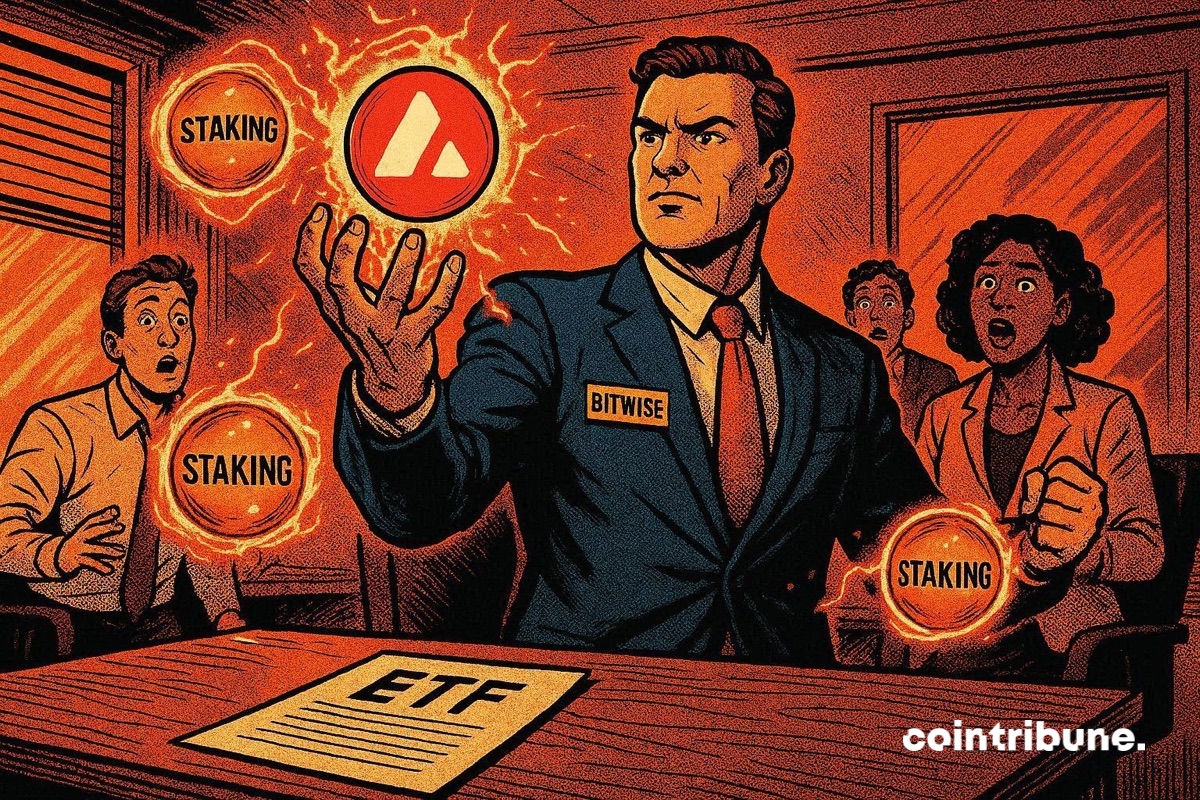
Bitwise launches the Avalanche ETF with Staking ($BAVA) which promises to boost AVAX demand in 2026 while offering passive returns to investors. With 2.5 million dollars in assets at launch and reduced fees, this product could well rewrite the rules of the crypto market.
The leader in blockchain news, CoinTribune is an independent media outlet, not linked to any blockchain or crypto asset based project or advising, audit, fund management entity. We strive for the highest objective journalistic standards in French, English and Spanish focusing on alternative investments such as blockchain projects and crypto assets.
Request my coaching
Recherche
Subscribe to newsletter
Contact us