Mon 17 Aug 2026 ▪
6 min read
▪
by
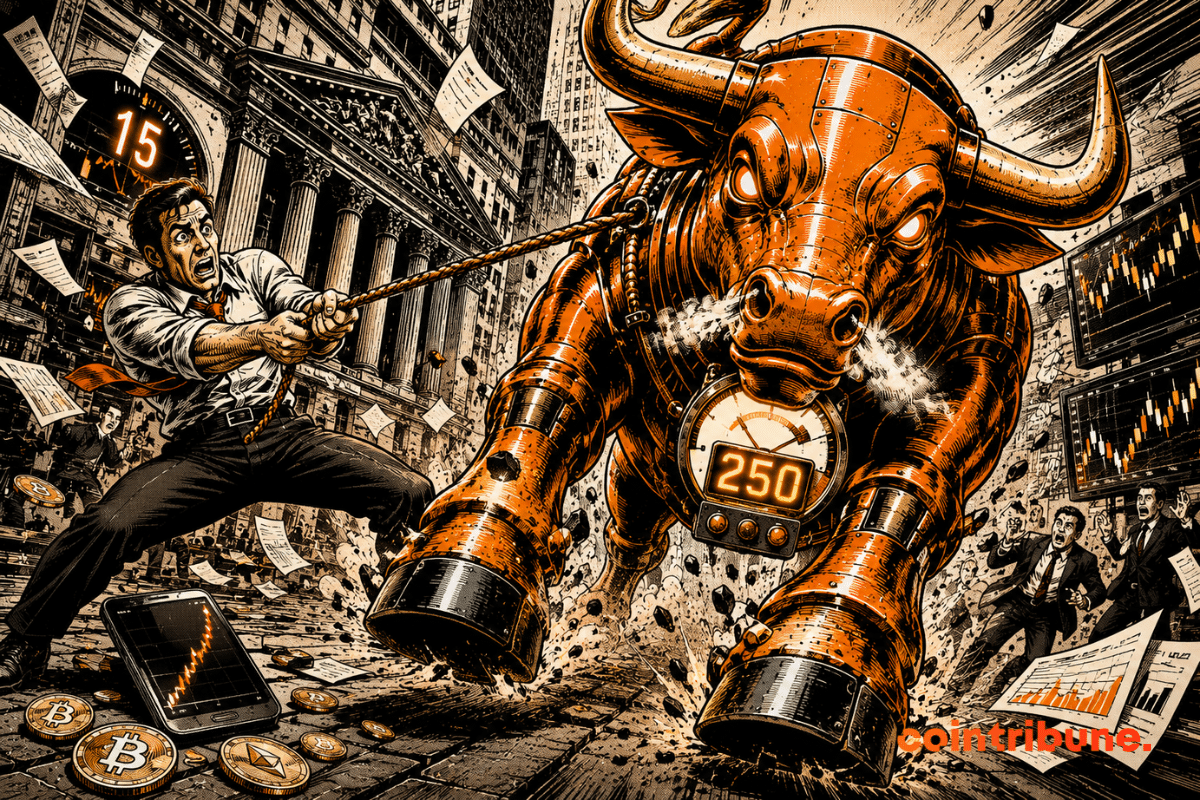
Crypto: perpetual stocks rise from 15 to 250 billion dollars in 3 months. Discover our complete and detailed analysis.
Crypto: perpetual stocks rise from 15 to 250 billion dollars in 3 months. Discover our complete and detailed analysis.
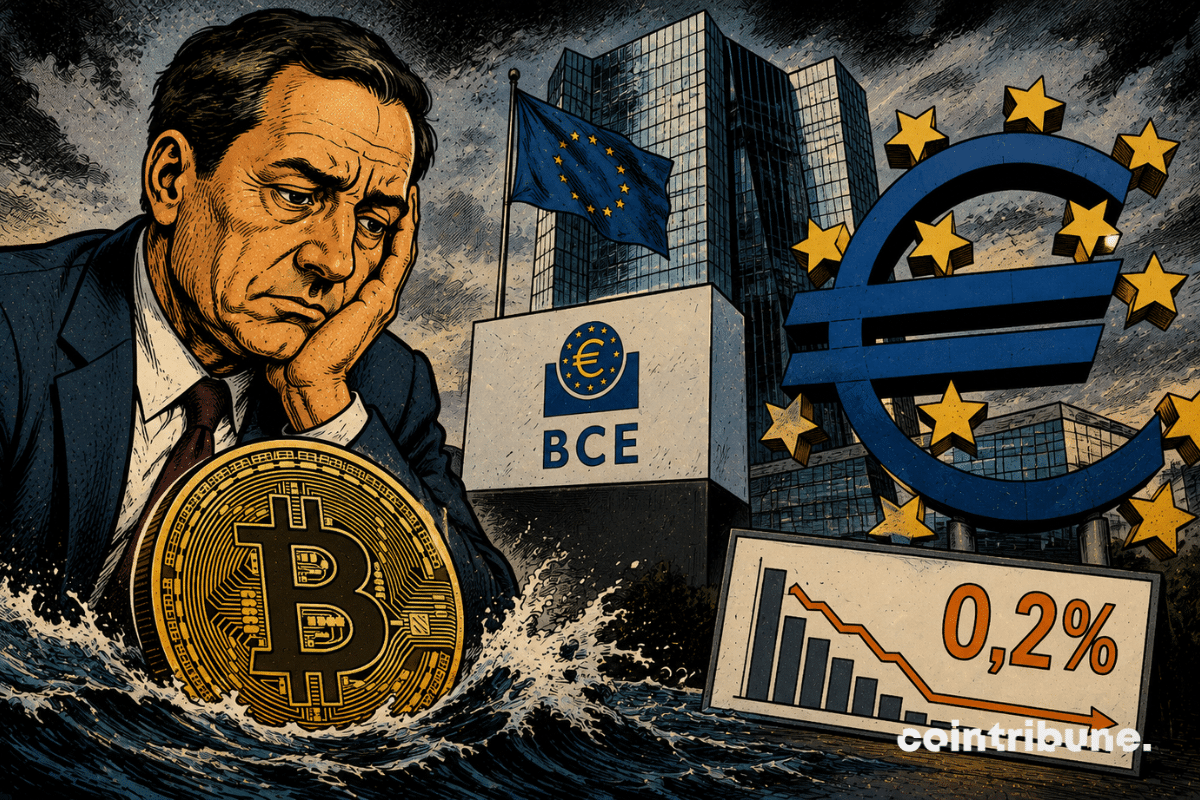
Crypto aims to become a means of payment like any other. In the eurozone, it is still far from it. In a large survey conducted by the European Central Bank (ECB), it is noted that, even in the case of sector development followed by the entry into force of the MiCA regulation, crypto payments remain marginal at the merchant level. Consumers are still attached to traditional payment channels while businesses show reluctance to take the plunge. This gap persists between the ambitions of the crypto industry and actual usage. Will European regulation be enough to shift the lines?

The crypto market is going through a new phase of tension, as prices remain under pressure for several weeks. In this context, Katie Stockton, founder of Fairlead Strategies, identifies technical signals that could indicate a trend change. According to her analysis, bitcoin now shows a long-term oversold situation on two indicators monitored by her firm. This combination is rare and remains under watch. It could signal the approach of a major bottom, rather than a simple temporary rebound.

Strategy thought it had won the battle in January. Seven months later, MSCI returns with a different method that could lead to the same result: the removal of the largest listed holder of bitcoin from several global indices. This time, the word "crypto" almost disappears from the framework. In its place, five financial ratios intended to identify companies whose value depends more on accumulated assets than on traditional operating activity. And in MSCI's simulation, Strategy falls directly into the net.
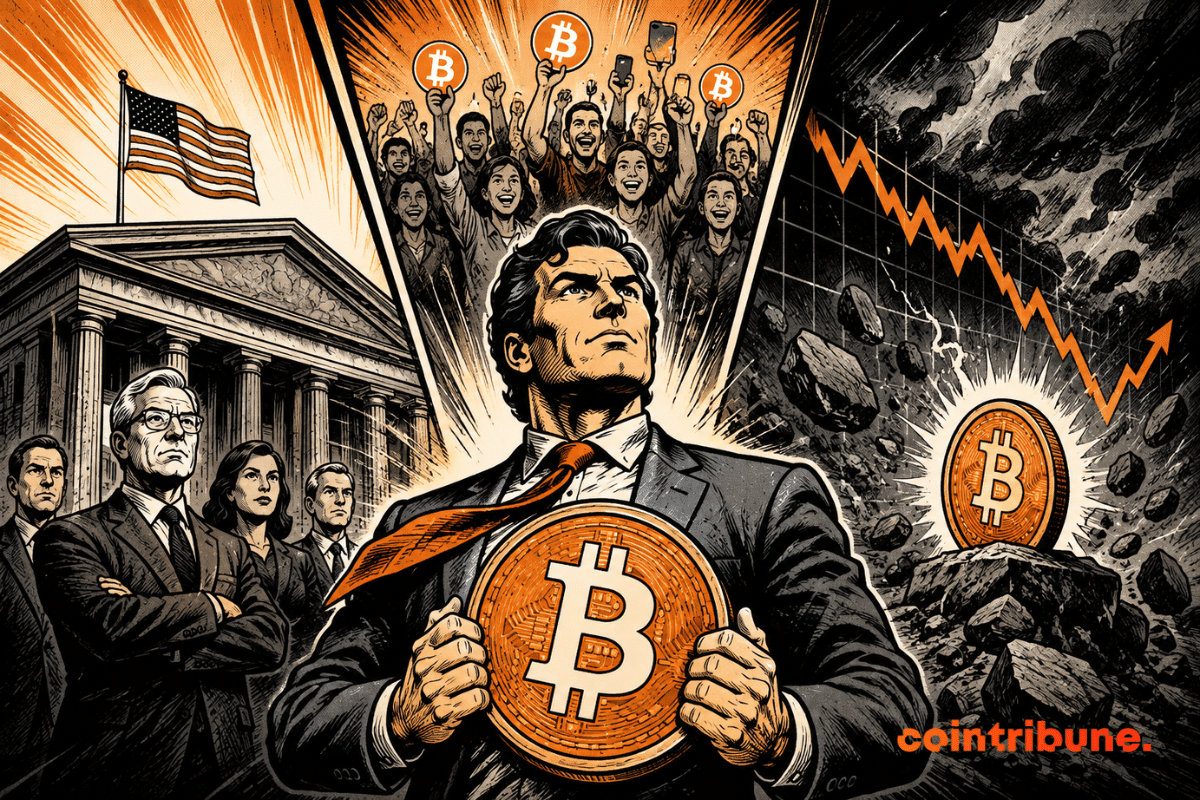
The decline in prices would not be enough to stop bitcoin adoption. This is the finding presented on August 12 by Zach Pandl, research director at Grayscale. According to him, several trends far exceed the movements of a market cycle. Public deficits, the rise of blockchain in finance, and the evolution of generational portfolios could thus support demand in the medium and long term. This analysis does not predict an automatic price increase but highlights structural factors capable of continuing their progress despite instability.

OpenAI is losing its leaders in cascade as it approaches a public offering that could value the company at $1 trillion. The hemorrhage occurs as its rival Anthropic has just surpassed OpenAI in annualized revenues.

Donald Trump opens the door to a new form of response against foreign criminal networks. In a memo signed on August 12, 2026, the American president authorizes certain licensed private companies to participate in cyber operations under federal supervision. Crypto scam networks are among the targets, but the precise rules of these interventions are still to be written.

Is Wall Street taking advantage of crypto volatility to advance its pieces? In the second quarter of 2026, JPMorgan significantly increased its exposure to bitcoin and Ethereum, while reconnecting with XRP. The bank's latest regulatory filings reveal $355.7 million invested in BlackRock's IBIT Bitcoin ETF, as well as a 338% increase in its position on the Ethereum ETHA ETF. This move contrasts with recent capital outflows recorded by spot Bitcoin ETFs and reveals a striking gap between short-term turbulence and institutional choices.
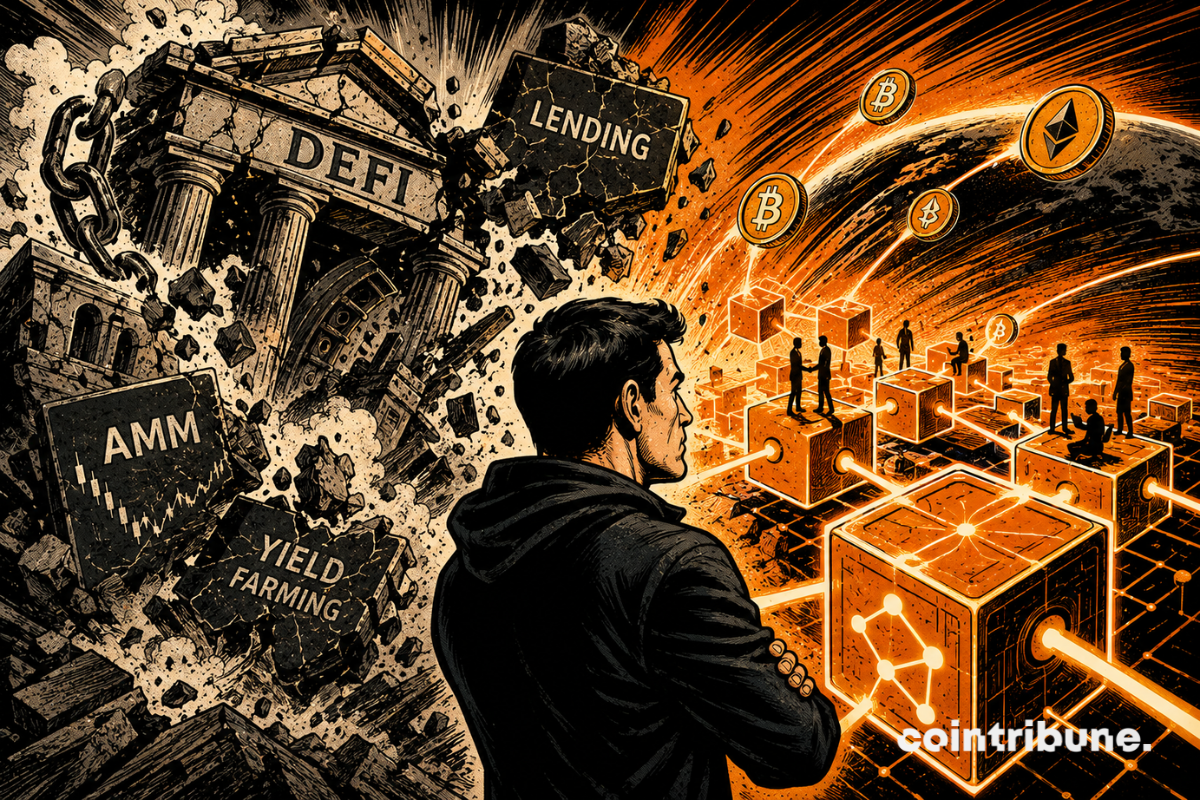
For Andre Cronje, a large part of what the industry continues to call "DeFi" is no longer really so. The founder of Flying Tulip prefers to speak of "on-chain finance" when companies, teams or committees retain intervention power over protocols. What really remains of the promise of decentralization?

The government of Monaco presented bill no. 1131 to the National Council on August 6. This reform aims to replace the framework adopted in 2022 and bring the Principality closer to European standards. At the heart of the text, MiCA accompanies a revision of the obligations imposed on crypto-asset service providers. The project also strengthens controls and compliance requirements in response to the expectations of the FATF and the European Commission.
MEXC appears in almost all "best exchanges" lists for 2026, yet many readers still hesitate. That's logical. The platform ticks boxes that make an active trader dream: thousands of tokens, some of the lowest fees in the market, very fast access to new listings, but it also carries a mixed reputation on customer service and a regulatory status that, in Europe, has become complicated since summer 2026. This review sorts it out, without leniency.
Bitcoin’s July recovery gave Bitget’s Protection Fund a significant lift. The reserve averaged $351 million during the month and peaked at $365.9 million as BTC recovered from June’s correction. The figures highlight a direct consequence of holding a Bitcoin-denominated safety reserve: stronger BTC prices increase its dollar value, while downturns can quickly work in the opposite direction.

Binance has just taken second place in the tokenized stocks market by value. Launched on June 11, bStocks shows about 610.6 million dollars, compared to 601.2 million for Kraken's xStocks. It took less than two months to reverse the ranking. Ondo Finance remains ahead of the two platforms.

The Bank of England is already preparing the coexistence between stablecoins and the digital pound. Its Digital Pound Lab is testing a cross-border payment where an exporter receives an advance in stablecoin before a British importer settles the transaction with simulated digital pounds. However, London has still not decided to launch its CBDC.

Ethereum returns to the center of on-chain data after the awakening of four former whales linked to the early days of the network. On Tuesday, August 11, a Genesis wallet moved 2,680 ETH after eleven years of inactivity. This reserve, acquired for about 830 dollars, was then worth 5.03 million dollars. Two other wallets had already transferred 2,000 ETH each in July. These close movements reignite selling fears, as funds long considered dormant return to the market.

Bitget is rebuilding part of its CFD business for traders who care less about a polished interface than what happens after they press “buy” or “sell.” The exchange is adding 100% STP routing, multi-tier liquidity, FIX API connectivity and sub-millisecond order matching for professional clients. The pitch is straightforward. Can Bitget keep execution clean when order size and frequency rise?

The twelfth edition of the European Blockchain Convention takes place on September 16 and 17, 2026, in Barcelona. This year, the event is embracing its institutional shift more than ever: banks, asset managers and market infrastructures take center stage, with BlackRock, Swift, State Street and Citi on the program. Here is what to expect, how much admission costs, and the code reserved for the Cointribune community.

USDT lost nearly 4 billion dollars in market capitalization over 60 days. On paper, this is bad for Bitcoin: fewer stablecoins means less liquidity available to buy. Yet, CryptoQuant also sees a possible seller exhaustion signal. The market lacks fuel, but it might soon lack sellers.
The contraction of the crypto market no longer only affects investors. It now threatens the financial structure of the main trading platforms. eToro provided concrete evidence by publishing its quarterly results on August 11, 2026. Indeed, the decline in crypto trading volume contrasts with the increased interest in stocks and other more conventional investments. This transition forces the major FinTech company to quickly strengthen its diversification while revealing the new emerging power dynamics in the online brokerage field.

Meta no longer wants to reserve the power of artificial intelligence for states and tech giants. On August 10, 2026, Mark Zuckerberg unveiled a manifesto, "The Future is for Everyone", which redefines the group's ambition: to place part of this computing power in the hands of individuals. Behind this announcement lies a strategic break with major consequences for the crypto ecosystem, where AI and decentralized networks now converge around a single issue: control of tomorrow's digital infrastructure.

Russia takes a step in its approach to crypto. The central bank has just proposed a framework allowing individuals to access three cryptocurrencies on public markets. The project targets Bitcoin, Ethereum, and USDT, with an annual limit for non-qualified investors. This development marks a regulated crypto market opening, while the authorities want to limit exposure to price fluctuations. The system includes conditions for intermediaries and investors before any operation.

As I indicated in my analysis last week, the bearish scenario on Bitcoin remained the most likely. The market has indeed continued its correction and is now approaching an important technical zone. At the same time, ETF flows remain too timid to speak of a real return of institutional conviction. Finally, on Ondo's side, the euphoria born after the SBI announcement attracted many retail investors, which encourages me to remain patient and disciplined on my entry points.

A major bank says Chainlink is heading to 200 dollars. Traditional finance wants a slice of the crypto pie. And traders are starting to pay attention.

Crypto ETF: Grayscale withdraws its Cardano, Hedera and Polkadot files in 190 seconds, without any explanation. Details here!

The euro collapses while the dollar sweeps the board. In barely two years, stablecoins have gone from 15% to 84% of crypto card spending, while the EURe languishes at 2%. Between rapid growth, opaque figures and an all-powerful dollar, this shift tells much more than a simple stablecoin war.

Crypto: the court of appeals definitively confirms the 25-year sentence of Sam Bankman-Fried, the fallen ex-boss of FTX. Details!
While the crypto market struggles to find a clear direction, China is quietly accelerating its strategy on a completely different front. The People's Bank of China (PBOC) has once again increased its gold reserves, confirming a policy of accumulation carried out for several months. This choice reflects Beijing's desire to strengthen its financial autonomy in an environment marked by geopolitical tensions, monetary uncertainties, and the questioning of the global economic order.
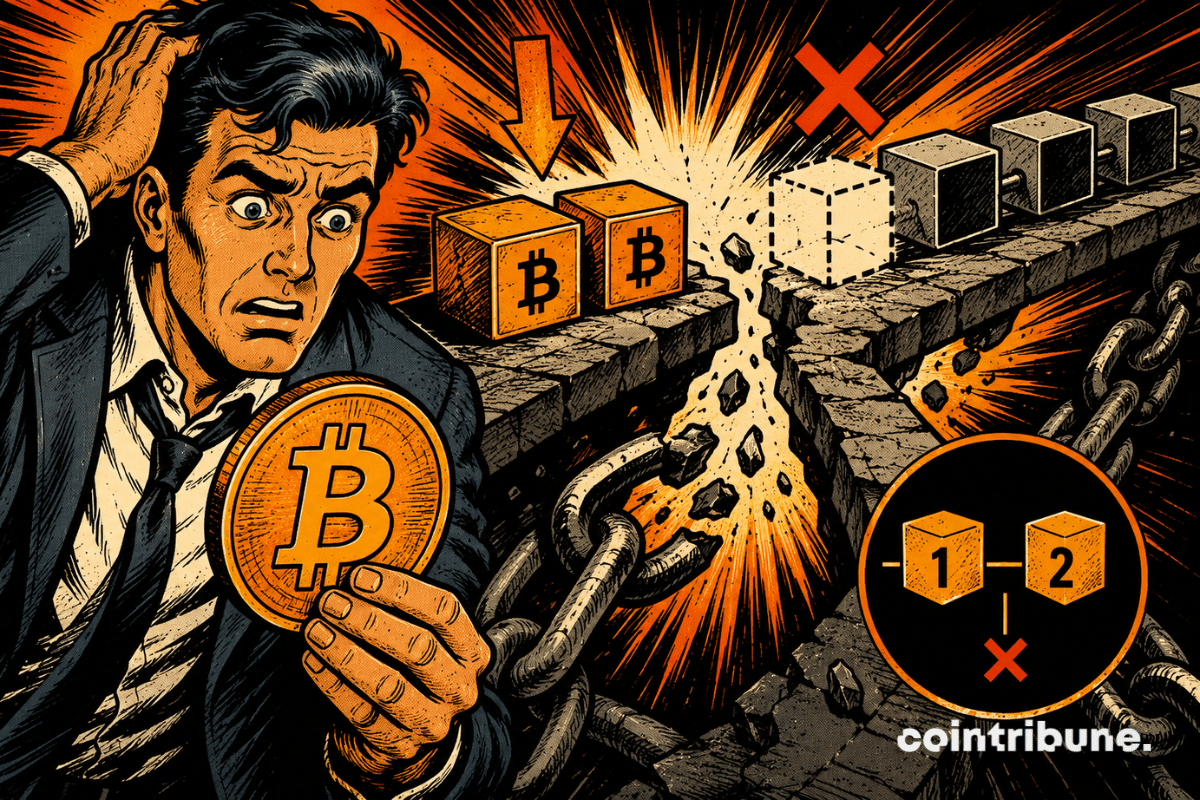
BIP 110, a temporary soft fork designed to limit non-financial data recorded on Bitcoin, indeed caused a split at block 961,632. But its branch produced only two blocks in eight hours. The network has just reminded us that a rule without miners remains mostly an intention.

Bitcoin has reached block 961,632, opening the mandatory signaling window of BIP 110. Yet, miner support remains below 3%, far from the 55% threshold required for activation. What happens next will depend on the ability of node operators to enforce their own rules.
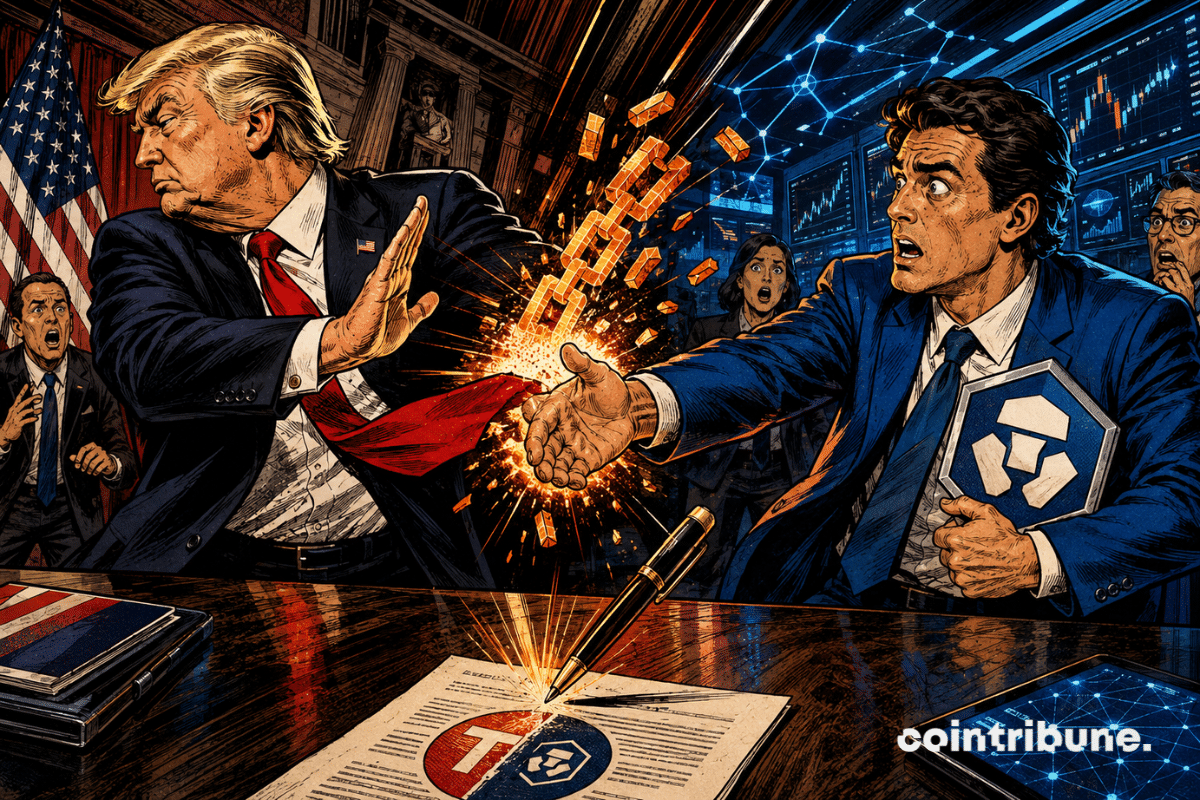
Trump Media abandons two important aspects of its crypto partnership with Crypto.com. The group gives up on creating a listed company responsible for accumulating CRO. It also ends an agreement concerning certain future ETFs from Yorkville America. This decision marks a clear shift in priorities, without signifying a complete exit from the crypto market.