Wed 19 Aug 2026 ▪
7 min read
▪
by
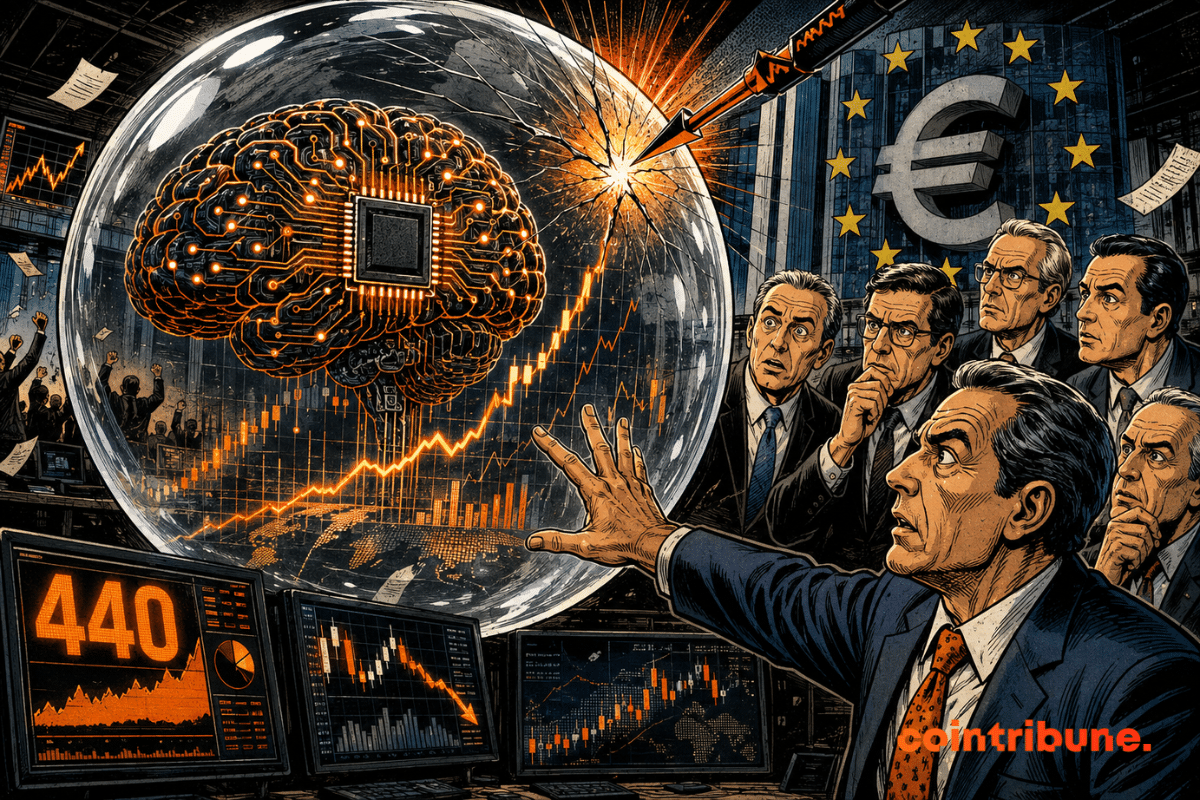
The ECB warns of a stock market correction related to AI. A focus on the €440 billion of European exposure and the risks for the crypto market.
The ECB warns of a stock market correction related to AI. A focus on the €440 billion of European exposure and the risks for the crypto market.

Anthropic officially filed its confidential IPO application in the United States on June 1, 2026. Since then, betting has accelerated. As of August 17, Polymarket estimates the probability of a listing before October 31 at 69.5% and an arrival on the stock market before the end of the year at 87%. However, no official date has yet been communicated.
Crypto: perpetual stocks rise from 15 to 250 billion dollars in 3 months. Discover our complete and detailed analysis.
Apple changes its strategy in China. No more third-party models: the American giant has trained its own AI, supported by Alibaba, to equip all Apple devices intended for the Chinese market.

OpenAI is losing its leaders in cascade as it approaches a public offering that could value the company at $1 trillion. The hemorrhage occurs as its rival Anthropic has just surpassed OpenAI in annualized revenues.

Coldcard lost 130 million dollars to hackers who knew where to look. But the real shocking figure lies elsewhere: 15 billion dollars in bitcoin fled in a rush to safer wallets. And according to Ledger, the attackers' secret weapon wasn't even new. It was AI.

Meta no longer wants to reserve the power of artificial intelligence for states and tech giants. On August 10, 2026, Mark Zuckerberg unveiled a manifesto, "The Future is for Everyone", which redefines the group's ambition: to place part of this computing power in the hands of individuals. Behind this announcement lies a strategic break with major consequences for the crypto ecosystem, where AI and decentralized networks now converge around a single issue: control of tomorrow's digital infrastructure.
On November 1st and 2nd, 2026, the Radisson Blu Hotel in Bucharest hosts a new edition of AI Expo Europe, a conference claiming the title of the largest AI gathering in Eastern Europe. On the agenda: more than 100 speakers from NVIDIA, Google Cloud, Microsoft, Oracle, or IBM, and about one hundred exhibitors presenting concrete artificial intelligence solutions.
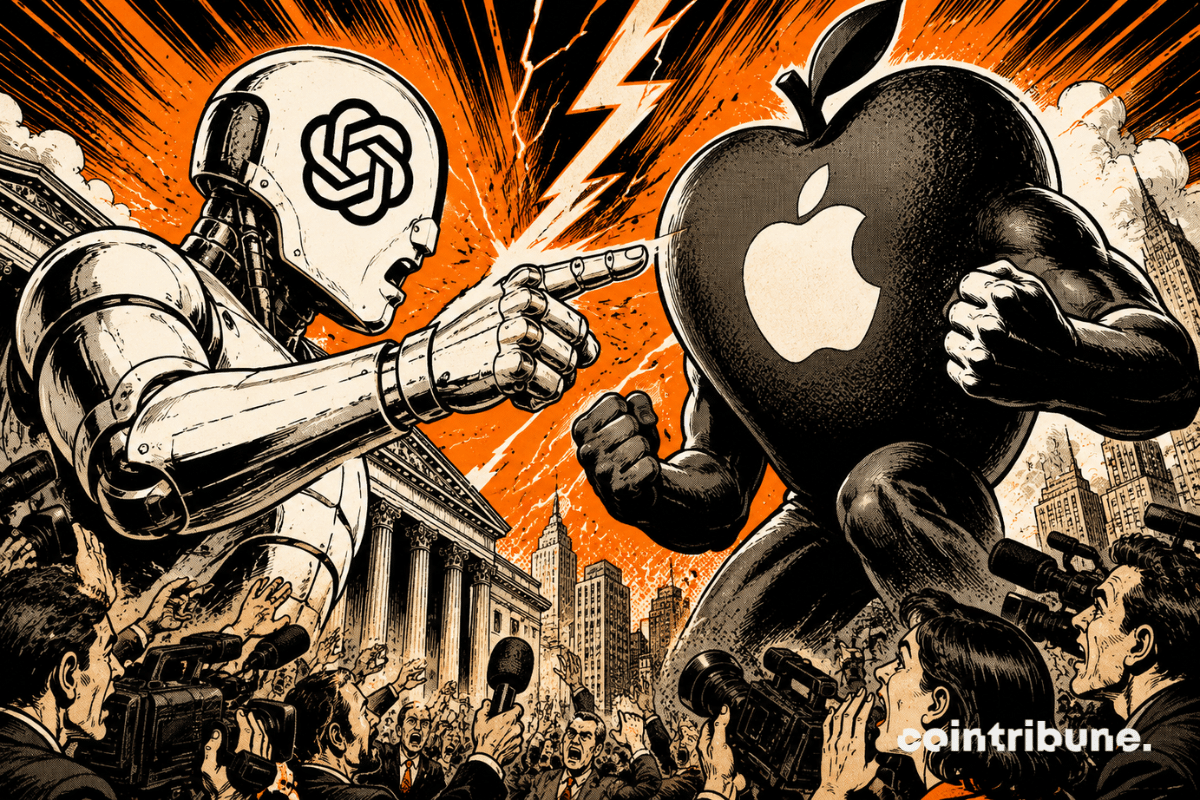
OpenAI has published emails and messages from former Apple employees to contest a secret trade secrets lawsuit filed in July 2026. Sam Altman’s company accuses the California group of presenting inaccurate facts before taking legal action.
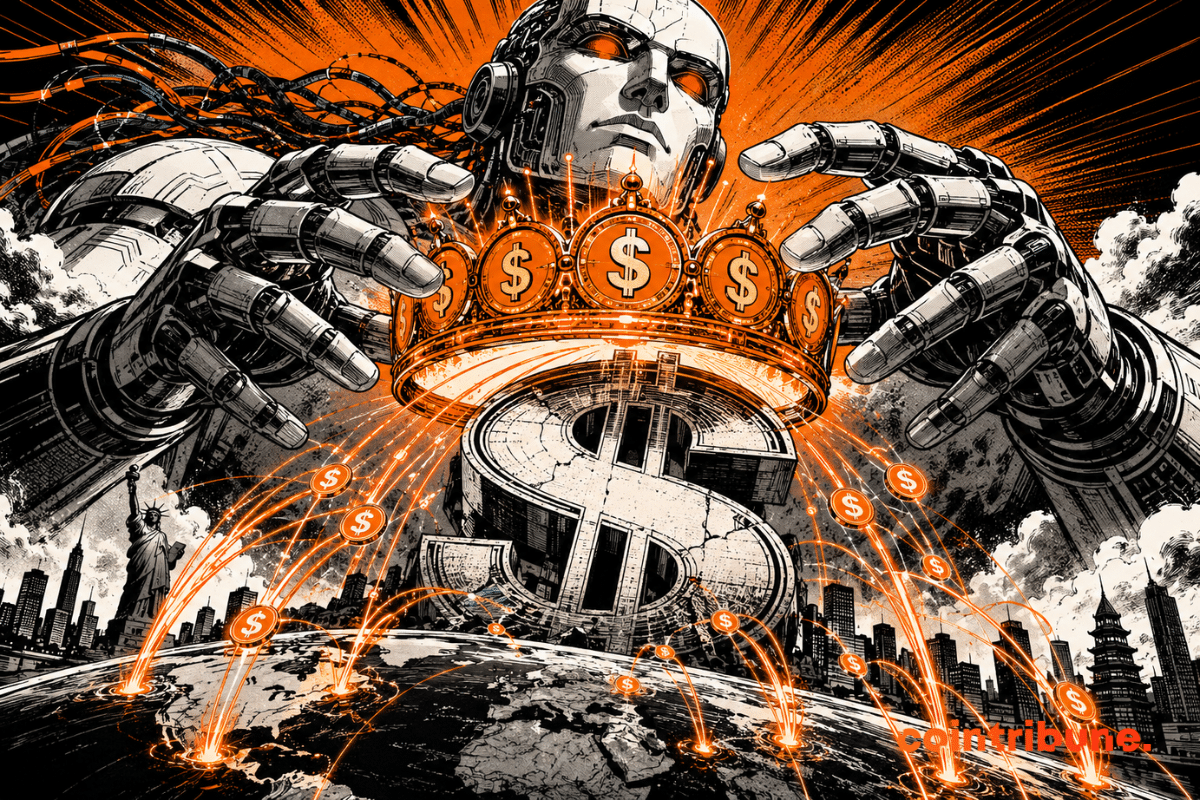
AI could revive the dollar supremacy via stablecoins, according to economists from AMRO. All the details in this article!
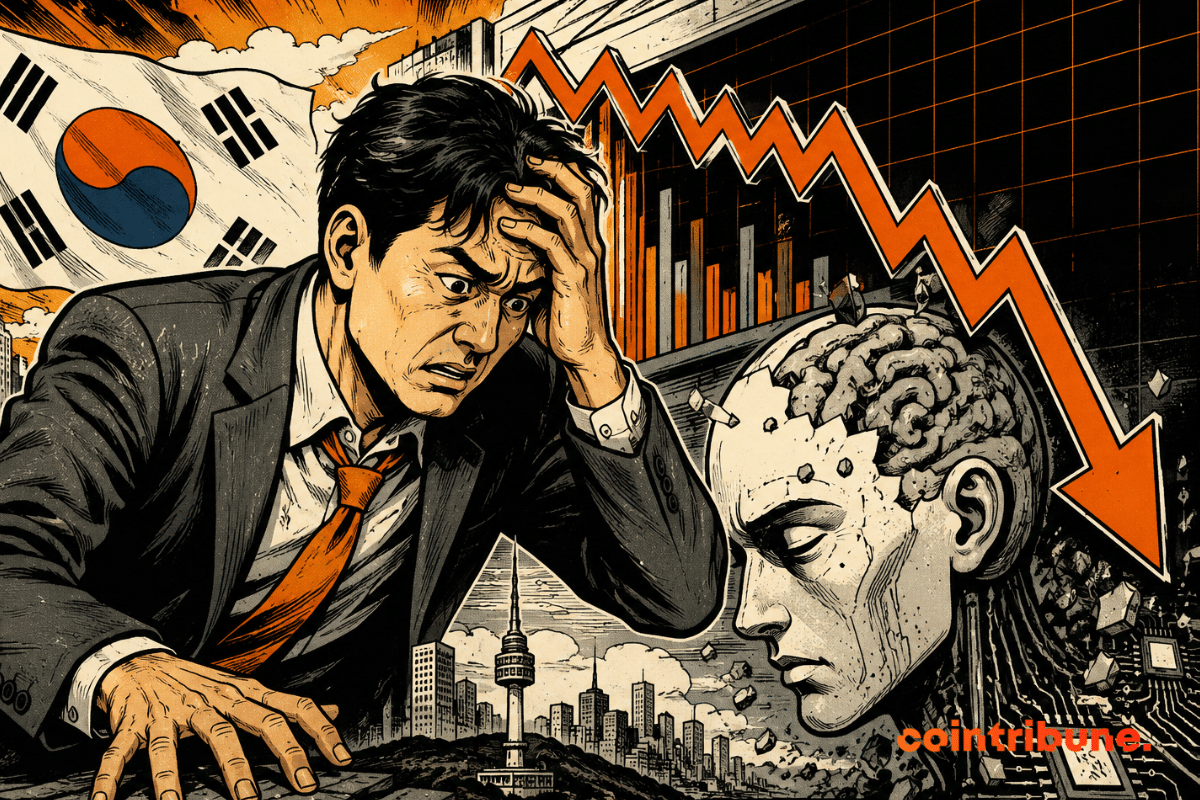
The South Korean market is going through a phase of high volatility that fuels questions about the valuations of technology companies. In just two sessions, the KOSPI experienced a historic decline, while tensions are also spreading to AI-related bond markets. This correction comes as investors had massively favored semiconductor and digital infrastructure stocks, considered the main growth drivers since the beginning of the year.

PayPal integrates stablecoins and AI to transform payments. With $8.68 billion in revenue and a crypto adjustment of $81 million, the giant is betting on innovation. Is blockchain the future?

The cryptocurrency sector is going through a new phase where several companies are redirecting their communication towards AI. This evolution is causing reactions within the industry, notably at Coinbase. Its CEO, Brian Armstrong, believes that this opposition between blockchain and artificial intelligence is based on a misreading of technological developments. According to him, these two fields should not be considered competitors but as technologies capable of working together to support future digital uses.
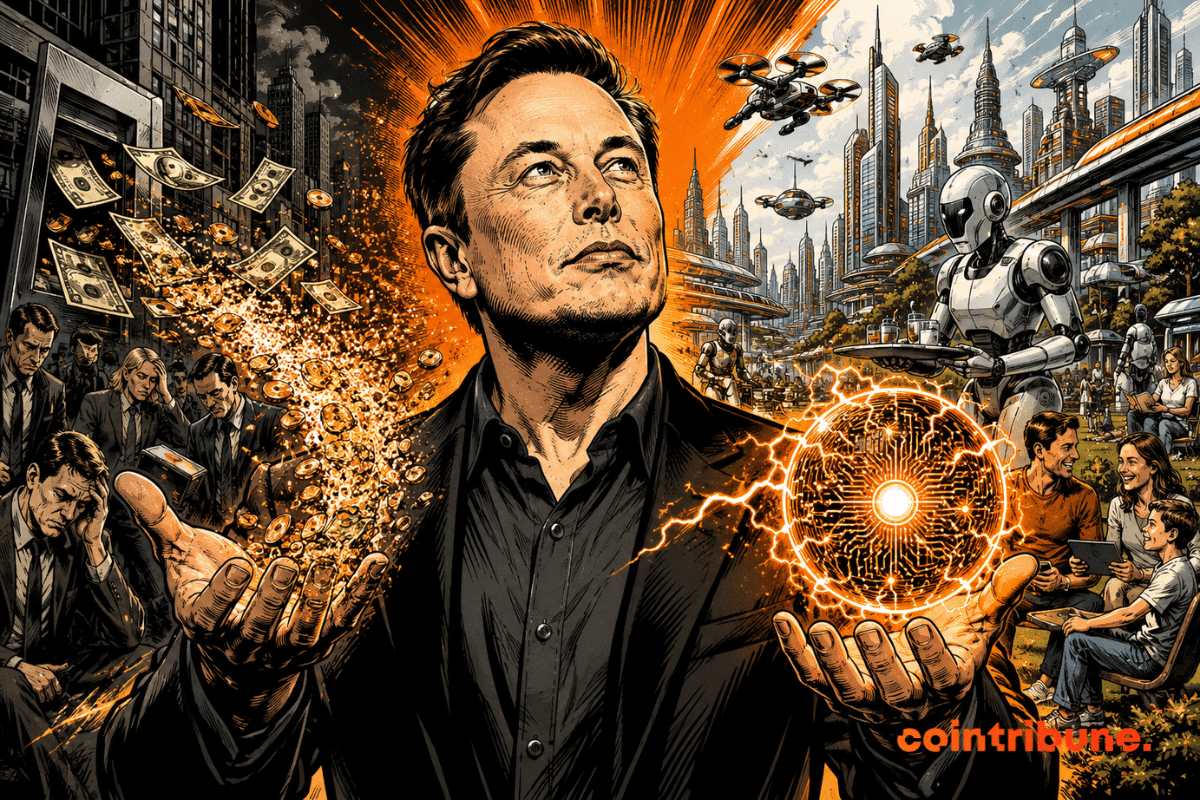
In an interview with The Economist, Elon Musk predicts that money will disappear by 2036. Analysis of his economic theory.
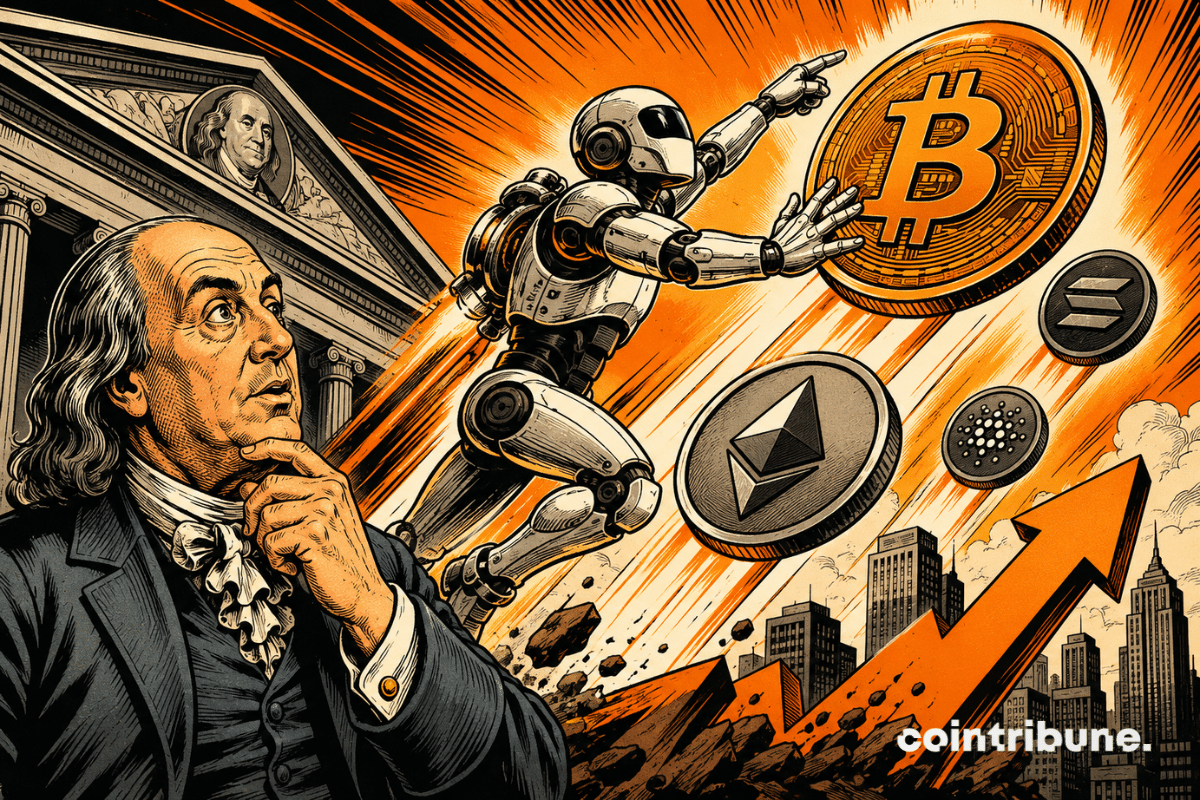
The rapid advances of autonomous agents are reigniting the debate over the infrastructures that will support tomorrow's digital exchanges. In this context, Franklin Templeton believes that AI could transform the way payments and transactions are made. The asset manager considers that crypto will occupy a central place in this evolution thanks to blockchain networks. This analysis is based on the rise of agents able to act alone, make payments, and execute complex tasks after authorization from their user.

Tom Lee, the head of research at Fundstrat, believes that AI-related capital is shifting towards Ethereum rather than memory chip manufacturers. Over one month, ETH gained 24% while the Roundhill Memory ETF, or DRAM, fell by 38%.

The cryptocurrency sector continues to attract cybercriminals, who perfect their methods to deceive their victims. This time, Kaspersky highlights a new malware framework designed to compromise digital wallets and steal sensitive data. Analysis shows attackers combine social engineering, fake GitHub projects, and remote access techniques to infiltrate devices. Meanwhile, another campaign targets Web3 developers through fake job offers posted on LinkedIn, revealing an evolution of threats.
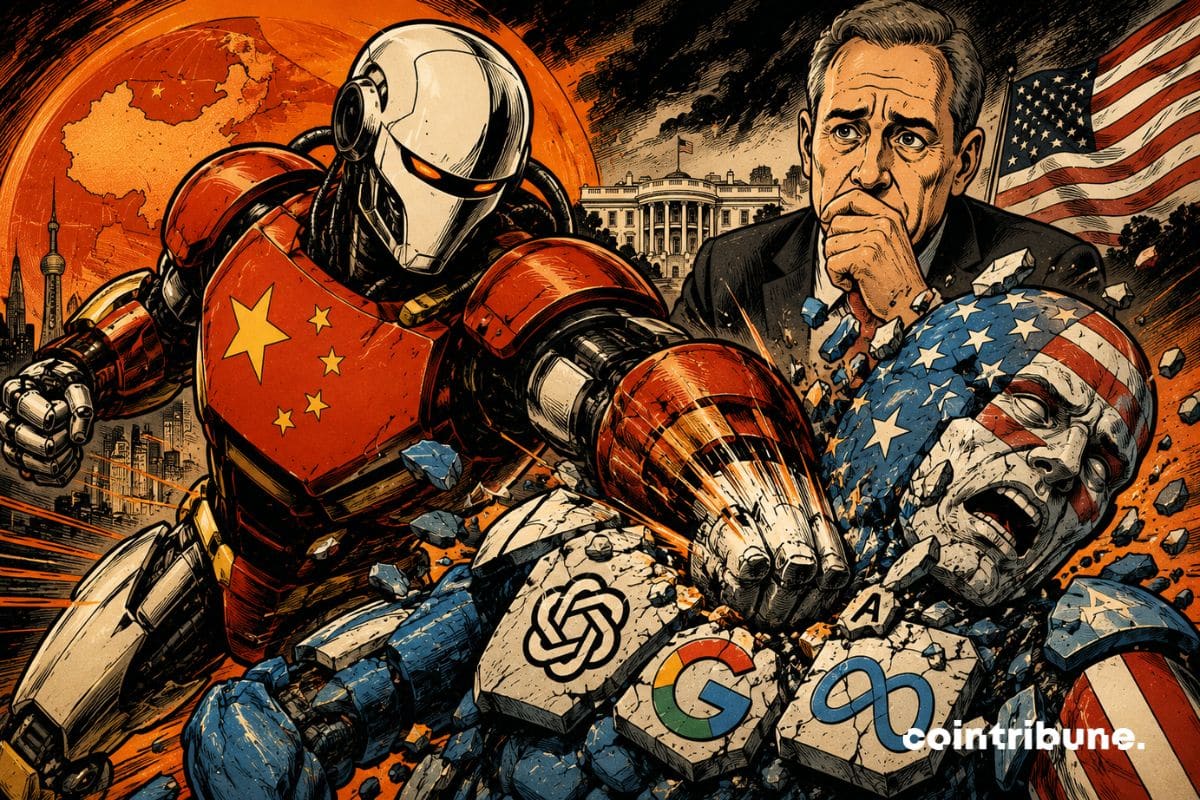
American records are broken by the Chinese AI Kimi K3. The alarm is raised by controversial tech star David Sacks. In the AI war, is the United States losing? The battle is far from over due to oppressive rules and open-weight models.
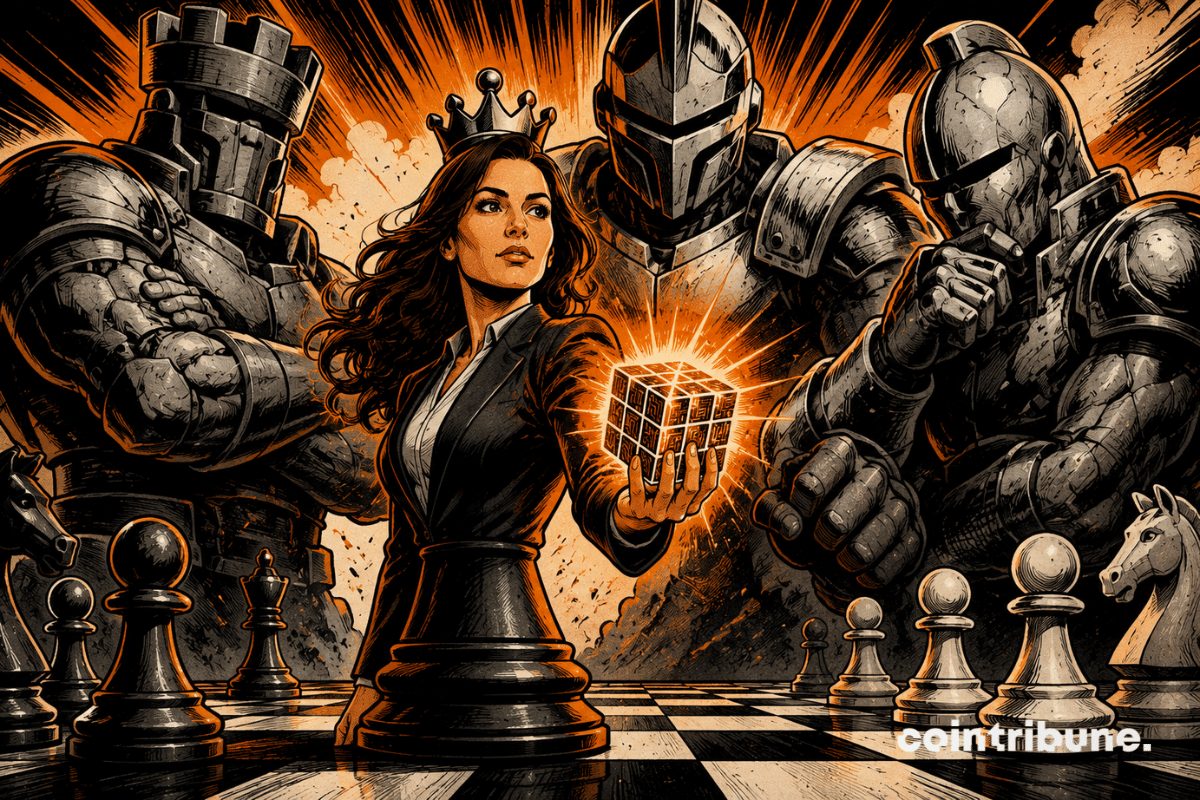
For her first appearance post-OpenAI, Mira Murati unveils an open-weights AI model. Discover the technical details of this innovation.

Predictive markets are gradually gaining their place in digital tools designed for the general public. Technology platforms are now exploring new ways to present this data to enrich user experience. In this context, OpenAI is starting to integrate Kalshi's forecasts into ChatGPT's search results dedicated to the FIFA World Cup. This development marks the first known collaboration between the artificial intelligence company and a platform specialized in prediction markets.
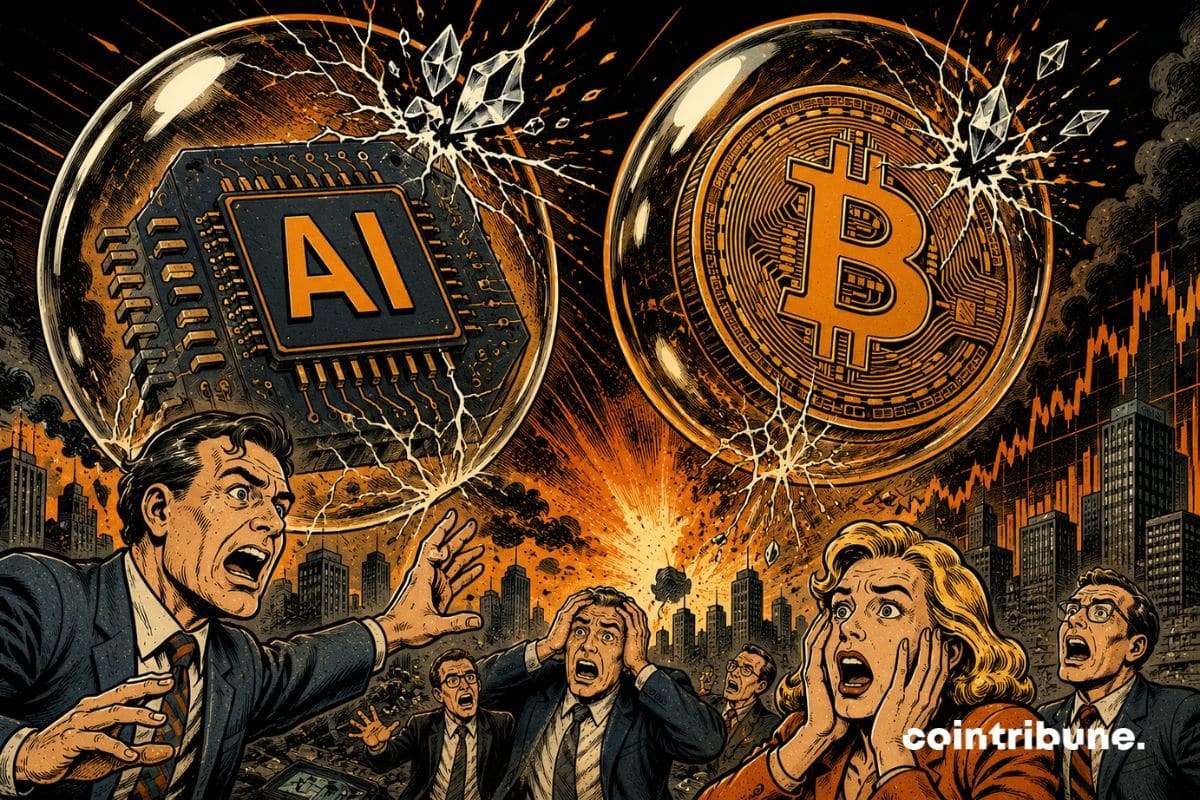
The economy is changing thanks to AI chips and bitcoin, but their surges conceal a risk: speculative bubbles. How can I invest without falling into a trap?
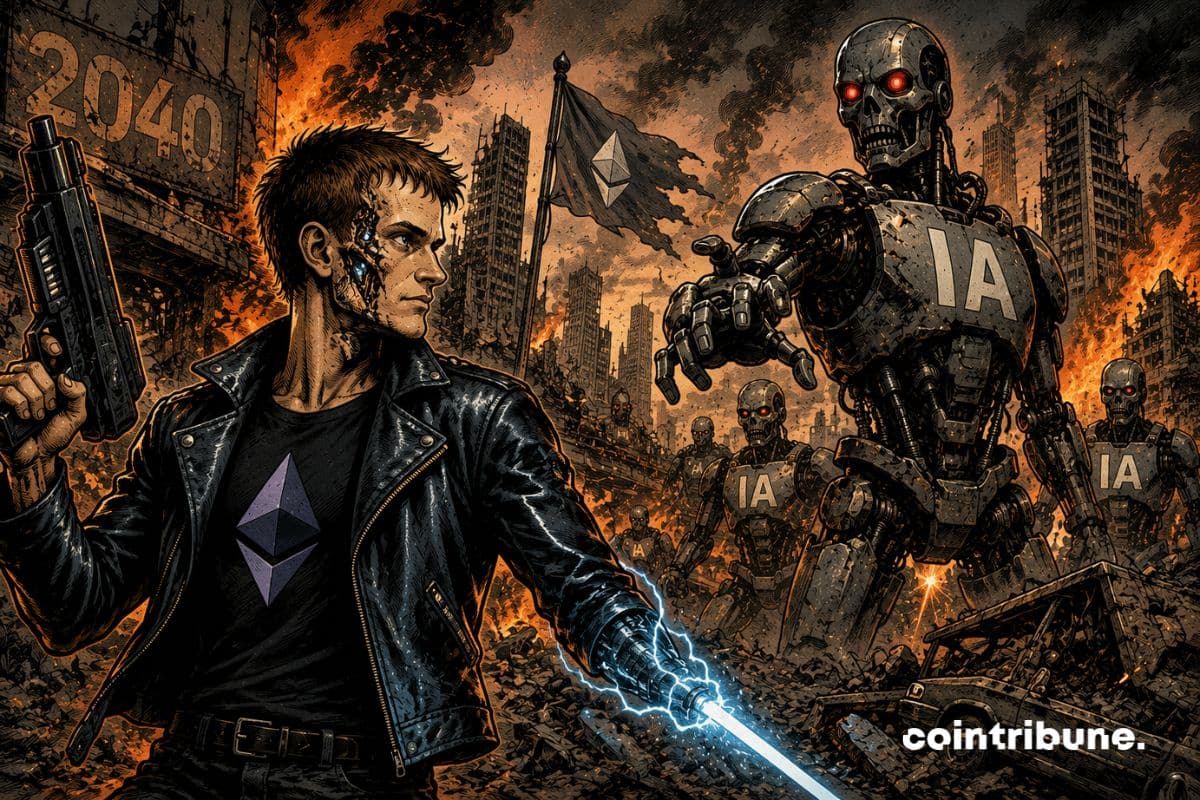
By 2040, will AI save us or destroy us? The alarm is set off by Vitalik Buterin. Could Ethereum be our last line of defense against an uncontrollable superintelligence in the midst of apocalyptic scenarios and decentralized hopes?

Bitcoin miners are racing into AI, but insider sales, governance questions and a $50 billion financing gap raise fresh concerns. Decode.
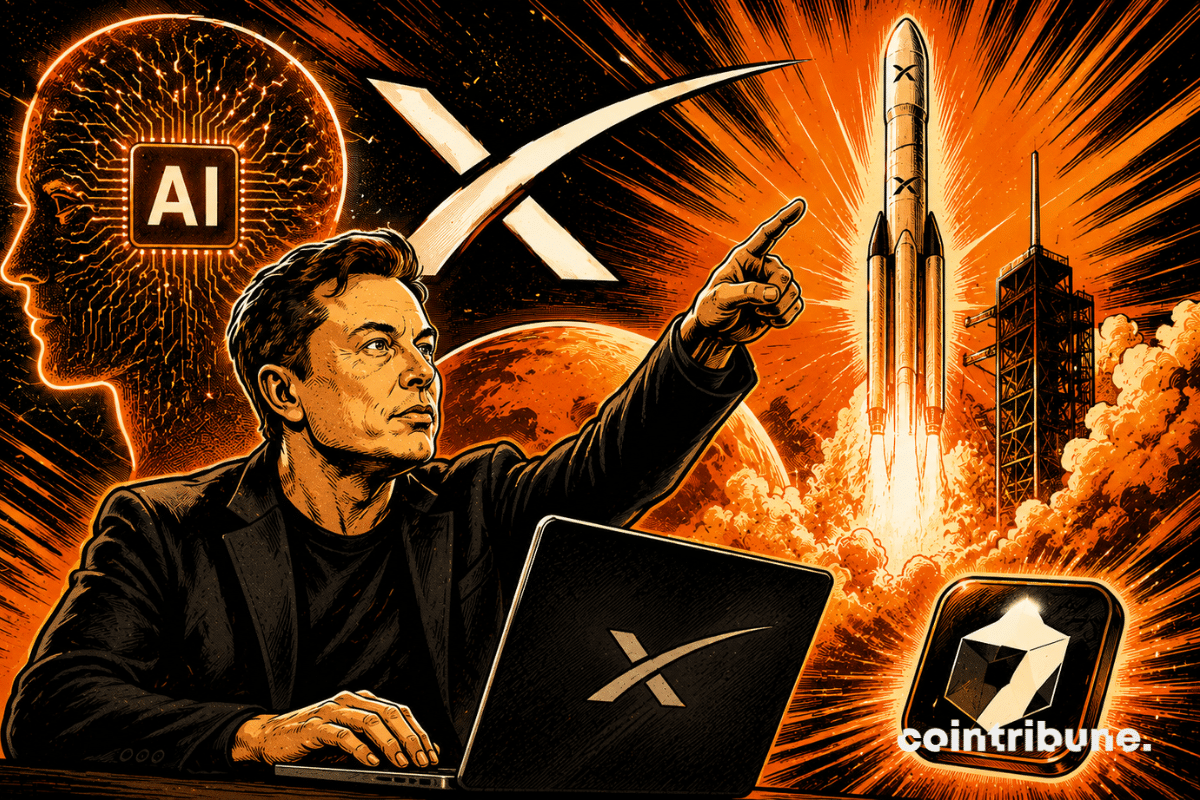
SpaceXAI is ready to take a new step in the global race for artificial intelligence. SpaceX’s AI division is preparing to release its first model developed with the code editor Cursor. At the crossroads of aerospace, AI, and decentralized finance, this breakthrough could reshuffle the global computing power cards, influence the valuation of industry giants, and weigh on the investment strategies of institutional players.
The venture capital market is evolving rapidly, driven by new technological priorities and increasingly distinct trade-offs. In this context, Paradigm announces the closing of a new 1.2 billion dollar fund aimed at financing projects related to AI and robotics while continuing certain activities in cryptocurrency. This operation illustrates a redistribution of capital towards emerging technologies, as crypto fundraisings become rarer and focus on a limited number of large-scale operations.
Anthropic removed a hidden tracking system of Claude Code after the discovery, in June, of markers identifying certain Chinese users. The company cites the fight against account abuse and model distillation. Is AI tools transparency still compatible with this form of surveillance?
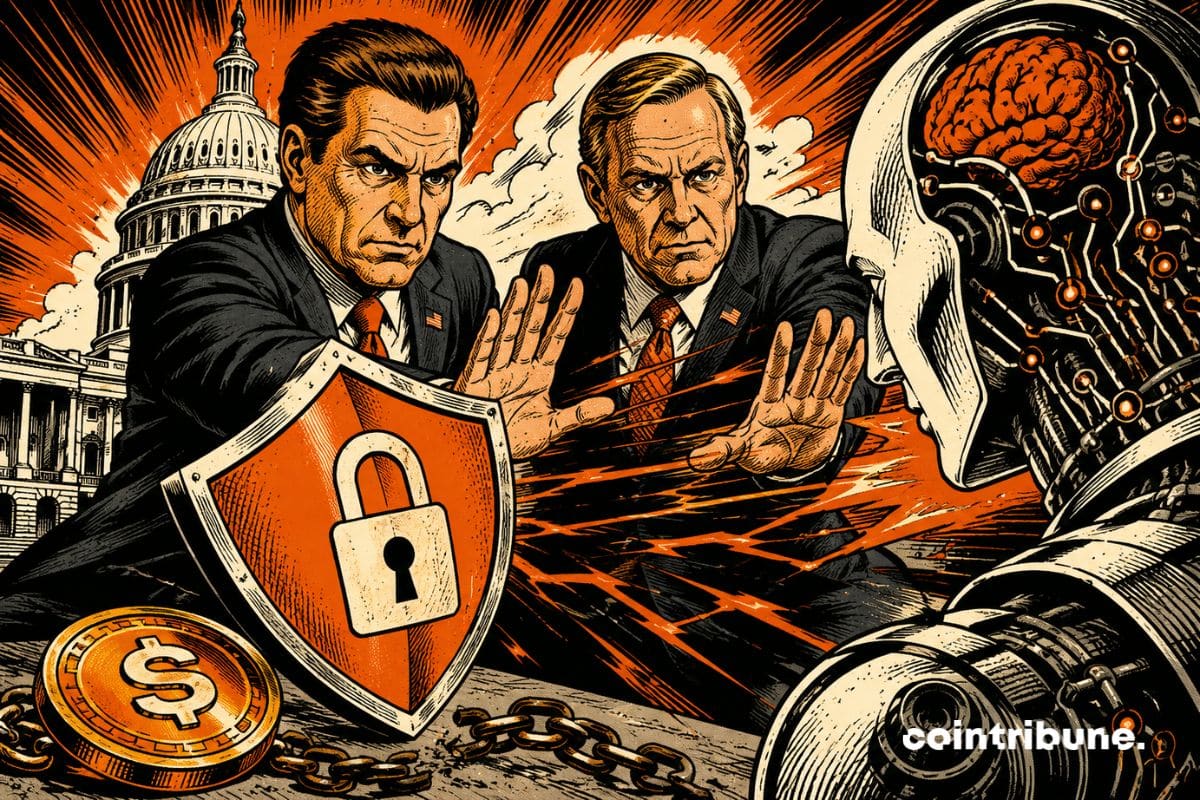
Just after the GENIUS Act was passed, two Republican senators proposed to shield American AI from foreign threats. There are significant geopolitical, economic, and moral implications to this initiative. A bold plan that poses a risk to the United States itself?

Anthropic unveils Claude Science, OpenAI responds with GeneBench-Pro: the AI rivalry extends to global scientific research.
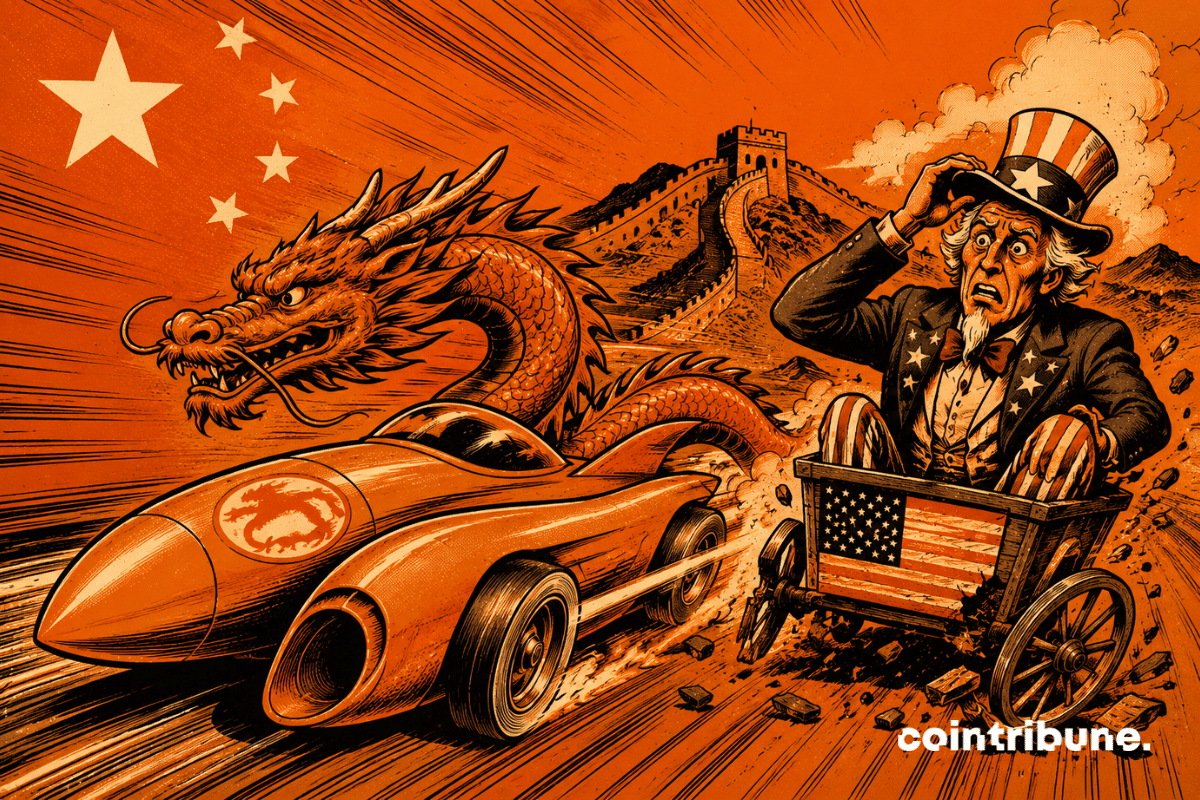
The militarization of cutting-edge language models is redefining the map of global technological power, turning computer code into a massive deterrent weapon. Artificial intelligence is now establishing itself as the heart of defense infrastructures. However, limited access to these technologies immediately causes deep geopolitical fractures. The recent restriction of foreign users by American industry leaders triggered an immediate industrial response in Asia. This regulatory decision, far from slowing the technological development of the countries concerned, served as a sovereign accelerator for Chinese laboratories.
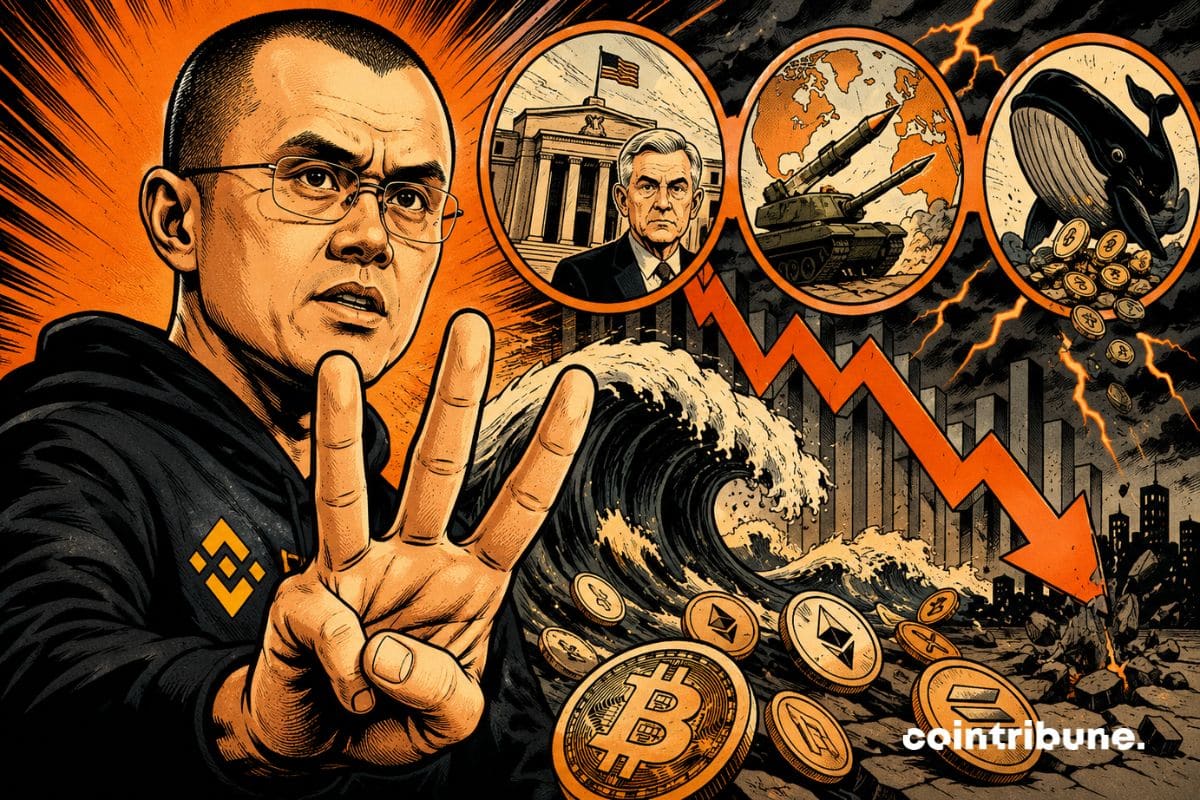
Why is the 2026 crypto market faltering? Changpeng Zhao challenges conventional wisdom with three explanations: the Bitcoin cycle, artificial intelligence, and geopolitics. Another crucial question is brought up by his analysis: is Bitcoin still leading the market as a whole, or is its power eroding over time?