
Sat 26 Sep 2026 ▪
7 min read
▪
by
CoinMarketCap acquires Coinglass, expanding its crypto data offering while raising fresh concerns over market data concentration.
CoinMarketCap acquires Coinglass, expanding its crypto data offering while raising fresh concerns over market data concentration.

The contrast is striking. In July, Brazilian residents purchased "only" 572 million dollars worth of crypto, according to the balance of payments report published on August 27 by the Central Bank. A month earlier, the counter peaked at 2.6 billion. Within thirty days, the plunge thus approaches 80%. Coincidence of calendar? Hard to believe: July marked the very first full month of application of the new governance and anti-money laundering control requirements imposed on local platforms.

US spot Bitcoin ETFs recorded 189.3 million dollars of inflows on Tuesday, August 18, 2026. After 297.6 million the day before, the cumulative monthly total now approaches one billion dollars according to SoSoValue. A notable rebound, although a large portion of the capital continues to flow towards BlackRock's IBIT.

The crypto market enters a highly tense week. On Wednesday, August 12, the United States will release its July inflation data. The consensus expects an annual CPI of 3.4%, down from 3.5% previously. A surprise of a few tenths could be enough to shake Bitcoin, Ethereum, and risky assets by abruptly changing expectations around the Fed.

Bitcoin briefly fell below $63,000, driven by a sharp correction in global technology stocks. The rout of chipmakers in Asia, doubts about AI financing, and the threat of a US rate hike triggered a widespread risk-reduction movement.

US-listed spot bitcoin ETFs netted 33.79 million dollars inflows in the week ending July 24. This third consecutive week in the green marks a first since early May. However, massive end-of-week outflows dampened the emerging optimism.

Bitget has launched what it calls the industry’s first Cross-Asset Unified Account, allowing users to use 100 tokenized US stocks as margin inside a single capital pool. The move pushes Bitget further beyond a standard crypto exchange model. It also strengthens its strategy to connect crypto and traditional finance inside one trading environment.

Markets did not wait long to react. Faced with weaker US economic indicators, investors immediately strengthened their positions on gold, reigniting the rise of the precious metal. Behind this movement is a major shift in perspective: expectations around the Federal Reserve’s upcoming decisions are evolving, weakening the dollar and reshuffling the deck for all financial assets. From precious metals to cryptos, this new reading of the American economic landscape could redefine investors’ strategies in the weeks ahead.
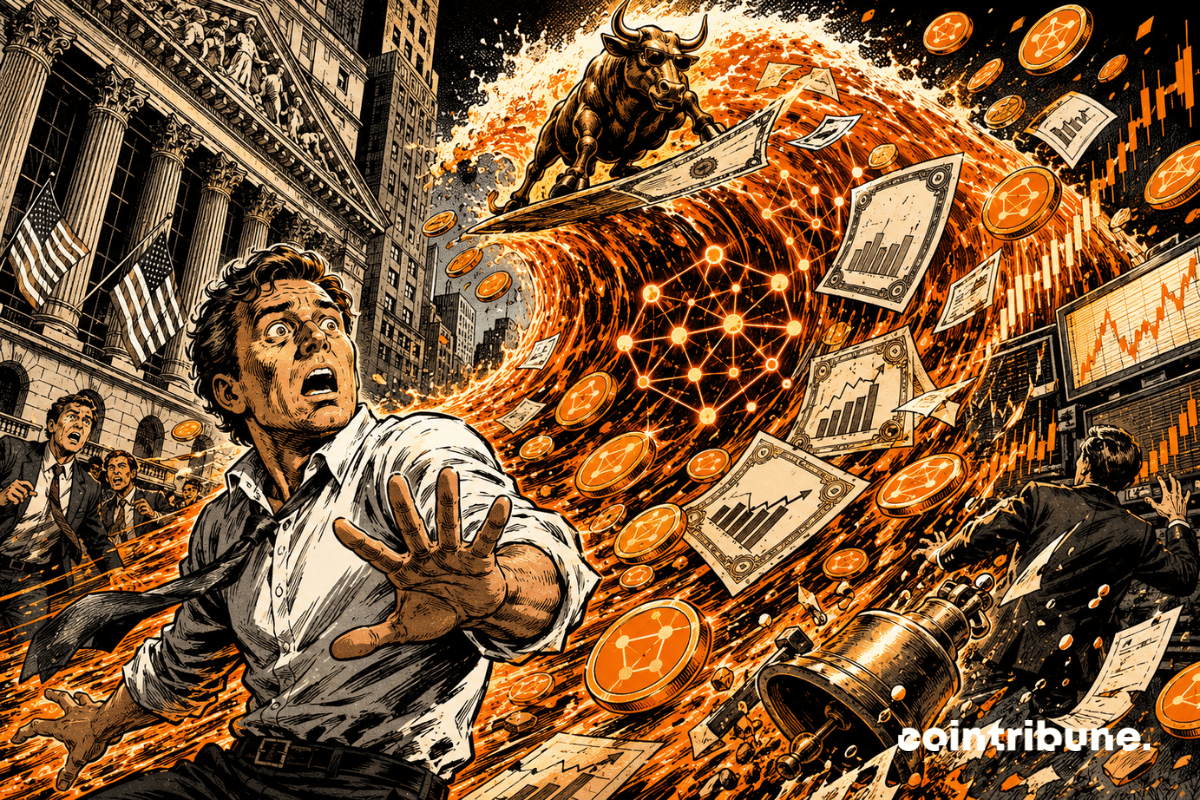
The crypto market has just crossed a milestone in stock tokenization. On June 24, decentralized spot exchange platforms processed over $565 million in tokenized securities. This daily record shows that traditional financial markets are beginning to find real liquidity on the blockchain.

Bitget is expanding its VIP ecosystem with the Miracle Badge Program, a new recognition system for active traders operating across crypto, stocks, futures and CFD markets. The initiative reflects a broader shift in trading habits, as users increasingly move between several asset classes instead of remaining inside a single market.

Bitget is pushing beyond its traditional crypto exchange model with Stock+, a new service giving eligible users access to real U.S. equities. Investors can fund purchases with digital assets, while the underlying shares are executed through regulated brokers rather than issued as synthetic crypto products.

Tom Lee waters his ethers like a perched gardener, but his beautiful garden suffers 10 billion losses. Crypto no longer understands anything.

Morpho has just raised 175 million dollars and confirms its change of scale in crypto. The French unicorn now aims to establish itself as one of the major infrastructures of onchain credit.

Ethereum drops sharply, altcoins crash one after another, and hundreds of billions evaporate. Behind the red screens, the market discovers that capitulation now affects almost all sectors.

Washington brings out the regulatory hammer, but this time the SEC promises to spare the crypto ecosystem. Behind the institutional smiles, traders, lobbyists, and financiers are already quietly reshaping their small American digital empires.

Blockchain.com quietly returns to knock on Wall Street's door, as bankers, regulators, and crypto veterans slowly bring out their old tokens still burning after several particularly painful IPOs.

Michael Saylor piles up bitcoins like a mason on caffeine, while TD Cowen is already drawing stock skyscrapers. Skeptics nervously check the cracks behind this giant facade.
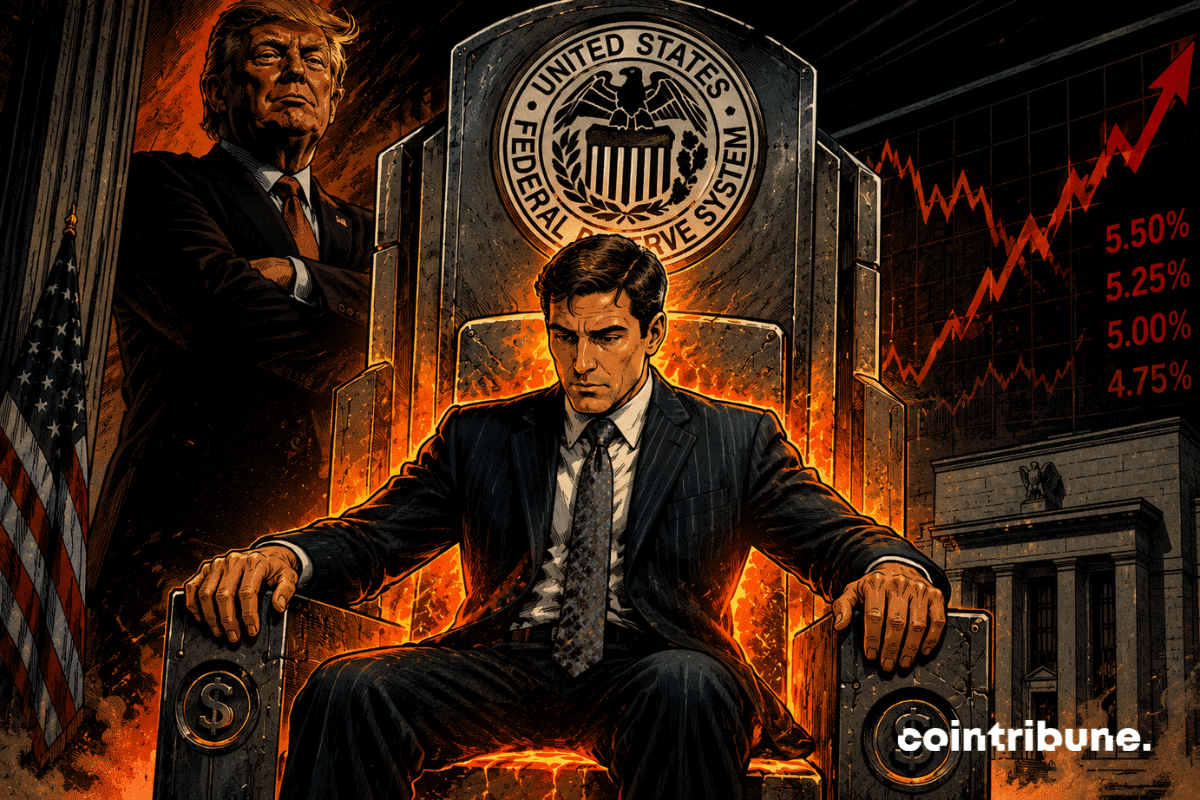
Trump imposes Kevin Warsh on the FED under political pressure, while markets and crypto already fear a violent monetary turbulence.

While Strategy sews up its debt with a financial blowtorch, Saylor calmly brings out his bitcoin net again. Retail investors applaud, skeptics already smell the scent of a dangerously speculative tide.

While Brussels is still polishing its regulatory chessboard, American stablecoins are already taking the global digital pot. Tether moves like an uncontrollable queen, BlackRock quietly places its rooks, and the euro watches the game from the edge of the board, a few moves behind.

While Kalshi swallows billions like an endgame boss, Polymarket now attracts much less innocent looks. Between troubling military bets, accounts appearing from nowhere, and speculative algorithms, predictive markets suddenly resemble a toxic mix between Wall Street, underground casino, and digital war room.

The gravediggers of NFTs had already brought out the shovels and mocking tweets. Too bad: BAYC resurrects, CryptoPunks climbs, and some skeptics are now swallowing their digital stethoscope.
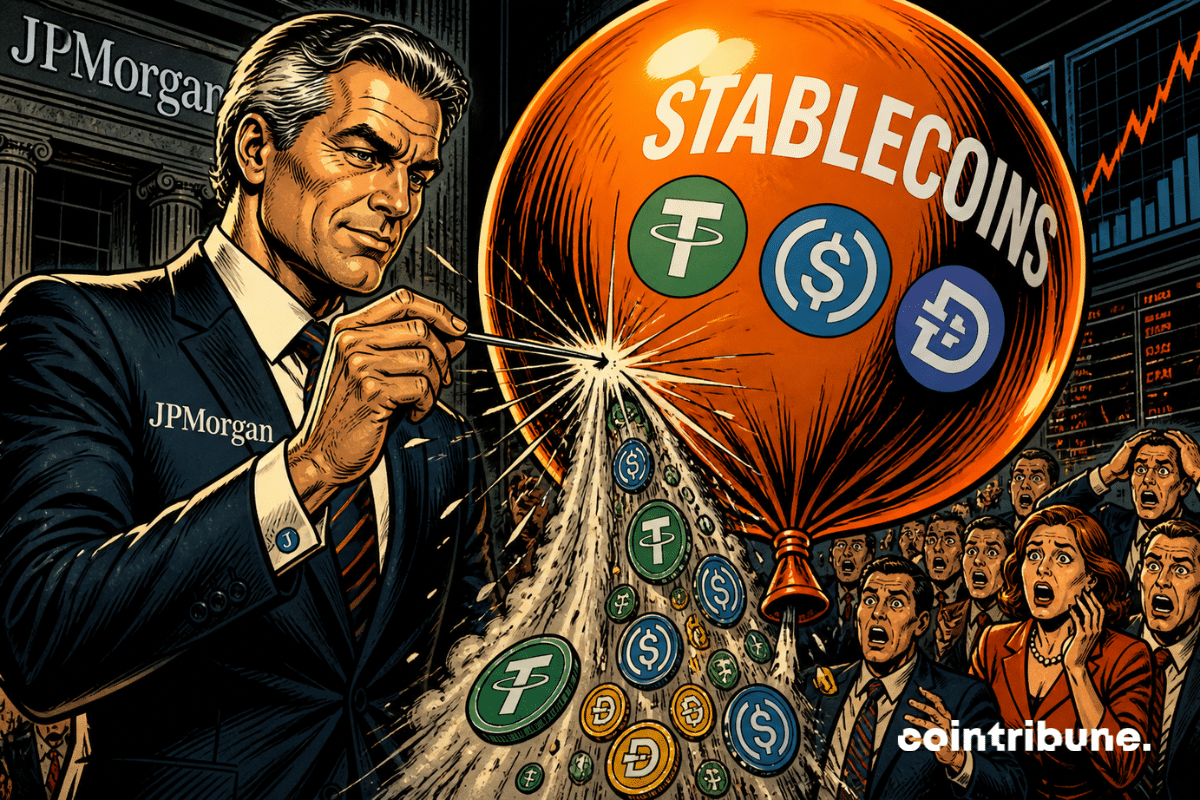
Stablecoins move trillions, but JPMorgan cools the champagne. Money spins faster than ever, and that promised jackpot might quietly stay locked behind the curtain.
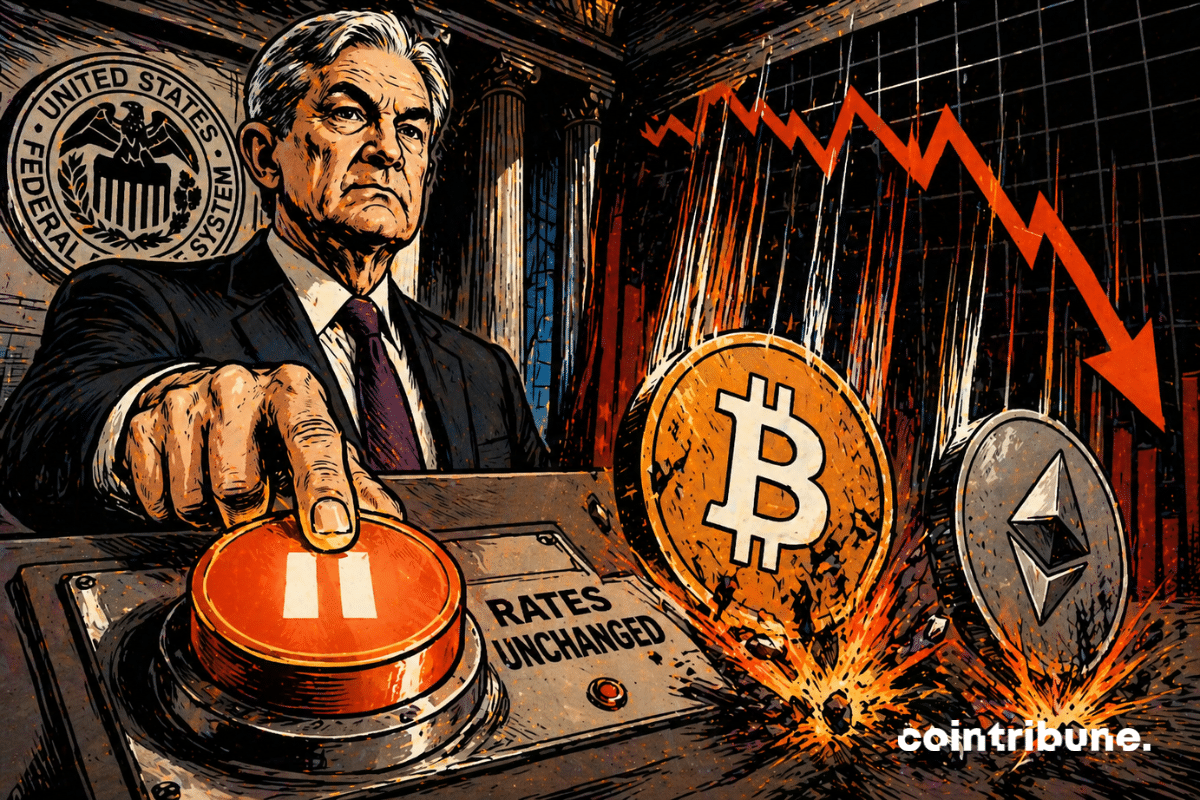
Powell keeps rates frozen, markets sweat, and crypto slides quietly. Oil rises, inflation bites, and the Fed watches calmly while investors wonder who really controls the game now.

Saylor brings out his orange dots, and bitcoin is already trembling. While Strategy fills its vault, the crypto market smiles yellow: who really holds the global liquidity pump now?

Brussels brings out its big regulatory comb, small crypto players are already losing feathers. Officially, investors are protected. Unofficially, some are already looking at the exit, suitcase in hand.

Grayscale reignites the debate on the bitcoin cycle. For the management company, the market may have already found its bottom in February 2026, whereas many analysts still expect a real dip later in the year.

Miracle on life support: crypto puts on lipstick, bitcoin parades, Ethereum follows, and capital returns. The question remains whether the dance will last after the cannon shot.

While the crypto market coughs and looks at its shoes, Saylor reloads the Bitcoin wheelbarrow. Fourteen billion in losses? Not even scared, he asks for more.

While the crypto world grimaces, Saylor puts another coin into the Bitcoin machine. Fourteen billion losses on the counter, and the gentleman keeps buying, like a firefighter playing with gasoline.