
Mon 06 Jul 2026 ▪
7 min read
▪
by
Ethereum changes course: Vitalik Buterin unveils a roadmap focused on quantum resistance. Read our full analysis.
Ethereum changes course: Vitalik Buterin unveils a roadmap focused on quantum resistance. Read our full analysis.

In an already tense context for tokenized real estate, RealT initiates a decisive step with the voluntary liquidation of its American structures. The project, which attracted thousands of investors worldwide, especially in France, now undertakes the progressive sale of its entire real estate portfolio. This decision comes as the company faces increasing legal, financial, and operational pressures, calling into question the solidity of its initial model.
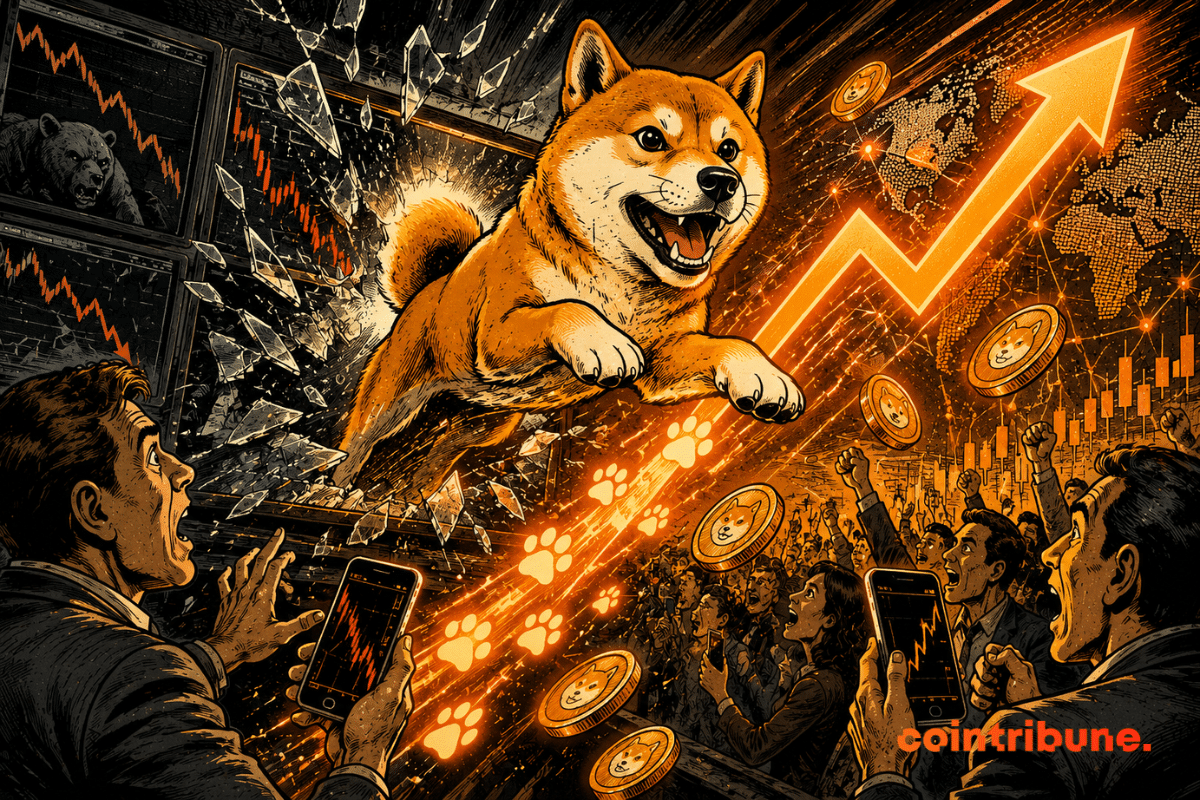
The crypto SHIB shows a change of tone after several difficult weeks. Activity on exchanges jumped more than 37%, while net outflows exceed inflows. This signal suggests a return of demand, but the market is still waiting for a real technical confirmation.
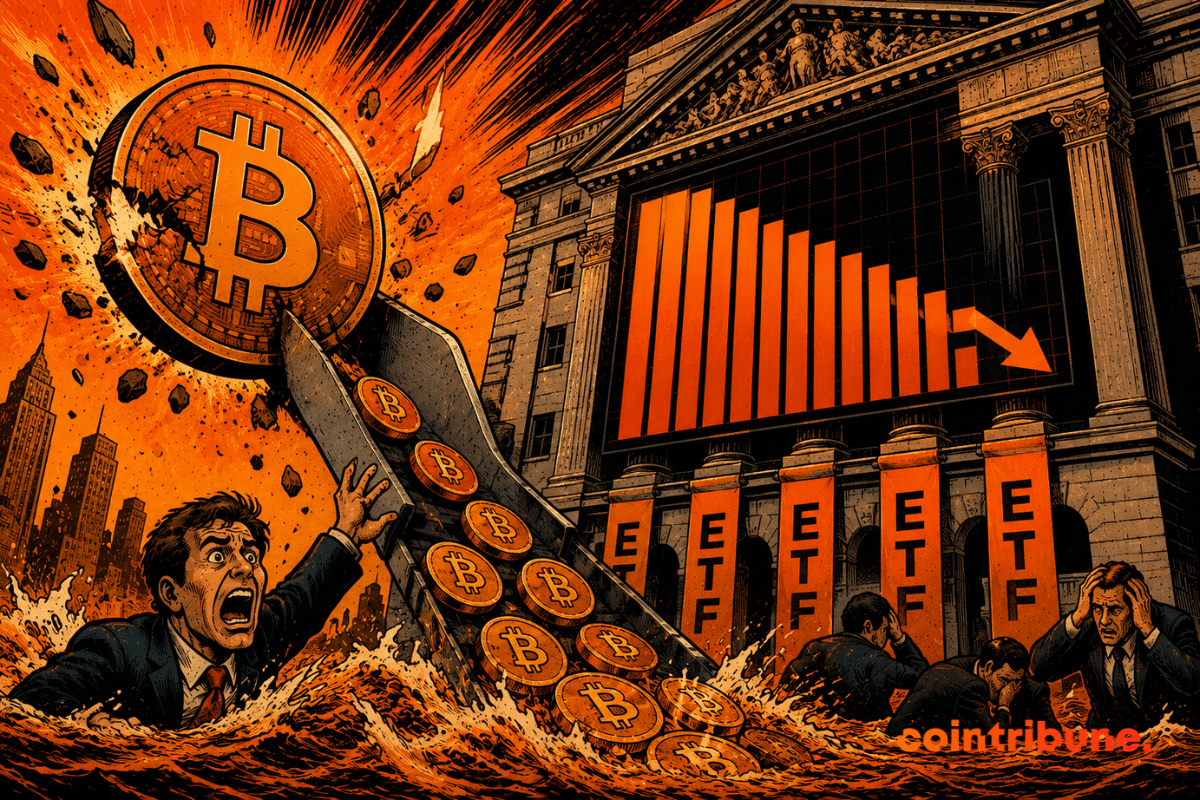
The crypto market has just crossed a symbolic threshold, but this resurgence of confidence masks a much more fragile reality. While crypto ETFs were supposed to sustainably establish institutional capital in the market, their latest financial reports reveal weaknesses that question the strength of this dynamic. This observation comes at a pivotal moment, where Federal Reserve decisions and US macroeconomic uncertainties continue to guide global flows. A combination that could weigh on the trajectory of these assets in the coming months.
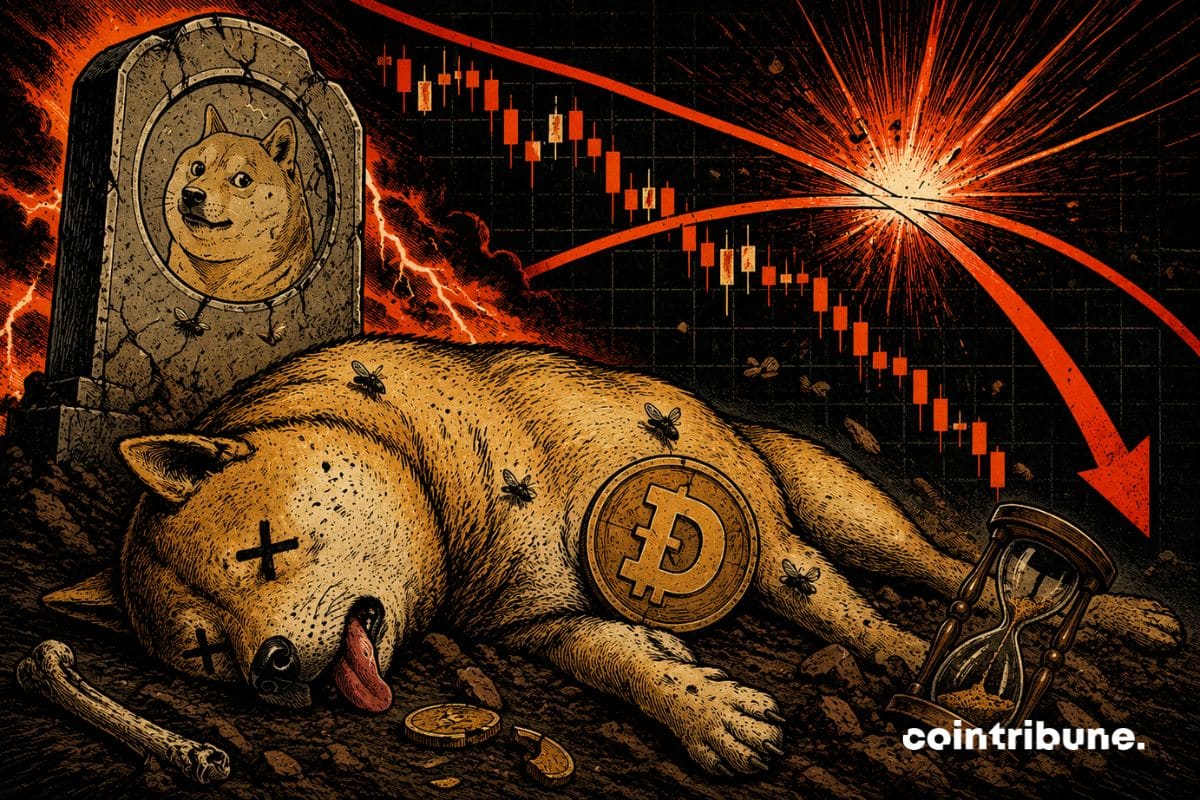
Dogecoin is approaching a famous and formidable weekly "Death Cross." Should you wager on a comeback or sell? The most volatile crypto on the market can be predicted using technical analysis, historical data, and forecasts.
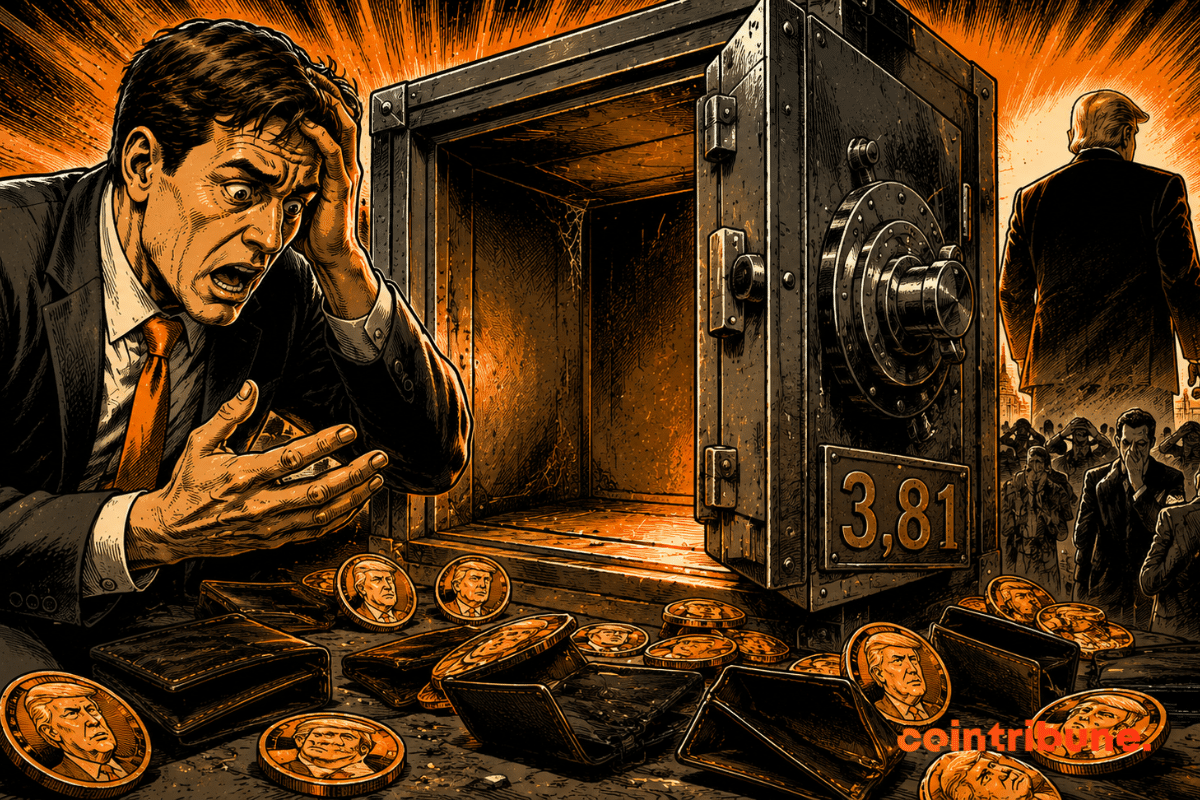
Nearly one million TRUMP wallets show cumulative losses of $3.81 billion by the end of June, according to Nansen. However, President Trump received $636 million thanks to this same token, reveals his annual financial statement. The distribution of gains nevertheless clearly leans to one side.
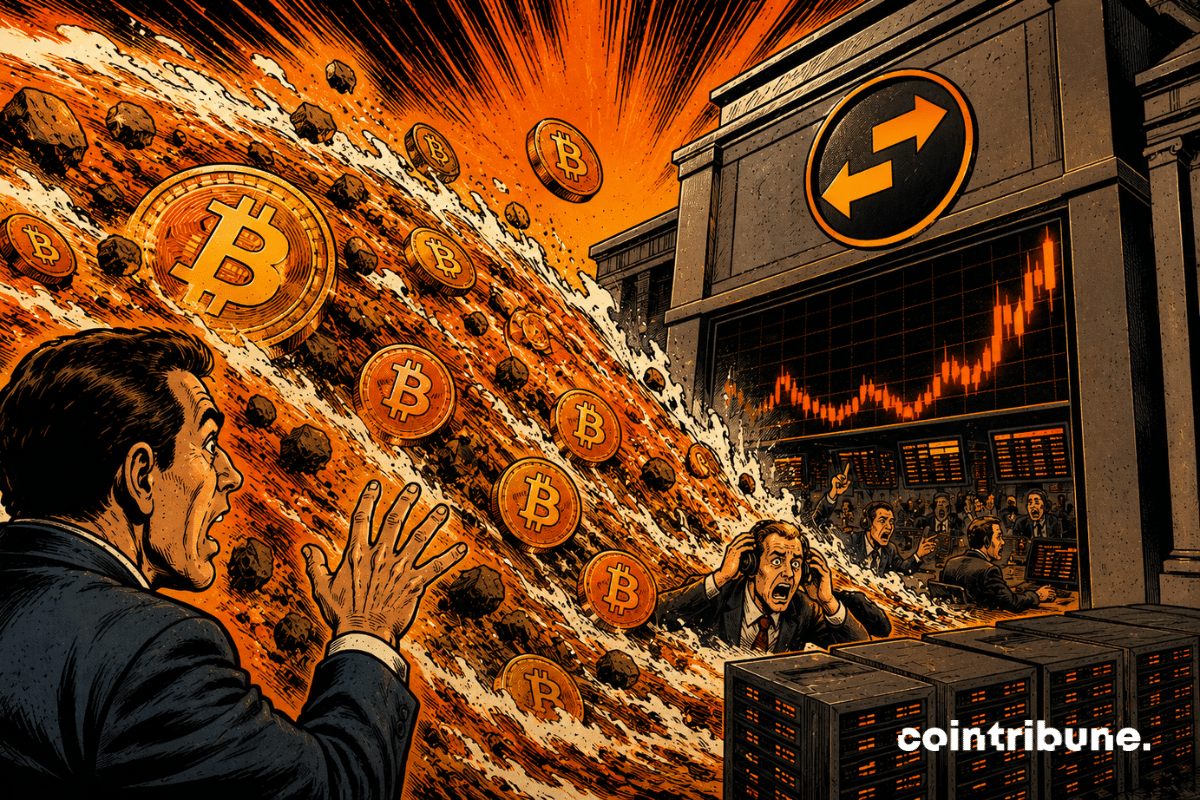
The crypto market is holding its breath. CryptoQuant has just identified one of the largest capital transfers to centralized exchange platforms since the beginning of the year. Behind these on-chain movements lies a signal that investors watch closely: when tokens massively flow to exchanges, volatility often intensifies. As the market goes through a phase of hesitation, these flows revive the specter of a period of high volatility and raise questions about the next direction of prices.
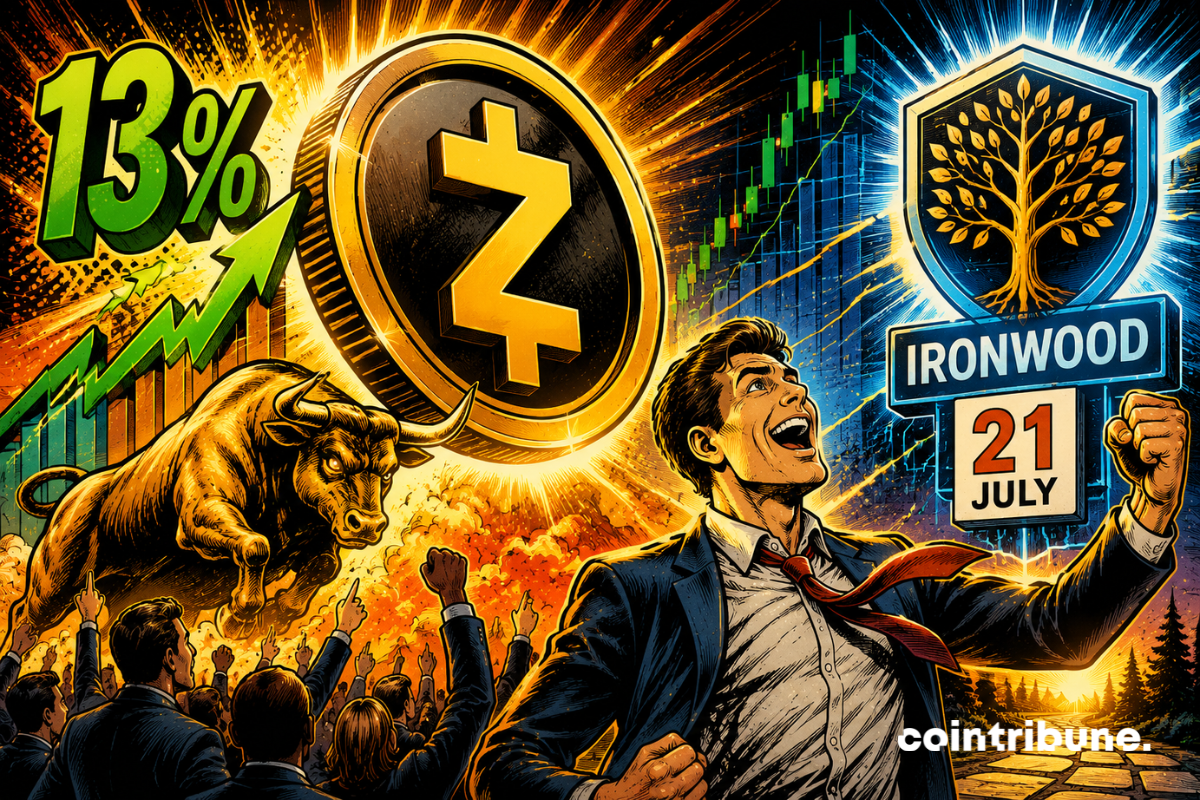
Zcash, the penguin swimming against the tide of struggling altcoins, scores a well-deserved 13 % rally. Its secret? Ironwood, a fresh upgrade that's restoring investor confidence.

RAISE Summit filled at 86%: the last places are going fast. Book your pass at a discounted price with the Cointribune promo code before the ticket office closes.
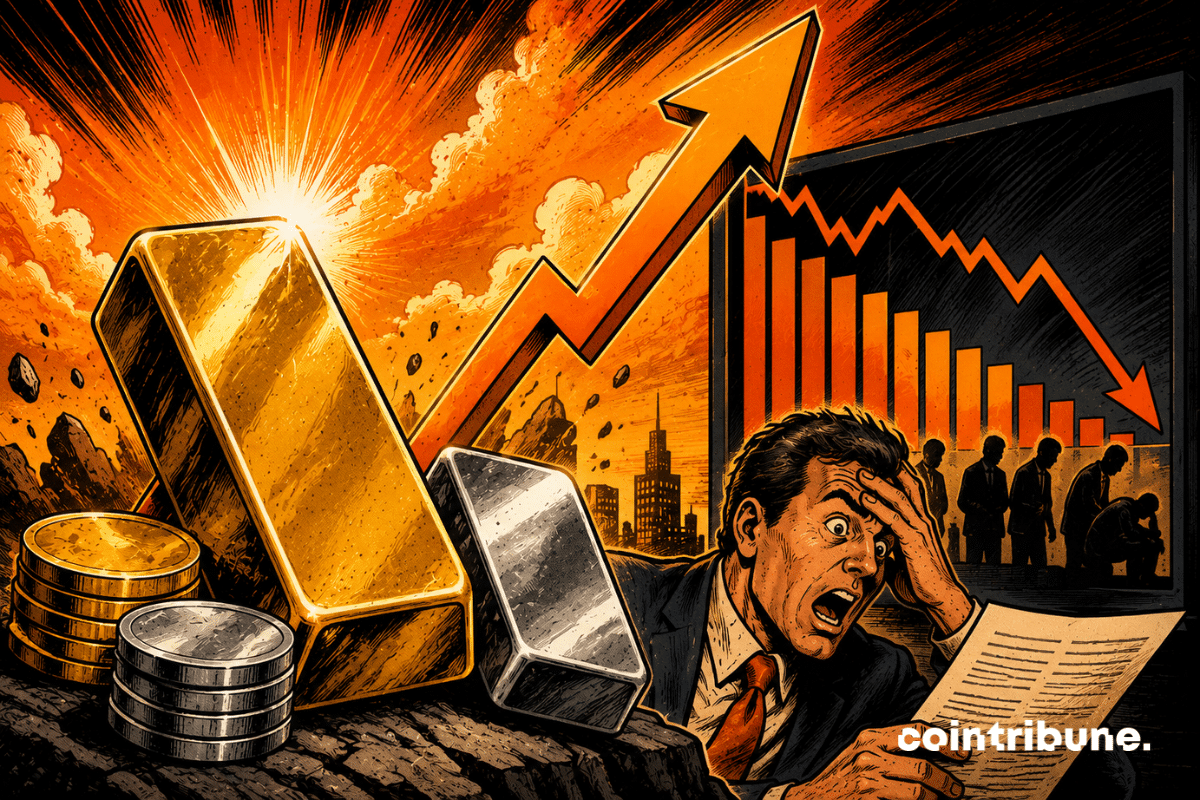
Markets did not wait long to react. Faced with weaker US economic indicators, investors immediately strengthened their positions on gold, reigniting the rise of the precious metal. Behind this movement is a major shift in perspective: expectations around the Federal Reserve’s upcoming decisions are evolving, weakening the dollar and reshuffling the deck for all financial assets. From precious metals to cryptos, this new reading of the American economic landscape could redefine investors’ strategies in the weeks ahead.
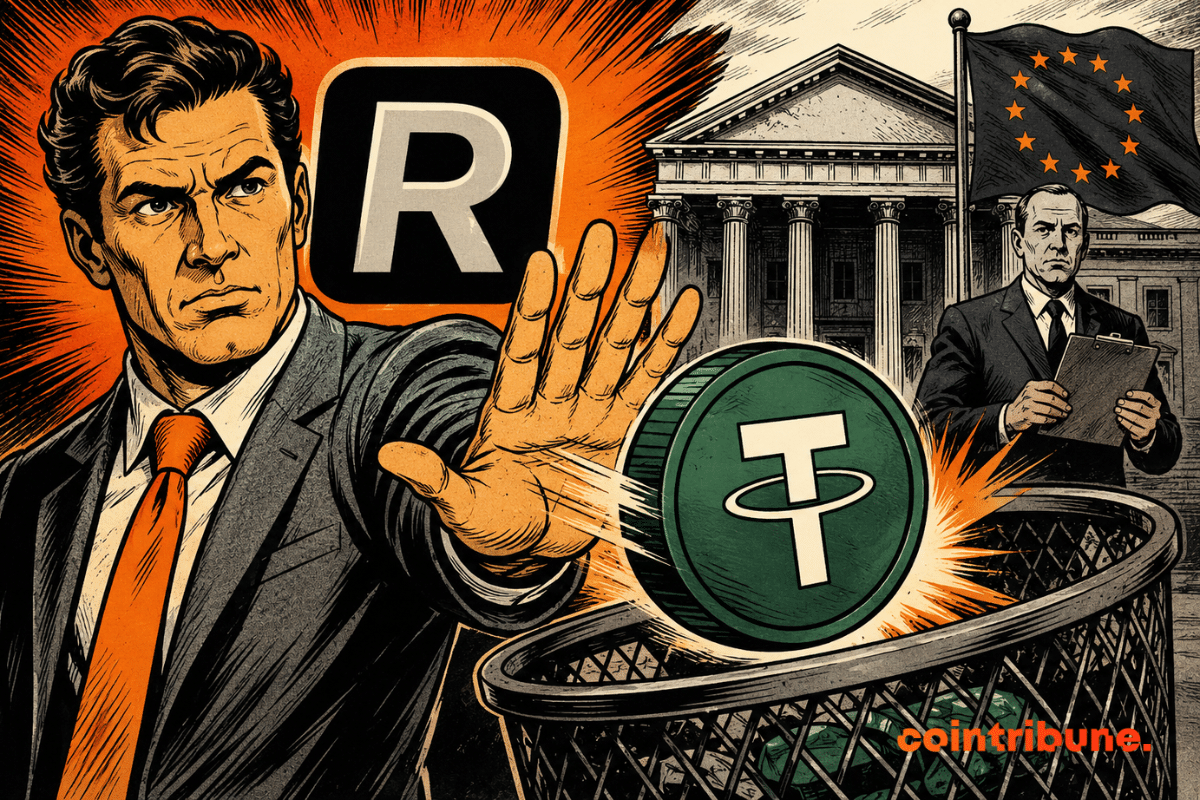
The cryptocurrency market continues to adapt to the new regulatory requirements that are gradually being implemented. In this context, Revolut informed some of its customers that it would remove USDT from its offering during the summer of 2026. This decision comes with a precise schedule that outlines several steps before the permanent removal of the stablecoin. It also illustrates how financial service platforms are gradually adjusting their cryptoasset offerings in response to the evolving regulatory framework.

"Some are leaving Europe. We are staying." OKX's message fits in one sentence, and it comes at the right time. Because on July 1st, everything changes: MiCA applies for real, and unlicensed exchanges will have to bow out on the continent. OKX, however, has its paperwork in order, MiCA, MiFID, payment institution. So to bring back all those who will have to move their cryptos, it pulls out the big guns: the "Time to Switch" campaign. Up to €400 in BTC for newcomers, 8% bonus on deposits, a VIP pass offered. From June 29 to July 31.
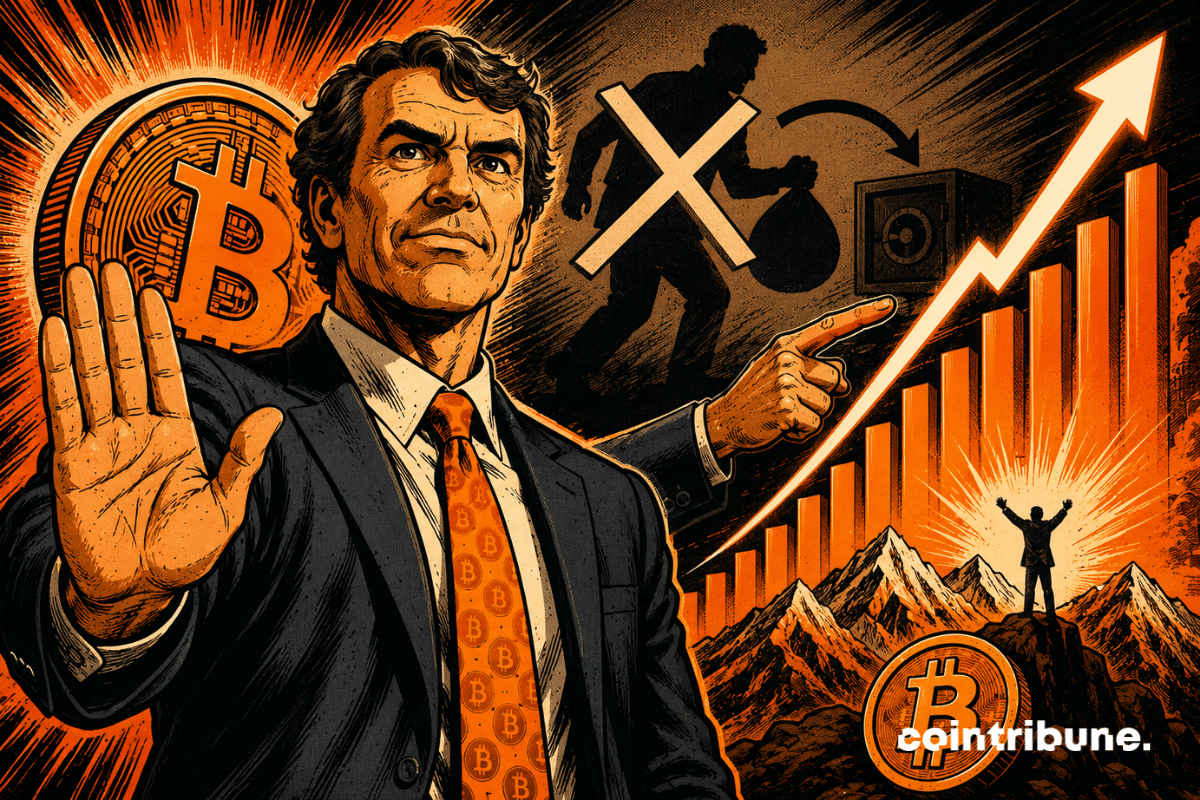
Is Tim Draper selling his bitcoins? This simple hypothesis was enough to sow doubt in the crypto market. On Friday, July 3, a massive transfer of BTC to Coinbase Prime, attributed by several on-chain analysis tools to the famous billionaire, triggered a wave of speculation. Between fear of an imminent sale and questions about the reliability of blockchain tracing, the case recalls a reality: in a market dominated by large fortunes, a few transactions can shake investor sentiment.
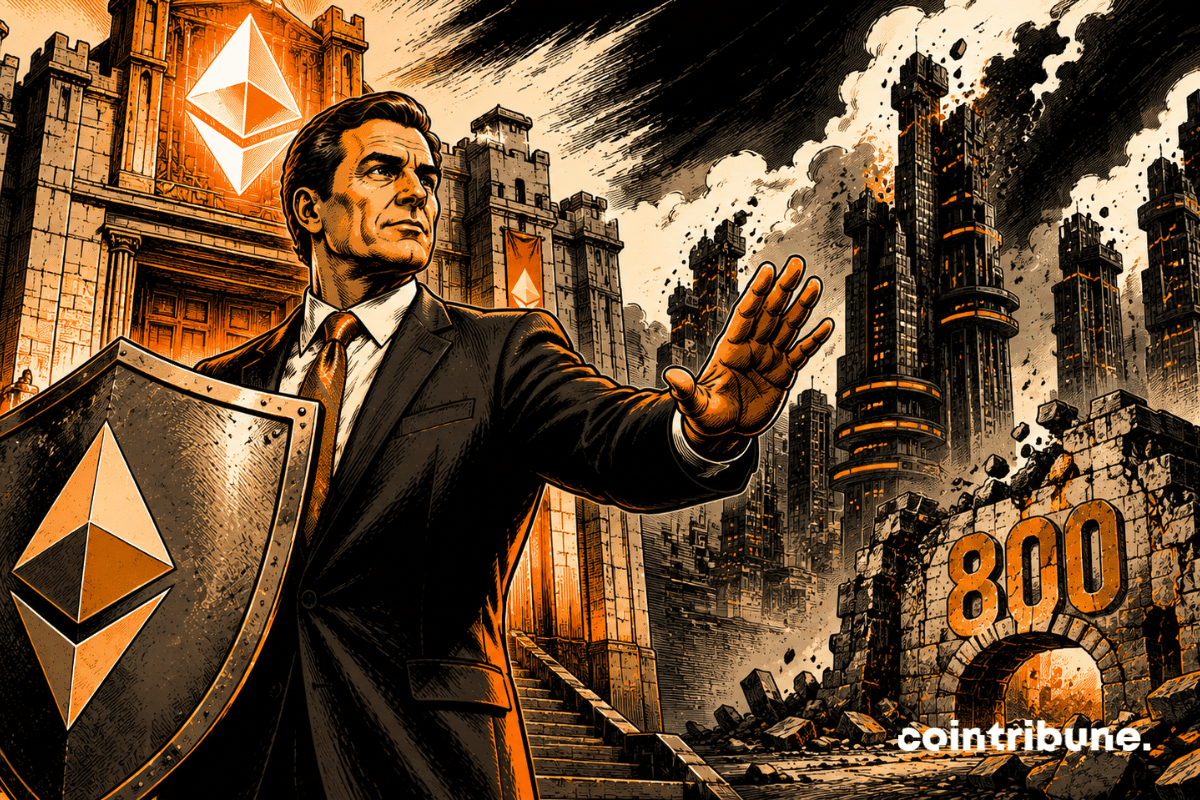
Solana has lost 68% of its validators in three years, dropping from around 2,500 to about 800 after a purge launched in 2025. Joseph Chalom, co-CEO of Sharplink and former BlackRock executive, contrasts this decline with Ethereum's over 900,000 validators. This battle of figures reignites the debate on the true decentralization of major blockchains. Will institutional investors decide in favor of robustness over speed?
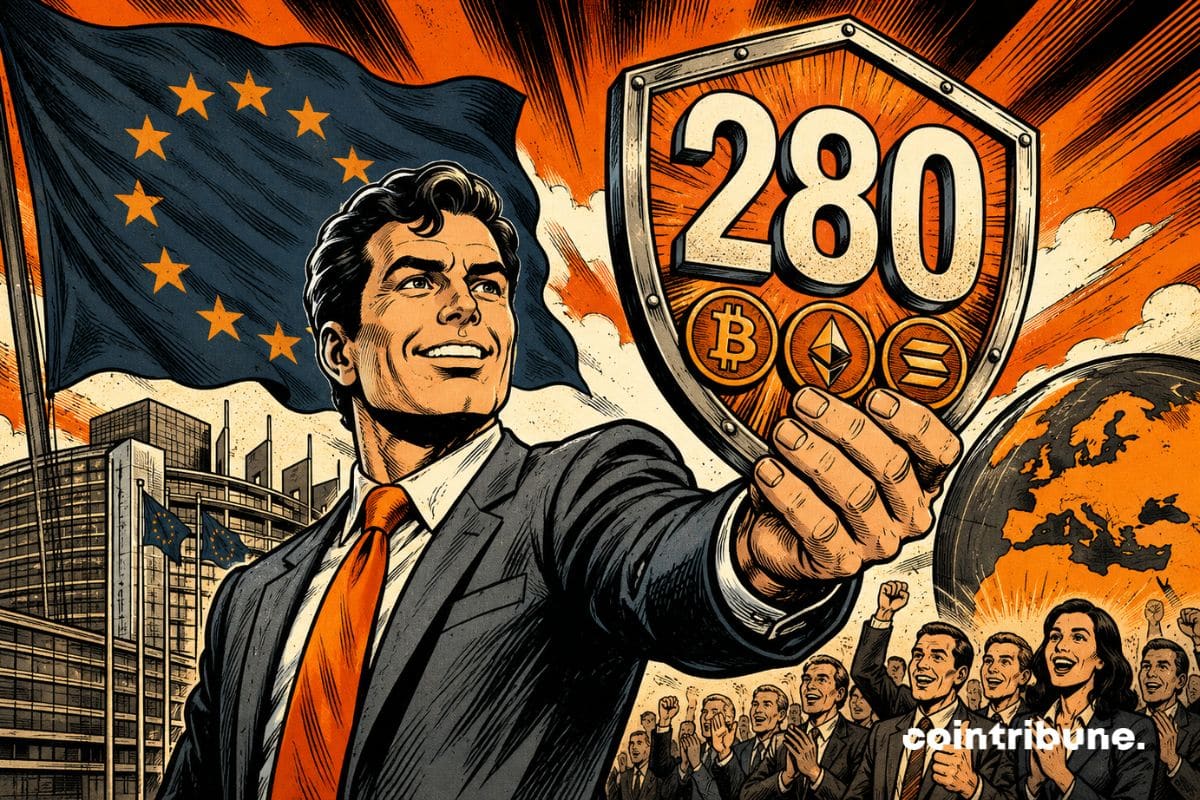
280 crypto companies have been approved under MiCA, marking a regulatory shift in Europe. However, is this regulation truly effective in combating USDT and player exodus?
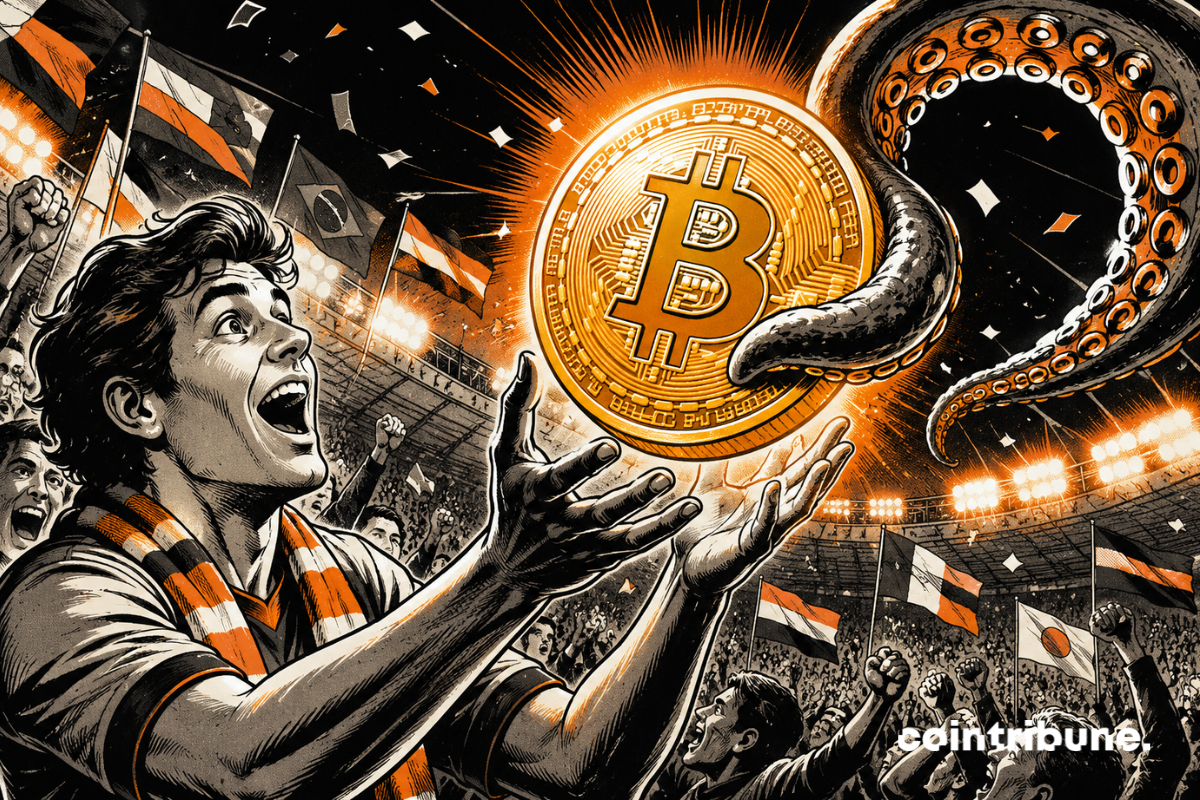
2026 World Cup: Kraken offers up to 1 Bitcoin

Visa, M-Pesa and Onafriq test stablecoins in DRC to settle cross-border mobile transactions. The project aims to make transfers faster, cheaper and smoother, without necessarily changing the visible user experience. Payments continue to go through mobile money, but settlement is done in the background thanks to digital dollars.
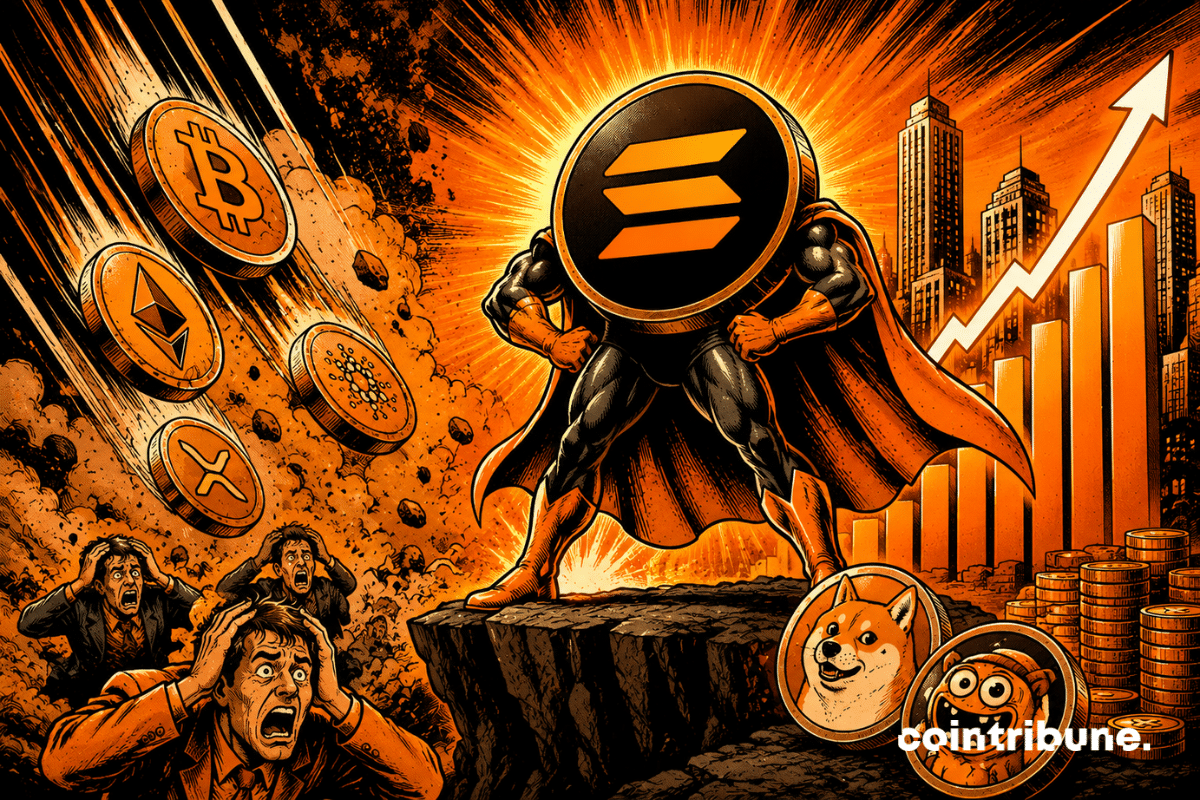
While most altcoins plunge and see their market capitalization fall to its lowest level since December 2023, Solana follows a radically different trajectory. Contrary to a pressured market, the network attracts capital at a steady pace and fuels renewed interest around its SOL token. This decoupling, rare in the crypto ecosystem, intrigues both investors and analysts alike. Behind this resistance are two distinct drivers: a fundamental dynamic carried by the network and a speculative momentum that further enhances its attractiveness.
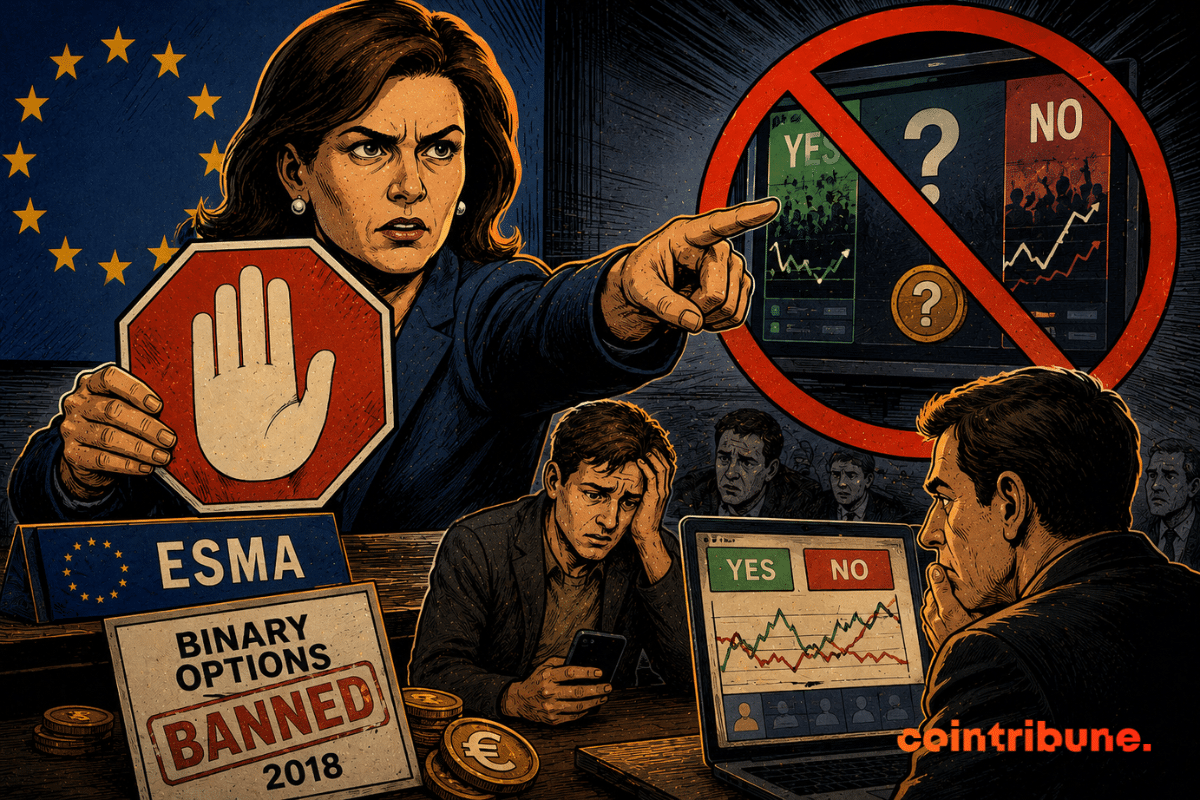
You can't bet on the stock market in Europe without being labelled a nasty speculator. ESMA is dusting off its old 2018 rulebook. Prediction platforms have been put on notice.
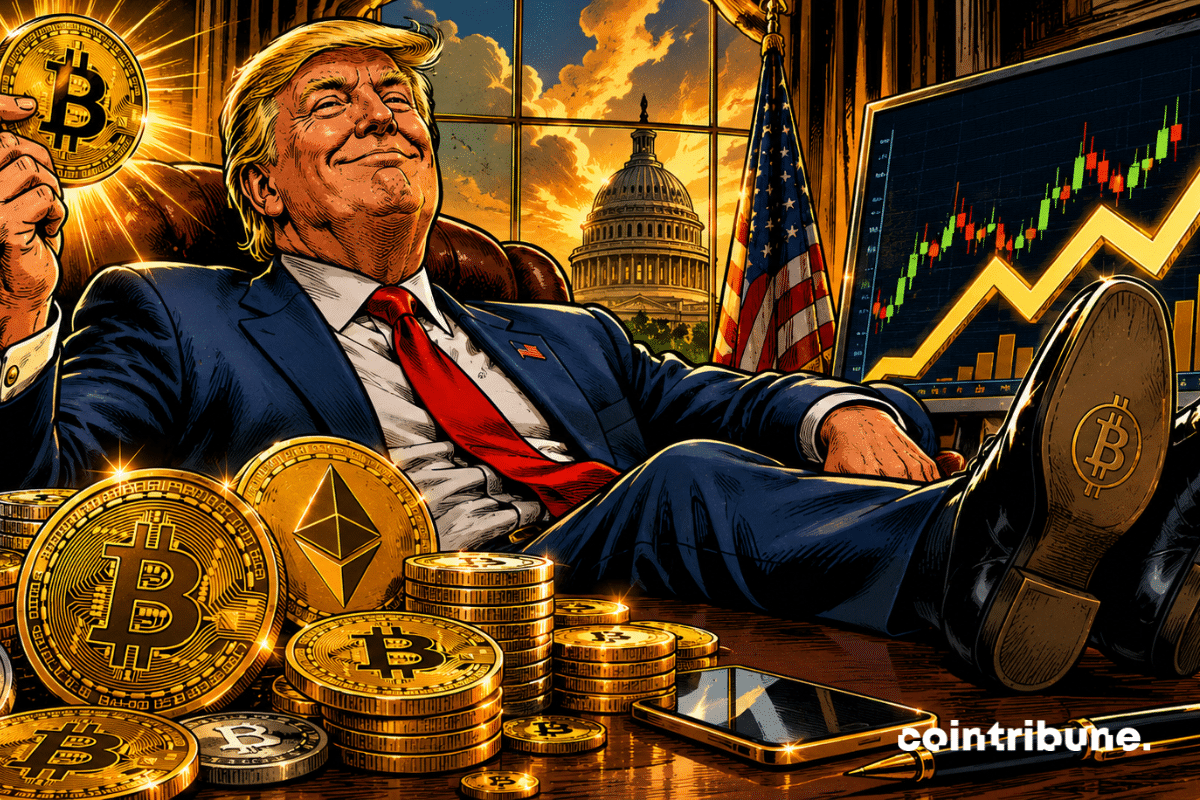
Cryptos have never been so close to American power. At a time when Congress is examining decisive texts for the sector's future, the White House's financial disclosures reveal that Donald Trump has amassed colossal revenues related to the crypto ecosystem. This convergence between private interests and public decisions fuels an explosive debate in Washington. One question now dominates: can the regulation of these assets still be perceived as impartial when the President of the United States is among the main beneficiaries of this industry?
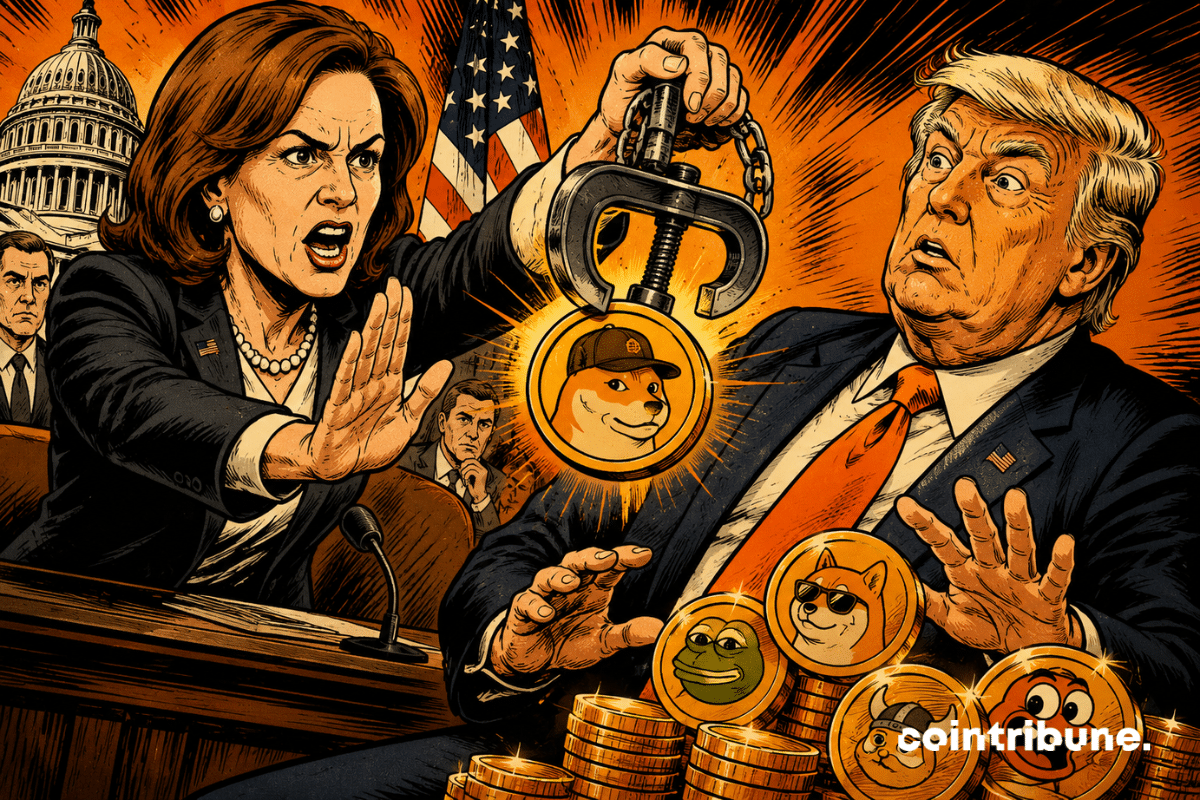
The income generated by cryptocurrencies continues to fuel political debates in the United States. After the publication of information reporting gains exceeding $1.4 billion from activities related to digital assets, Trump finds himself once again at the center of discussions. This time, Democratic Senator Kirsten Gillibrand proposes to ban politicians and their spouses from issuing or promoting memecoins. This initiative revives the debate on conflicts of interest, digital asset regulation, and the ethical rules applicable to American elected officials.

Tokenization is gaining ground in financial markets and is now sparking a broader debate about the future of monetary infrastructures. In a new analysis, the IMF believes this development goes far beyond the scope of digital payments. The institution considers that the transfer of financial assets to shared digital ledgers could profoundly change the functioning of markets. However, this transformation will depend on policy choices, legal rules, and the organization of infrastructures that will accompany this new stage.
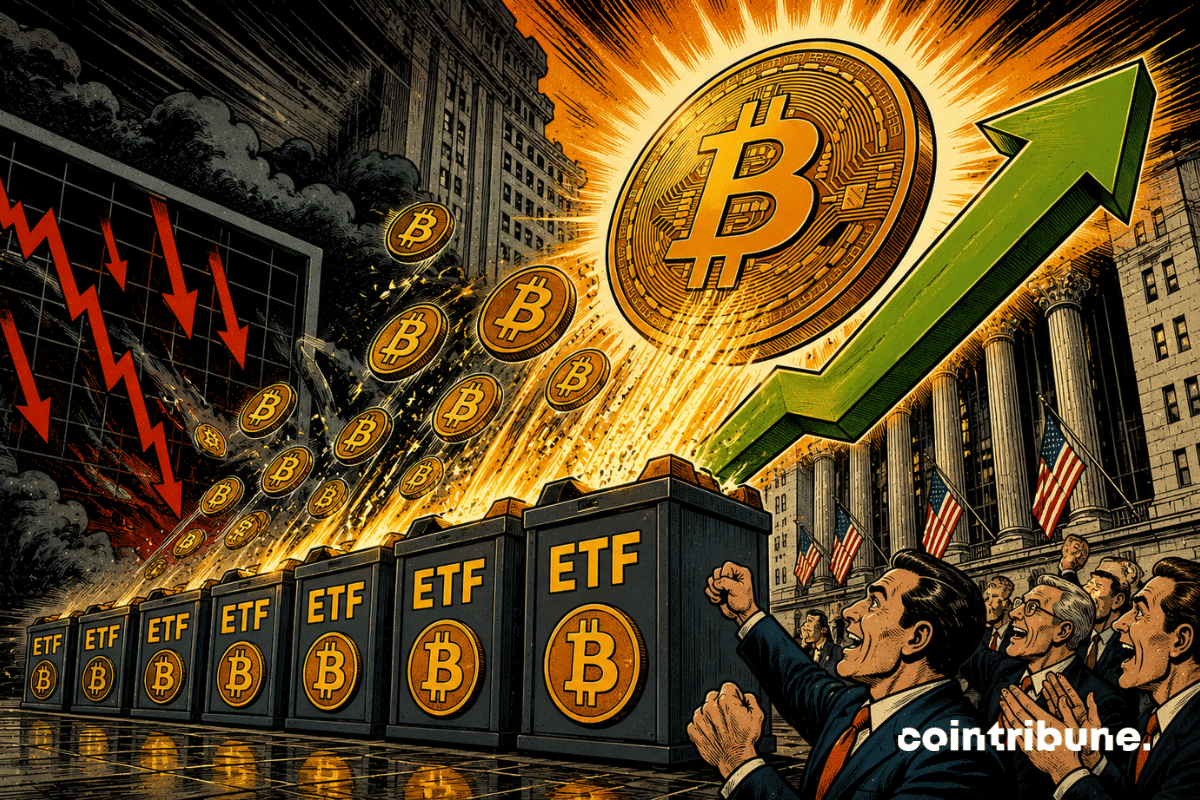
After ten consecutive sessions of capital outflows, US spot Bitcoin ETFs have finally regained momentum with 221.7 million dollars of net subscriptions. This rebound ends a historic sequence of disengagement that had weakened institutional investors' sentiment. Is this the first sign of a sustainable capital return or just a pause in an still fragile trend? Behind this recovery lie major divergences between issuers and on-chain indicators, which invites to temper the significance of this rebound.

On September 1, 2026, Russia will officially launch the digital rouble. Discover behind the scenes of a forced deployment.

Bitget is placing tokenization, artificial intelligence and broader market access at the center of its strategy for the rest of 2026. In her mid-year address, CEO Gracy Chen described a platform moving beyond the traditional crypto exchange model. Bitget now wants to connect stocks, gold, CFDs and digital assets within one financial environment.
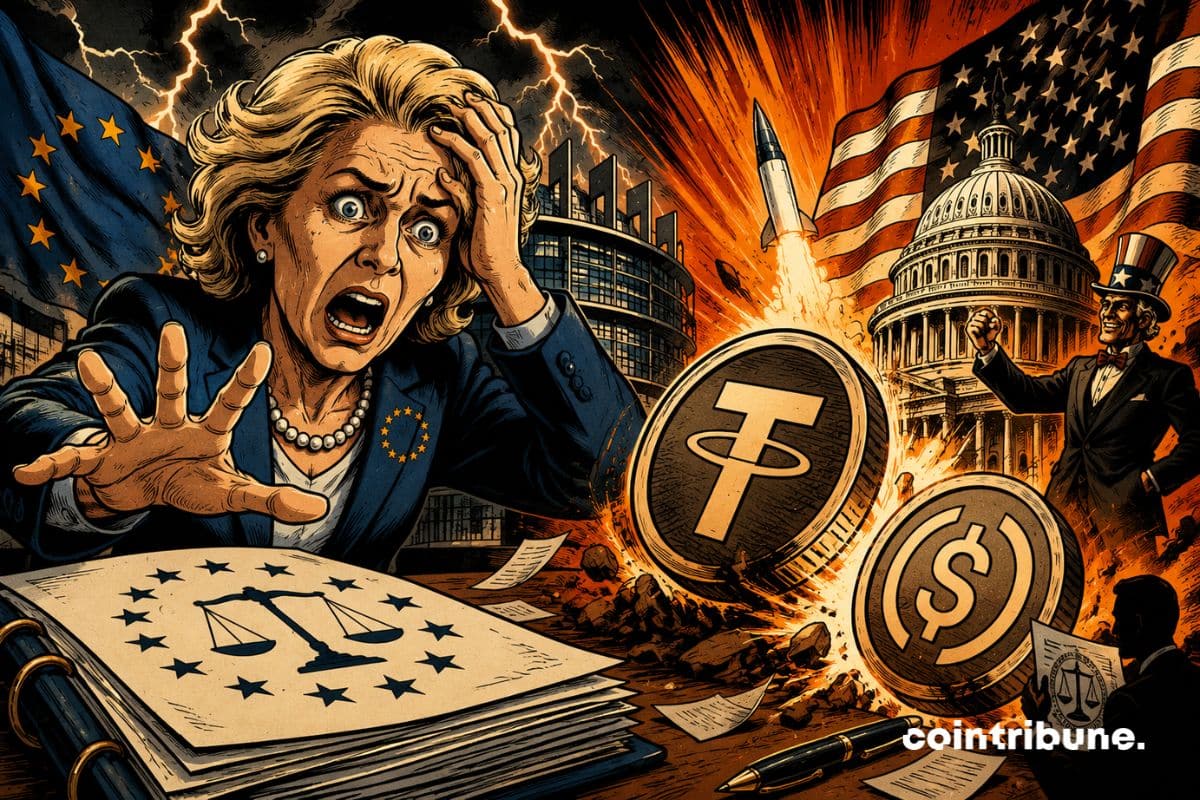
The fight over stablecoins is resuming in Europe. In light of the US GENIUS law and the migration of cryptocurrency platforms, Brussels is reviewing MiCA. Who will prevail in this conflict? For investors and the digital economy, the stakes are very high.

Standard Chartered directly opens access to the creation and redemption of USDC for its institutional clients. This first in the crypto sector brings Circle’s stablecoin closer to traditional banking circuits. However, the bank does not become the legal issuer of the token, a role that remains in the hands of Circle’s regulated entities.
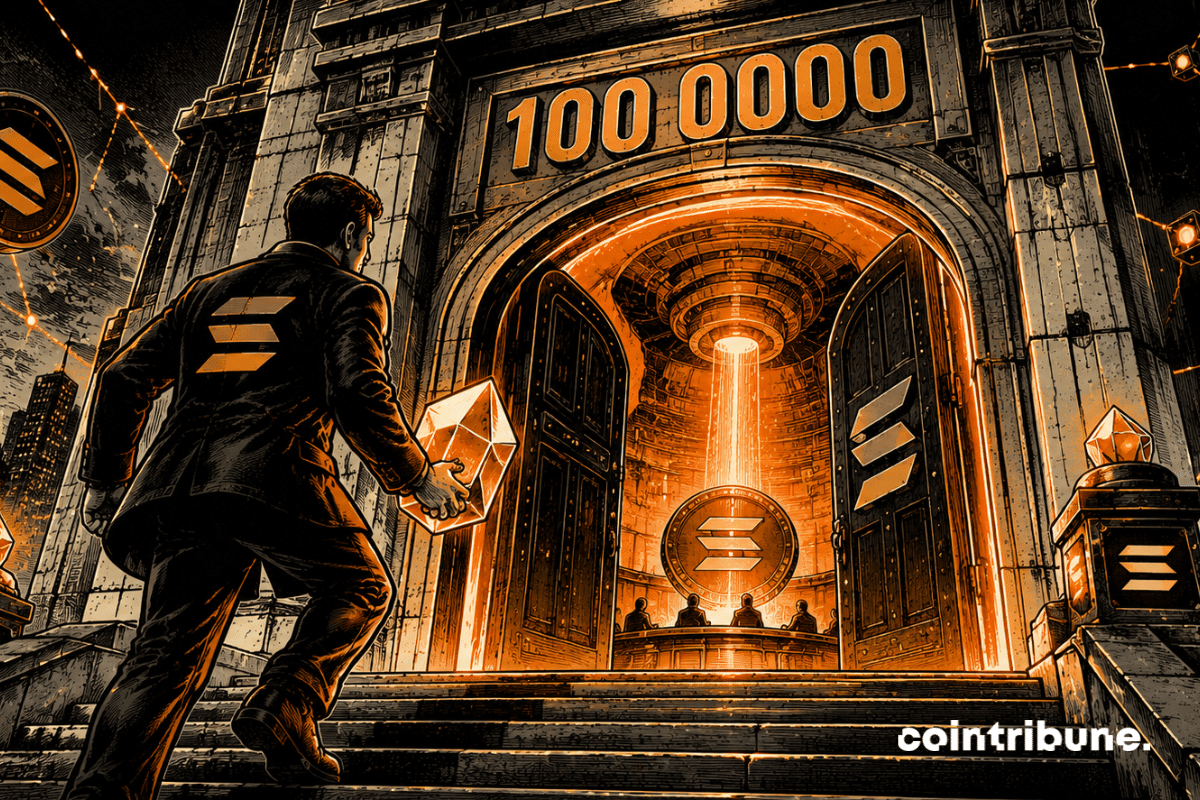
Solana has activated a formal on-chain governance system, requiring 100,000 SOL staked to submit a proposal. Validators thus lose their decision-making monopoly, now shared with their delegators. Does this new voting power permanently change the network's balance?
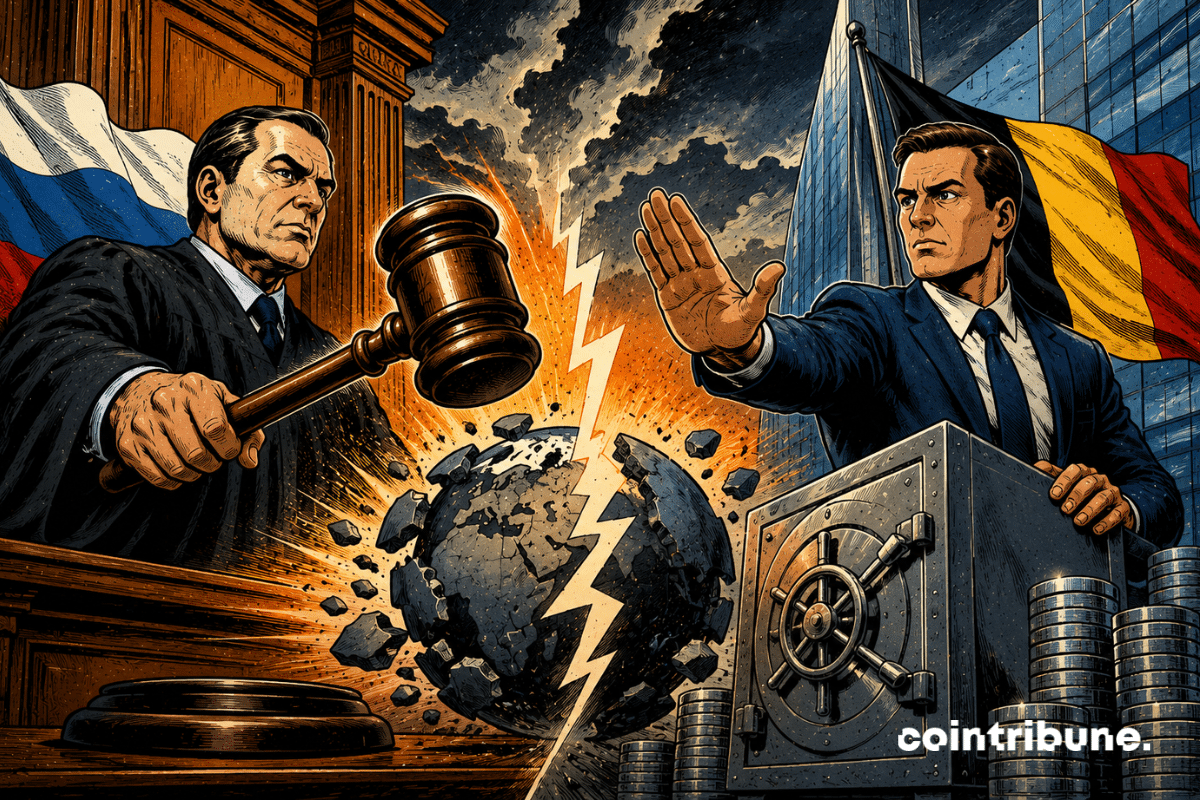
The global economic war has just crossed a critical threshold where legal sovereignty clashes directly with the very infrastructure of globalized finance. While Western sanctions seek to freeze the capital of States deemed hostile, the response of the targeted nations now shifts to the international judicial arena, threatening to paralyze the traditional mechanisms of settlement-delivery and securities custody. This conflict of sovereignties illustrates the systemic fragility of a centralized financial model, increasingly exposed to major geopolitical risks.
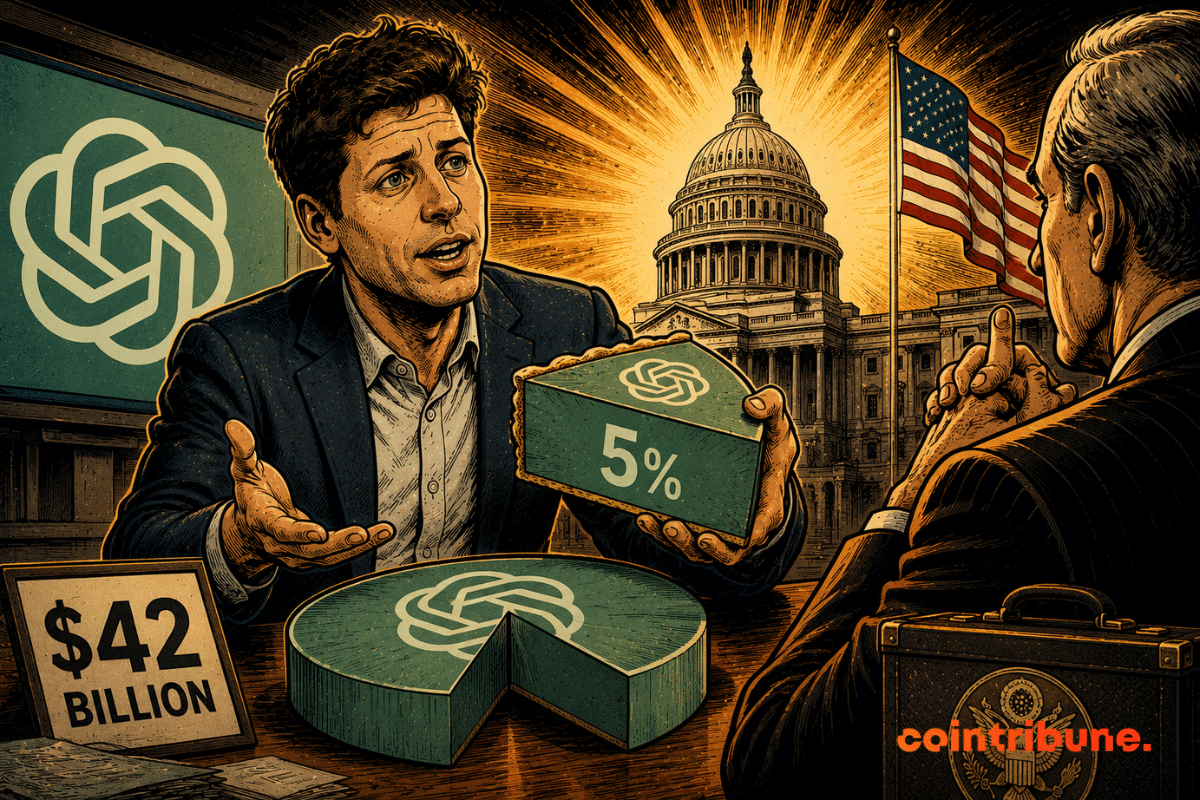
Sam Altman offers 5% of OpenAI to Uncle Sam, fearing the administration might crack down harder than expected. A lesson in sharing that smells like good old American compromise.