
Thu 17 Sep 2026 ▪
7 min read
▪
by
Bitcoin Core 32.0 nears release with performance upgrades, security fixes and a server vulnerability uncovered with help from an AI model.
Bitcoin Core 32.0 nears release with performance upgrades, security fixes and a server vulnerability uncovered with help from an AI model.

Revolut faces new pressure following a data leak revealed a few days earlier. A group calling itself iamnotavillain now demands 6,000 XMR, about 3 million dollars, and threatens to sell stolen information if the fintech does not pay. The attackers set a 24-hour deadline. About 680 clients, including several major crypto holders, are affected. Revolut states it has not received any request directly.

Canopy has announced it completed its first named protocol upgrade, Banyan (v2.0), live and with no downtime. The company, which builds a framework for launching onchain apps and sovereign blockchains, ran a network-wide consensus change through its Canopy Auto Update feature. The headline is not only the technical feat: according to Canopy, the same in-place upgrade ability now belongs to every application built on its infrastructure.
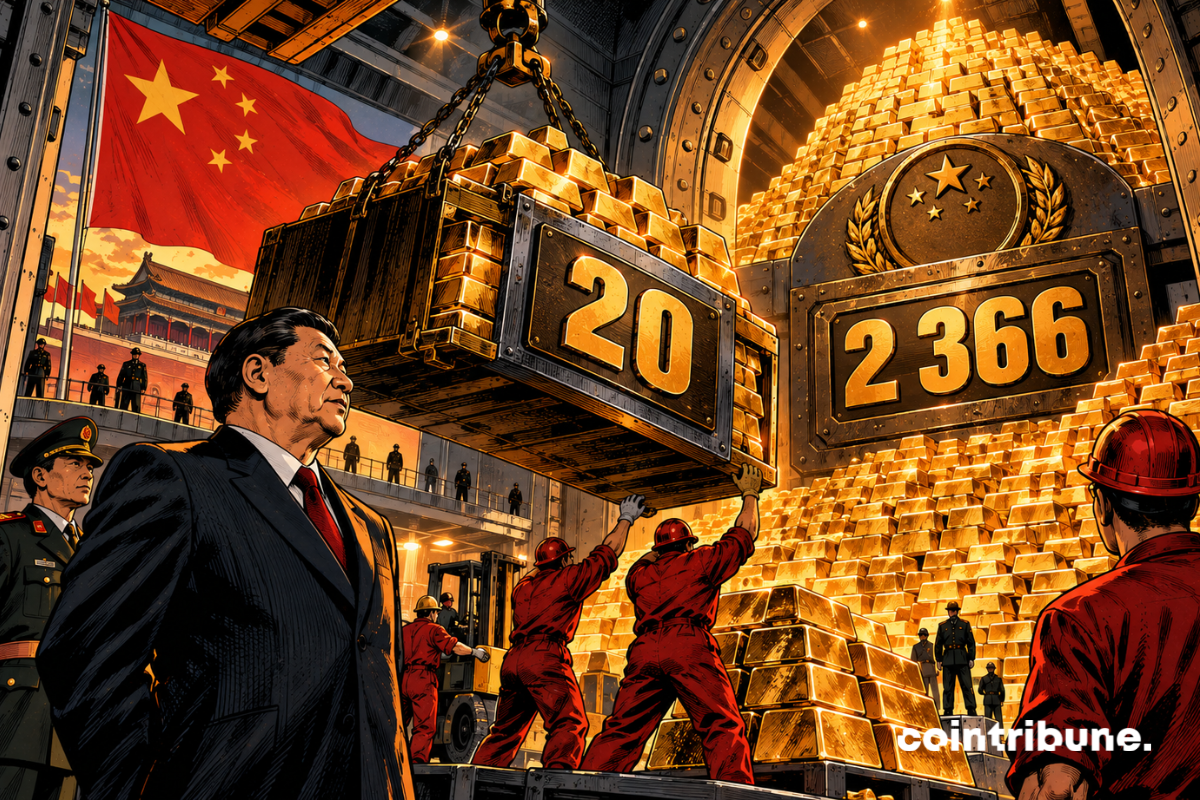
China no longer settles for gold alone, but is building the infrastructure of a new monetary order. After 22 consecutive months of acquiring the yellow metal, Beijing would be consolidating the bridges between gold and yuan, while its exposure to U.S. Treasury bonds is declining. We are therefore witnessing the beginnings of a "Yuan-gold" standard likely to reduce dependence on the dollar.

X accelerates its rapprochement with trading. The social network partners with Coinbase, Kraken, Gemini, Interactive Brokers and Moomoo to allow users easier access to trading platforms from Cashtags displayed in posts. A new step that brings market discussions closer to order execution.

Is the bear market coming to an end? Many signals observed during previous reversals are beginning to reappear in the market. Denny Galindo, from Morgan Stanley Wealth Management's Global Investment Office, identified six of them, from the cycle calendar to bitcoin mining difficulty. However, not all are green. Some indicators remain far from the levels reached during past lows. Between historical similarities and persistent anomalies, the market might be entering a renewal without having fully left the bear market yet.
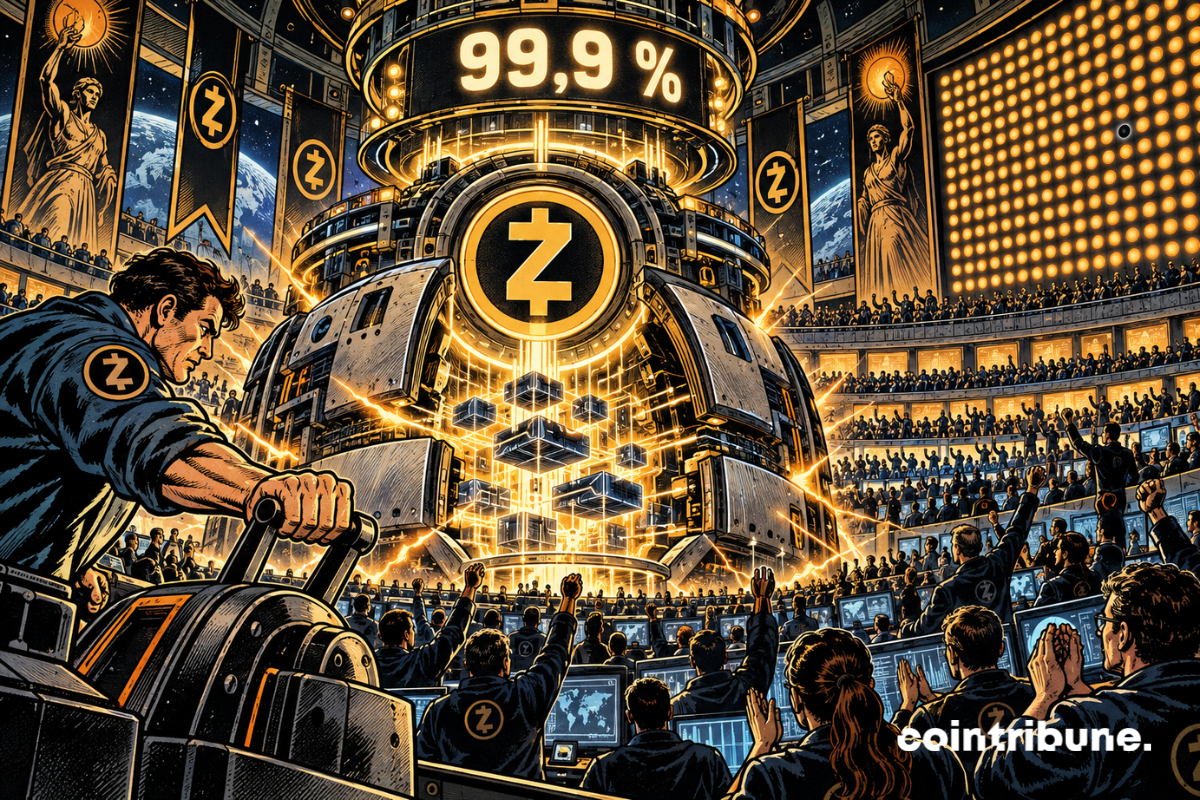
Zcash is preparing to drastically reduce the time between its blocks. During the vote organized around the NU7 upgrade, 99.9% of expressed ZEC supported the shift from 75 to 25 seconds. Holders also chose at 98.9% to keep the current halving schedule. About 2.4 million ZEC participated in the vote, out of 3.6 million eligible at the snapshot. For this privacy-focused crypto network, NU7 thus affects both performance and the future issuance of ZEC.
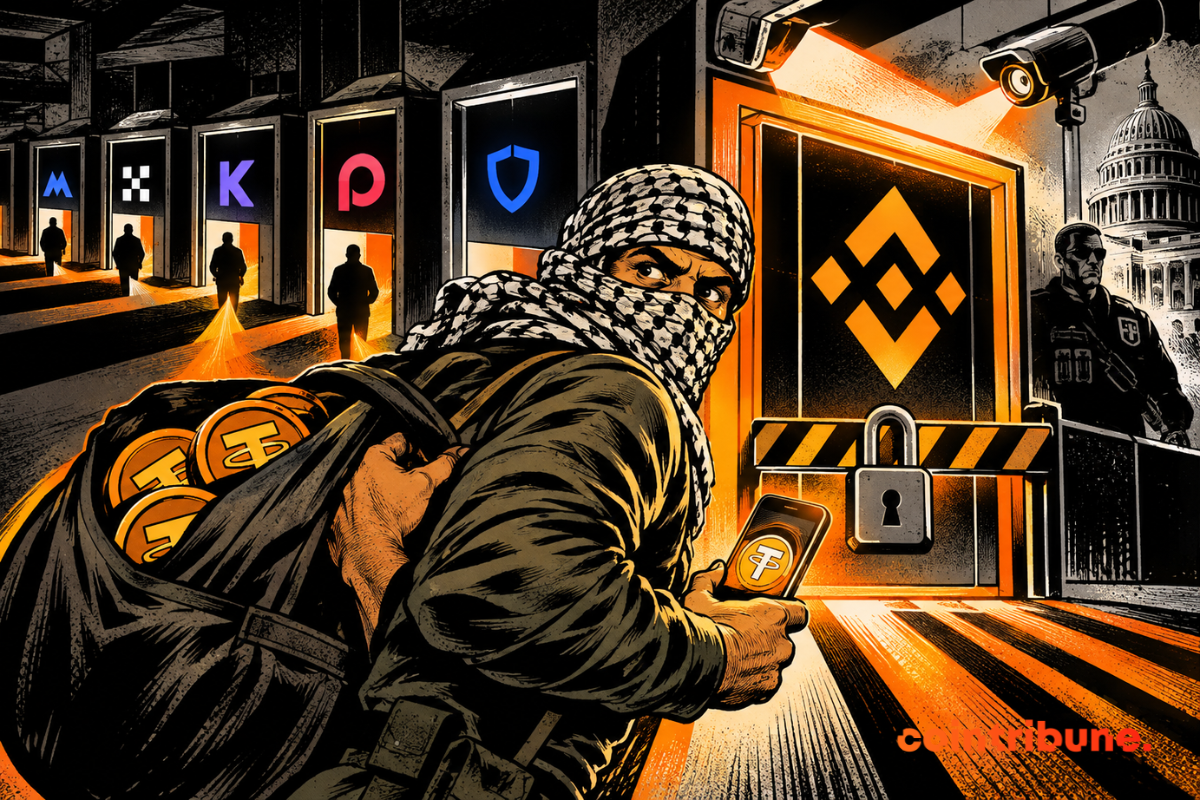
A letter attributed to the Al-Qassam Brigades advises avoiding Binance for crypto donations, thus revealing tensions between covert financing, blockchain traceability, and exchange controls.
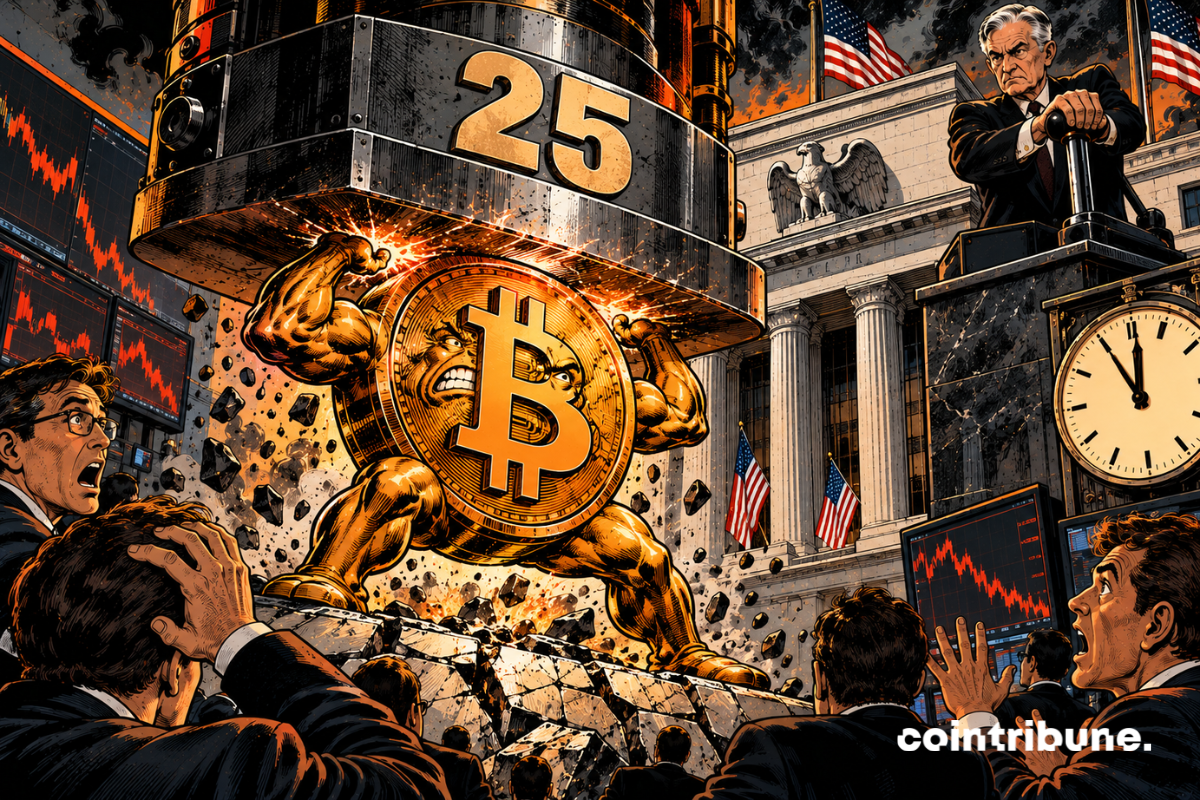
The Fed returns to monetary tightening after more than three years without an increase. Indeed, the US central bank raised its rates by 25 basis points, bringing their range to 3.75% - 4.00%, a first since July 2023. This decision is motivated by persistently high inflation, yet it did not automatically shake bitcoin. Despite a spike in volatility after the announcement, BTC stabilizes around 76200 dollars. Between monetary tightening and crypto market resistance, the Fed's decision now raises the question of the trajectory of rates.

SINGAPORE, 10 September 2026 – TOKEN2049, the world’s largest digital assets conference series, announced the line-up for AFTER 2049, the official closing event of this year’s Singapore edition. Global house icon Claptone headlines, joined by Madrid’s Crusy. Taking place on 9 October 2026 at the Marina Bay Sands SkyPark Observation Deck, the night’s lineup is completed by returning acts ANONM and Hong Kong’s Leon (FR), along with Milam and Mo-Shi.
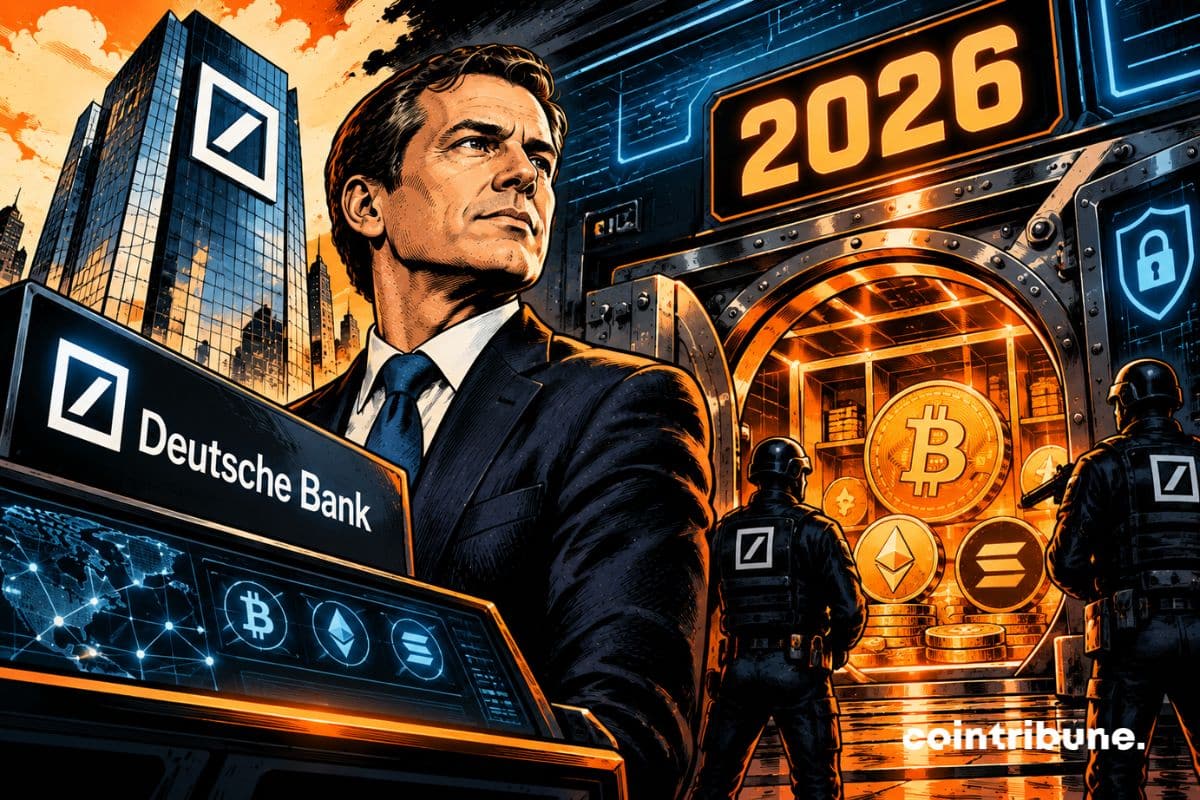
While Washington is bogged down in its crypto regulatory framework and American bitcoin ETFs lose hundreds of millions, Deutsche Bank is moving forward. The German bank announces a crypto custody service for its institutional clients, planned by the end of 2026. Bitcoin, ether, stablecoins, Europe is banking cryptocurrency.
CoinEx will disappear on December 22, 2026, exactly nine years after its launch. The exchange started reducing its services on September 15 and now asks its users to withdraw their funds. Spot trading will stop on September 29. CoinEx explains its decision by the prolonged weakness of the crypto market, the drop in volumes and liquidity, as well as compliance costs that have become too burdensome.
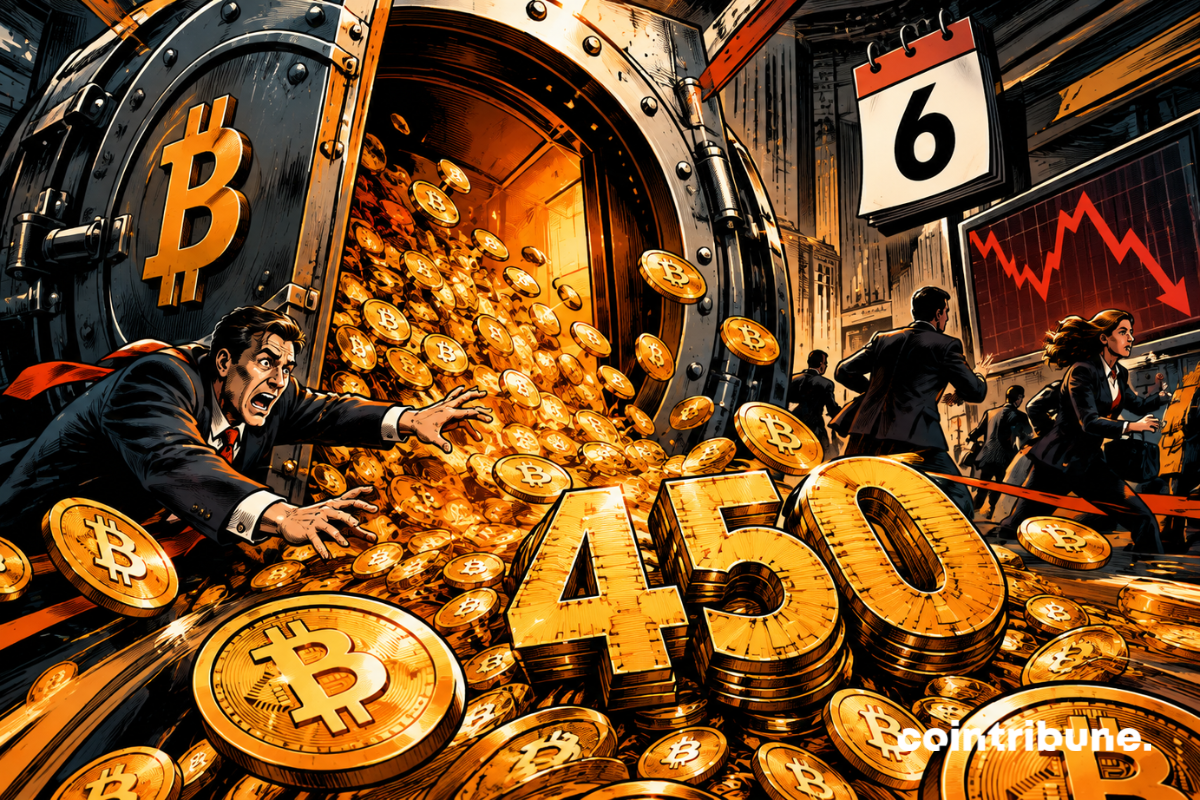
The 13 Bitcoin spot ETFs listed in the United States recorded net outflows of $450.4 million on Tuesday, September 15, according to data from Farside Investors. A level rarely reached in recent months. On the same day, the US Senate failed to gather the 60 votes necessary to advance the CLARITY Act.
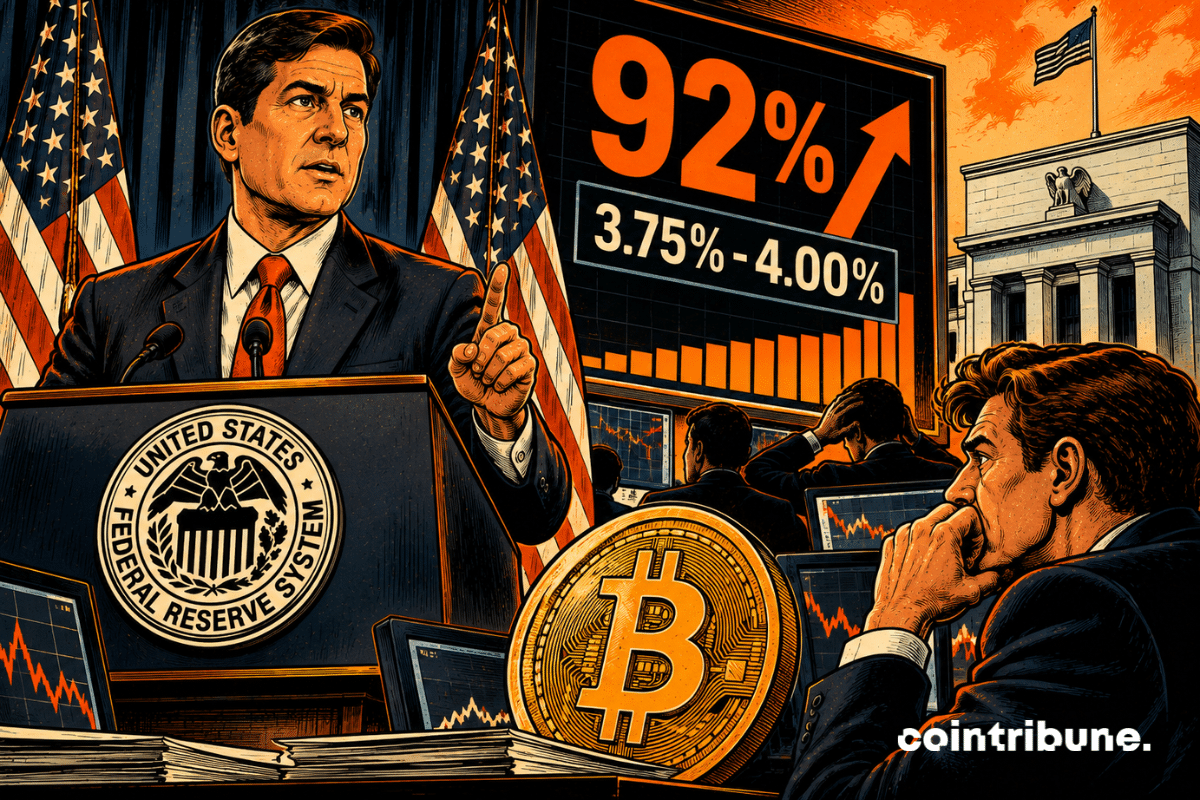
Bitcoin heads into the Fed decision under pressure, with markets pricing in a rate hike and traders bracing for Warsh’s signals.

The European Central Bank reaches out to merchants. Since September 15, it has been accepting applications from e-commerce and mobile commerce companies to test the digital euro. The pilot will start in the second half of 2027 and last 12 months. It will bring together merchants, banks, payment service providers, and members of the Eurosystem. A potential issuance is still targeted for 2029, provided the European legislative framework is adopted.

The data recorded on blockchains often gives the impression of providing an accurate reading of financial flows. However, a study by the Bank for International Settlements (BIS) shows that certain metrics can vary depending on the method used. For bitcoin, researchers noted a gap of up to six times in the estimation of the value of transfers made on the blockchain. This difference does not concern exchanges carried out on platforms, but rather the interpretation of transactions recorded directly on the network.
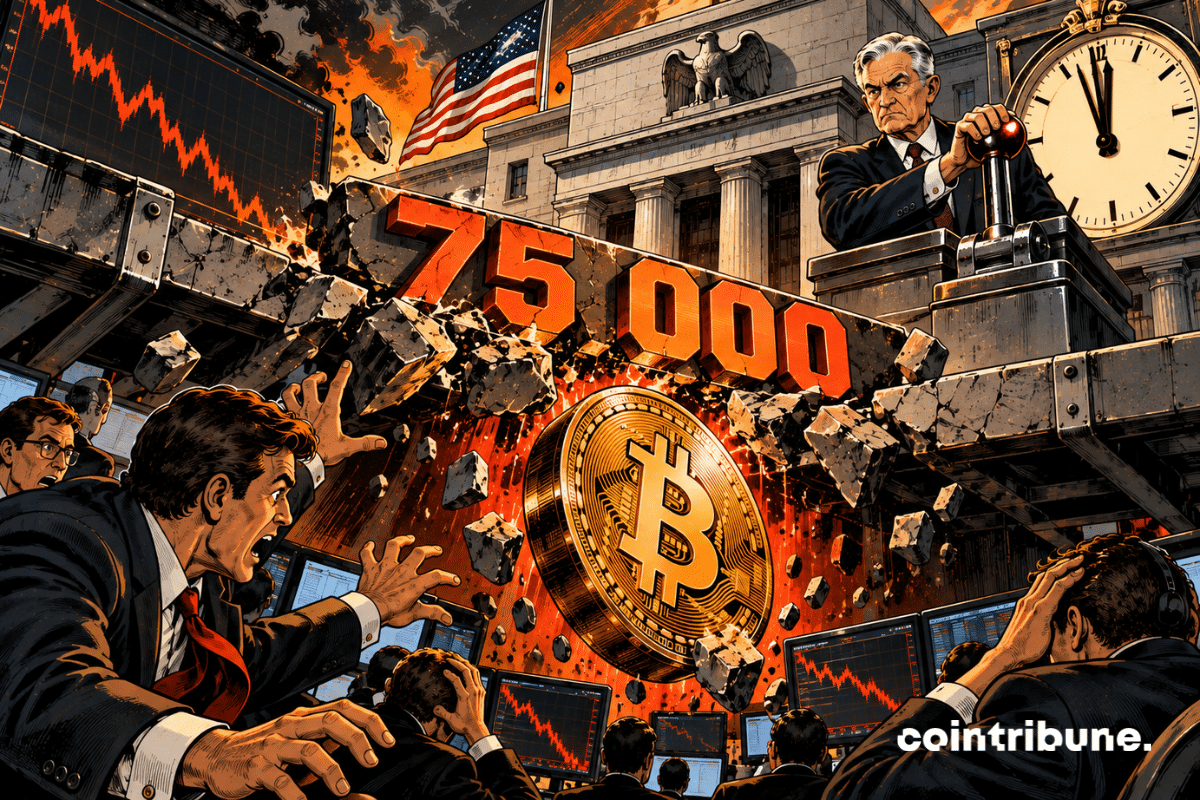
In a few hours, bitcoin erased the rebound that had taken it up to 79579 dollars. BTC fell below 75000 dollars, down to 74984 dollars, its lowest level since August 21. This break occurred less than 24 hours before a key decision by the US Federal Reserve, while a 25 basis points rate hike is expected. With the 77000-dollar support now broken and market sentiment sharply declining, investors face the Fed verdict in a profoundly reshaped configuration.
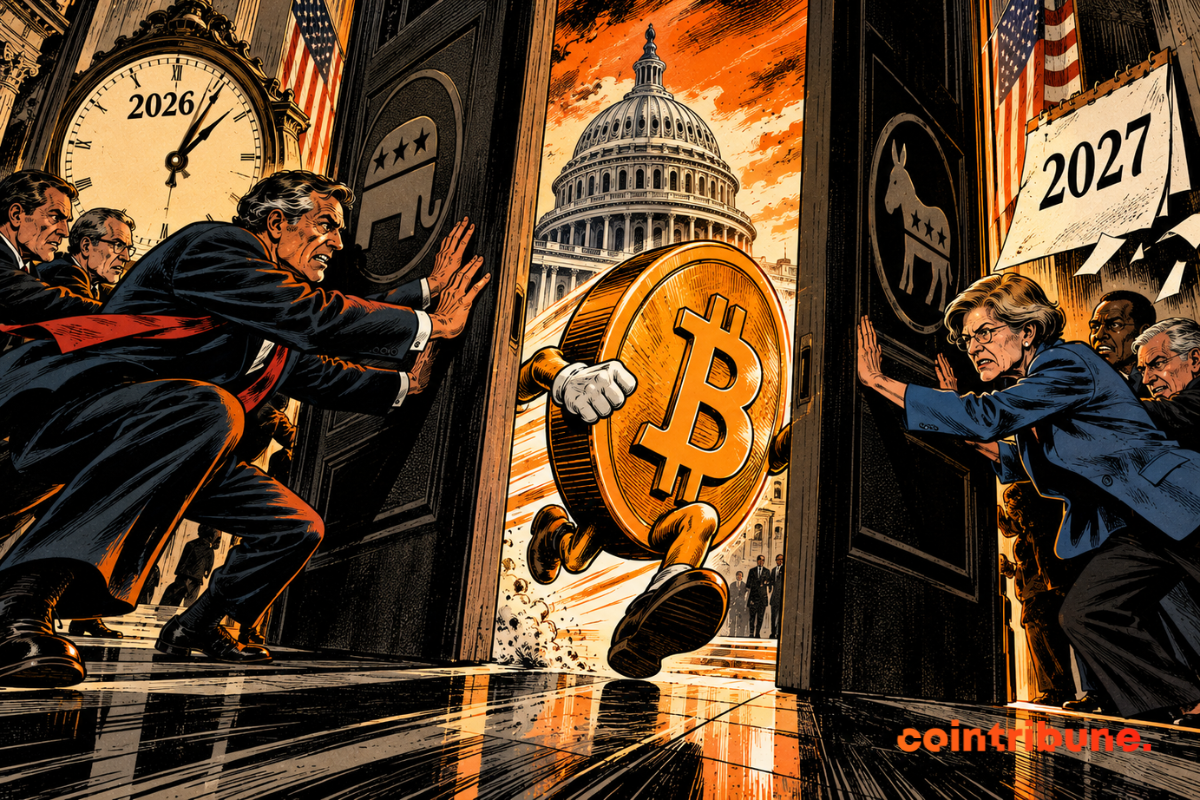
The CLARITY Act fails in the Senate 49-50, far from the 60 votes required. Despite 126 concessions, US crypto regulation remains blocked, between possible revival and total reset in 2027.

This Tuesday, September 15, the Senate failed to advance the CLARITY Act, with 49 votes against 50, while 60 were needed. After a year of negotiations, political disagreements, mainly around Donald Trump's crypto interests, thwarted the bill. This immediately shook crypto stocks on Wall Street. Can the CLARITY Act still be saved? Has Washington just indefinitely postponed the adoption of a federal framework for cryptos?

The crypto market is entering a new phase according to Dan Tapiero, who sees potential for Bitcoin. The macro investor estimates that its value could reach $20 trillion by 2035, ten times its current level. This projection also concerns Ethereum, Solana, and companies related to digital assets. For Tapiero, several macroeconomic signals marked a possible bottom, while a new driver could come from artificial intelligence agents and their blockchain transactions in the long term.

The US justice system wants to seize 61 million dollars in crypto allegedly from illegal Iranian oil sales. Two Chinese companies are accused of laundering these funds via Binance. Richard Teng denies any involvement of the crypto exchange but Binance’s Iranian history does not fade so quickly.
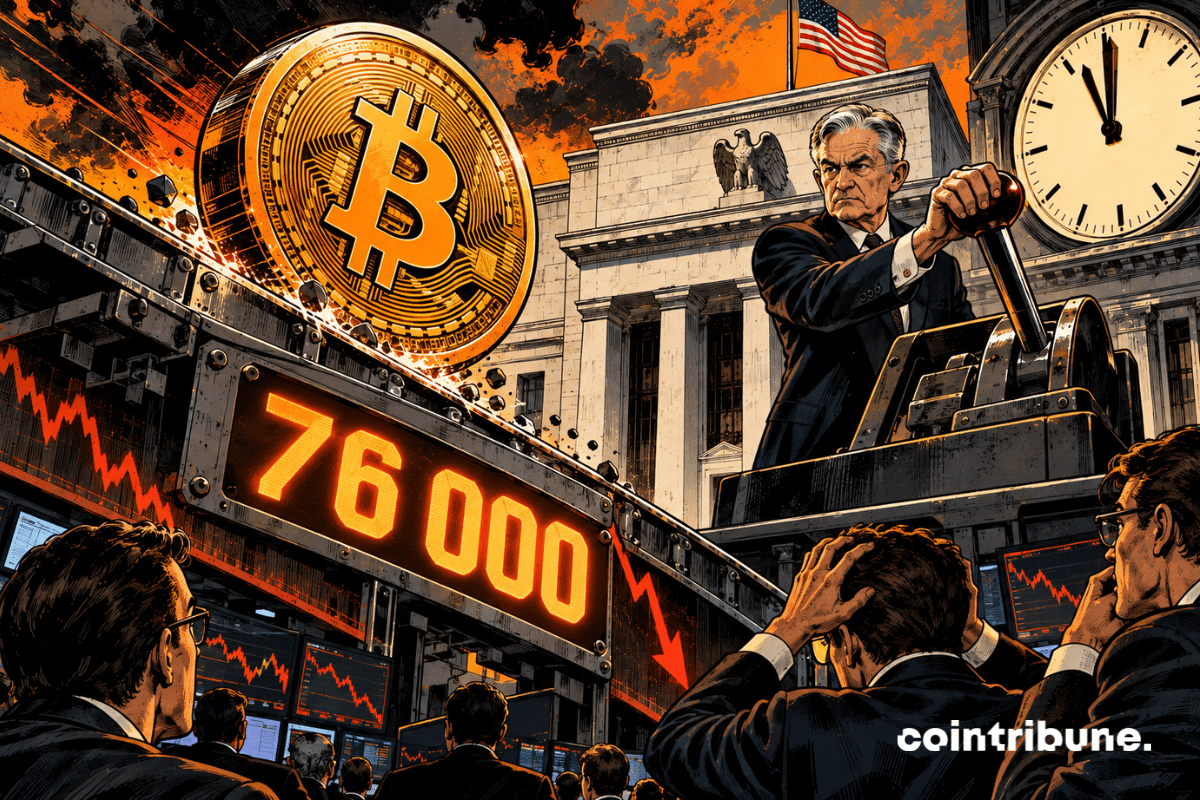
A few hours before the Fed decision, more than a dozen banks are betting on a 25 basis point rate hike, an outcome currently credited with an 87.3% probability by the market. The main causes are more persistent inflation than expected and an oil price above 100 dollars. Faced with such a tightening of expectations, BTC is trading around 76000 dollars, after having exceeded 79000 dollars. The verdict on Wednesday, September 16, should reshuffle the cards.
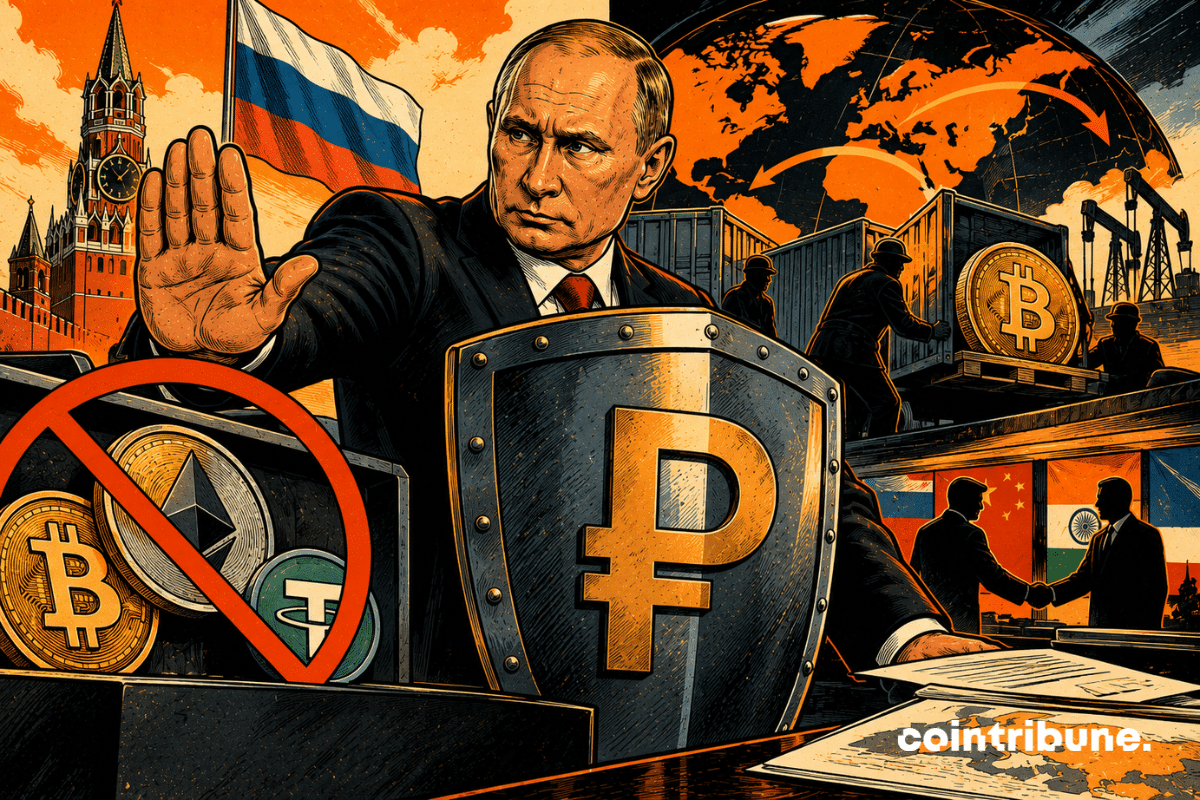
Russia is keeping crypto under tight control at home while turning to bitcoin as an alternative rail for selected cross-border transactions.
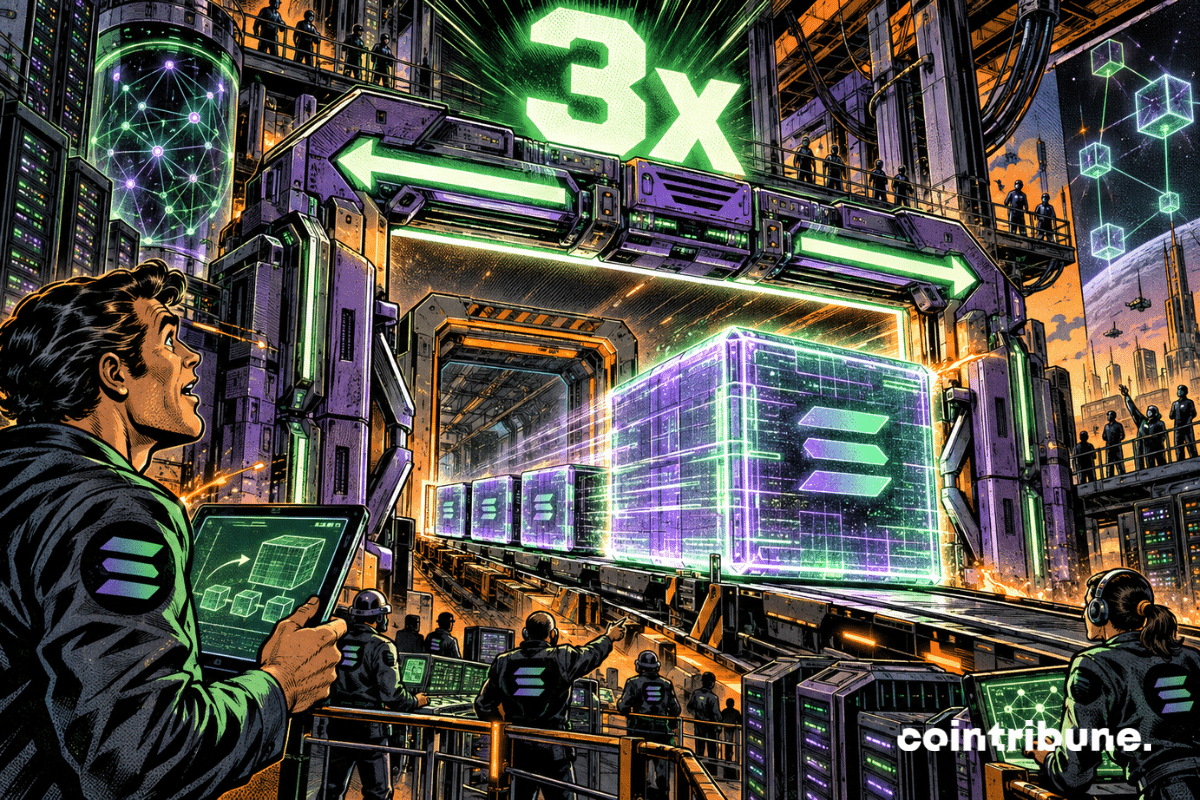
Solana has just activated on its mainnet an upgrade awaited for several months. The maximum size of a transaction increases from 1,232 to 4,096 bytes, or 3.3 times more space. The new v1 format has been active since the beginning of epoch 1,035 on September 15. For the crypto ecosystem, the change mainly targets operations too large to fit until now in a single transaction: zero-knowledge proofs, multisignatures, and new onchain signature systems.

Grayscale wants to shift crypto investment from a standalone product to a ready-to-use portfolio. The manager launched, on September 14, four models intended for financial advisors, built from several crypto-exposed ETPs. Weighting based on capitalization, quarterly rebalancing, asset cap: the offer provides an allocation framework without transferring the investment decision to Grayscale. A way to facilitate the integration of cryptos into wealth management while leaving advisors responsible for the final choice for their clients.
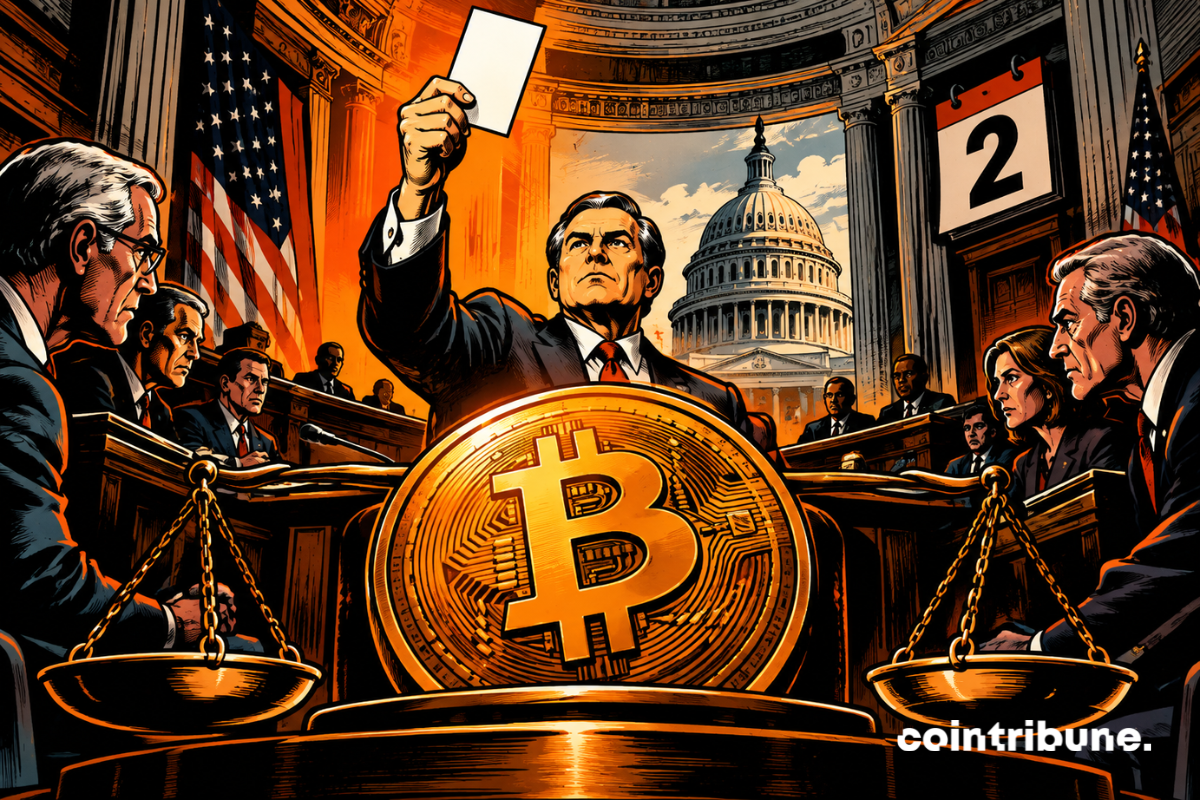
The US Senate is set to vote this Tuesday, September 15 at 2:15 PM Washington time, or 8:15 PM in Paris, on the progress of the CLARITY Act, presented as a major text aimed at establishing a comprehensive framework for crypto markets in the United States. This procedural vote requires 60 votes to allow the bill to continue its legislative journey. Republicans, who hold 53 seats in the Senate, will therefore need to gain support from several Democrats or independents. A failure would strongly compromise the adoption of the bill before the end of 2026.

King Charles III will bring together several heavyweights of AI this week in Scotland, including OpenAI, Anthropic, Nvidia, Google DeepMind, and IonQ. The meeting will be held at Dumfries House and organized with the Ditchley Foundation. Discussions will focus on the responsible development of the most advanced models and the possibility of defining common principles. The summit comes a few days after new calls to slow down the race to artificial intelligence.

After twelve months of caution, Bitcoin options traders change direction. Since August 20, they pay more to bet on a BTC rise than to protect against a drop, an unprecedented shift in a year. The signal comes while bitcoin trades around $78,278, far from its peak above $126,000 in October 2025. Between dominance of call options, increase in futures positions, and bets concentrated under $100,000, the derivatives market shows renewed but still measured optimism.
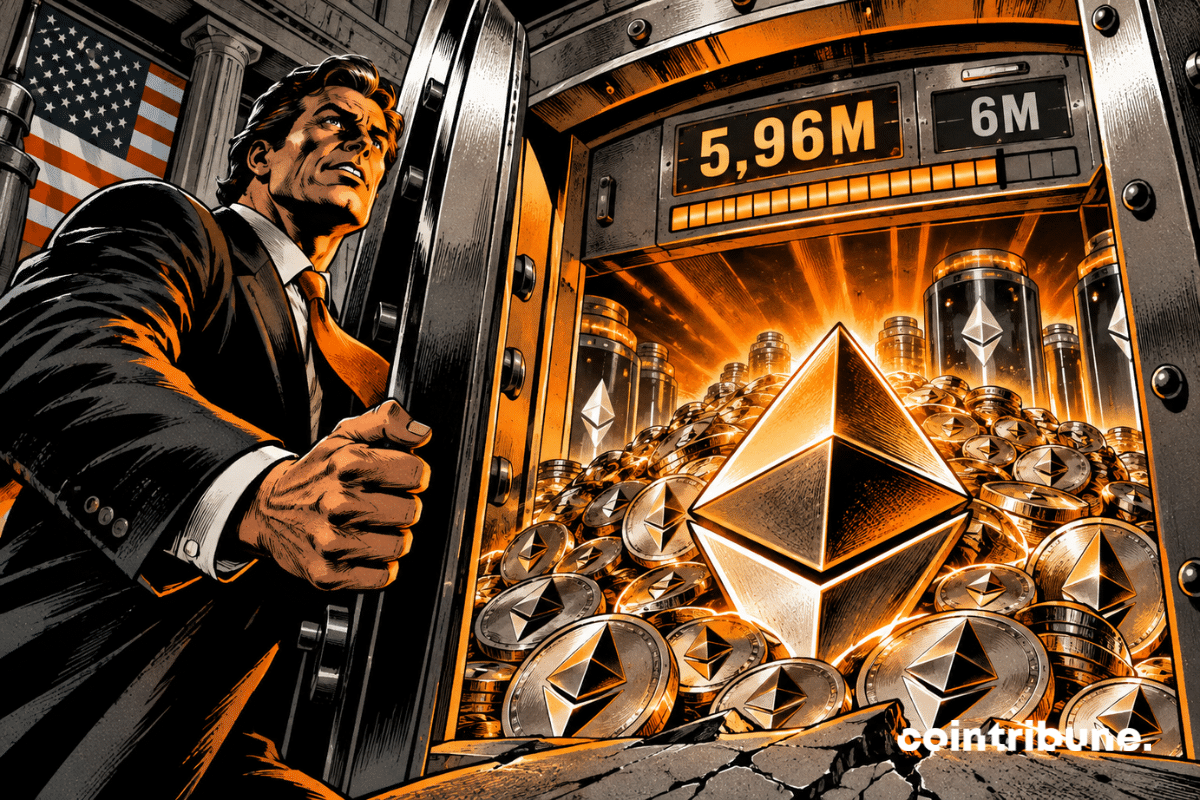
BitMine strengthens its Ethereum reserve with 27,180 ETH. Does this new crypto purchase change the game for ETH? Complete analysis.

During the shortened week of September 8, U.S. crypto ETFs recorded nearly $263 million in net outflows. The positive gathering of products related to Ether, XRP, and Solana was masked by withdrawals concentrated on Bitcoin ETFs.