



Press release
Thu 08 Oct 2026 ▪
6 min read
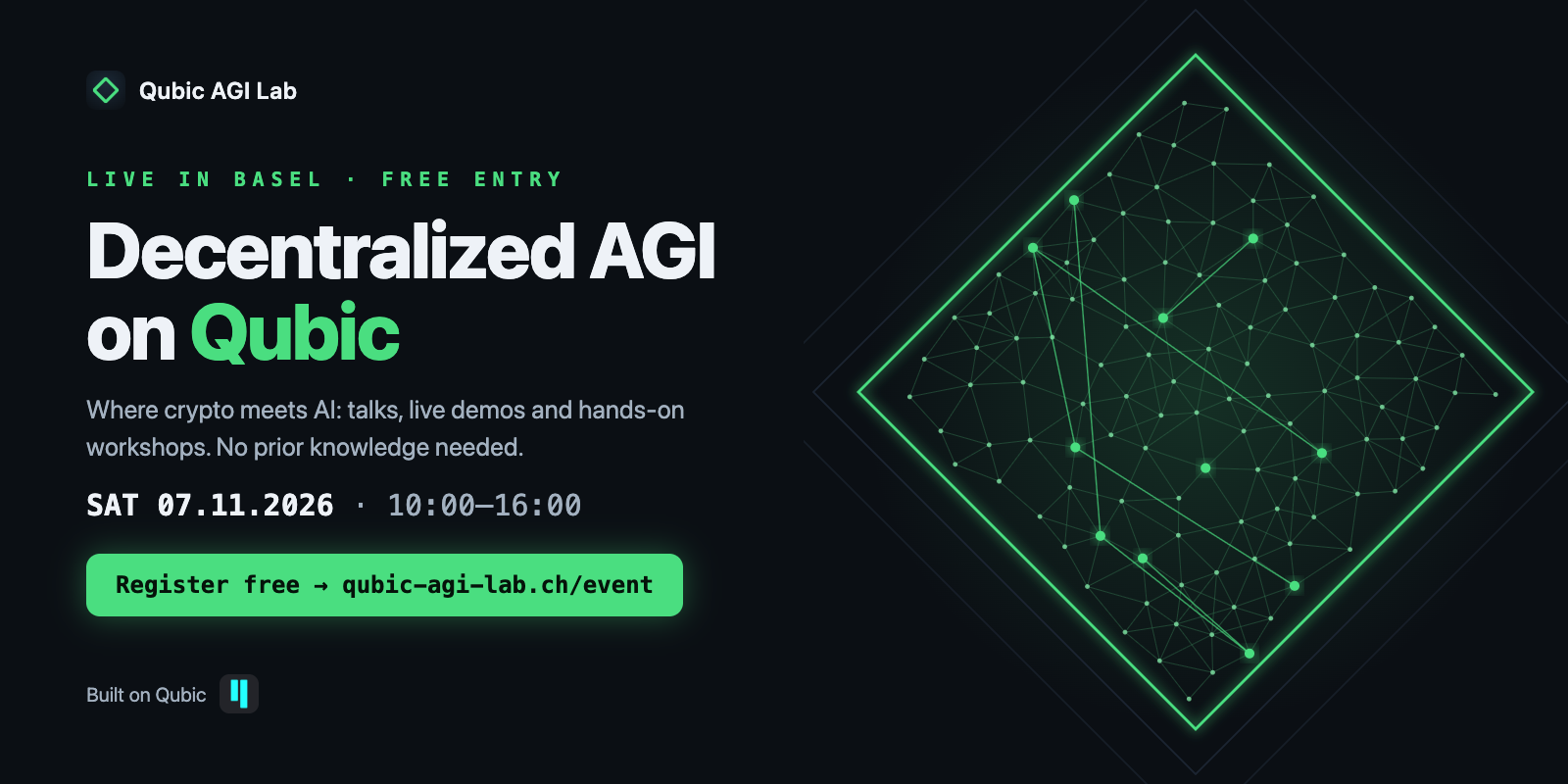
On Saturday, November 7, 2026, from 10:00 to 16:00, the Swiss association Qubic AGI Lab hosts "Decentralized AGI on Qubic" in Basel, a free day dedicated to decentralized artificial intelligence built on the Qubic network. Talks, a live demo, workshops capped at 12 seats and a closing panel take place at the Escape Bar, Gasstrasse 1, in English and German, with registration required by October 31 according to the official event page. Qubic's Core Tech Lead, Joetom, will be in attendance, giving participants direct access to the person who runs the network's core technology.
Wed 07 Oct 2026 ▪
3 min read
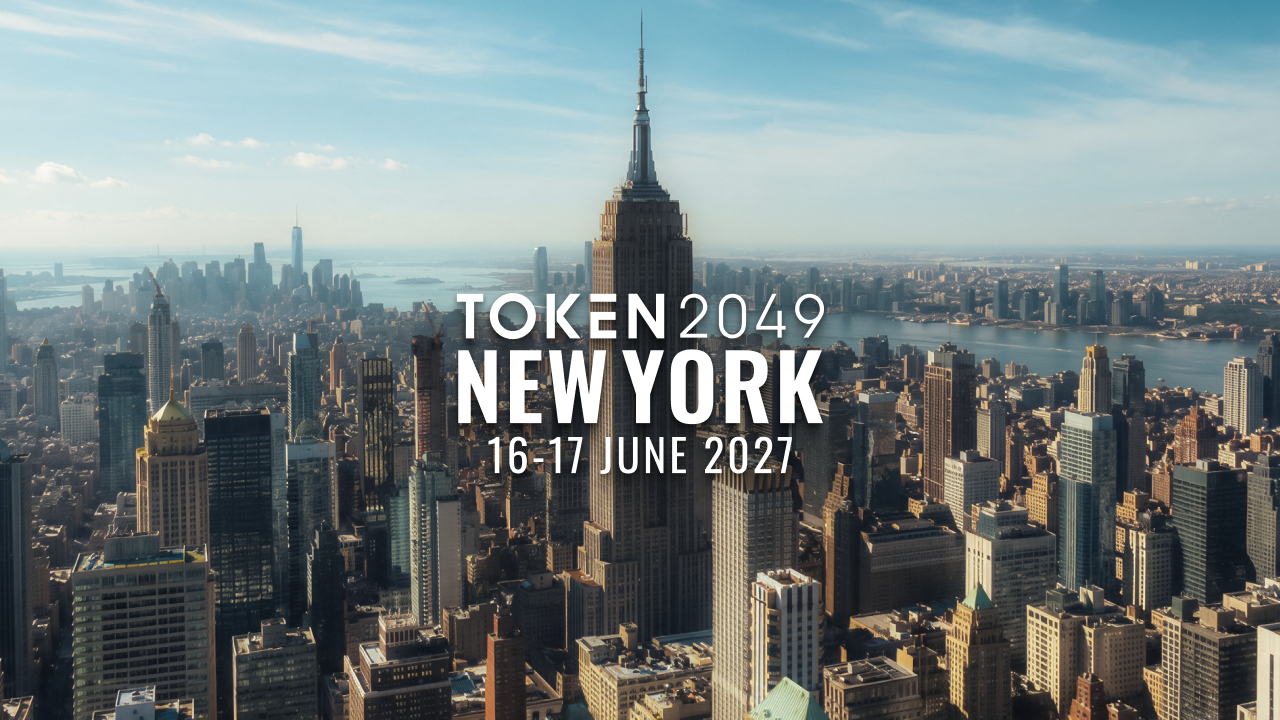
SINGAPORE — October 7, 2026 — TOKEN2049, the world’s largest crypto conference, today announced its expansion into the United States with the launch of TOKEN2049 New York. The inaugural US edition will take place on 16-17 June 2027, with 15,000 attendees expected from around the world.
Wed 07 Oct 2026 ▪
4 min read
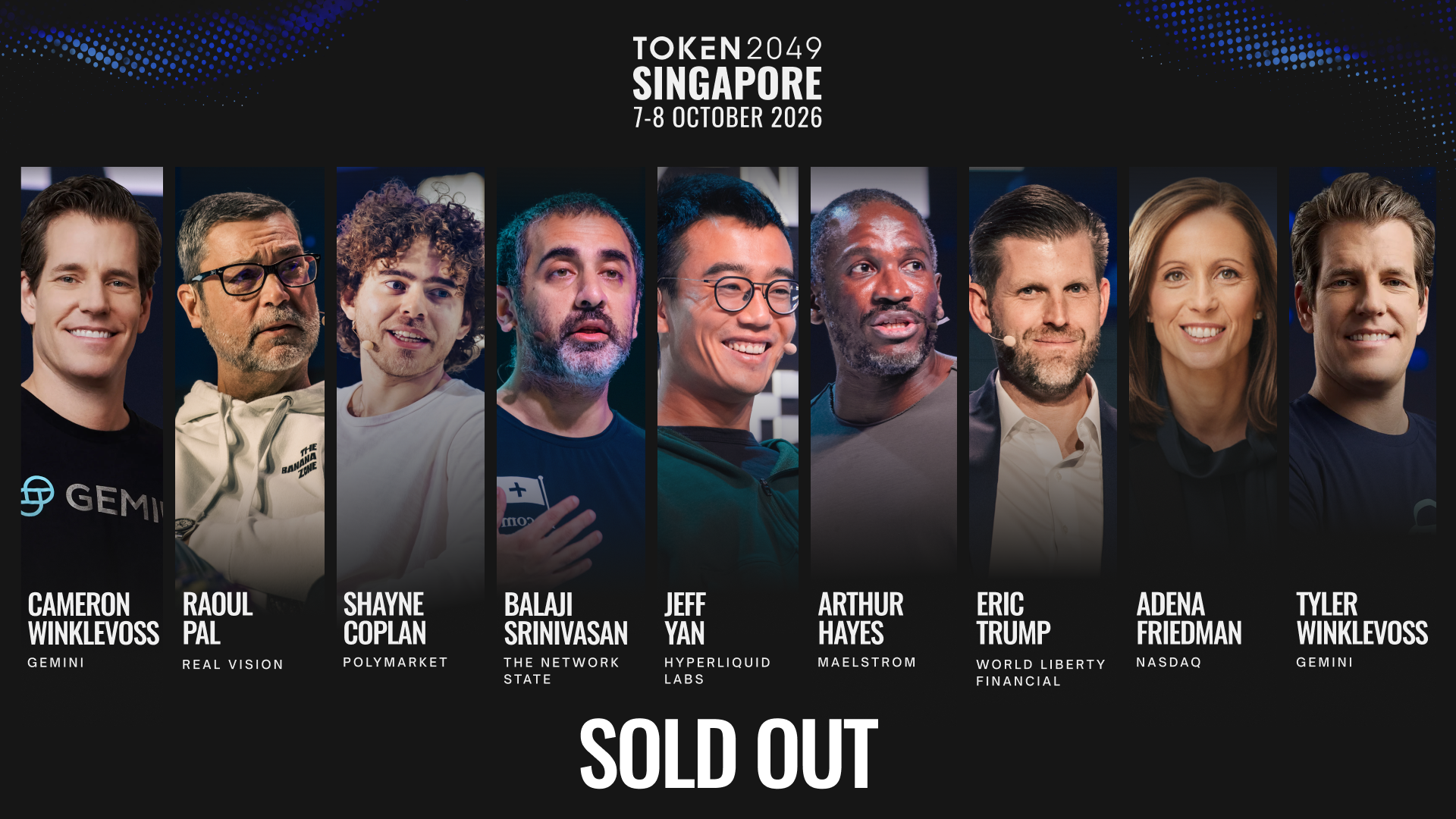
SINGAPORE, 6 October 2026 – TOKEN2049 Singapore has sold out ahead of its return to Marina Bay Sands on 7–8 October, with 25,000 attendees from 160 countries set to attend. This year’s edition features 250 speakers across six stages and 500 exhibitors.

Sat 03 Oct 2026 ▪
4 min read
Charles Hoskinson believes that crypto has just entered a phase of exponential growth. During a speech at the United Nations, the Cardano founder compared blockchain to the Internet and artificial intelligence, two technologies whose adoption accelerated after slower starts. His most concrete example: tokenized stocks, which rose from about 600 million to 3 billion dollars.

Tue 22 Sep 2026 ▪
5 min read
MEXC, a pioneer in 0-fee digital asset trading, today launched "Test Your Wall Street DNA," a new campaign built around the theme "Different Traders.
Tue 22 Sep 2026 ▪
7 min read
MEXC, a pioneer in 0-fee digital asset trading, has released its July–August 2026 security report. The report shows that MEXC successfully intercepted all 215 reports involving risk-related funds during the period, covering approximately 38.66 million USDT.

Wed 16 Sep 2026 ▪
4 min read
SINGAPORE, 10 September 2026 – TOKEN2049, the world’s largest digital assets conference series, announced the line-up for AFTER 2049, the official closing event of this year’s Singapore edition. Global house icon Claptone headlines, joined by Madrid’s Crusy. Taking place on 9 October 2026 at the Marina Bay Sands SkyPark Observation Deck, the night’s lineup is completed by returning acts ANONM and Hong Kong’s Leon (FR), along with Milam and Mo-Shi.
Sun 23 Aug 2026 ▪
4 min read
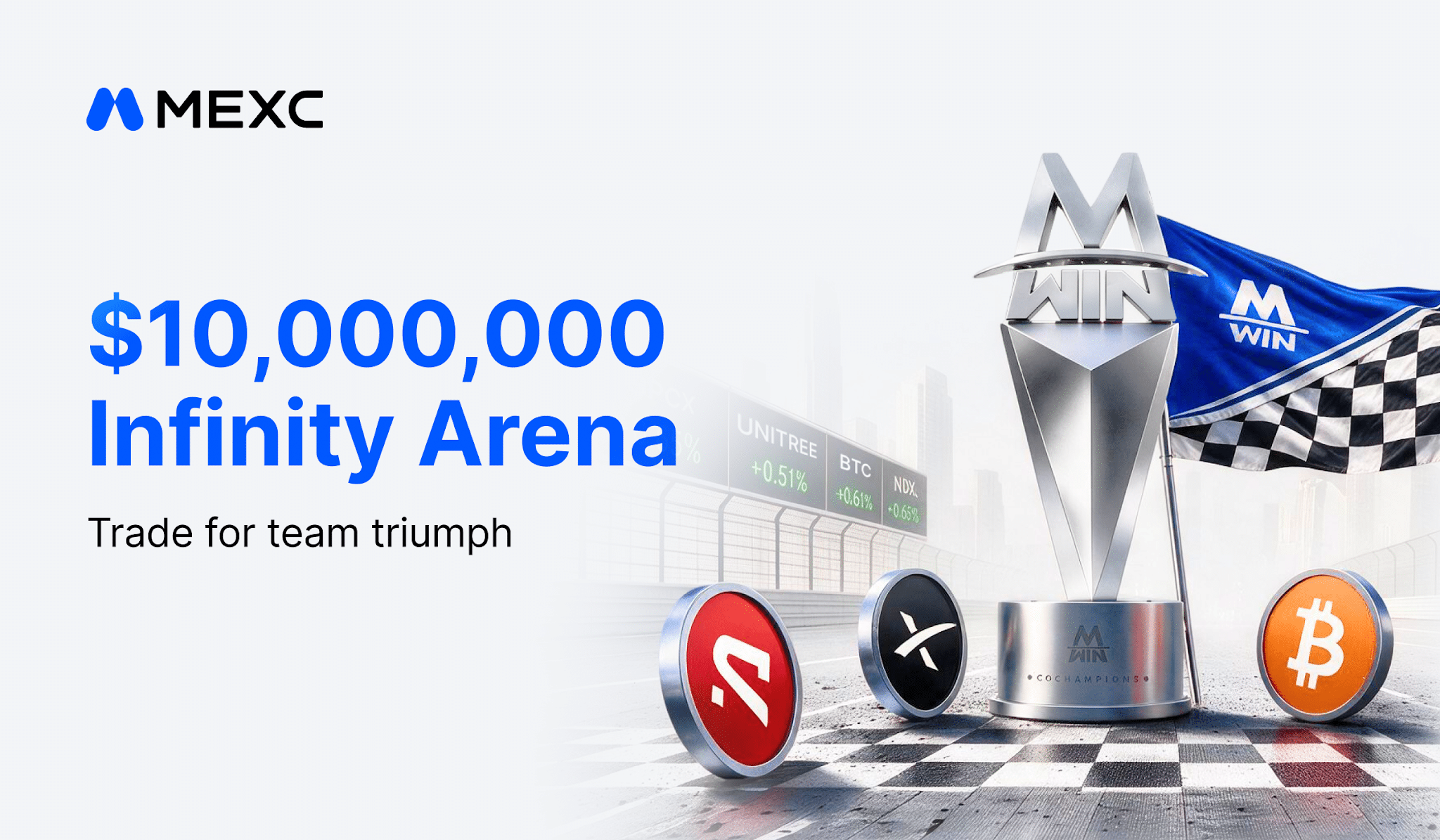
Mutsamudu, Comoros, August 19, 2026 – MEXC, a pioneer in 0-fee digital asset trading, announced the launch of "MEXC Win: Infinity Arena," a team-based futures trading competition. The competition offers 0-fee stock trading and a tiered prize pool of up to 10 million USDT. Early bird registration opens August 19 at 12:00 (UTC), with early participants eligible to share a 10,000 USDT futures bonus pool and additional rewards for early team formation.
Tue 18 Aug 2026 ▪
3 min read
Mutsamudu, Comoros, August 14, 2026 – MEXC, a pioneer in 0-fee digital asset trading, has released its August 2026 Proof of Reserves (PoR) report, audited by Hacken, showing that reserve ratios for all major assets remained above 100%, with the BTC reserve ratio reaching 288%. This report reflects MEXC's robust financial position and its continued commitment to safeguarding user assets.

Sun 09 Aug 2026 ▪
3 min read
Mutsamudu, Comoros, August 3, 2026 – MEXC, a pioneer in 0-fee digital asset trading, has launched the Earnings Season RealStocks Rally. The event runs from August 3, 2026, 10:00 (UTC) to August 24, 2026, 10:00 (UTC). Earnings season brings renewed attention to U.S. equities, as companies…

15h05 ▪
5 min read
▪
by
Bitcoin has been pretty quiet over the past few days, and I know that kind of market can feel frustrating. But there are still a few levels I'm watching closely. On the daily chart, we've lost the 50-day EMA. On the weekly chart, though, we're still holding the 50-week EMA. That's an important difference, and it's why I haven't changed my overall bullish view. I do think we could see another dip first.
14h05 ▪
5 min read
▪
by
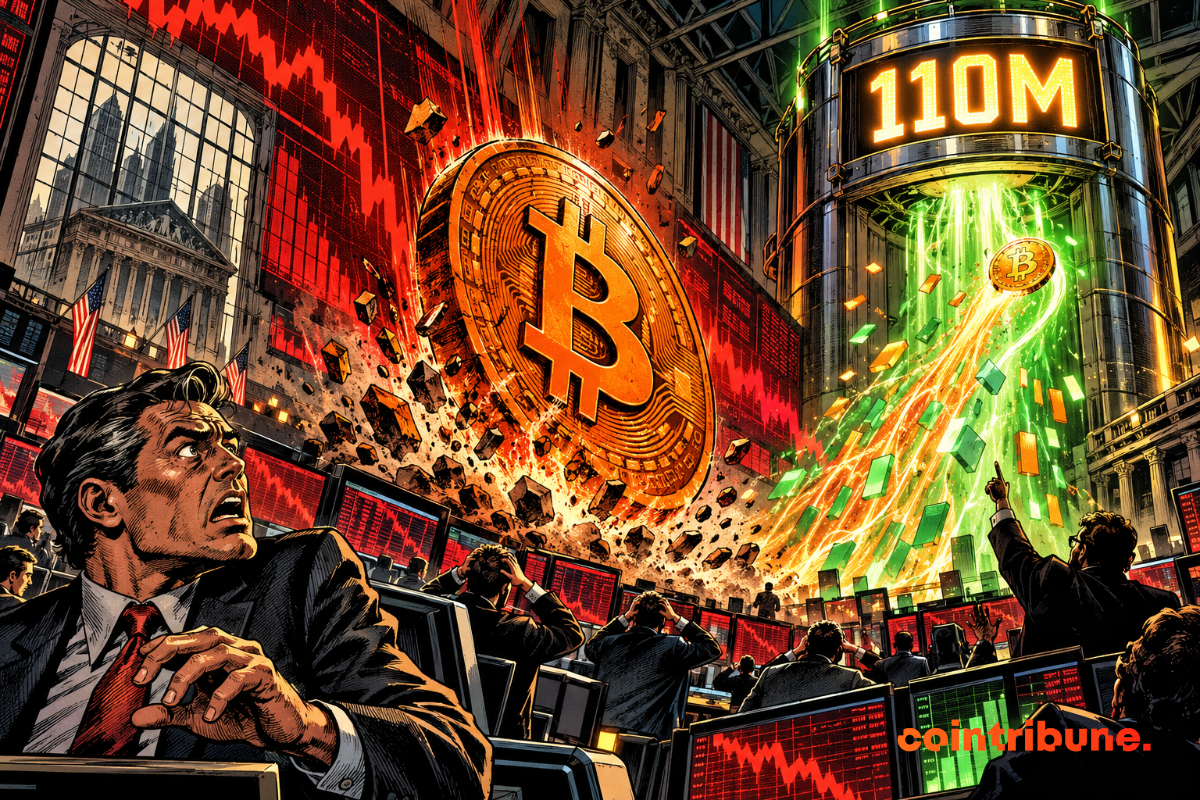
American Bitcoin ETFs would show a rebound of 110 million dollars, while BTC remains under 80,000 dollars. The latest Binance reading placed Bitcoin around 79,730 dollars. The announced return of funds comes after two particularly difficult sessions: investors had withdrawn 773.5 million dollars from ETFs on October 22 and 23. The figure for the new rebound still awaits confirmation in the consolidated data.
13h05 ▪
5 min read
▪
by
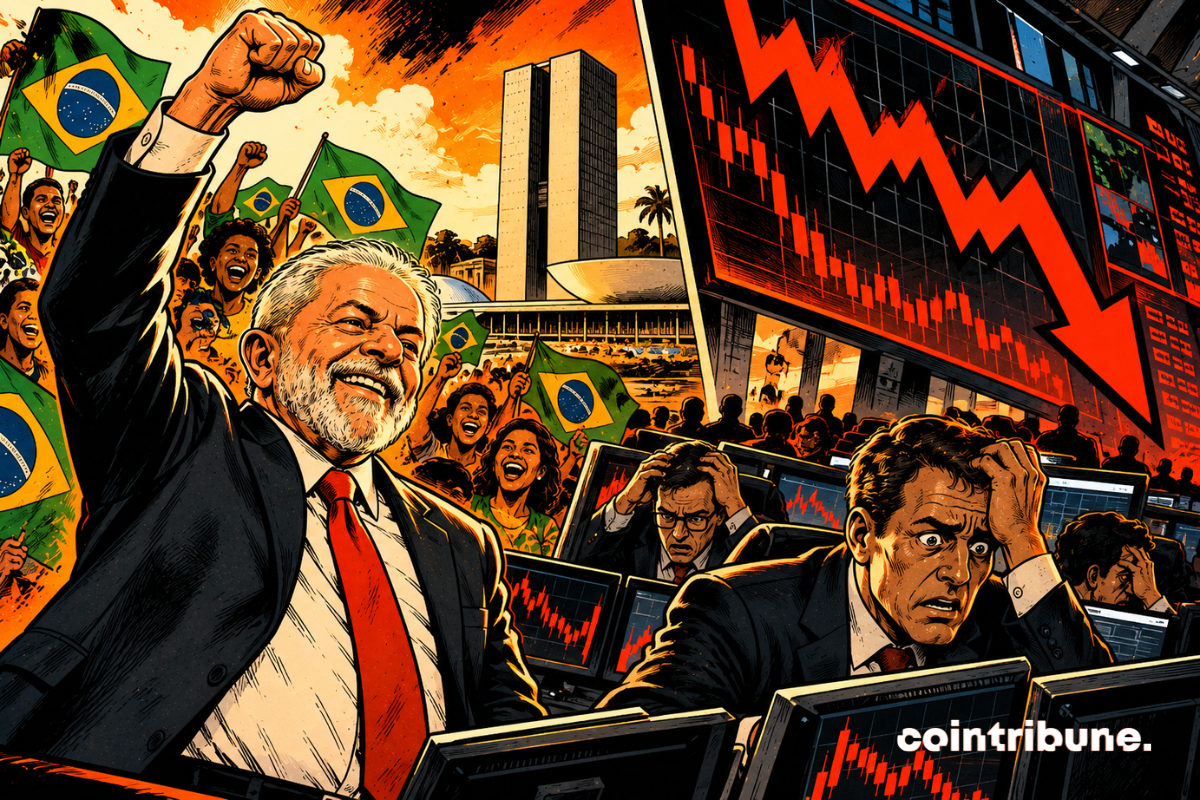
The surprise victory of Luiz Inácio Lula da Silva caused a crash in the Brazilian stock market and currency. At the same time, bitcoin rose when expressed in reals, illustrating the difference between the global performance of an asset and its value in a weakened local currency.

11h10 ▪
9 min read
▪
by
BNB Chain prepares a new Layer 1 blockchain for early 2027, with an ambition: to exceed 100,000 transactions per second and reduce block production to 200 milliseconds. The project, provisionally called New L1, will operate alongside BNB Smart Chain without creating a new crypto. Changpeng Zhao (CZ), founder of Binance, supports this approach. The first experiments are already underway, but the public network is not yet available.
10h05 ▪
6 min read
▪
by
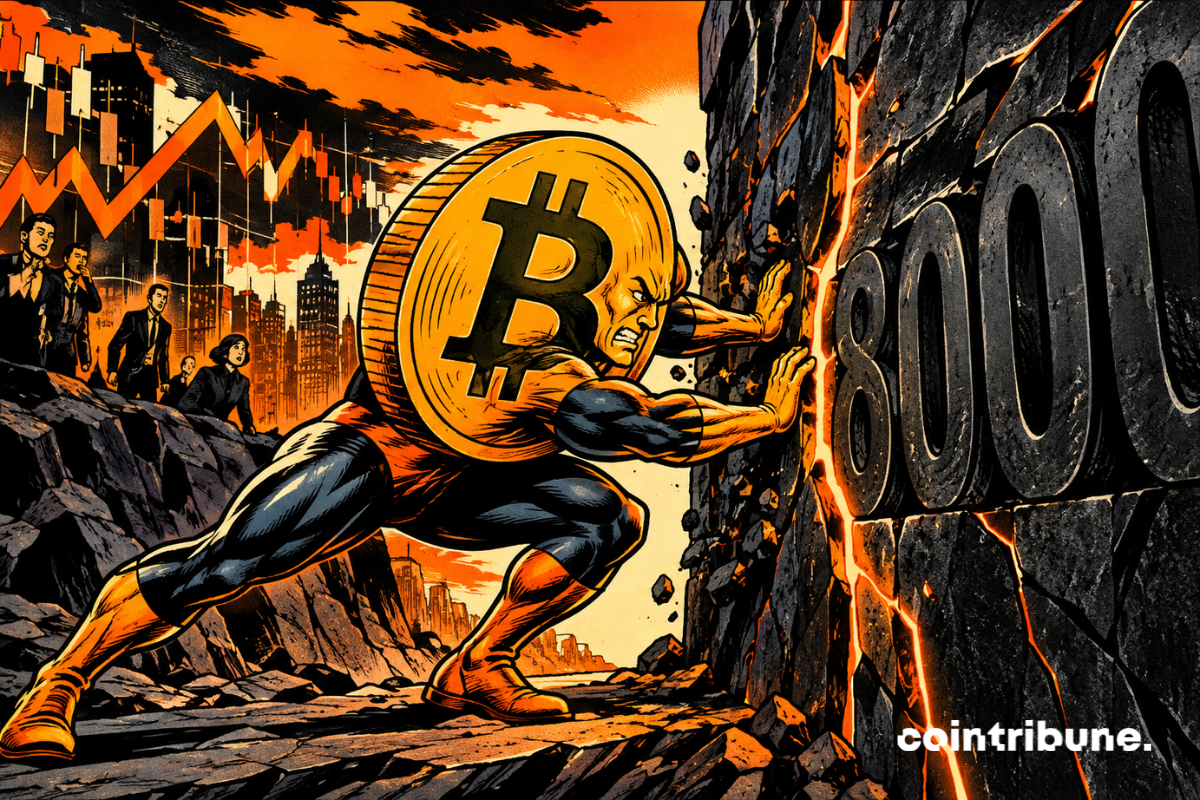
Bitcoin is at a decisive level after its recent correction, which brought its price down from 88,000 to nearly 80,000 dollars. Buyers are now trying to defend this threshold, while several indicators suggest a possible return to 94,000 dollars. According to analyst Doctor Profit, this drop could be part of a broader bullish trend. However, maintaining the support and resuming purchases will determine the further evolution of this market.

9h05 ▪
5 min read
▪
by
France proposes to authorize under conditions the rewards paid to stablecoin holders by platforms, despite the opposition of the European Central Bank. Behind this technical disagreement is mainly Europe’s capacity to develop euro stablecoins capable of competing with their dollar-backed rivals.

8h05 ▪
4 min read
▪
by
Ottawa opens a 60-day consultation on stablecoins issued by non-financial actors. The project notably provides for reimbursement within three business days, caps redemption fees at 1%, and prohibits returns related to holding. To develop its framework, Canada relies on several foreign models, including that of the United States.

Mon 26 Oct 2026 ▪
4 min read
▪
by
Anthropic filed its S-1 form with the US regulator on October 26, in preparation for a Nasdaq listing under the symbol ANT. However, neither the number of shares nor their price has been set yet. On derivatives platforms, traders are already anticipating a valuation close to $1.9 trillion.
Mon 26 Oct 2026 ▪
5 min read
▪
by
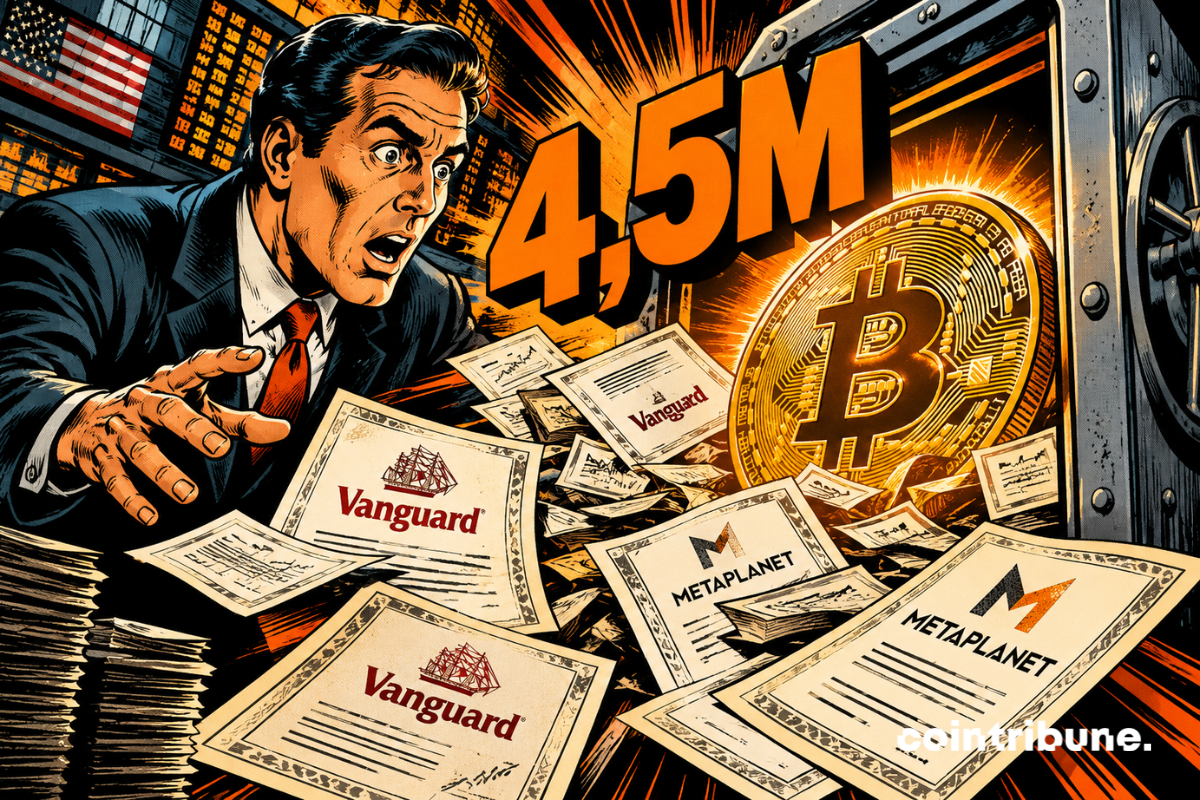
The interest of large investors in cryptocurrency-related companies continues to evolve. The Vanguard FTSE All-World ex-US Small-Cap ETF fund has just acquired 4.5 million Metaplanet shares, a Japanese company that accumulates bitcoin on its balance sheet. This stake, estimated at 7.5 million dollars, marks a first for this fund. It illustrates the growing exposure of institutional investors to the cryptocurrency market through listed companies that hold it.

Mon 26 Oct 2026 ▪
5 min read
▪
by
The weakness of American consumers would normally have strengthened expectations of rate cuts and supported bitcoin. But the simultaneous rise in inflation expectations creates a less favorable scenario: a fragile economy without rapid monetary easing.
Mon 26 Oct 2026 ▪
5 min read
▪
by
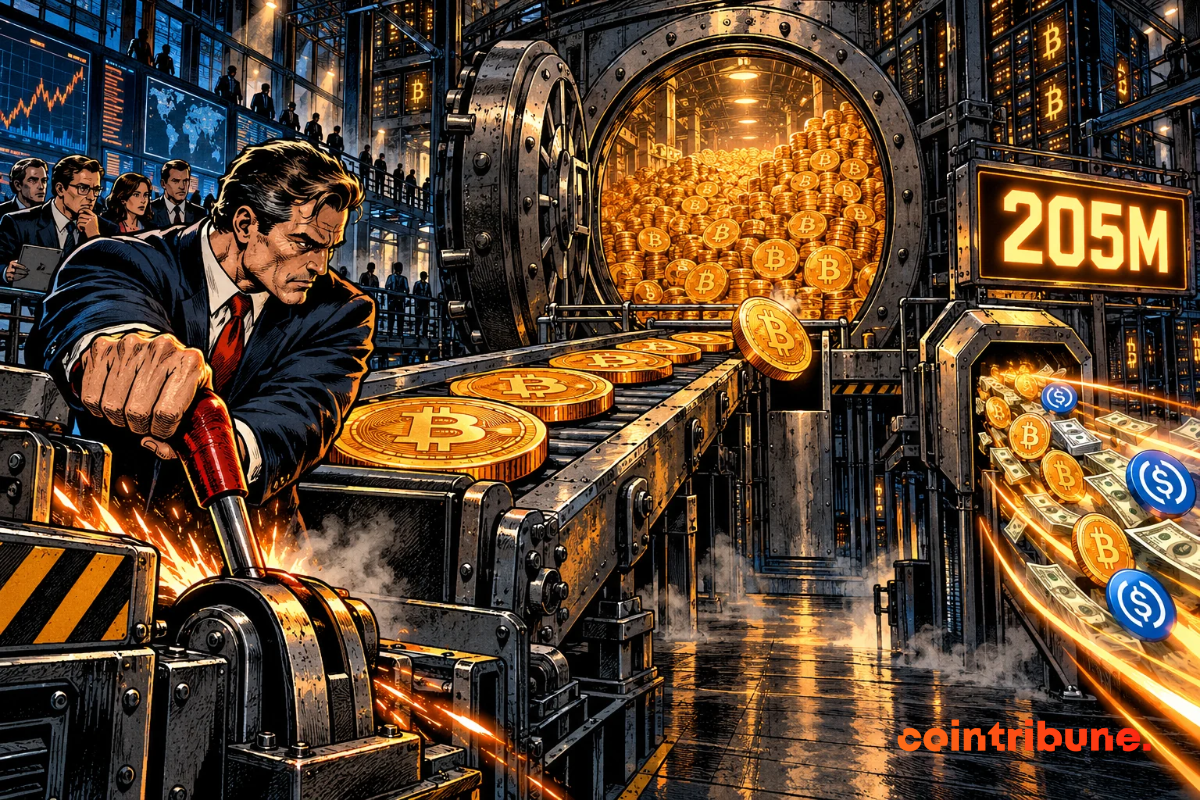
Strategy bought no Bitcoin between October 19 and 25. A first pause after several weeks of accumulation. Michael Saylor's company preferred to dedicate 204.9 million dollars to repurchasing its preferred STRC shares, according to its SEC filing on October 26. Its reserve remains unchanged at 848,517 BTC, while its available cash has dropped to 242.4 million dollars, compared to 447.3 million a week earlier.
Mon 26 Oct 2026 ▪
4 min read
▪
by
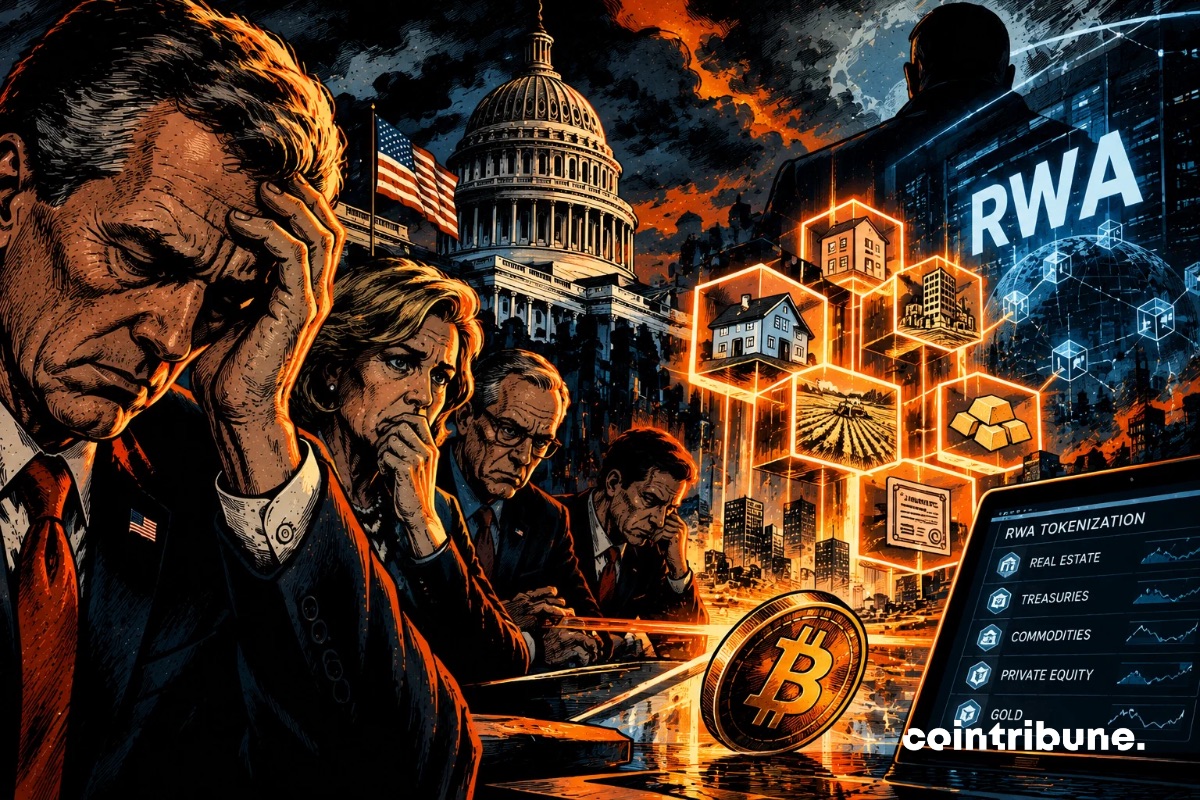
The Common Sense Leadership Fund, an American conservative group, urges S&P 500 CEOs to block the tokenization of RWAs of their shares on decentralized networks. Between regulatory panic, hardware flaws, and admission of adoption, the crypto RWA sector reaches a new level of intensity.
Mon 26 Oct 2026 ▪
6 min read
▪
by
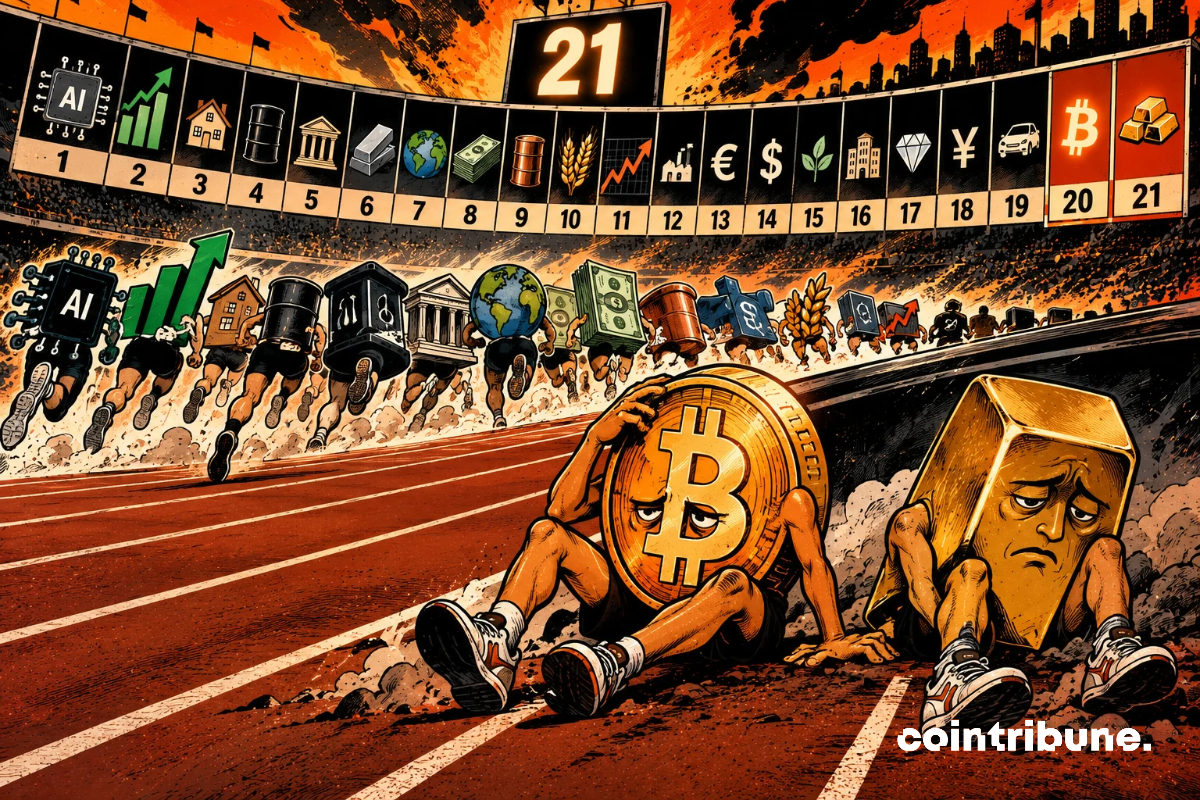
Bitcoin and gold occupy the last two spots in a ranking of 21 major asset categories since the start of 2026. This unprecedented situation in the studied series does not mean they are the worst investments in all markets, but reveals their common vulnerability to high rates.
Mon 26 Oct 2026 ▪
7 min read
▪
by
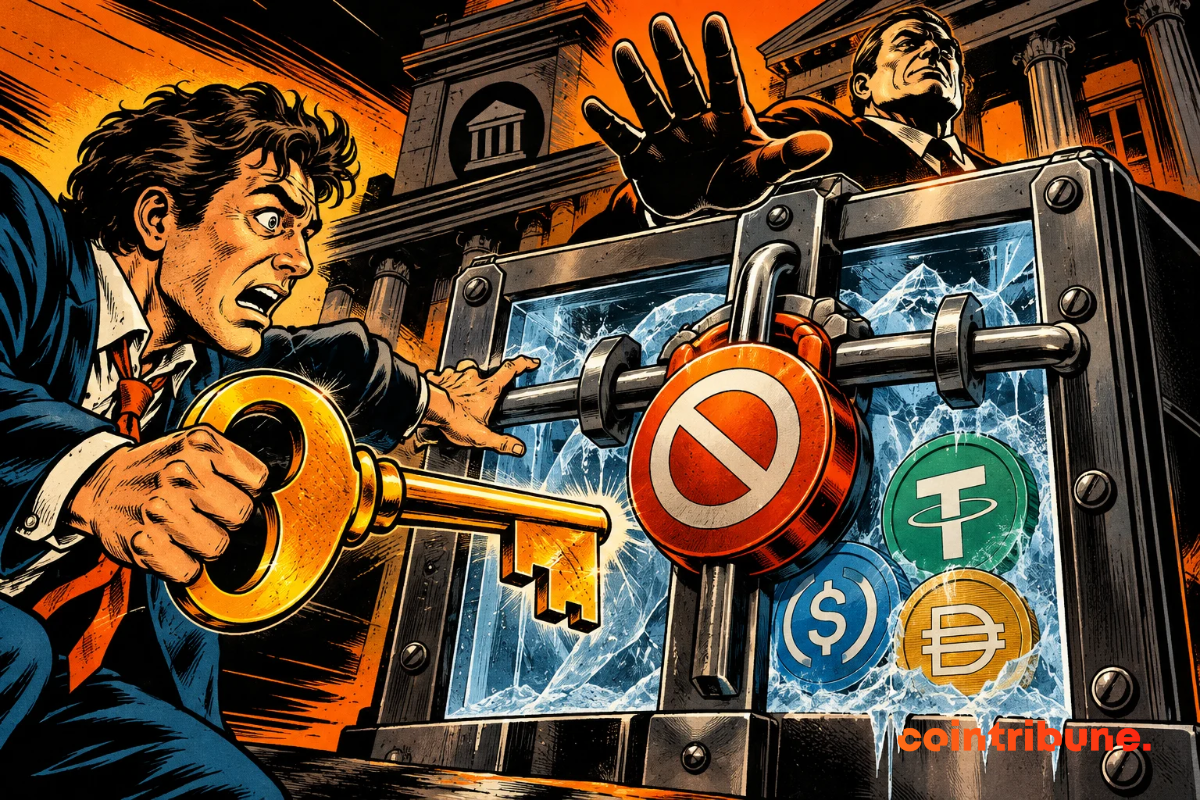
A blocked stablecoin remains visible in your wallet, but you can no longer transfer it. What Circle and Tether can freeze, and what reimbursement under MiCA provides.

Mon 26 Oct 2026 ▪
6 min read
▪
by
▪
Partnership
Blockchain Life 2026 takes place on December 1st and 2nd in Dubai. Tickets are at the early bird rate, more than -50% off the last chance price.
Mon 26 Oct 2026 ▪
5 min read
▪
by
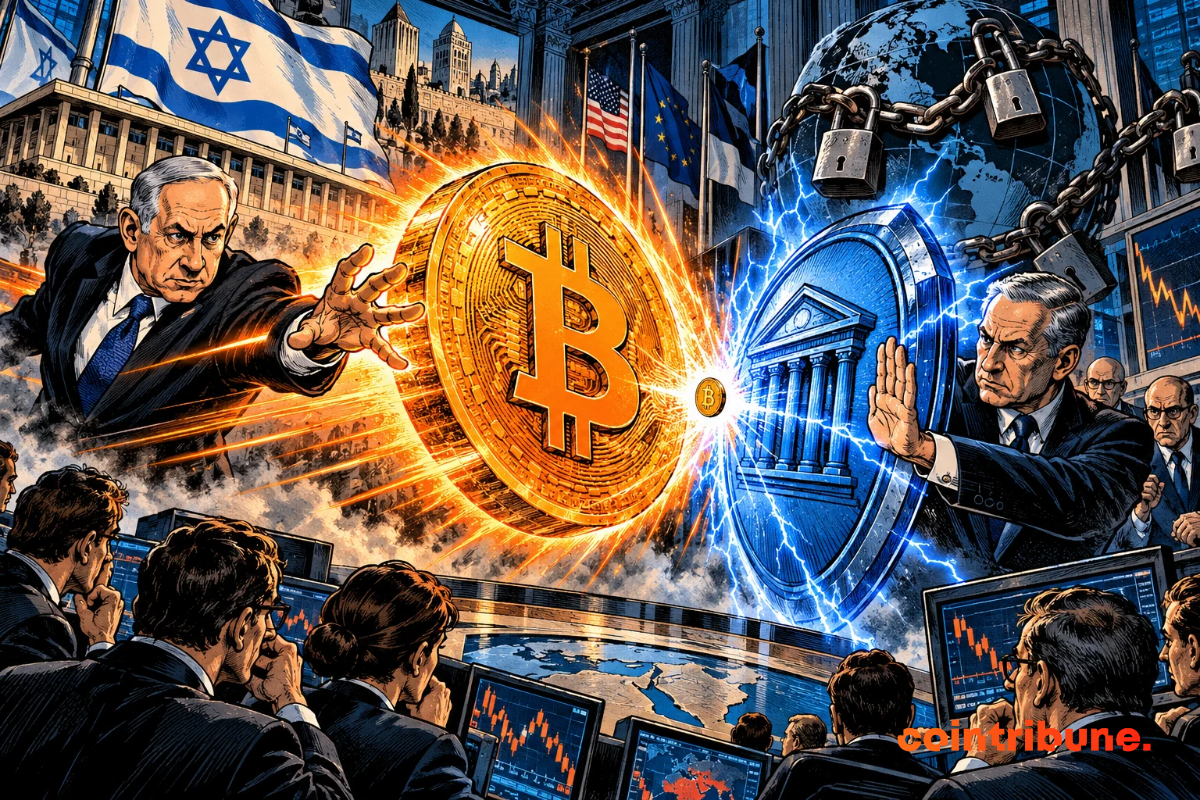
The Bank of Israel has just publicly rejected Benyamin Netanyahu's crypto project. On October 24, the institution stated that cryptocurrencies would not allow the country to circumvent possible international financial sanctions. The Prime Minister had nevertheless requested the preparation of a system based on blockchain. More than 100 economists also denounce this proposal, which comes just days before the Israeli legislative elections on October 27.
Mon 26 Oct 2026 ▪
4 min read
▪
by
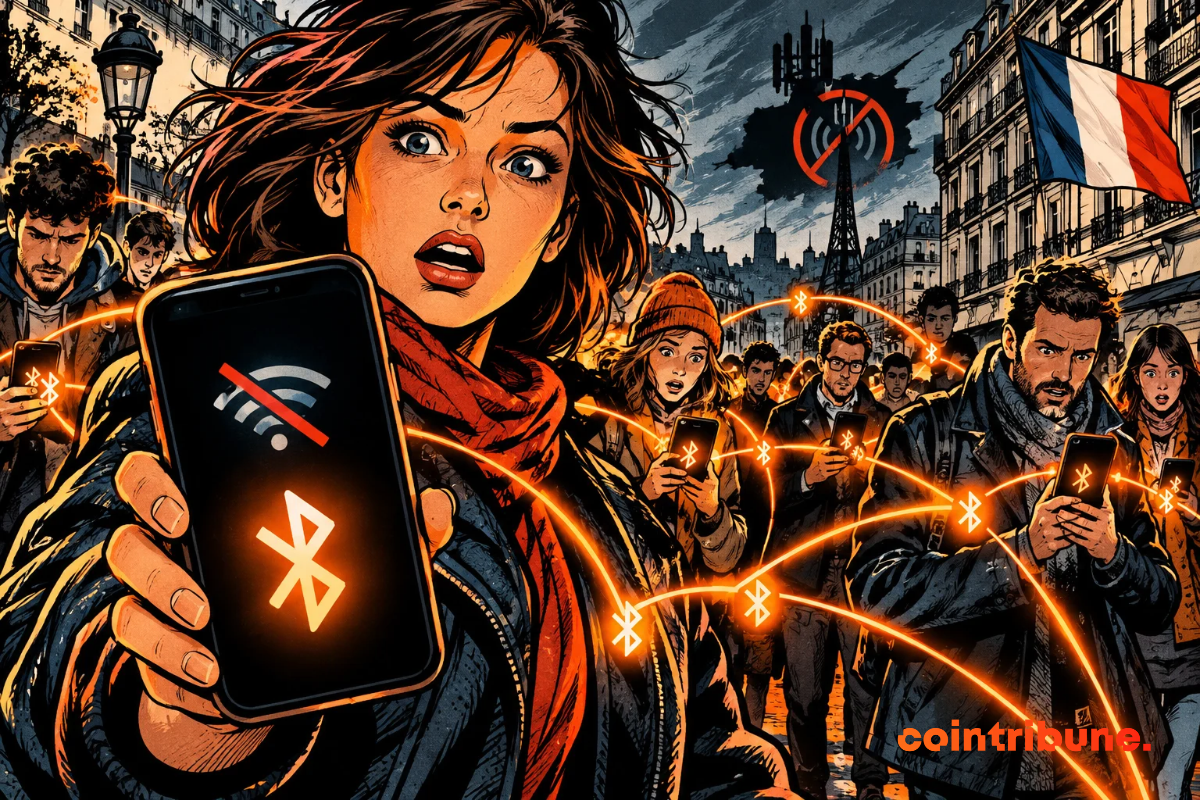
Bitchat, Jack Dorsey’s Bluetooth messaging app, dominates the French App Store. What the rankings say, what the app can do, and what remains to be verified.
Mon 26 Oct 2026 ▪
7 min read
▪
by
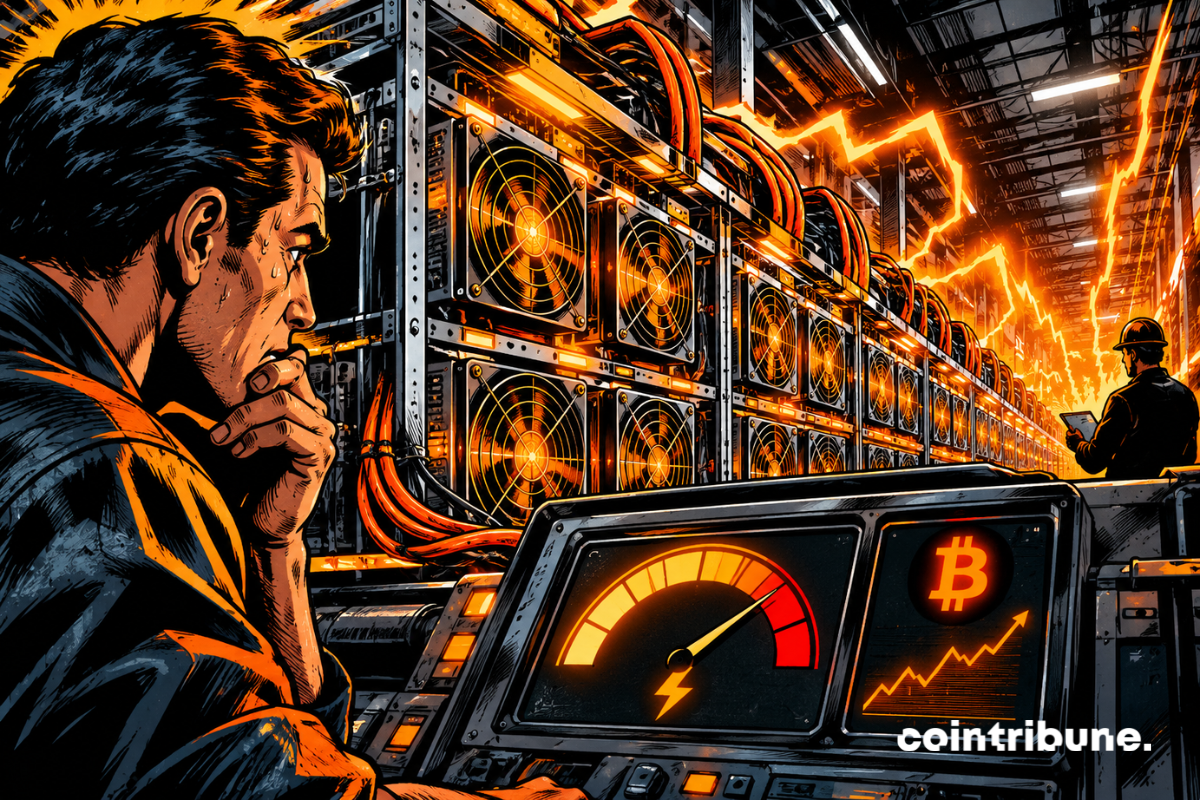
The Bitcoin network regains computing power above 1 zettahash per second after several months below this threshold. This recovery occurs as several major mining companies redirect their investments towards artificial intelligence and high-performance computing. Yet, mining revenues are decreasing while the network difficulty is increasing. Between more efficient hardware, increased competition, and weakened margins, miners now have to maintain their activity in a more demanding economic environment.
Mon 26 Oct 2026 ▪
5 min read
▪
by
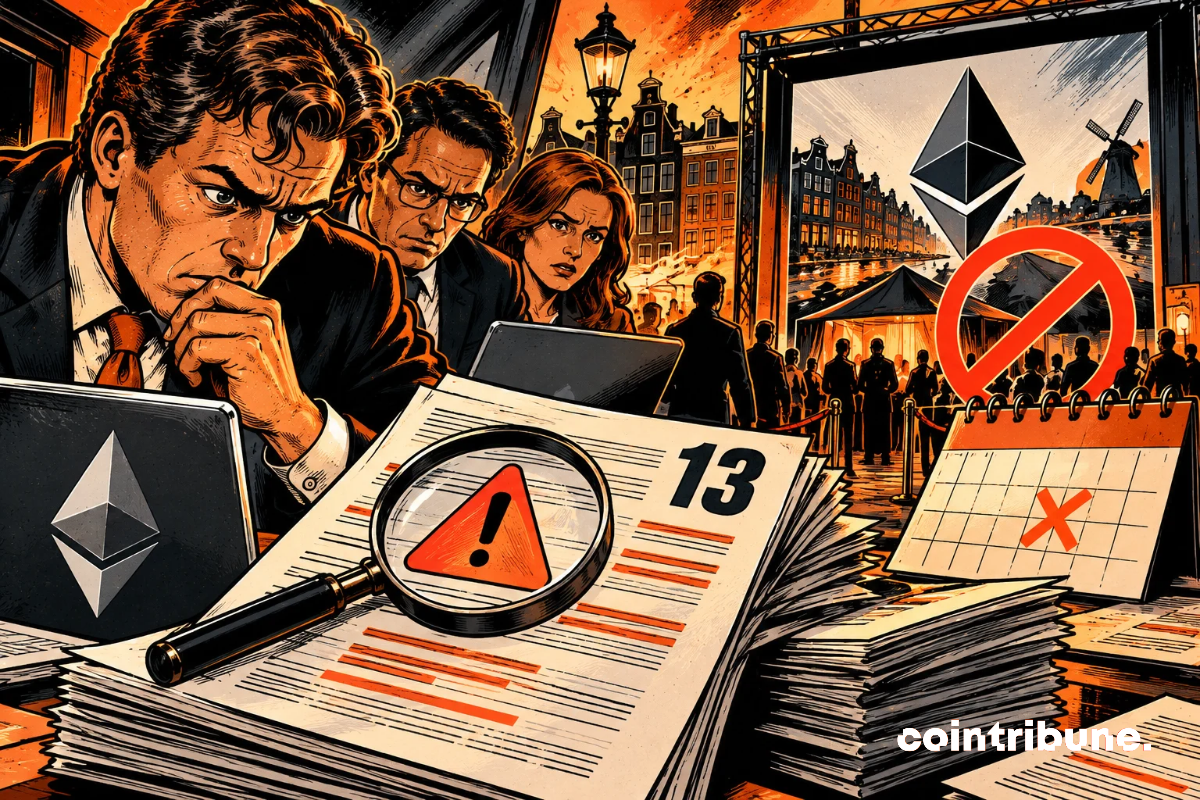
Ethereum researchers are now using artificial intelligence agents to analyze the unexpected effects of Glamsterdam on existing contracts. This initiative comes after the postponement of the planned test on Hoodi, but it does not mean that the issue is already resolved.

Mon 26 Oct 2026 ▪
4 min read
▪
by
A Bitquery study reveals a significant gap between the gains displayed on Pump.fun and the profits actually derived from trading. Out of 752.5 million dollars analyzed, only 193.9 million come from purchases followed by sales. The rest is mainly explained by token transfers and suspicious operations.
Sun 25 Oct 2026 ▪
5 min read
▪
by
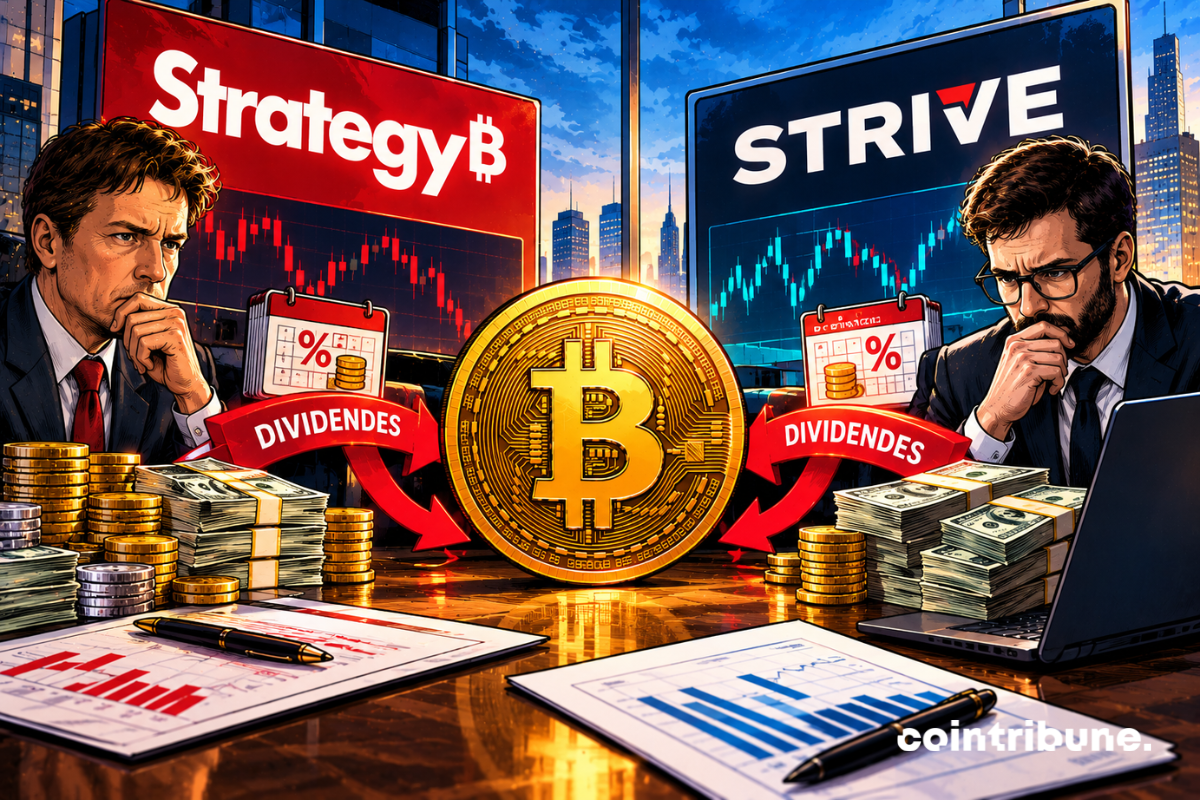
The bitcoin market also evolves according to the financing choices of companies that accumulate it. Strategy and Strive use preferred shares to attract investors seeking regular income. However, the dividends associated with these securities create recurring expenses that limit their purchasing capacity. Between cryptocurrency acquisitions, share buybacks, and cash reserves, these companies must now find a financial balance to continue their strategy without weakening their commitments.

Sun 25 Oct 2026 ▪
5 min read
▪
by
Bitcoin begins a decisive week around 80000 dollars. It simultaneously concentrates the average purchase price of corporate treasuries, significant coverage in the options market, and the last technical defense before a deeper decline zone.
Sun 25 Oct 2026 ▪
5 min read
▪
by
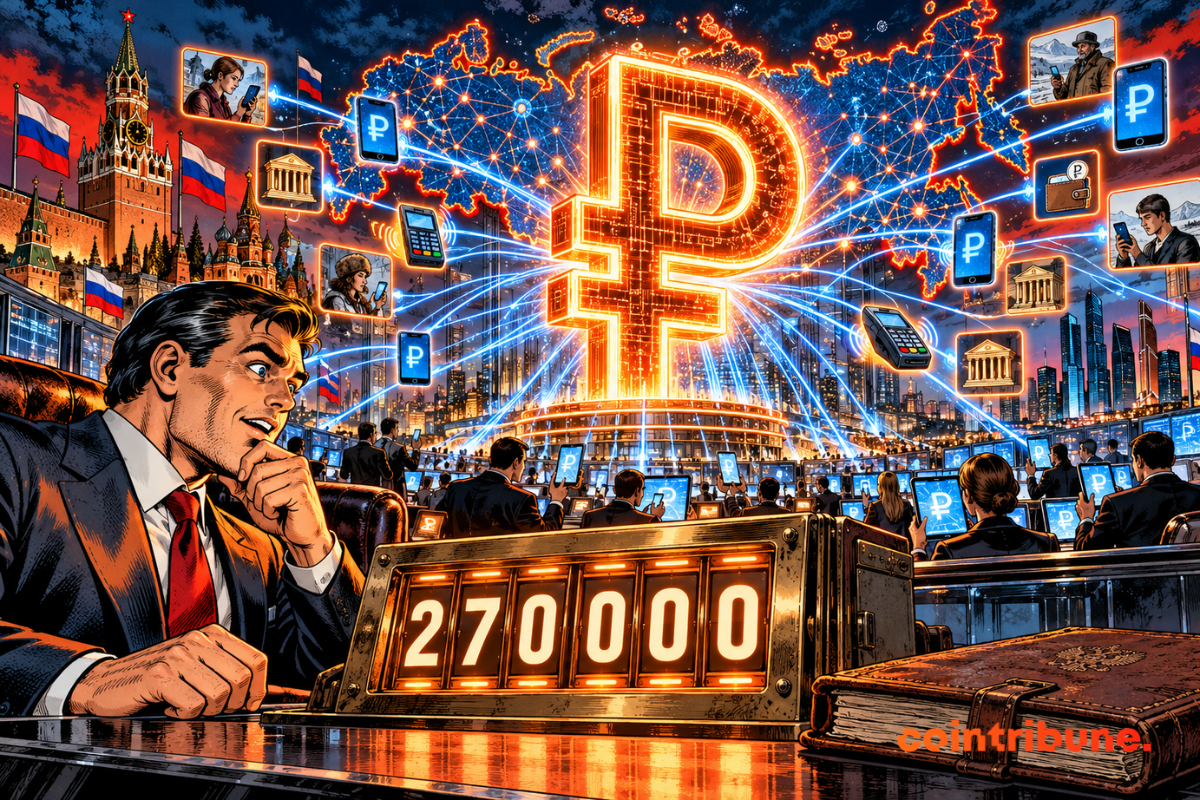
Russia now has 270,000 accounts in digital rubles, less than two months after the national launch of its central bank digital currency (CBDC). Elvira Nabiullina revealed this figure on October 23, specifying that demand exceeded expectations. Moscow is already preparing new services, including recurring payments from November and offline transactions in 2027. However, the number of actually active users remains unknown.
Sun 25 Oct 2026 ▪
12 min read
▪
by
On 3 September 2026, OpenAI launched GPT-6 Astra and its president Greg Brockman closed the presentation with "Welcome to the AGI era." The same day, ARC Prize, the organization that runs the ARC-AGI-3 test, measured the model at 99.9% in its best configuration, against 30% for the previous top score. Within seven weeks, Google answered with Gemini 4 Argon, Anthropic with Claude Fable 5.1 and Opus 5.5, Mistral with a 1-trillion-parameter model, and Qubic published a score obtained without a single graphics card. This comparison ranks seven systems on what can be checked: published scores, prices, openness, compute and governance.
Sun 25 Oct 2026 ▪
5 min read
▪
by
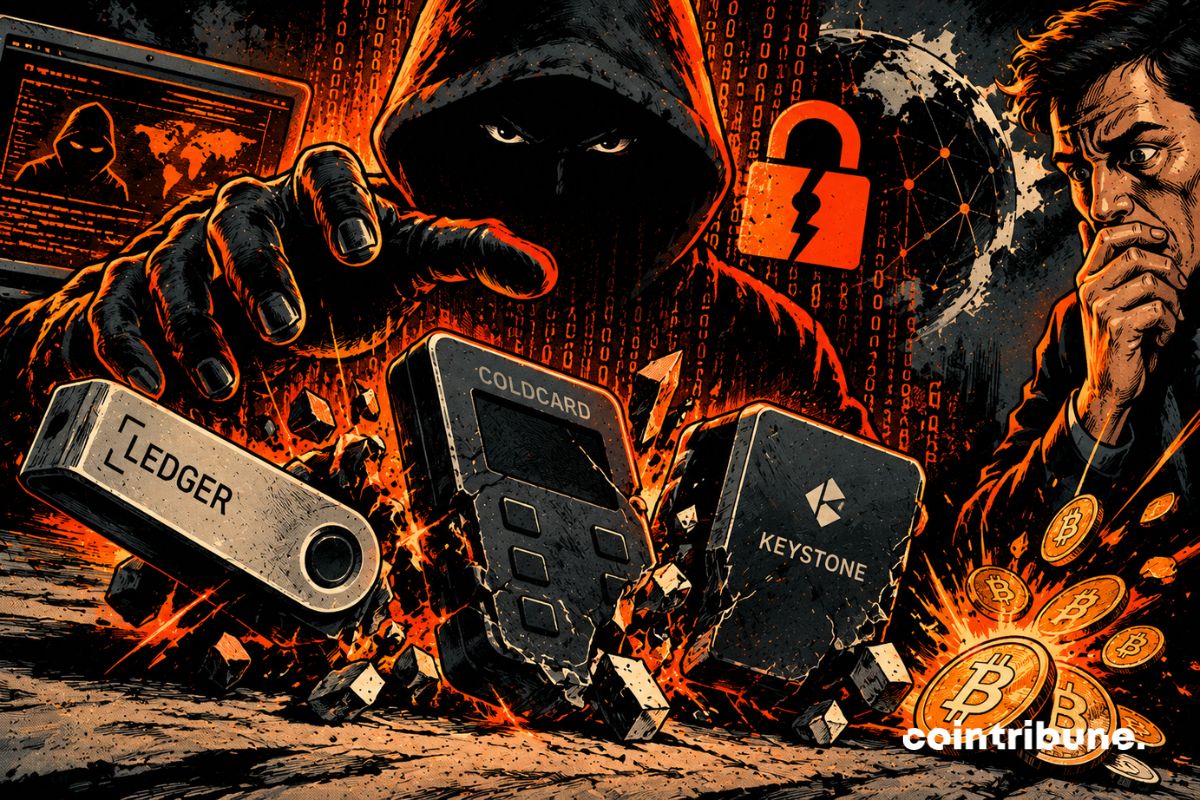
After the alert on the Keystone site leak on October 24, six major cold wallet brands have now been hit by hardware flaws or data breaches in 2026. An unprecedented crisis of confidence is shaking the crypto ecosystem.
The leader in blockchain news, CoinTribune is an independent media outlet, not linked to any blockchain or crypto asset based project or advising, audit, fund management entity. We strive for the highest objective journalistic standards in French, English and Spanish focusing on alternative investments such as blockchain projects and crypto assets.
Request my coaching
Recherche
Subscribe to newsletter
Contact us