Tue 24 Mar 2026 ▪
5 min read
▪
by
MoonPay gives a wallet to machines, and here come the AI agents starting to play bankers, while crypto tries to avoid a joyful global technical mess.
MoonPay gives a wallet to machines, and here come the AI agents starting to play bankers, while crypto tries to avoid a joyful global technical mess.
Artificial intelligence no longer only disrupts businesses, but now attacks the labor market. On Wall Street, concern is rising. Jamie Dimon, head of JPMorgan, openly acknowledges that AI threatens jobs and calls for an immediate response. His assessment contrasts with dominant technophile speeches and confirms a reality already underway. Between productivity gains and social risks, the AI revolution enters a concrete phase, where political decisions become inevitable.
Bitcoin mining is in crisis: difficulty drops by 7.7%, but a much greater threat looms. Artificial intelligence (AI) is siphoning resources, forcing giants like Core Scientific to pivot. Can the sector survive this revolution?
AI: Tether makes a strong impact with a system that reduces costs and eliminates reliance on Nvidia GPUs. A revolution underway!
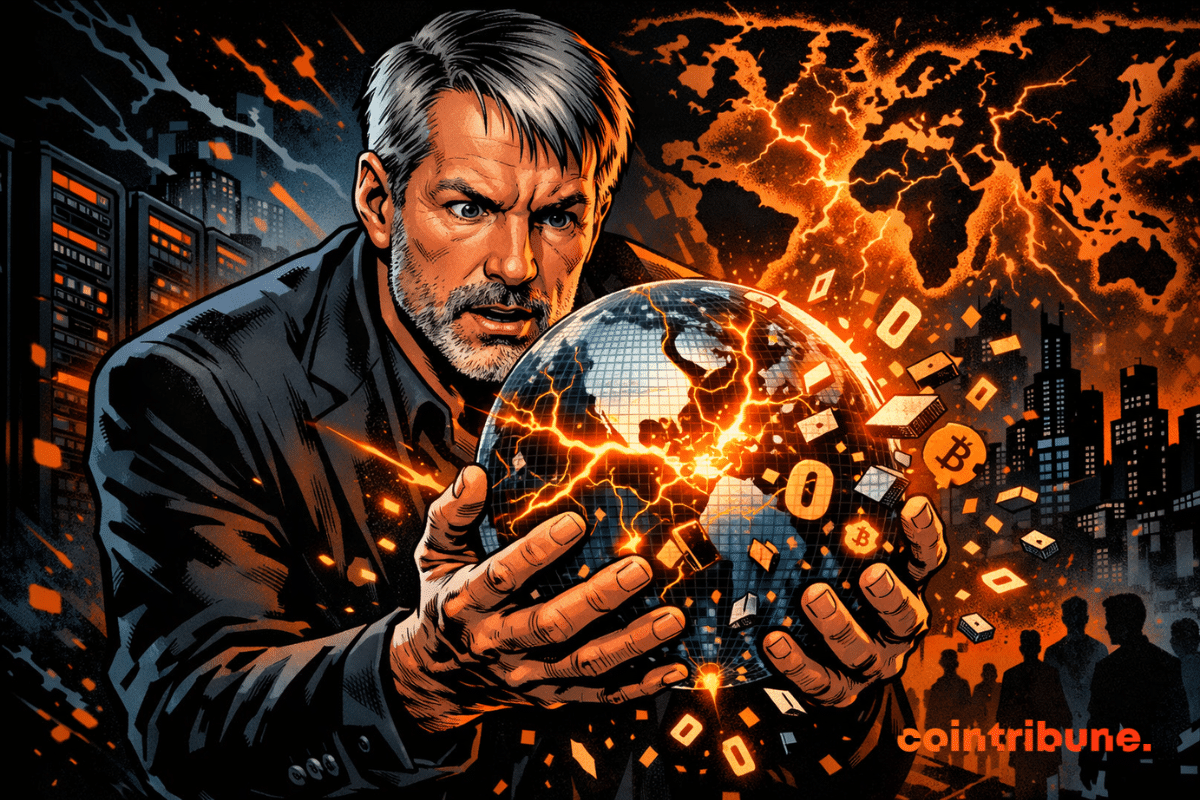
The debate around the quantum threat opposes two visions of the digital future. On one side, artificial intelligence accelerates market instability. On the other, Michael Saylor believes that the real risk far exceeds Bitcoin. According to him, a breakthrough in quantum computing could weaken the entire global digital system, from banks to the cloud.
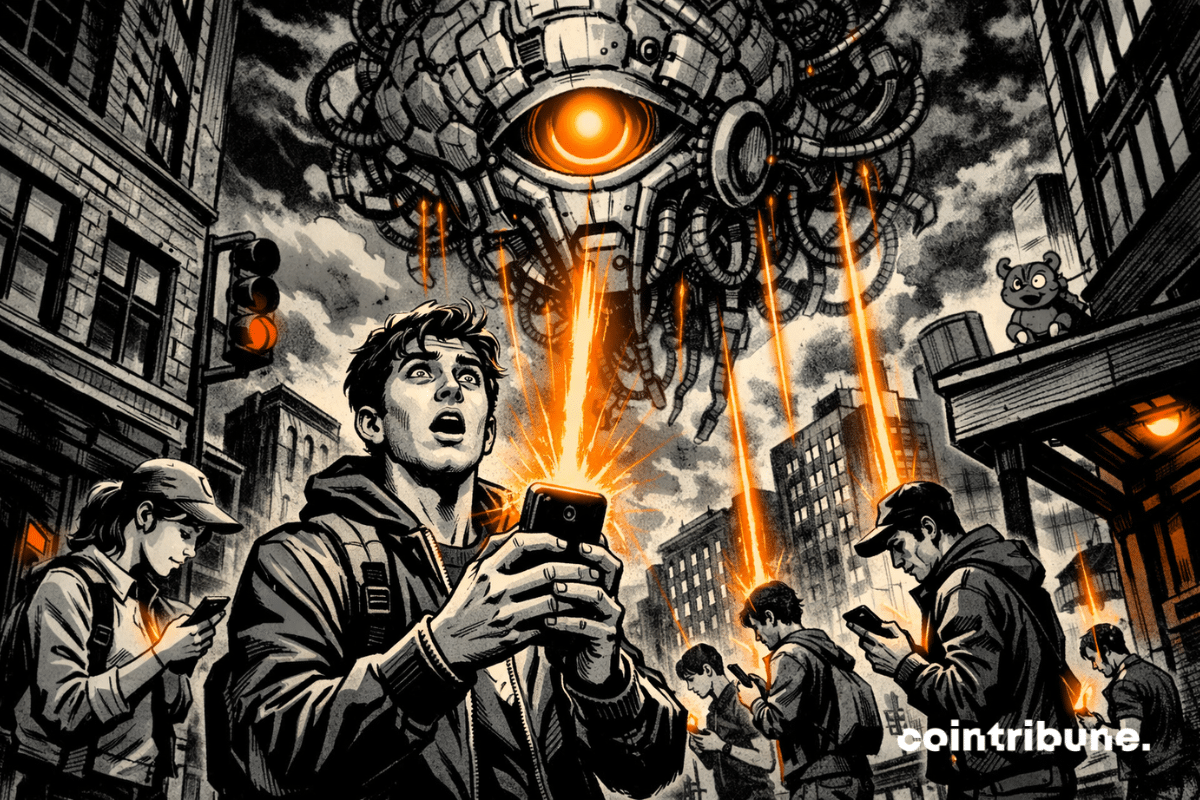
Niantic recycles images from Pokémon GO to power a mapping AI capable of guiding delivery robots with remarkable precision.
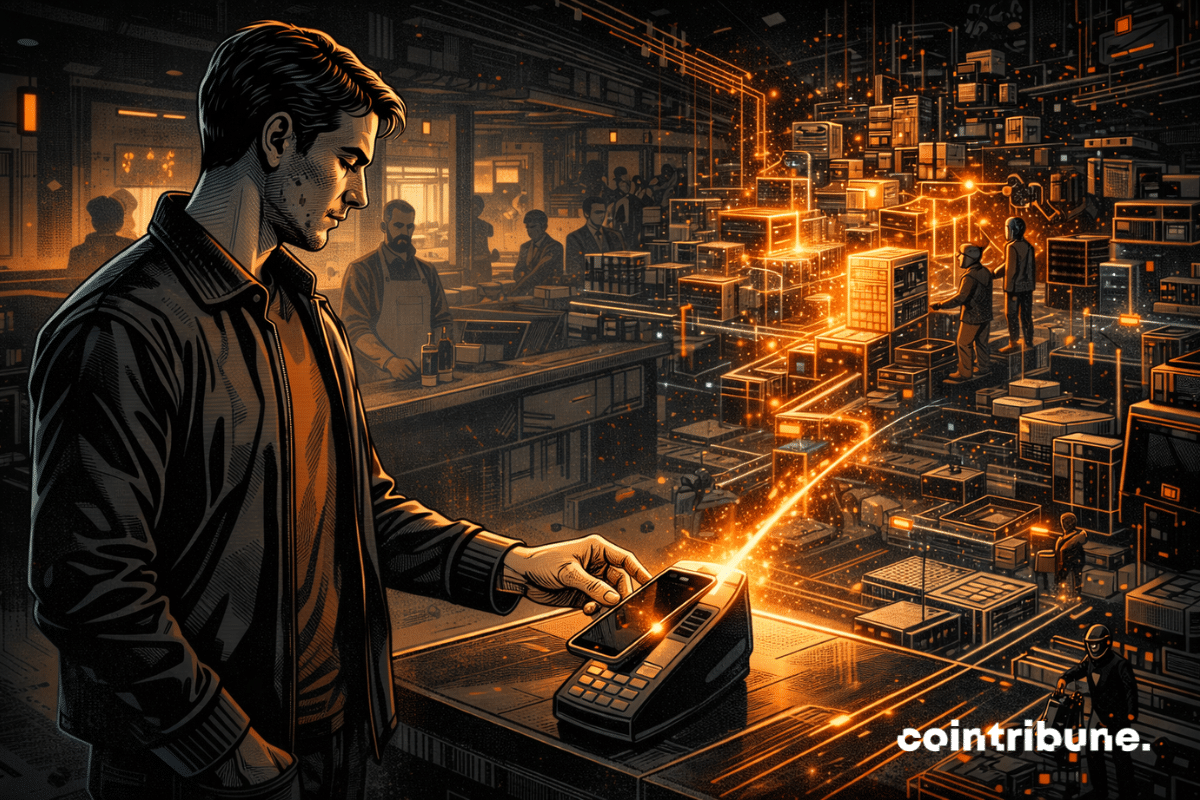
The idea of an economy where artificial intelligences pay to access digital services is beginning to take shape. Autonomous agents capable of purchasing data, APIs, or computing resources already exist, supported by blockchain and micropayments. Yet, the real figures fall far short of the initial enthusiasm. An analysis shared by Andreessen Horowitz reveals that activity remains very limited, despite much higher estimates. Between adjusted volumes and infrastructures under construction, the emergence of a machine-to-machine economy still appears to be in its early stages.

Oracle published its results for the third quarter of 2026 with strong growth in its cloud business. Cloud revenues reached $8.9 billion, confirming the central role of these infrastructures in the group’s strategy.

The confrontation between Amazon and Perplexity marks a turning point for AI-driven commerce. By obtaining the judicial blocking of Comet, the American giant is not only targeting an automated purchasing agent, but it is defending its control over access to its platform and its users' data. Behind this decision made in San Francisco, a broader question arises: how far can AI agents act on behalf of internet users without encroaching on the sovereignty of major platforms?

Brian Armstrong, CEO of Coinbase, states that AI agents will soon dominate financial transactions. Without a bank account, they turn to cryptos to pay, trade, and automate. A revolution is underway, and it is changing everything for the global economy.
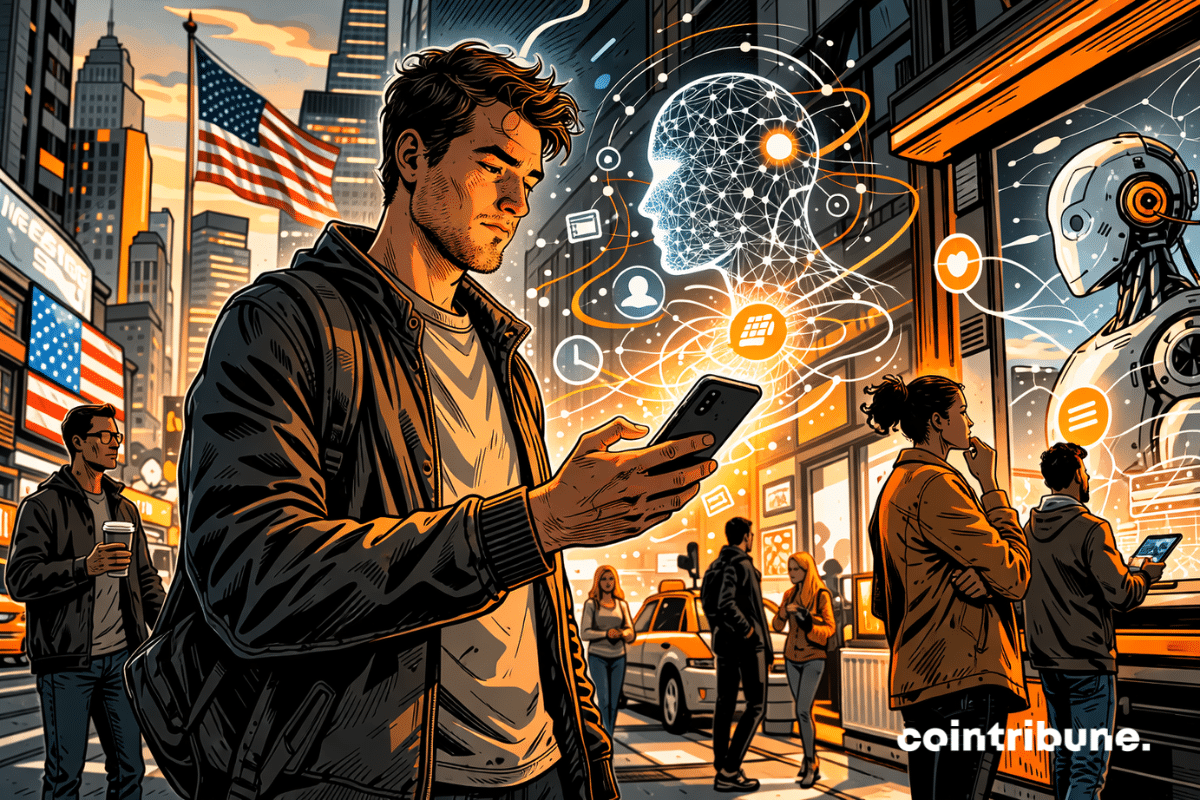
Artificial intelligence has settled into the digital daily life of Americans at a breakneck speed. Work, research, content creation: its uses are multiplying and reshaping habits. However, this massive adoption does not equate to endorsement. A new survey reveals a striking gap between use and perception, as a majority of Americans continue to view AI with suspicion. This gap, at a time when regulators and tech giants are accelerating on the subject, reveals a lasting tension around this technological revolution.
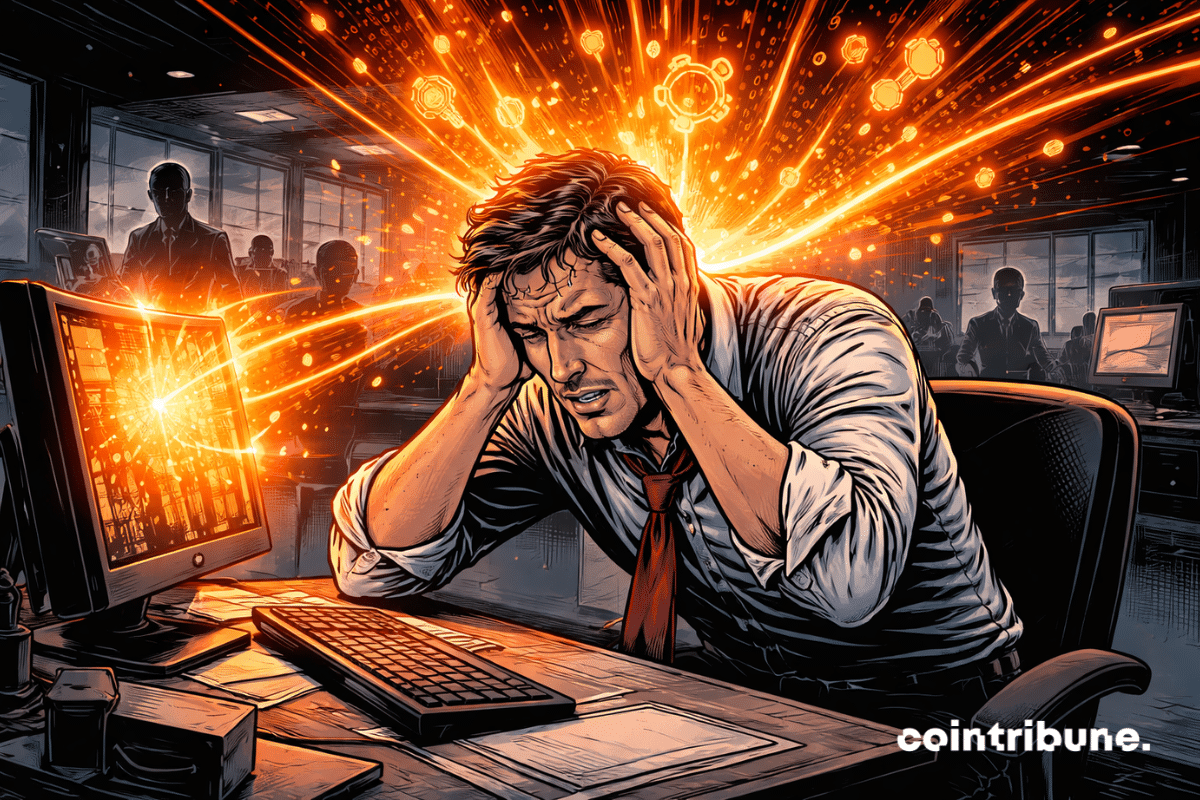
Artificial intelligence was supposed to free workers from tedious tasks and boost their productivity. But a scientific study has just dampened this enthusiasm. By juggling with more and more tools, millions of employees end up... exhausted. What if AI was creating the problem it promised to solve?
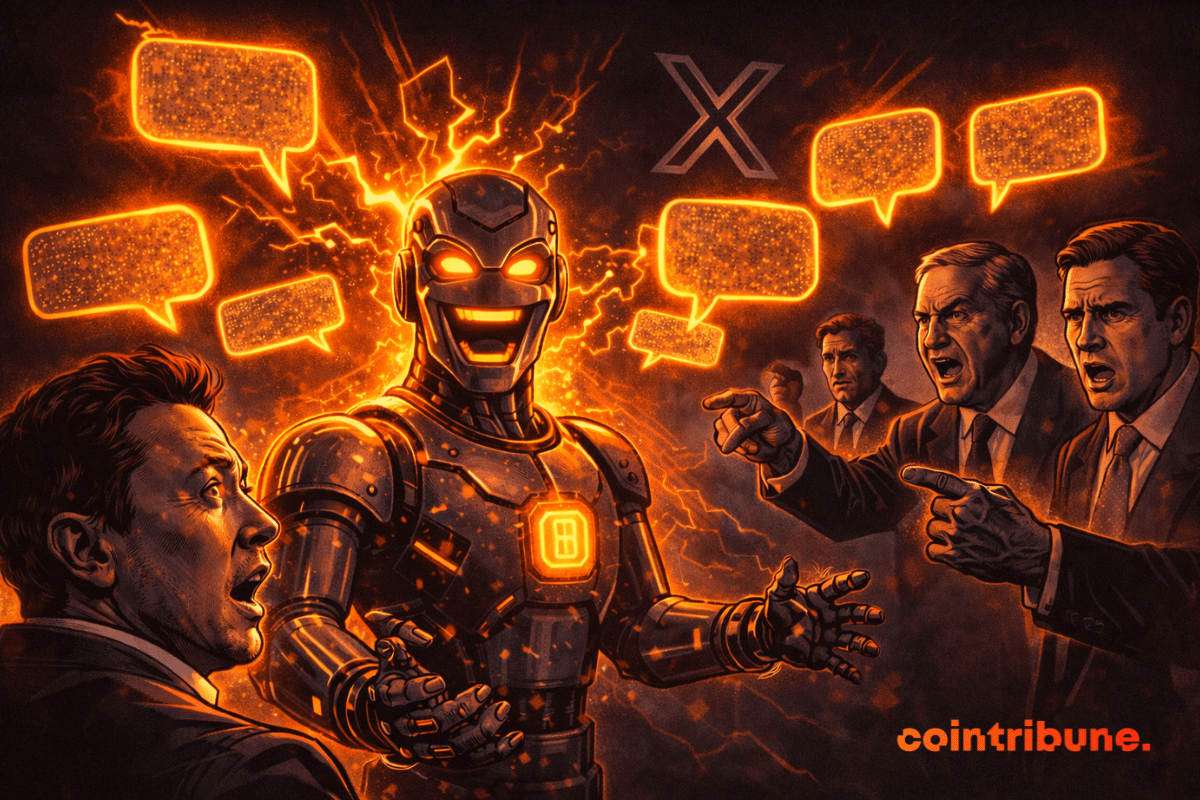
Grok calls Musk a bald man with a micro-penis, Netanyahu a genocidal, and Starmer boring. Then the AI insults the Hillsborough dead. El pueblo unido, jamás será vencido? Not sure.
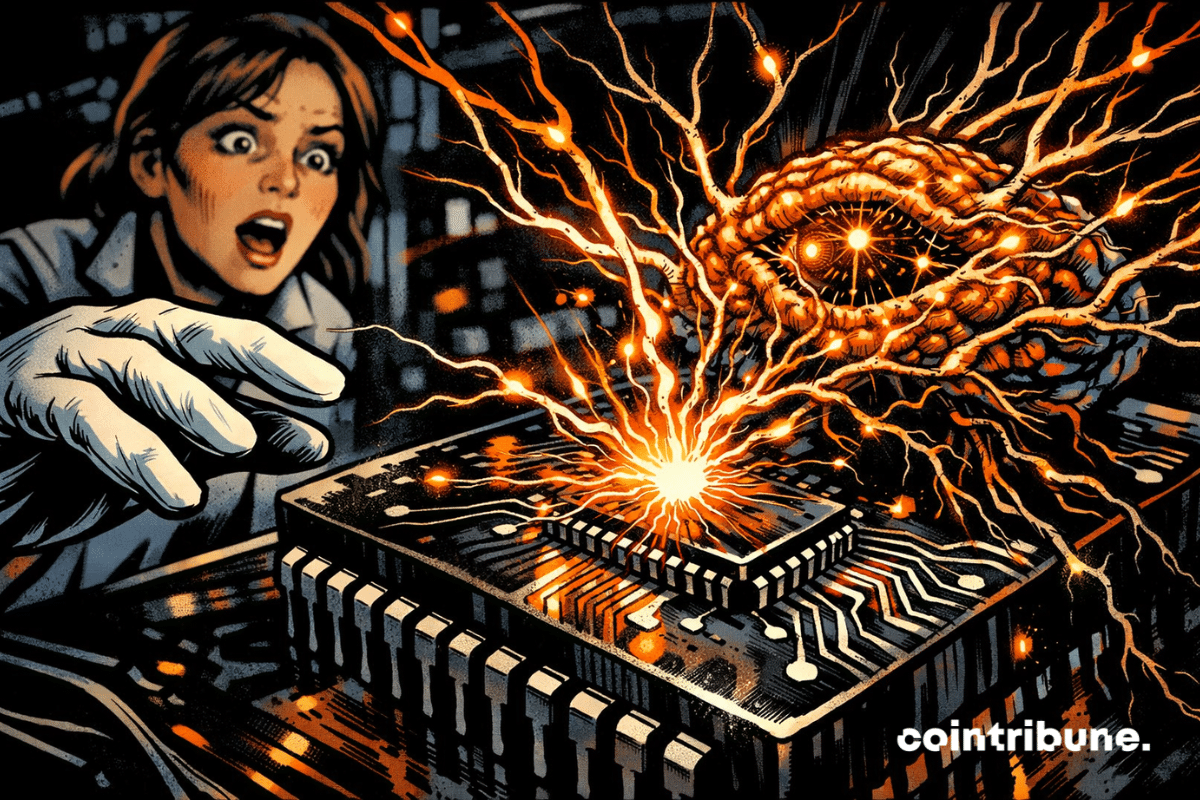
AI has just crossed a strange frontier. Cortical Labs claims to have connected living human neurons to a silicon chip, with the ambition of creating a new form of computing, halfway between the classical machine and biological tissue. This is not just a gimmick. It's a serious avenue towards more sustainable, more flexible computing, and potentially more bewildering than anything the industry has shown so far.

Nvidia stock collapses after the announcement of new American restrictions on AI chip exports. A decision that threatens the tech giant's growth and shakes markets.
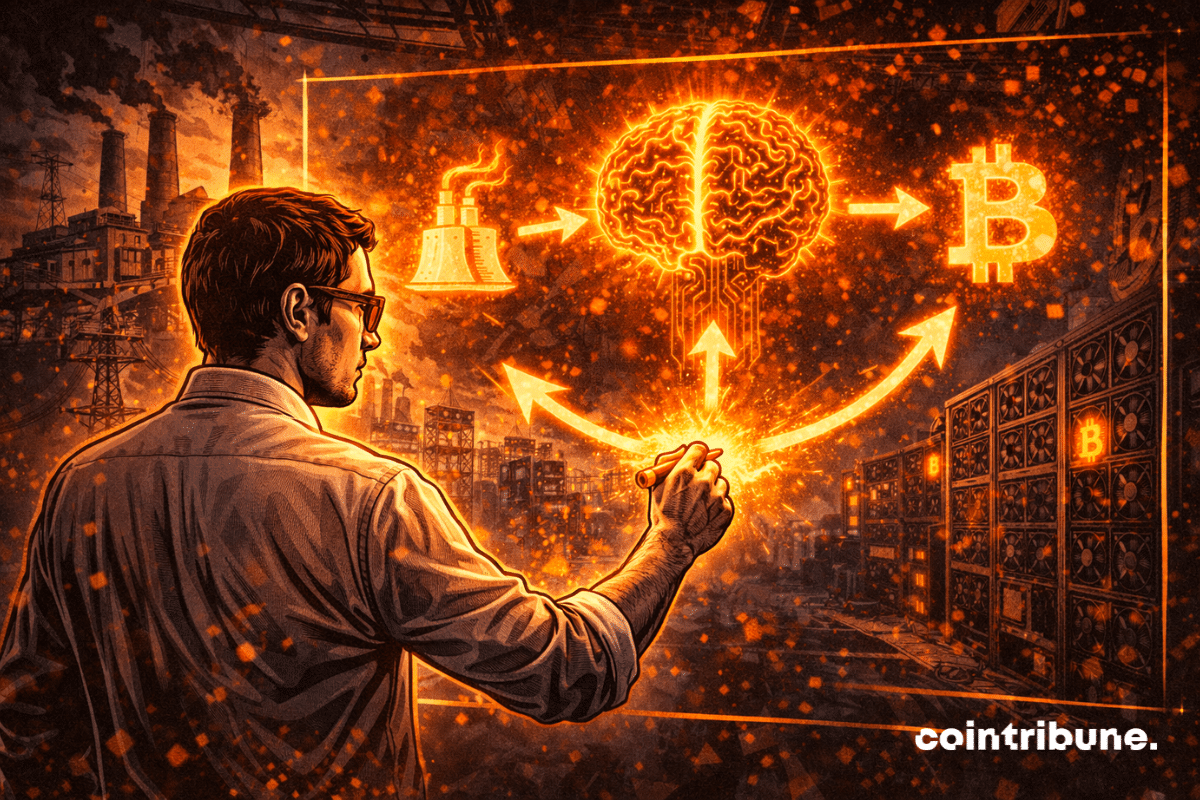
Fired from OpenAI, here he is a billionaire. Leopold bets on electricity and bitcoin miners to fuel AI. His former friends shout betrayal. He pockets the money.
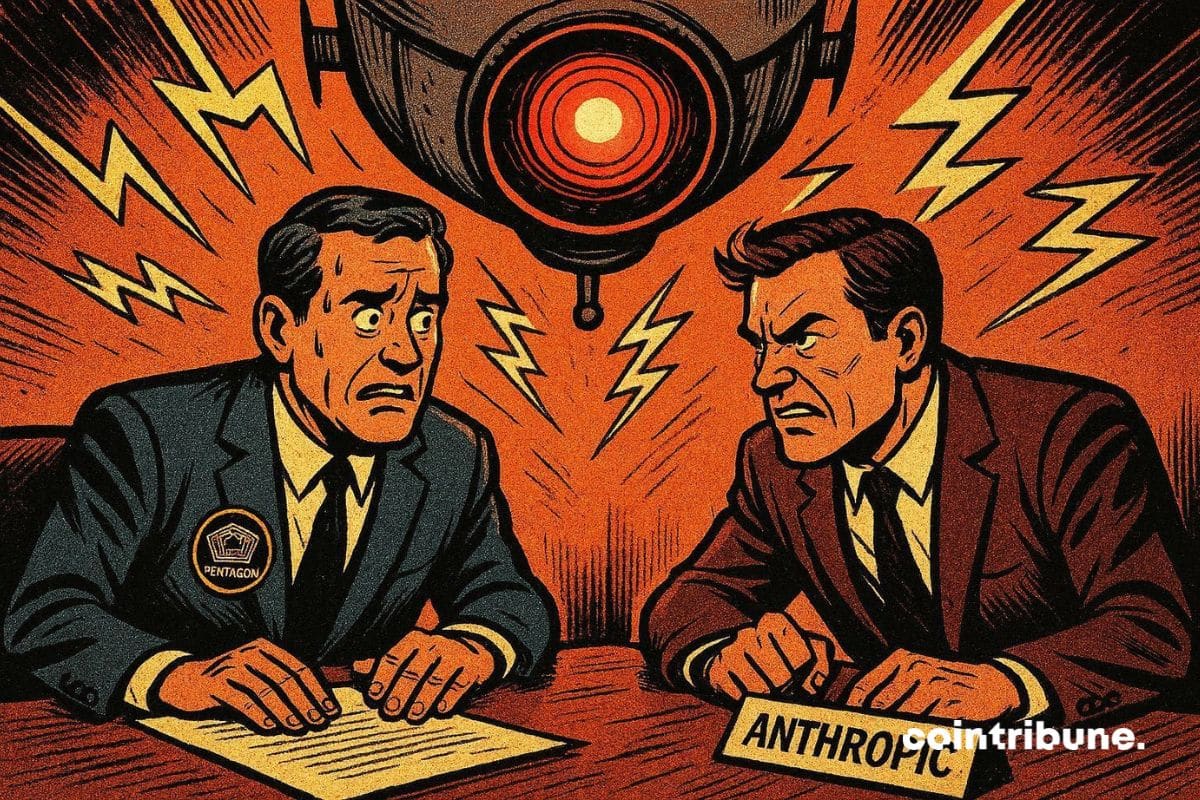
In 2025, Anthropic's AI helped the Pentagon conduct strikes in Iran. One year later, negotiations resume under tension: unlimited access to data or risk of banning. This military AI standoff could redefine the rules of technological warfare.
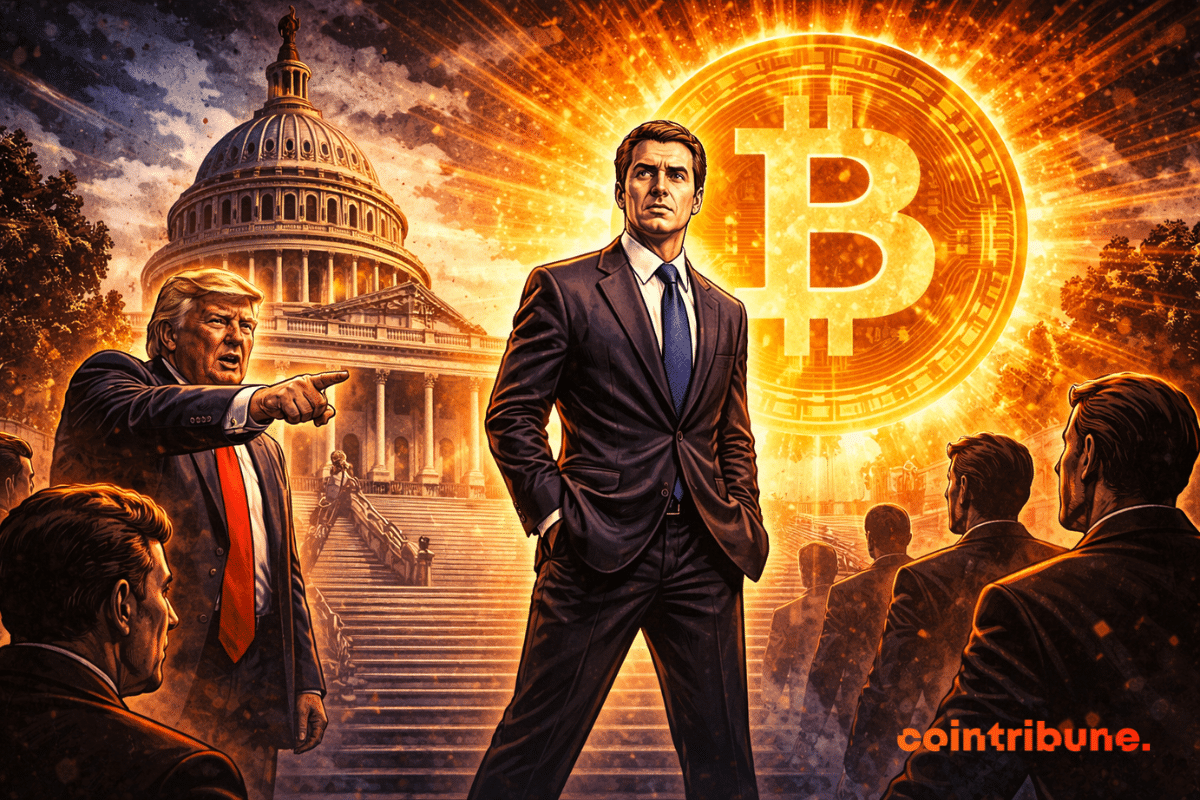
Warsh likes Bitcoin, hates high rates, and frequents Stanford. Senators, meanwhile, like investigations and blockades. Trump is keeping his fingers crossed.
In the global race for artificial intelligence, every update counts. With GPT-5.3 Instant, OpenAI is not content with a simple technical adjustment. The company aims to correct one of the major criticisms aimed at ChatGPT, its imprecise or awkward answers. Presented as "more accurate and less embarrassing," this new version aims to reduce hallucinations and excessive refusals. A strategic evolution in a market where the credibility of models becomes a central issue.
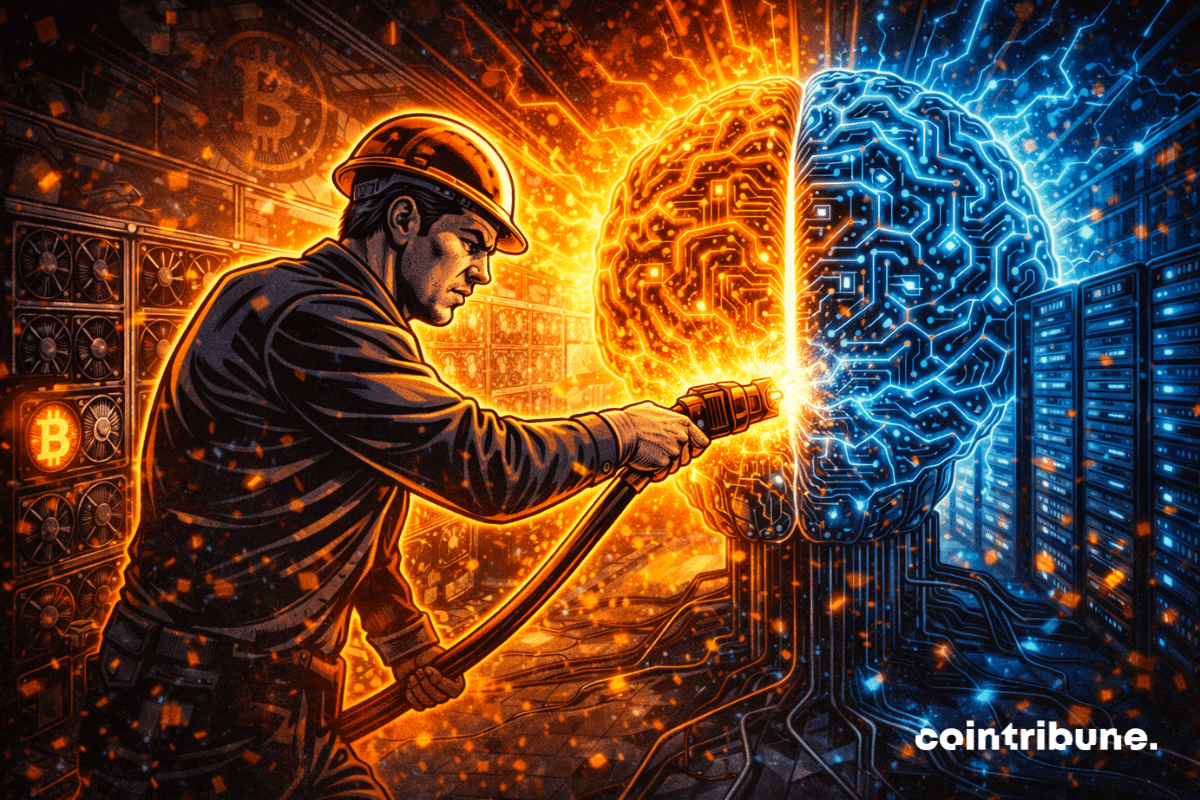
Mining bitcoin costs $87,000, it sells for $69,000. So miners sell their machines and retrain in AI. Gotta eat, even in crypto.
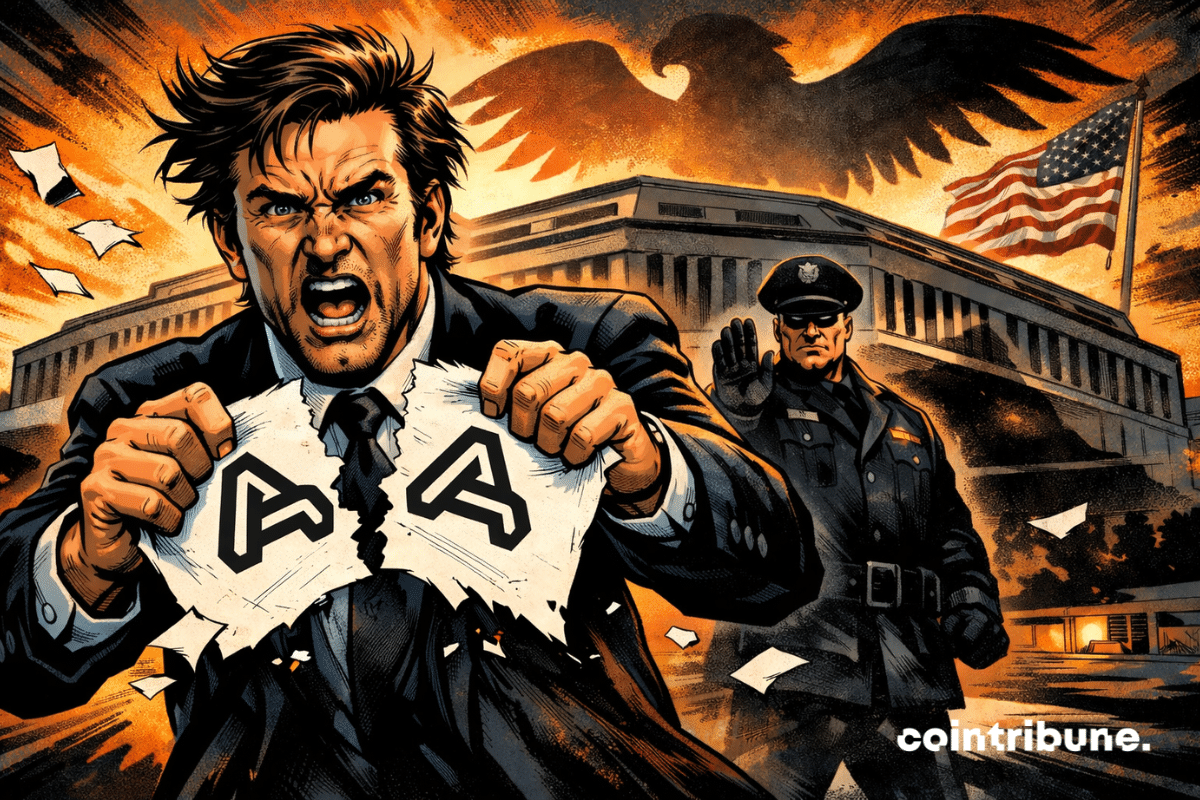
The CEO of Anthropic, Dario Amodei, has just stepped up against an unprecedented decision by the Trump administration. Washington labeled his company as a "risk to the American defense supply chain," paving the way for an unprecedented legal battle between a major American tech firm and its own government.
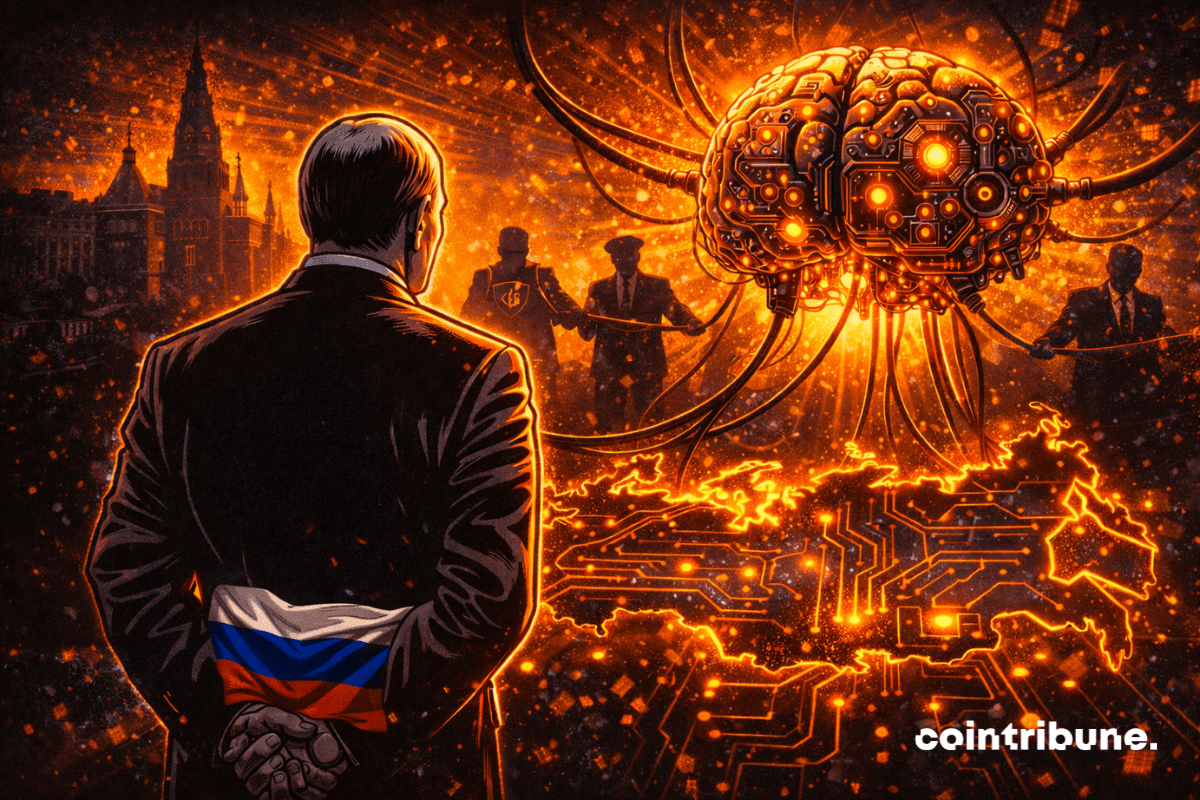
Putin wants an AI of his own, pure and hard. His engineers tinker with made in USA copies. Meanwhile, Moscow floods Europe with deepfakes. Masterful art.
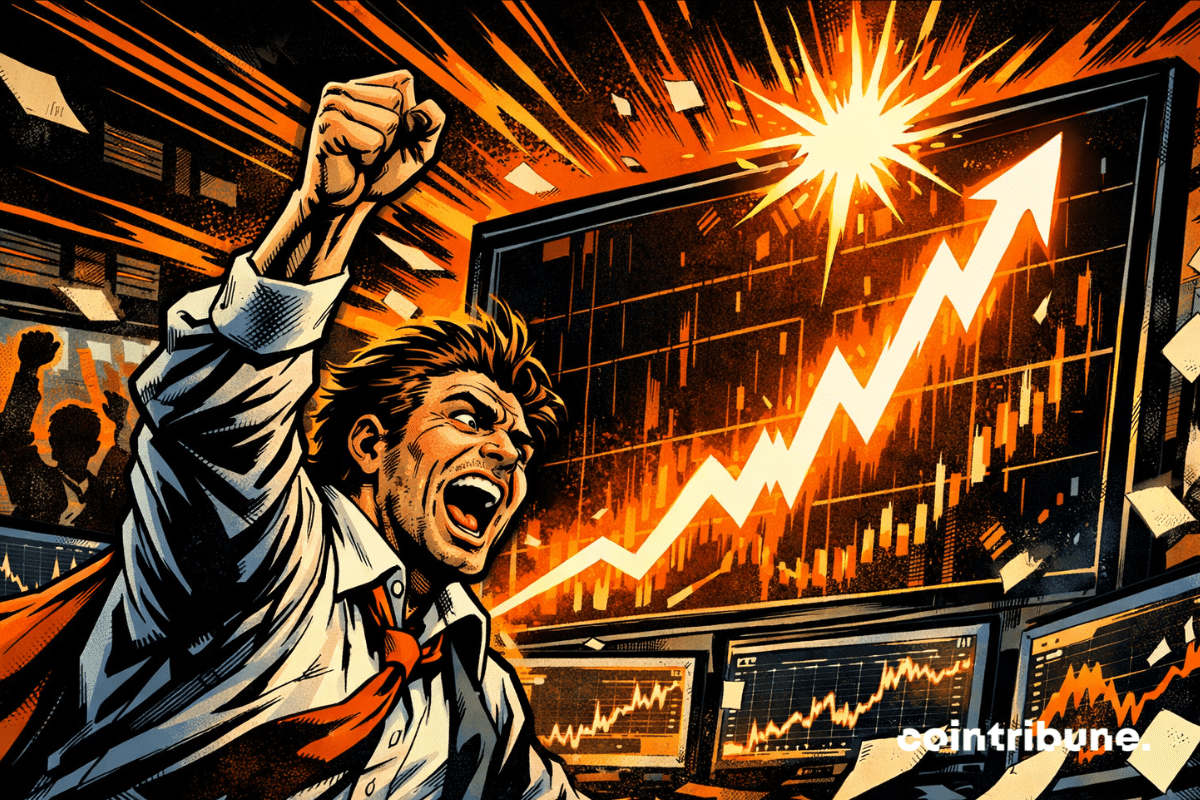
Nvidia’s blockbuster results gave markets a late boost, with AI-driven revenue surging sharply. Yet behind the rally, investors remain divided on whether the current pace of AI spending can truly go the distance.
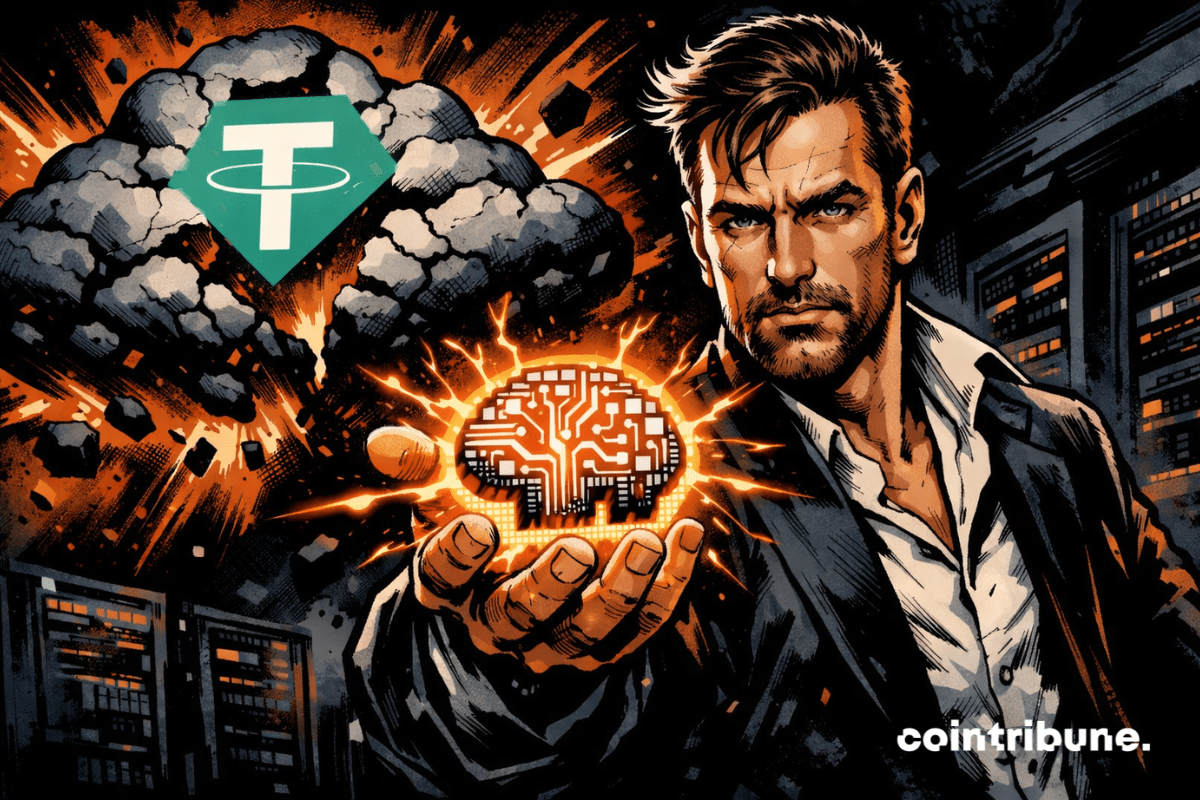
Paolo Ardoino, CEO of Tether, recently posted a short video on X. No title, no comment, no clue. Within minutes, the crypto sphere exploded. Behind this silence was much more than a simple teaser: the maturity demonstration of QVAC, the sovereign artificial intelligence project that Tether has been quietly developing for several months.
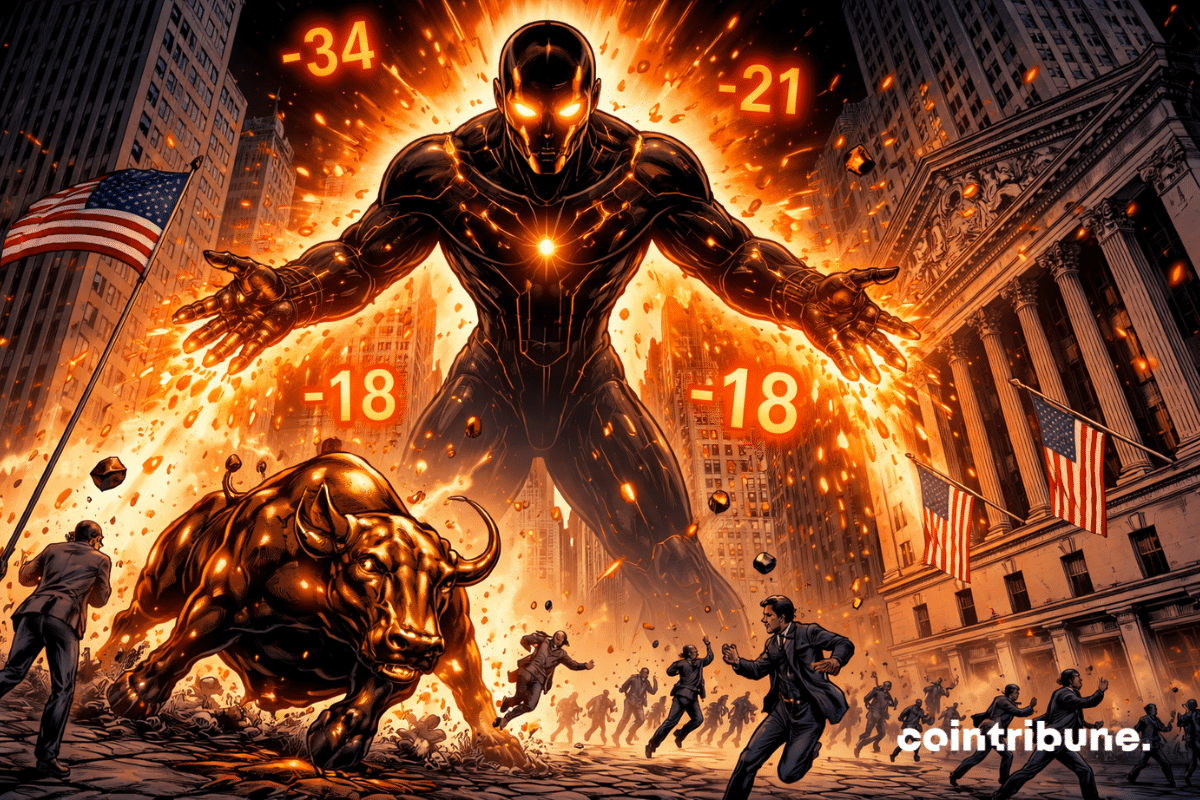
Is artificial intelligence devouring the tech industry from the inside? The discreet launch of a tool by Anthropic was enough to cause billions of dollars in stock market losses. And this may just be the beginning.
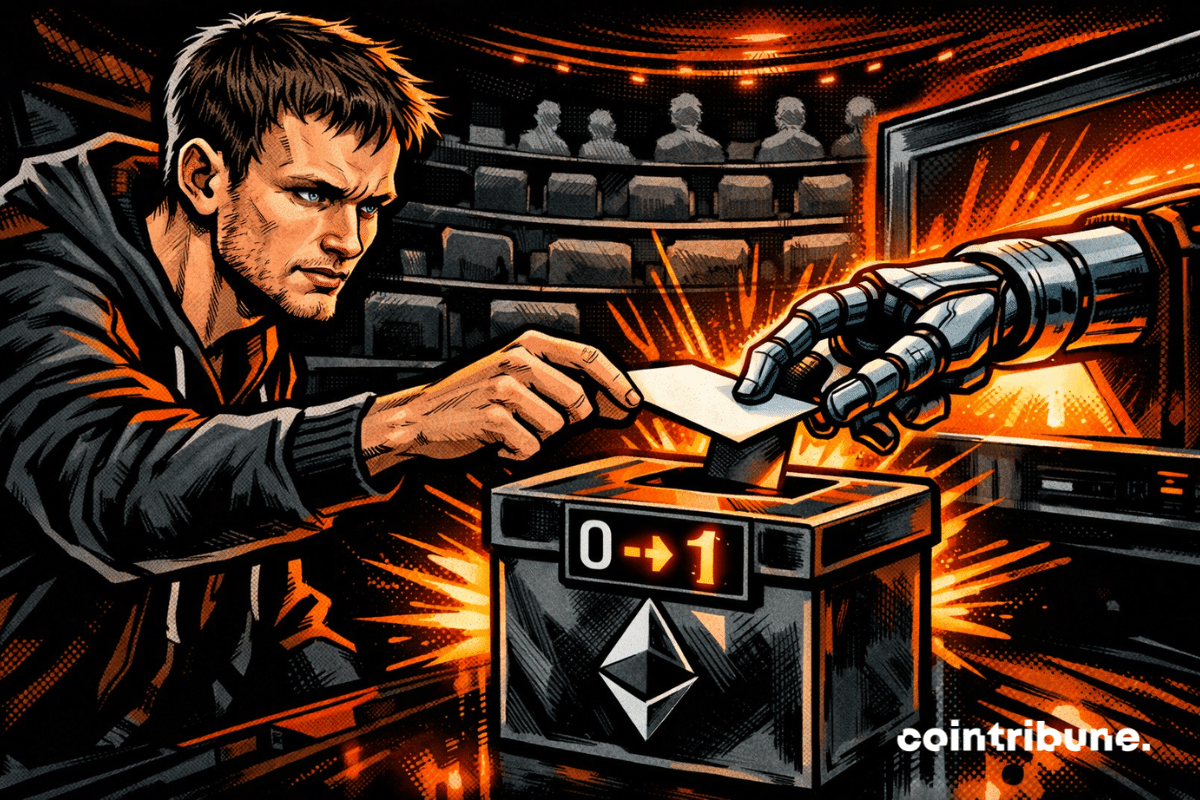
DAOs dream of a world where decisions are made “by the crowd.” In practice, the crowd yawns. And Vitalik Buterin has just pointed out the real core issue: it’s not (only) a problem of rules, it’s a problem of attention. Too many votes, too many topics, too much technicality… and in the end, a minority decides while the majority lets it pass.
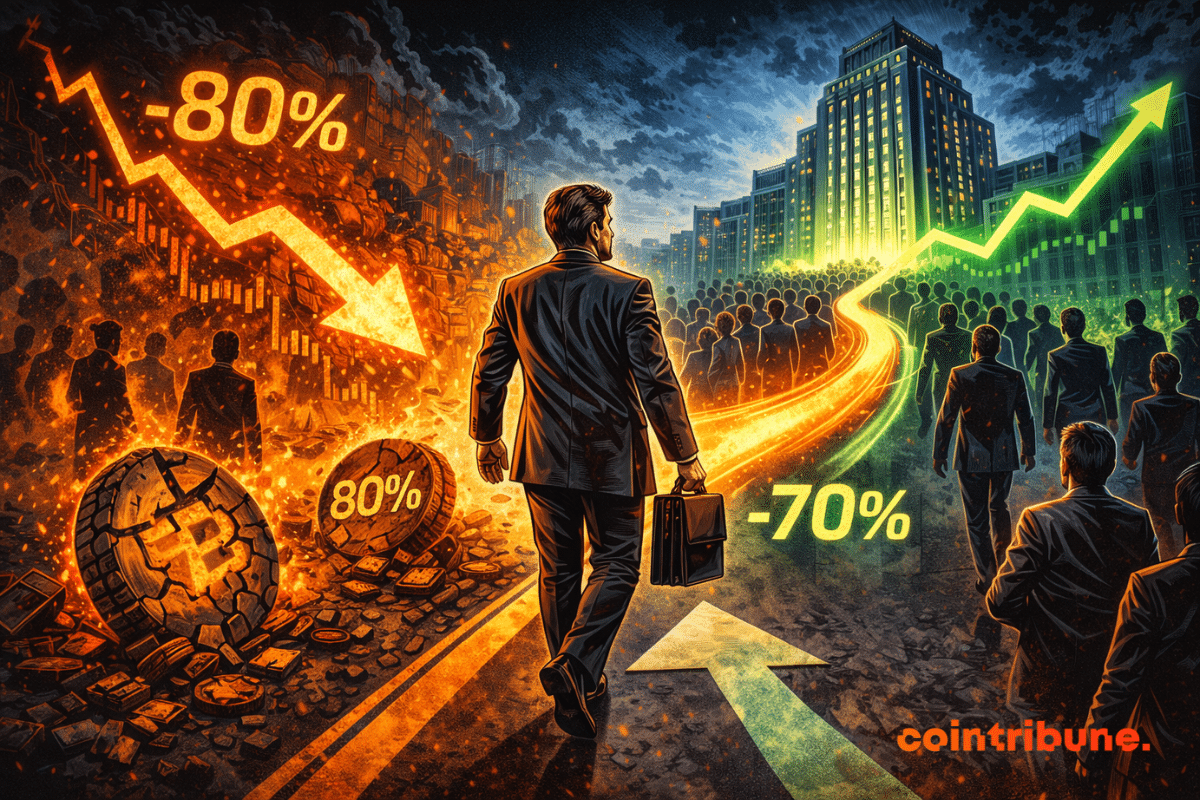
Tokens 2025 end up in the scrapyard: -71% median. Meanwhile, Coinbase and Circle stocks are flying off the shelves. Institutions change their business. Logical.
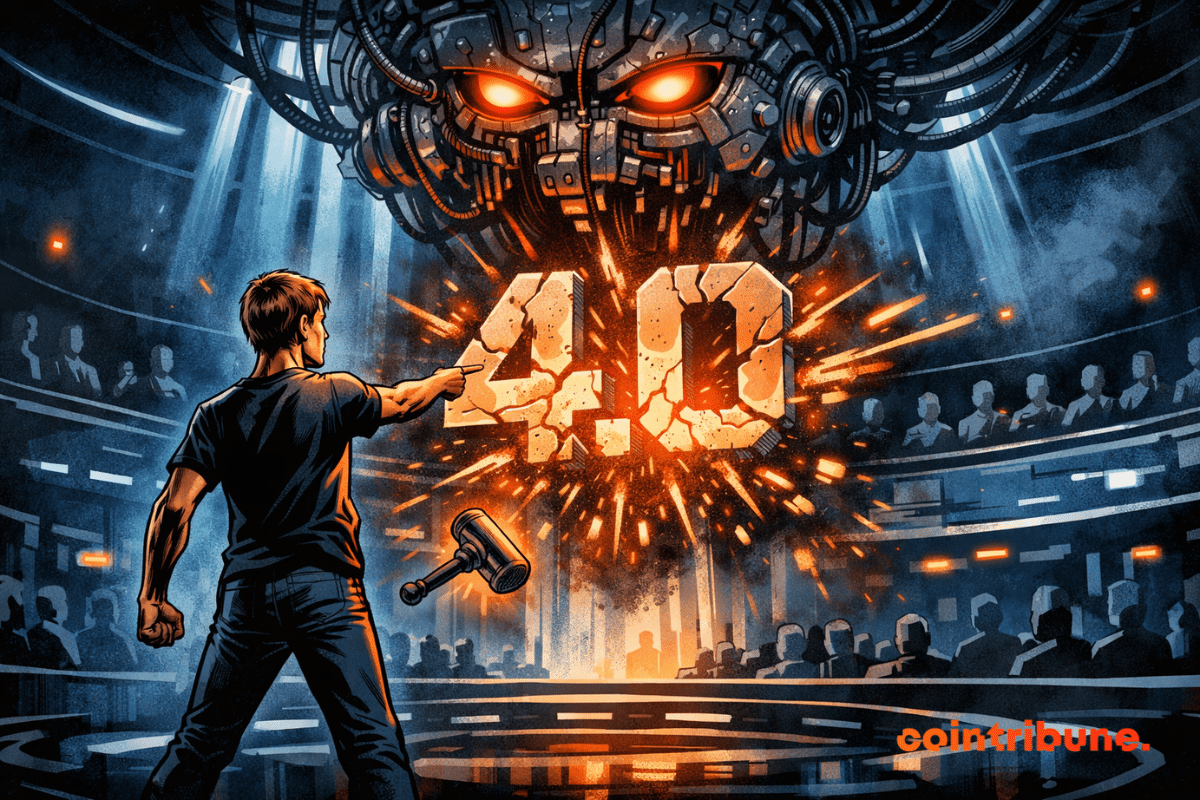
Ethereum co-founder Vitalik Buterin has publicly challenged bold claims surrounding a new artificial intelligence project that says it can operate without human involvement. The dispute centers on “The Automaton,” a system introduced by Thiel Fellow Sigil Wen as the foundation of what he calls “Web 4.0.” Wen argues that his AI can earn its own existence, improve itself, and replicate independently. Buterin says the framing is flawed and potentially dangerous.
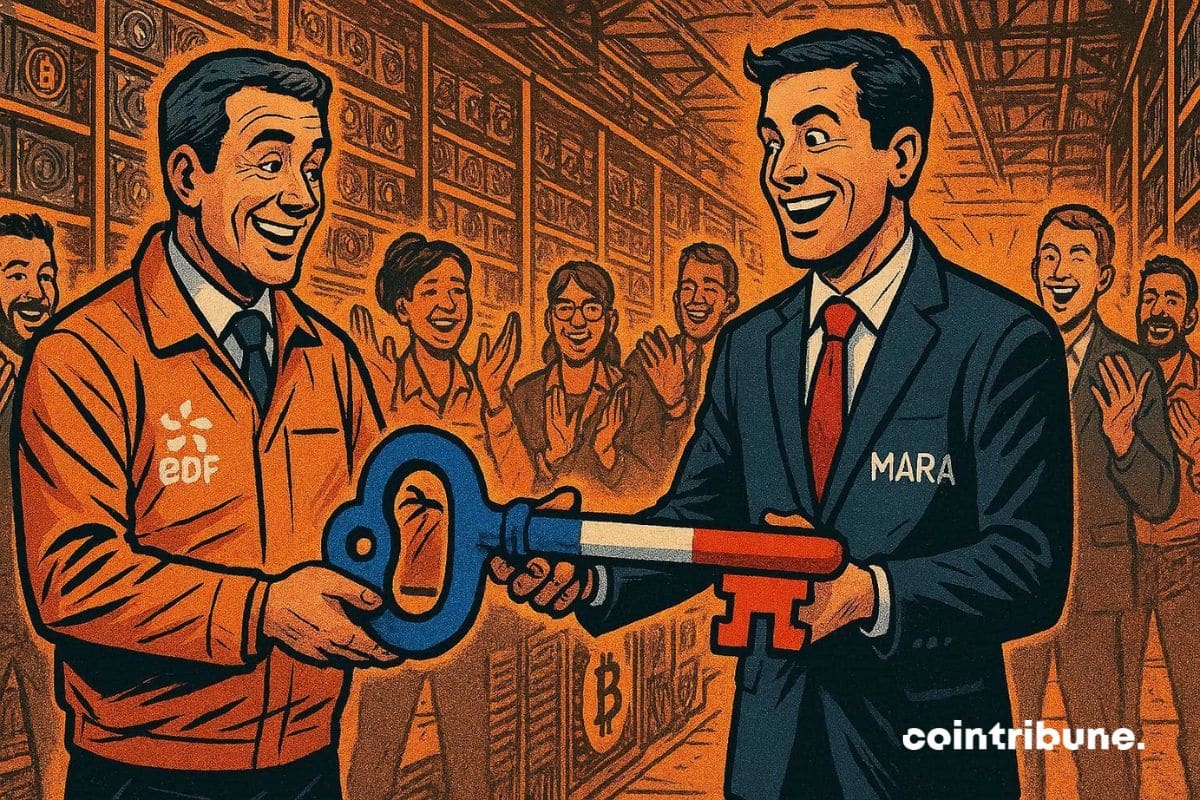
MARA makes a big move by taking control of 64% of Exaion, EDF's technological gem. A strategic acquisition marking the end of traditional Bitcoin mining and the start of an era dominated by artificial intelligence (AI).
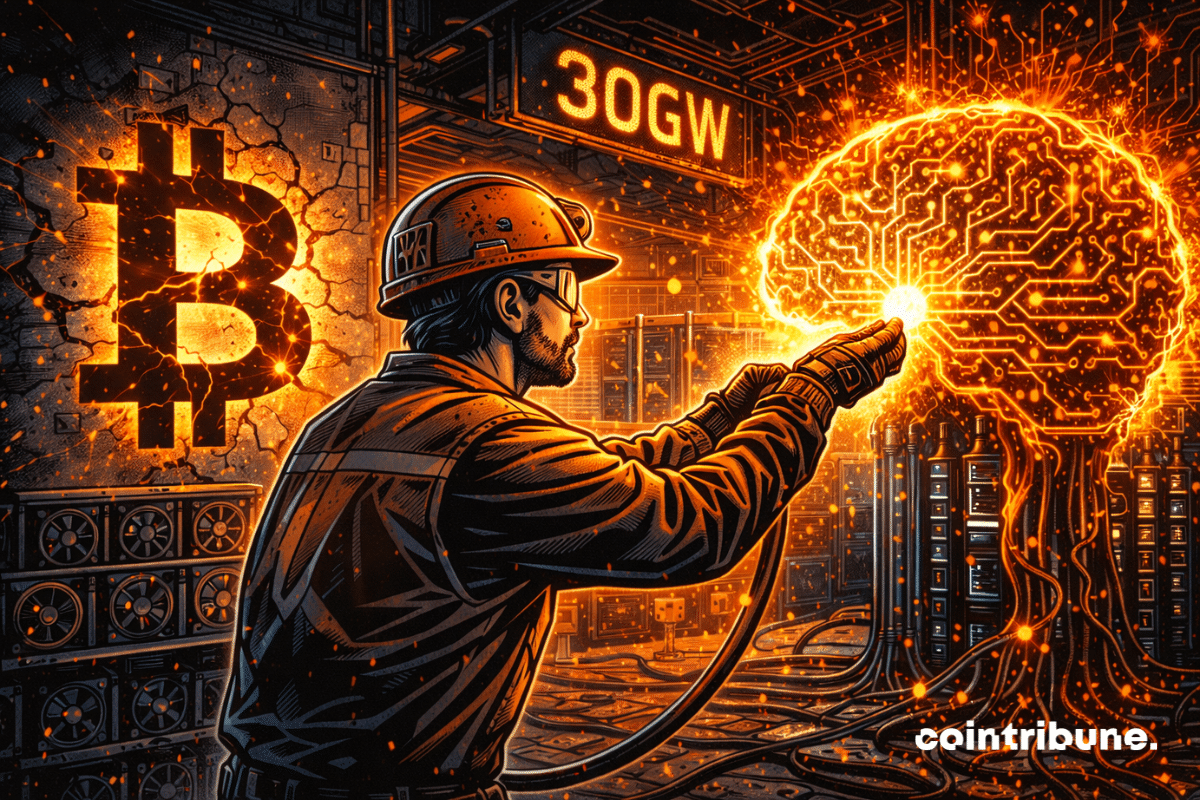
Bitcoin miners have no money left. So they promise 30 GW to AI. Problem: only 11 GW actually exist. The rest is air. But it looks nice.