Bitget has launched #NoCap, a new affiliate program that offers a 40% base commission for as long as referred users keep trading. The percentage may look familiar, but the lifetime payouts and broader asset coverage give the offer a different edge.
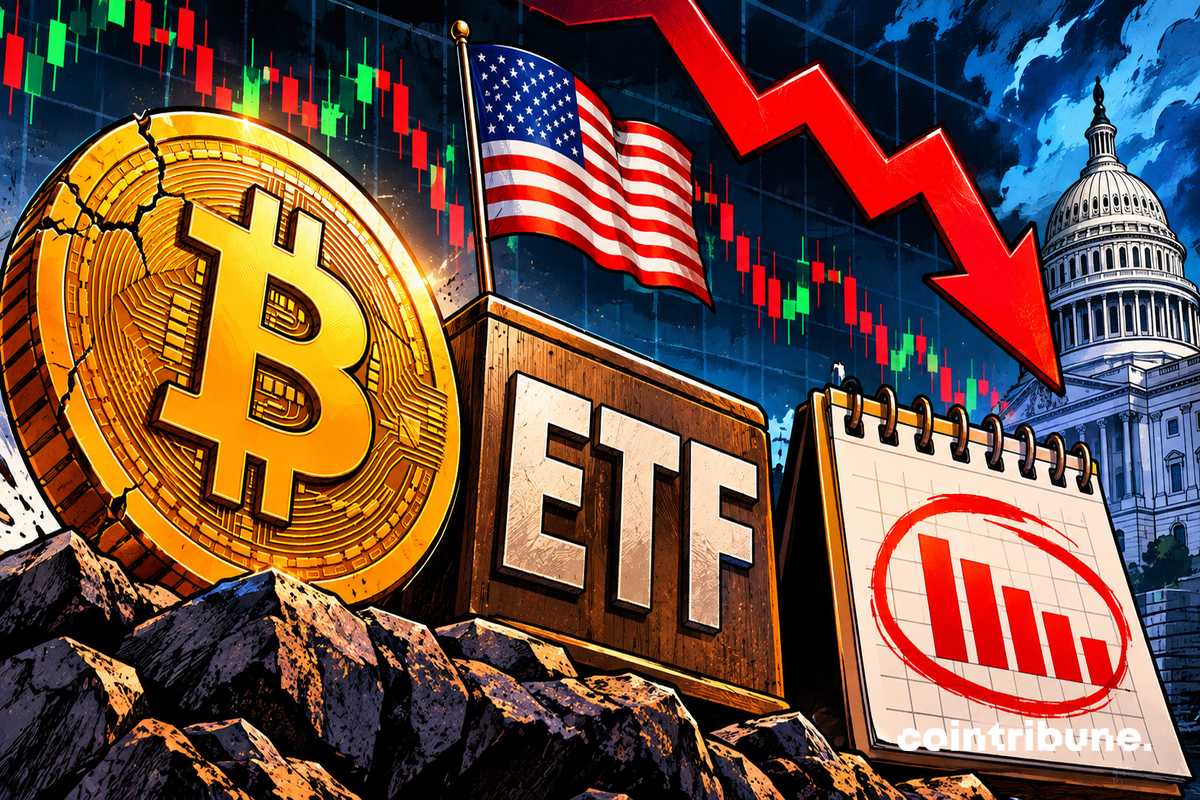

Exchange-traded funds (ETFs) linked to bitcoin are going through a delicate period. For the first time since late July, their cumulative net flows over 30 days have returned to negative territory. This change occurs while the market is experiencing a new decline and investors are monitoring several price levels. However, outflows remain limited compared to previous waves of withdrawals. Does this signal a real institutional trend change?
The record theft of 6.4 billion dollars suffered by Binance only caused Bitcoin to retreat by about 4%, compared to nearly 11% during a failed attack in 2018. This resistance mainly reflects a new distribution of liquidity: a growing share of BTC now escapes the panic reactions typical of crypto platforms.
Elon Musk chose irony to react to the Binance hack, which resulted in estimated losses of $6.36 billion. But Changpeng Zhao (CZ) did not appreciate the joke. The founder of Binance responded by recalling a rather embarrassing financial detail for his critic: the $500 million invested by Binance in the acquisition of Twitter in 2022 is now worth more than $1 billion in SpaceX shares.
The theft of 6.3 billion dollars suffered by Binance resulted in more than 1.5 billion dollars of liquidations in the crypto market. However, the magnitude of the drop is not only due to the hack, as the massive use of leverage and the decline of technology stocks amplified the initial shock.
A hack estimated at 6.3 billion dollars puts Binance facing a major recovery operation. The platform is now looking to recover part of the stolen assets, with the support of law enforcement and industry partners. In this case, the announced freeze of 3 billion dollars constitutes a first challenge. The company also claims to have mobilized its resources to cover the losses related to this security breach. The case now also involves American authorities.
Trezor asks CryptoBilis buyers since March 2026 to move their crypto assets after the reporting of an implant in a Safe 5. The device has not yet been examined.
North Korea is believed to be behind the $6.3 billion hack suffered by Binance on October 29. TRM Labs attributes the attack to the TraderTraitor group with a high level of confidence. Crypto investigator ZachXBT found another clue: stolen funds from Binance and Bitget ended up at the same address. The platform has not yet confirmed the identity of the hackers.
Bitget has teamed up with Reality and Keyring to explore a new way of earning returns from tokenized stocks. Their joint study examines a strategy that combines tokenized shares with short equity perpetuals. However, the results reveal a significant gap between the funding income generated and what investors could actually keep.
Nearly 4 million BTC held long-term show an estimated acquisition price between 85000 and 118000 dollars. This concentration turns any bitcoin rise into a possible "repayment market", where some investors might sell as soon as they recover their investment.
XRP is going through a difficult period, but investors in American crypto ETFs do not seem in a hurry to reduce their exposure. On October 29, the token was trading around $1.29, nearly 25% below the estimated average acquisition price of the funds. Yet, their monitored holdings decreased by only 0.26% between October 23 and 28. Six spot ETFs still held approximately 1.17 billion XRP.
Polymarket suspended its trades for about an hour after the diversion of at least $2.6 million belonging to its users. The attack did not target the blockchain itself, but a performance measurement tool integrated into the site, revealing a often overlooked weakness of non-custodial platforms.
Strategy has just published historic quarterly results, driven by the increase in the valuation of its bitcoin reserves. The group reports nearly 21 billion dollars of operating profit in the third quarter of 2026, despite a decline in its revenues. This financial performance occurs in a context marked by an evolution in its dividend policy, repurchases of preferred shares, and a change in financial management. Michael Saylor also anticipates a new bitcoin bullish cycle.
Vitalik Buterin points out a limit of artificial intelligence: despite its extensive knowledge, it struggles to assess the depth of a text, especially when discovering it for the first time. For the co-founder of Ethereum, this difference between knowledge and wisdom deserves special attention.
A simple on-chain signal was enough to turn the evening of October 29 upside down. At 8:32 pm, researcher Spreek detects an anomaly on Ethereum. Four minutes earlier, a contract had emptied a Binance wallet of 167,464 ETH. In a few hours, several stablecoin issuers froze 2.54 billion dollars, while the exchange confirmed one of the biggest hacks in crypto history.
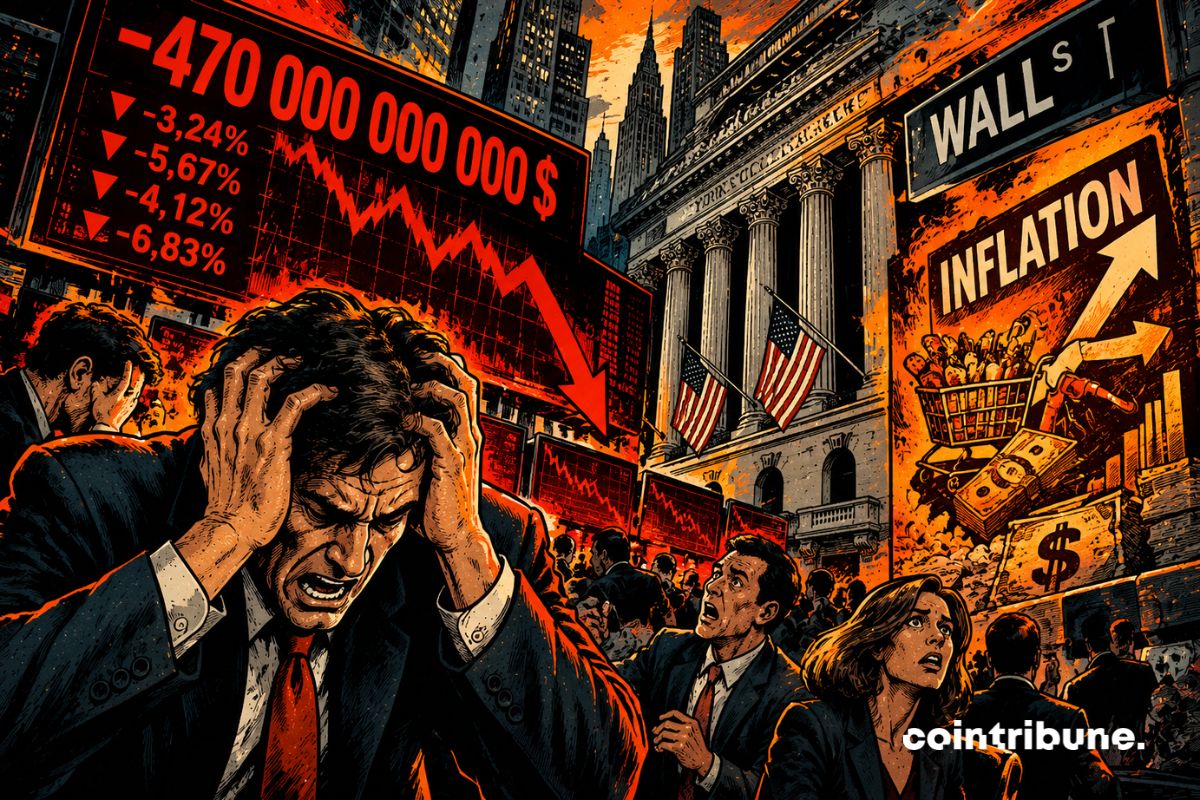
Crash at the New York Stock Exchange! The ICP inflation index at its highest plunges Wall Street, erasing 470 billion dollars of stocks. Between the fall of Google and the unexpected reaction of Bitcoin, it's a day of crisis on the markets.
Investment choices are evolving in Europe, where digital assets are gaining ground in long-term wealth creation strategies. A survey published by OKX reveals that more European investors prefer cryptocurrencies over traditional retirement savings plans. This trend contrasts with preferences observed in the United States, where retirement accounts still hold an important place. However, real estate remains the top choice for building lasting wealth, while gaps between generations persist.
Bitcoin briefly regained 81000 dollars after the US PCE inflation release, in line with expectations. Behind this limited rebound, historical data show that this indicator rarely gives a lasting direction to the crypto market.
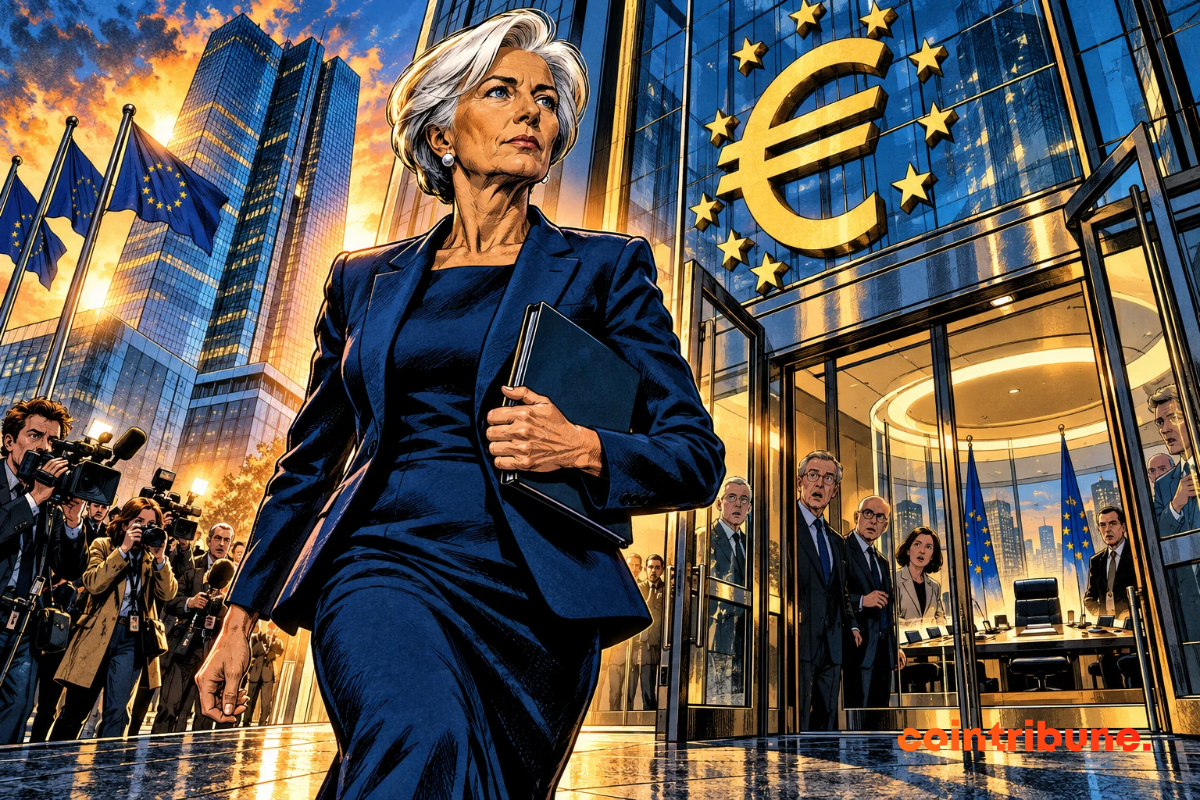
Christine Lagarde will leave the presidency of the European Central Bank (ECB) on February 7, 2027, nearly nine months before the end of her term. The institution formalized its decision this Thursday, October 29, immediately opening the race for her succession. Two former governors of European central banks are already among the mentioned candidates. This departure occurs as inflation reaches 3.8% in the euro area.
About 92 billion SHIB joined the platforms in one day, while the price of Shiba Inu remained under pressure. The number seems considerable, but it barely represents 0.11% of the reserves held on the exchanges: the real problem mainly comes from the lack of buyers.
11 billion dollars of bitcoin options expire this Friday, October 30, 2026, on Deribit. Behind the figure, it is the 79,500 $ zone that is at stake. Complete analysis!
AI Expo Europe promo code: COINTRIBUNE20 opens 20% discount on tickets for the Bucharest event, on November 1 and 2. Cointribune reviewed the official agenda on October 27.
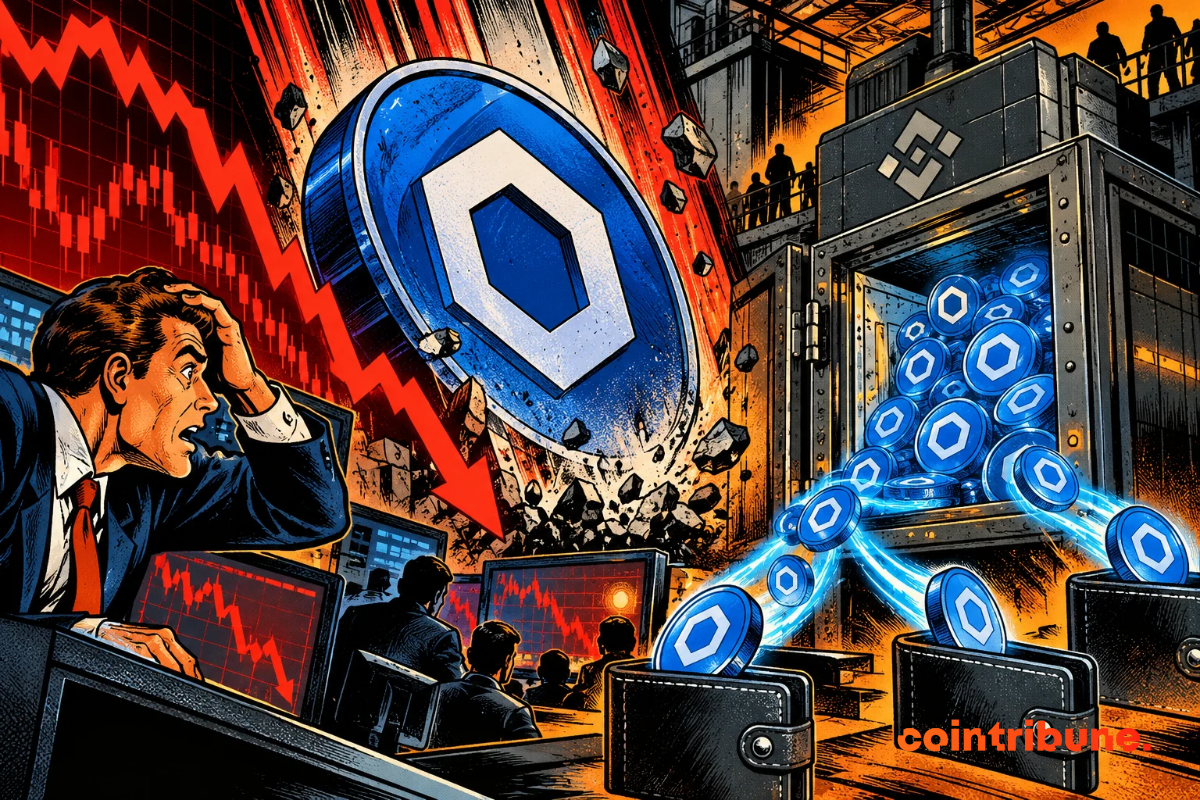
Chainlink (LINK) loses 20.8% since early October despite a decrease in reserves on crypto platforms. Binance records 18 consecutive days of net token outflows, while reserves tracked by CryptoQuant have dropped to 124.2 million LINK. Usually considered bullish, this movement does not produce a sustained rebound. US Chainlink ETFs also show signs of slowing down.
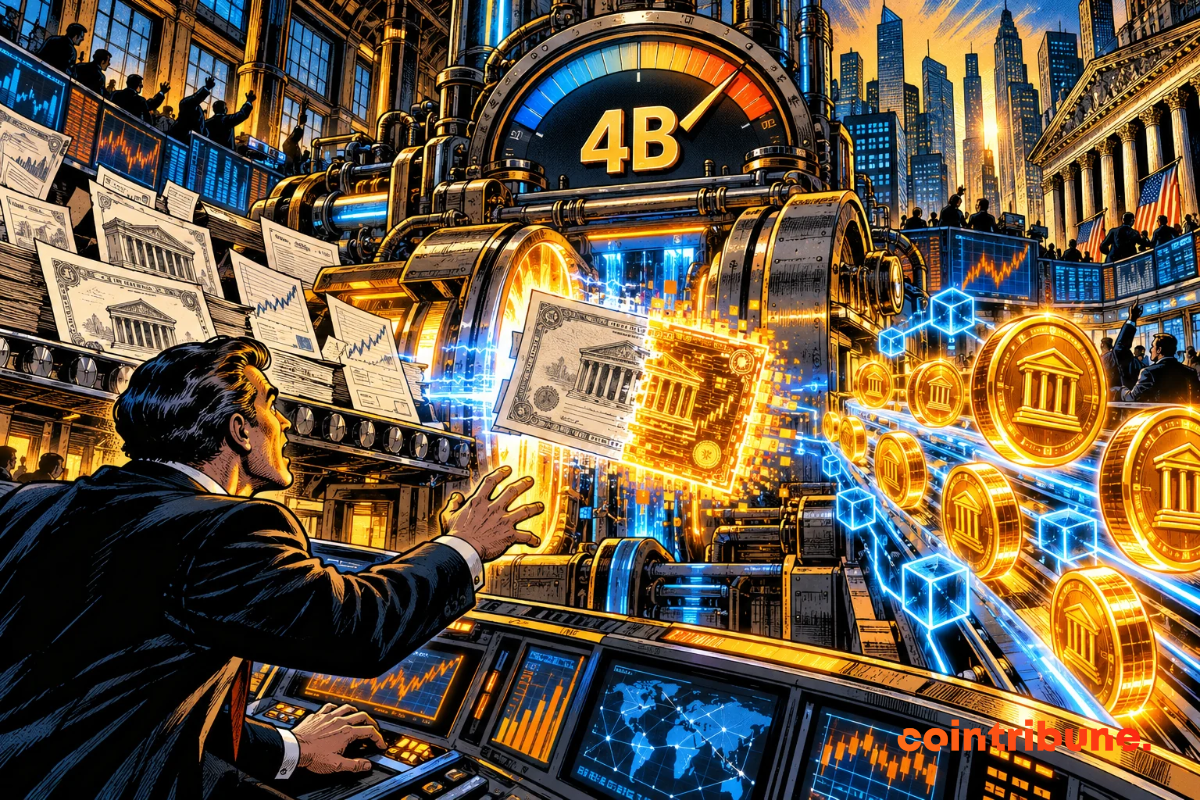
Tokenized stocks are nearing 4 billion dollars on the crypto market. Their value reached 3.84 billion dollars in a report published on October 28, before settling around 3.74 billion on RWA.xyz. The sector now includes 4.51 million holder addresses. Apple, Microsoft, and Nvidia are also represented on the blockchain, with tokens now able to serve as collateral to borrow stablecoins.
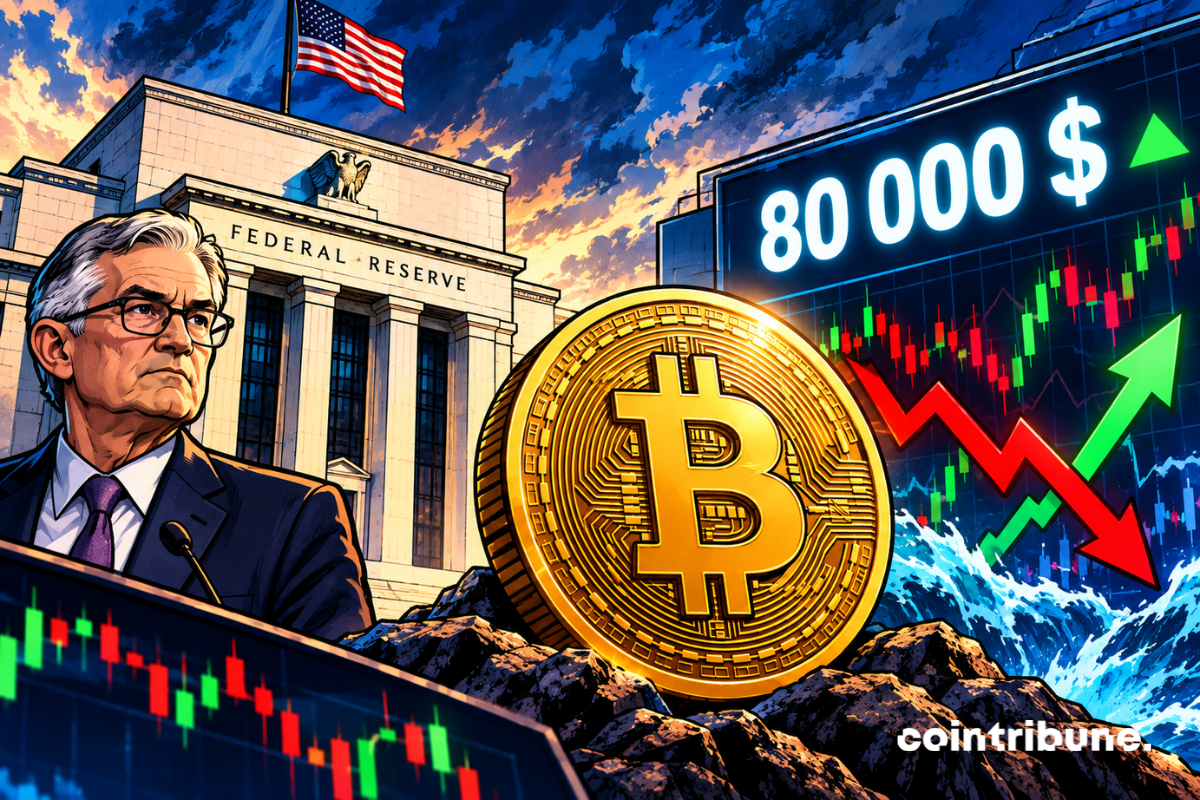
Bitcoin trades around 80,000 dollars, as markets digest the decision of the American Federal Reserve (Fed) on interest rates. On Wednesday, the cryptocurrency reached 81,687 dollars before falling back below 80,500 dollars. These rapid movements marked a turbulent session, dominated by monetary expectations. After keeping its rates unchanged, the Fed saw the price rise towards 81,000 dollars in the following minutes.Bitcoin around $80,000 after strong fluctuations
Experts are not immune to the influence of artificial intelligence. In an experiment conducted by Anthropic, 50 analysts followed Claude's preferences in 86% of the decisions studied, without knowing that the model was advocating randomly chosen options.
Bitwise estimates that bitcoin could reach 1.6 million dollars by 2036, with an annualized return of 34.3%. Behind this spectacular target, the scenario depends less on institutional purchases than on BTC's ability to capture a much larger share of the global value reserve market.
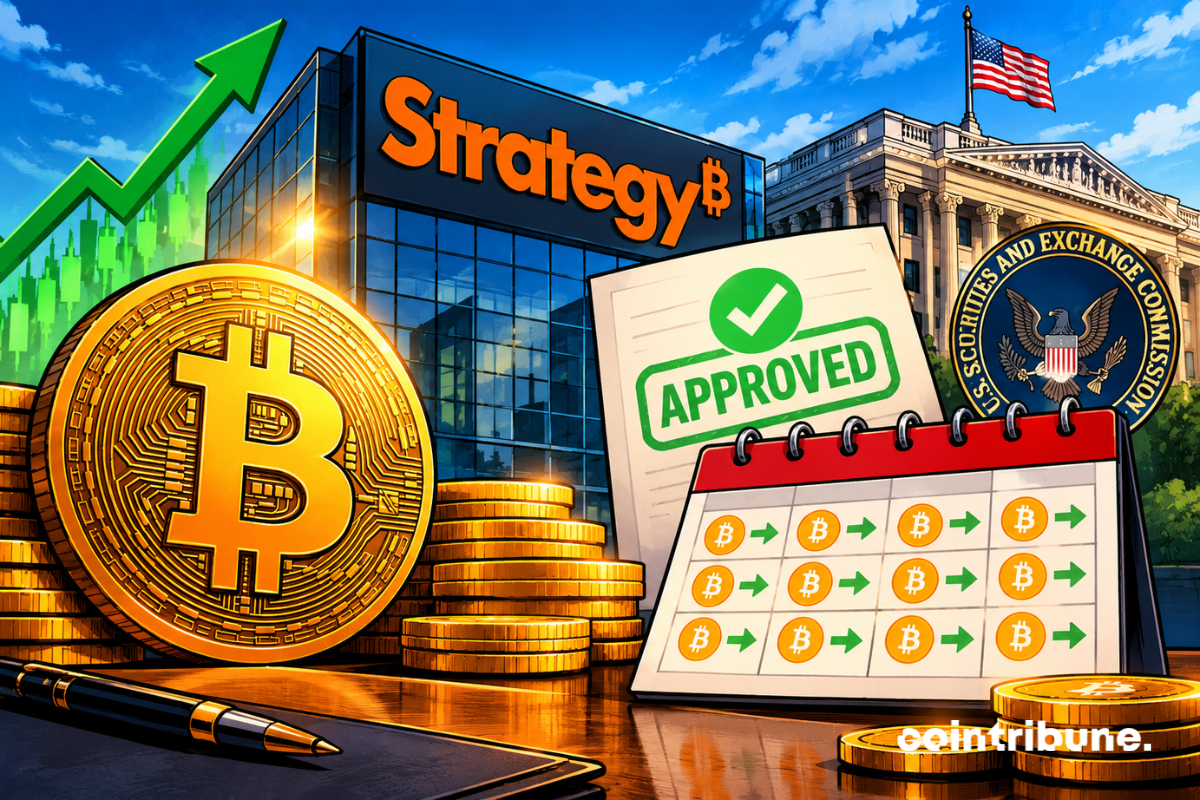
Strategy takes a new step in its bitcoin-related financing strategy. On October 28, shareholders approved a modification enabling the daily calculation of dividends for four categories of preferred shares. This decision notably prepares for the launch of the new STRC payment schedule, expected as early as November. However, several formalities remain necessary before its implementation. The arrangement could change the pace of income paid to investors without increasing the company’s total regular obligations.
Every crypto product sits on a blockchain API. A wallet that shows a balance calls one. A trading bot calls two or three. An AI agent that answers "what is in this wallet" calls one through MCP. Four layers do that work. Node providers expose raw chain state over RPC. Indexers turn raw logs into queryable tables. Data APIs return priced, decoded, ready-to-render values. Swap rails move assets between chains and venues. Most production stacks combine at least two of the four.
The Senate approved an agreement allowing the automatic exchange of information about cryptos held with foreign providers. This text does not create any new tax, but it mainly gives the tax authority the means to compare taxpayers' declarations with data received each year from its counterparts.