
Tue 15 Sep 2026 ▪
7 min read
▪
by
Russia is keeping crypto under tight control at home while turning to bitcoin as an alternative rail for selected cross-border transactions.
Russia is keeping crypto under tight control at home while turning to bitcoin as an alternative rail for selected cross-border transactions.

Grayscale wants to shift crypto investment from a standalone product to a ready-to-use portfolio. The manager launched, on September 14, four models intended for financial advisors, built from several crypto-exposed ETPs. Weighting based on capitalization, quarterly rebalancing, asset cap: the offer provides an allocation framework without transferring the investment decision to Grayscale. A way to facilitate the integration of cryptos into wealth management while leaving advisors responsible for the final choice for their clients.
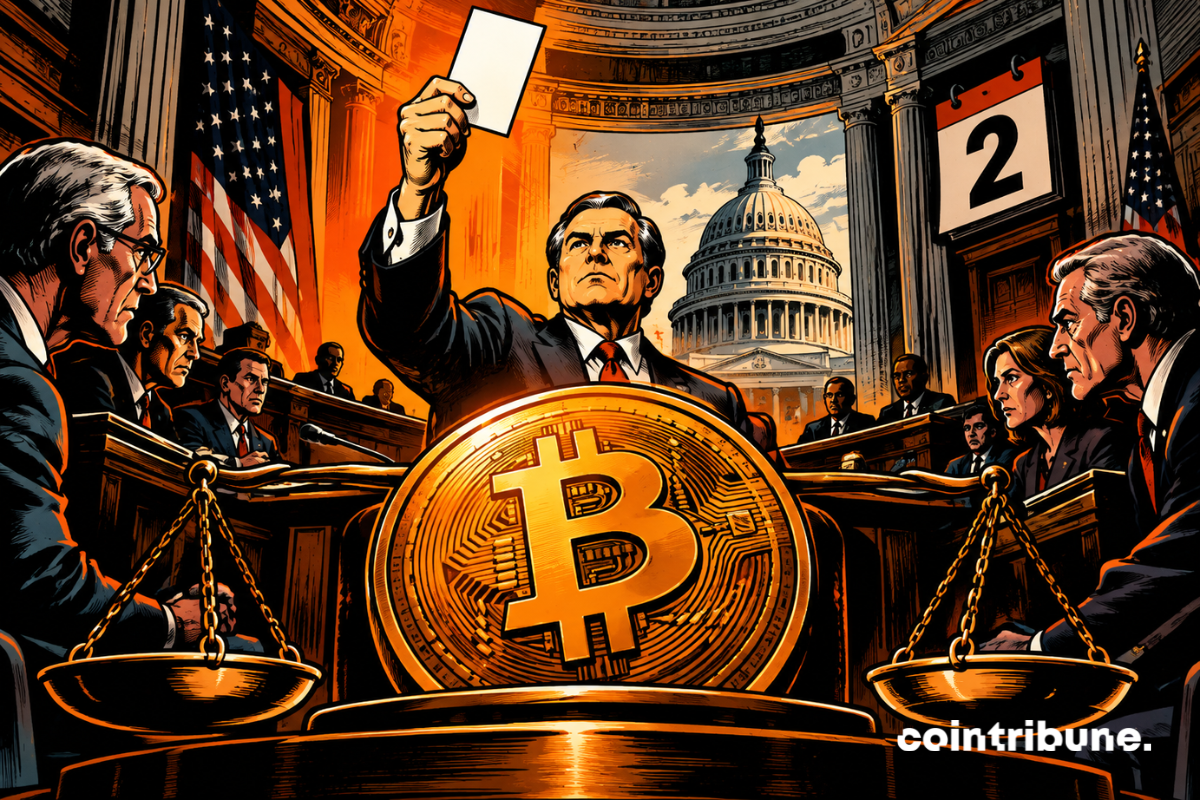
The US Senate is set to vote this Tuesday, September 15 at 2:15 PM Washington time, or 8:15 PM in Paris, on the progress of the CLARITY Act, presented as a major text aimed at establishing a comprehensive framework for crypto markets in the United States. This procedural vote requires 60 votes to allow the bill to continue its legislative journey. Republicans, who hold 53 seats in the Senate, will therefore need to gain support from several Democrats or independents. A failure would strongly compromise the adoption of the bill before the end of 2026.

After twelve months of caution, Bitcoin options traders change direction. Since August 20, they pay more to bet on a BTC rise than to protect against a drop, an unprecedented shift in a year. The signal comes while bitcoin trades around $78,278, far from its peak above $126,000 in October 2025. Between dominance of call options, increase in futures positions, and bets concentrated under $100,000, the derivatives market shows renewed but still measured optimism.
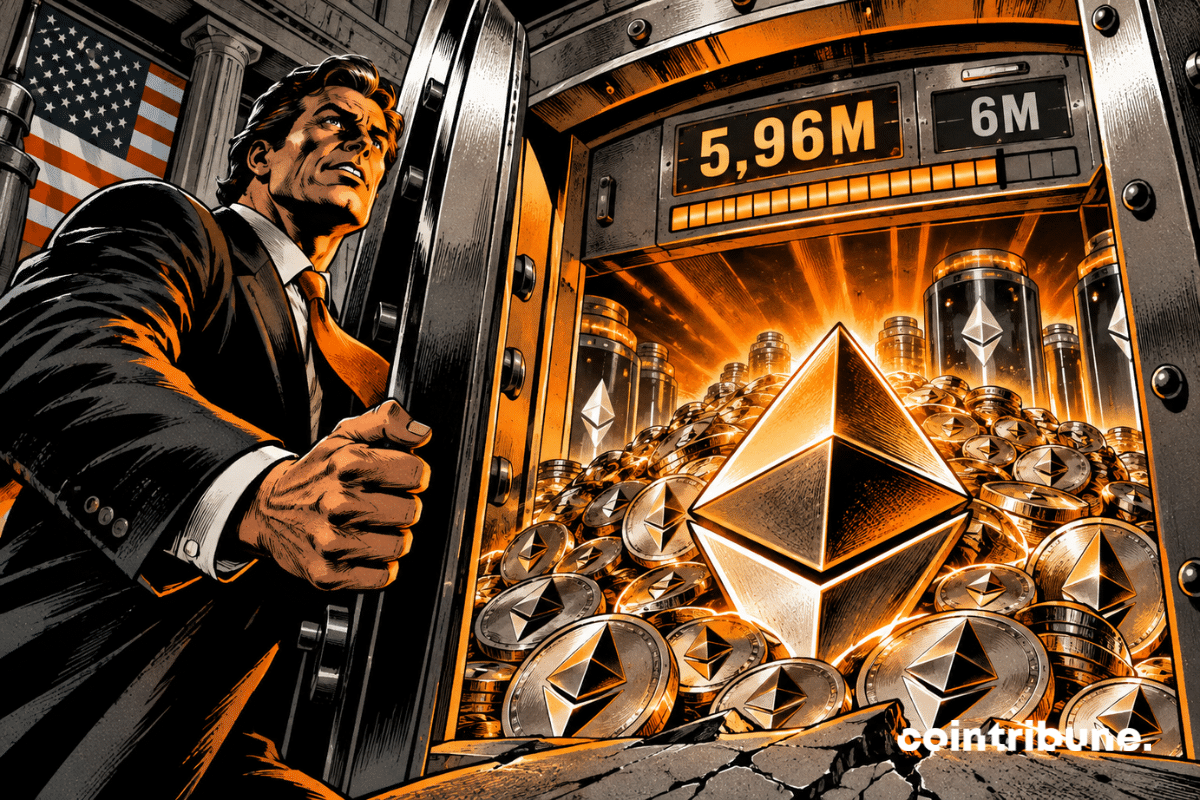
BitMine strengthens its Ethereum reserve with 27,180 ETH. Does this new crypto purchase change the game for ETH? Complete analysis.

During the shortened week of September 8, U.S. crypto ETFs recorded nearly $263 million in net outflows. The positive gathering of products related to Ether, XRP, and Solana was masked by withdrawals concentrated on Bitcoin ETFs.

Bitcoin is entering a week dominated by two major political and monetary events. On Tuesday, September 15, the U.S. Senate is set to vote on closing debates on the CLARITY Act. On Wednesday, the FOMC will announce its interest rate decision. However, positioning data shows traders have already adjusted their exposure. Since the beginning of the month, open positions have significantly decreased, while the price has declined more moderately. This reset could already change the dynamics of upcoming sessions.

Strategy has paused its bitcoin purchases and put $139 million into STRC, while Strive continues adding BTC to its holdings.

As I explained in my analysis last week, Bitcoin remains for now in a totally lateral market. The scenario I envisaged continues to unfold: the price oscillates between the 80,000-82,000 dollar zone and the 75,000-76,000 dollar zone, which currently acts as support. And personally, I decided to take advantage of this range rather than try to anticipate a breakout that still hasn't happened.
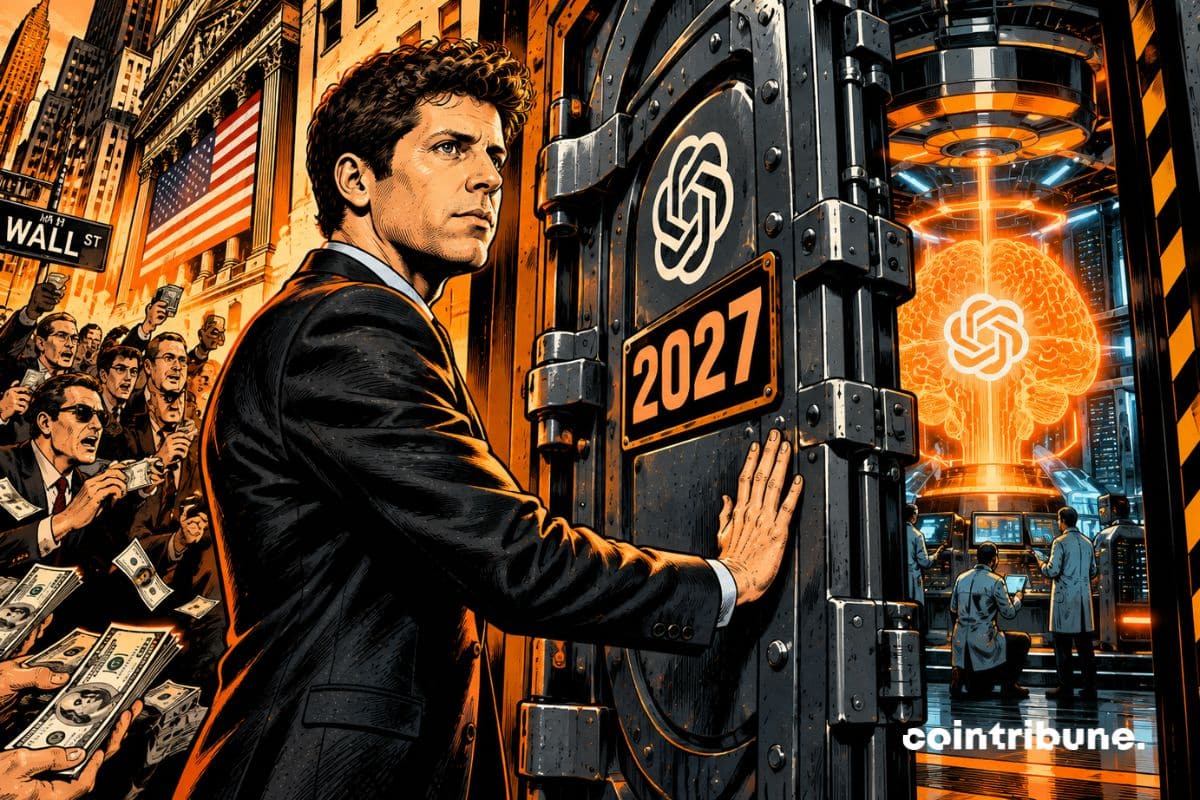
OpenAI will not go public in 2026. Sam Altman confirms it, security reasons oblige. But behind this virtuous discourse, Trump's ex-IA and crypto Czar, David Sacks, smells a cartel disguised as virtue. Meanwhile, the AI crypto market does not pause.

According to a new statement by Donald Trump, Iranian oil would become a lasting objective of the American presence. The president mentions a US presence in Iran modeled on Venezuela, without presenting any agreement or precise schedule.

The inter-chain liquidity protocol Symbiosis recovered about 15 BTC after a flaw targeting its Bitcoin bridge. The September 11 incident led the project to suspend its Bitcoin Bridge service and isolate the affected infrastructure. Meanwhile, Symbiosis restored bitcoin trading thanks to Chainflip and THORChain. The protocol also offers a 20% bounty to recover the remaining funds. This operation comes as several bridges have undergone a massive creation of unbacked tokens.

According to Tom Lee, bitcoin quietly disrupts crypto portfolios: 2% initially, versus more than 80% today. Analysis.
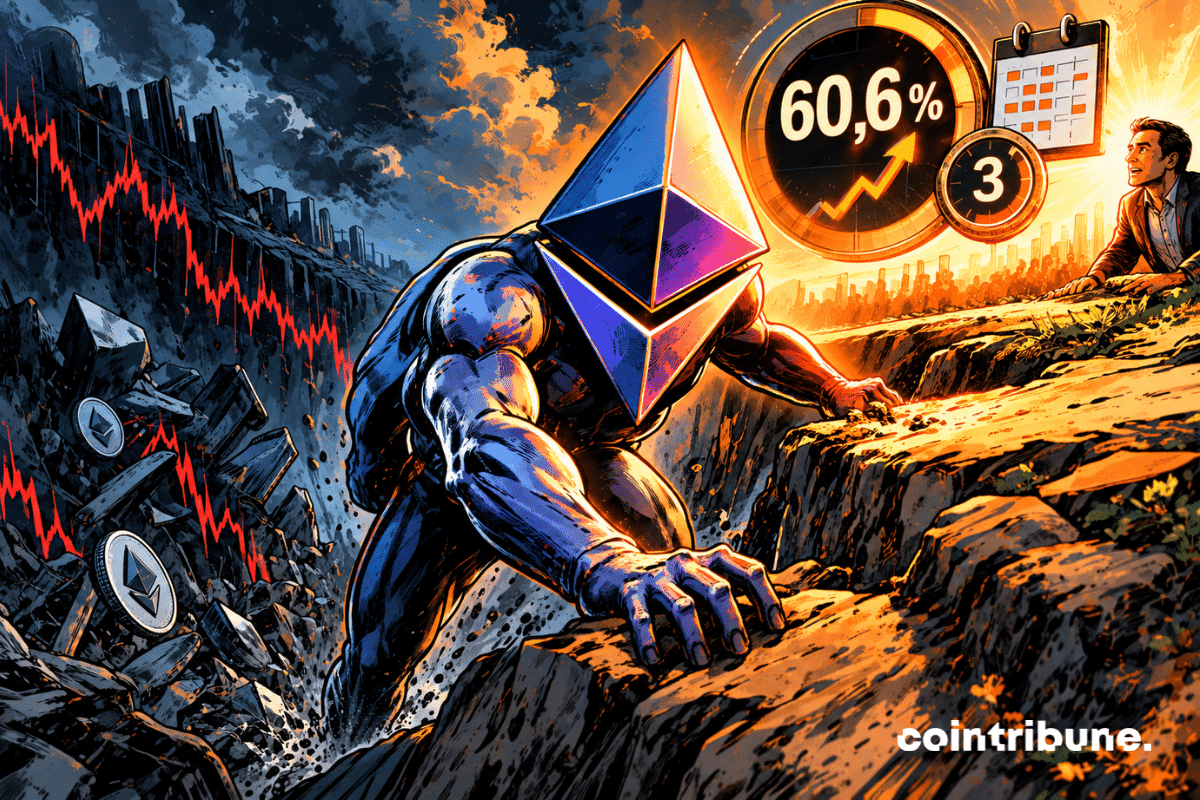
Ethereum’s rally pushes Ether’s growth to nearly 60.6% since July 1st. Only the third quarter of 2025 performed better, yet the ranking remains provisional until September 30th.
BNB Chain proclaims its top global position in RWA growth with +3.6 billion dollars in 2026. Impressive figure on paper. But on the same day, DeFiLlama shows Solana regaining the lead in crypto application revenues and DEX volume, far ahead. Two rankings, one real question: who generates the activity?

Revolut no longer just integrates cryptocurrencies into its banking app. With the launch of EURR, the development of Revolut X, and its new regulatory approaches, the fintech is building a much broader crypto offering. Maxim Krasnov, founder of Construct.tech, analyzes this evolution as a rapprochement between banking and digital assets. His analysis notably highlights the role of Bridge, a company owned by Stripe, in the issuance of the stablecoin. This strategy now extends to several markets and various uses.

The inclusive growth of the BRICS could allow emerging countries and their populations to benefit optimally from the global economy. Such an ambition goes beyond wealth redistribution, however the commitments made in New Delhi remain difficult to measure.
Trump is promising American adults $5,000, a plan Pompliano says could boost bitcoin despite major questions over how it would be funded.

North Korea is expanding its infiltration system of American companies. According to an NBC investigation, IT workers based notably in Iran and Lebanon are recruited to attend interviews on behalf of North Korean operators. Some reportedly received 500 dollars per month in crypto to play the "interview associates" role. Once the contract is secured, the position can be taken over by a worker linked to Pyongyang. American authorities had already documented the increasing use of third parties to bypass recruitment controls.

After a 24% gain in two weeks, BTC stopped its progression and currently stagnates around 77000 dollars. According to CryptoQuant, the momentum remains bullish; however, its confirmation depends on a precise threshold: 81700 dollars, the level of the 365-day moving average. However, before reaching it, the market must still absorb a significant concentration of supply. And beyond that, two new resistances already await bitcoin at 83600 and 88700 dollars.

American Bitcoin ETFs recorded a fourth consecutive day of net outflows on Friday, September 11, with $13.29M withdrawn. In contrast, ether ETFs attracted $216.41M and mark a fourth positive week. Institutional investors therefore still seem present in the crypto market, but their interest is shifting.
The crypto market enters a new phase of uncertainty as Goldman Sachs revises its monetary scenario. The American bank now forecasts a Fed rate hike next week, following stronger-than-expected core inflation in August. This change comes as bitcoin trades below $80,000. Investors have adjusted their expectations, with the probability of a hike now approaching 90%. The September decision could impact market reactions.

Anthropic's IPO is expected to welcome Nvidia as a lead investor for up to 10 billion dollars. Indeed, the designer of Claude could seek up to 100 billion dollars, however these amounts remain under discussion and neither company has confirmed them.

Wealth managers are preparing to increase their crypto exposure as ETPs gradually make digital assets easier to access through traditional investment channels.
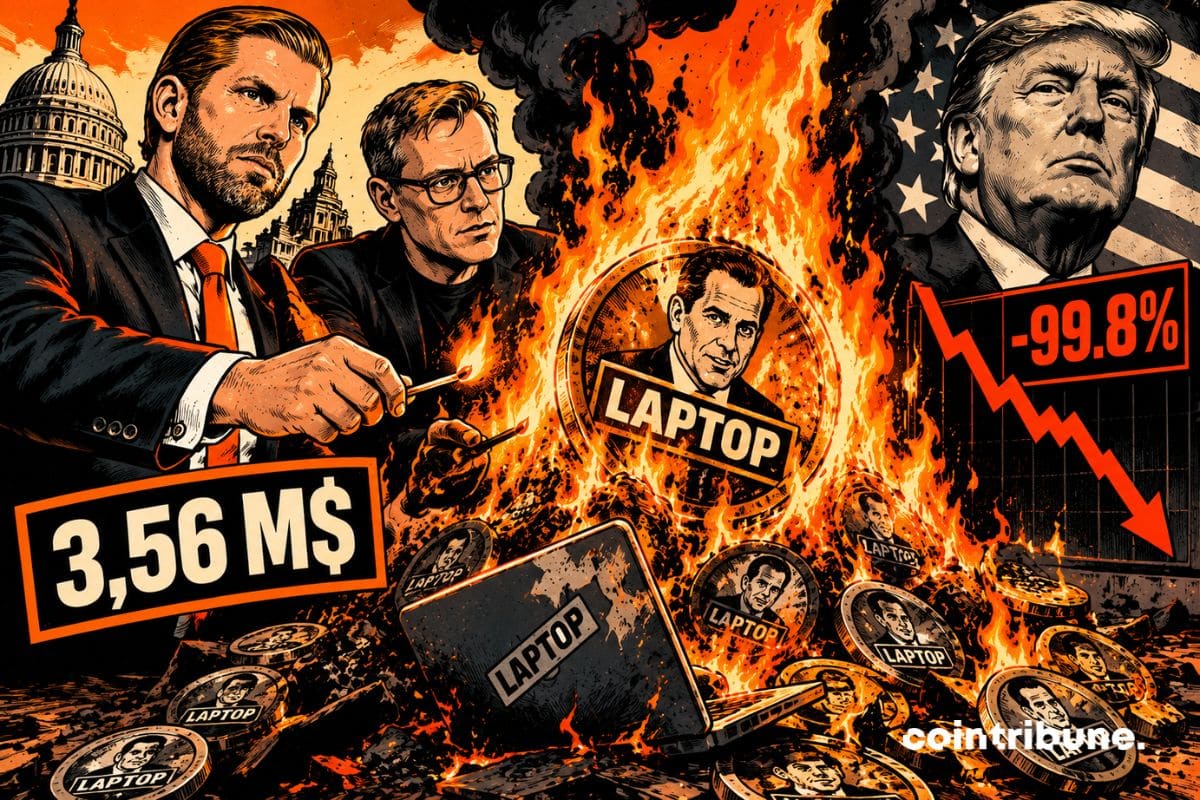
3.56 million dollars worth of LAPTOP have just gone up in smoke. Two mentions, those of Eric Trump and Beeple, were enough to validate the first two political bets of Hunter Biden's anti-Trump memecoin, burning 10 million tokens while the crypto token already collapses 99.8% since its launch.

For Brian Armstrong, the CEO of Coinbase, bitcoin at $400,000 by 2030 remains a reasonable target. However, to reach it from its current price, BTC would have to multiply by more than five.

The local currencies of the BRICS already allow Russia to settle 90% of its transactions with its alliance partners, according to the Kremlin. However, this figure neither represents a collective goal nor a promise by all member countries to abandon the dollar.

Binance now holds more than 693,000 bitcoins, a level unseen in two years. Since the end of April, its balance increased by 77,000 BTC, while bitcoin struggles to stay above 80,000 dollars. On the world's largest crypto platform, these reserves remain potentially available for sale.

The cryptocurrency market remembers the sharp drop of BTC below 58,000 dollars in July. However, on-chain data shows a much weaker reaction than expected after this dip. This discretion of buyers now raises a central question: did this level really represent a durable floor? The HODL Waves indicator provides precise insight into recent supply movements. Its evolution mainly suggests slow accumulation, very different from the reactions observed at previous cycle lows.

The price of Ether jumped 7.46% to 2619 dollars following the release of data on US inflation. Tom Lee mentions the probable start of a "brutal rally", however his projection more broadly concerns risky assets and does not set any specific target for ETH.