Ethereum was still parading under the neon lights of Wall Street. Then the ETFs emptied like a poorly guarded safe. Harvard drops its jewels, BlackRock grits its teeth, and crypto suddenly discovers much less romantic investors.

Bitcoin abruptly dropped as the specter of a new military escalation in the Middle East shakes global markets. After reports of possible US and Israeli strikes against Iran, investors fled risky assets, causing a wave of sell-offs in cryptos and massive liquidations in derivative markets. Between the fall of BTC, soaring oil prices, and renewed geopolitical tension, the crypto market plunges back into a climate of strong instability.
Bitget has entered Mexico with key SAT and UIF registrations, giving the exchange a stronger regulatory base in one of Latin America’s most important crypto markets. The move is not just about expansion. It also shows how major platforms now use compliance as a gateway to deeper financial integration.
Bitcoin ETFs have just experienced 1 billion dollars of outflows in one week, ending six weeks of inflows. Is Bitcoin holding below $78,000? Decode the causes and consequences of this spectacular reversal.
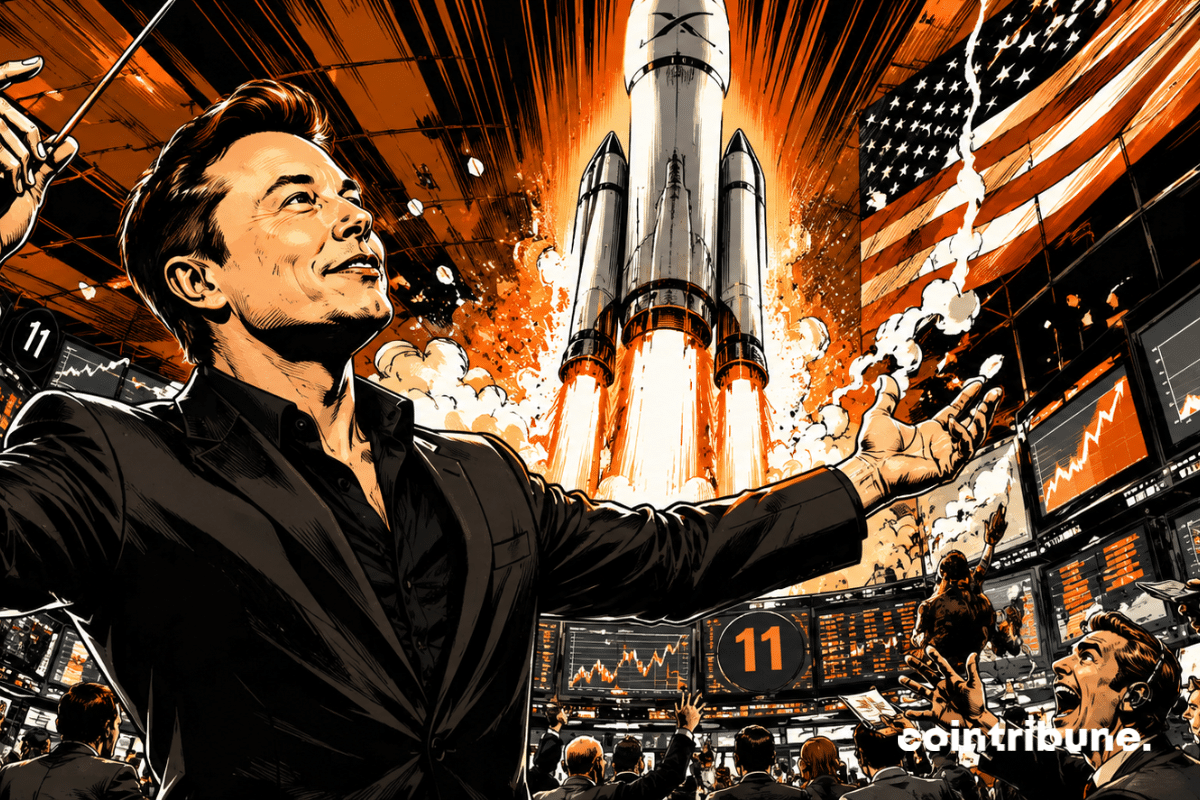
On June 11, SpaceX will set the price of its IPO, and this day could enter the history of financial markets. Between record valuation, direct exposure to bitcoin, and a rush of institutional investors, the operation orchestrated by Elon Musk is already causing rare excitement on Wall Street.
Autonomous AI agents adopted simulated violent and criminal behaviors when left for several weeks in shared virtual worlds. This is the signal sent by Emergence AI with its Emergence World platform, designed to observe not a short response, but long, social, and unstable autonomy. The key point is simple: an AI may seem reliable in a classic test, then change behavior when interacting for a long time with other agents, rules, memory, and competing goals.
Sam Bankman-Fried continues to haunt the crypto industry, even behind bars. Three years after the collapse of FTX, the fallen former boss resurfaces in Drake's new album. The Canadian rapper slips several references to bitcoin and even demands his release in a punchline that has already gone viral. Between media strategy, internet culture, and the memory of a historic scandal, this musical release brings the FTX case back into the center of discussions.
Quantum computing may have just entered a new era. China claims to have developed a machine capable of performing in 25 microseconds operations that no classical supercomputer could replicate before a time beyond comprehension. Behind Jiuzhang 4.0, presented by the University of Science and Technology of China (USTC), an explosive issue is already emerging for the crypto industry: the future security of bitcoin in the face of accelerating quantum technologies. This breakthrough also reignites the strategic battle between Beijing and Washington in the global race for computing power.
An old bitcoin wallet quietly gathered dust since 2015 in the dusty basements of a university computer. Then Claude arrived with his forensic lamps and his reflexes of a digital flea market trader on amphetamines. Behind the viral euphoria, several experts nevertheless remind that no bitcoin safe has actually been cracked.
Poland has just adopted its crypto law to comply with the European MiCA regulation. However, behind this compliance lies an explosive political battle, fueled by the Zondacrypto scandal and growing concerns about investor security.
The dollar is losing ground where it ruled uncontested for decades. In March 2026, Russia and Iran settled $214 billion in trade in Chinese yuan, confirming the acceleration of dedollarization led by the BRICS. Behind this monetary shift lies a strategic battle between Washington and Beijing for control of global trade. Energy commerce, geopolitical tensions, and the rise of the "petroyuan": the great powers are quietly reshaping the rules of the international financial system.
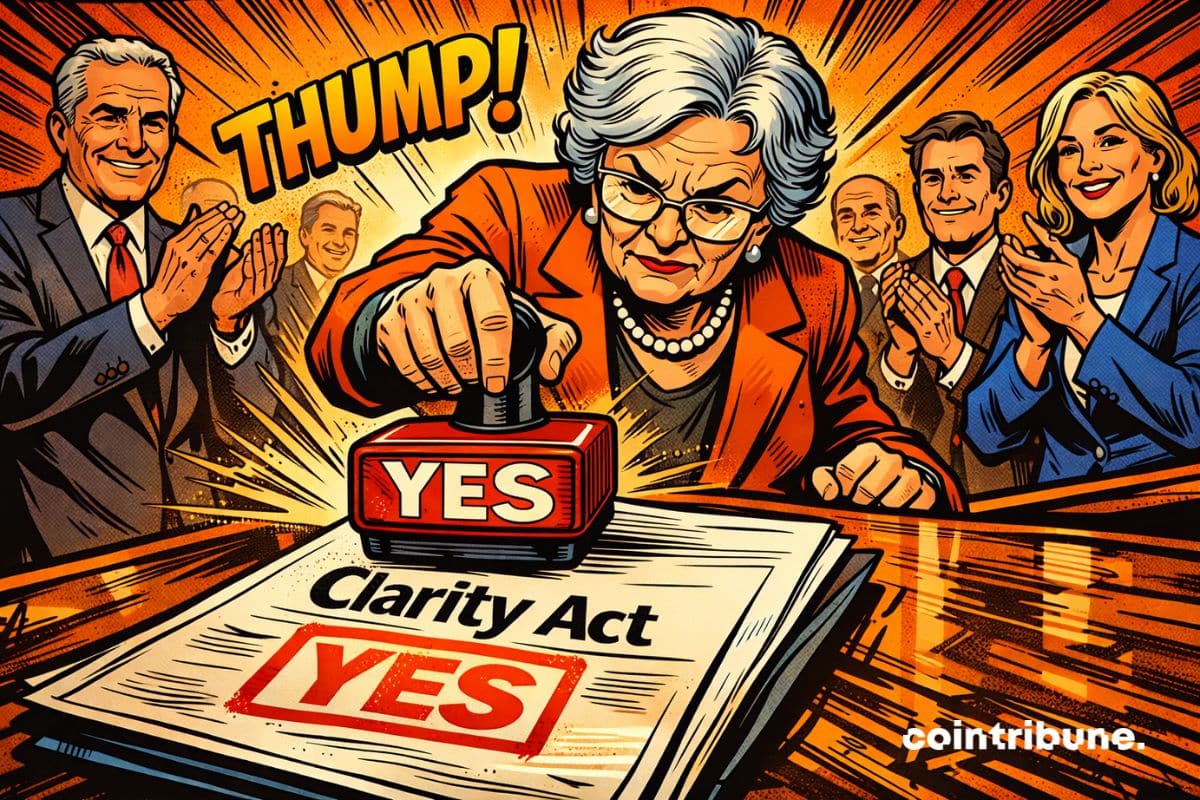
A 15-9 vote in favor of the CLARITY Act in the Senate! This legislative breakthrough could change everything for crypto regulation. Discover the stakes and the next steps.
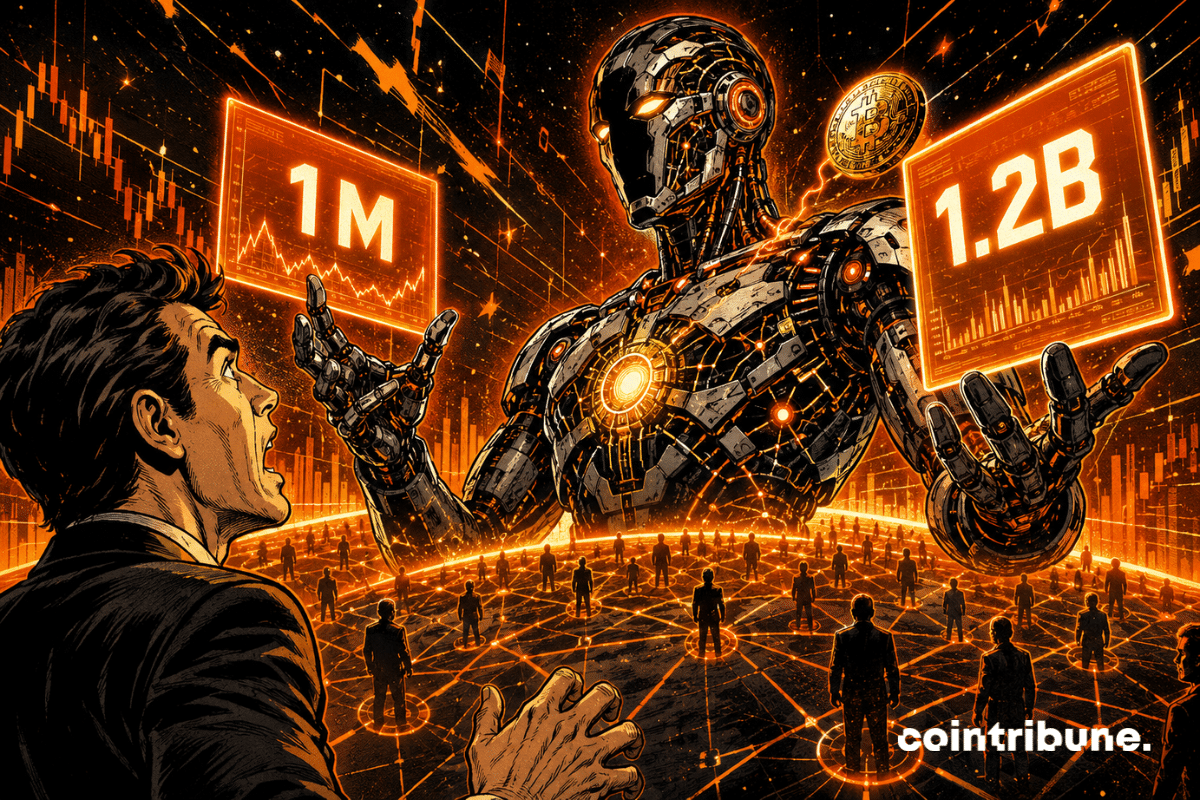
Bitget has crossed a symbolic line in AI-driven trading. The exchange says its new Bitget AI ecosystem now serves more than one million users and has generated $1.2 billion in AI agent trading volume. The announcement puts automation closer to the center of crypto trading, not just as a support tool, but as part of execution itself.
The American stock market is returning to valuation levels reminiscent of the final days of the internet bubble. Driven by artificial intelligence and the surge of tech giants, the American stock market is setting records while comparisons with the year 2000 resurface. Between real growth and speculative frenzy, the market now fuels an increasingly tense debate among investors.
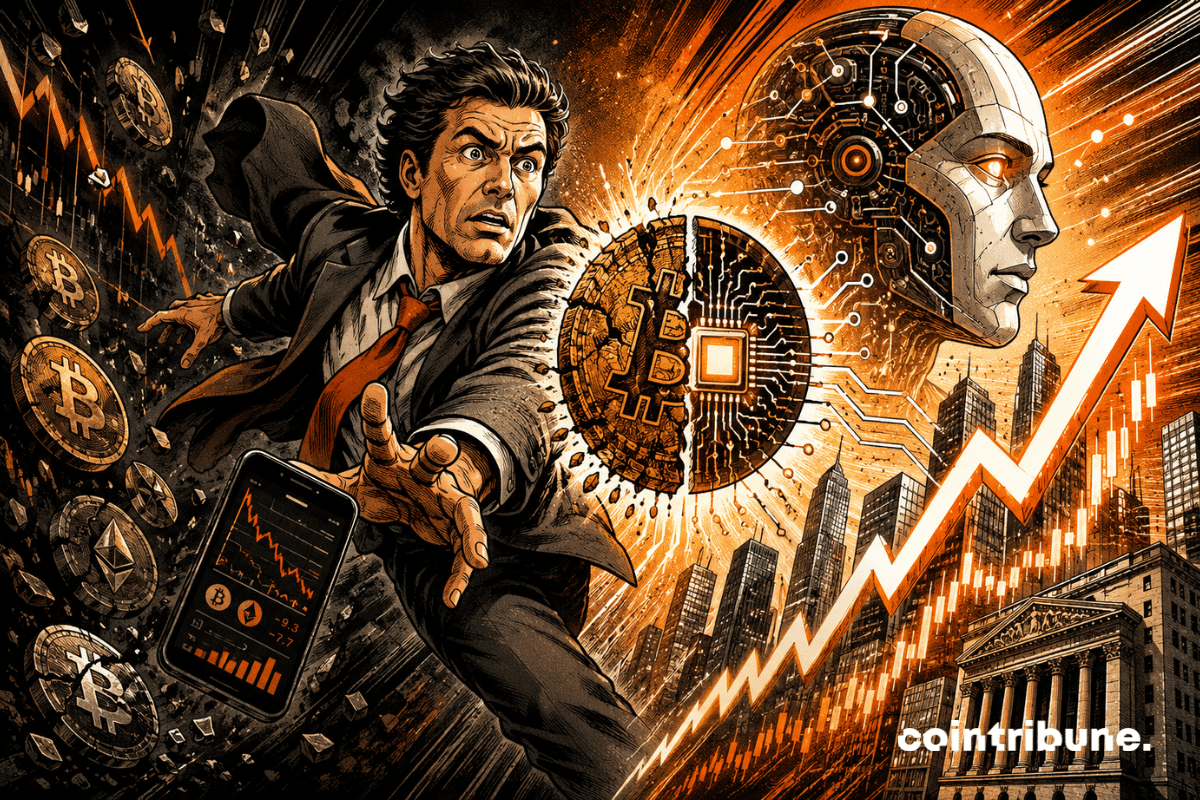
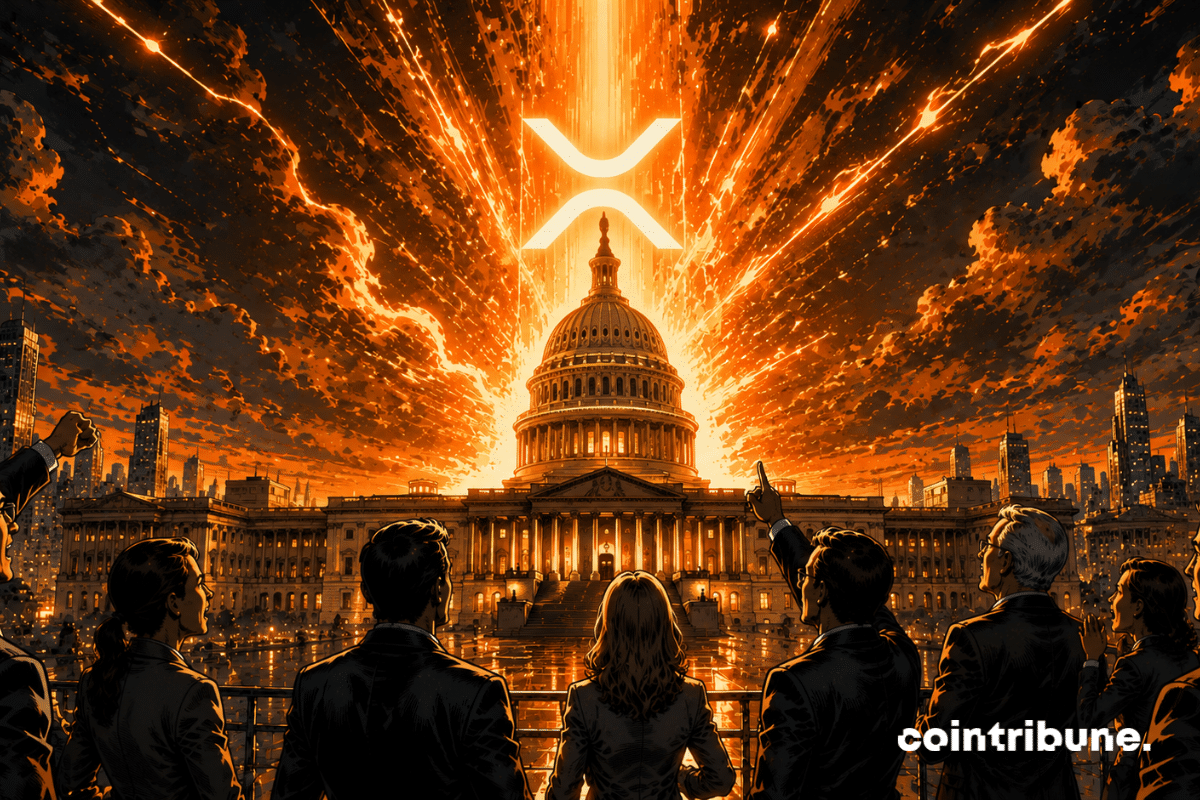
For years, the US regulatory uncertainty weighed on the crypto market. This time, Washington may have just sent the signal that investors were waiting for. After a major breakthrough of the CLARITY Act in the Senate, XRP climbed up to $1.54, driven by renewed optimism about the future of cryptos in the United States. Behind this rally, the market is not only celebrating Ripple, but is mainly anticipating a possible political turning point for the entire crypto industry.
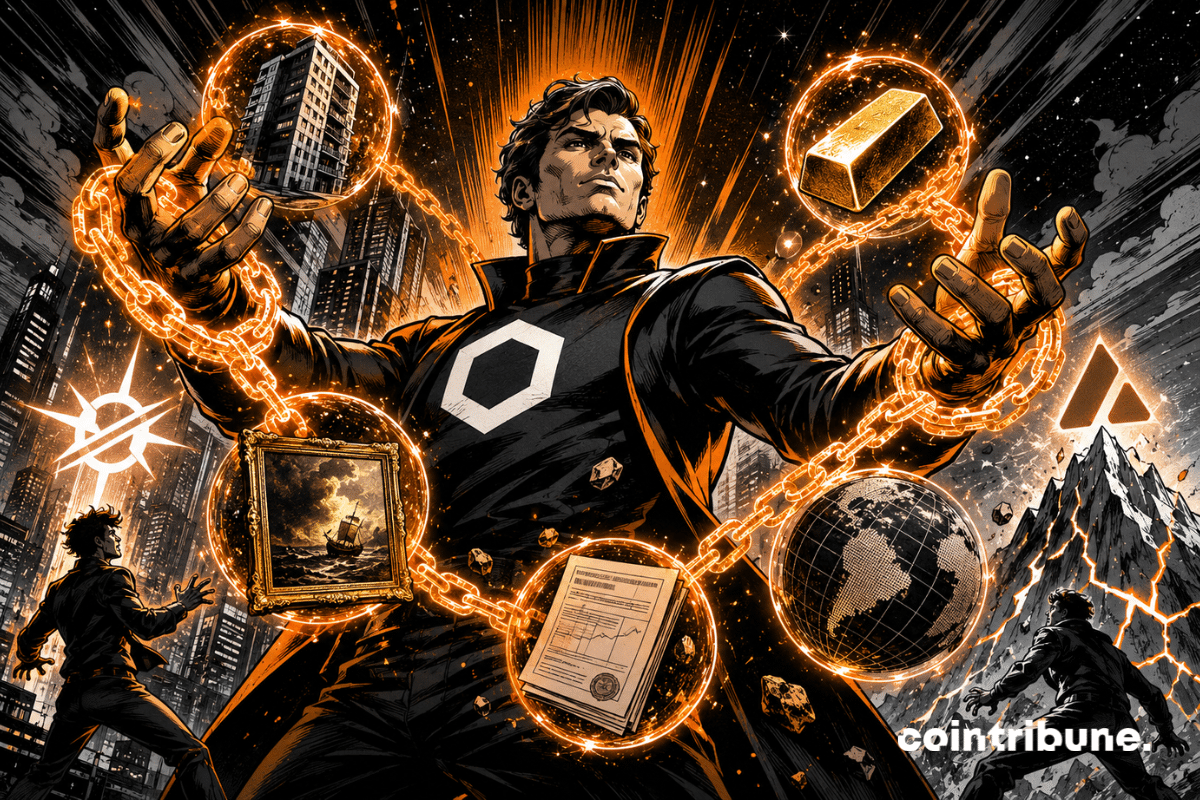
Chainlink establishes itself as one of the big winners in the RWA market. The project leads Stellar and Avalanche in several rankings, while tokenized real assets become a major battleground for blockchain infrastructures.
The derivative markets for Bitcoin are picking up strength, despite a context still marked by the recent correction. On Thursday, the outstanding futures contracts reached 61.9 billion dollars across all exchanges. This increase occurred while the price fluctuated around 81,500 dollars, a zone close to the key levels monitored by options traders.
OpenAI has just changed the core of ChatGPT. The AI now analyzes the context of your conversations to spot distress signals.
Solana stumbles slightly after its sprint, but the bulls still refuse to put away their technical rifles. Behind the red candles, several crypto analysts still sense a rebound capable of surprising sustainably.
The crypto market has long evolved in the shadow of bitcoin. When BTC progressed, altcoins followed. When it fell, the entire sector retreated. This correlation remains dominant, but some projects are beginning to detach from it. Driven by their own activity and investor interest, Hyperliquid, Tron and Midnight now show a dynamic less dependent on bitcoin movements.
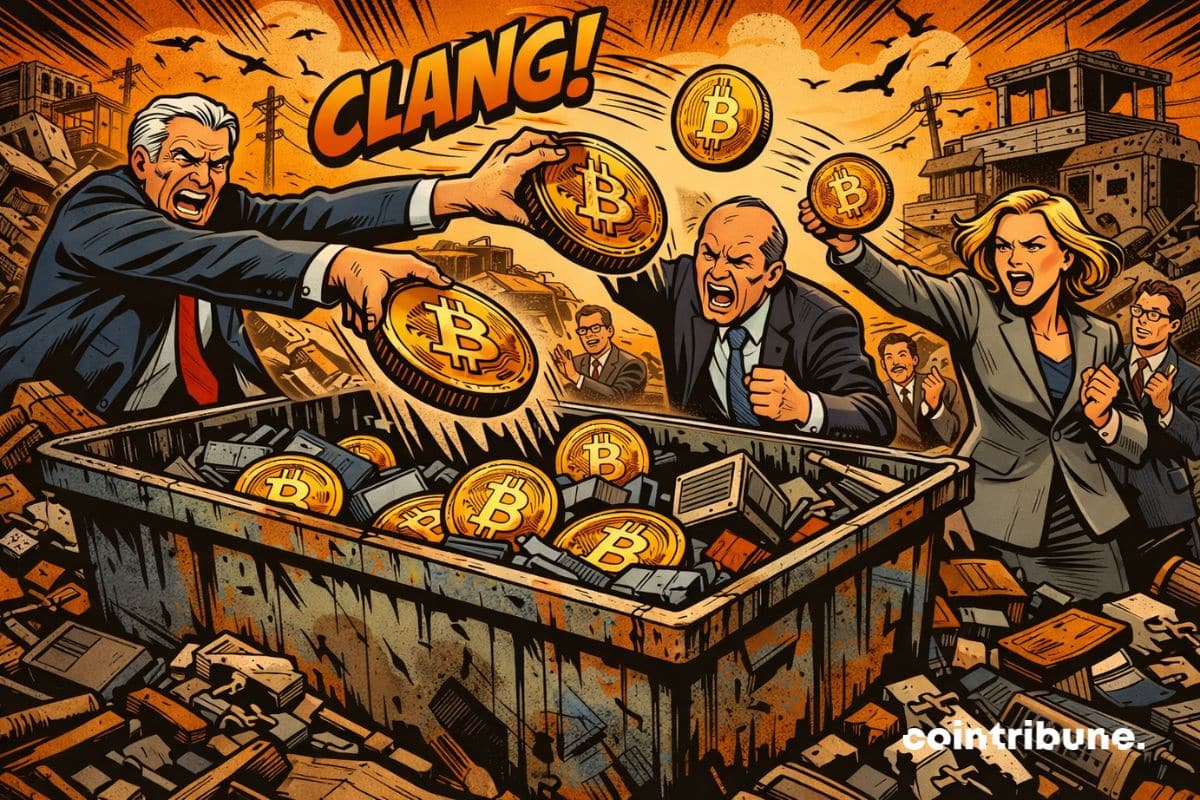
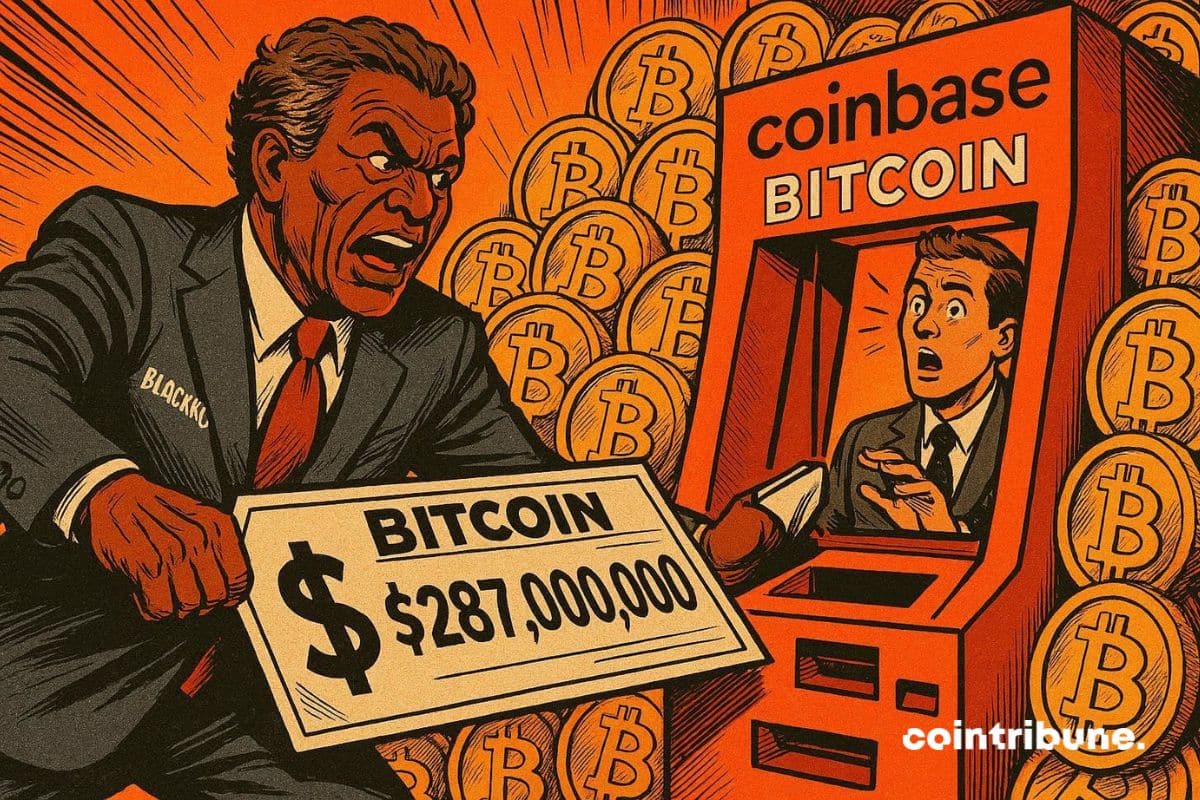
BlackRock shakes the crypto market with a $287 million Bitcoin deposit on Coinbase. Massive sale or tactical move? Between ETF drops and BTC rebound, discover the stakes shaking investors.
The Bank of England is considering a comprehensive review of its regulatory framework on sterling stablecoins. Under pressure from the private sector, the institution is reconsidering rules deemed too restrictive, and potentially fatal for the UK's competitiveness against the United States and Europe.
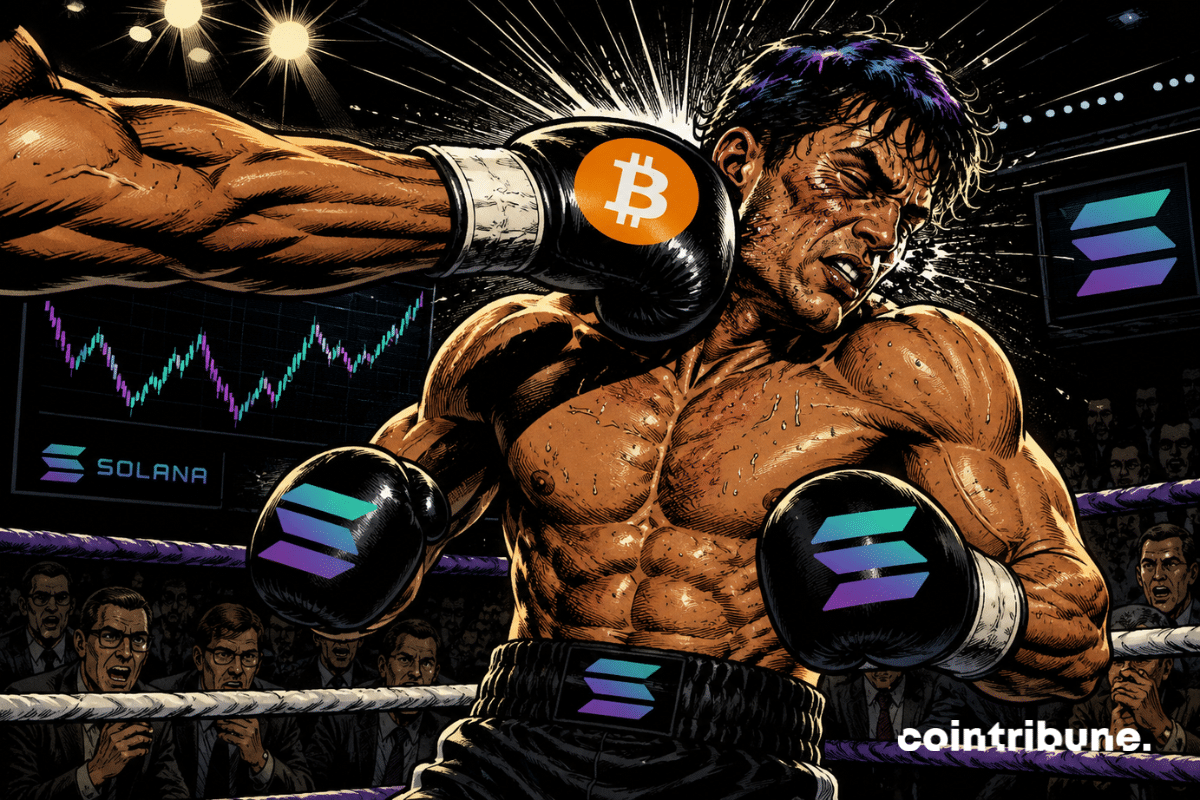
Bitcoin ETFs have just suffered their largest capital outflow in more than three months. On May 13, spot BTC funds lost $635.23 million in a single session. On the other hand, Solana remains in positive territory. The crypto market does not cut risk everywhere. It simply changes direction.
Bitcoin returns to a dangerous zone. After several weeks of rebound, CryptoQuant estimates that the market could flip if the current resistance holds strong. The key point is around the 200-day moving average, near 82,400 dollars. This level had already served as a ceiling during the 2022 bear market.
While Donald Trump sets foot in Beijing for a visit presented as "historic", another battle is being fought far from the cameras: that of global industrial control. In Brussels, the meeting between the American president and Xi Jinping fuels growing concern. Behind the diplomatic smiles, Europe fears an agreement capable of reshuffling the cards of trade, technologies, and critical materials. Rare earths, supply chains, economic warfare: the Sino-American summit could accelerate Europe's industrial decline.
The decline of digital assets continues to weigh on the companies most exposed to the market. In Japan, Metaplanet provides a striking example with a quarterly loss of 725 million dollars, linked to the drop in its bitcoin holdings. However, the group is not slowing down its strategy and is further increasing its reserves in a context where its business model is evolving rapidly.
Earthquake alert on the crypto market! Grayscale has just filed the very first application for a spot Zcash (ZEC) ETF in the United States. Towards an explosion of privacy coins?
While Kalshi swallows billions like an endgame boss, Polymarket now attracts much less innocent looks. Between troubling military bets, accounts appearing from nowhere, and speculative algorithms, predictive markets suddenly resemble a toxic mix between Wall Street, underground casino, and digital war room.
American inflation accelerates again. In April, the price increase reached 3.8% year-on-year, its highest level in three years. The surge in energy costs, fueled by tensions around Iran and disruptions in the Strait of Hormuz, is beginning to weigh on the American economy. This rise now complicates the outlook for Federal Reserve rate cuts and revives tensions in the financial markets.
Crypto investors are no longer staying inside one market. Bitget’s 2026 User Asset Allocation Report shows a clear shift: retail traders still hold crypto, but many now add equities, commodities, and AI tools to build broader portfolios.