Franklin Templeton has upgraded two traditional funds to work on blockchain platforms, letting institutions manage stablecoin reserves with familiar tools.
Investment firm VanEck expects the first quarter of 2026 to favor risk assets, citing clearer fiscal policy, steadier monetary signals, and renewed interest across several major investment themes. After years of uncertainty, improved visibility is shaping how investors position their portfolios heading into the new year.
The crypto market is entering a major zone of uncertainty. According to Wintermute, the historic four-year cycle, a pillar of investment strategies for over a decade, may have reached its limits. In a report published in early January, the market maker mentions a deep break in 2025, a strong signal that 2026 will not be a simple rebound, but a true test of resilience for an ecosystem undergoing redefinition.
When a former politician buys a medical company to stack Bitcoins, crypto becomes a politico-financial novel where health and speculation share the same digital core.
The crypto landscape is evolving rapidly. Once dominated by individuals, the market is now entering a phase where institutional giants take control. This change is no longer measured in trends, but in S-1 filings, MSCI indexes, and billions reallocated. According to the latest Binance Research report, the ecosystem is undergoing a structural transformation. Crypto no longer operates on the margins of traditional markets; it is now deeply rooted there.
A new piece is added to the crypto puzzle: World Liberty Financial, supported by Trump’s entourage, wants to turn the stablecoin USD1 into the locomotive of decentralized finance.
While Bitcoin naps, BitMine stacks ETH: one million staked, billions locked... and an ambition that would make even traditional finance blushing on Ethereum drip.
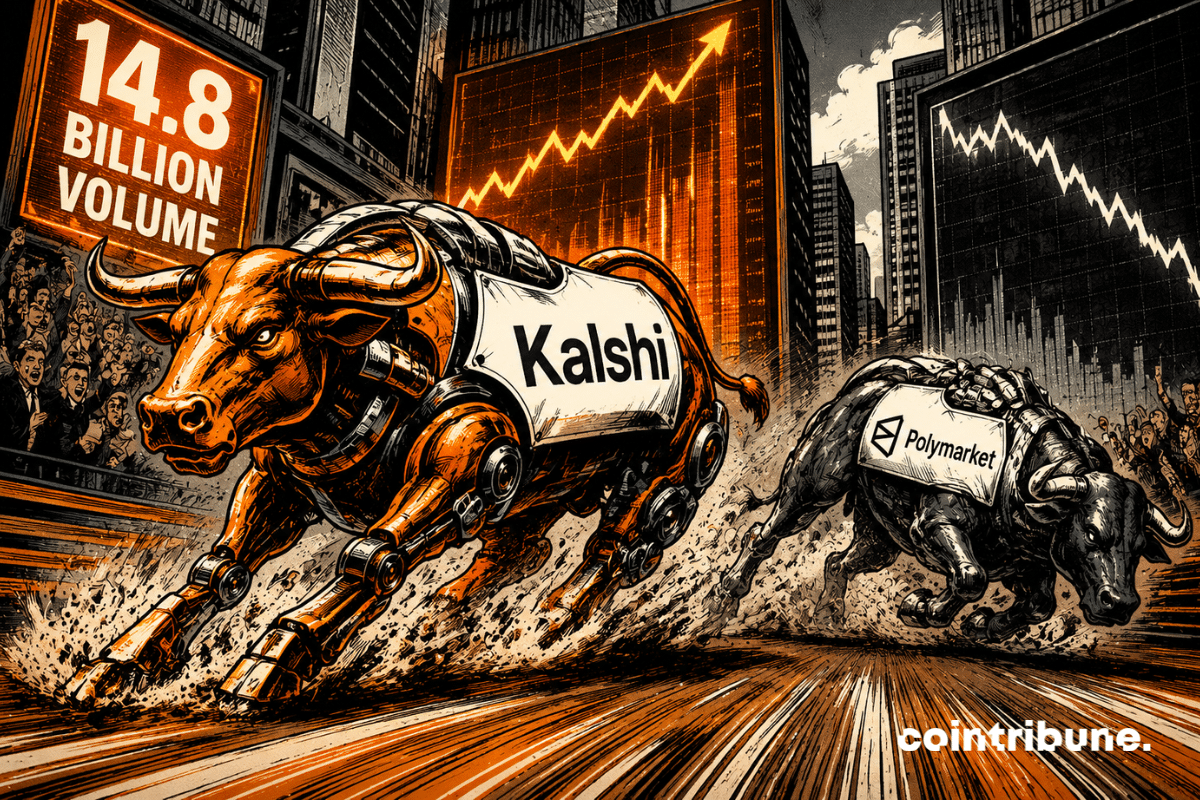
Barely relaunched in the United States, Polymarket is already facing local regulation. Tennessee has just issued an official injunction, accusing it of illegally offering contracts on sporting events. This decision, a first at the state level, could mark a turning point in the legal battle between blockchain platforms and state authorities. At the heart of the case is the legitimacy of predictive markets under federal regulation versus strict local gambling laws.
While crypto coughs, SharpLink stacks millions on Ethereum: from staking to restaking, the company turns its digital treasury into a well-oiled cash machine.
Facing a crypto ecosystem in search of clear landmarks, Nasdaq and CME Group combine their expertise to establish a new benchmark index. With the Nasdaq CME Group Crypto Index, the two giants aim to structure a still fragmented market by providing a robust, transparent, and calibrated framework for the needs of institutional investors. A strategic initiative that could redefine the standards of crypto exposure in traditional finance.
The crypto sector, already weakened by tax issues and complex regulation, faces a new threat: the leak of sensitive data. An investigation in France reveals that a tax agent allegedly exposed private information about crypto owners. This revelation raises concerns about the security of tax data and the increased risk of physical attacks against investors. Such a scandal highlights the vulnerabilities of a system meant to protect citizens' confidentiality.
Donald Trump has refused to grant a pardon to Sam Bankman-Fried, the former CEO of FTX, involved in one of the biggest scandals in crypto history. This decision, far from anecdotal, raises questions about the balance between politics and the crypto industry. It also raises issues about sector regulation and the future of executives accused of fraud, in a context where investor and regulator confidence is already weakened.
Nexo reinvents itself and announces zero interest crypto loans. The crypto finance market finally seems to turn the page on post-FTX chaos. Beware of getting too excited.
Crypto in orbit? Not so fast! Three grains of sand could well jam the rocket... What if Wall Street or the US Congress hit pause?
At Visa, it's no longer a toss-up with crypto: 91 million later, the card becomes the new favorite toy of decentralized financiers. To be continued…
Crypto magnates to the rescue of Trump: when tokens waltz and senators hesitate, who is really manipulating whom? Has digital democracy found its biggest speculator?
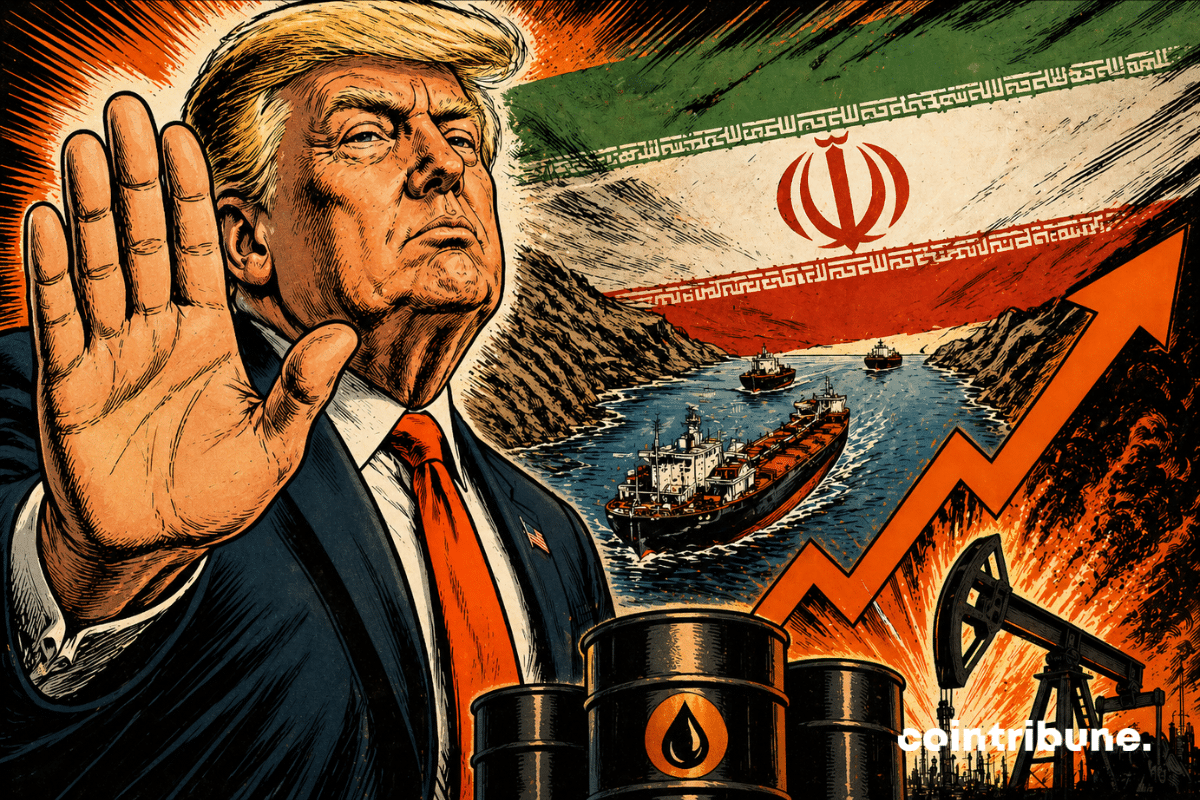
U.S. President Donald Trump said Saturday that reviving Venezuela’s oil industry will be a central focus of Washington’s intervention following the removal of President Nicolas Maduro, framing the effort as both a geopolitical and economic play. Speaking from Mar-a-Lago, Trump said U.S. energy companies are expected to take a leading role in repairing the country’s oil infrastructure while the United States oversees a temporary transition of power.
While Donald Trump promises to revive the Venezuelan economy through a strong comeback of its oil industry, the major players in the American oil sector remain skeptical. Behind the stated ambition, the facts are relentless: crumbling infrastructure, political instability, and widespread distrust in the markets. Both Wall Street and the oil majors see this project as a high-risk gamble, with colossal costs and no guarantee of success. Venezuela's rebound under Trump might well remain an illusion.
When the yen drowns, Metaplanet rows towards bitcoin: a strategy that makes Tokyo smile... except creditors. While Japan goes into debt, others stack BTC.
The dollar pulls the strings, Maduro falls, Kiyosaki philosophizes... and bitcoin rises! Simple coincidence? Not sure, but it's worth a little tour behind the scenes of oil.
Bitmine has just added +259 million dollars in ETH, driving the Ethereum validator queue to nearly one million. A record that reveals institutional enthusiasm for staking and raises a crucial question: Can Ethereum absorb this pressure without compromising its decentralization?
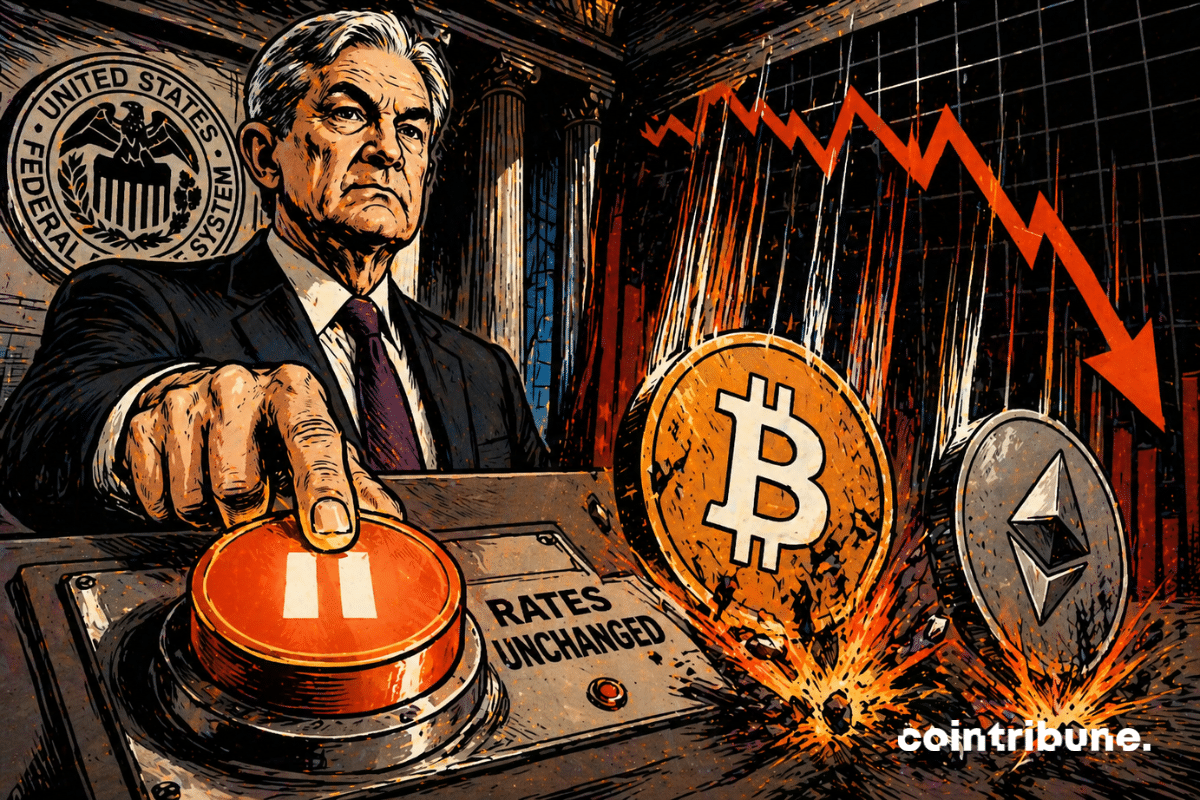
December Fed minutes highlight risks of cash strains in money markets and steps officials may take to keep funding smooth.
While Beijing is making its e-yuan grow, Washington debates whether cryptos can offer rewards. What if the real danger is not what we think?
Crypto markets are entering 2026 with stronger structural support than in earlier cycles. Clearer regulation, expanding financial products, and closer links to traditional finance are reshaping how digital assets are adopted and perceived. Coinbase’s research leadership expects this momentum to persist rather than weaken.
While the market coughs, Tether, on the other hand, is gobbling up bitcoin… A frenzy of crypto-purchasing that intrigues, worries, and could well shake more than one stablecoin in a business suit.
While stablecoins have gained more than $100 billion in 2025 to peak at $307 billion according to DefiLlama, India is taking the opposite direction. The Indian central bank (RBI) states that only a sovereign digital currency guarantees monetary stability. In a global landscape where CBDCs struggle to impose themselves, New Delhi erects the e-rupee as a bulwark against the privatization of money.
Warren Buffett turns a page in history. This December 31, 2025 marks the end of his reign at the head of Berkshire Hathaway, after more than 60 years of exemplary management. An iconic figure of the markets, "the Oracle of Omaha" embodied a vision of investing based on discipline, duration, and consistency. His departure is not just a change of leadership, but a strong signal addressed to the global markets, at a time when an emblematic era of American capitalism is closing.
BlackRock’s BUIDL fund has delivered $100M in dividends and grown beyond $2B, marking a milestone in tokenized money market funds.
An annoyed Dragon, a relaxed Trump, missiles on the move: the global economy wobbles while Taiwan grits its teeth, and Beijing flexes its muscles to play war.
Bitcoin and Ether are showing early signs of a shift in investor behavior, even as broader market conditions remain weak. Long-term Bitcoin holders are easing selling pressure, while large Ether holders are adding to their positions. Prices, however, remain under pressure amid caution, macro risks, and year-end positioning.