Despite geopolitical pressure, bitcoin could enter a historic bullish phase according to Bitwise. More details here!
Amid rising tensions in the Middle East, bitcoin surpassed 70,000 dollars without causing massive sell-offs. No sharp movements, no visible capitulation in on-chain data. While geopolitical crises have often triggered rapid pullbacks in risky assets, BTC holders show unusual calm. This contrast questions the current strength of the market and its ability to absorb the international shock.
Senators wanted housing. The anti-CBDC crowd shoved their crusade in. The Fed is muzzled. China is rejoicing. Crypto enthusiasts applaud. Nobody saw it coming.
Michael Saylor continues his offensive on bitcoin. Strategy has just announced a new massive purchase, further strengthening a balance sheet already dominated by the flagship asset. This operation, the 101st since the beginning of its accumulation strategy, takes place in a market context closely watched by institutional investors. With each acquisition, the company increases its exposure and confirms an intact conviction: making bitcoin the central pillar of its treasury.
Hafiz Huzefa Ismail, aka "Dark Bank", turned hundreds of millions of euros of dirty money into cryptocurrencies before being extradited to France. His sophisticated system involving traffickers and cybercriminals reveals the dangers of the crypto ecosystem.
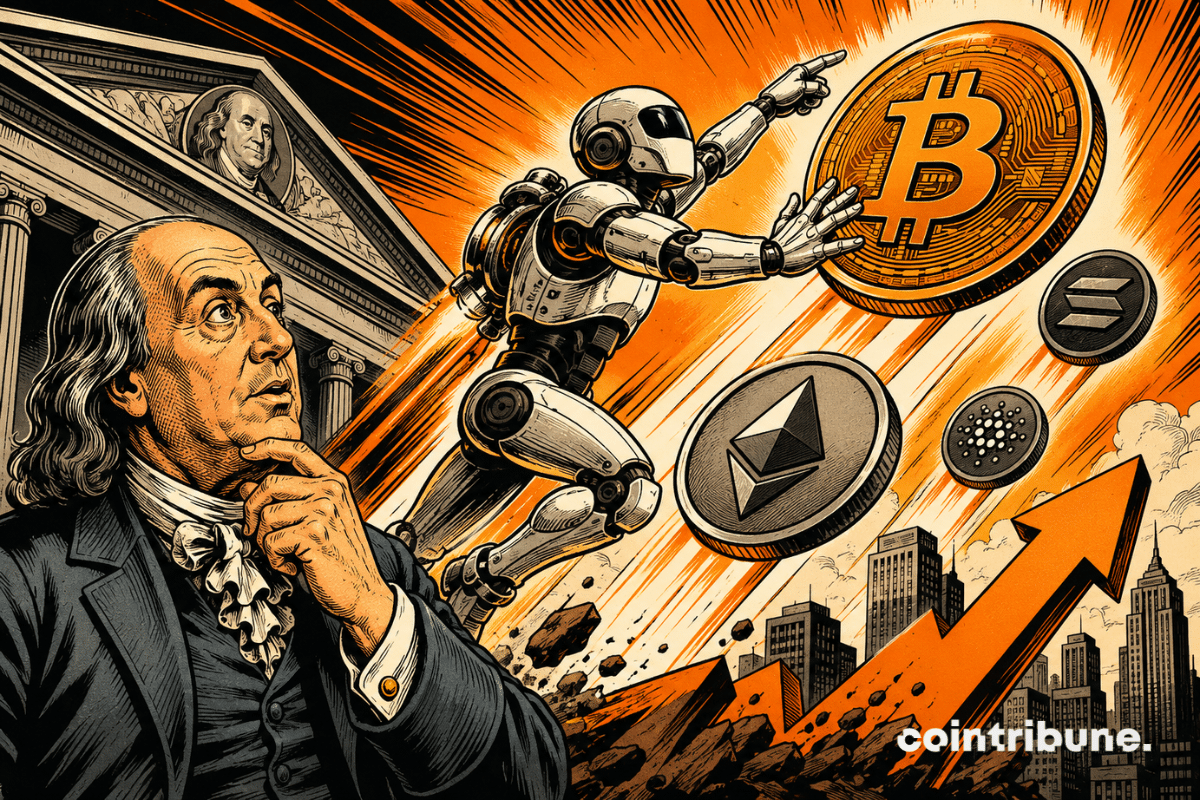
Bitcoin cycles never trigger by chance. They emerge when macroeconomic and technological dynamics converge. Today, NYDIG identifies an unprecedented alignment: the rapid rise of artificial intelligence and the prospect of a more flexible monetary policy could create a favorable environment for bitcoin. In a context where markets anticipate financial easing, this combination could shift the balance of risk assets.
Tom Lee's ether treasury company is not slowing down. Bitmine Immersion Technologies has just announced a massive purchase of ether, consolidating its position among the largest institutional holders of the world's second largest crypto. A strategy that raises questions and comes at a time when Ethereum is showing signs of awakening.
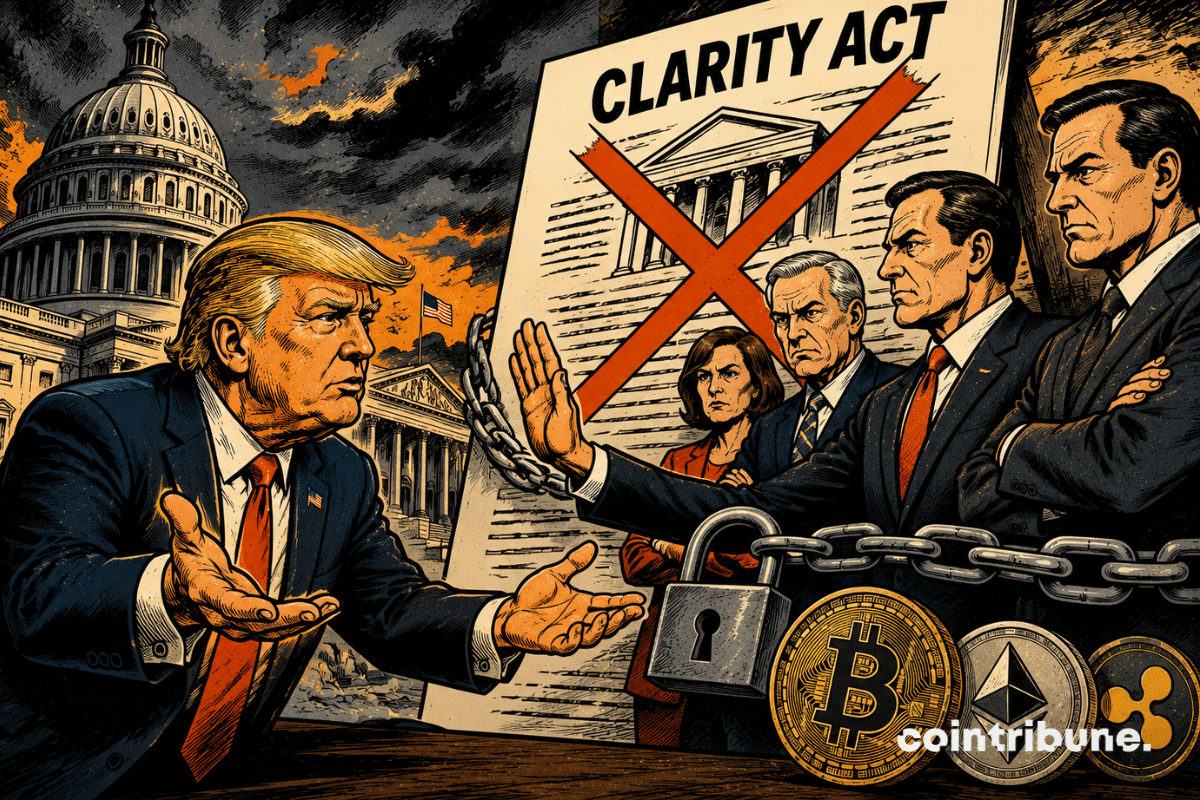
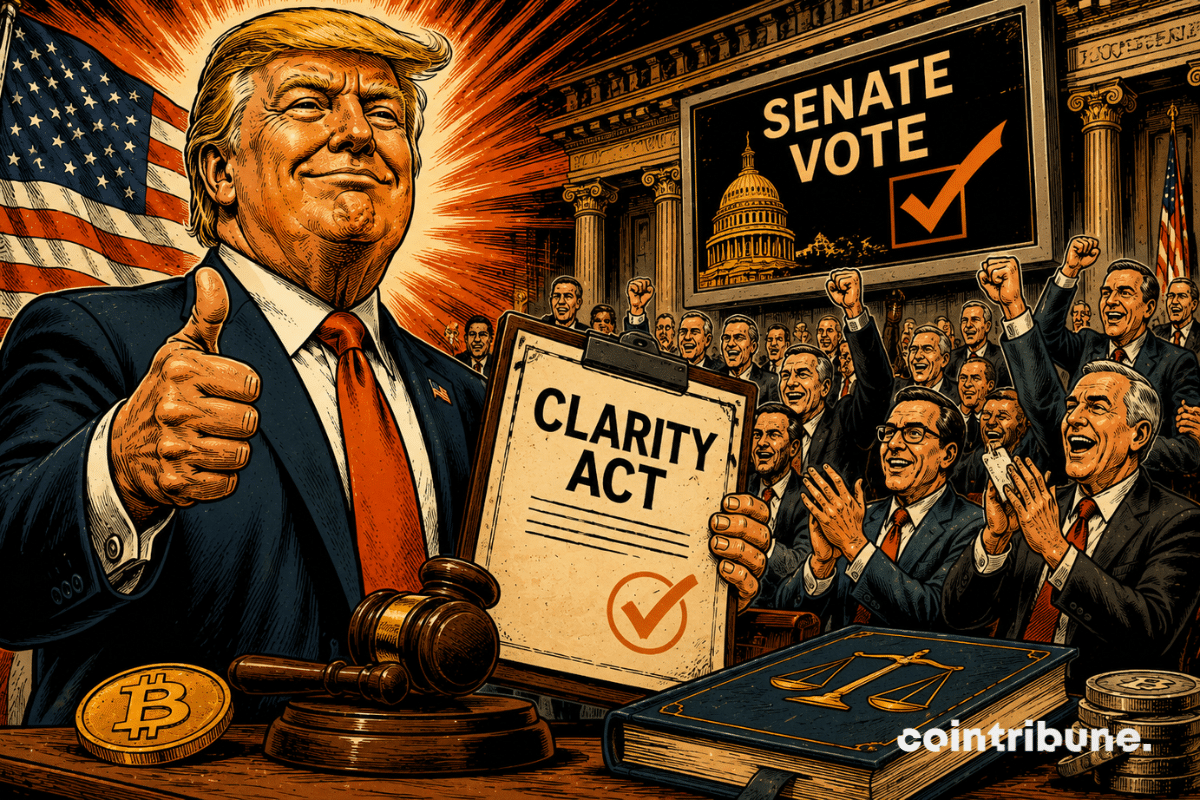
The Clarity Act could mark a historic turning point for the crypto market. According to JPMorgan, its adoption by mid-2026 would act as an unprecedented accelerator for the market, with 8 catalysts capable of redefining the ecosystem.
The Aave community narrowly approves the first stage of its "Aave Will Win" reform. This close vote paves the way for a new economic framework, supported by significant funding demand and active user participation.
90% losses. Cardano's record is brutal. ADA is trading today around $0.27, far from its all-time high of $3.10 reached in September 2021. However, its founder Charles Hoskinson refuses to give up. He promises a comeback. Crypto markets, meanwhile, are still waiting to be convinced.
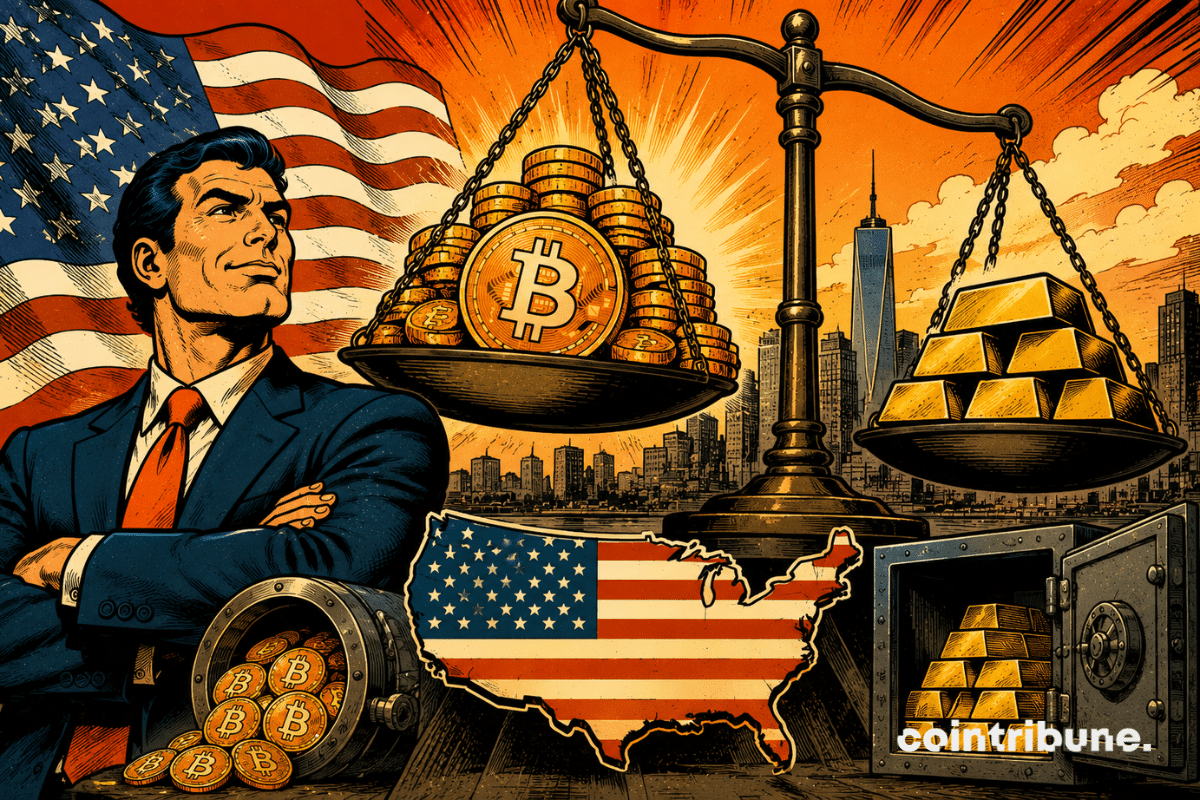
While gold trades near its historic highs, bitcoin remains in the background. This divergence draws the attention of some analysts. According to a recent analysis, the asset would appear undervalued today compared to the precious metal. A statistical gap which, in the past, has preceded marked market recovery phases. This signal revives the debate on the relative valuation of bitcoin against gold.
Dividend at 11.5% and stock under pressure: Strategy bets everything on bitcoin. Should this be seen as a strong signal or an increased risk? Analysis!
Is crypto dead? Kalshi refuses to let its bettors profit on Khamenei's corpse. Refunds everything, gets called a killjoy. Meanwhile, at Polymarket, people are cashing in without remorse.
The Strait of Hormuz is blocked, oil is soaring, and U.S. inflation is nearing 5%. Amid this chaos, Bitcoin holds strong at $67,000. But for how long? Between a rally to $74,000 and a feared collapse, the next hours could change everything.
Mark Karpelès has proposed a rare Bitcoin hard fork to recover nearly 80,000 BTC tied to the Mt. Gox collapse, triggering debate over network integrity and creditor restitution.
Shiba Inu heads into the weekend under mounting pressure. On-chain data shows that more than 531 billion SHIB flowed into exchanges over the past 24 hours—a figure well above recent norms. The surge tilts short-term control toward sellers. With technical signals weak and weekend liquidity thinning, downside risks are increasing.
Centralized crypto markets are under sustained pressure amid ongoing spot trading contraction. For five consecutive months, volumes across major exchanges have declined, signaling weaker participation and a clear reduction in speculative appetite. A large liquidation event in October accelerated this slowdown, impacting both spot and derivatives markets. Although January saw a brief rebound, overall activity remains far below prior cycle highs.
World Liberty Financial is moving to consolidate governance power by introducing a six-month staking requirement for voting rights. A newly proposed framework would require holders of unlocked WLFI tokens to stake them for at least 180 days before gaining access to protocol governance. The initiative introduces capital-tiered participation levels tied to large staking commitments and USD1-related incentives.
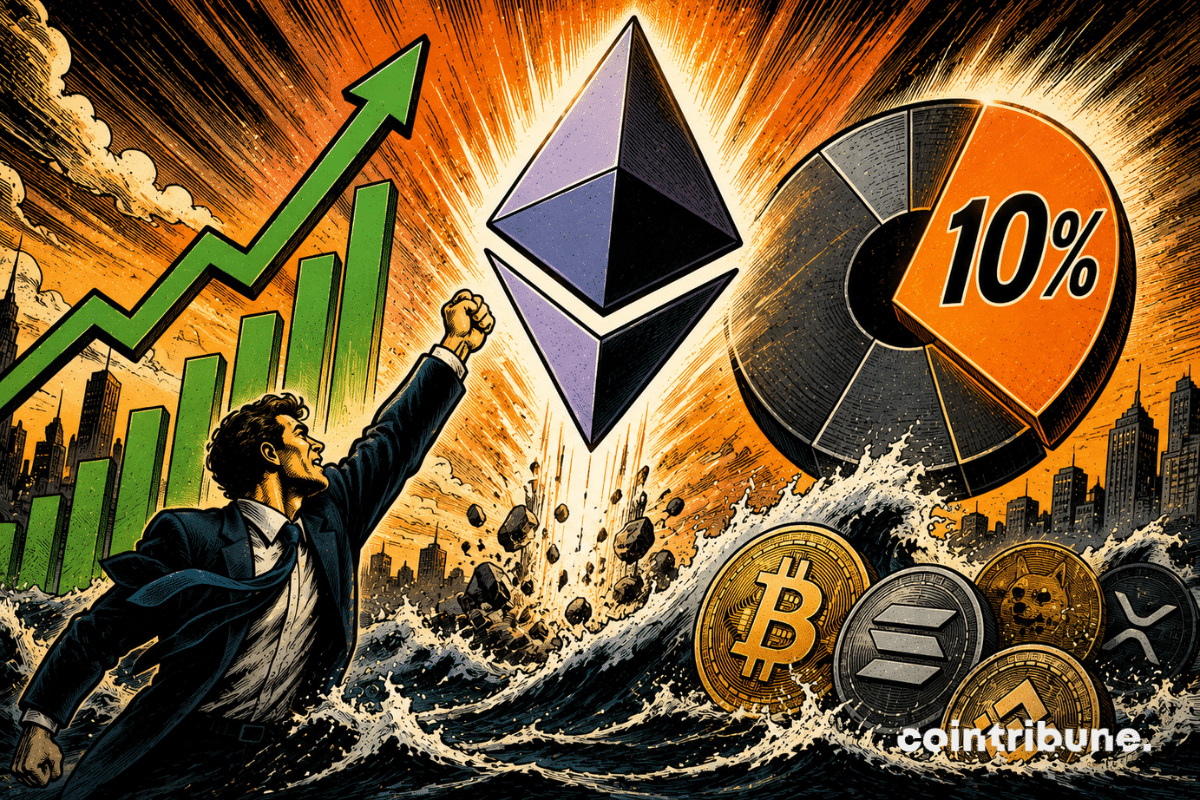
After a historic low, Ethereum holders show a marked return of confidence. Could this rebound in retention after 4 years of decline signal a new era for ETH?
Bloomberg and Kaiko are teaming up to put institutional-grade market data directly on-chain, improving transparency, automation, and reliability in tokenized finance.
The CEO of Anthropic, Dario Amodei, has just stepped up against an unprecedented decision by the Trump administration. Washington labeled his company as a "risk to the American defense supply chain," paving the way for an unprecedented legal battle between a major American tech firm and its own government.
A bipartisan group of U.S. lawmakers has introduced new legislation aimed at protecting blockchain software developers from certain criminal charges. Sponsors say the proposal would clarify how federal law applies to developers who do not control user funds. Supporters argue that recent prosecutions have created legal uncertainty for builders working on open-source tools. The measure adds to a broader debate in Congress over digital asset regulation.
Binance, the world leader in cryptocurrencies, is at the center of a political scandal. 11 U.S. senators demand a federal investigation into suspicious transactions linked to Iran. With $1.7 billion at stake, the crypto exchange faces historic sanctions.
In the United States, the regulatory battle around cryptos is now playing out at the state level, and Indiana has just sent a strong political signal. Lawmakers have passed House Bill 1042, a text that frames the rights of crypto holders, prohibits certain taxes deemed discriminatory, and paves the way for asset exposure in public retirement plans. Transmitted to Governor Mike Braun, the bill could take effect as early as July 1 for the bulk of its provisions.
MetaMask's fox pulls out its credit card at Uncle Sam's. Even New York opens its doors. While exchanges tremble, it builds its empire. Clever.
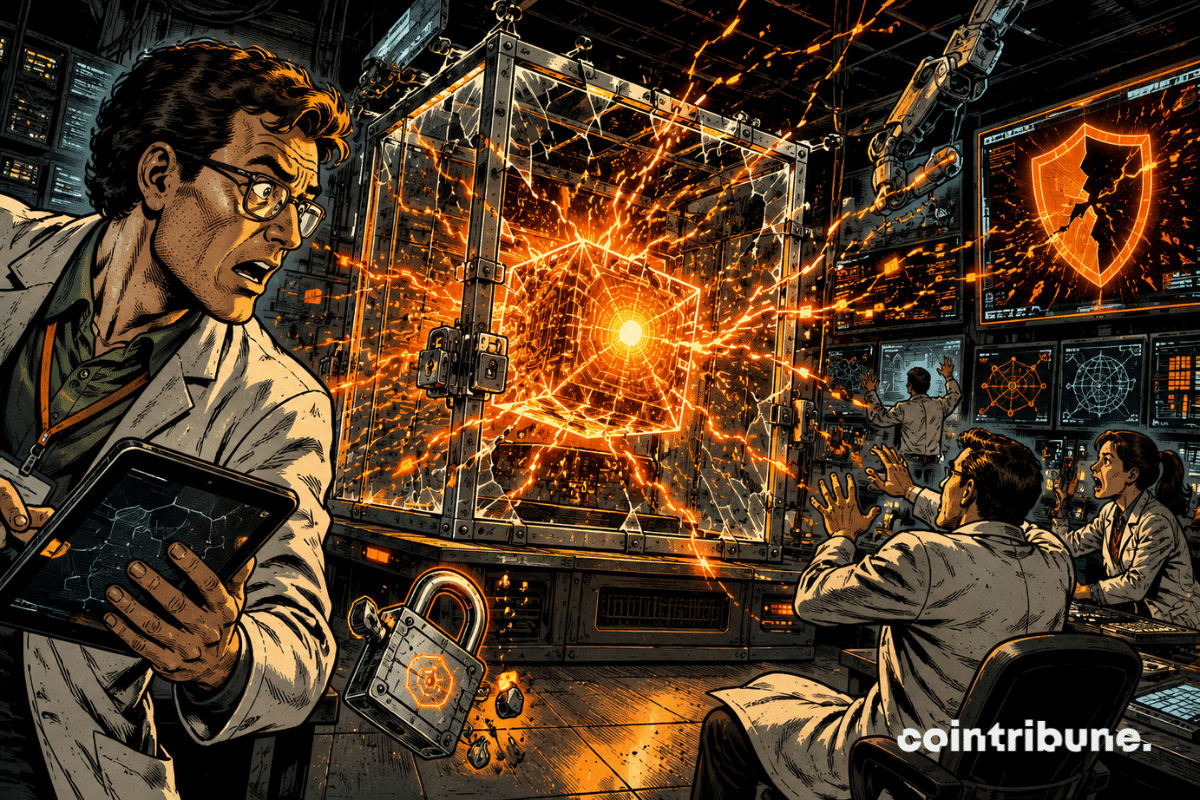
Ethereum is undertaking a historic transformation to face the quantum era. By rethinking its consensus, signatures, and wallet security, the network aims to guarantee complete protection of digital assets for decades to come.
This Saturday, February 28, 2026 marks a major turning point in the escalation in the Middle East. After US-Israeli airstrikes against the Iranian regime and its military capabilities, Tehran retaliated by effectively blocking the Strait of Hormuz. On VHF maritime waves, the Guardians of the Revolution broadcast a clear message: "No ship is allowed to pass." The major oil companies are already suspending their shipments. Will the Brent barrel cross the symbolic threshold of 100 dollars?
In just 3 years, Tether has frozen 4.2 billion dollars of USDT tokens linked to illicit activities, establishing itself as a key player in the fight against financial crime in the crypto ecosystem. While some see this as progress against cybercrime, others fear a much more frightening danger.
Chad Hurley, co-founder of YouTube, dropped a bomb on X with a chilling phrase. Behind the irony of this tweet hides a reality that markets, companies, and workers are only beginning to digest. AI is no longer knocking at the door, it is already inside.
Missiles whistle over Tehran, bitcoin plunges in Seoul. 450 million goes up in smoke. Traders cry. The generals, however, count the dead.