Fri 07 Aug 2026 ▪
5 min read
▪
by
MetaMask puts a leash on its latest beast: Agent Wallet. AI can trade, but it can't bite. And if it messes up, up to 10k in damages is covered.
MetaMask puts a leash on its latest beast: Agent Wallet. AI can trade, but it can't bite. And if it messes up, up to 10k in damages is covered.
Hardware wallets are among the safest solutions for storing bitcoins offline. However, this certainty has just been shaken. A critical flaw discovered in the Coldcard ecosystem allowed the theft of 116 million dollars, revealing a software vulnerability that went unnoticed for five years. The case questions the reliability of self-custody tools, as digital sovereignty emerges as a pillar of the Bitcoin ecosystem. The losses, mostly concentrated in Canada, further emphasize the scale of this incident.
The consequences of the flaw that affected some Coldcard hardware wallets continue to spread. After losses estimated at more than 88 million dollars in bitcoin, several victims are now preparing a legal response. Coinkite, the manufacturer of the wallets concerned, is facing increasing pressure as users from several countries gather information to consider a collective action. This new step could mark a turning point in the management of disputes related to hardware wallets.
Security incidents quickly influence investors' decisions in the cryptocurrency market. This time, a vulnerability affecting the Coldcard hardware wallet caused an unusual movement of funds. While self-custody had gained popularity after the FTX bankruptcy, many bitcoin holders adopted the opposite strategy. Onchain data now shows an increase in deposits to exchange platforms, illustrating a temporary behavioral shift in response to risks.
Cold storage, long presented as the ultimate bulwark against hacking, has just suffered one of its biggest setbacks. A critical software vulnerability affecting Coldcard wallets enabled the theft of tens of millions of dollars in bitcoin, reviving questions about the limits of self-custody. This case breaks out as the market comes off a July up 7.36%, under pressure from massive institutional withdrawals and approaching two major protocol upgrades expected in August.

The 2026 FIFA World Cup marked a new step for the blockchain ecosystem. According to data published by Chainalysis, predictive markets recorded unprecedented activity thanks to the worldwide excitement around the competition. Decentralized betting, digital collectibles, and the participation of hundreds of thousands of users illustrated the magnitude of the phenomenon. These results also show that major sports competitions accelerate the use of blockchain-based applications.
Stablecoins continue to gain ground in digital uses, far beyond the traditional crypto ecosystem. Now, Samsung intends to give them a place at the heart of its Wallet application, presented as a future everyday wallet. This evolution marks a new stage in the strategy of the Korean group, which wants to bring together payments, rewards, and digital assets within a single interface. The announcement was made during Galaxy Unpacked and confirms the growing interest of major technology companies in stablecoins.
Telegram continues to develop its digital ecosystem with a new milestone focused on crypto. Its founder, Pavel Durov, announced the deployment this summer of a native non-custodial wallet directly integrated into the messaging app. This initiative could enable over one billion monthly active users to send digital assets autonomously. The project is part of a broader strategy aimed at enhancing peer-to-peer payment uses and Web3 technologies within the platform.
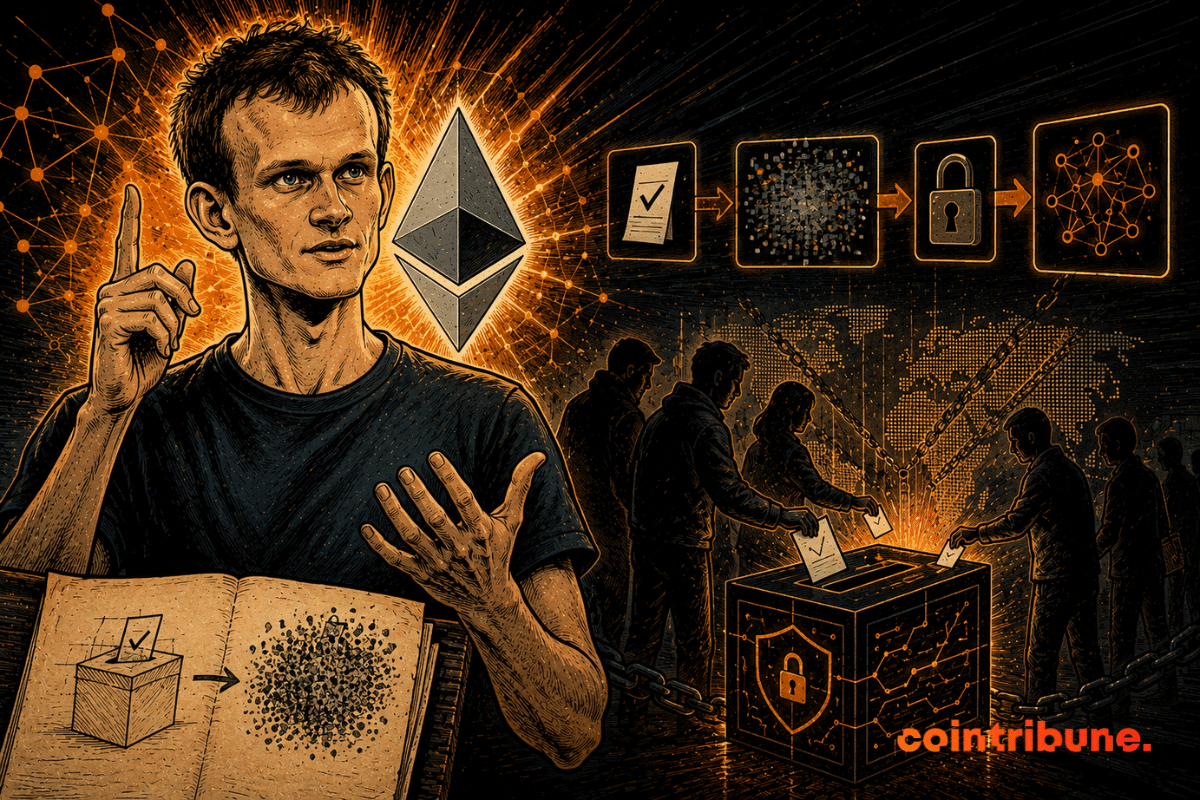
Vitalik Buterin promises inviolable crypto votes thanks to obfuscation, a fascinating technical feat. But patience: the technology will take longer than the universe to run. We'll wait patiently.
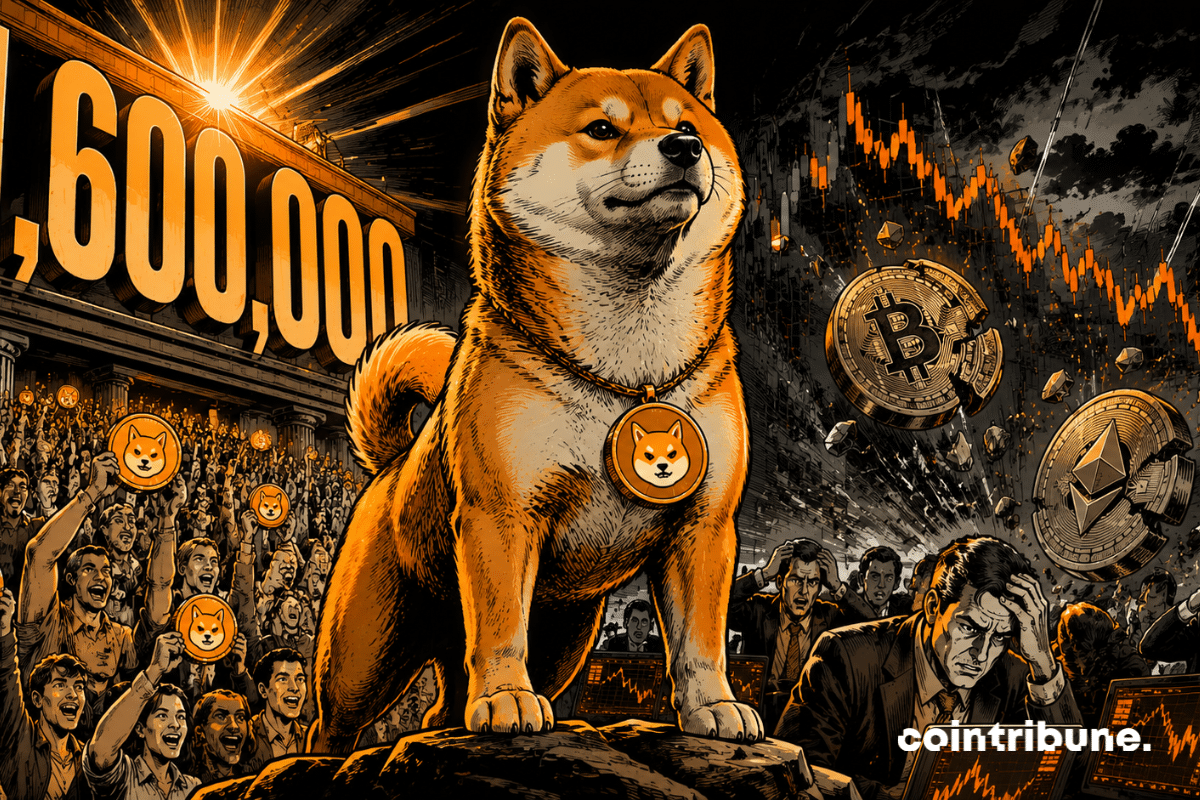
The dynamism inherent in decentralized networks sometimes manages to overcome graphical hazards to reveal the real power of conviction within a community. While the global crypto market is going through a phase of uncertainty related to persistent macroeconomic pressures, the Shiba Inu (SHIB) protocol has just crossed a historic milestone. Token allocation mechanisms in decentralized finance often serve as a powerful leading indicator, and a thorough examination of distributed ledgers reveals a growing divergence between the attraction of unique users and short-term price performance.
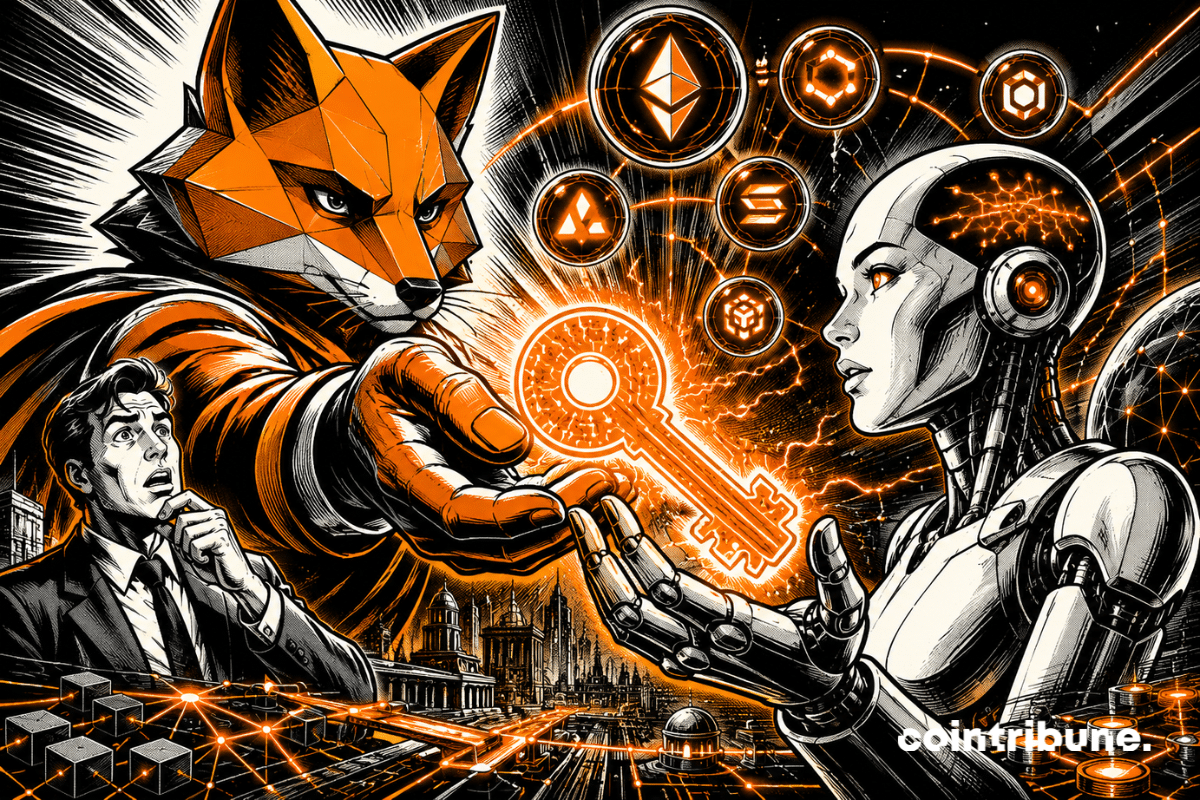
This is no longer science fiction! MetaMask has just given full control of DeFi to autonomous AI agents. Crypto trading is about to shift into a 100% algorithmic era.
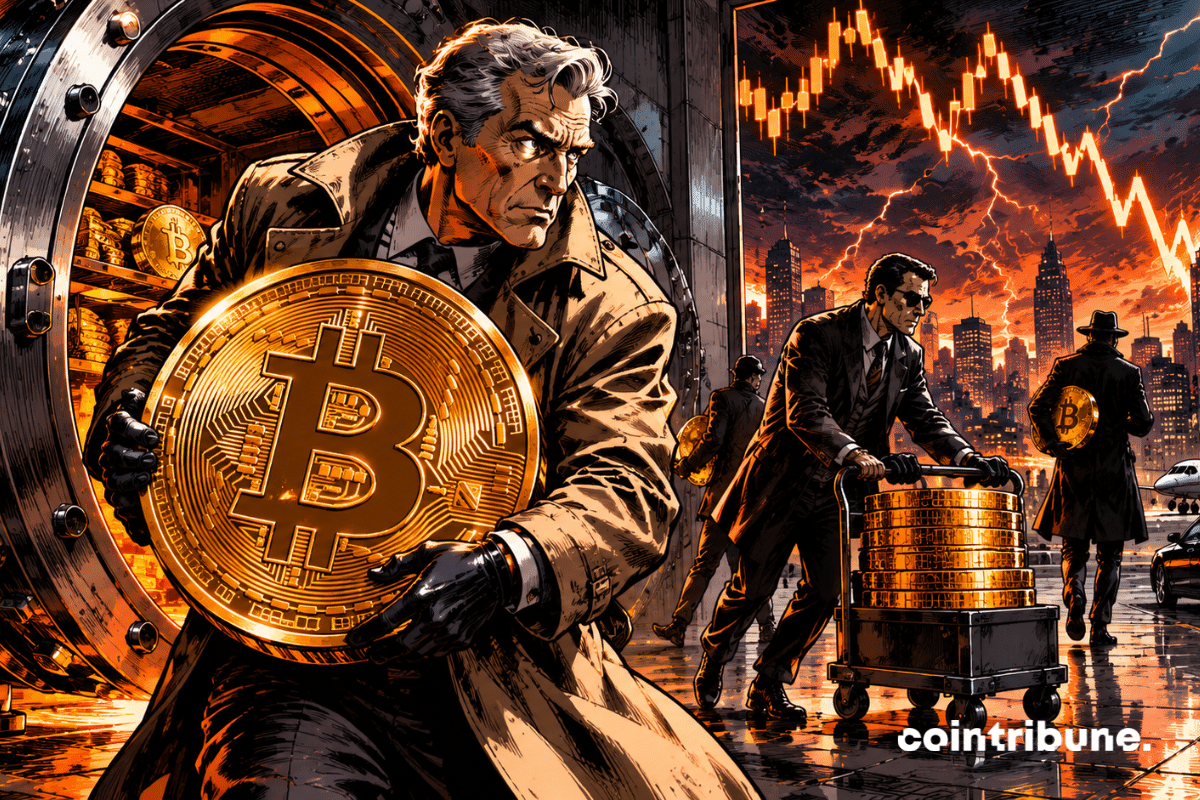
Former bitcoin holders are regaining control of the market. While BTC trades below 75,000 dollars, several wallets inactive for years have just moved millions of dollars, some of which to Coinbase. These movements, rare and closely monitored in the crypto ecosystem, rekindle speculation about possible profit-taking by the network's first whales.
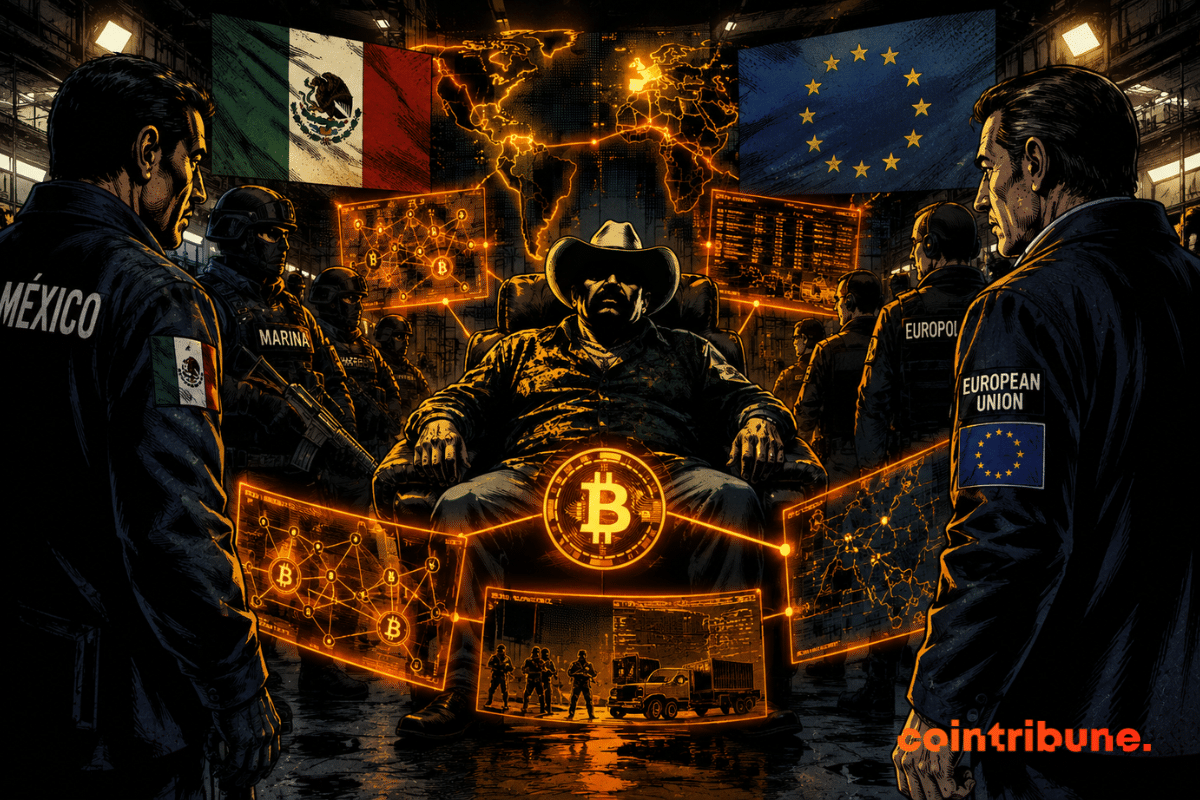
Brussels and Mexico quietly strengthen their ties as crypto becomes a new global financial battleground. Between cartels, trade, and tensions with Washington, Europe now wants to monitor digital flows without breaking blockchain innovation.

Blockchain.com quietly returns to knock on Wall Street's door, as bankers, regulators, and crypto veterans slowly bring out their old tokens still burning after several particularly painful IPOs.

An old bitcoin wallet quietly gathered dust since 2015 in the dusty basements of a university computer. Then Claude arrived with his forensic lamps and his reflexes of a digital flea market trader on amphetamines. Behind the viral euphoria, several experts nevertheless remind that no bitcoin safe has actually been cracked.

XRP records a new all-time high on its network. According to Santiment data, 332,230 wallets now hold at least 10,000 XRP, a level never reached before. This increase in the number of large wallets comes while the crypto price remains far from its previous peaks. Such momentum revives discussions around the positioning of long-term investors on Ripple's asset.

France has backed down on the mandatory declaration of self-hosted wallets, and this is a clear victory for Bitcoin defenders. On April 28, 2026, the joint parliamentary committee did not retain Article 3 quater of the bill aimed at combating social and tax fraud. This provision sought to impose an annual declaration of digital asset wallets controlled directly by their users.
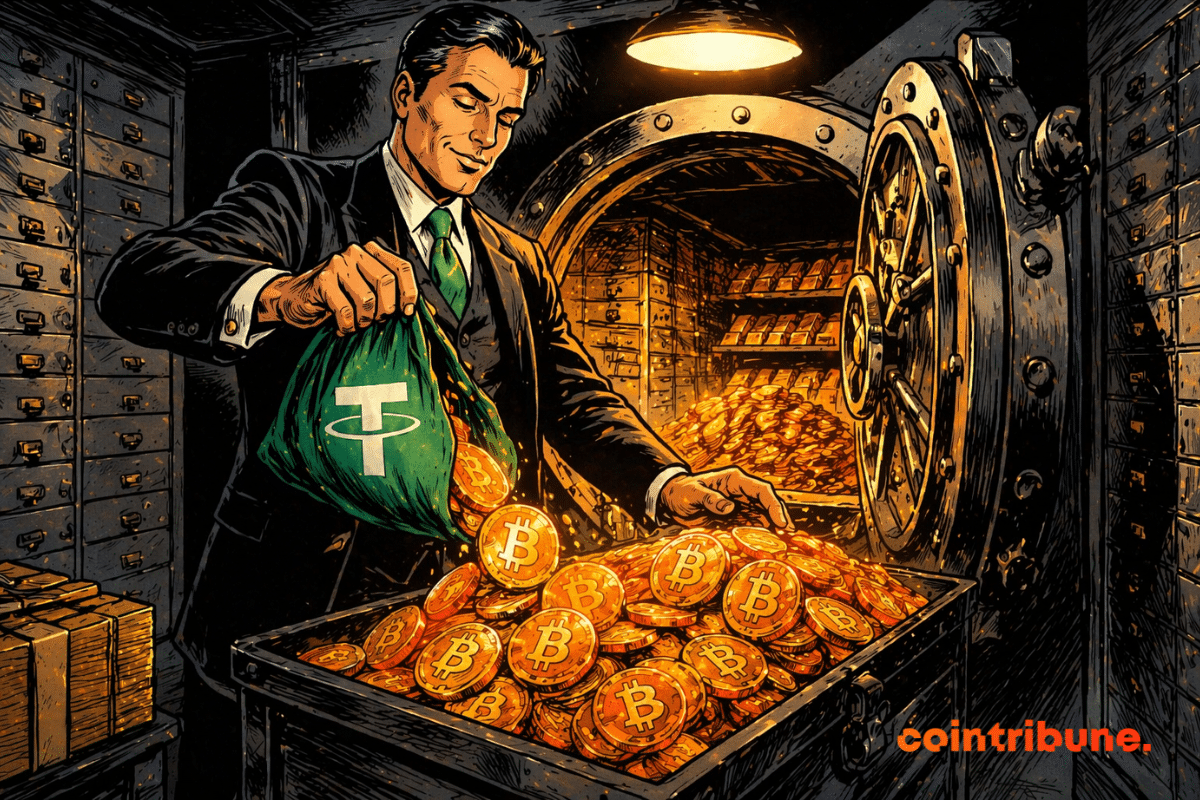
At Tether, the stablecoin is no longer enough: bitcoin, gold, and now wallets are being stacked. At this pace, the vault almost starts to see itself as a State.

The tax authorities now eye digital wallets like a tax collector before a cellar of fine wines: French crypto comes under the halogen lamp.

An unexpected purge shakes the crypto ecosystem: YouTube removes dozens of crypto channels without warning. Details here!
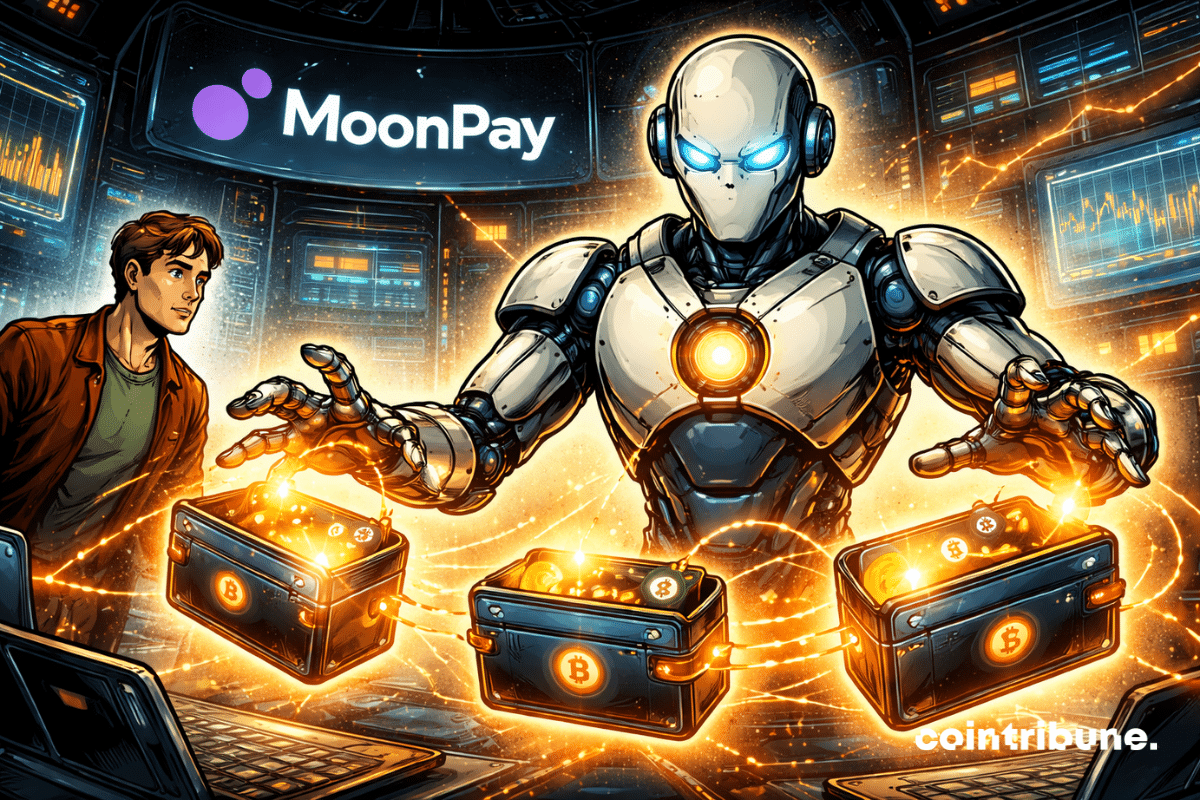
MoonPay gives a wallet to machines, and here come the AI agents starting to play bankers, while crypto tries to avoid a joyful global technical mess.

Bitcoin shows a more constructive signal: large holders sell less, while miners are still slowing their sales despite increasing pressure.

Address poisons have stolen 500 million. Trust Wallet responds with an anti-copy-paste shield. Finally some good news.
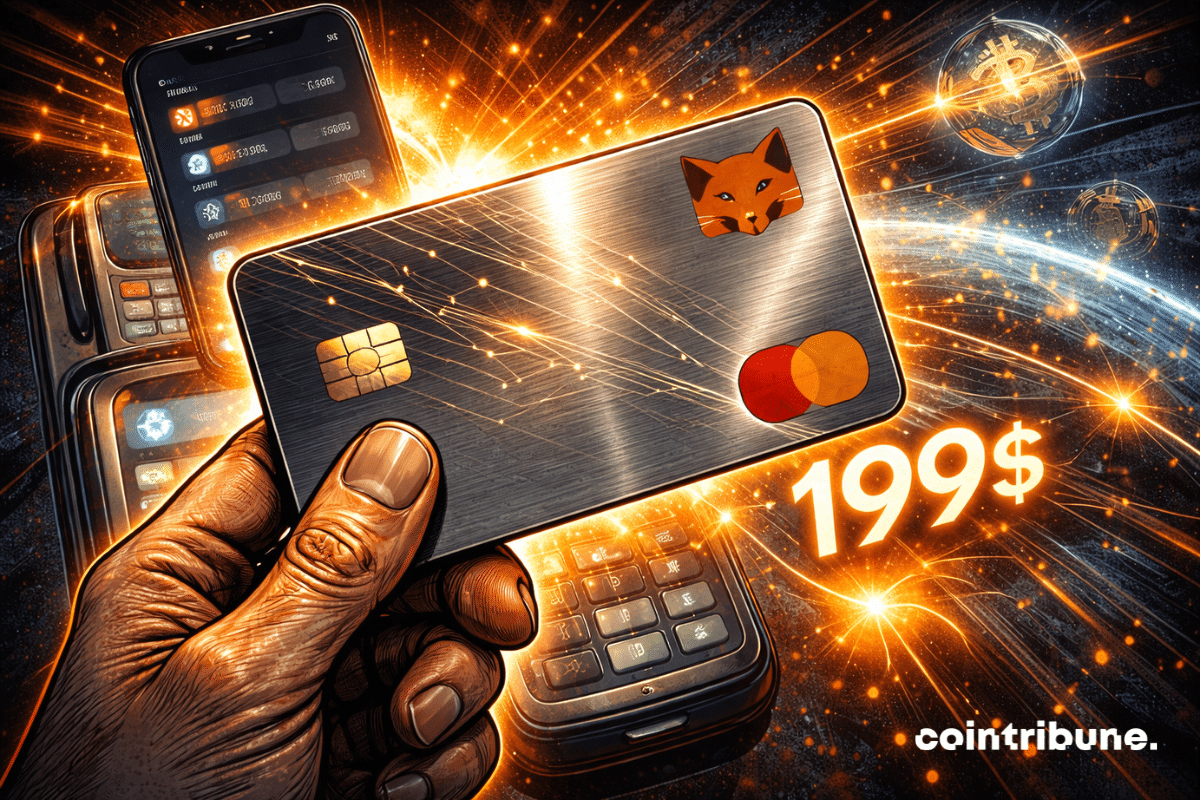
MetaMask's fox pulls out its credit card at Uncle Sam's. Even New York opens its doors. While exchanges tremble, it builds its empire. Clever.

World Liberty Financial (WLFI), a crypto venture backed by the Trump family, has unveiled a governance proposal that would require long-term staking to unlock voting rights while deepening incentives around its stablecoin, USD1. The initiative is designed to concentrate decision-making power among committed participants and expand USD1’s role within the ecosystem.

They were looking for the loot, found an empty wallet. So they killed, dismembered, buried. An Israeli detective watched. He is restrained in Dubai.

Crypto use within human trafficking networks is rising, according to new data from Chainalysis. Yet the firm argues that blockchain’s open ledger may also expose those same networks to investigators. A recent report shows a sharp increase in crypto flows tied to suspected trafficking operations, many of which operate across Southeast Asia. Analysts believe transaction visibility could give law enforcement a tactical edge.

Tokenized money market funds and digital bank deposits are moving beyond experimentation and into early financial infrastructure, executives said Wednesday at Consensus Hong Kong 2026. Speakers from Franklin Templeton, SWIFT and Ledger described an industry shifting from pilot programs to real-world deployment. Adoption remains small relative to global capital markets, but institutions are increasingly building systems designed for round-the-clock settlement and on-chain access.
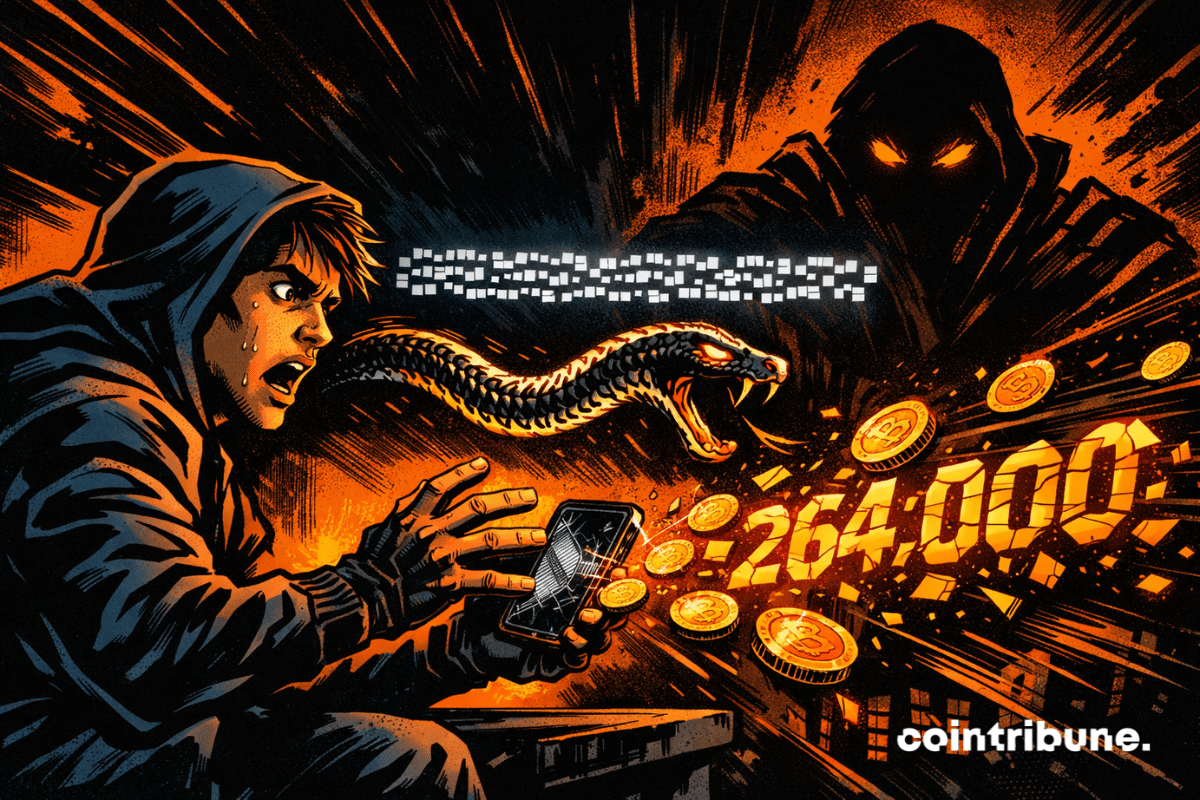
Crypto market on alert: Phantom faces controversy after a $264,000 theft. We give you all the details in this article.
Digital asset manager CoinShares has played down concerns that quantum computers could pose a near-term threat to Bitcoin, arguing that only a small portion of coins are realistically exposed to such attacks. While fears around quantum technology have fueled market anxiety in recent months, the firm says current risks remain largely theoretical and far from actionable.