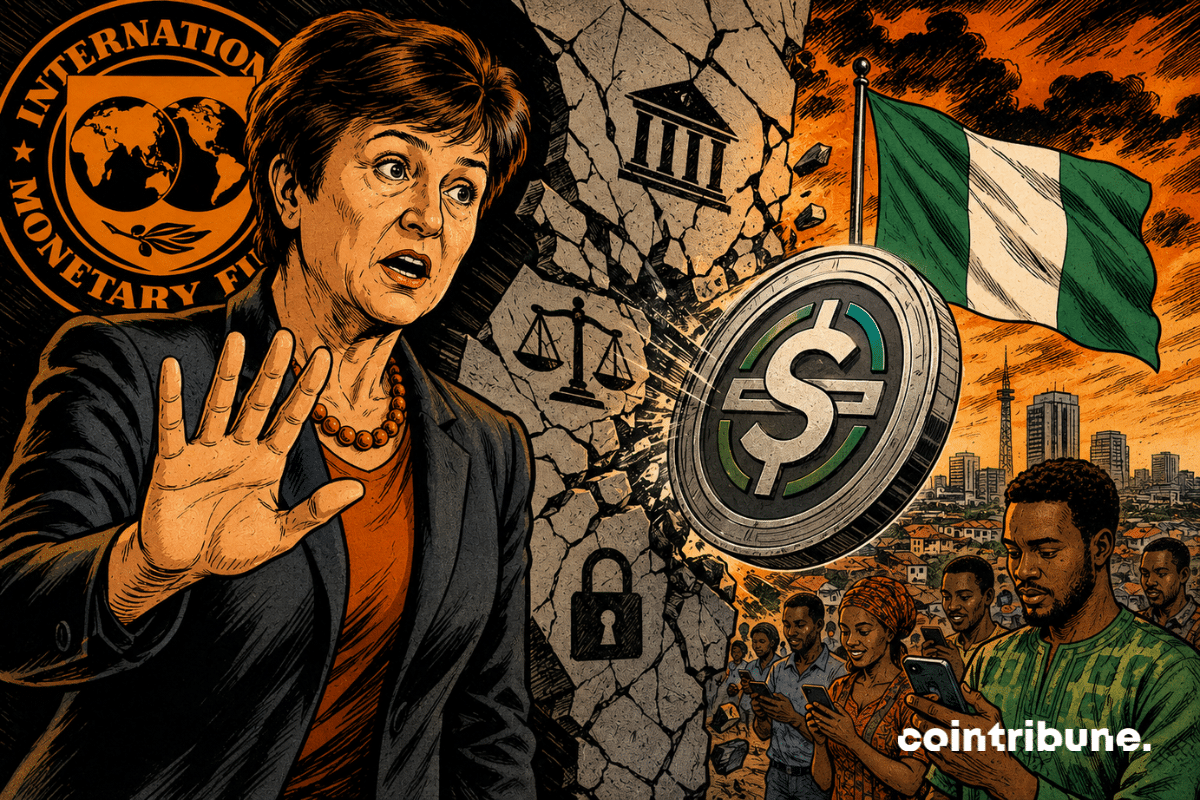
Stablecoins have become a real payment circuit in Nigeria. For the IMF, their growth provides a concrete solution to costly transfers, but now tests the monetary and regulatory limits of the country.
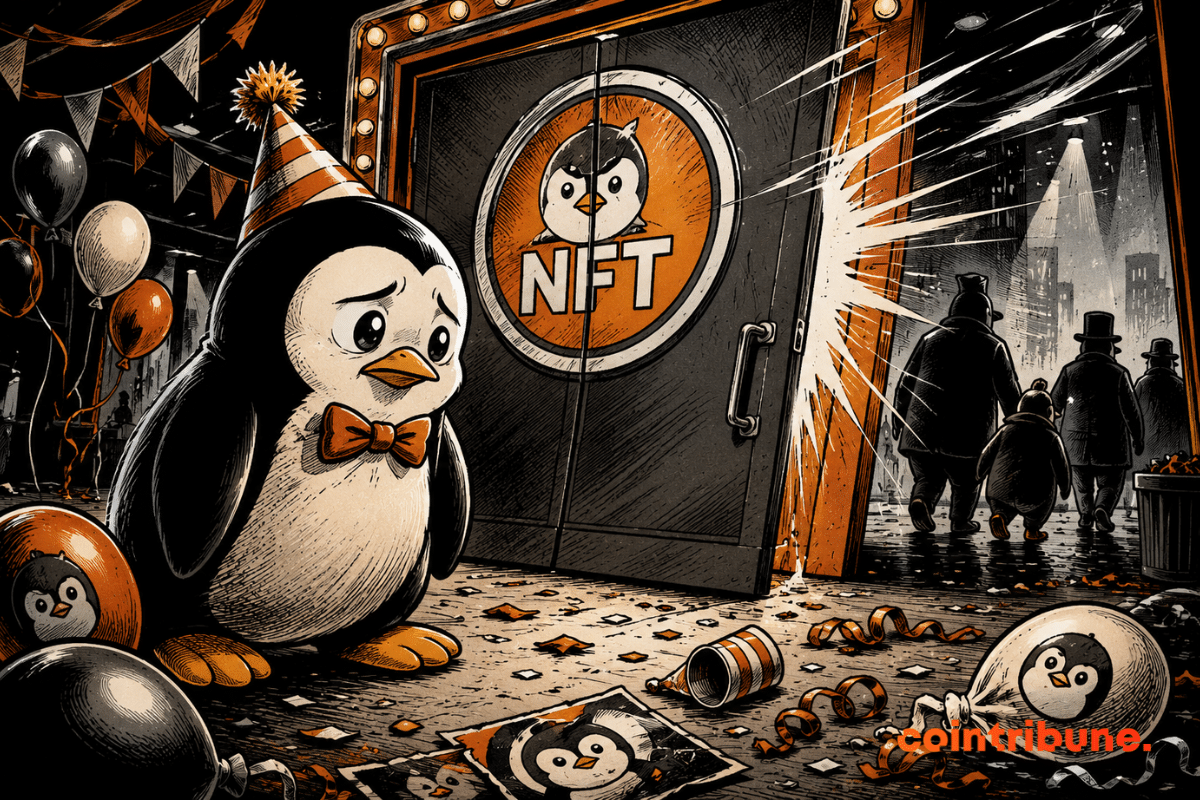

Pudgy's penguins have put their controllers away. Their Party game is closing up shop due to a lack of players. Head to Pudgy World, the universe that's supposed to save the brand. The fans? They're seeing green—and not the good kind.
On international financial markets, the search for absolute scarcity leads analysts to periodically rethink the trajectory of value, but the latest projections made in Central Europe completely disrupt the known scales of magnitude. At the BTC Prague conference, Michael Saylor, CEO of the financial firm Strategy, presented his vision of a systemic upheaval on a global scale, which he calls Bitcoin capitalism. This intervention takes place in a particularly dynamic macroeconomic environment, marked by a general resurgence of investor confidence and a notable increase in the overall capitalization of cryptos. To properly analyze these statements, one must proceed rigorously to distinguish the dynamics of global wealth transfer from emerging financialization mechanisms.
The future of decentralized finance continues to attract the attention of major financial institutions. In a new analysis, Standard Chartered estimates that the UNI token, associated with the Uniswap protocol, could reach 100 dollars by the end of 2030. This projection is mainly based on the expected growth of tokenized assets and their gradual integration into the DeFi ecosystem, a market the bank considers one of the main drivers of value creation in the coming years.
The intersection of traditional finance, artificial intelligence, and blockchain technology has just reached a historic milestone, thereby definitively redefining the contours of the global computer industry. While financial markets closely scrutinize the allocation of technological capital, it is now the cash flows of silicon giants that play the main role of catalyst in the diversification strategies of actors in the crypto sphere. Today this dynamic is propelled to the forefront of economic news by a financial operation of unprecedented scale by the undisputed leader of graphics chips Nvidia. The company's decision to raise massive funds to expand its infrastructure spectacularly validates the operational shift initiated by the largest crypto mining farm operators.
Standard Chartered predicts that the total value locked in DeFi will reach $2.7 trillion by the end of 2030, a 37-fold increase from current levels. This forecast is based on two distinct drivers: the migration of tokenized real-world assets to the blockchain, and the rise of crypto protocols. But is such a trajectory realistic when only 3% of stablecoins still circulate in decentralized protocols?
BlackRock has just launched BITA on Nasdaq today, a Bitcoin ETF targeting 15 to 25% annual yield via a covered-call strategy on IBIT. All the details here!
While the market questions Ethereum, some institutional investors have chosen to acquire more. BitMine, clearly, fits into this perspective, with massive accumulations of ETH, aiming for a position contrary to the current trend, to better rebound at the end of the tunnel in an ecosystem more than ever plagued with doubt. This strategy today allows the company to approach an unexpected threshold, with a portfolio valued at over 10 billion dollars and a growing share of the global Ethereum supply under its control.
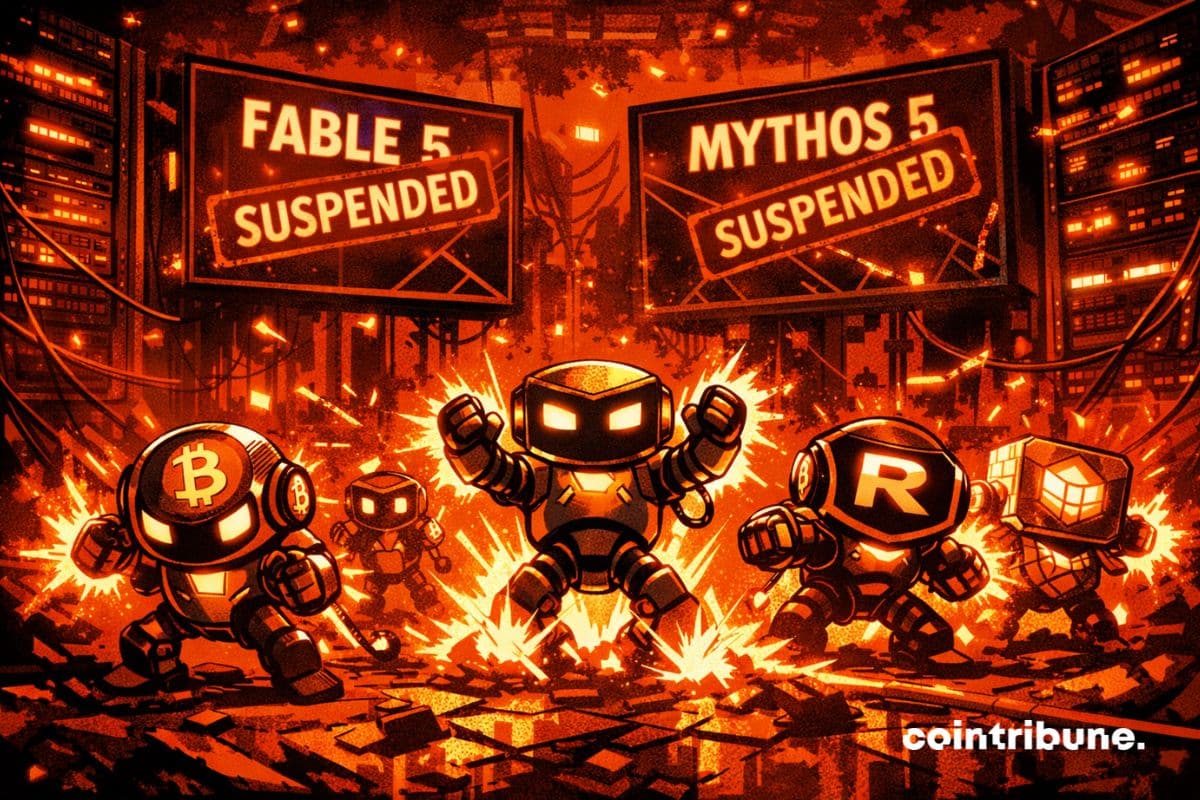
Fable 5 and Mythos 5 are suspended due to anthropogenic folds under regulatory pressure. As a result, the AI tokens Render (+15%) and Bittensor (+39%) soar! Once again, cryptocurrency demonstrates that it is the best way to avoid censorship.
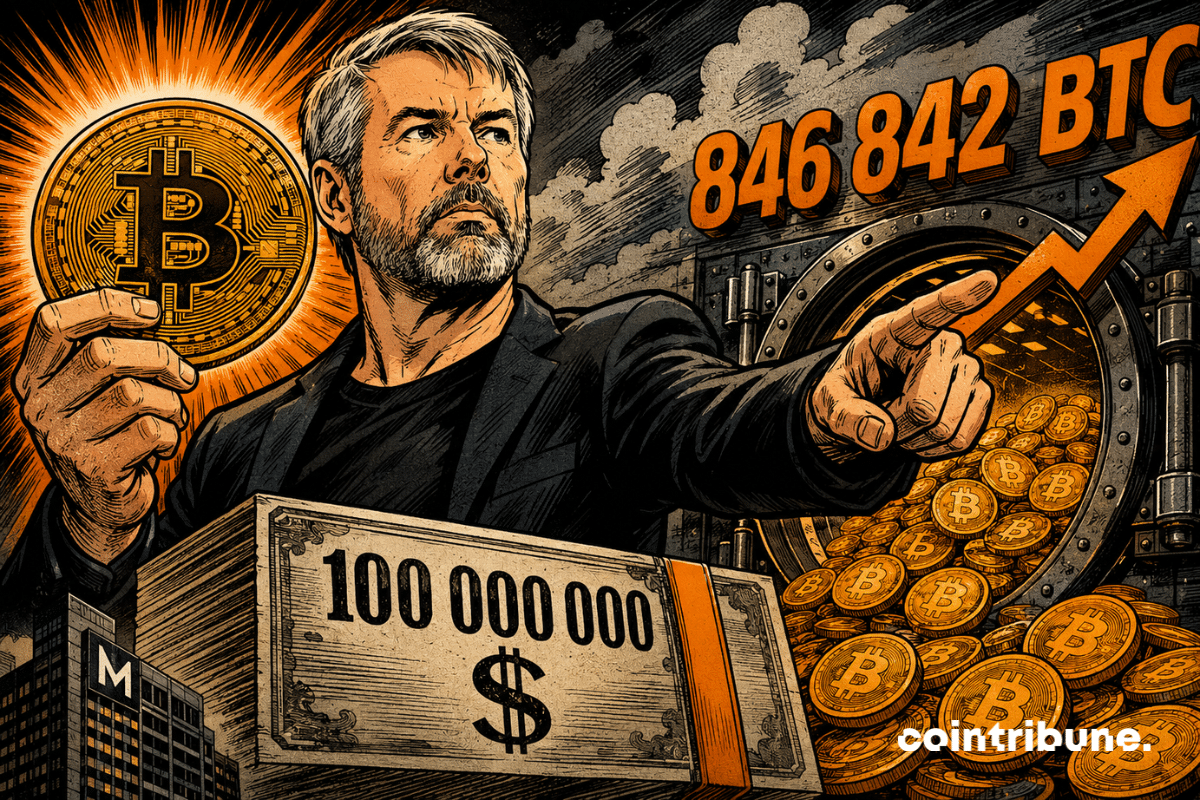
Michael Saylor continues his accumulation of Bitcoin despite the weak market. Strategy has just invested 100 million dollars in 1,587 additional BTC, bringing its total reserves to 846,842 bitcoins.
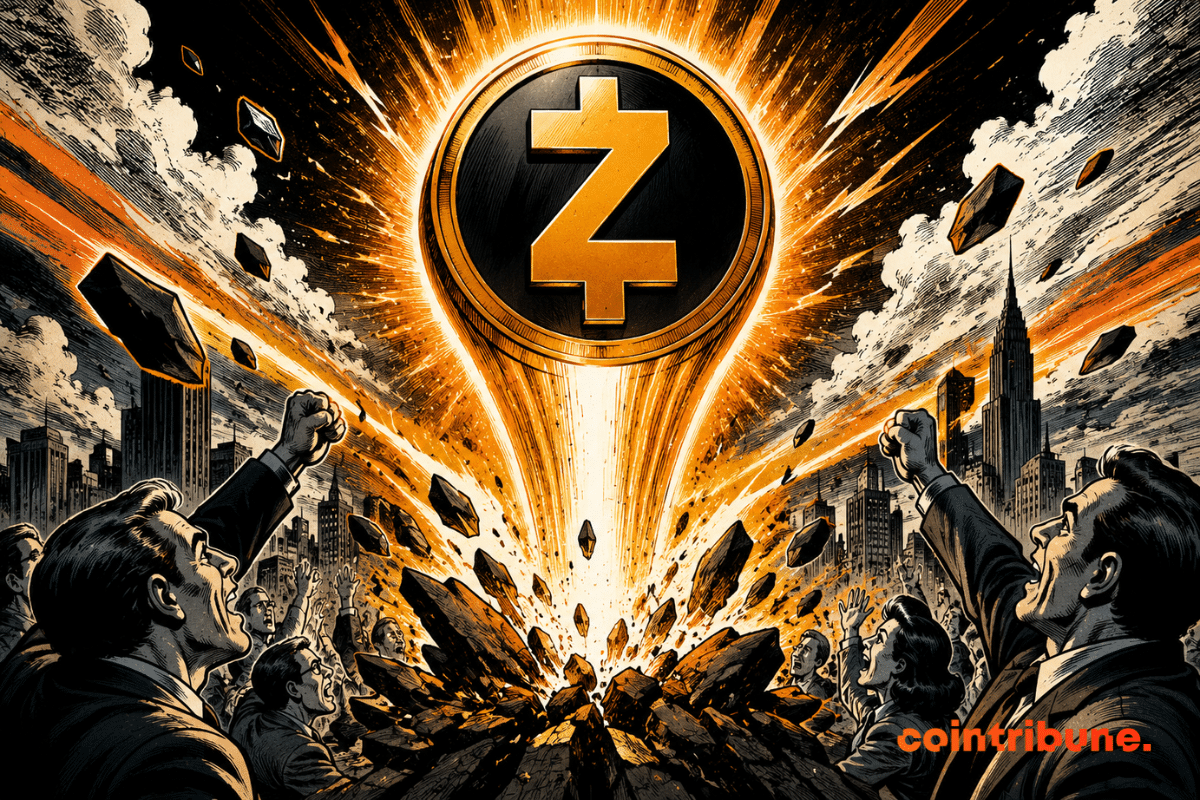
Zcash dodged a bullet with a bug buried deep in its guts, but the coin bounced back like a jack-in-the-box. The short sellers? They got wrecked.
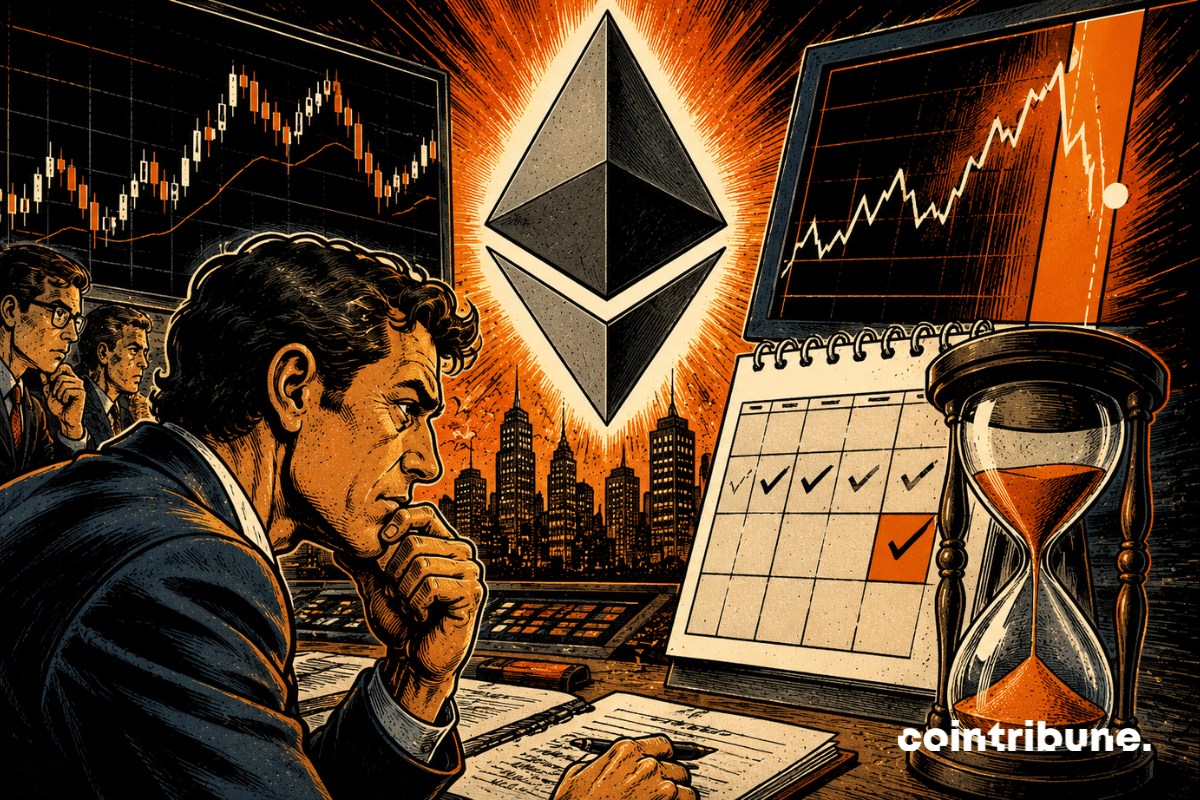
Ethereum reaches a key moment of the quarter, as ETH risks recording a sequence never seen in its history. The second cryptocurrency on the market remains down, but it still has a window to reverse the trend. Between a more favorable macroeconomic context, mixed technical signals, and an increase in staking, the quarterly close now attracts all attention.
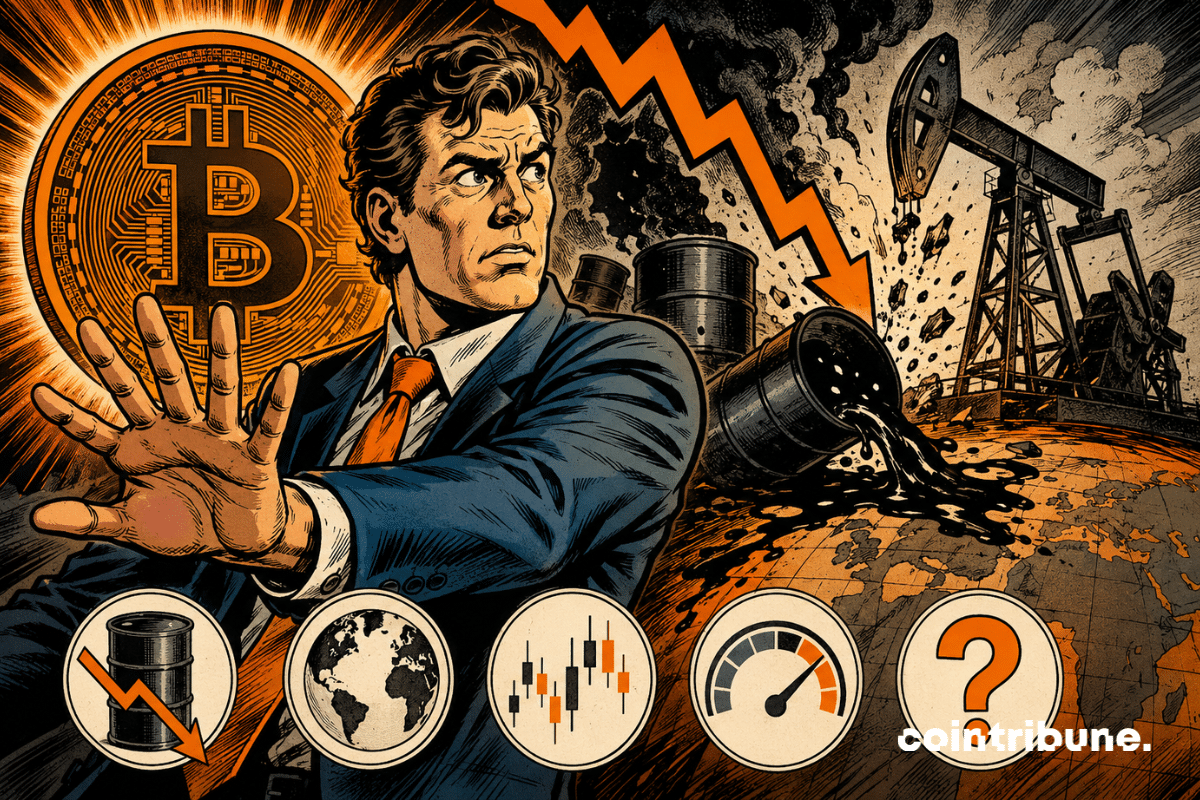
Bitcoin is entering a decisive week around 65,500 dollars, driven by the drop in oil prices and hopes for a de-escalation between the United States and Iran. A return to 69,000 dollars becomes credible in the short term. But five signals will determine if this rebound can go beyond simple market relief.
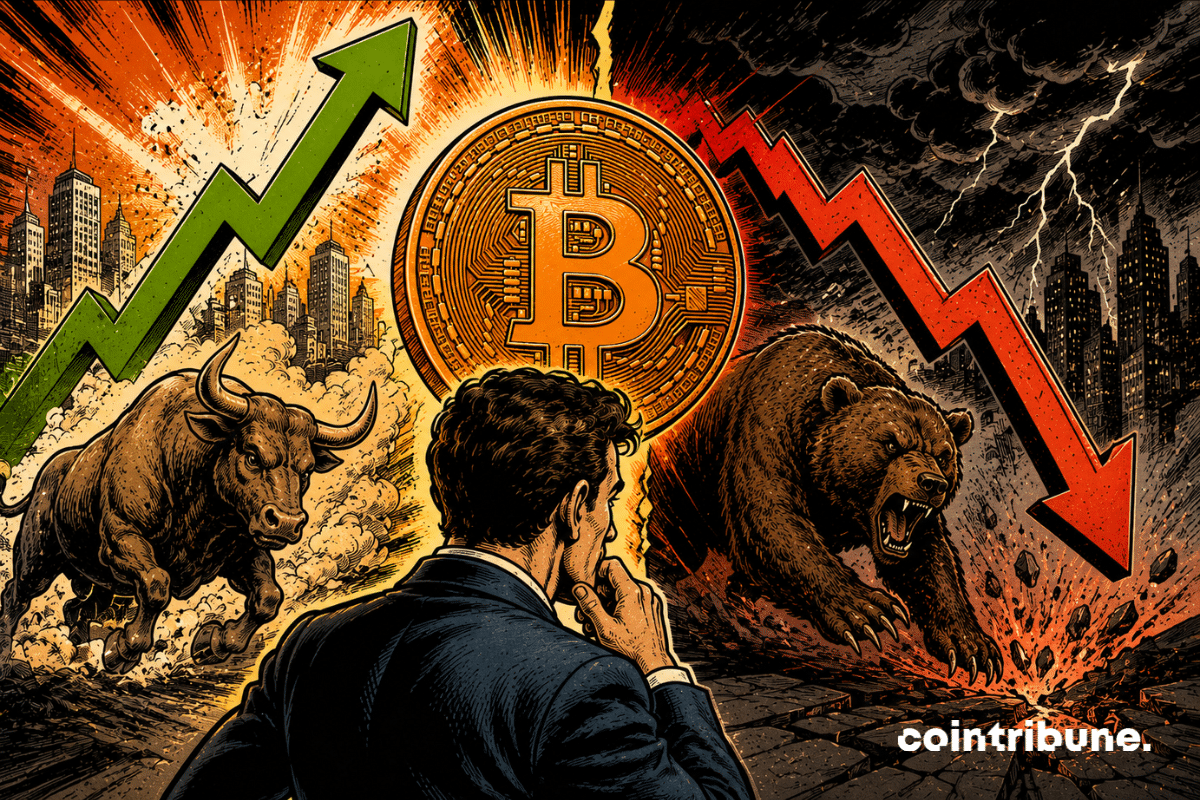
Bitcoin returns to the center of discussions after a new phase of weakness in the crypto market. On-chain data shows a possible approach to a bottom, but demand remains fragile. Between encouraging valuation signals, contraction of spot purchases and ETF decline, the market still hesitates. So the question is simple: is BTC preparing a sustainable rebound or risking a new sharp drop?
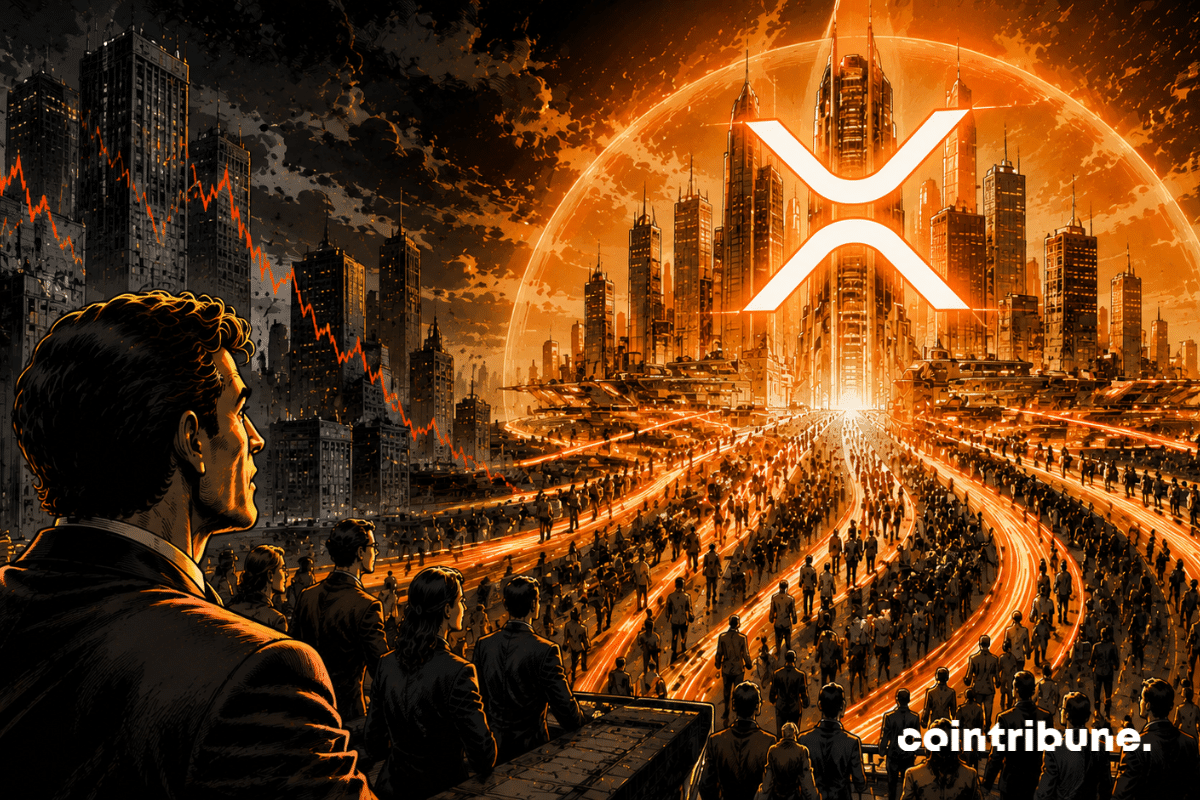
While investors reduce their exposure to several exchange-traded crypto products, one exception continues to stand out: funds backed by XRP. For several weeks, these products have recorded net inflows even as bitcoin, Ethereum, and Solana experience a persistent wave of outflows. This divergence does not go unnoticed. Institutional flows are one of the most monitored indicators in the sector, as they allow the assessment of professional investors’ interest in a given asset class. In this context, it is notable that XRP ETFs manage to attract new capital even in an uncertain environment. With a record of cumulative investments, underperformance of competing products, and a mixed price evolution, this dynamic sketches a unique portrait of the current crypto market.
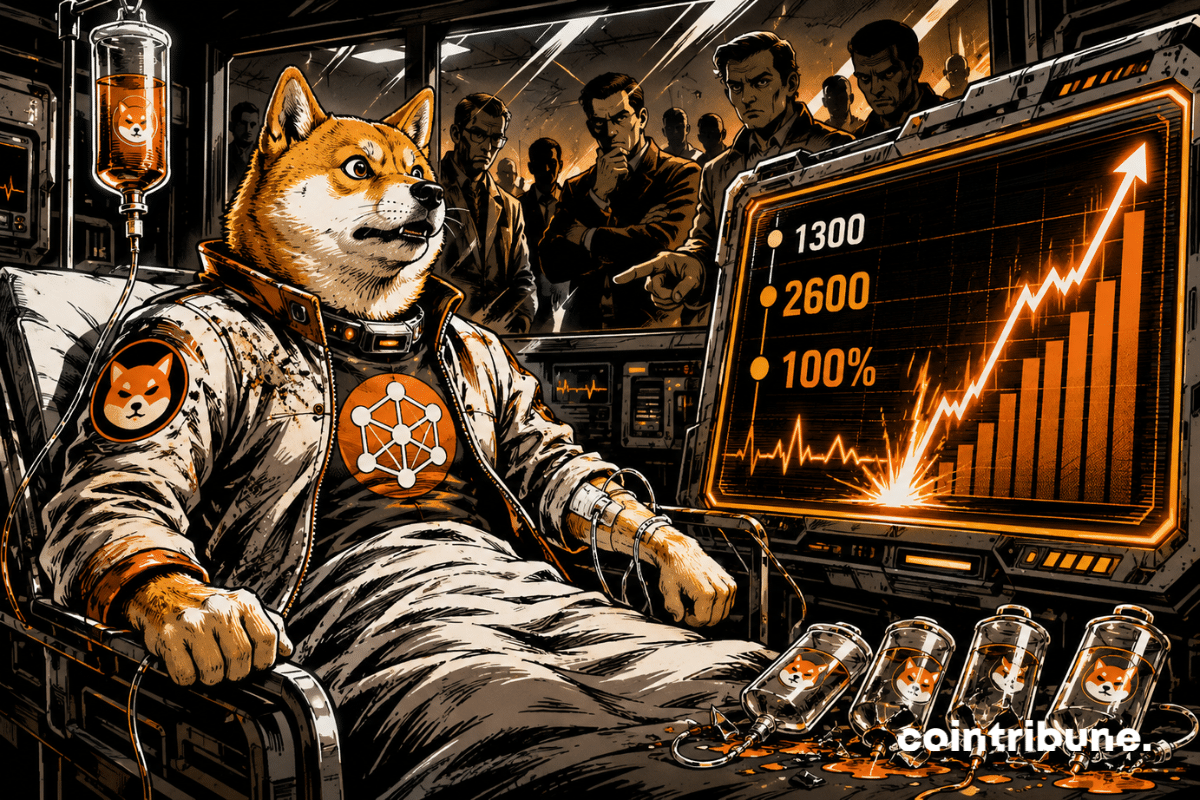
Shibarium transactions doubled in four days, from 1,300 to 2,600. However, the crypto market continues to doubt a true bullish return. Full analysis.
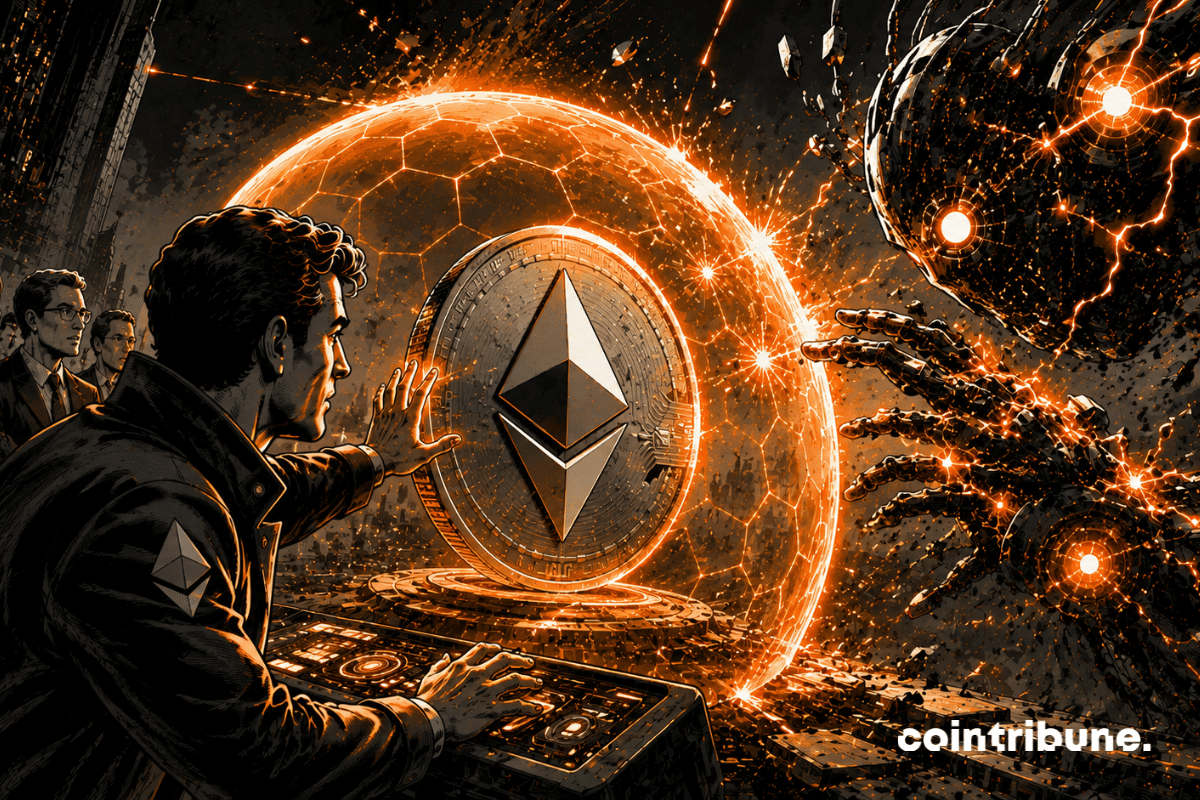
The security of a blockchain relies on a simple promise: making the cost of an attack far greater than the expected benefit. This equation has held for over ten years thanks to cryptographic mechanisms considered solid. Yet quantum computing is beginning to shake everything up. The machines that could threaten bitcoin or Ethereum do not yet exist, but progress already made in this field forces developers to prepare for the future. A proposal presented by Nicolas Consigny, manager of the Kohaku project at the Ethereum Foundation, indicates that Ethereum could start protecting its accounts against quantum attacks today for a trivial amount: only 7 cents per account.
An internal Amazon security report was enough to trigger a chain reaction all the way to Washington. Within forty-eight hours, Anthropic had to cut access to Fable 5 and Mythos 5 for foreign nationals, under regulatory and political pressure. How could a technical warning lead to such a radical decision?
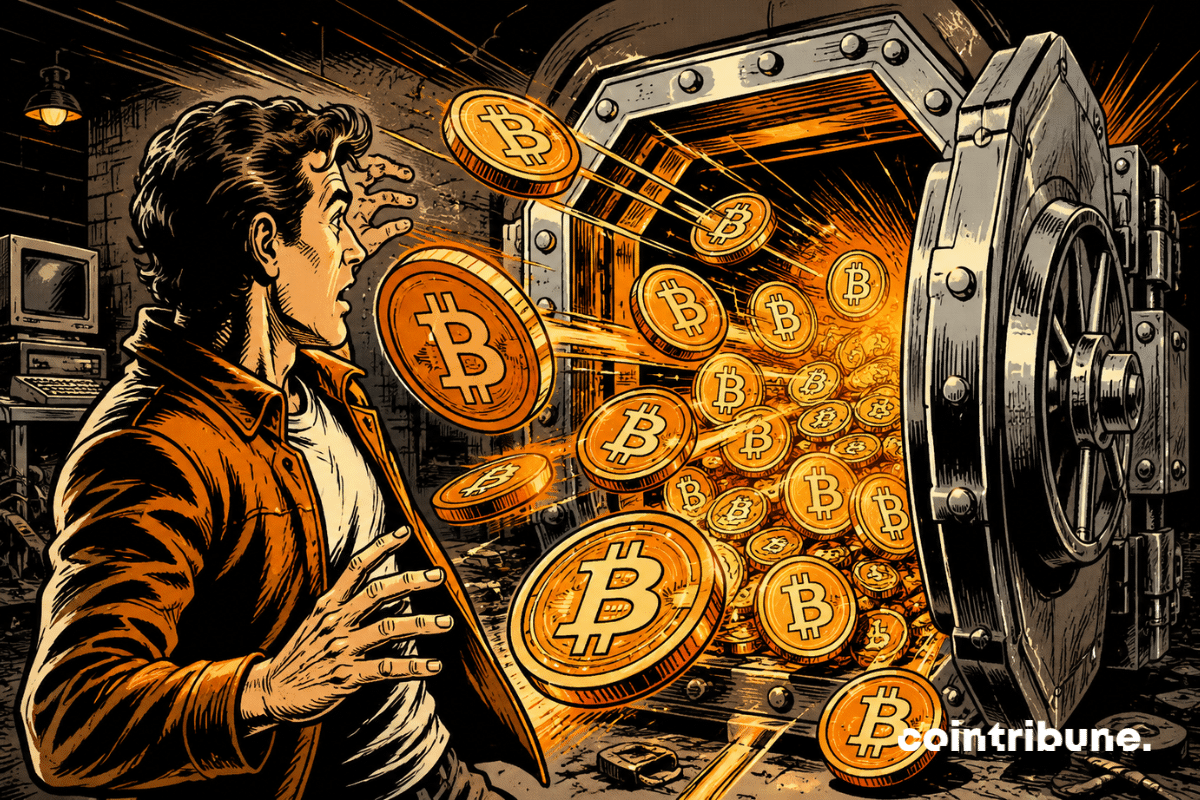
Kraken launches BTC Vault, BTC holders can generate Bitcoin rewards without technical complexity.
The 2026 World Cup is breaking records for decentralized betting thanks to Chainlink… yet the LINK remains stuck at 7.94 dollars. Between massive adoption and a depressed price, let's analyze this paradox dividing crypto investors. The explanation will surprise you.
A currency does not become strong just because its price rises, or because its leaders say so. It also shows in the decisions made every day by companies engaged in global trade. This major change in the habits of international economic actors is precisely revealed by a new survey conducted by the Bank of China. The yuan, a currency of recognition, is establishing itself with a growing number of foreign companies. Published in a context of seeking alternatives to traditional financial circuits and Beijing's international ambitions, this study reveals increased confidence in the Chinese currency.
The IPO of SpaceX triggered a wave of activity on crypto platforms, with investors now seeking to gain exposure to the world's largest companies by bypassing traditional financial circuits. At the heart of this trend, Binance shows overwhelming dominance over derivatives products linked to Elon Musk's space giant, with volumes already comparable to those of the most popular cryptos on the market.
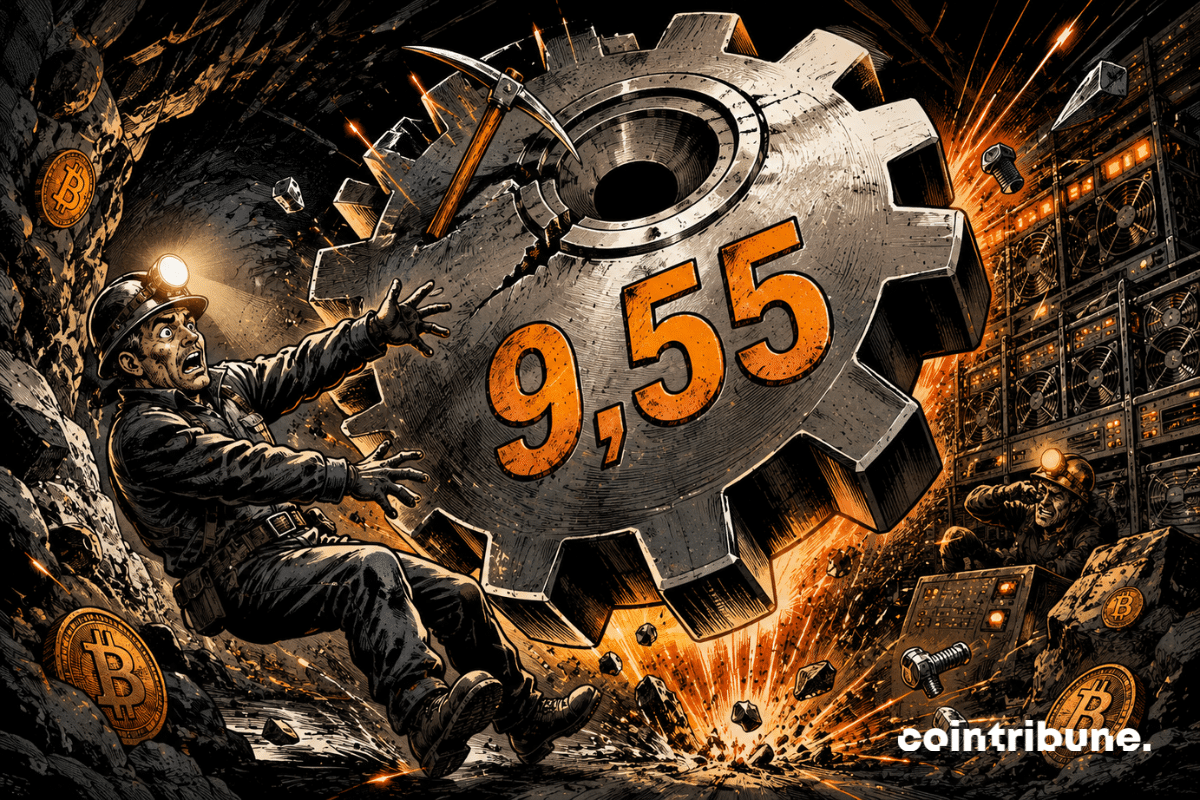
Bitcoin mining difficulty dropped by 10.09% on June 14, 2026. This second largest decline of the year offers immediate relief to miners after a sharp hashrate contraction and a new degradation of their profitability.
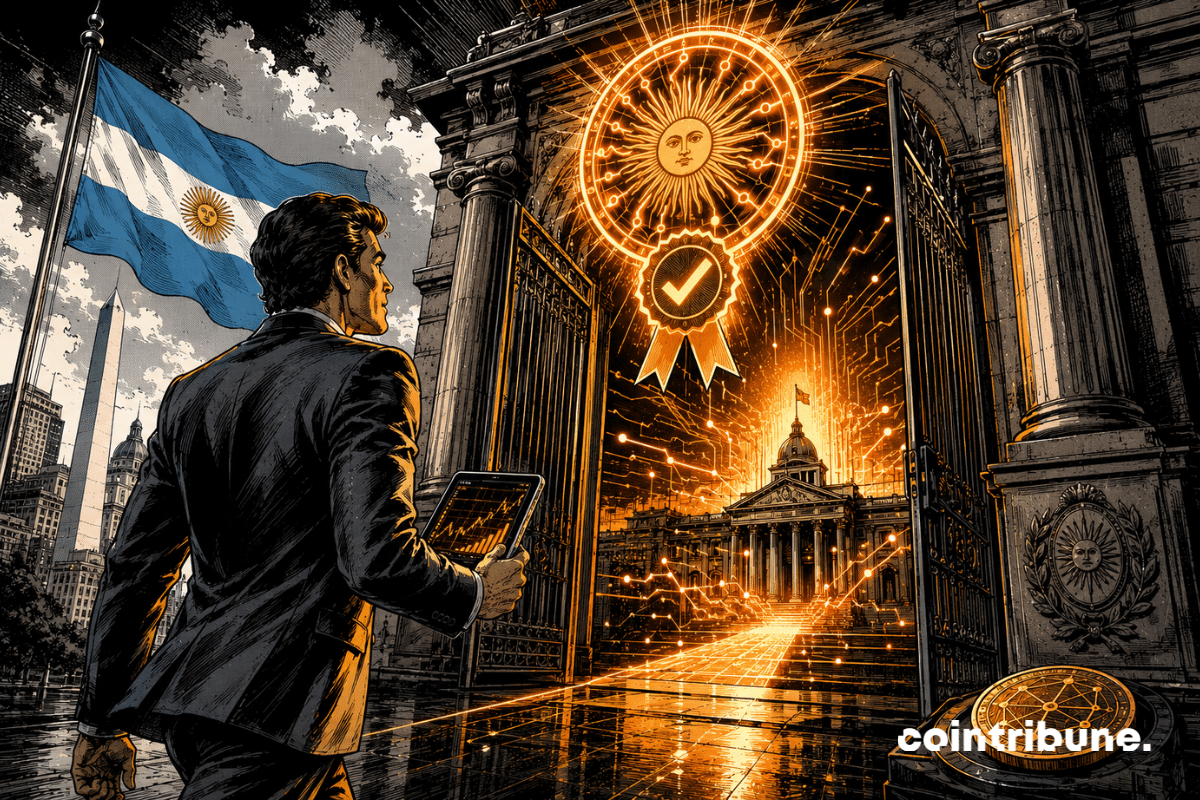
Bitget has secured registration as a Virtual Asset Service Provider in Argentina, strengthening its regulatory position in one of Latin America’s most active digital asset markets. The move places the exchange under the country’s current compliance framework as it pursues a broader regional expansion.
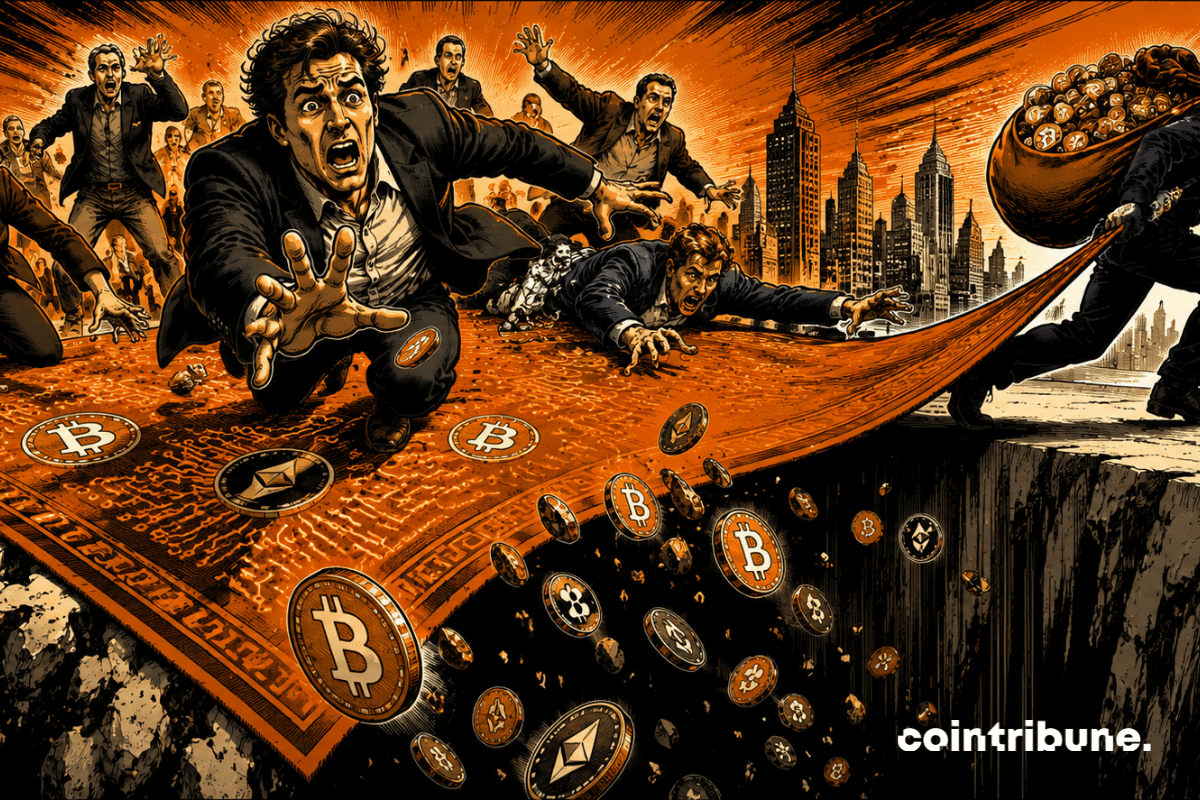
According to the latest data from Web3 Antivirus, rug pulls account for 54% of all crypto scams detected to date. Behind their façade of promising projects, these scams rely on hidden contractual mechanisms, activated once investors are trapped. AI now amplifies the phenomenon: distribution channels multiply, targeting becomes more precise.
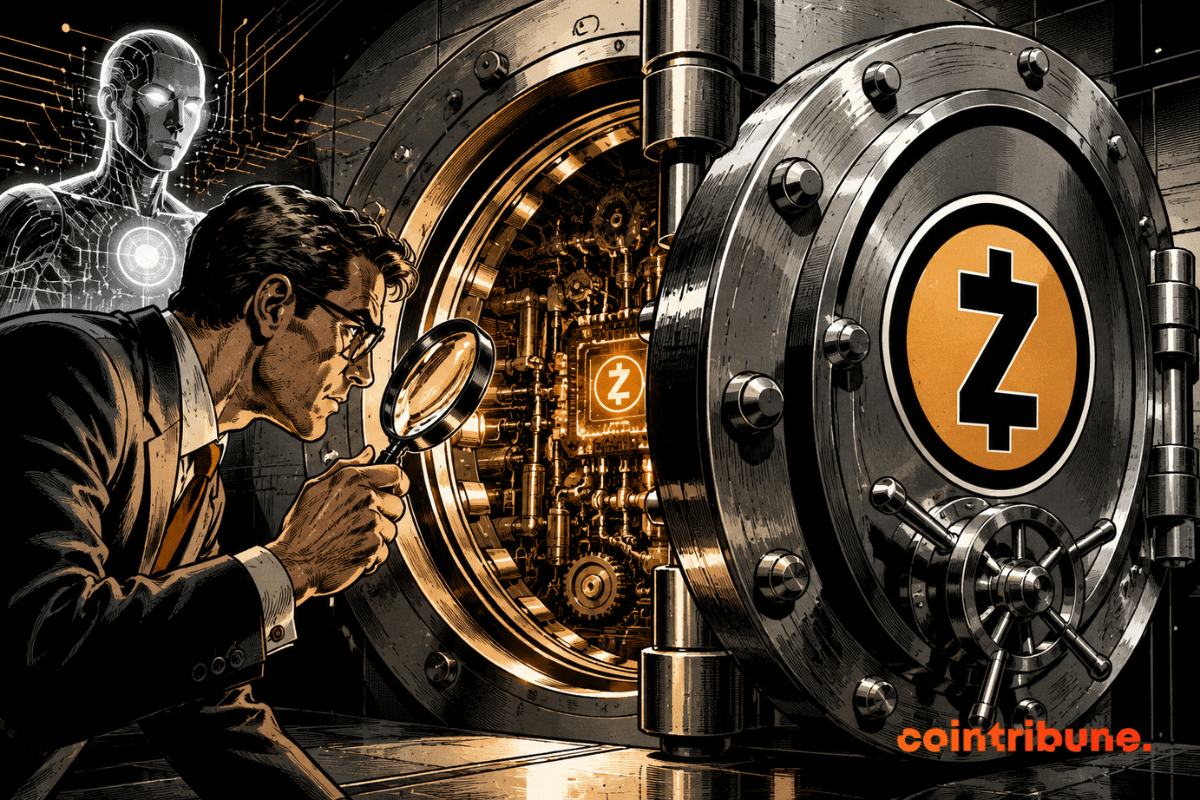
Zcash had a close call, a very close call, with a four-year-old bug hidden in its secret circuit. Claude Mythos came through and found nothing else. Phew.
Among the most closely watched reversals, those that follow long periods of doubt are the most frequent. This is exactly what is at stake today around Bittensor. After several weeks of persistent selling pressure and quickly aborted rebound attempts, the TAO token has just achieved one of its best daily performances since the start of its corrective phase. The asset is once again attracting investors' attention with a 15.8% increase in 24 hours and a strong return of volumes. This recovery occurs as the market was looking for tangible signs of a return of buyers.
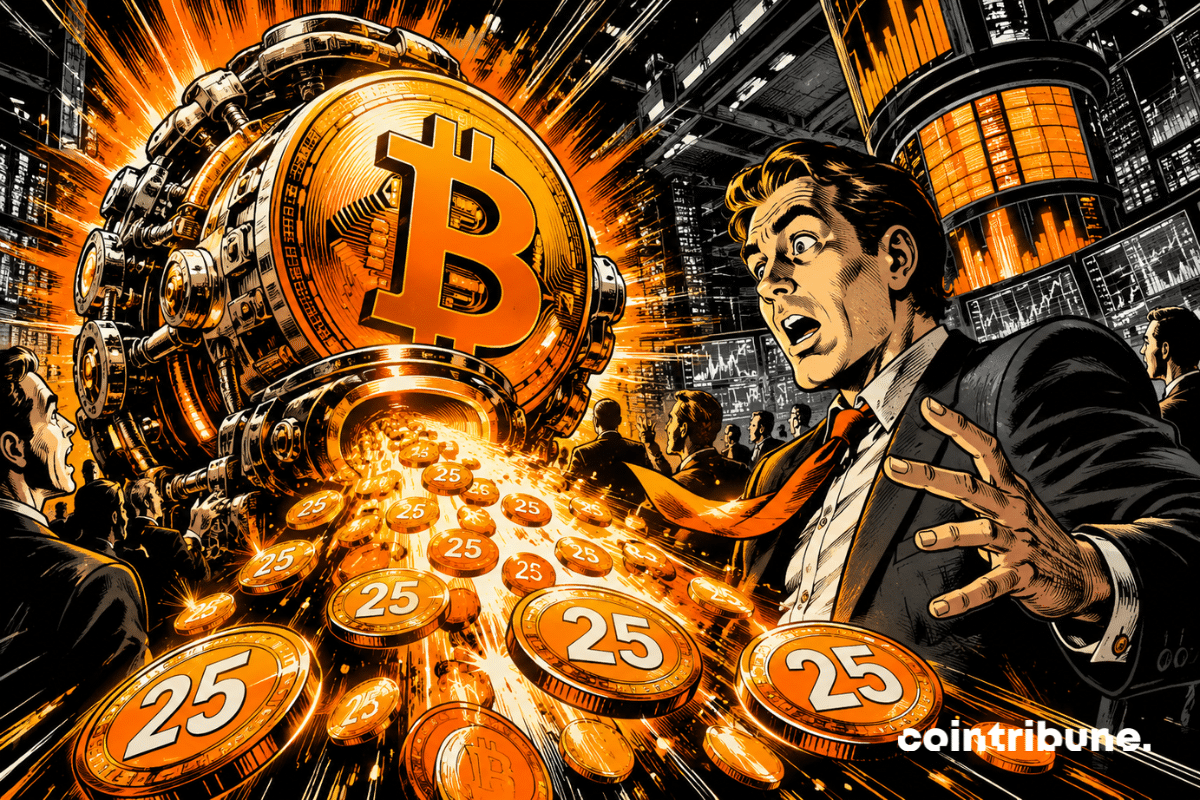
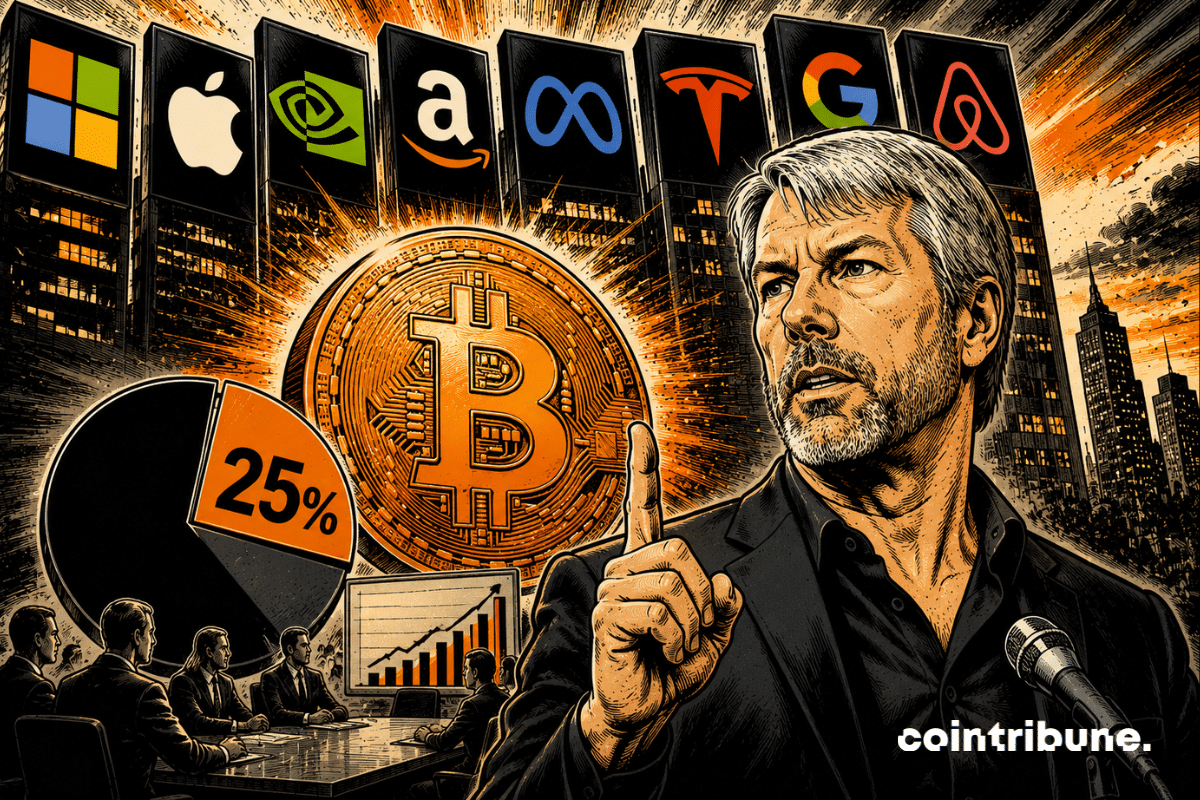
The historic SpaceX IPO has revived the debate on the role of digital assets in the balance sheets of major tech companies. After this highly followed operation, Saylor congratulated Elon Musk and highlighted a striking figure: 25% of Mag8 companies would now hold Bitcoin in their treasury. This statement places BTC back at the center of the financial strategies of tech giants.
Markets can sometimes penalize an asset even as its ecosystem continues to grow. Pi Network is facing this paradox. While the PI token trades near its all-time lows, the project keeps announcing new initiatives to strengthen its infrastructure. The latest is SLICE, an experimental token launched on the Pi Launchpad as part of a new testing campaign. This operation, which coincides with Pi2Day on June 28, demonstrates the team's determination to continue its developments despite the market difficulty.
Dogecoin jumped nearly 6% after SpaceX's spectacular debut on the Nasdaq. In a crypto market always sensitive to narratives, Elon Musk's return to the spotlight was enough to awaken demand around DOGE.