Following the recent attacks funded by Hamas through crypto, European lawmakers are considering tightening regulations by imposing identity verifications for all cryptocurrency transactions, even those below €1,000.
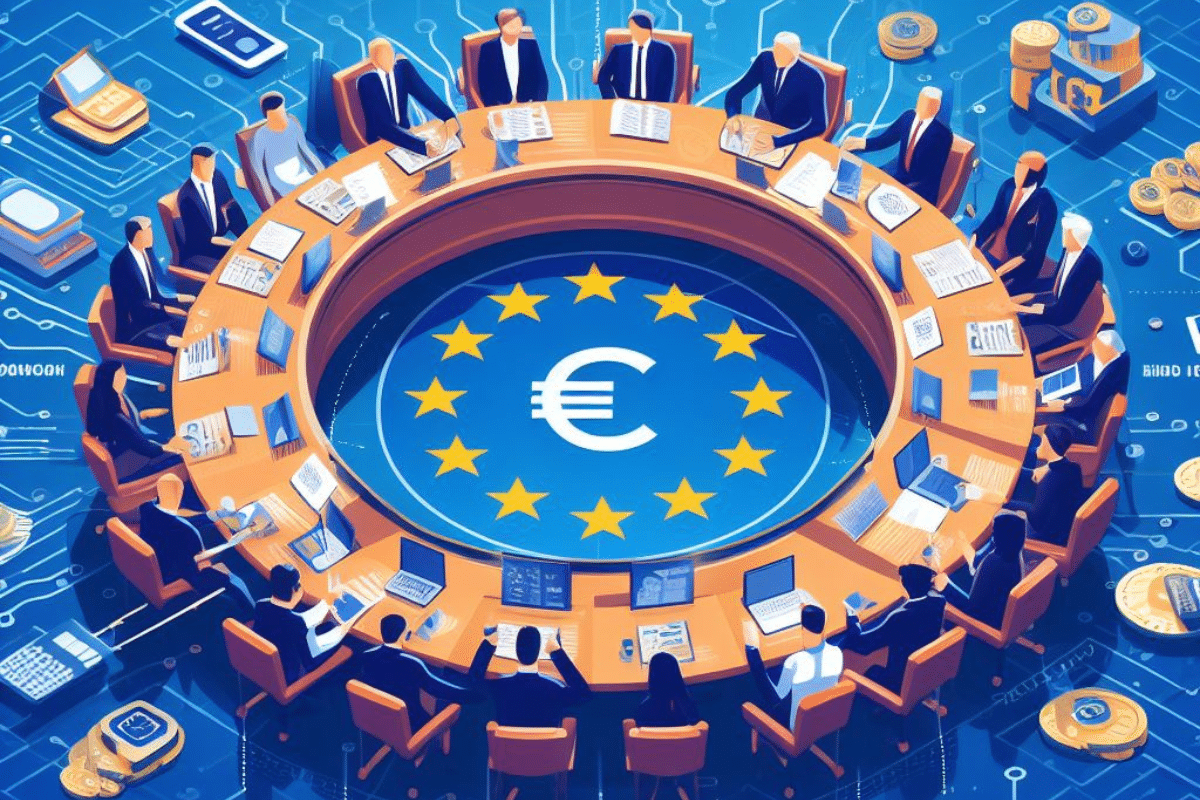
The EU Council and the European Parliament have recently reached a provisional agreement on the European Digital Identity (eID). However, this agreement raises legitimate concerns regarding the privacy of citizens, particularly in the context of a potential interconnection between the eID and the future central bank digital currency (CBDC).
The year 2023 will be remembered as a tumultuous period for cryptocurrency investors. While the market faced challenges, such as the overall cryptocurrency market cap contraction, Ethereum's depreciation, and a decline in total value invested in decentralized finance (DeFi), it also witnessed significant progress. Among these advancements, notable developments include continued institutional adoption, a growing interest in layer 2 solutions, and, most importantly, significant changes in cryptocurrency regulation. This article will specifically explore the recent developments in cryptocurrency regulation within the EU and on a global scale. Let's take a closer look.
Ensuring that the digital euro doesn't become a tool for surveilling Europeans. This is, in a way, the wish of the European Data Protection Board (EDPB) and the European Data Protection Supervisor (EDPS). These entities have recently called on the EU to establish a “privacy protection threshold” for cryptographic transactions in the euro. Let's take a closer look!
The European Union marks a decisive step in the crypto sphere. In response to the rise of this sector, the EU is arming itself with new rules to ensure greater tax transparency. But what do these standards mean for crypto holders and the industry itself?
It's a fact: decentralized finance (or DeFi) and crypto are well and truly present on the European market. In a detailed report, the European Securities and Markets Authority (ESMA) takes a close look at this new financial era. Read on for more details!
Crypto regulation remains a subject that is both complex and controversial. The reason for this is that, at the current moment, there is still no clear and harmonized legal framework within the European Union. Indeed, the European Parliament has already adopted the MiCA crypto standard. However, some uncertainties persist. Hence the second consultation launched by ESMA, the European Securities and Markets Authority.
No cryptocurrency transaction should go unnoticed by the Bank for International Settlements (BIS), as they develop a suitable system to track cryptocurrency exchange flows throughout the European territory. Several European central banks have joined them in this initiative. Let's take a closer look!
The European Union is to fork out nearly €1 million (in fiat or crypto?) to assess the environmental impacts of cryptocurrencies and bitcoin mining activities. Does this mean that Brussels prefers strict regulation of these activities to the ban? In any case, crypto-enthusiasts will be sure to follow the progress of this study, especially the publication of the first reports. The fate of bitcoin mining and crypto activities in Europe will in fact depend on it.
It has been several months since the ECB unveiled its digital euro project, an announcement that continues to reverberate in the financial markets. A recent statement by Christine Lagarde, President of the ECB, has garnered particular attention from the crypto community. According to the ECB President, the digital euro (to be distinguished from a cryptocurrency) will not be anonymous. This revelation raises deep questions about privacy protection, and many analysts are also pondering the potential implications of this digital euro project on cryptocurrencies.
Binance, the giant cryptocurrency exchange platform, is facing disruptions with its payment partner, Paysafe, in Europe. Some European users are experiencing difficulties in making euro withdrawals due to early closures initiated by Paysafe.
After complying with the FSMA's decision, the Belgian regulator for cryptocurrencies and finance, Binance had to suspend its activities in the country back in June. Three months later, the world's largest cryptocurrency exchange announces a triumphant return to Belgium. What has changed since then? Let's delve into it.
The European Union (EU) is currently preparing for the implementation of the MiCA crypto standards. This law aims to regulate stablecoins. Today, this regulation is sparking debates and concerns regarding its impact on the crypto market, especially on stablecoins.
While the United States, through the SEC and CFTC, grapples with regulatory challenges in the cryptocurrency market, Germany is forging ahead. Currently, numerous German banks have already stepped into the exciting world of cryptocurrencies, and some local financial institutions believe it's time to embark on this adventure. This includes the Stuttgart Stock Exchange, which plans to launch crypto staking next year.
In recent years, cryptocurrencies have grown exponentially in the European region. Cryptocurrencies can be used for different purposes, such as investment, trading, savings, or payment methods.
The SEC, often known for its outbursts against companies operating in the crypto market, has just made a big decision. The American regulator has just accepted BlackRock's application for a Bitcoin exchange-traded fund (ETF). This decision could mark a new turning point in the institutional adoption of bitcoin (BTC).
The European Central Bank is working on the upcoming launch of new banknotes. The financial institution considers the project important enough to involve Europe's citizens.
Investments in cryptocurrencies such as bitcoin have exploded in recent years. To provide a better framework for them, or to some extent to profit from their rise, some European countries have defined tax rules that their citizens holding cryptoassets must comply with. In this article, we take a look at the differences between these countries' tax regimes.
Making European banks more resistant to crises and less permeable to unsecured cryptocurrencies was the aim of lawmakers from the 27-nation bloc meeting today. At the same time, an agreement was reached in favor of reforms to banking regulations.
EU lawmakers have always stated their desire to control banks' dealings with cryptocurrencies. They have now taken a giant step towards achieving this goal. EU MEPs have reached agreement on the capital requirements for crypto-banks. The latter must therefore comply with the new measures in force.
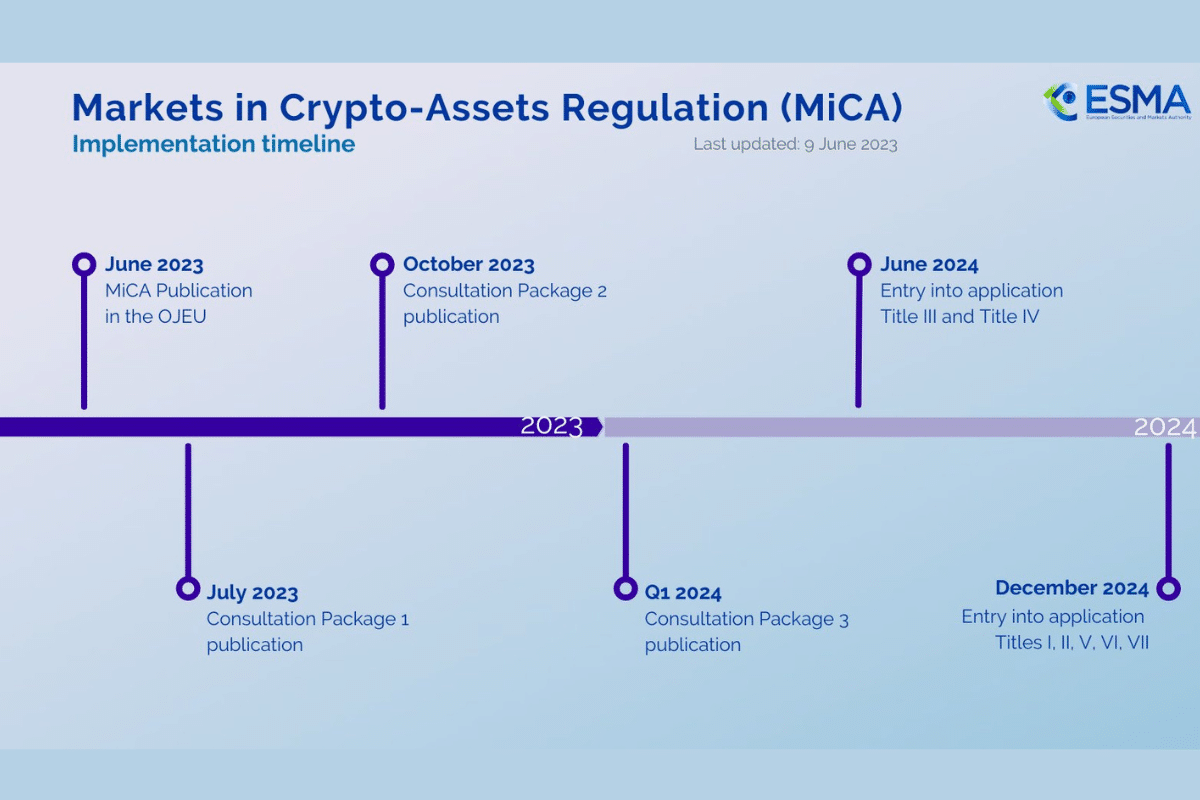
The European Union is gearing up to write a decisive new chapter. The rules governing the Markets in Crypto-Assets (MiCA) are fast approaching, promising a series of far-reaching changes for companies in the cryptosphere.
The European banking sector may witness new laws in the coming days. EU policymakers, who have never hidden their desire to regulate this sector, particularly banks' access to cryptocurrencies, are taking a giant leap and could see their dream become a reality soon. Governments across the European Union are now all in favor of strict restrictions on bank capital, a decision that could directly impact two prominent cryptos.
European authorities are actively working on establishing a framework suitable for regulating cryptocurrencies. Currently, they are particularly concerned about how to prevent tax evasion related to the crypto sector. Additionally, the UK's tax administration (His Majesty's Revenue and Customs, HMRC) has recently released a consultation document on the subject. In parallel, France aims to strengthen its measures to combat tax evasion.
The issue of tax evasion is increasingly being debated. It's one of the key issues in the regulation of crypto within the EU. Stakeholders want to speed up the process of adoption.
In October 2021, the ECB and central banks in the Eurozone began investigating the digital euro. The ECB has released a new report detailing the progress made so far and revealing the design and distribution options approved by the ECB's Governing Council.
On Thursday, April 20, the European Union's (EU) MiCA regulation on cryptos was adopted. This regulation sets a new guideline for the crypto industry. It can especially be a model for the global crypto industry. Indeed, elsewhere like in the US, it's still procrastinating.
For some time, the BRICS countries, including Russia and China, have been working to move away from the US dollar. Recently, China formalized an agreement with Brazil to trade state to state, without using the dollar. This desire for financial independence could be realized through the adoption of a digital currency.
Altme announces its conformity with the European Blockchain Services Infrastructure, backed by the European Commission and 29 countries.
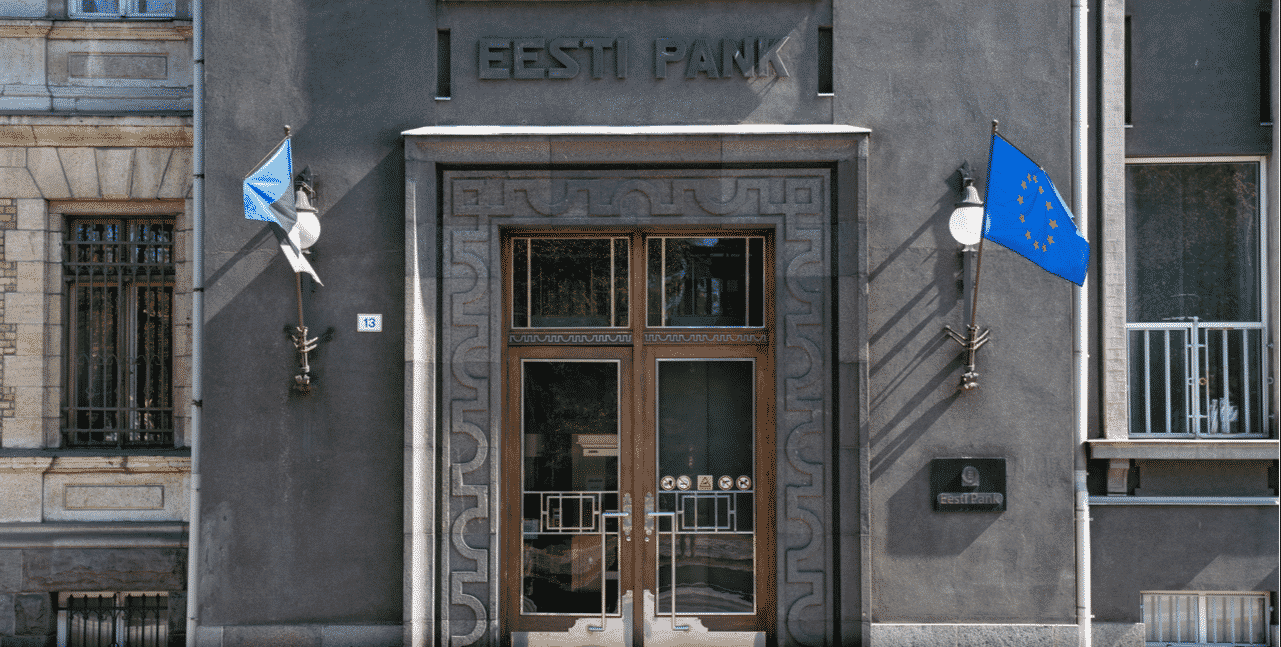
The central bank of Estonia has discovered what it called ‘unlimited potential’ in its pilot tests of a blockchain-based digital euro. The trial results revealed that blockchain technology could ‘in theory’ support almost unlimited number of transactions. The experiment Following a research conducted in cooperation with several other central…
Just a week after its launch, over 22,000 SwissBorg app users have deposited the equivalent of £120 million worth of BTC. They have been earning upto 9% pa paid directly in BTC every 24 hours. This is in addition to their existing yield wallets, where you can earn up…