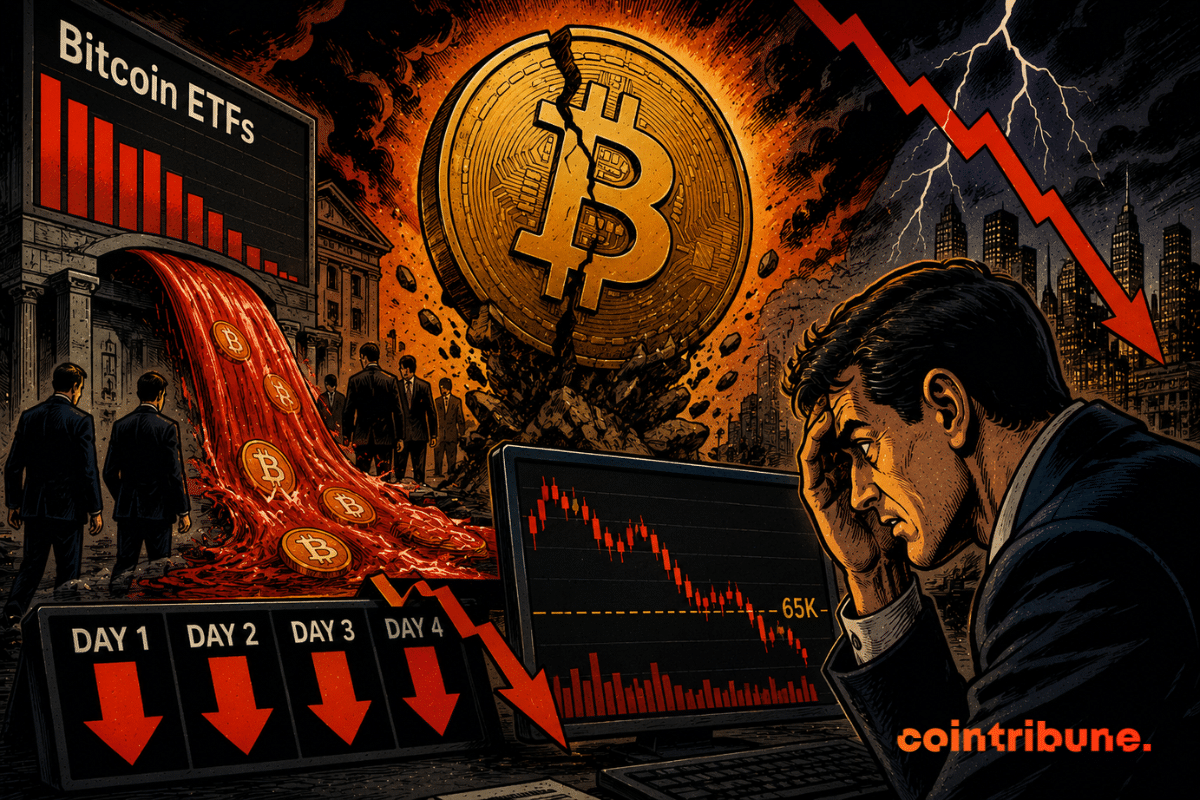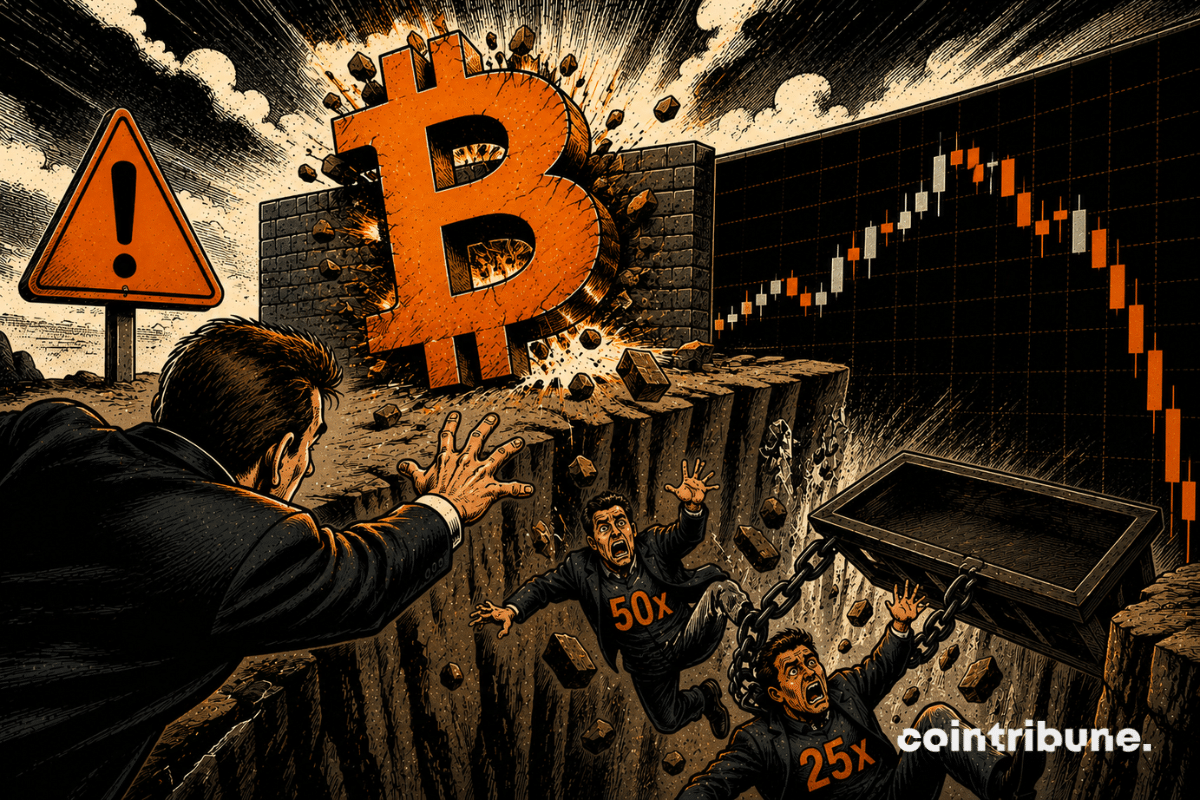
Bitcoin collapses below $76,000 under the weight of geopolitical tensions and record liquidations. With a disastrous Q2 2026, the crypto queen wavers. Why this drop? And especially, how far can it go?
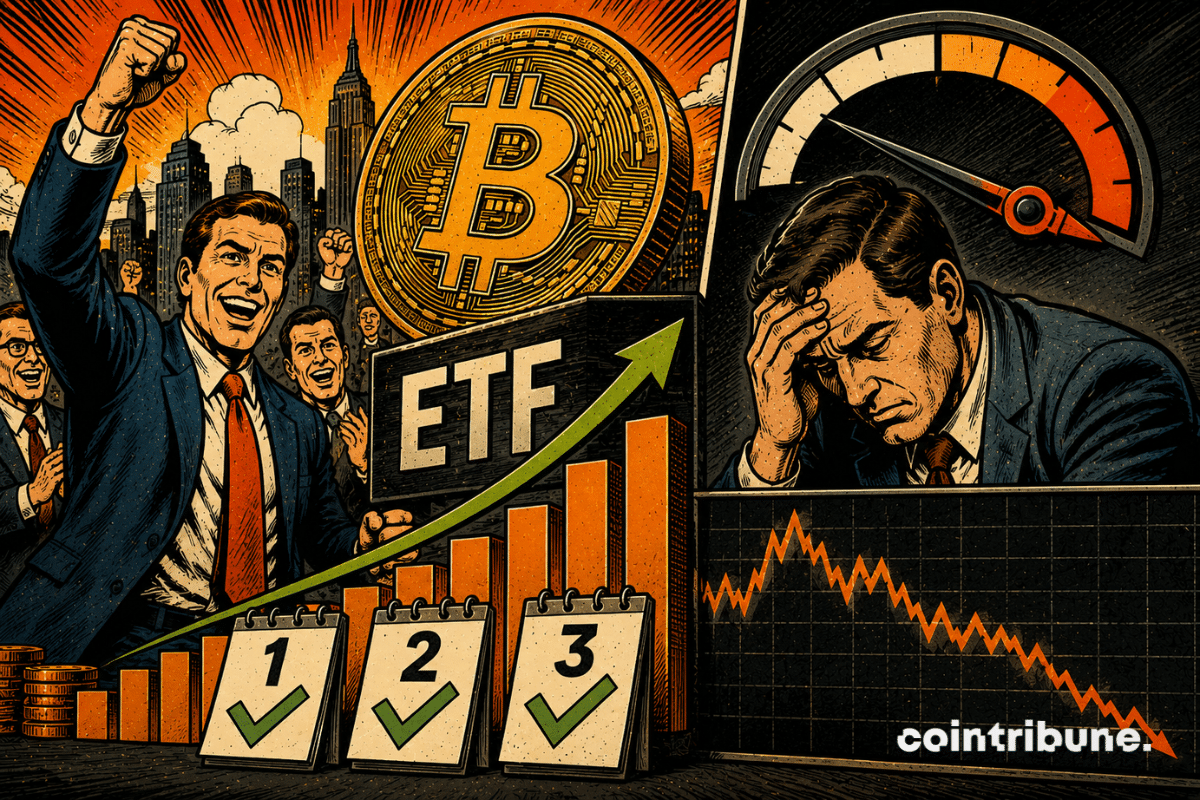
Outflows from spot Bitcoin ETFs have been accumulating for several sessions and revive doubts about the crypto market. While many investors see this as a bearish signal, the Santiment platform defends a radically opposite reading. For its analysts, this phase of distrust could instead announce an opportunity to reposition on bitcoin. Such a contrarian interpretation rekindles the debate around market sentiment and the role of ETFs in BTC cycles.
The Securities and Exchange Commission (SEC) was supposed to reach a historic milestone this week. Instead, it chose to slow down. This unexpected delay raises a central question: is the tokenization of traditional assets really ready to enter US law?
Fidelity now sees bitcoin evolving like during the early phases of a bull market. Such an interpretation contrasts with the caution displayed in recent months by several Wall Street players. This stance comes as BTC attempts to break through a significant technical resistance, supported by the return of institutional flows to Bitcoin ETFs.
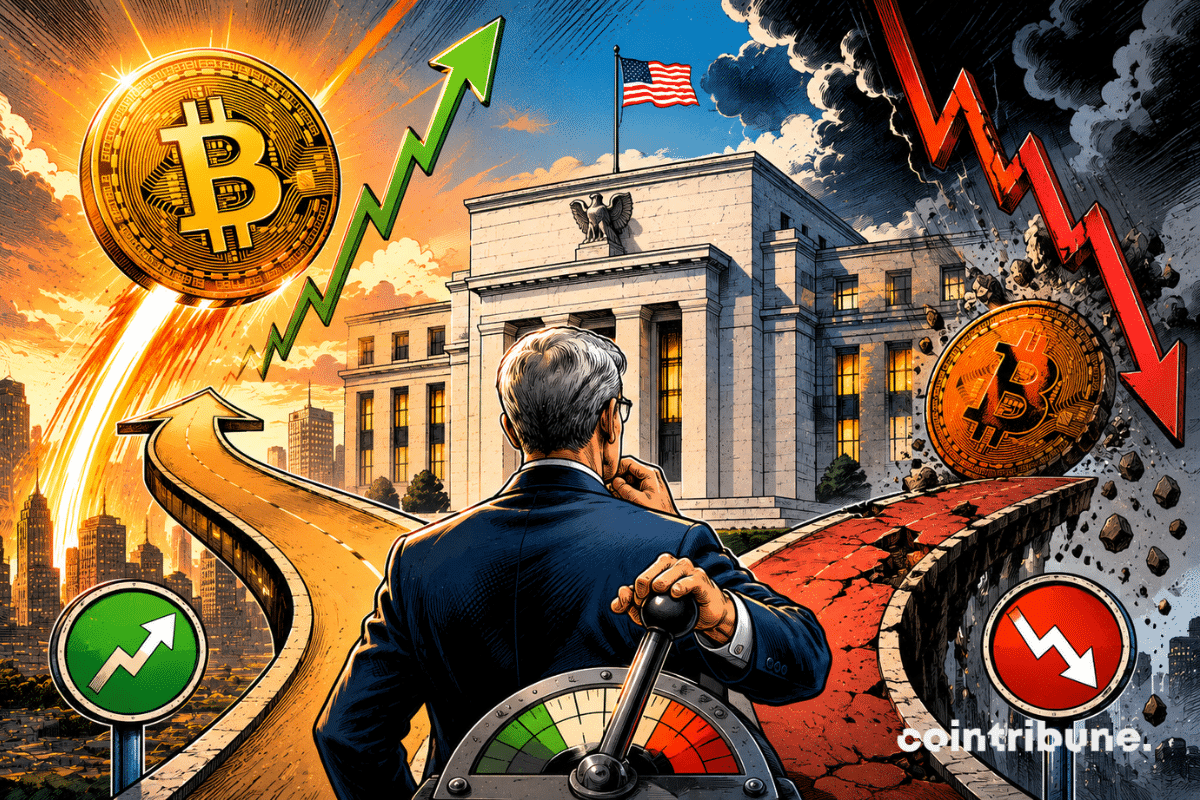
The US Federal Reserve opens a new chapter at a time when markets doubt the trajectory of rates and the strength of the dollar. Kevin Warsh has officially taken the helm of the Fed after unanimous support from the FOMC, a nomination already scrutinized far beyond Wall Street. The former central bank governor has indeed distinguished himself with rare statements on bitcoin, which he considers an asset capable of becoming "a durable store of value, like gold."
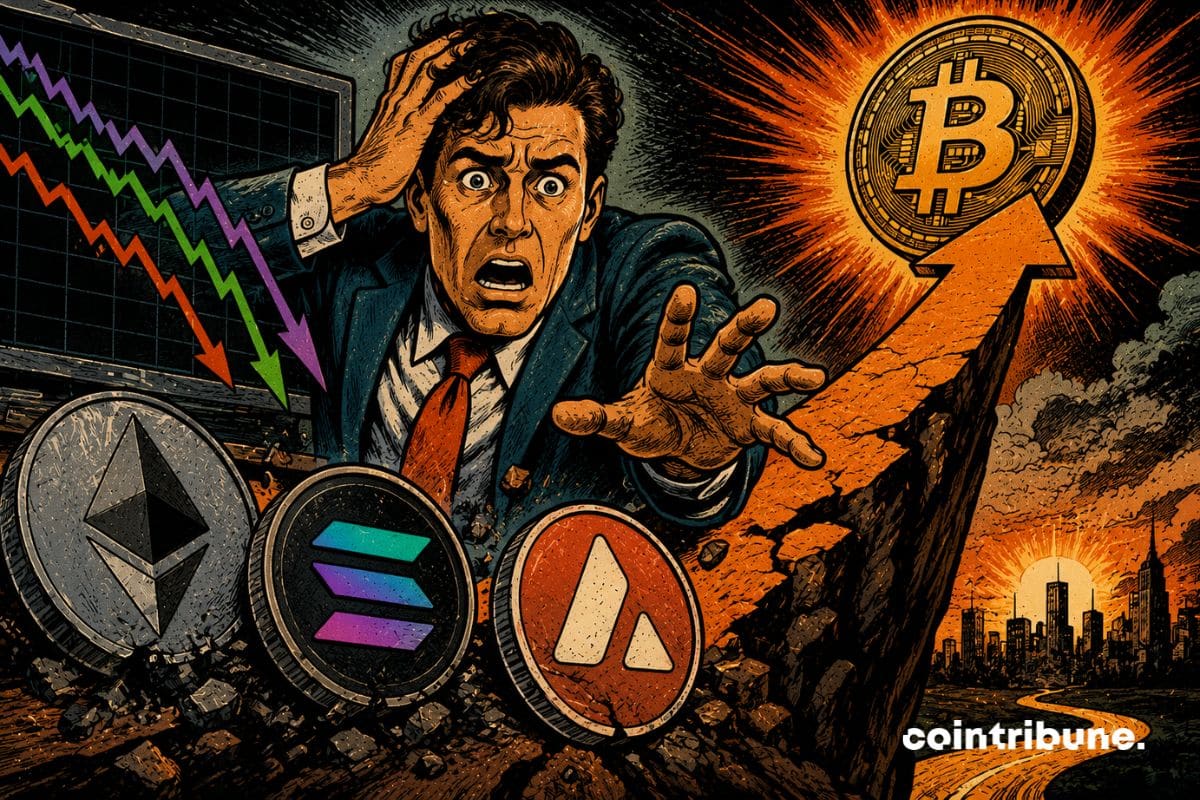
Despite a 28% drop since January, Ethereum keeps the market's attention. The price decline occurs while accumulators still follow on-chain signals. In this context, DeFi, stablecoins, tokenization, and staking show sustained activity. This situation provides a broader reading than price performance alone.
10 000 bitcoin for two pizzas... The ultimate mistake or the genius that triggered everything? 16 years later, the total of this legendary meal is dizzying and redefines the history of crypto. Discover the dizzying figures of an extraordinary destiny.
The crypto market moves without clear direction, but money does not sleep. While Bitcoin remains stuck between 76,100 and 78,000 dollars, several altcoins capture traders' attention. This sector rotation mainly benefits tokens related to AI and HYPE, while major cryptos still lack momentum.
While Bitcoin ETFs record massive outflows and ether slows down, XRP suddenly captures investors' attention. In a few days, funds linked to Ripple's token have attracted millions of dollars while network activity has sharply accelerated with a surge in wallet creations. This renewed interest now fuels a central question in the crypto market: is XRP benefiting from a genuine capital rotation or just a new speculative frenzy?
The crypto market is recovering, but not all projects benefit from the return of capital. This week, NEAR Protocol emerges as one of the big winners: +28% in 24 hours, +45% over seven days. Behind this surge, three major updates reposition the project at the heart of the most trending topics of the moment: AI, privacy, and scalability.
The US Congress puts Bitcoin back at the center of the political game. With the ARMA project, elected officials want to turn bitcoins already held by the state into a real strategic reserve, governed by law.
Mark Cuban distances himself from bitcoin. The American investor claims to have sold most of his BTC, believing that the asset no longer provides the economic protection role previously attributed to it. A statement far from trivial for a figure long associated with the adoption of cryptos in the United States. Through this move, the billionaire also questions the bitcoin narrative as "digital gold," while continuing to defend certain blockchains deemed more useful, such as Ethereum.
The unexpected postponement of the presidential decree on artificial intelligence revives the debate in Washington. Trump suspended the signing ceremony after judging that some measures could slow down the American lead. In a context of technological rivalry with China, the White House is seeking a balance between national security, industrial innovation, and international competitiveness, according to the American president.
While volatility maintains short-term hesitations, historical holders continue to massively accumulate BTC. This on-chain dynamic leads several analysts to estimate that the probability of a return to new lows is now very low. Thus, the progressive decrease of the available supply also begins to fuel scenarios of a future supply shock in the market.
Is the crypto apocalypse accelerating? The U.S. government just announced a historic $2 billion plan to fund quantum computing. We explain everything to you.
Blockchain.com quietly returns to knock on Wall Street's door, as bankers, regulators, and crypto veterans slowly bring out their old tokens still burning after several particularly painful IPOs.
A few months before the U.S. midterm elections, crypto prediction markets have already chosen their side. On Polymarket and Kalshi, more than 12.5 million dollars have been wagered on a scenario that worries Republicans: a takeover of Congress by the Democrats. This rise in betting comes as Donald Trump faces unfavorable polls, gradually turning these crypto platforms into real political barometers followed even in Washington circles.
Do crypto conferences actually drive traffic? We ran the stats so you don't have to.
Long-term investors are returning strongly to bitcoin. According to the latest on-chain data, their BTC reserves are approaching a historic level, ending several years of decline. This gradual accumulation reduces the available supply in the market, while institutional flows continue to increase the pressure on bitcoin.
Cardano is going through a funding crisis that directly threatens its scientific foundation. Charles Hoskinson warns of a major risk: without sufficient support, part of the research ecosystem could be dismantled. For a crypto that has claimed an academic approach for years, the signal is heavy.
The crypto market has just crossed a symbolic milestone. For the first time, Hyperliquid surpassed Solana in fully diluted valuation (FDV), an indicator increasingly scrutinized by institutional investors. Behind this duel of numbers lies a much deeper transformation: the emergence of "revenue chains," capable of generating massive financial flows through trading and on-chain finance.
Bitget is tightening its market rules with a new Market Integrity and Token Accountability Framework. The goal is clear: listed projects and market makers will face stricter oversight after listing, not only during approval. The exchange wants faster action against abnormal trading, suspicious wallets, weak liquidity, insider dumping and conduct that may damage user trust.
The stablecoin market enters a phase of brutal concentration. Tether absorbs almost all new flows, while its rivals take a hit. Between regulatory uncertainties and crypto market nervousness, investors now favor liquidity, size, and perceived security.
The cryptocurrency market is currently undergoing a period of high volatility, and Ethereum is no exception to this dynamic. Despite a recent correction, the crypto remains above essential support zones, which could preserve its long-term bullish structure. Technical analysts closely monitor these critical levels, as buyers' ability to defend these points could determine ETH's future trajectory.
SpaceX holds 18,712 bitcoins valued at 1.45 billion dollars. The information appears in the IPO documents filed Wednesday by Elon Musk's company. This revelation ends speculations about the space group's crypto reserves and quietly places SpaceX among the largest institutional BTC holders in the world. It also revives discussions about the role of bitcoin in corporate treasuries, as markets closely watch the return of listed companies to crypto.
Bitcoin has just surprised the crypto market. Despite over 2 billion dollars in outflows from spot Bitcoin ETFs, BTC rebounded above $77,000. A signal that could change the institutional market's perspective.
While Nvidia builds cathedrals for artificial intelligence, bitcoin miners bring out their secret plans. Wall Street applauds weakly, then discreetly recounts the cracks under the global digital foundations.
Does Europe finally want to regain control against the dominance of American stablecoins? The banking consortium Qivalis has just sent a strong signal to the market. With the arrival of 25 new European banks, the euro stablecoin project takes on a new dimension a few months before its planned launch in the second half of 2026.
Ethereum is back under scrutiny as several technical signals weaken its short-term trajectory. According to market analysts, ether could face heavy pressure if the $2,000 threshold does not hold. This level draws attention, as a break would confirm a bearish pattern already observed in January before a marked correction of ETH's price.
Bitwise claims that Hyperliquid's HYPE token could be one of the most undervalued crypto assets on the market despite a 77% increase this year. A statement that reignites the debate on the next stars of the crypto cycle.